Updated June 29, 2026

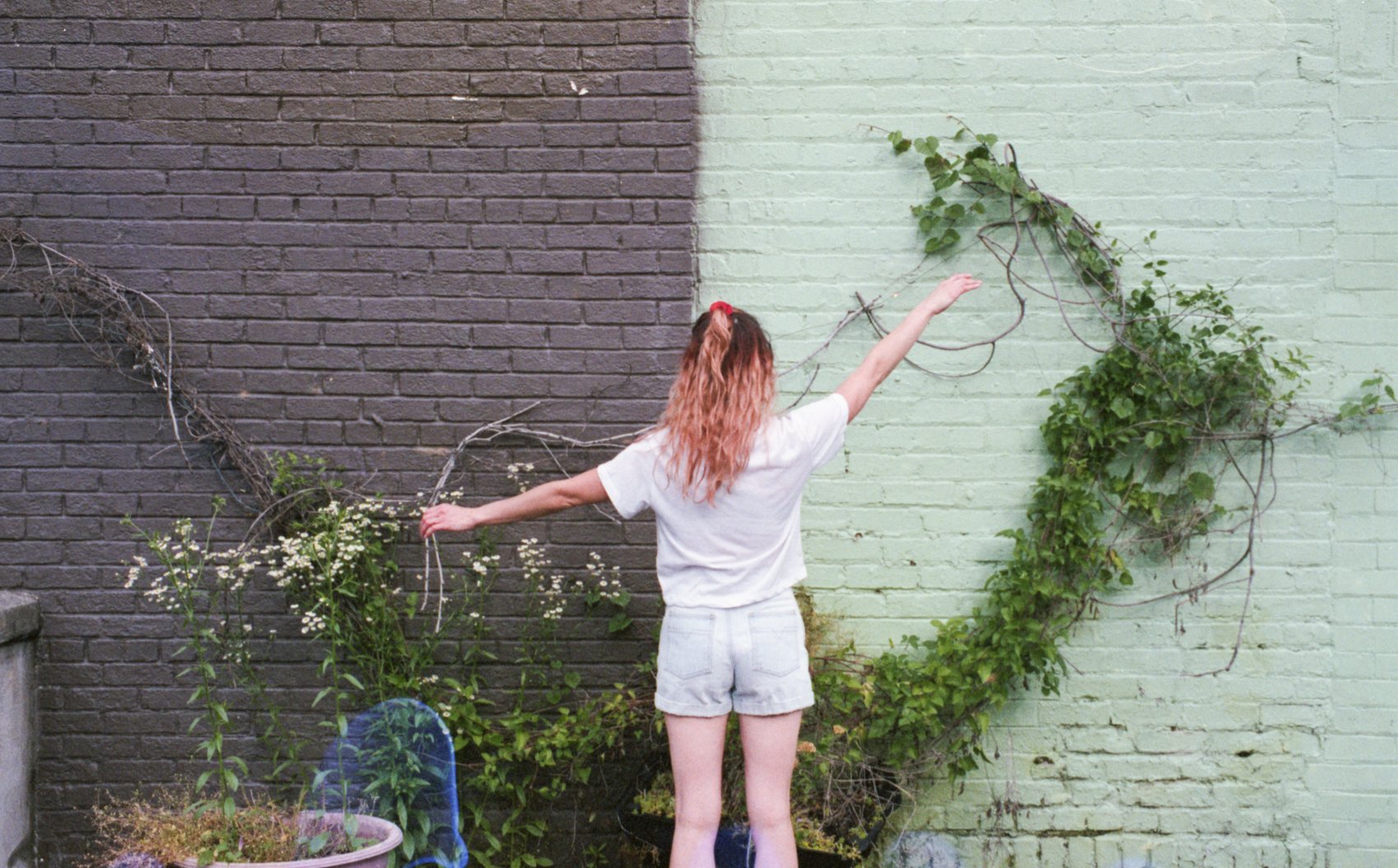
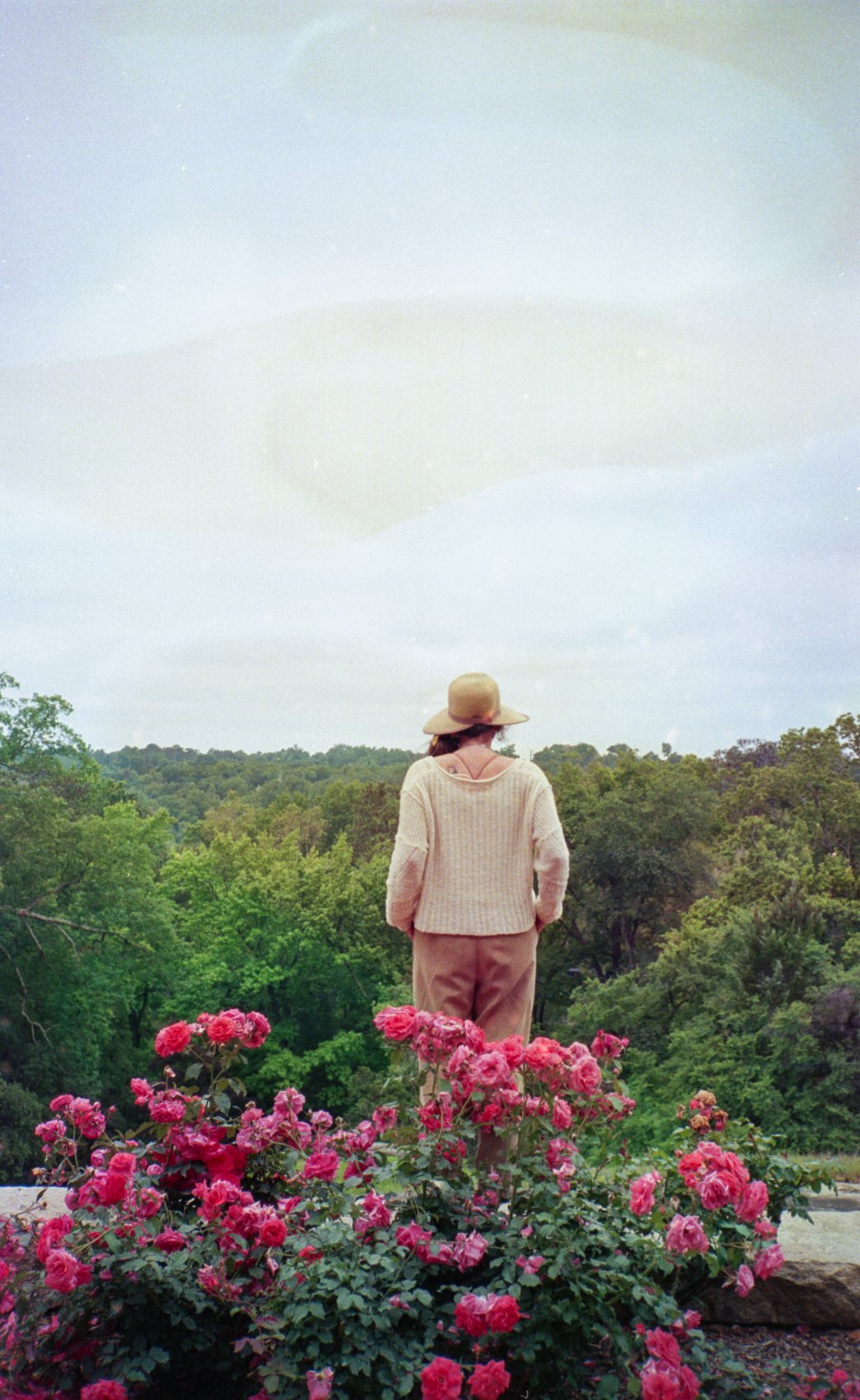
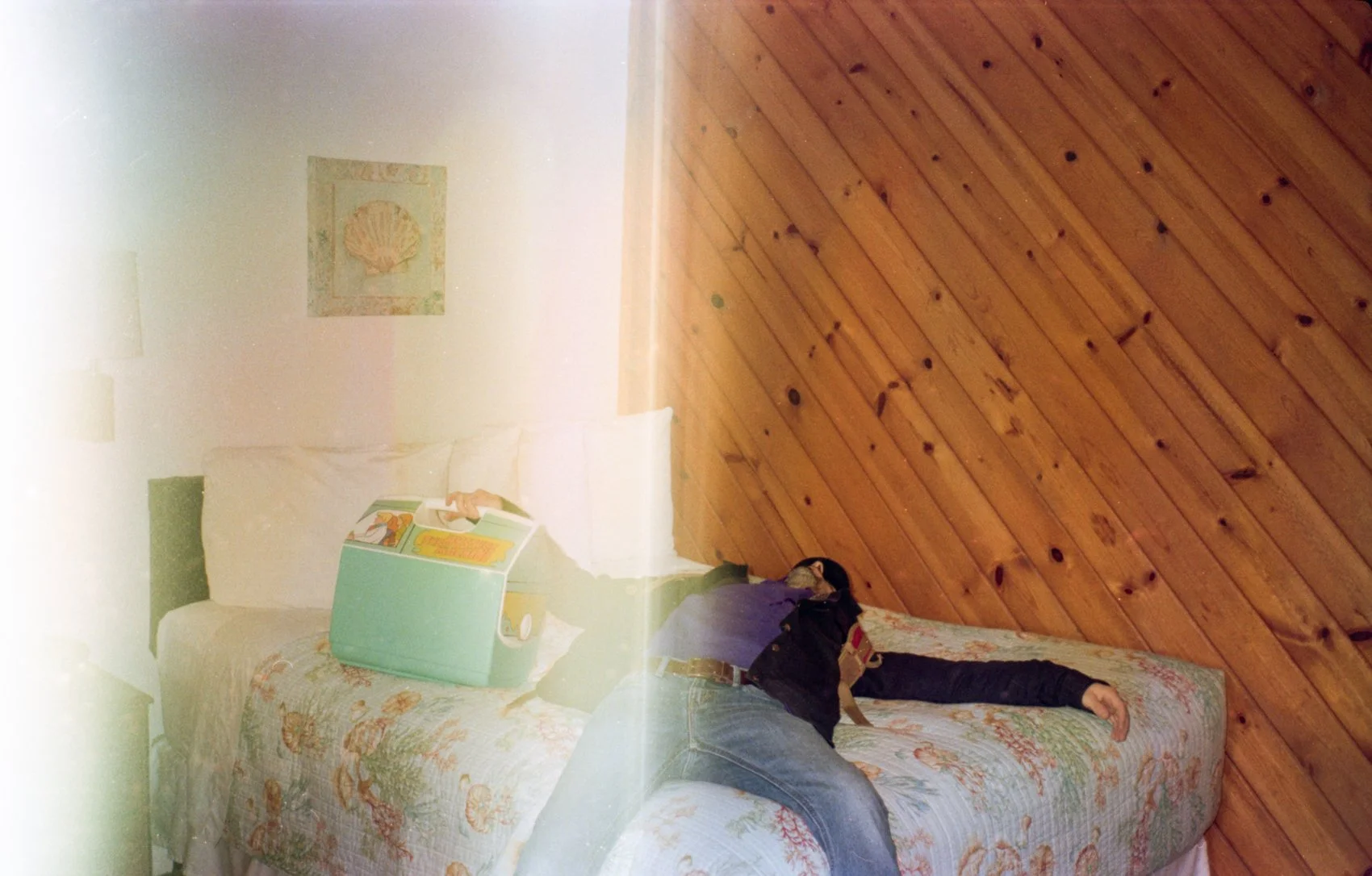
I FINALLY made Film Soup! Film Soup is just another way of describing a “film soak” and it really means just that - soaking your film rolls in some sort of liquid to get unique results. I’ve been wanting to try this for years but I somehow never got around to it (and was mostly just terrified that I’d ruin my film)! During COVID-19 though, I was able to find some free time to shoot a few rolls of film for fun and was willing to risk their lives for a film soaking experiment. One of my favorite film photographers, Wendy Laurel, is a film soaking QUEEN and I’ve been paying attention over the years to how she soaks her film. It’s not hard at all, until you get to the point that you have to drop your film into the liquid and hope that it turns out! Luckily, you can’t REALLY mess it up. And in my opinion, the more colorful and strange your photos turn out, the better! It’s a super exciting way to create unique and completely original images, and I’m all about that. I have a full YouTube video about this too, in case you’d rather watch than read!
I soaked both 120 film and 35 mm film, but the whole process really works better for 35 mm. 120 film rolls don’t really have a way for the water to reach into the film if they are wound tightly. If you have a loose roll, it might work a little better, but then you’re also risking the roll having some light leaks. If it’s your first time trying film soup, I’d definitely go with 35 mm.
Step 1: Shoot your Film!
Some people soak their film BEFORE they run it through their camera, but I decided not to do this simply because it made me nervous to risk having any sort of chemical or liquid mess up the inside of my camera. Personally, I think it’s much safer to soak your film after you shoot the roll. Plus, if you shoot the roll and decide you DON’T want to risk soaking it, then you’re good to go!
Step 2: Prepare your concoctions
The opportunities are endless when it comes to choosing the liquids to soak your film in. Some of the classic choices are lemon juice, tea, vinegar and salt water. But you can try any kind of liquid you’d like, though it’s probably going to turn out best if it’s something acidic. For each liquid, you just pour a little bit in the bottom of a bowl. There’s no “correct” measurement here - just trust your intuition! A quick lemon squeeze, a few tablespoons of vinegar, etc. It’s totally up to you! That’s the fun of it. :)

(By using the affiliate links and/or codes in this blog post, you help support Myles Katherine Photography. I may earn a small commission at no additional cost to you if you make a purchase through these links. Thank you for your support!)
Step 3: Pour (almost) boiling water over the liquids
You’ll want to dilute the liquids you chose in Step 2 with hot water. I used boiling water that had cooled down a little bit. Hot water tends to work better than cold water in terms of getting a reaction out of your film. So just pour hot water in each bowl until there’s enough liquid to cover your film roll when you drop it in.

Step 4: Get up the courage to drop your film rolls in the water!
This was the hardest part for me! But it’s also just so thrilling because you have no idea how it’s going to turn out. Drop your film roll into the liquid mixture and let it sit for AT LEAST 15 minutes. My fav photographer I mentioned above, Wendy, usually soaks hers for about an hour. Some people soak their film up to 24 or 48 hours! Again, there are no rules really, but I think 15 minutes at minimum, just to make sure you get some type of result at the end of it all. After going through this experience now, I think I want to try soaking for 24 hours next time and see if I get more of a reaction.
Step 5: Rinse the Film
After your film has soaked, you’ll want to rinse the film rolls as best you can to get off any excess chemicals or acid that might continue to dissolve the film. We don’t want the film to disappear into thin air! I rinsed mine with cold water for a good 30 seconds each and then let them each soak in a bowl of clean, cold water for 15 minutes.
Step 6: Let the Film Dry!
You did it! Now, just set the film somewhere safe to fully dry for at least a week before sending it off to the lab to get developed.
Step 7: Send the film off to get processed (or process it yourself if you’re lucky enough to have a darkroom in your home)!
After a week of drying, you can send off your film to get processed so that you can finally witness your masterpieces! IMPORTANT TIP: Check with your film lab BEFORE you send your film in, to make sure they are able to process soaked film. Some labs aren’t willing to do it, as the chemicals that might still be lingering on the film can alter their chemicals and ruin other people’s film. We DEFINITELY don’t want this to happen. The film lab I usually use actually wasn’t able to do it, so I ended up sending my film to Blue Moon Camera in Portland, Oregon. I made sure to individually label each film roll with what kind of solution I soaked it in so that they could determine the best way to process it in their lab. I also recommend to call them beforehand so they can be prepared and process your film separately.
Step 8: Obsess over your images!
You did it! I scan my film myself so I had the film sent back to me and then I used my Epson V750 scanner to finally view my images. It was a long wait but TOTALLY worth it. I can’t wait to do it again! And next time, I think I will try a 24 hour soak. :)
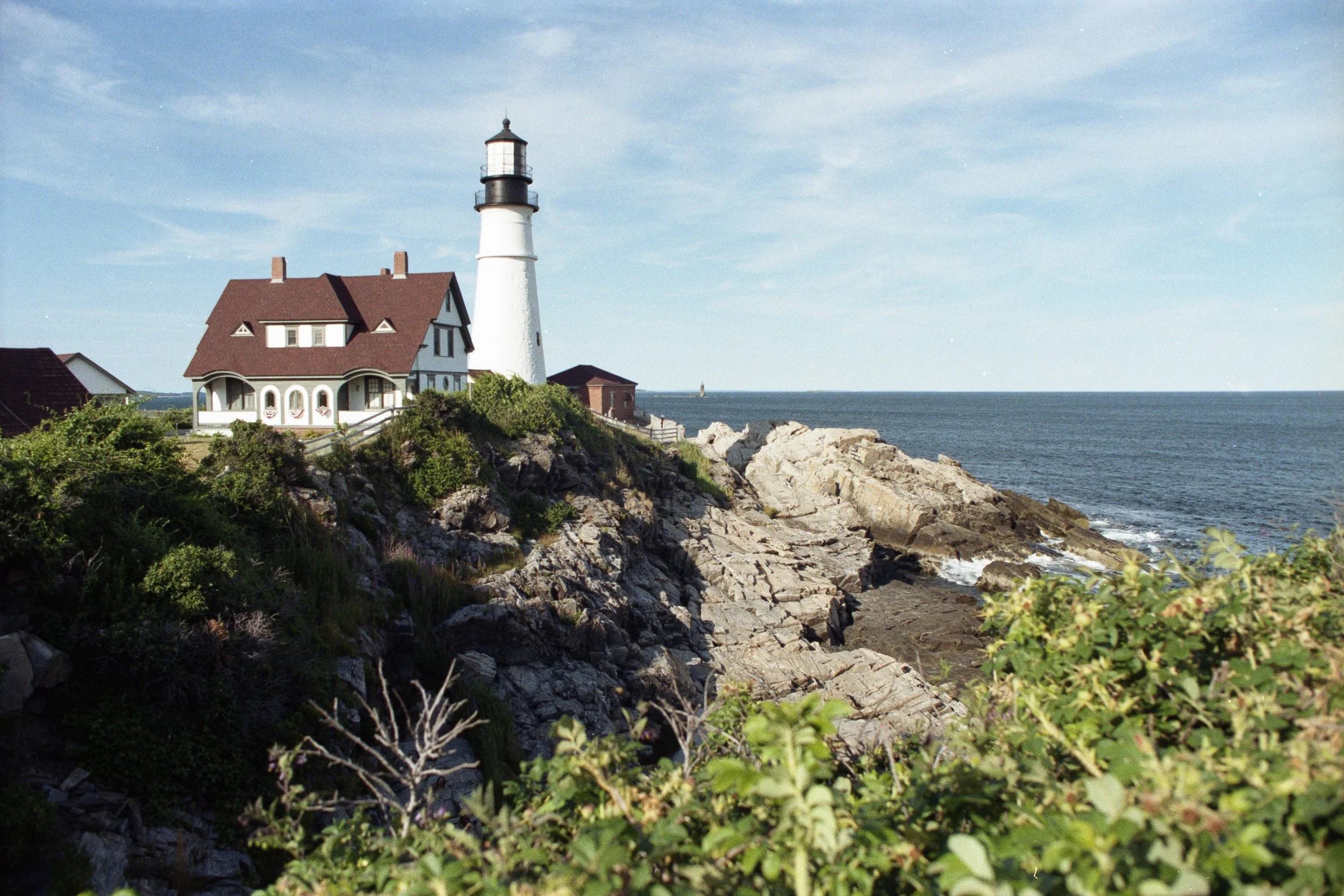
Let me know how your Film Soup turned out! And if you’re looking for recommendations for 120 or 35 mm stocks, you can check out my blog post about my favorite 120 films here, or 35 mm here! Feel free to leave any thoughts, comments or questions below! And don’t forget to check out my full youtube video showing my first Film Soup experience! Or scroll down to see how my images turned out!
If you found this post helpful in any way, I’d love it if you considered signing up for my Patreon! For as little as $1 a month, you’ll get early access to all of my YouTube videos, plus tons of photos that I don’t post anywhere else. Depending on which tier you choose, you could also receive seasonal prints and/or discounts! I always use all of the proceeds towards cameras, film & processing.
If you have any questions, I’m always happy to help! You can contact me here, or leave a comment below! Thanks so much for stopping by! You can also check out my B&H Photo storefront & Amazon Storefront for more camera/film recommendations. :) Have a magical day!
<3 Myles Katherine