• About
  • Portfolio
  • Blog
  • Services
  • PRINT SHOP
  • Contact
Menu

Myles Katherine Photography

  • About
  • Portfolio
  • Blog
  • Services
  • PRINT SHOP
  • Contact

Ricoh GR IIIx Review and Comparison with the Sony RX 100 VII | Sample Photos in Miami, Florida!

March 9, 2026

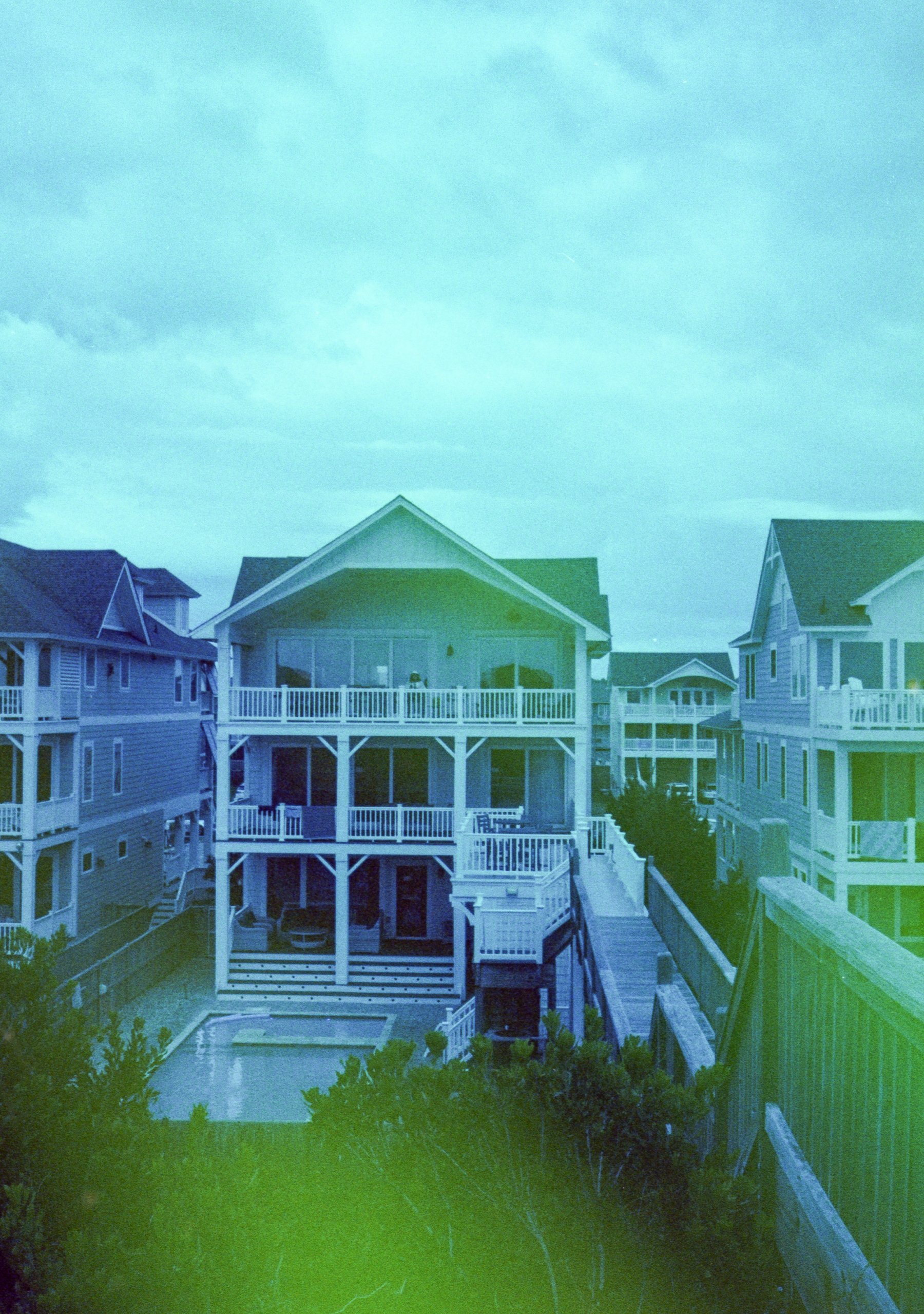
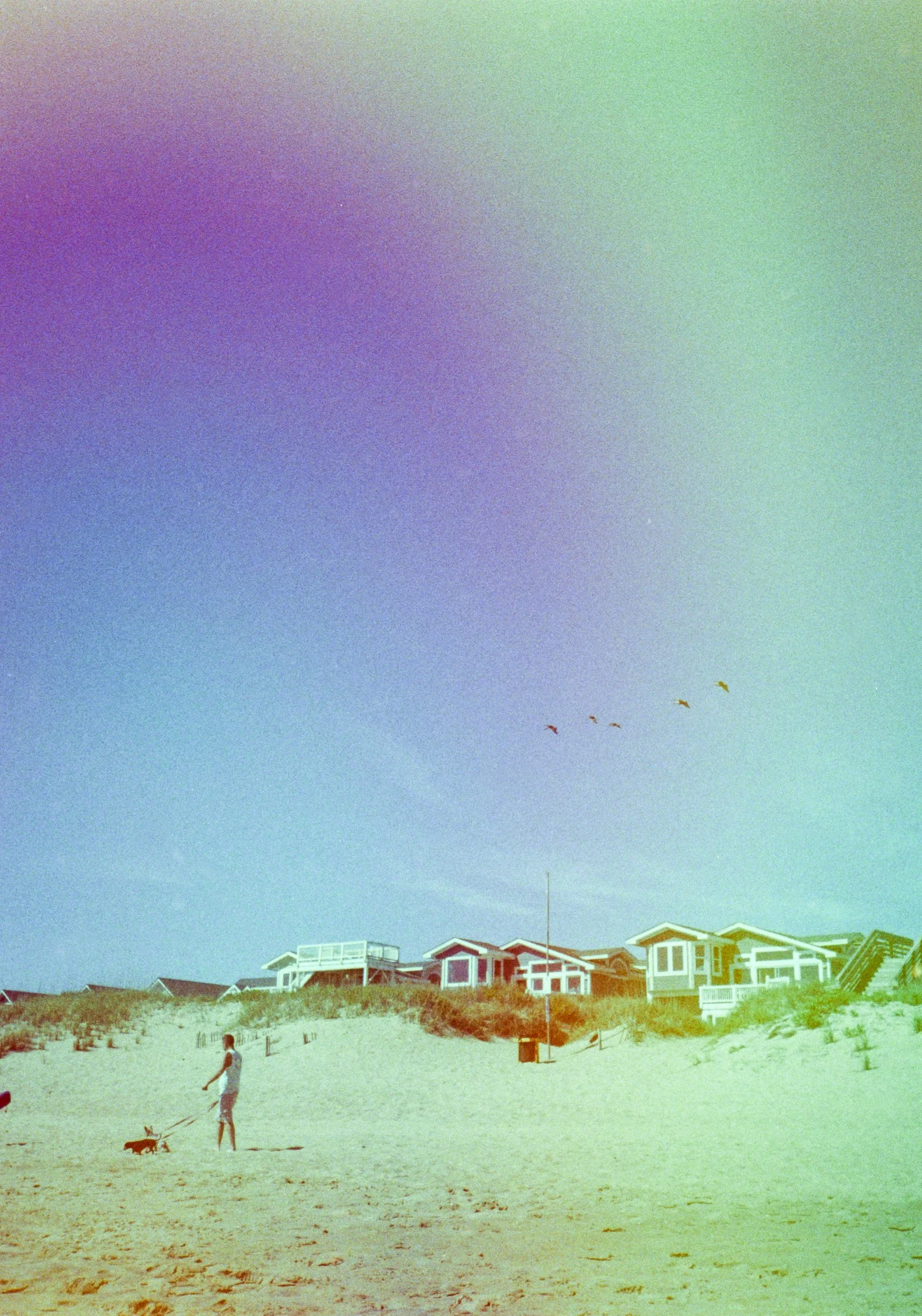
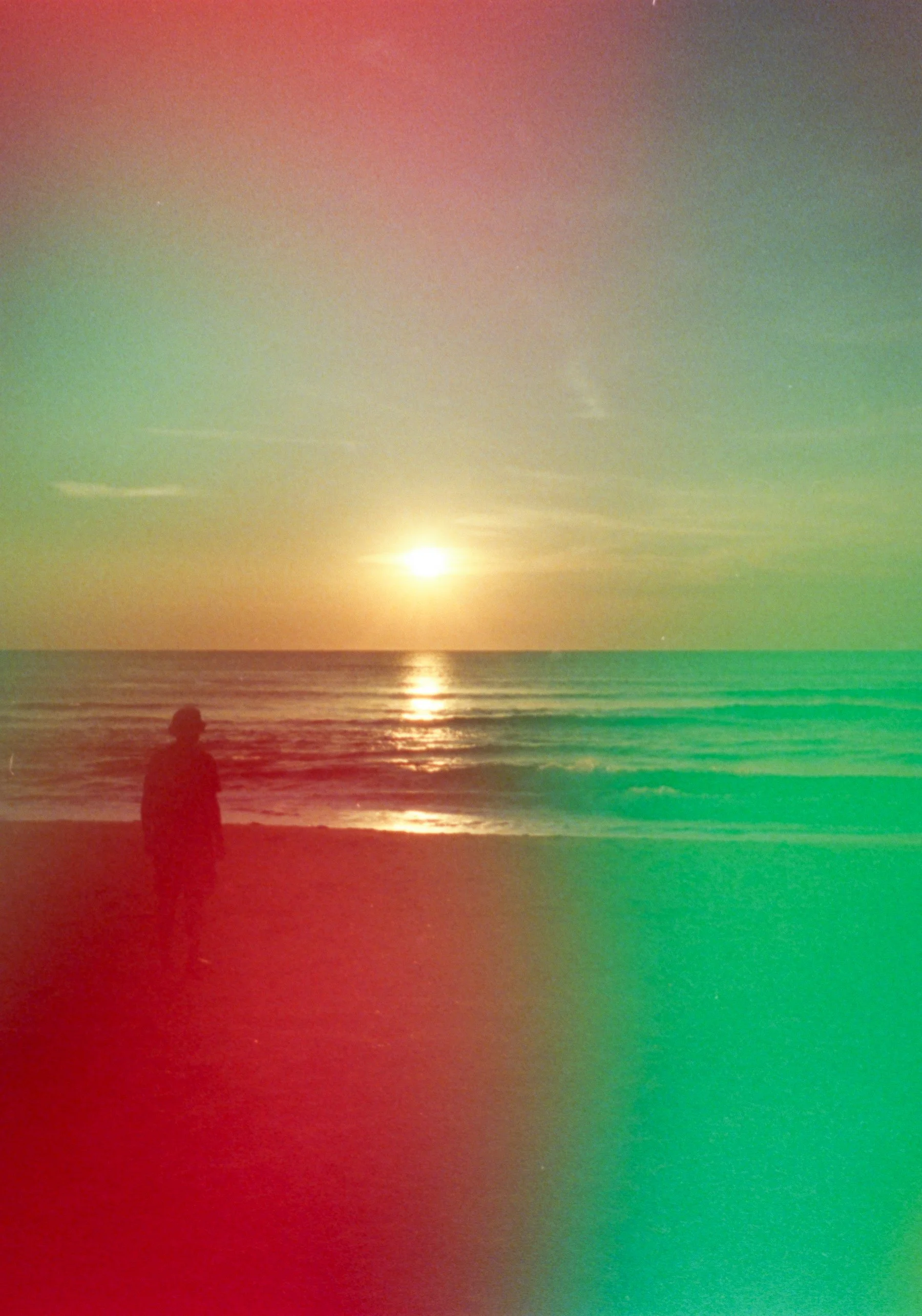
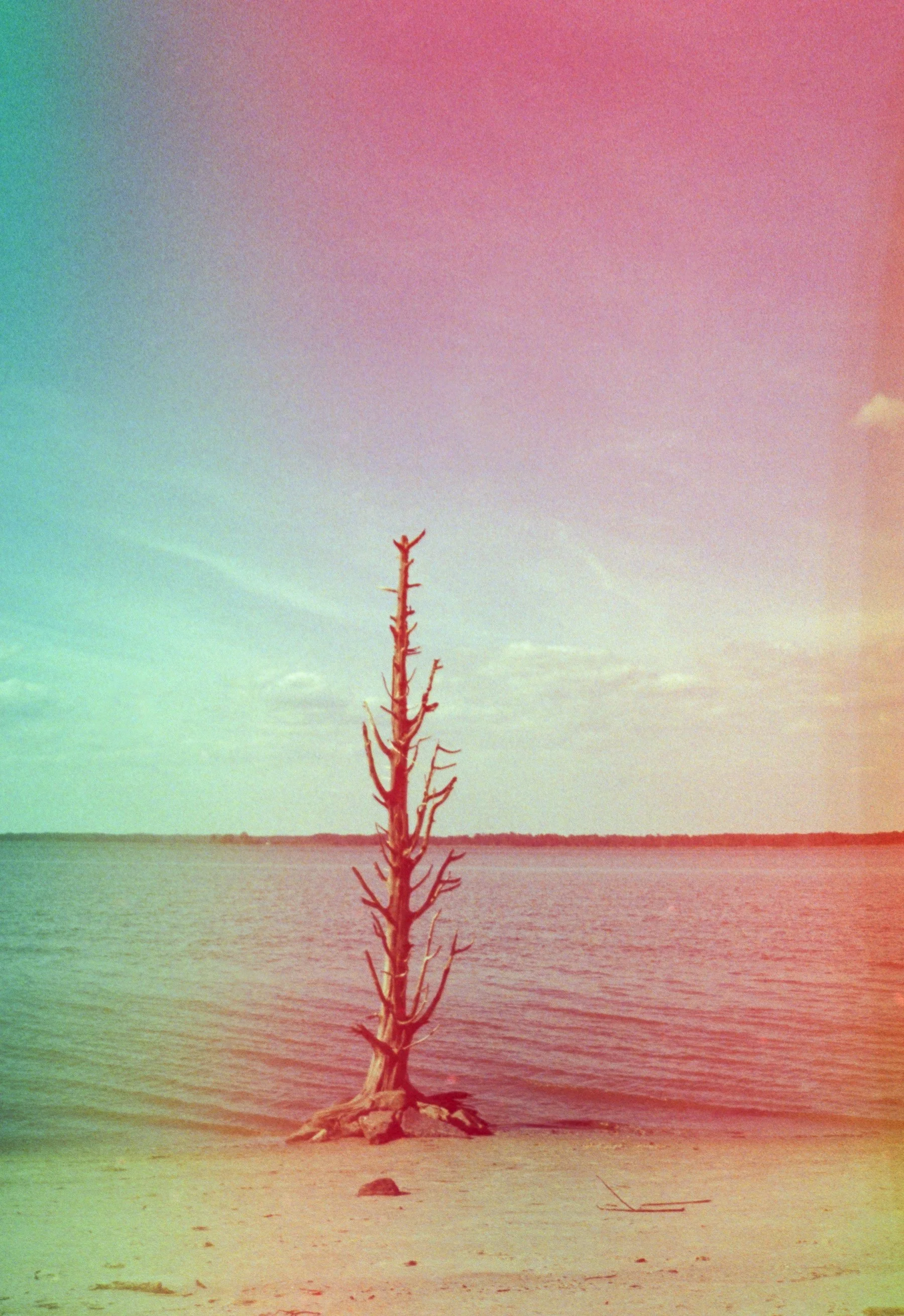
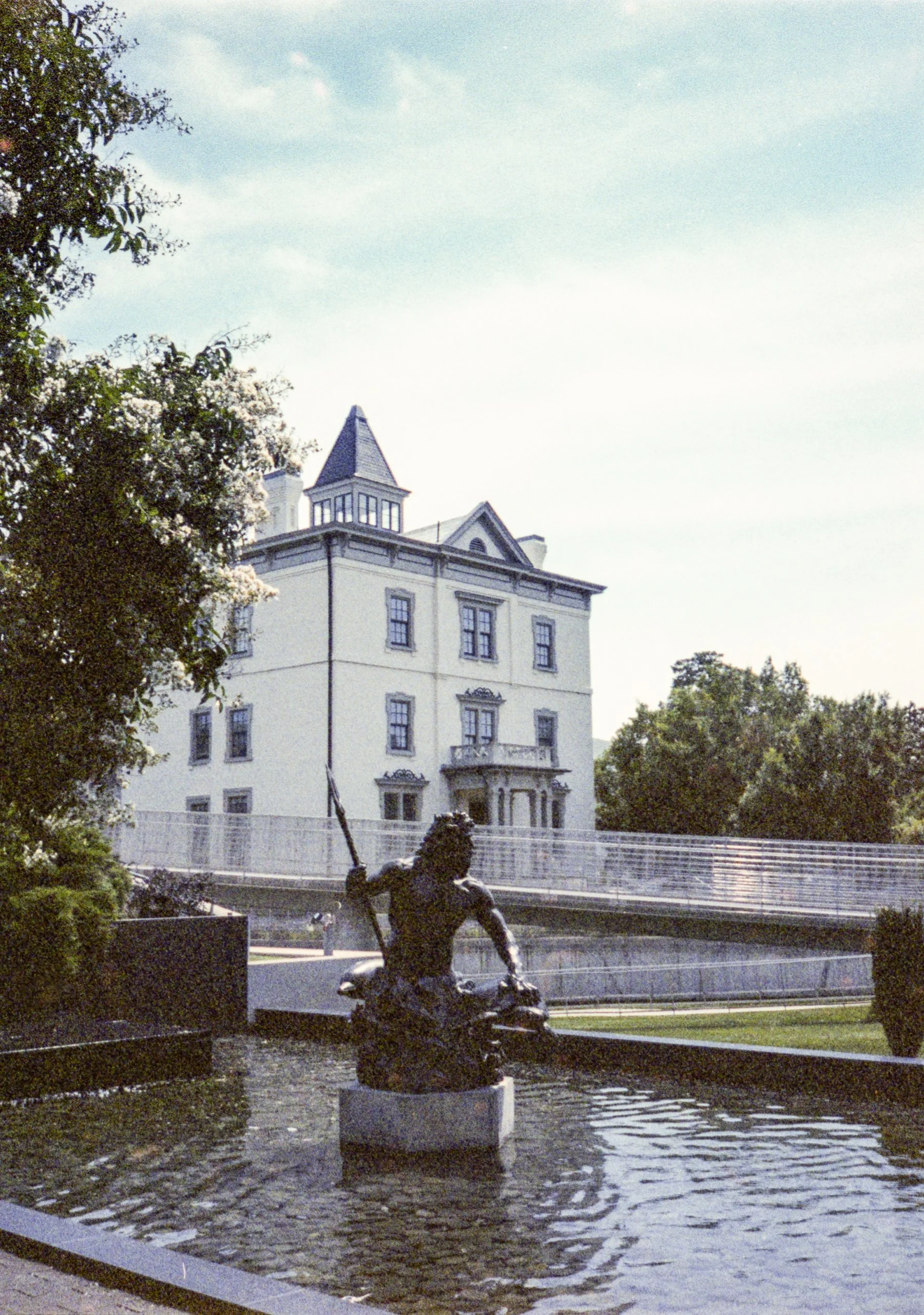
Point and shoot cameras are all the rage these days and the popular ones like the Canon G7X Mark II and Fujifilm X100VI are constantly sold out everywhere. But there are quite a few lesser known brands that offer amazing little point and shoot cameras too. It’s crazy what these tiny cameras are capable of these days. I recently had the chance to test out the Ricoh GR IIIx on a trip to Miami and got to fully experience how much point and shoot cameras have improved since the early 2000s. I constantly think about my very first point and shoot camera, the Canon ELPH Powershot sd900. It was unfortunately stolen one day after I set it down at a street festival, but I won my first photography contest with a photo I took with that camera! So, in a way, point and shoot digital cameras are really what started my career as a photographer and artist!

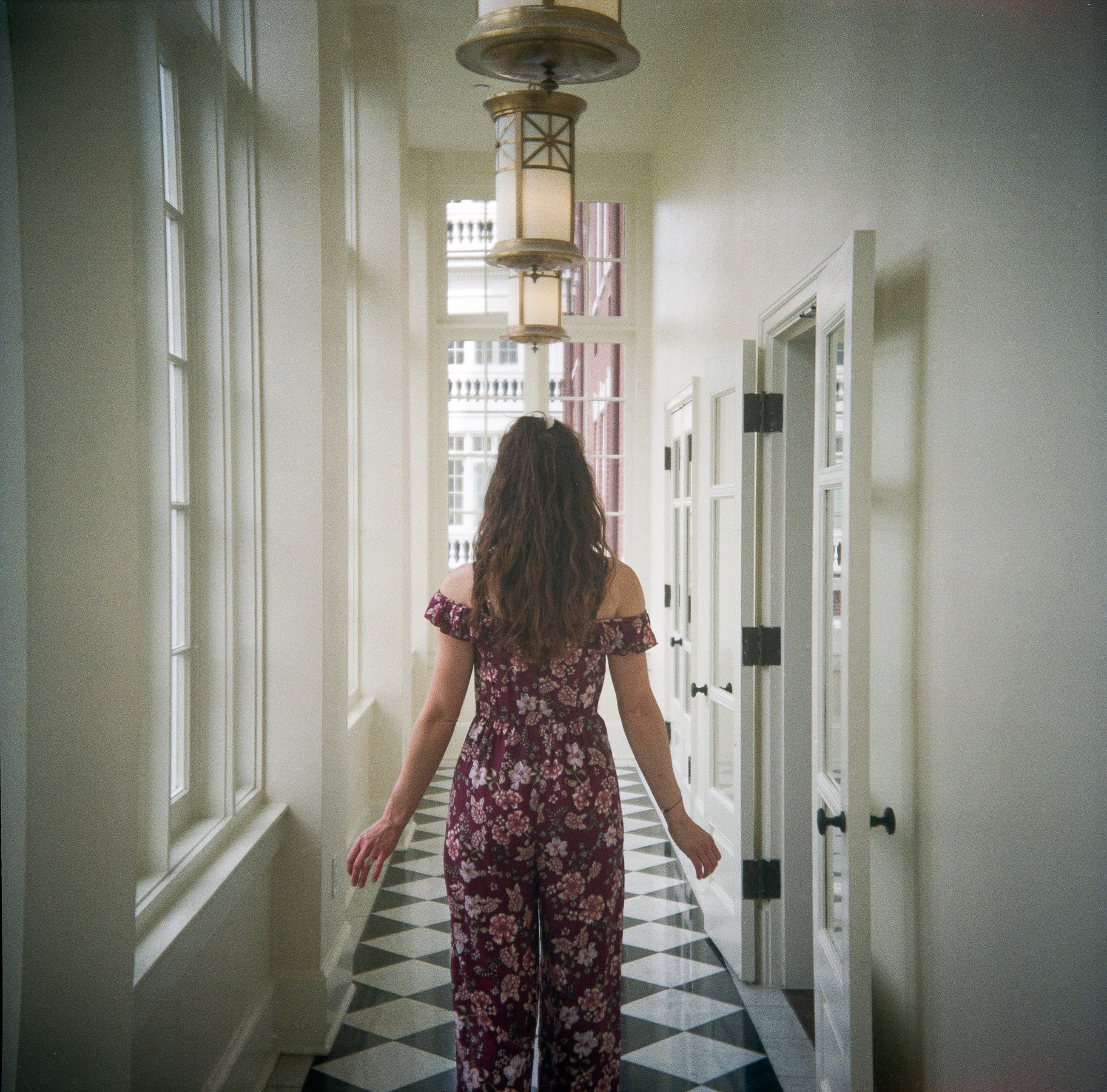
The Ricoh GR IIIx has so many incredible qualities and it definitely impressed me with it’s ability to create photos that don’t look like they came from a point and shoot at all. It’s super compact, aesthically gorgeous, and is capable of creating images that are cinematic, film-like, and creatively inspiring. I actually tested it against the Sony RX 100VII and noticed a few key differences right away. My main takeaway from shooting with those two cameras alongside each other is that the Ricoh GR IIIx is really meant for fine art photographers who are looking for pro-level photographs in a tiny package. It’s the perfect travel camera, as all point and shoots are, but it truly stood out against the Sony RX 100VI in terms of creating photographs that look like fine art vs. candid, wide angle lifestyle shots. If you’re looking for a camera that acts more like a large DSLR or mirrorless camera, the Ricoh GR IIIx might be the better option. I always dream of the day I can shoot a whole portrait session or wedding with a point and shoot but I think my clients might think it’s a bit strange if I showed up with a camera half the size of my hand! Maybe one day…

View fullsize ricoh gr iiix review and comparison with sony rx 100 vii sample photos-4.jpg
View fullsize ricoh gr iiix review and comparison with sony rx 100 vii sample photos-5.jpg

STANDOUT FEATURES OF THE RICOH GR IIIX

1. Large APS-C Sensor

The 24.2 MP APS-C sensor on the Ricoh GR IIIx is really the key ingredient here in terms of photo quality when comparing it to the smaller 20.1 MP 1-inch sensor on the Sony RX 100VII. This sensor is more similar to what you’d find on a large, pro-level mirrorless or DSLR camera. I noticed right away how beautiful the images were, especially in low light or with a wide open aperture. I kept asking myself, why do I drag around these giant DLSR cameras all day when I could create images that are just as beautiful with a tiny, pocket-sized camera! It made all of the difference in the world when I was exploring Miami, because I’m so used to carrying around a backpack that weighs a million pounds on my travels. For this trip, I was just walking around with a small side bag and these two point and shoot cameras that weighed next to nothing. It was a game changer. I’m not sure I can ever go back to my previous ways! After using the Ricoh GR IIIx for a few days, it quickly became obvious that if your goal is to create images that you’re hoping to submit to galleries, to enlarge for prints, or images that are more “fine art”, street-style photography, the Ricoh GR IIIx is the ideal choice. The Sony RX 100VII is better for sharing to social media, capturing candid moments with friends and family, or for basic travel photography that doesn’t require a lot of thinking. The Ricoh GR IIIx is a bit more advanced and isn’t quite as user-friendly, but even though it’s geared toward more fine art photography, it’s still easy enough to use for the average consumer. All point and shoot cameras are meant to be simple, hence “point…and…shoot”, but the Sony RX 100VII wins if you’re looking for a camera that does it all without being too complicated. The Ricoh GR IIIx is better for professional photographers with a bit more experience who are looking for a pocketable travel camera that takes pro level images.

View fullsize ricoh gr iiix review example photos portrait.jpg
View fullsize ricoh gr iiix review and comparison with sony rx 100 vii sample photos-69.jpg


2. Multiple Exposure Function

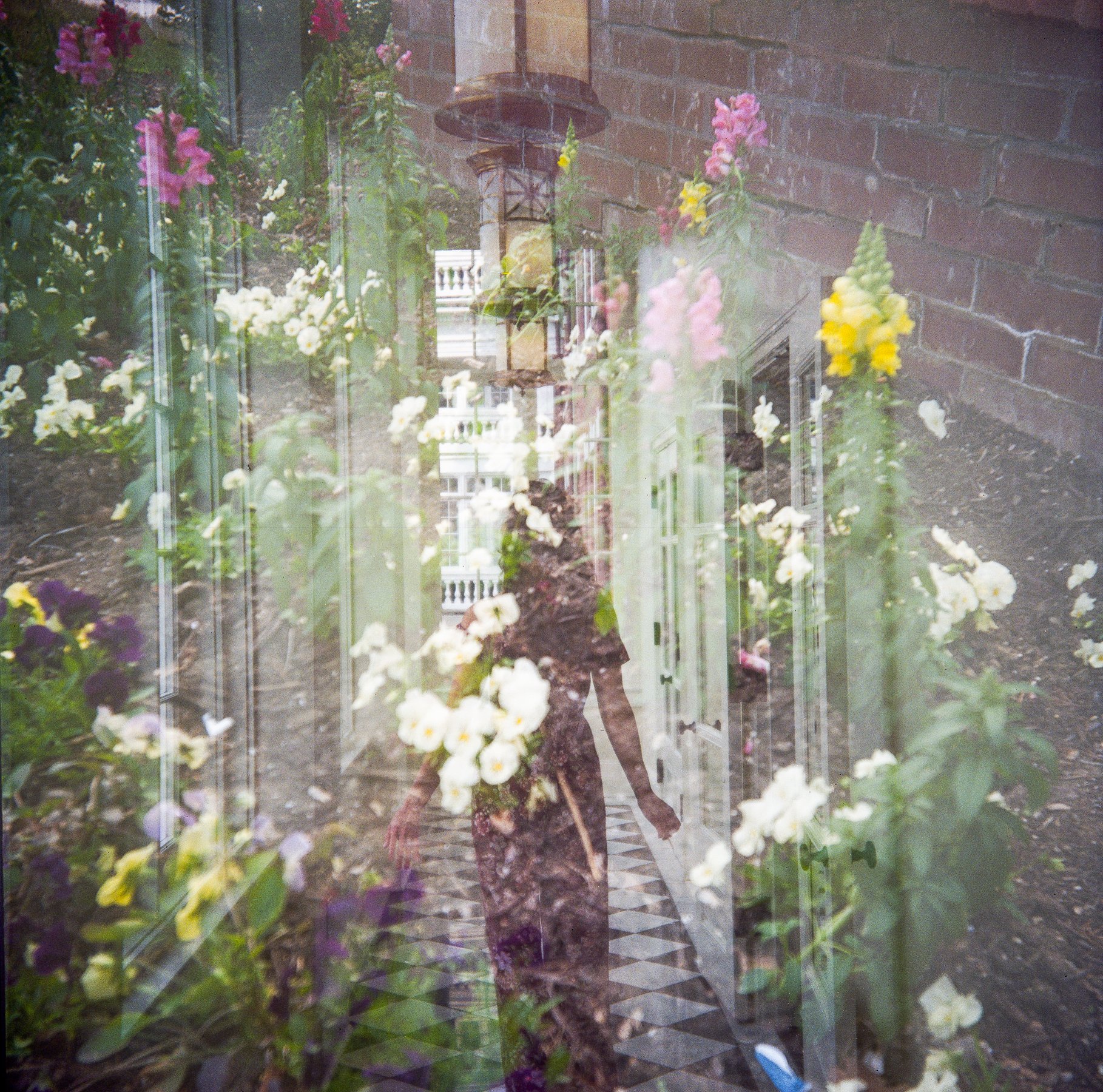
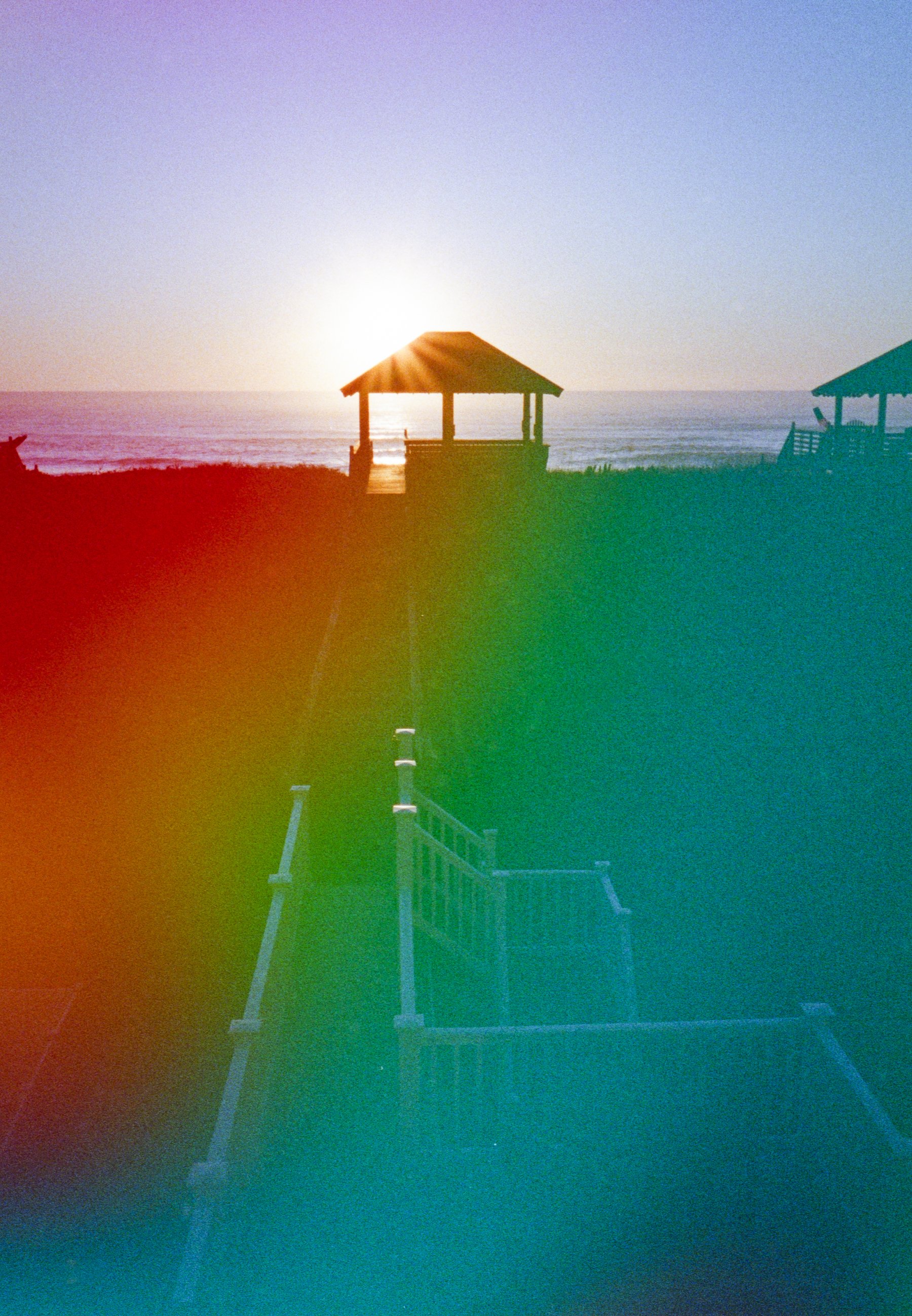
The fact that the Ricoh GR IIIx has a multiple exposure function really levels up the camera for me in comparison to the Sony RX 100 VII. For my personal style of photography, having a multiple exposure option is a necessity. It’s hard for me to justify spending money on a camera that doesn’t have this function. However, for a lot of people this is really just a fun feature that they won’t use often, if ever. But for professional photographers, it offers that extra option for additional creativity. If you haven’t experimented with multiple exposure, I highly recommend giving it a try to see how you like it! The menu on the Ricoh is a bit annoying to scroll through, but it’s relatively easy to switch to the multiple exposure function once you find it in the menu.

View fullsize ricoh gr iiix review and comparison with sony rx 100 vii sample photos-95.jpg
View fullsize ricoh gr iiix review and comparison with sony rx 100 vii sample photos-120.jpg

3. Super sharp 40 mm f/2.8 fixed lens

When it comes to the Ricoh GR IIIx and the Sony RX 100 VII, the lenses on the cameras are probably the main and most important difference between the two. The Ricoh GR IIIx has a 40 mm f/2.8 fixed lens. This means you don’t have the option to zoom and you’re stuck with one focal length. However, 40 mm is kind of the perfect focal length if you’re looking to create a blend of portraits, landscapes, macro photography and travel. While I personally prefer wider lenses, the 40 mm is another reason this camera has a sort of “fine art” feel to the images. 40 mm is more zoomed in than the eye sees naturally, so it adds a sort of dreamy, intimate quality to the photos. While the zoom function is nice on the Sony RX 100 VII, sometimes it’s nice to work with a fixed lens because it forces you to think about composition more. You have to move and adjust to your scenario and I think it causes you to plan and execute your images a little more effectively. The Sony RX 100 VII might be easier to use because you can just zoom in to your subject to capture what you need, but sometimes I find that it can cause you to be somewhat lazy and not put as much effort in to your shot.

4. Beautiful Macro Mode

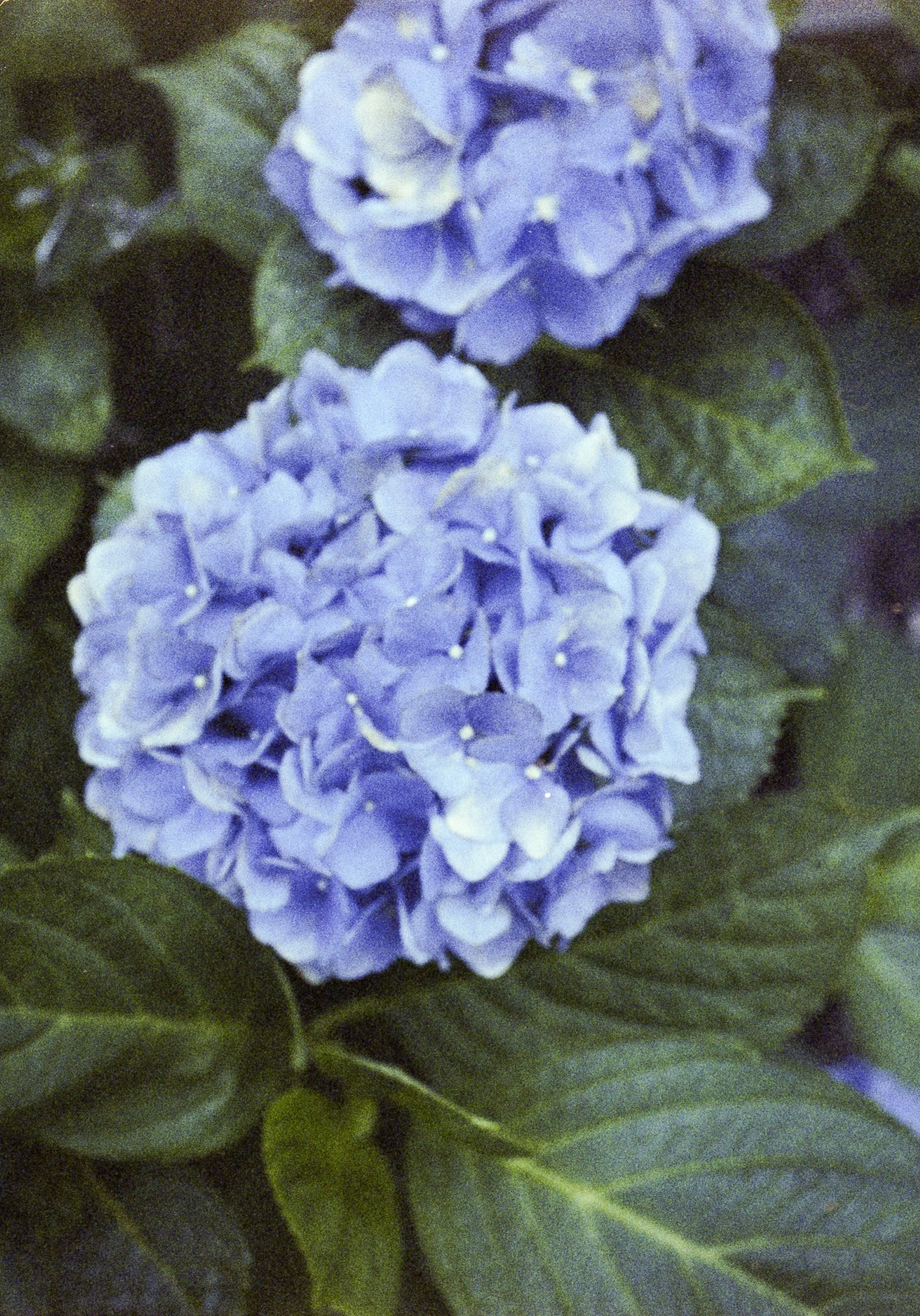
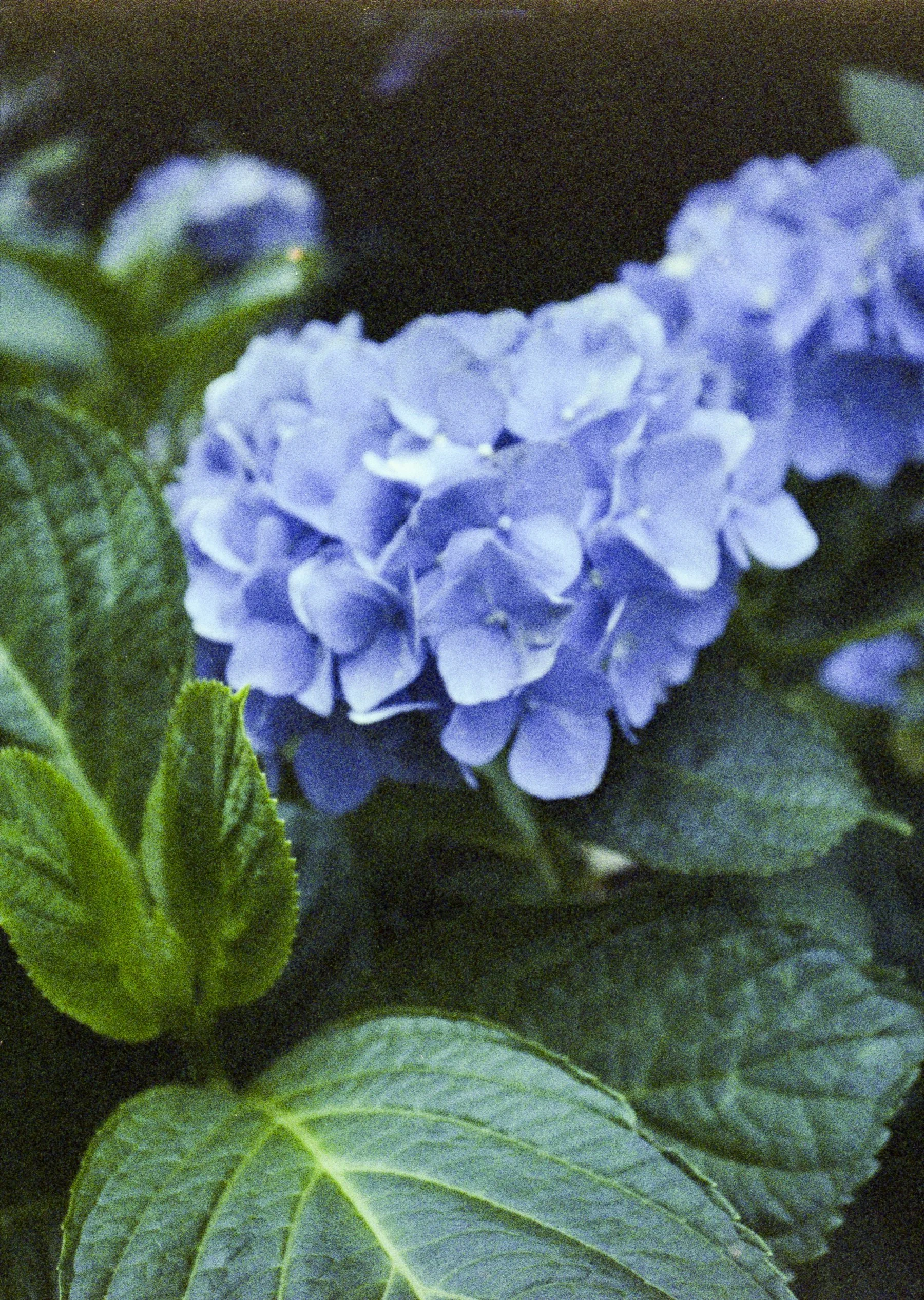
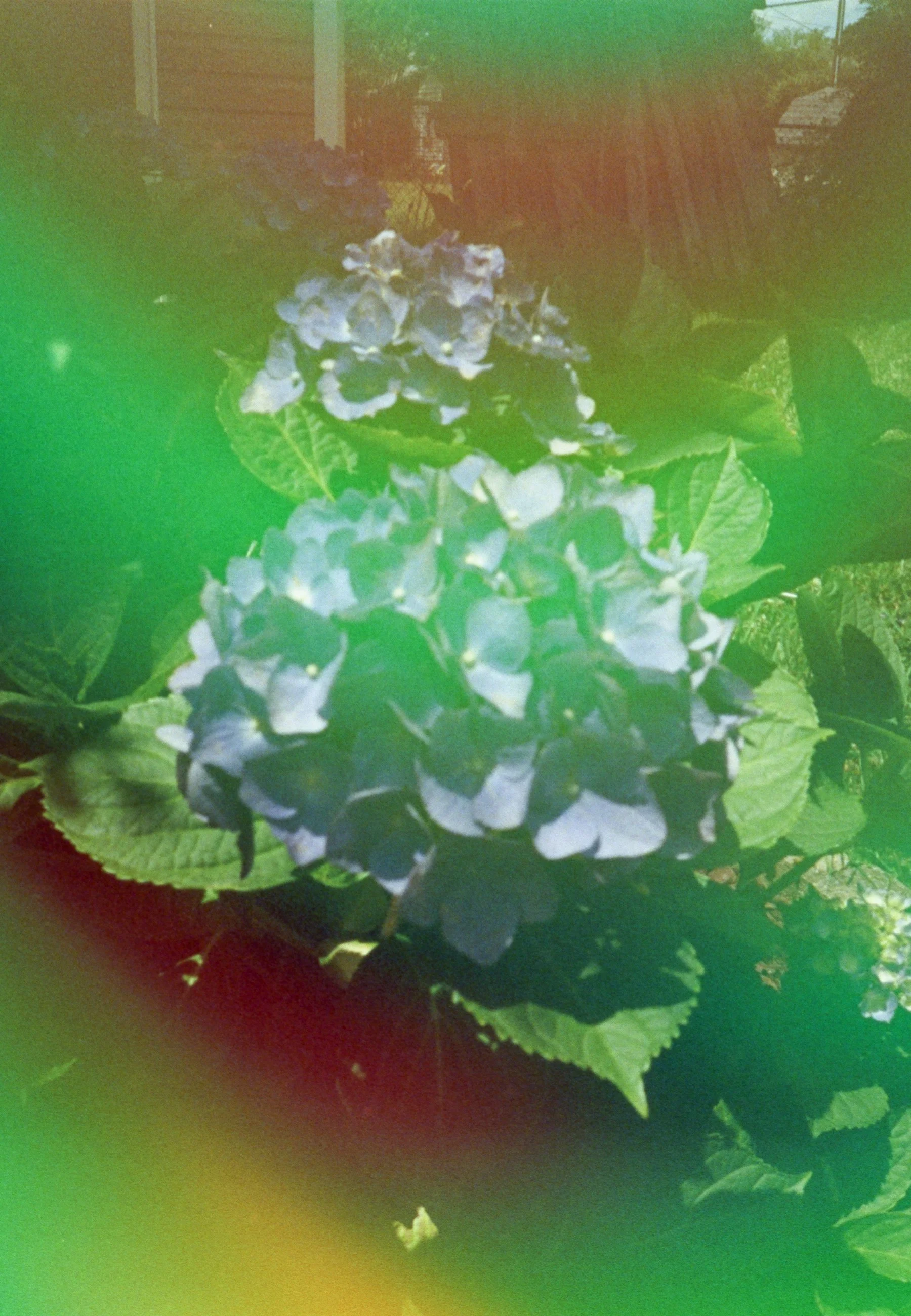
I’m not a macro photographer by any means, but once I realized that the macro mode was so easily accessible on the main dial of the Ricoh, I figured I might as well try it out! I was amazed at how stunning the images were and how simple the feature was to use. I was able to take beautiful nature shots that looked like they were made with a super expensive lens on a DSLR. The background blur when using the macro mode was gorgeously soft and natural looking. I travel a lot and I love taking photos of beautiful plants and foliage when I’m in new places, and I can tell this would be a feature I’d end up using more than I expected. The Sony RX 100 VII does not have a macro mode, but it has a closer focusing distance so you can just bring the camera in closer to your subject to get the shot. However, you won’t get that gorgeous background blur and softness that you’ll find with the Ricoh GR IIIx.

Ricoh GR IIIx
Ricoh GR IIIx
Sony RX 100VII
Sony RX 100VII
Ricoh GR IIIx
Ricoh GR IIIx
Sony RX 100VII
Sony RX 100VII


5. Gorgeous Color Tones

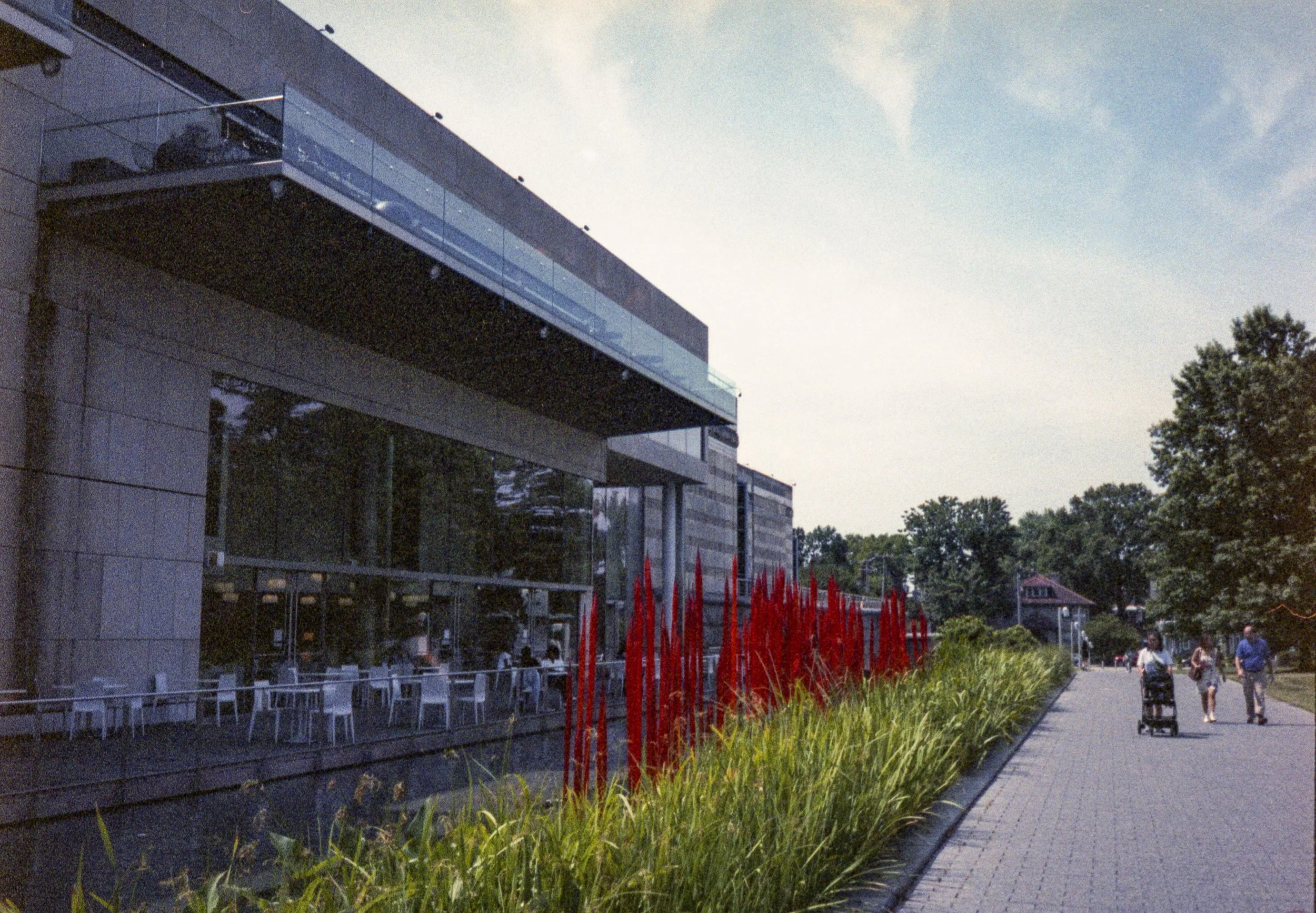
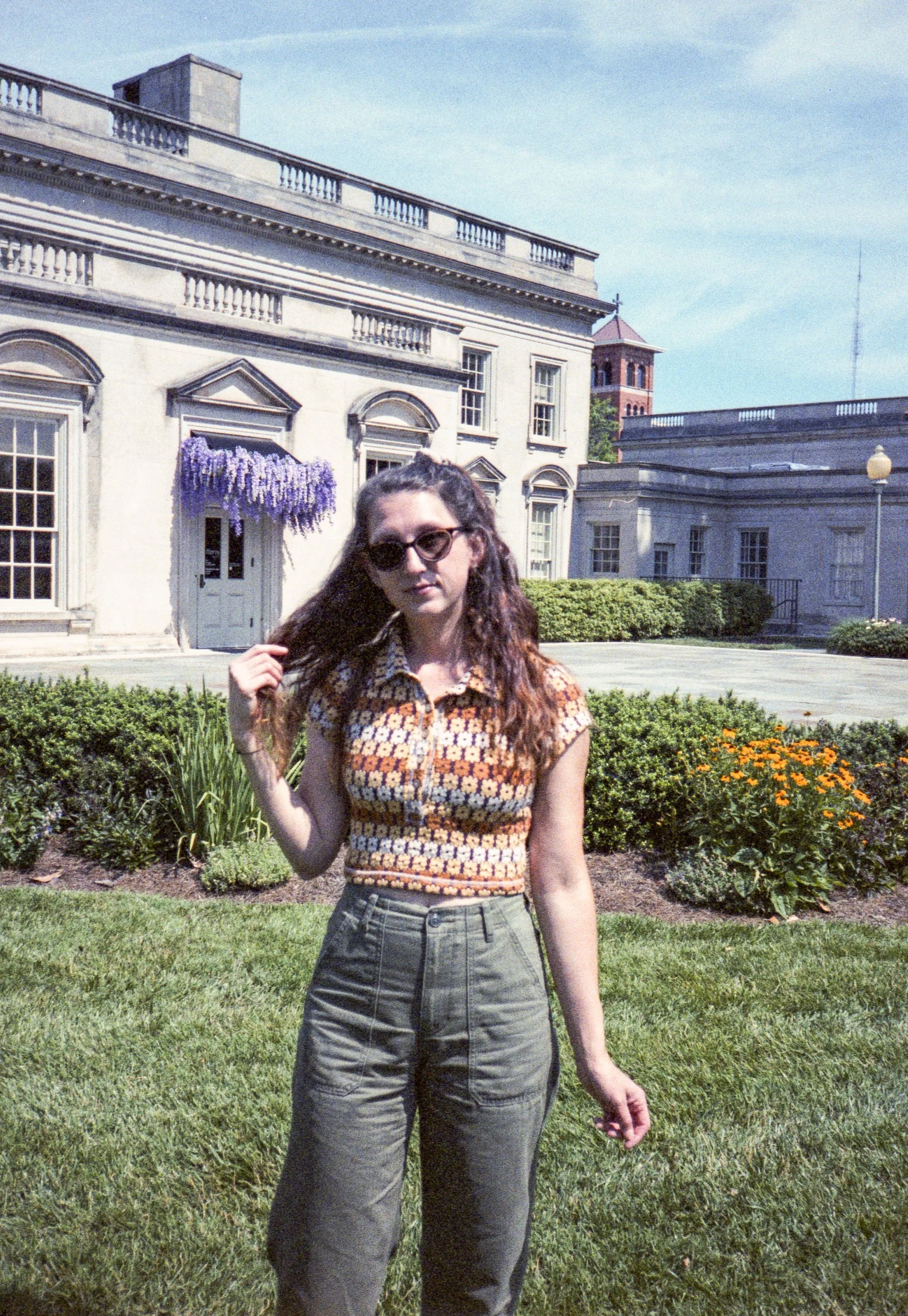
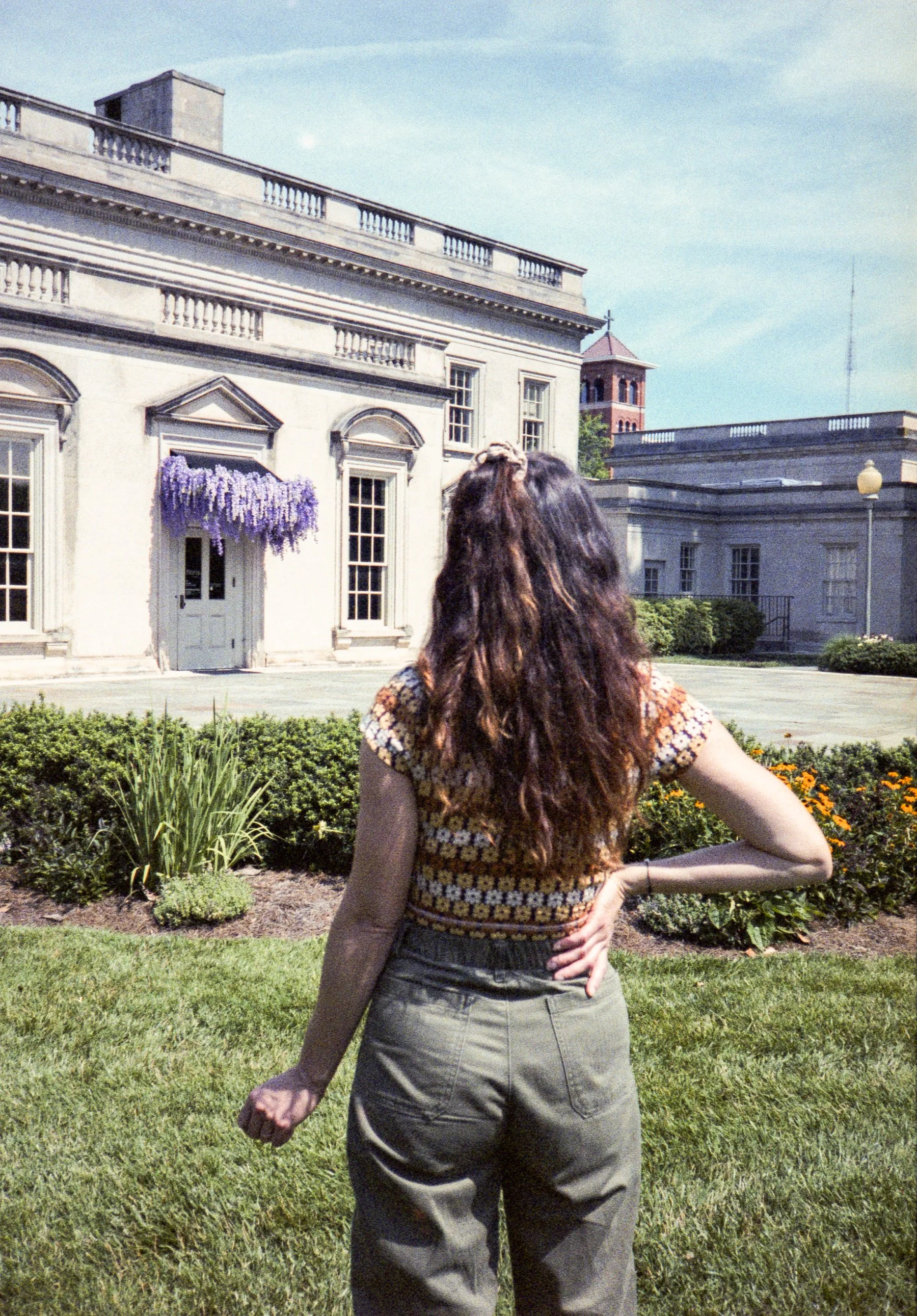
At the end of the day, the thing that matters most to me as a photographer is if the camera can produce photos that are beautiful, sharp and eye-catching right out of the box. I don’t love when I have to do a ton of post-processing to get my images where I need them to be. I experimented with a few side by side comparisons using the Ricoh GR IIIx and the Sony RX 100VII in Miami and noticed that the color tones of the Ricoh were much more natural and aesthetically pleasing, in my opinion. The Sony is much more saturated with bright, popping colors that might be more popular on social media, but that aren’t necessarily ideal for photographers who want more creative control over their images. I can’t stand when images are over-sharpened, over saturated and overly contrasty. I prefer to have an image that can be manipulated more easily to match my personal style, and that I don’t have to spend hours pulling out weird, overly saturated reds, oranges and yellows. The Ricoh images might seem flat and understated when compared to the Sony, but because the color tones are more natural, it’s easier to enhance them without running into weird, frustrating color adjustment problems. The ultra-wide lens on the Sony can also distort shapes a bit, whereas the Ricoh GR IIIx is more true-to-life and creates more natural portraits.

View fullsize Ricoh GR IIIx
Ricoh GR IIIx
View fullsize Sony RX 100 VII
Sony RX 100 VII
View fullsize Ricoh GR IIIx
Ricoh GR IIIx
View fullsize Sony RX 100VII
Sony RX 100VII

FINAL THOUGHTS

I had such a blast using the Ricoh GR IIIx and I was actually a bit surprised by how much I loved it. As someone who travels a lot, it was such a breath of fresh air to know that I could use such a tiny camera and still produce pro level images without having to lug around my giant DSLR camera. I found the Sony RX 100VII easier to use overall, but the image quality just doesn’t really compare to the Ricoh GR IIIx if you’re a professional photographer who is used to high-quality, large sensor cameras. The background blur and lens quality of the Ricoh GR IIIx is something special. That’s not to say that the Sony RX 100 VII isn’t a great camera, because it truly is. But it depends on your needs as a photographer. For me, I wish I could blend the two together, because I love the large sensor, multiple exposure option, and color tones of the Ricoh, but I prefer a wider lens (like the 24-200 that the Sony offers) when I’m traveling. The fact that the Ricoh only has 1080p up to 60 fps when it comes to video and the Sony has 4K up to 30 fps is also an important factor to keep in mind too when weighing your options. Lastly, in terms of main differences, the Ricoh does not have a flash. It does have a hot shoe mount so you can always add your own, but I found the built-in flash to be super convenient on the Sony, especially when traveling and being out and about at night. If you’re hoping to take selfies with your friends and family while traveling, the Sony is the better option. The 40 mm lens of the Ricoh is too zoomed in to get a good group selfie and the camera just isn’t made for late night, candid party photos. So, are you hoping to create pro-level fine art photography and want a pocket sized camera that can keep up with the higher end DSLRs and mirrorless cameras? Then the Ricoh GR IIIx is for you. Or, are you looking for the perfect all-around travel point and shoot that is super easy to use, takes great video, and has a zoom lens and flash for ultimate candid, lifestyle photos ready for posting on social media? If that’s you, then go for the Sony RX 100 VII. Of course, it really all comes down to the photographer. If you’re a great photographer you can take incredible images with any camera, so by no means is either of these cameras “better” than the other. What matters is how much passion you have and what matters most to you when creating photos.

One thing about both of these cameras is that they are slippery and feel very fragile. I’d recommend making sure your wrist strap is tight, or consider a case like this one for the Ricoh, or this one for the Sony.

If I absolutely had to choose between the two? It’s tough because I probably used the Sony RX 100VII more on our trip because of how user-friendly it is, but ultimately I care about image quality and creative functionality, so I’d probably go for the Ricoh GR IIIx if I really had to choose! It’s hard though because I really need both! Maybe one day that perfect blend of these two cameras will come to life and I’ll be first in line for that one!

View fullsize ricoh gr iiix review and comparison with sony rx 100 vii sample photos-6.jpg
View fullsize ricoh gr iiix review and comparison with sony rx 100 vii sample photos-7.jpg

WHERE TO BUY THE RICOH GR IIIx CAMERA

I always recommend B&H Photo because they have competitive prices, but with crazy fast shipping and excellent customer service!

RICOH GR IIIX: B&H Photo

RECOMMENDED CARRYING CASE: Ricoh GC-12 Soft Case

WHERE TO BUY THE SONY RX 100 vII

SONY RX 100VII: B&H Photo

RECOMMENDED CARRYING CASE: MegaGear Ever Ready PU Leather Camera Case

(By using the affiliate links and/or codes in this blog post it supports Myles Katherine Photography. We may get a small kick back by you doing so.)


If you found this post helpful in any way, I’d love it if you considered signing up for my Patreon! For as little as $1 a month, you’ll get early access to all of my YouTube videos, plus tons of photos that I don’t post anywhere else. Depending on which tier you choose, you could also receive seasonal prints and/or discounts! I always use all of the proceeds towards cameras, film & processing.

If you have any questions, I’m always happy to help! You can contact me here, or leave a comment below! Thanks so much for stopping by! You can also check out my B&H Photo storefront & Amazon Storefront for more camera/film recommendations. :) Have a magical day!
<3 Myles Katherine

View fullsize ricoh gr iiix review and comparison with sony rx 100 vii sample photos-4.jpg
View fullsize ricoh gr iiix review and comparison with sony rx 100 vii sample photos-16.jpg
View fullsize ricoh gr iiix review and comparison with sony rx 100 vii sample photos-5.jpg
View fullsize ricoh gr iiix review and comparison with sony rx 100 vii sample photos-12.jpg
View fullsize ricoh gr iiix review and comparison with sony rx 100 vii sample photos-20.jpg
View fullsize ricoh gr iiix review and comparison with sony rx 100 vii sample photos-26.jpg
View fullsize ricoh gr iiix review and comparison with sony rx 100 vii sample photos-28.jpg
View fullsize ricoh gr iiix review and comparison with sony rx 100 vii sample photos-31.jpg
View fullsize ricoh gr iiix review and comparison with sony rx 100 vii sample photos-34.jpg
View fullsize ricoh gr iiix review example photos portrait-2.jpg
View fullsize ricoh gr iiix review and comparison with sony rx 100 vii sample photos-40.jpg
View fullsize ricoh gr iiix review and comparison with sony rx 100 vii sample photos-56.jpg
View fullsize ricoh gr iiix review and comparison with sony rx 100 vii sample photos-55.jpg
View fullsize ricoh gr iiix review and comparison with sony rx 100 vii sample photos-60.jpg
View fullsize ricoh gr iiix review and comparison with sony rx 100 vii sample photos-57.jpg
View fullsize ricoh gr iiix review and comparison with sony rx 100 vii sample photos-68.jpg
View fullsize ricoh gr iiix review and comparison with sony rx 100 vii sample photos-58.jpg
View fullsize ricoh gr iiix review and comparison with sony rx 100 vii sample photos-70.jpg
View fullsize ricoh gr iiix review and comparison with sony rx 100 vii sample photos-74.jpg
View fullsize ricoh gr iiix review and comparison with sony rx 100 vii sample photos-85.jpg
View fullsize ricoh gr iiix review and comparison with sony rx 100 vii sample photos-78.jpg
View fullsize ricoh gr iiix review and comparison with sony rx 100 vii sample photos-89.jpg
View fullsize ricoh gr iiix review and comparison with sony rx 100 vii sample photos-86.jpg
View fullsize ricoh gr iiix review and comparison with sony rx 100 vii sample photos-90.jpg
View fullsize ricoh gr iiix review and comparison with sony rx 100 vii sample photos-87.jpg
View fullsize ricoh gr iiix review and comparison with sony rx 100 vii sample photos-107.jpg
View fullsize ricoh gr iiix review and comparison with sony rx 100 vii sample photos-92.jpg
View fullsize ricoh gr iiix review and comparison with sony rx 100 vii sample photos-99.jpg
View fullsize ricoh gr iiix review and comparison with sony rx 100 vii sample photos-93.jpg
View fullsize ricoh gr iiix review and comparison with sony rx 100 vii sample photos-101.jpg
View fullsize ricoh gr iiix review and comparison with sony rx 100 vii sample photos-116.jpg
View fullsize ricoh gr iiix review and comparison with sony rx 100 vii sample photos-125.jpg
View fullsize ricoh gr iiix review and comparison with sony rx 100 vii sample photos-110.jpg
View fullsize ricoh gr iiix review and comparison with sony rx 100 vii sample photos-127.jpg
View fullsize ricoh gr iiix review and comparison with sony rx 100 vii sample photos-132.jpg
View fullsize ricoh gr iiix review and comparison with sony rx 100 vii sample photos-133.jpg
View fullsize ricoh gr iiix review and comparison with sony rx 100 vii sample photos-129.jpg
View fullsize ricoh gr iiix review and comparison with sony rx 100 vii sample photos-143.jpg
View fullsize ricoh gr iiix review and comparison with sony rx 100 vii sample photos-135.jpg
View fullsize ricoh gr iiix review and comparison with sony rx 100 vii sample photos-144.jpg
View fullsize ricoh gr iiix review and comparison with sony rx 100 vii sample photos-150.jpg
View fullsize ricoh gr iiix review example photos landscape mode.jpg
View fullsize ricoh gr iiix review and comparison with sony rx 100 vii sample photos-145.jpg
View fullsize ricoh gr iiix review example photos macro mode.jpg


In Camera Reviews Tags ricoh gr iiix review, ricoh gr111x review and sample images, ricoh gr 111x example photos, ricoh gr iiix sample photos, ricoh gr iiix example photos, ricoh gr iiix vs sony rx100vii, sony rx100vii comparison, ricoh gr iiix vs sony rx 100vii, best point and shoot digital camera, best point and shoot camera for travel, best point and shoot cameras, best point and shoot pocket camera, best point and shoot professional camera, rva photographer, rva wedding photographer, rva film wedding photos, richmond va wedding photographer, ricoh gr iix is it worth it, best point and digital camera for beginners, best point and shoot camera, ricoh point and shoot cameras, best digital point and shoot, best point and shoot cameras 2026, top point and shoot cameras, sample photos ricoh gr iiix, which digital point and shoot camera is best, best point and shoot camera for professionals, ricoh gr iiix portrait samples, ricoh gr iiix landscape samples, ricoh gr iiix portrait examples
Comment

Polaroid Now Generation 2 Review & How-To with Sample Photos! The Best Polaroid Camera for Beginners

March 2, 2026

This camera is so darn cute. I’ve always been obsessed with Polaroid cameras, and honestly, they just keep getting better. The Polaroid Now Generation 2 camera comes in tons of different colors, takes beautiful photos, and gives you that retro, classic instant film vibe that everyone loves. Polaroid makes a few different modern versions of Polaroid cameras like the Polaroid Go (takes mini polaroids), the Polaroid I-2 (higher end, pricey Polaroid camera with more control), the Polaroid Flip (a bit more advanced, heavier, and more expensive than the Polaroid Now), and the Polaroid Now and Now+. The Polaroid Now is a great, affordable way for beginners to get started with instant film photography. There’s truly nothing more magical than watching a Polaroid come to life. And these days, it’s so important to take photos that actually mean something. The photo is printed right there in front of you and gives you something tangible to hold on to from that exact moment in time. It’s so easy for our memories to slip into the depths of the photo albums on our phones, sadly. I bring a Polaroid camera with me to every photo shoot, and on every trip I take. If I didn’t take a Polaroid, it didn’t happen. That’s my motto!

HISTORY BEHIND THE POLAROID BRAND

I’m sure you’ve heard of the Polaroid brand, but you might not know the long story behind it and how the brand is still able to exist today. The original company was started in 1937 and produced the first instant camera in 1947. Throughout the years they created the iconic Land Camera, the folding SX-70 camera, the 600 series, Spectra series, and so many more. In 2001 though, the company filed for bankruptcy, the assets were eventually sold off and the Polaroid brand pretty much ceased to exist for a while. Then, along comes a small instant film company called The Impossible Project who made it their mission to bring Polaroid back. Later down the line, they changed their name to Polaroid Originals before officially acquiring the Polaroid name and being able to market themselves as such. I’ve been there with them every step of the way, trying out the different film iterations and watching them grow into a reliable, successful company. It’s been a long road for them, but it’s so fun seeing their products labeled with the official Polaroid name.

View fullsize polaroid now gen 2 review example photos-33.jpg
View fullsize polaroid now gen 2 review example photos-34.jpg

THE MAKING OF THE POLAROID NOW CAMERA

The Polaroid Now camera is one of their original products, meant to mimic the older 600 series cameras, but with more modern features. The camera is cute and colorful, with a similar shape and size to cameras like the vintage Polaroid One-Step and Polaroid Sun600 cameras. I think my favorite part about these cameras, and the company itself, is that the photos still look exactly like they did back in the 80s. They haven’t tried to greatly enhance, change, or modernize the overall aesthetic of the photographs. I still have Polaroids my parents took of me as a kid and the color tones of Polaroids are so specific. While those have aged over the years and taken on a new color tone of their own, there is a special quality to Polaroids that simply can’t be replaced. The photos aren’t super sharp, but they have a magic candidness to them that truly captures of the essence of the moment. It can be a little frustrating to learn the quirks of Polaroid film, but that’s also part of the fun of it all.

MODERN FEATURES OF THE POLAROID NOW CAMERA

The vintage Polaroid 600 cameras were incredibly user-friendly, simple, and easy to use for the average consumer. You didn’t need to be a photographer to pick one up and take a photo. That’s why Polaroid cameras were in nearly every household back in the 80s and 90s. It’s really as simple as turning it on and snapping a photo. The Polaroid Now cameras aren’t that much different than the older 600 cameras, but there a few modern updates. For example, with the older versions of Polaroid cameras, the battery was actually inside each pack of film so you didn’t need to charge the camera. Today, the newer cameras need to be charged to be used and most of the film does not have a battery. While this sounds frustrating, it reduces environmental waste. However, the good news is, you can still buy an old 600 camera and use the new Polaroid 600 film which does have a battery built into the film. I love that they still offer the 600 film and continue to support the use of the vintage cameras. The newer cameras typically take i-Type film, which does not have a battery, and so the camera needs to be charged to work. It’s a little confusing, so just make sure to use the recommended film depending on which camera you purchase.

View fullsize Front of camera, red shutter button
Front of camera, red shutter button
View fullsize Flash button, yellow power button, digital film counter
Flash button, yellow power button, digital film counter

And my absolute favorite feature of the Polaroid Now camera is that is has a double exposure mode! I absolutely love double exposures, so this a huge plus for me. It always bummed me out that I couldn’t do double exposures with the old 600 cameras, but now I can! I can’t wait to experiment more with this and get some really interesting photos. To turn the double exposure mode on, you simply double tap the white self-timer button on the front of the camera and you’ll see a “1” pop up on the digital counter. After your first image, it will turn to “2” before ejecting the photo after your second shot. You can also purchase a colorful filter set to use with the Polaroid Now so you can really get creative. I just got a set the other day and I can’t wait to try it out!

View fullsize polaroid now gen 2 review example photos-35.jpg
View fullsize polaroid now gen 2 review example photos-26.jpg

There is also a self-timer mode (a 9 second timer perfect for self-portraits or group portraits) and an option for turning the flash off. With the older 600 cameras, the flash would go off automatically every time. I actually love the way the Polaroid flash looks so, personally, I hardly ever turn it off. The Polaroid film typically requires a lot of light for decent images, especially if you’re shooting indoors or in the shade. The only time you might not need the flash is in bright, direct sunlight. You can also control the exposure by holding down the flash button until you see a line on the digital screen, and then pressing again for either + or -. The plus will make your photo brighter (+1/2 stop), and the minus (-1/2 stop) will make your photo a bit darker. I recommend using the darker setting if you’re in a really bright environment like the beach. The brighter setting is great if you’re in dark shade or shooting indoors.

And one of the most convenient features of the newer Polaroid cameras is that there is an app you can use alongside it. You can scan your polaroids right away and upload them to social media to share with your friends and family! You can even enter contests! With the newer model of the Polaroid Now, the Polaroid Now+, you can even control various aspects of your camera like aperture and remote shooting. Essentially, the Now+ is a bit more advanced if you prefer to have more control over your images. The Polaroid Now is easier to use and better for quick shooting or someone who just wants to pop their camera out, take a photo, and not have to worry about fiddling with settings or apps. The Polaroid Now is also a little more affordable! They’ve recently released a Polaroid Now Generation 3 model with slightly enhanced features like an updated light meter and range sensor if you’re able to spend a little more.

View fullsize USB-C charging port
USB-C charging port
View fullsize Viewfinder and white self timer/double exposure button
Viewfinder and white self timer/double exposure button

FINAL THOUGHTS

I’m just so thrilled that Polaroid is still around producing film, creating cameras, and supporting the legacy of film photography. I take a Polaroid camera with me to every photo shoot and (not even joking) I have dozens of boxes and photo albums filled with Polaroids from my shoots over the years. They are such a great way to remember the moments and people I’ve met throughout my career. The Polaroid Now camera fits right into the overall nostalgia and spot-on aesthetic of the Polaroid brand. Plus, it’s nice that I can put my vintage 600 cameras up on the shelf and keep them safe while still getting that classic Polaroid vibe in my photos that I need at each photo shoot. The Polaroid Now is an affordable, basic Polaroid camera that anyone can use. I love that it has more features than the vintage 600 cameras though so I actually prefer to use it over the vintage ones. By no means is it a low-end camera though. You still get the full experience of Polaroid photography but without complication. If you’re ready for an upgrade though, the Polaroid Now+, Polaroid Flip or I-2 are for those who want a challenge. If you want a pocket-sized camera to snap cute, tiny polaroids with your friends, the Polaroid Go is a unique, fun option.

I also highly recommend these Polaroid photo albums to protect and store your photos. I have quite a few of them and they look great on a shelf! :) If you’re on the hunt for more gift ideas for a photographer, there is also a Polaroid printer that allows you to turn any photo from your phone into a Polaroid. I actually use mine all the time!

I’m still waiting for the day that the Polaroid brand brings back film for Polaroid Land Cameras. Those cameras are incredible and produce the most gorgeous Polaroids I’ve ever seen. They stopped making the film in 2008 and it’s extremely expensive if you’re able to find film on eBay. I have a full review and YouTube video about Polaroid Land Cameras if you want to find out more! I’m keeping my fingers crossed that Land camera film is on the horizon…. we’ll see!

WHERE TO BUY THE POLAROID NOW GEN 2 CAMERA

Amazon

Polaroid

B&H Photo

WHERE TO BUY THE POLAROID NOW GEN 3 CAMERA

Amazon

Polaroid

B&H Photo

WHERE TO BUY THE POLAROID NOW+ CAMERA

Amazon

Polaroid

B&H Photo

WHERE TO BUY I-TYPE FILM

Amazon

Polaroid

B&H Photo

(By using the affiliate links and/or codes in this blog post it supports Myles Katherine Photography. We may get a small kick back by you doing so.)


If you found this post helpful in any way, I’d love it if you considered signing up for my Patreon! For as little as $1 a month, you’ll get early access to all of my YouTube videos, plus tons of photos that I don’t post anywhere else. Depending on which tier you choose, you could also receive seasonal prints and/or discounts! I always use all of the proceeds towards cameras, film & processing.

If you have any questions, I’m always happy to help! You can contact me here, or leave a comment below! Thanks so much for stopping by! You can also check out my B&H Photo storefront & Amazon Storefront for more camera/film recommendations. :) Have a magical day!
<3 Myles Katherine

View fullsize polaroid now gen 2 review example photos-22.jpg
View fullsize polaroid now gen 2 review example photos-24.jpg
View fullsize polaroid now gen 2 review example photos-23.jpg
View fullsize polaroid now gen 2 review example photos-29.jpg
View fullsize polaroid now gen 2 review example photos-21.jpg
View fullsize polaroid now gen 2 review example photos-27.jpg
View fullsize polaroid now gen 2 review example photos-28.jpg
View fullsize polaroid now gen 2 review example photos-25.jpg
View fullsize polaroid now gen 2 review example photos-30.jpg
View fullsize polaroid now gen 2 review example photos-31.jpg
View fullsize polaroid now gen 2 review example photos-32.jpg
View fullsize polaroid now gen 2 review example photos-13.jpg
View fullsize polaroid now gen 2 review example photos-15.jpg
View fullsize polaroid now gen 2 review example photos-14.jpg
View fullsize polaroid now gen 2 review example photos-20.jpg
View fullsize polaroid now gen 2 review example photos-17.jpg
View fullsize polaroid now gen 2 review example photos-16.jpg
View fullsize polaroid now gen 2 review example photos-18.jpg
View fullsize polaroid now gen 2 review example photos-19.jpg
View fullsize polaroid now gen 2 review example photos.jpg
View fullsize polaroid now gen 2 review example photos-2.jpg
View fullsize polaroid now gen 2 review example photos-4.jpg
View fullsize polaroid now gen 2 review example photos-6.jpg
View fullsize polaroid now gen 2 review example photos-5.jpg
View fullsize polaroid now gen 2 review example photos-7.jpg
View fullsize polaroid now gen 2 review example photos-11.jpg
View fullsize polaroid now gen 2 review example photos-12.jpg
View fullsize polaroid now gen 2 review example photos-8.jpg
View fullsize polaroid now gen 2 review example photos-9.jpg
View fullsize polaroid now gen 2 review example photos-10.jpg
In Film Photography, Camera Reviews Tags polaroid now camera review, polaroid now+ generation 2 review, polaroid now gen 2 review, polaroid now gen 2 sample photos, polaroid now review, polaroid now sample photos, polaroid now example photos, is the polaroid now worth it, the best modern polaroid camera, which polaroid camera should i get, easy polaroid camera for beginners, best polaroid camera for beginners, polaroid now camera, polaroid instant camera samples, polaroid now review and sample photos, polaroid now generation 2 instant camera, polaroid now film, polaroid now instant camera, polaroid now vs go, polaroid now vs now plus, polaroid now gen 2 vs gen 3, polaroid now+ review, polaroid now camera example photos, polaroid history, polaroid i-type film sample photos, polaroid now double exposure, polaroid gift ideas, richmond va film photographer, rva film photographer, rva wedding photographer, rva engagement photographer, richmond va wedding photographer
Comment

Fujifilm 400 Color Negative 35 mm Film Review with Sample Photos! | A Classic Retro Film for any Camera

February 23, 2026

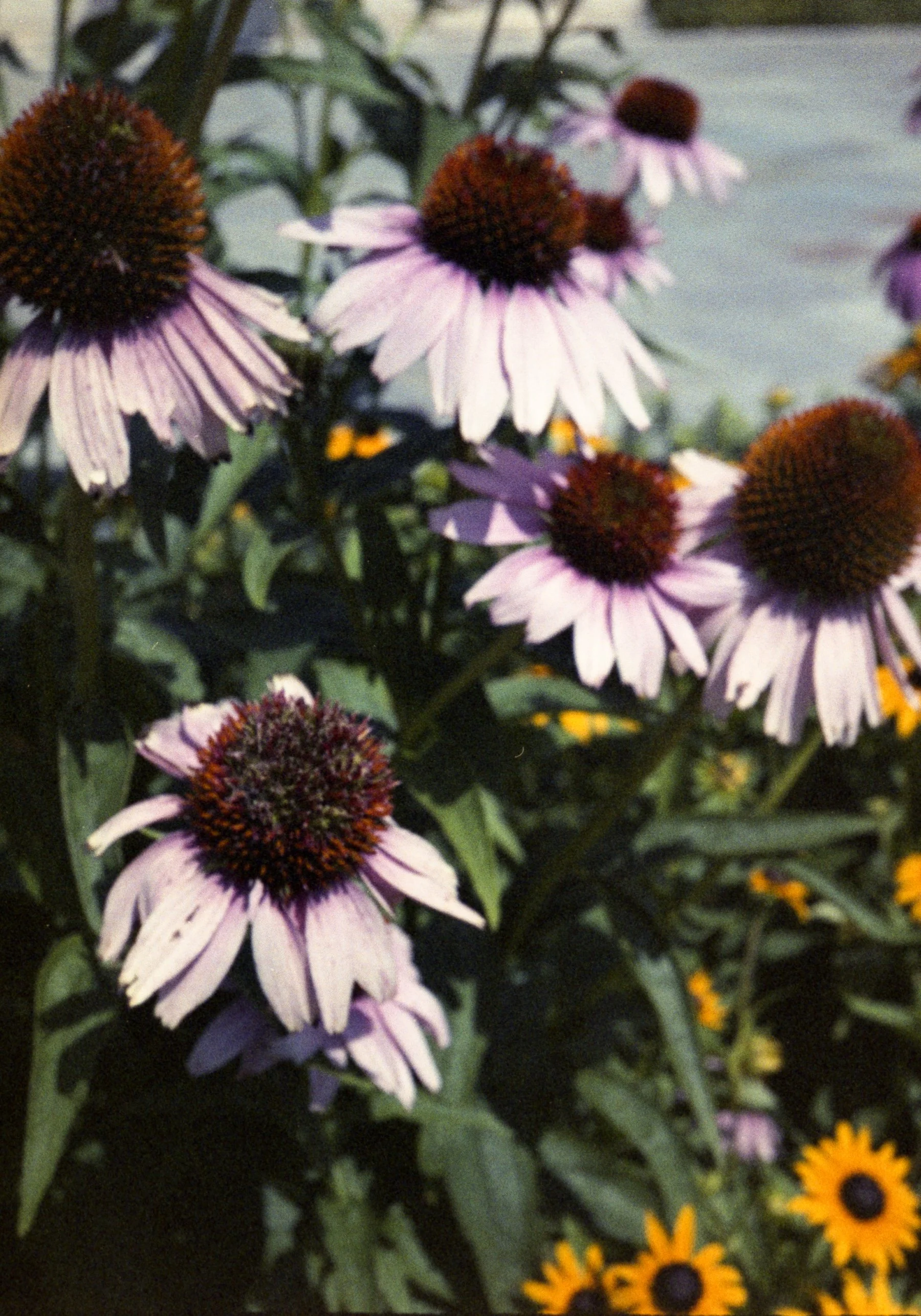
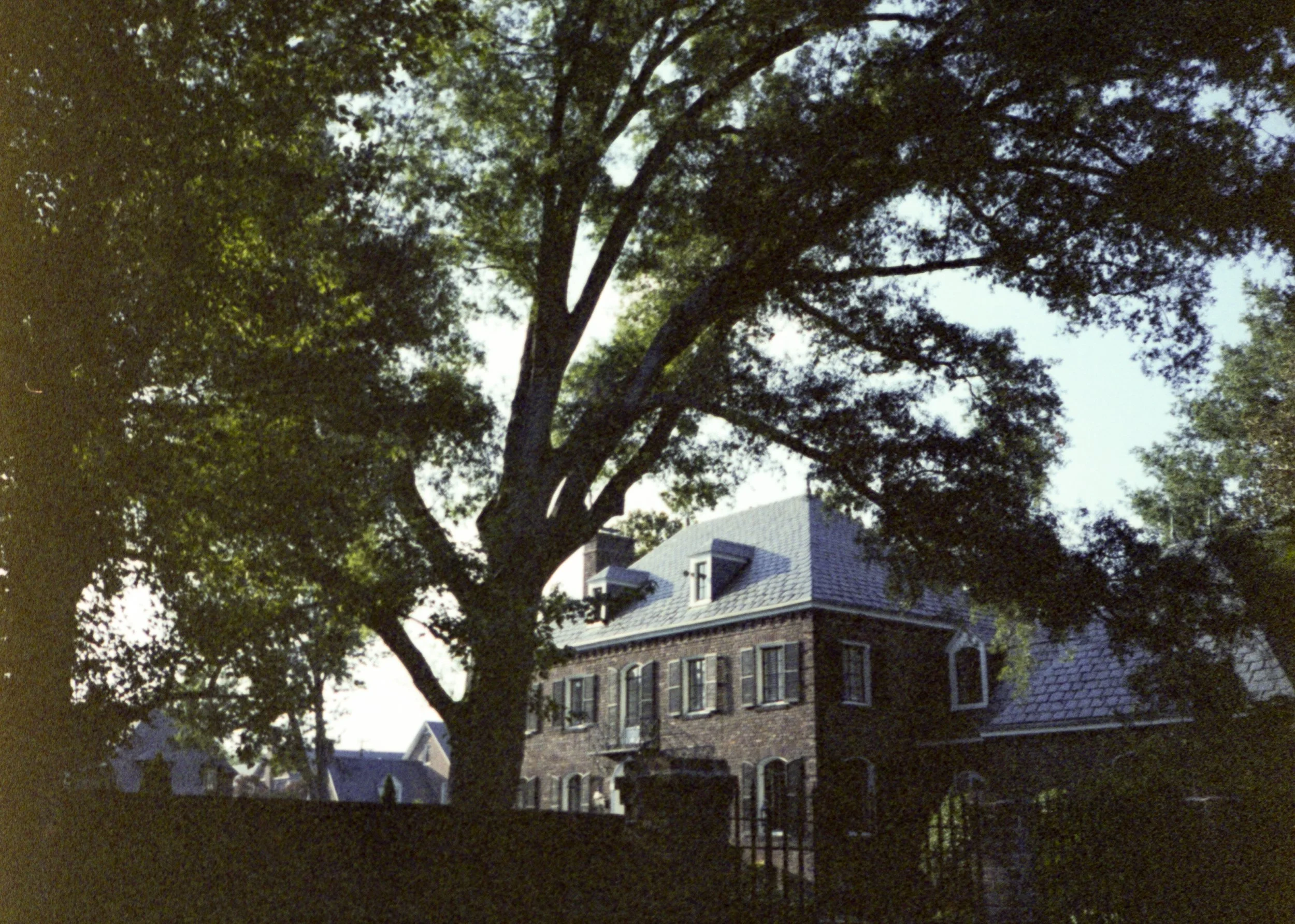
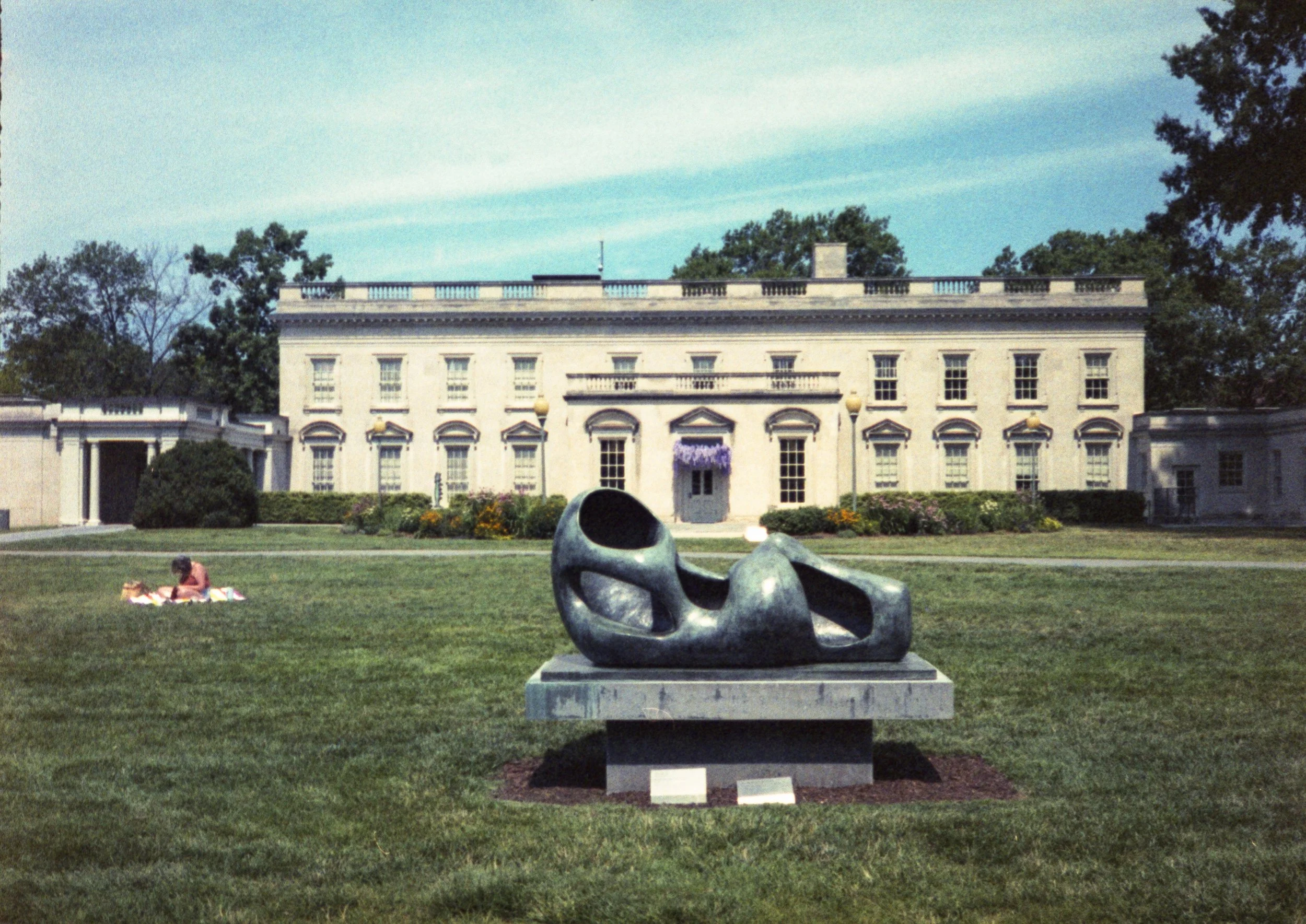
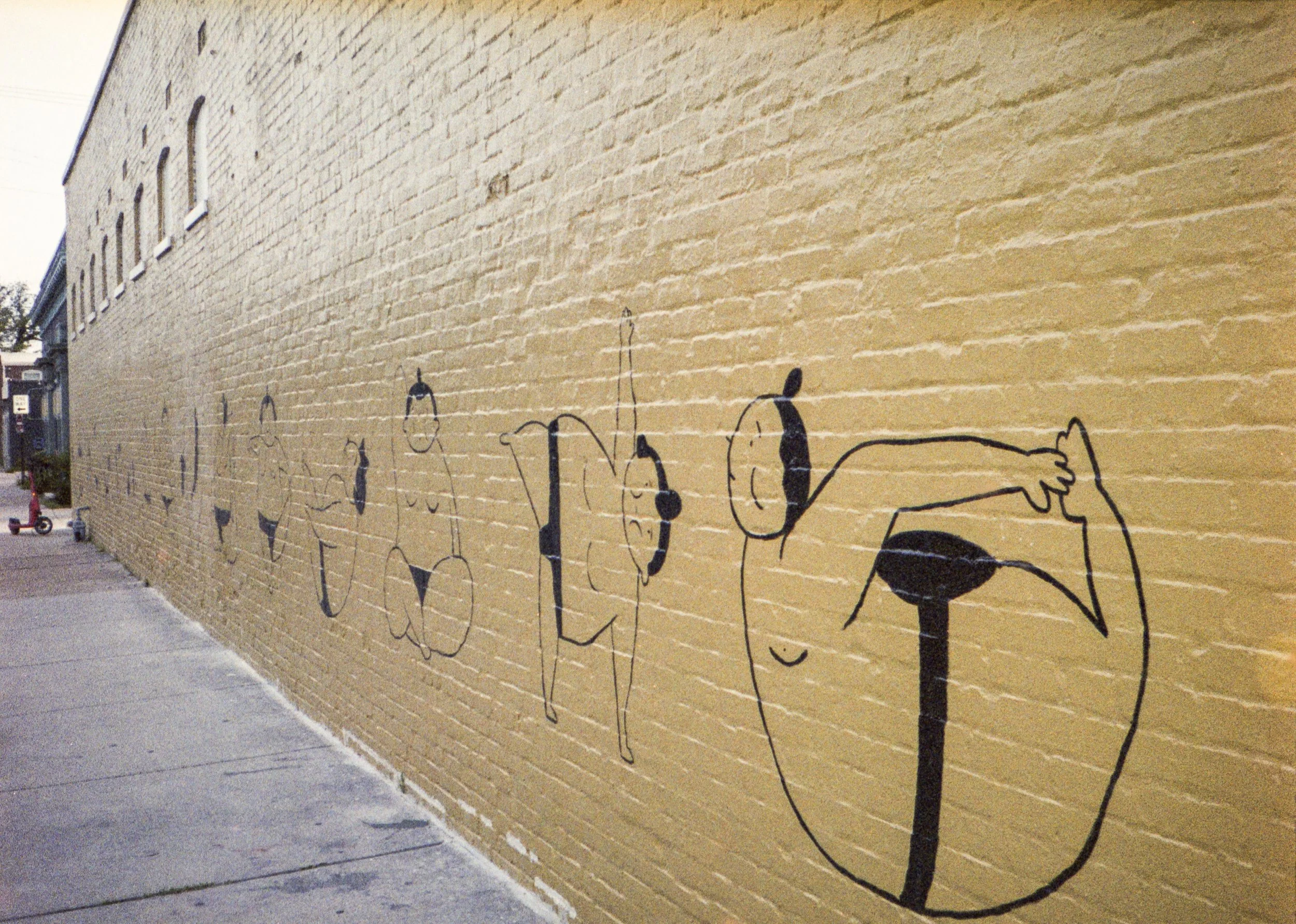
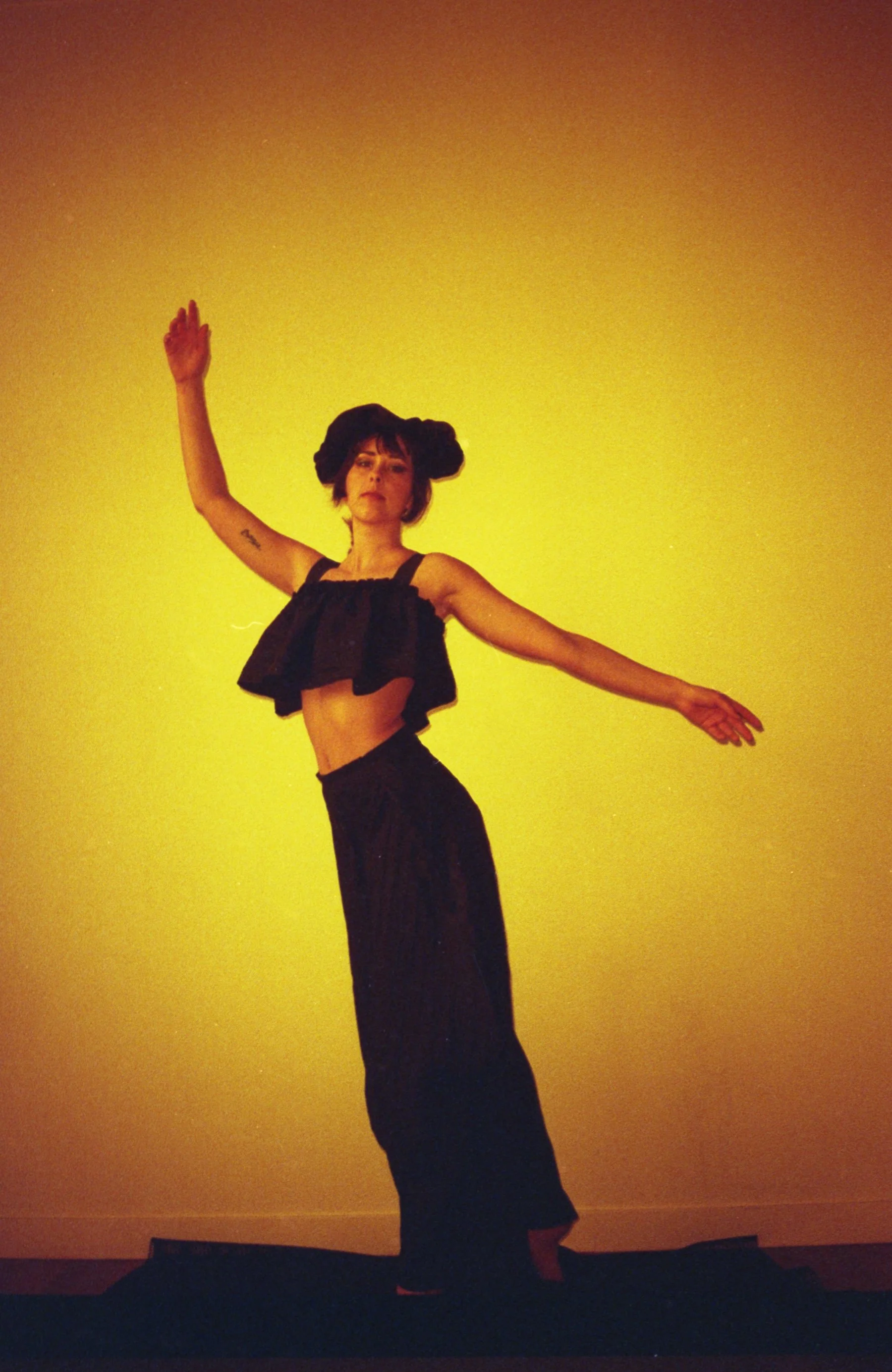
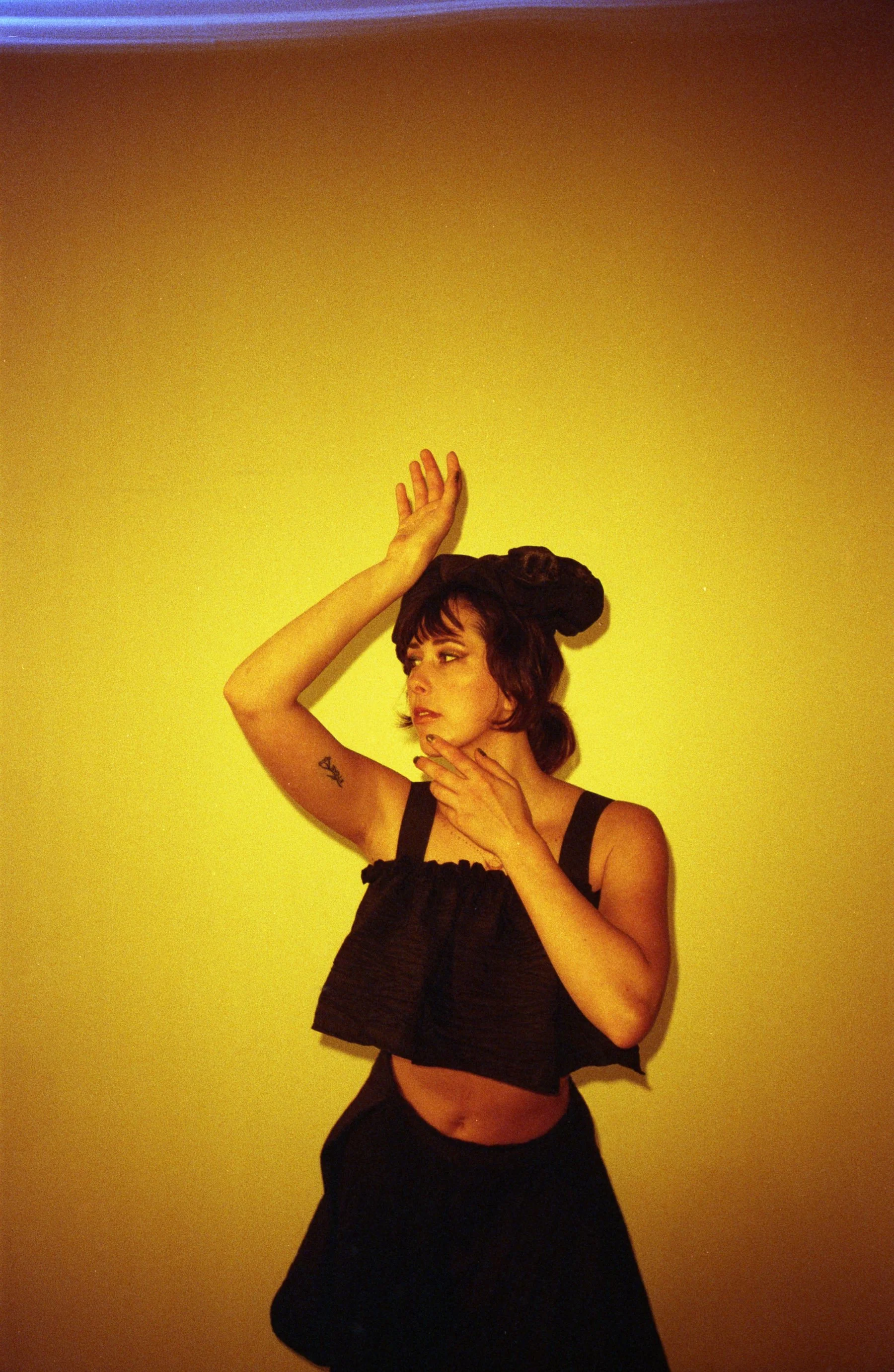
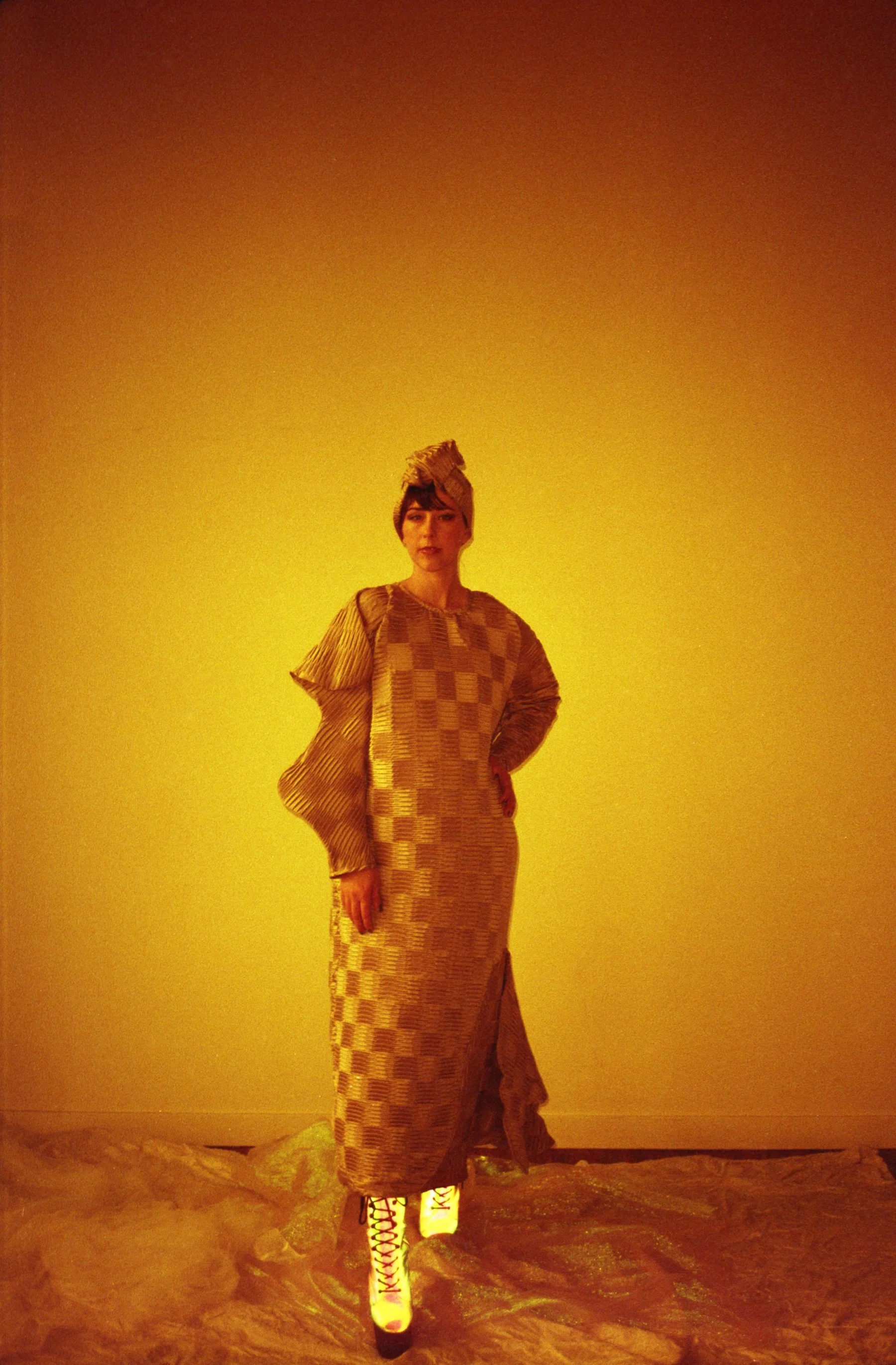
I love testing out film stocks and brands to see how they compare. The good news is, you can’t really go wrong with any of them, they just all have a different vibe! It’s rare that a film won’t turn out, unless it’s super expired or isn’t used correctly in the camera. For the most part though, standard 35 mm film is pretty foolproof. Some of my favorite brands are Kodak and Lomography, but lately I’ve been getting more into Fujifilm because it really has it’s own look to it. When I was a kid, my family used a lot of disposable cameras (you can find newer versions of these on Amazon and B&H Photo), and if you’re a child of the 80s or 90s, you know exactly what I’m talking about. Fujfilm Color Negative 400 was a common film used in those cameras and I’m sure you can picture exactly how those photos looked. You might remember the film name as Superia X-TRA 400 (you might still be able to find some expired rolls on eBay), but it has since been replaced with the Fujifilm Color Negative 400. What makes this film so special is this unique tint that Fujifilm has. There is a greenish element to the photos that make them feel more vintage and aged. While it’s not always my favorite when I’m photographing weddings because I’m typically outside in green grass and it ends up being too green, it’s a super fun film for capturing fashion, family & friends, architecture, travel, and other lifestyle imagery.

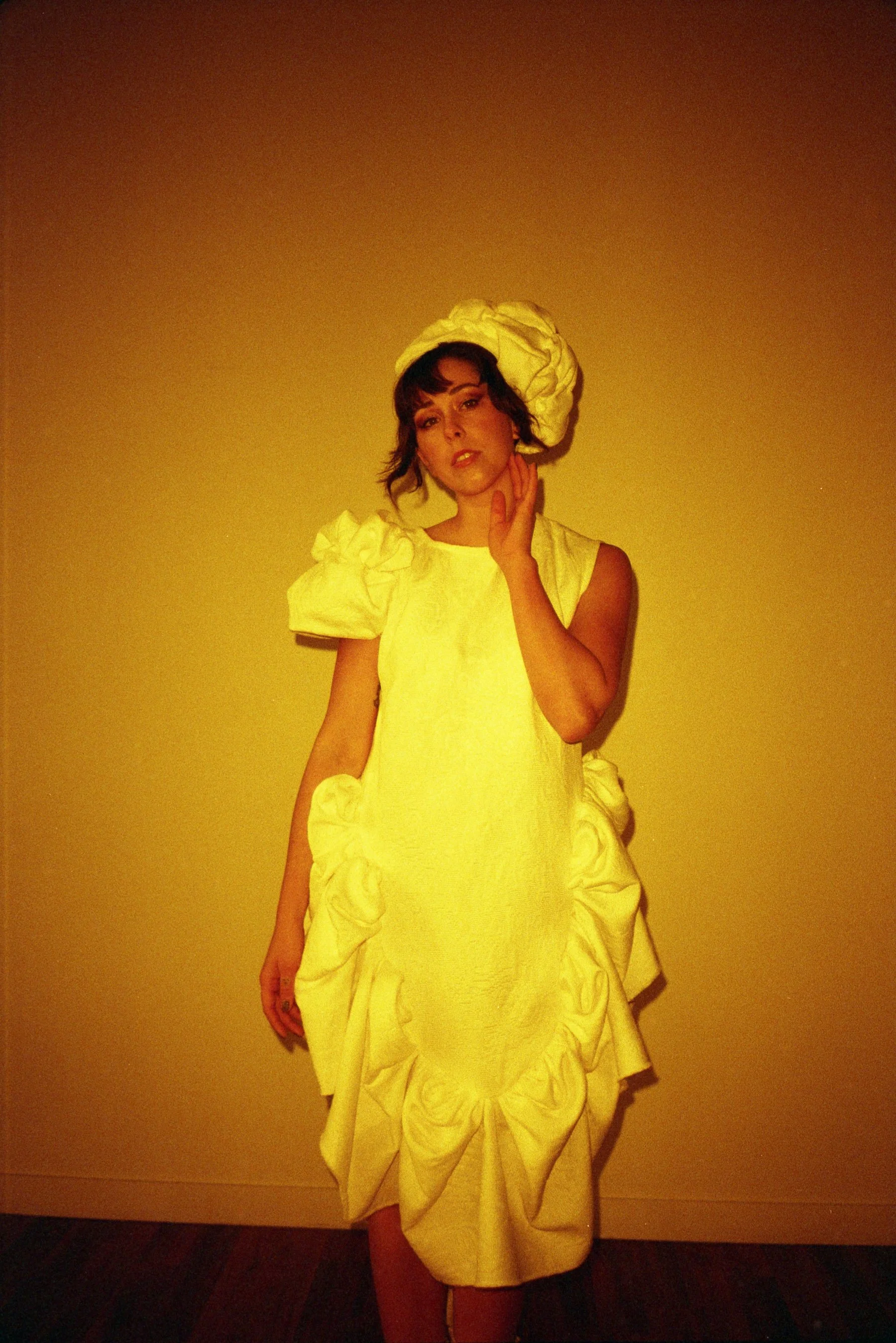
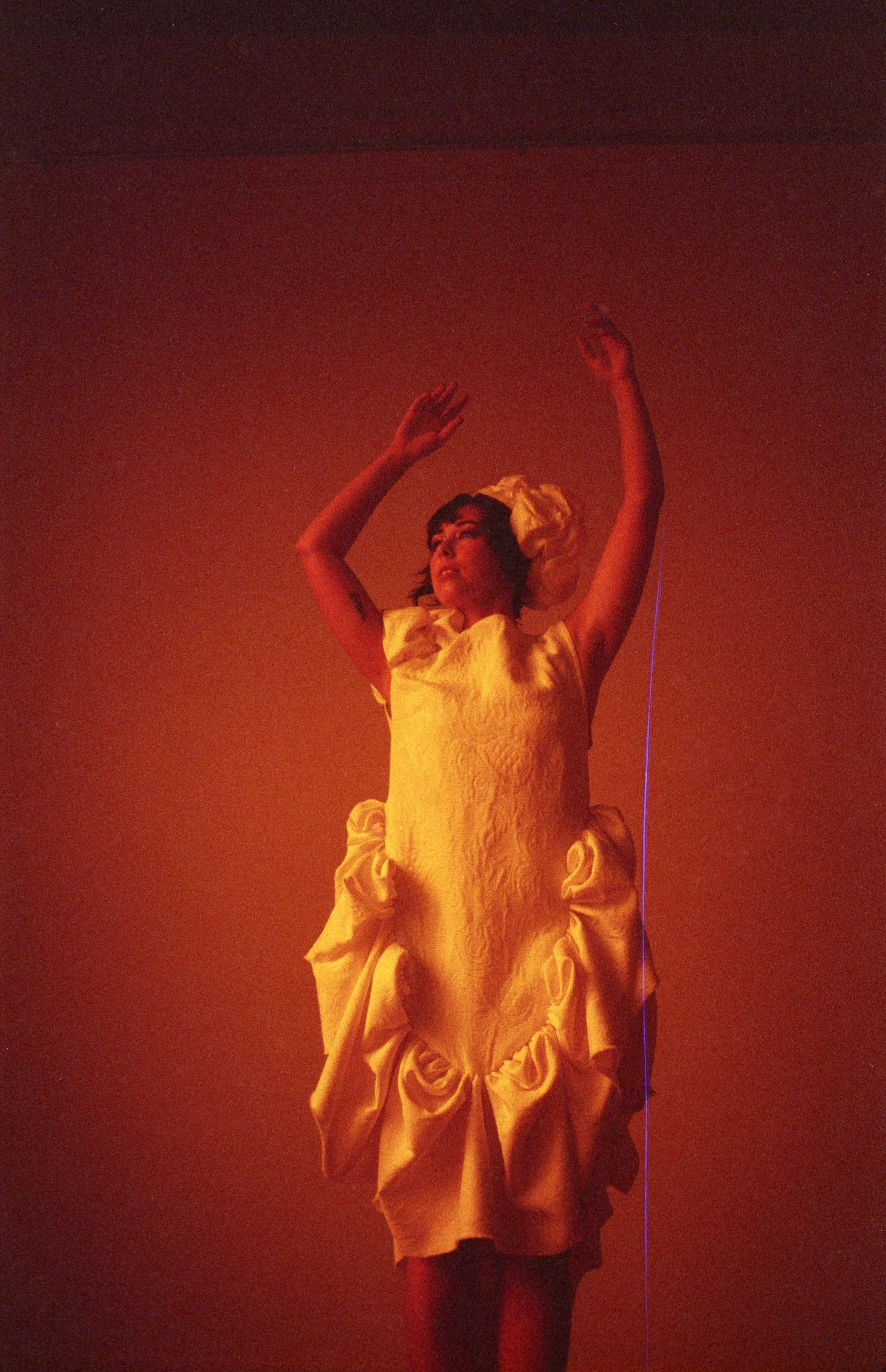
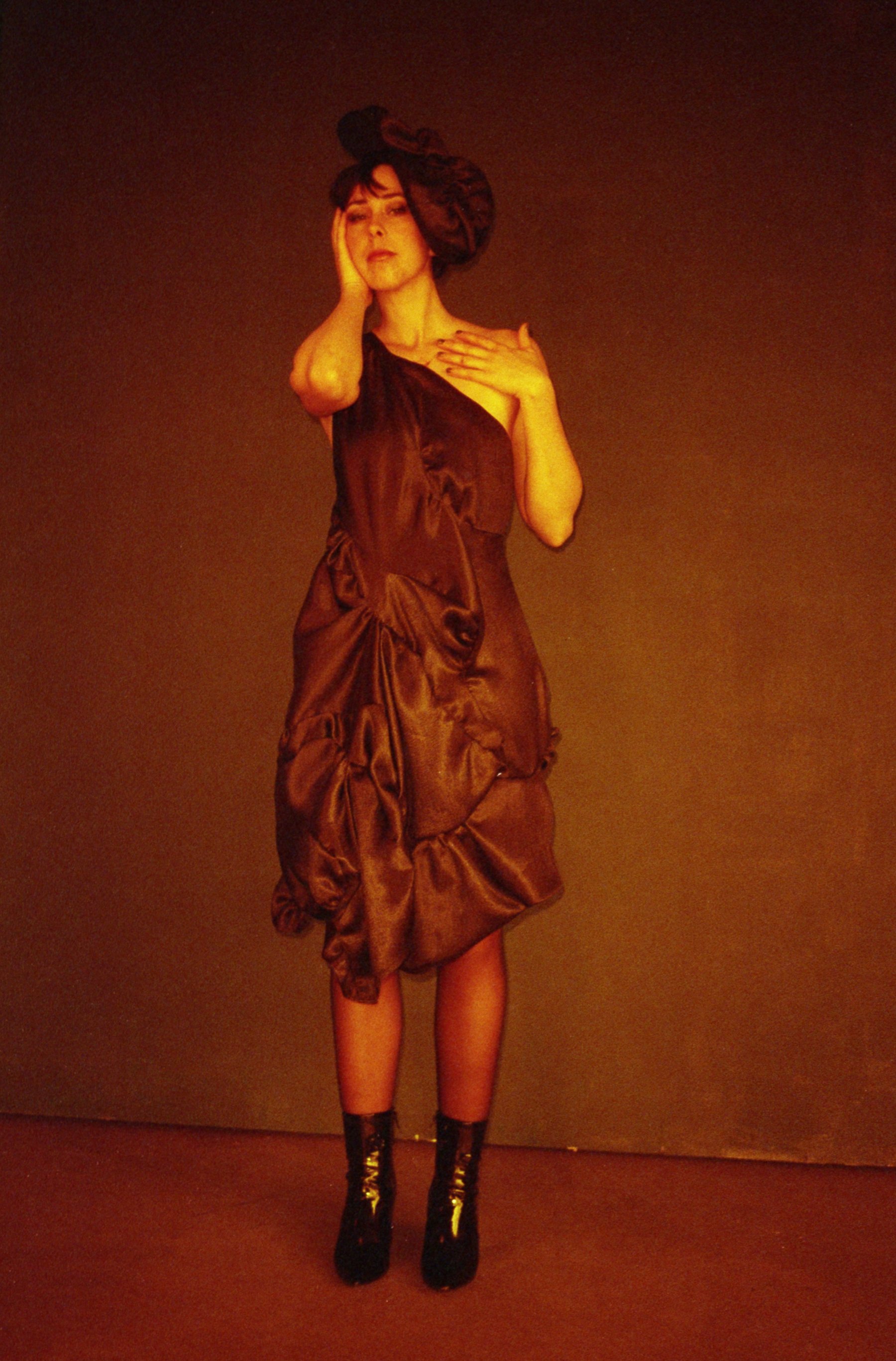
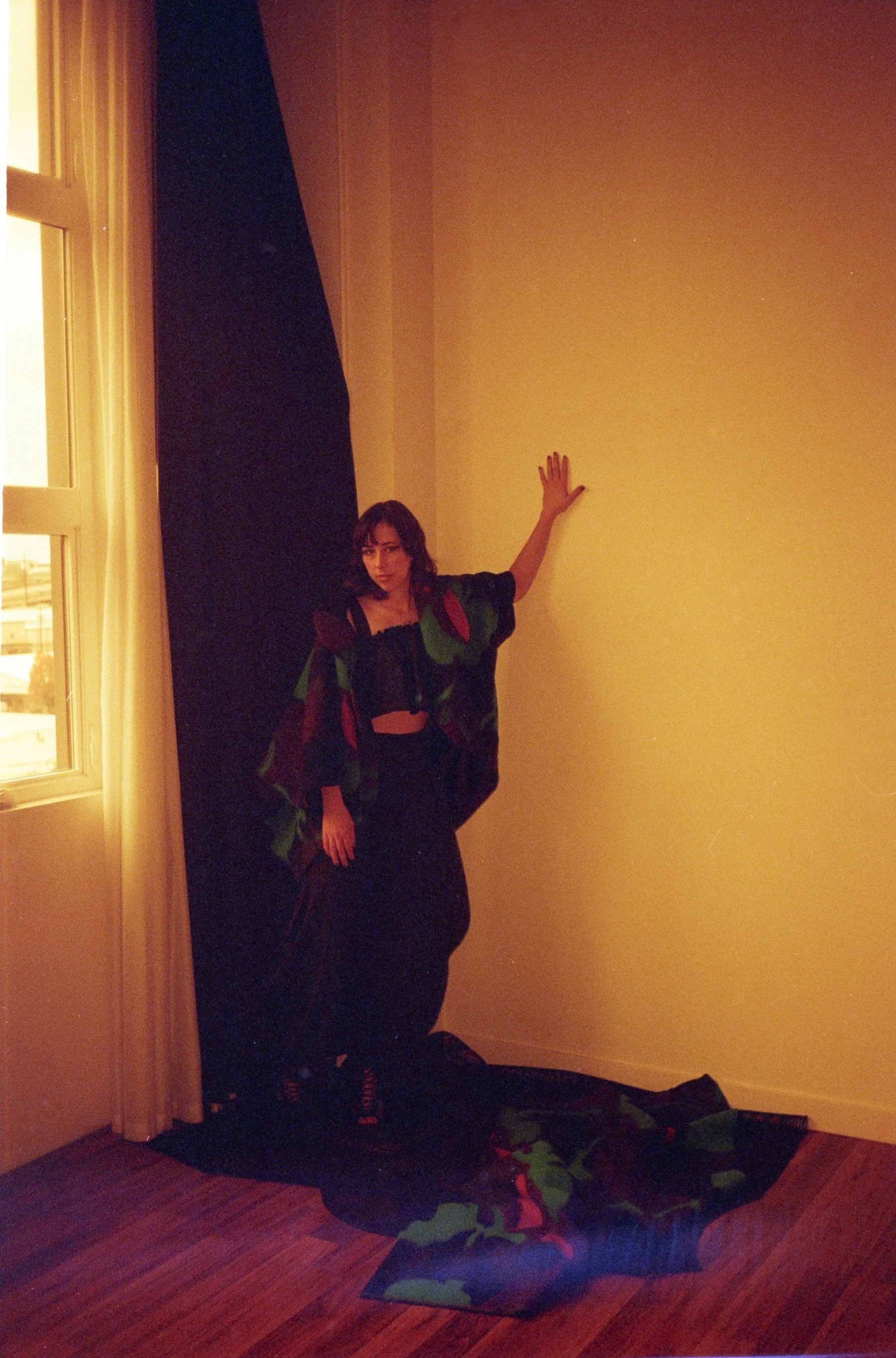
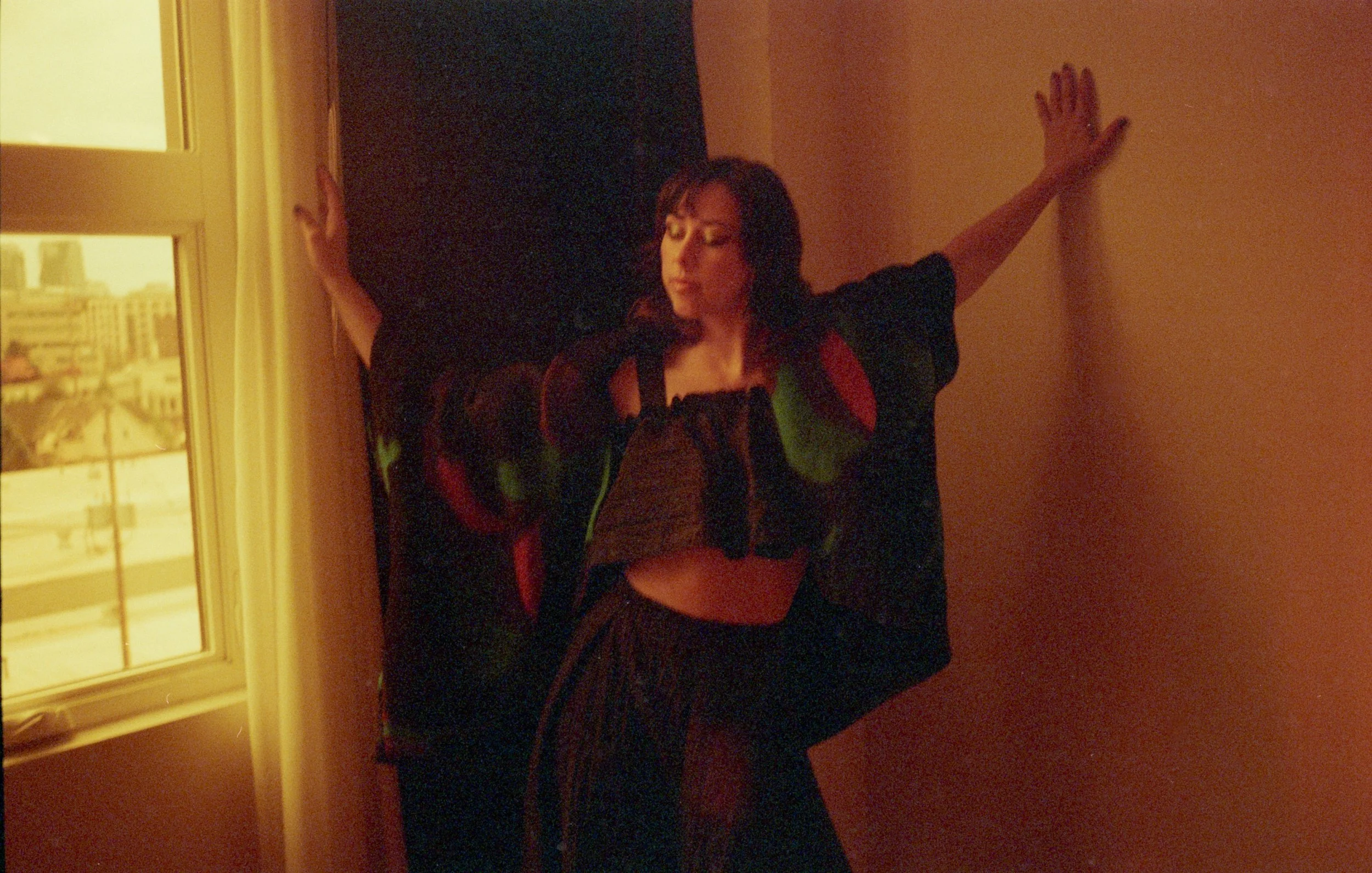
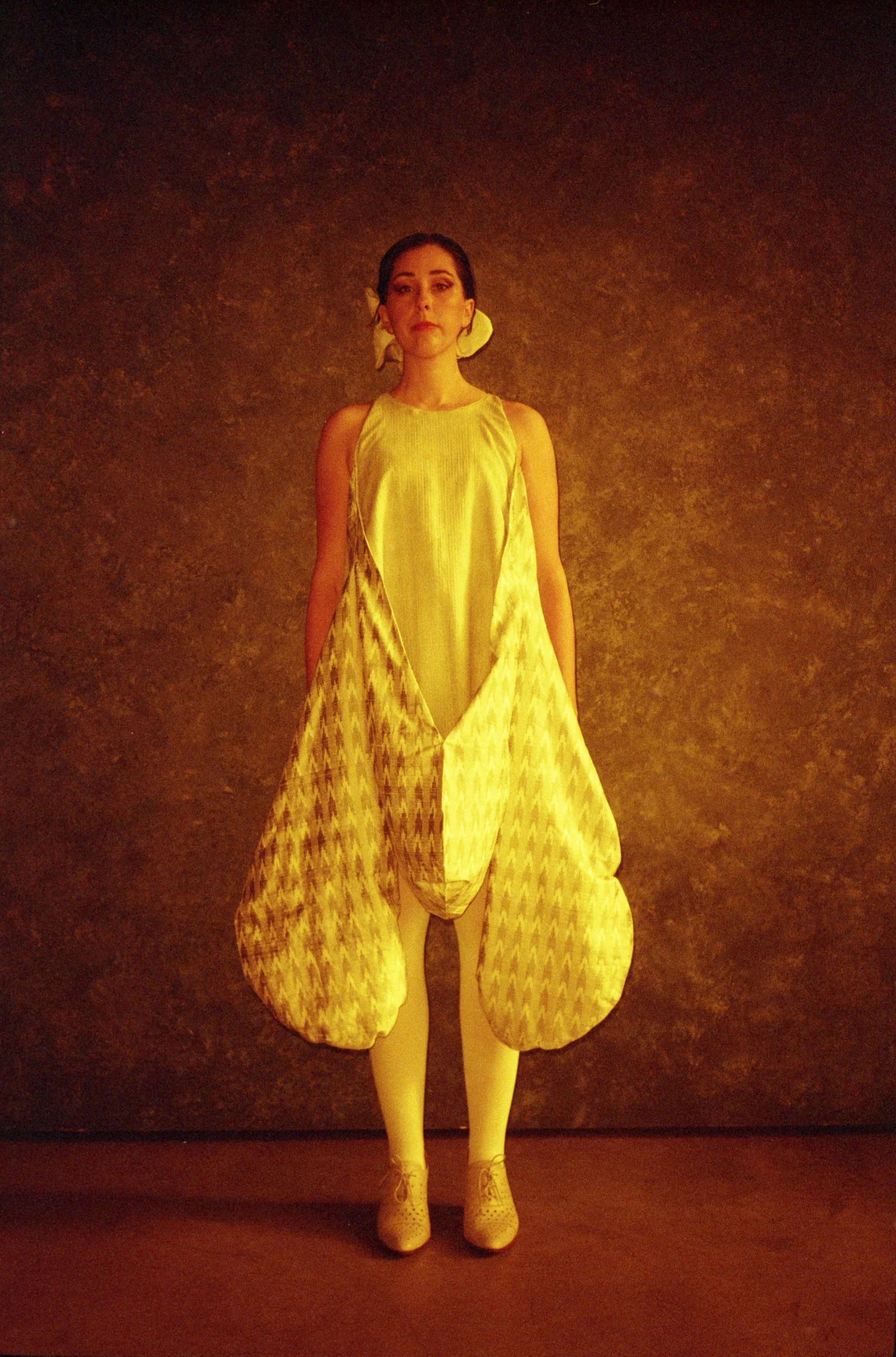
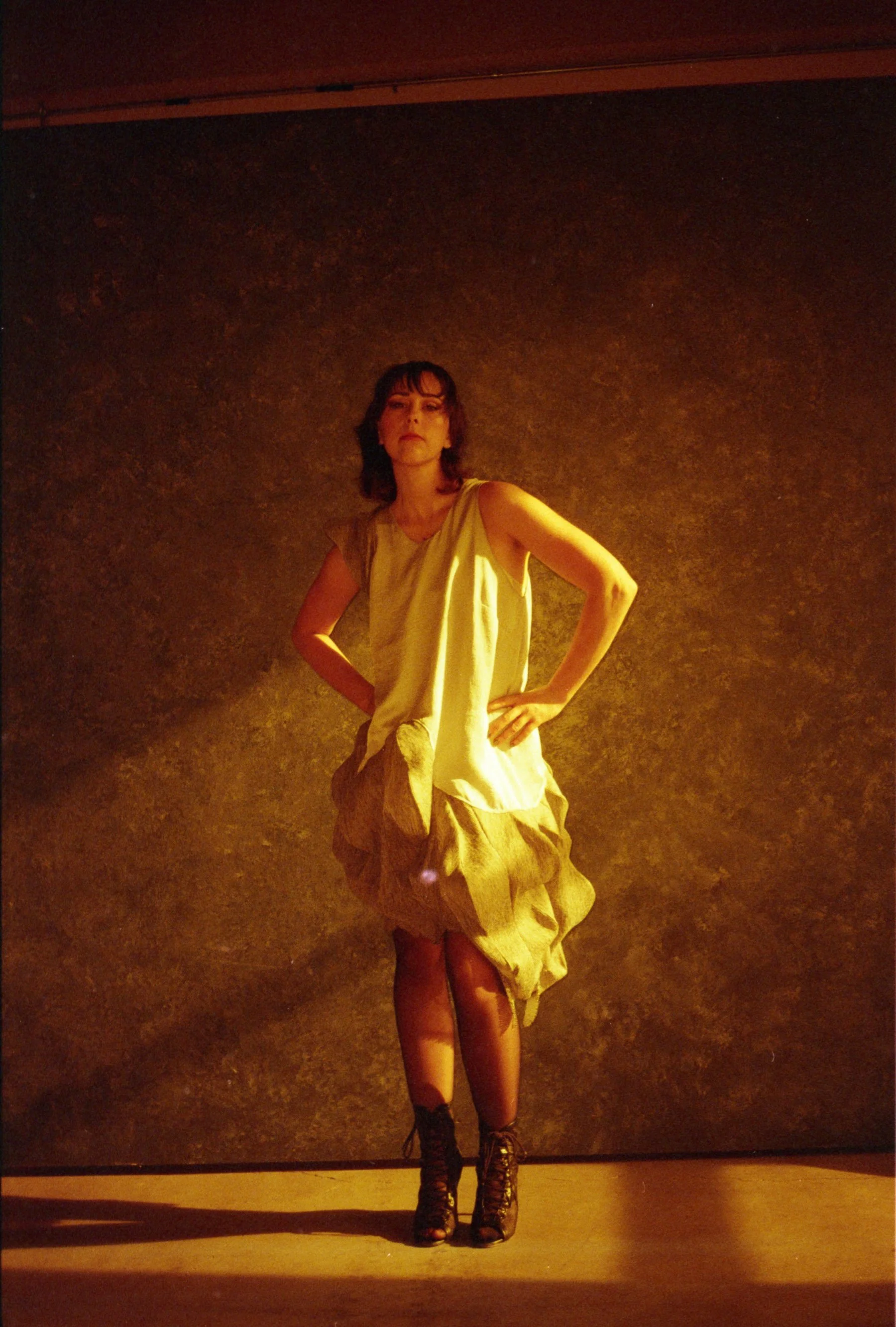
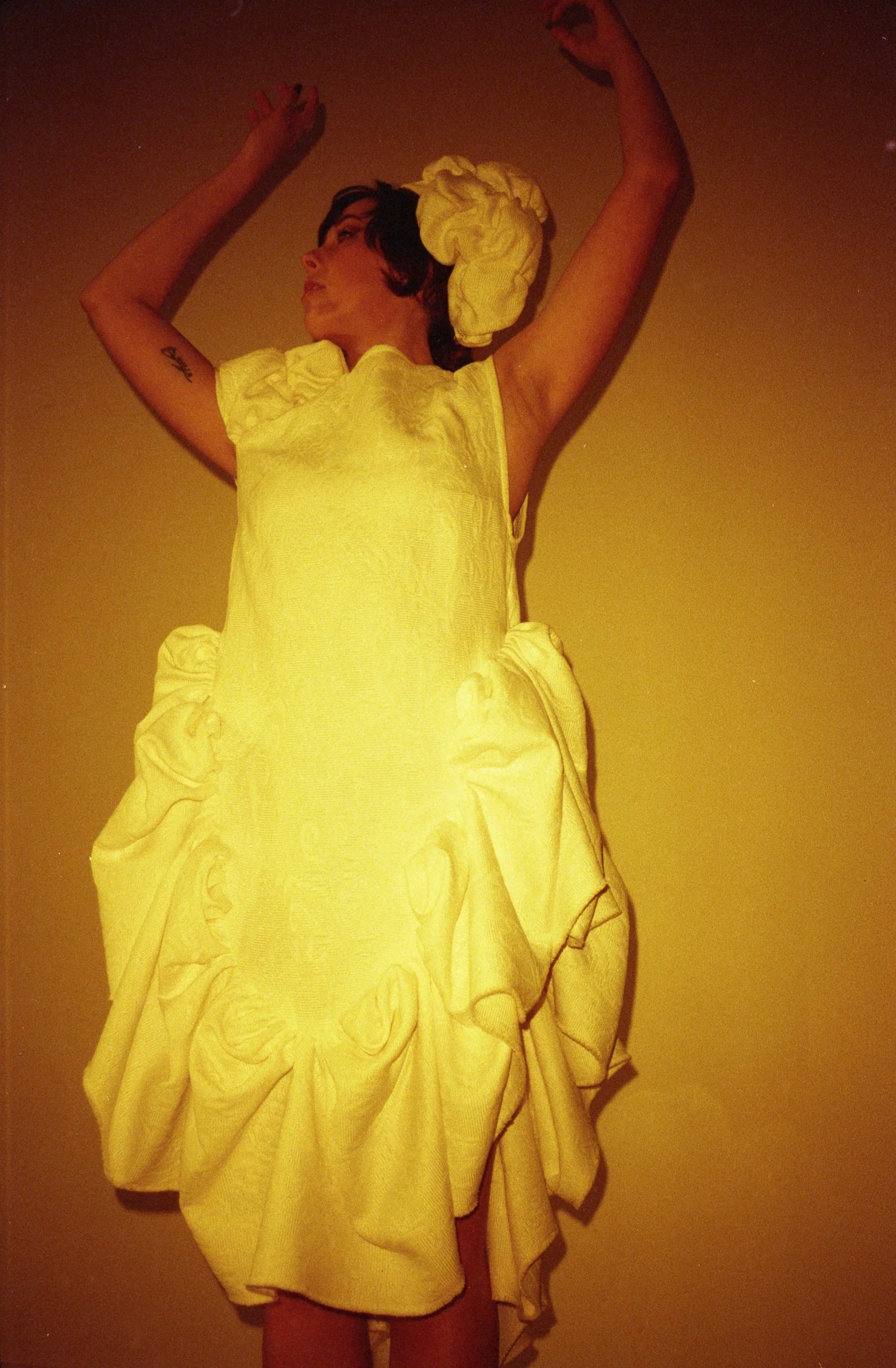
Model: Emi Haruko // Designer: Folly PDX // MUAH: Christina Carlsson

Fujifilm is one of those incredibly reliable brands like Kodak that has been around for years. The company was started in 1934 in Japan! And while some companies fizzled out when the digital revolution came to be, Fujifilm has been keeping up with cameras like the Fujifilm X-T5 and the X100VI. And I’m sure you’ve seen the Fujifilm Instax Mini cameras that are very popular. They definitely aren’t going anywhere anytime soon and are competing with some major brands like Canon and Nikon. I have plans to test out some digital Fujifilm cameras soon so make sure to check back in!

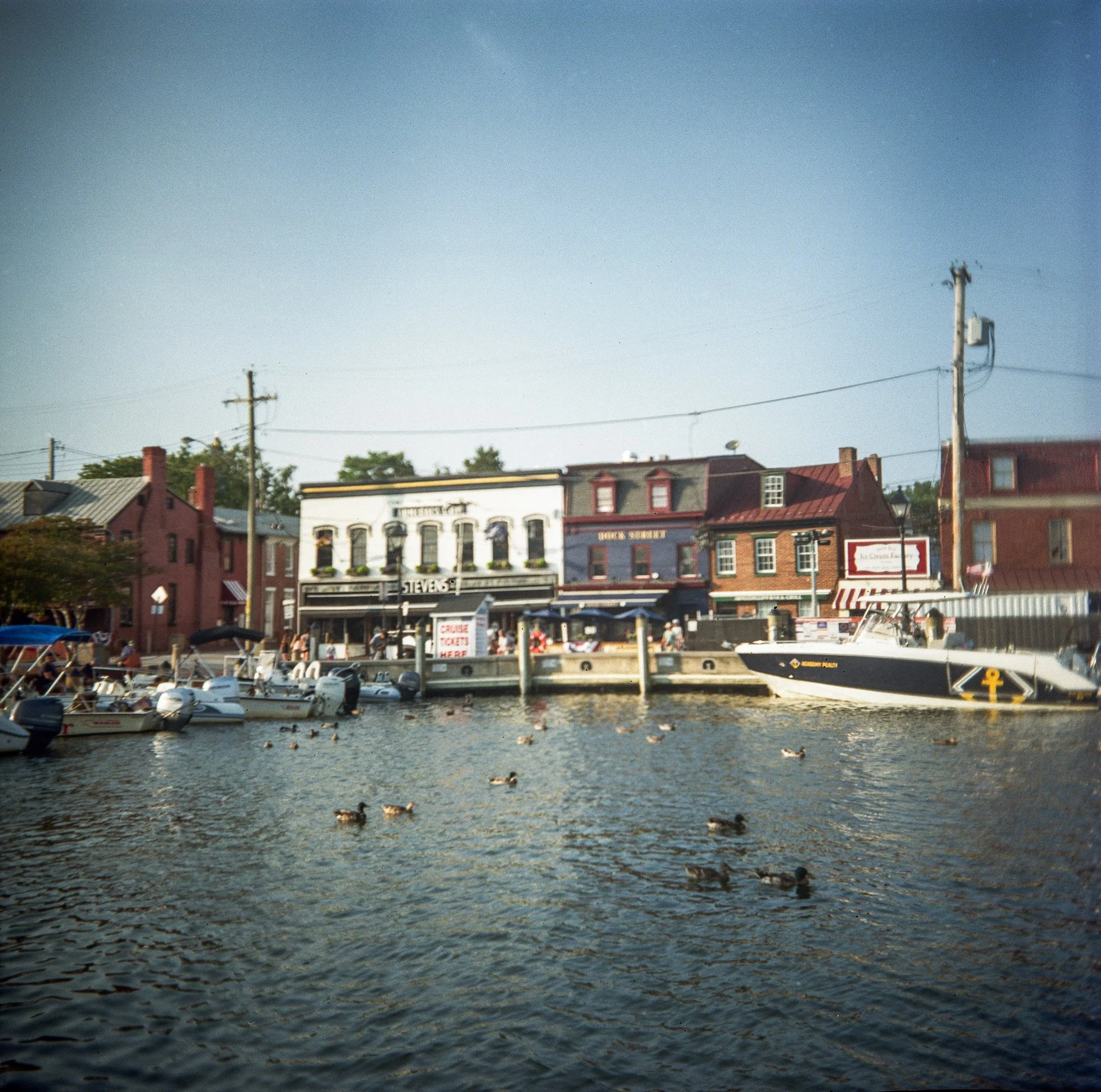
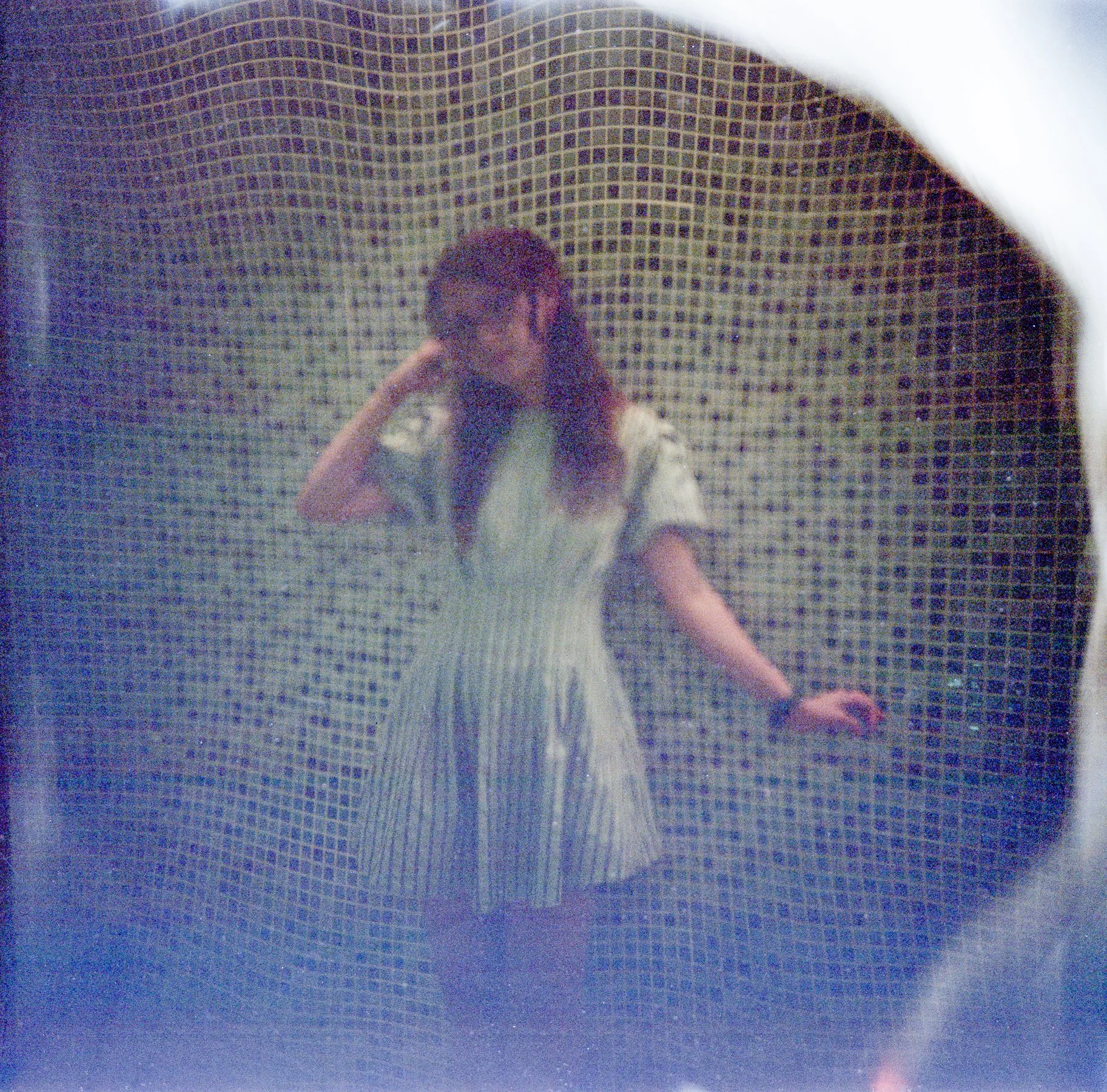
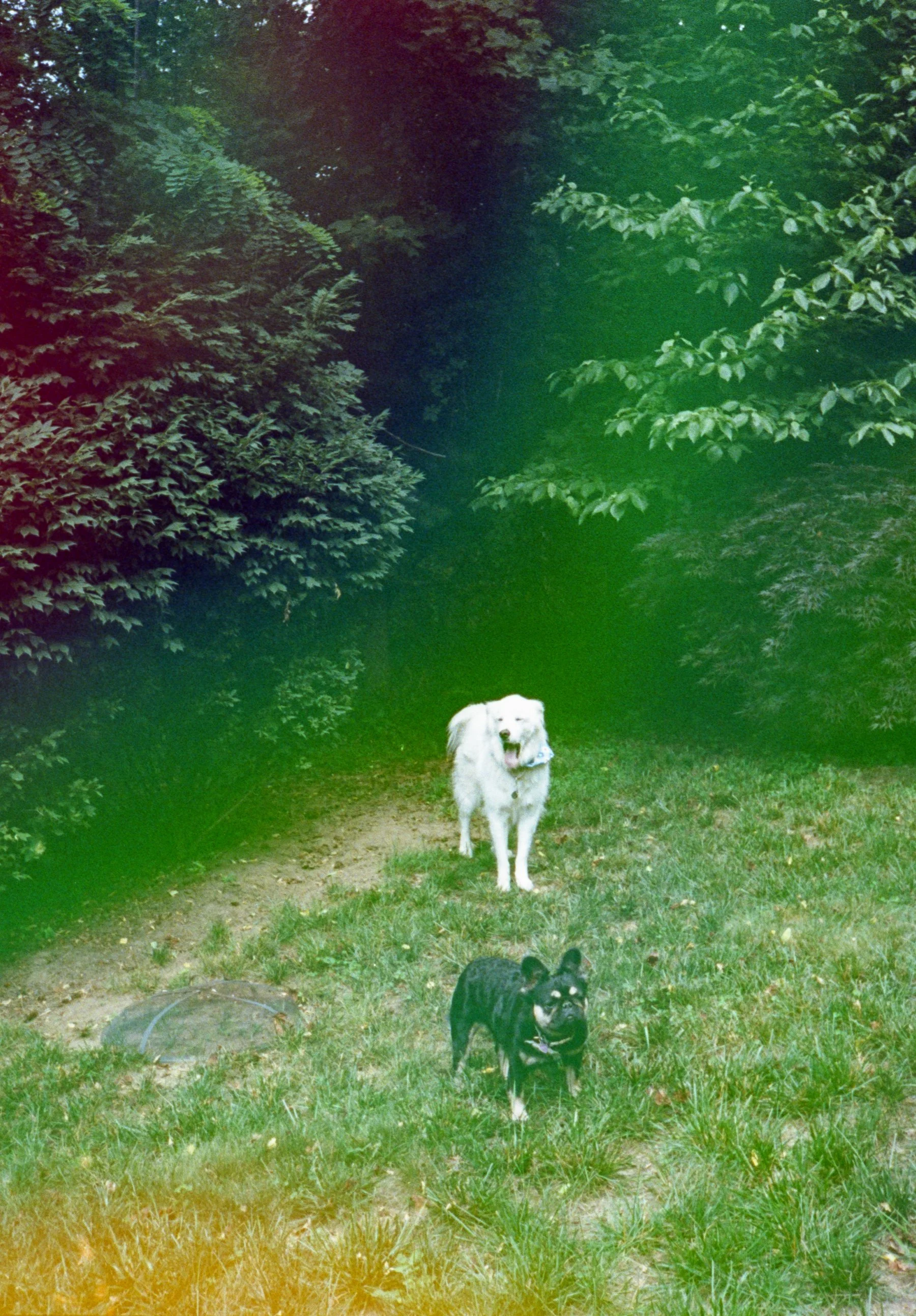
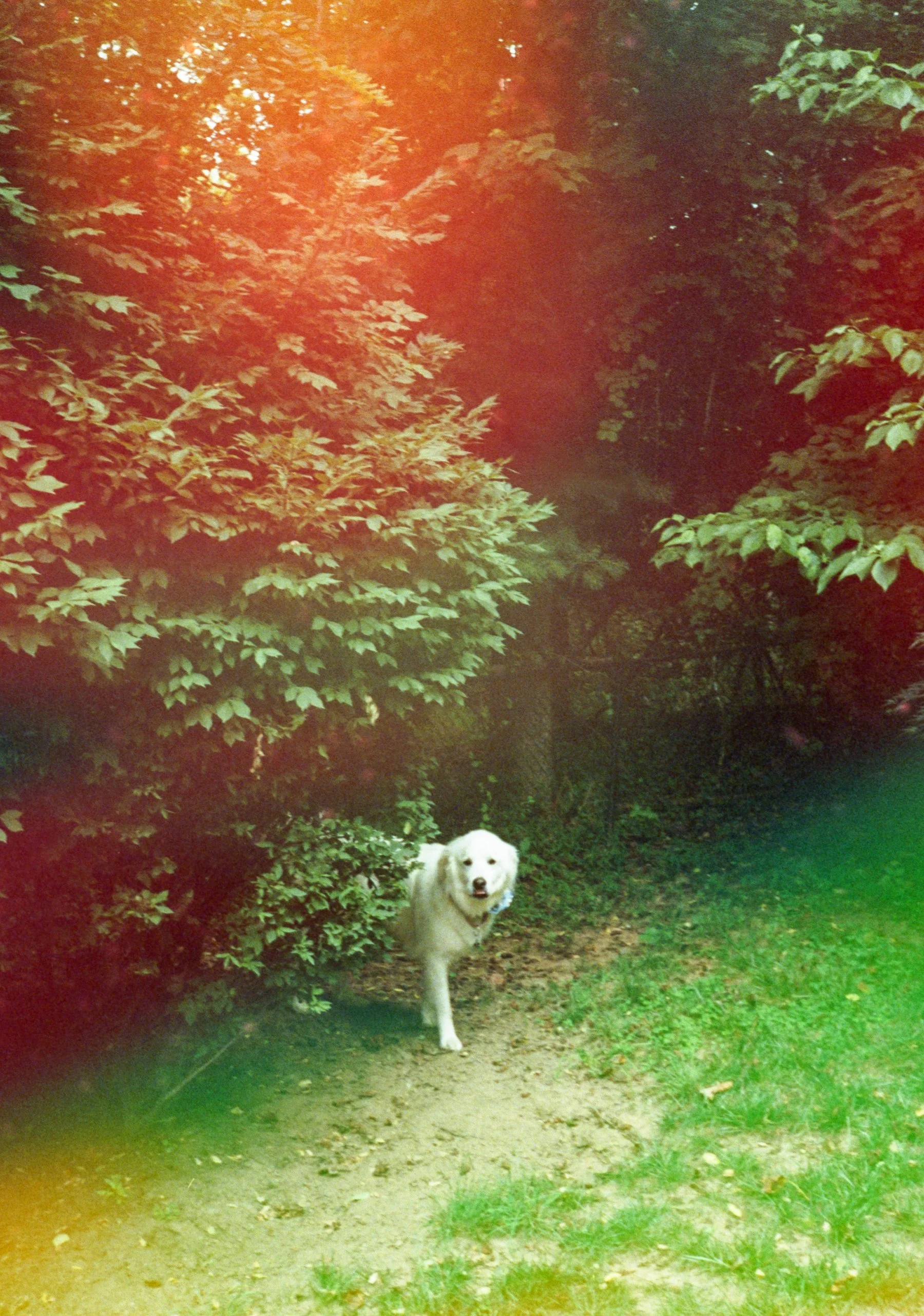
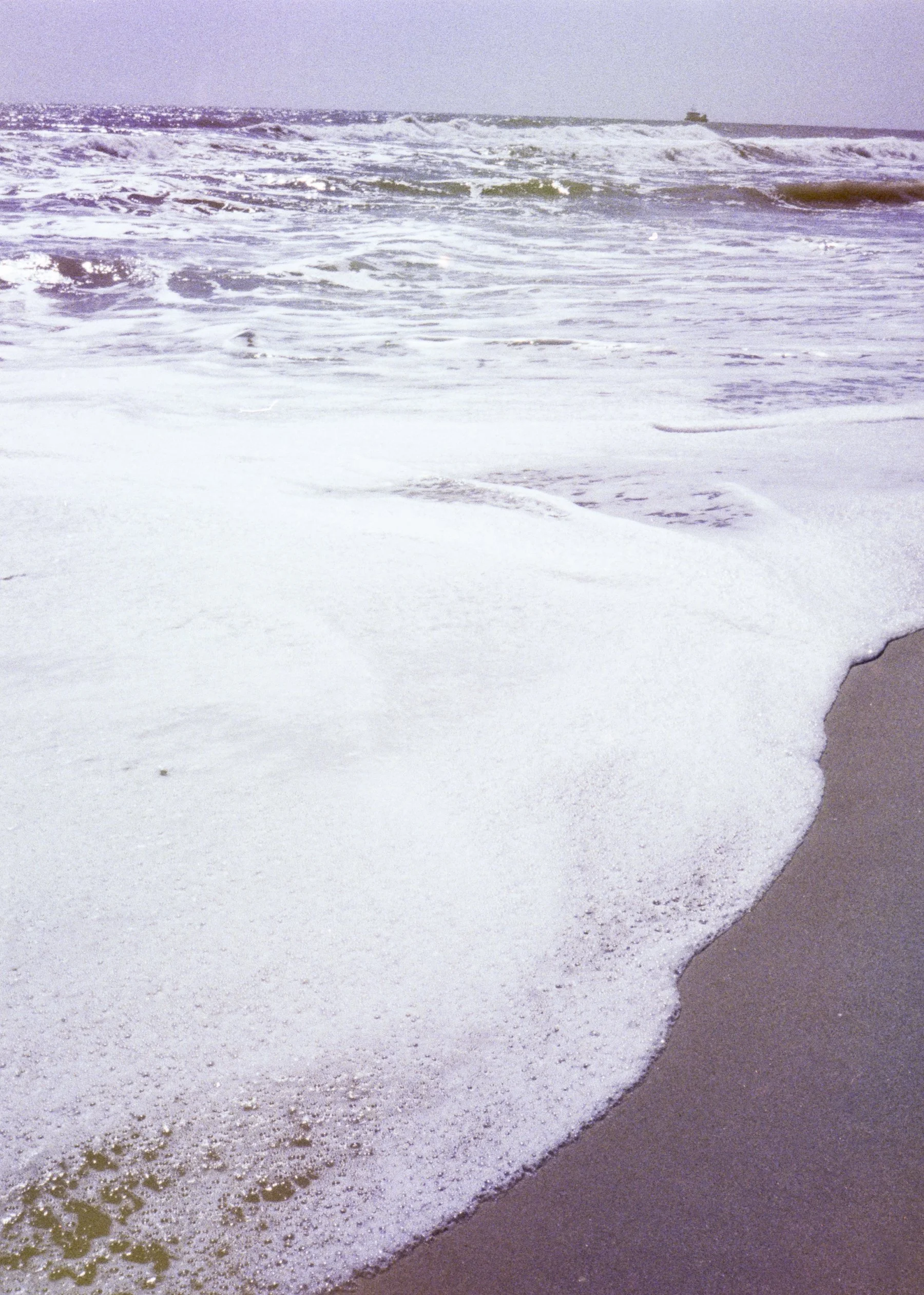
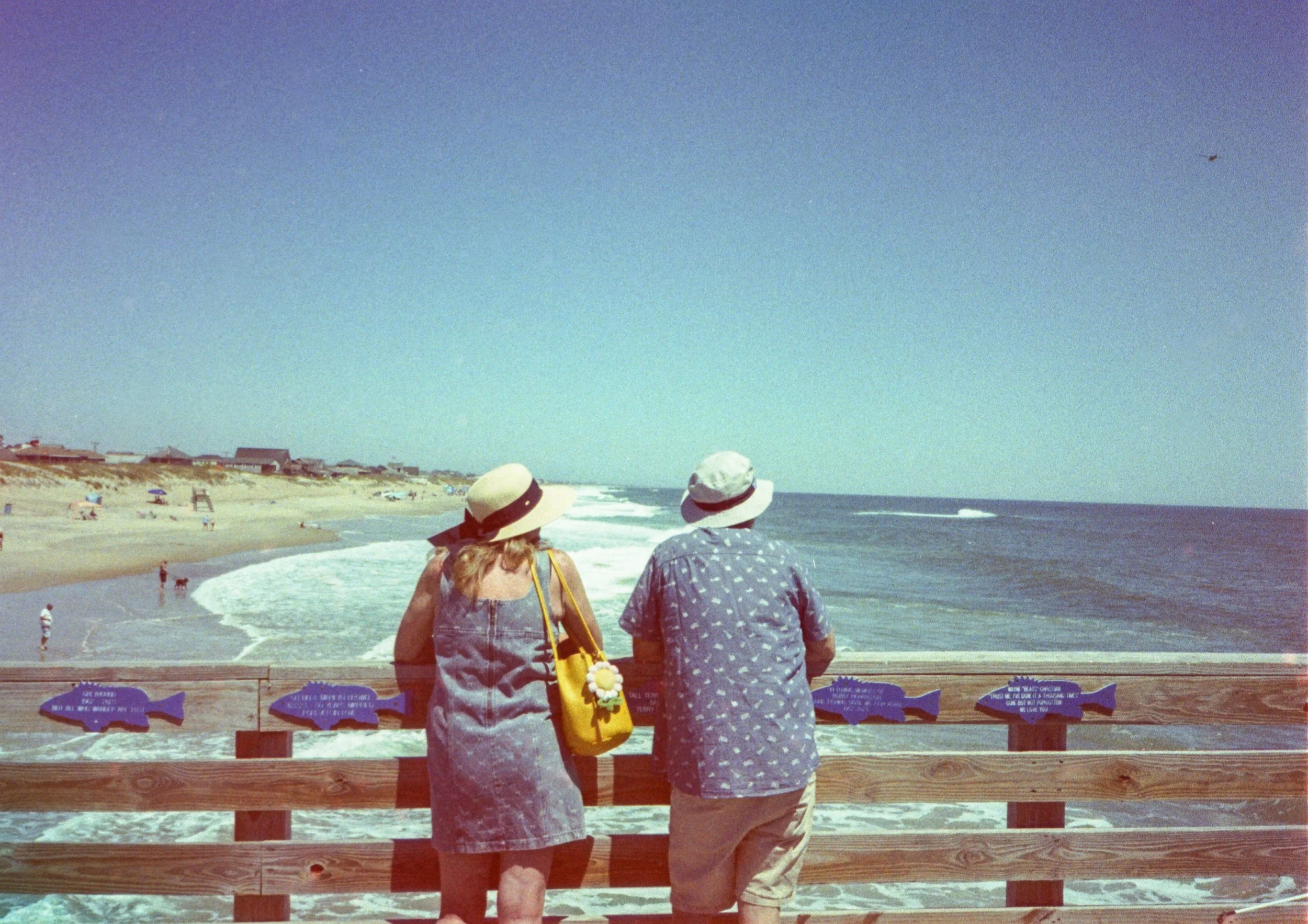
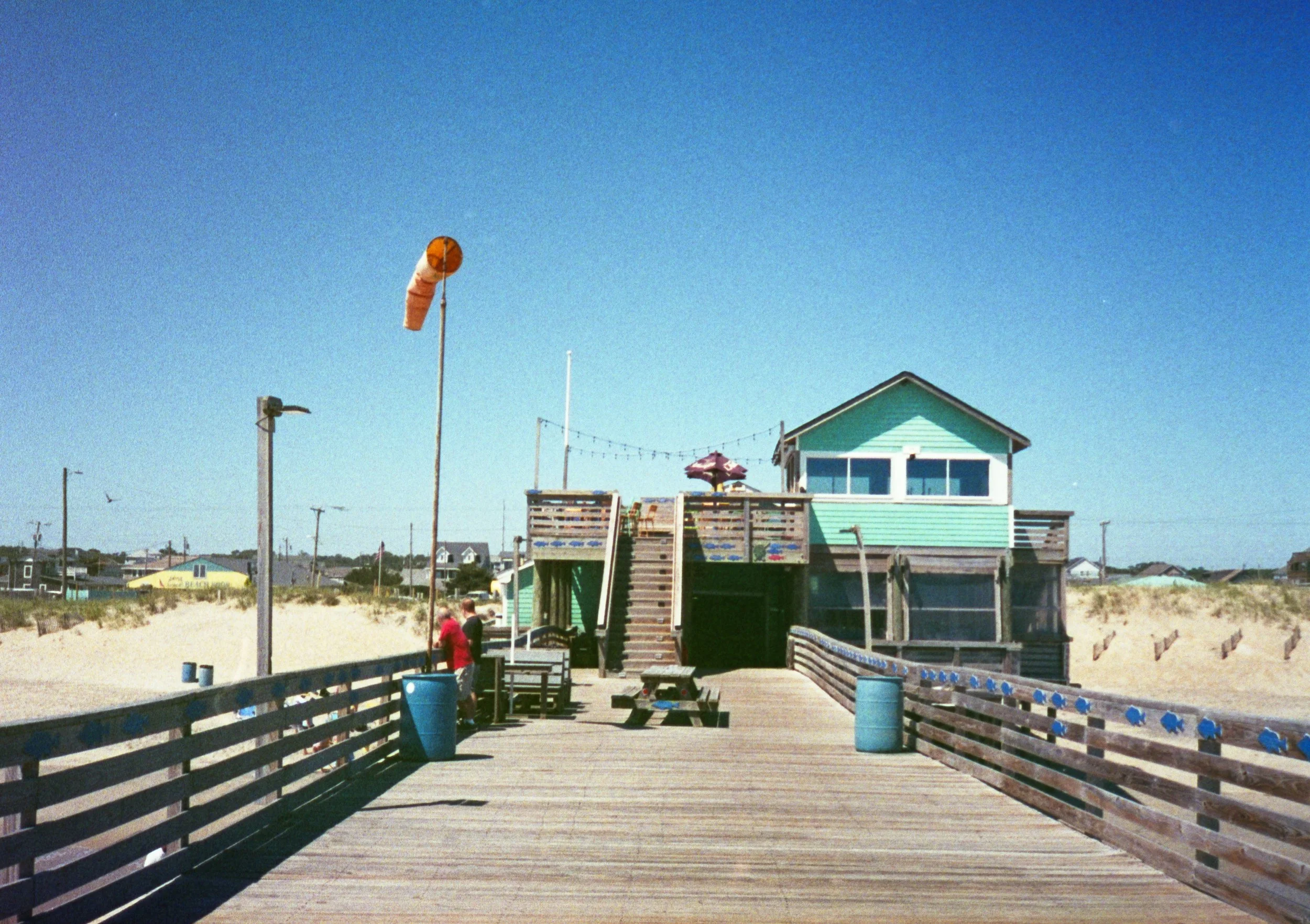
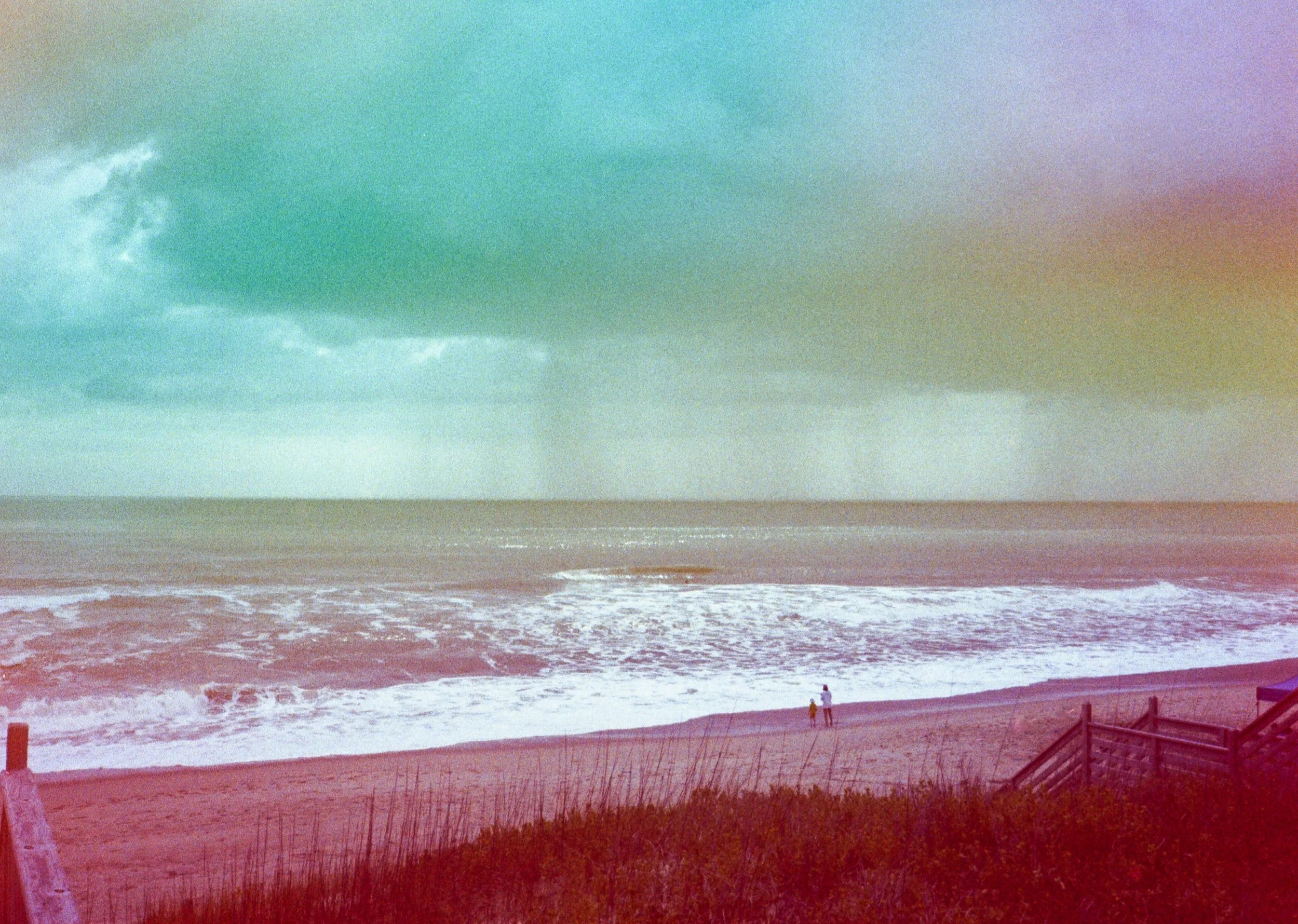
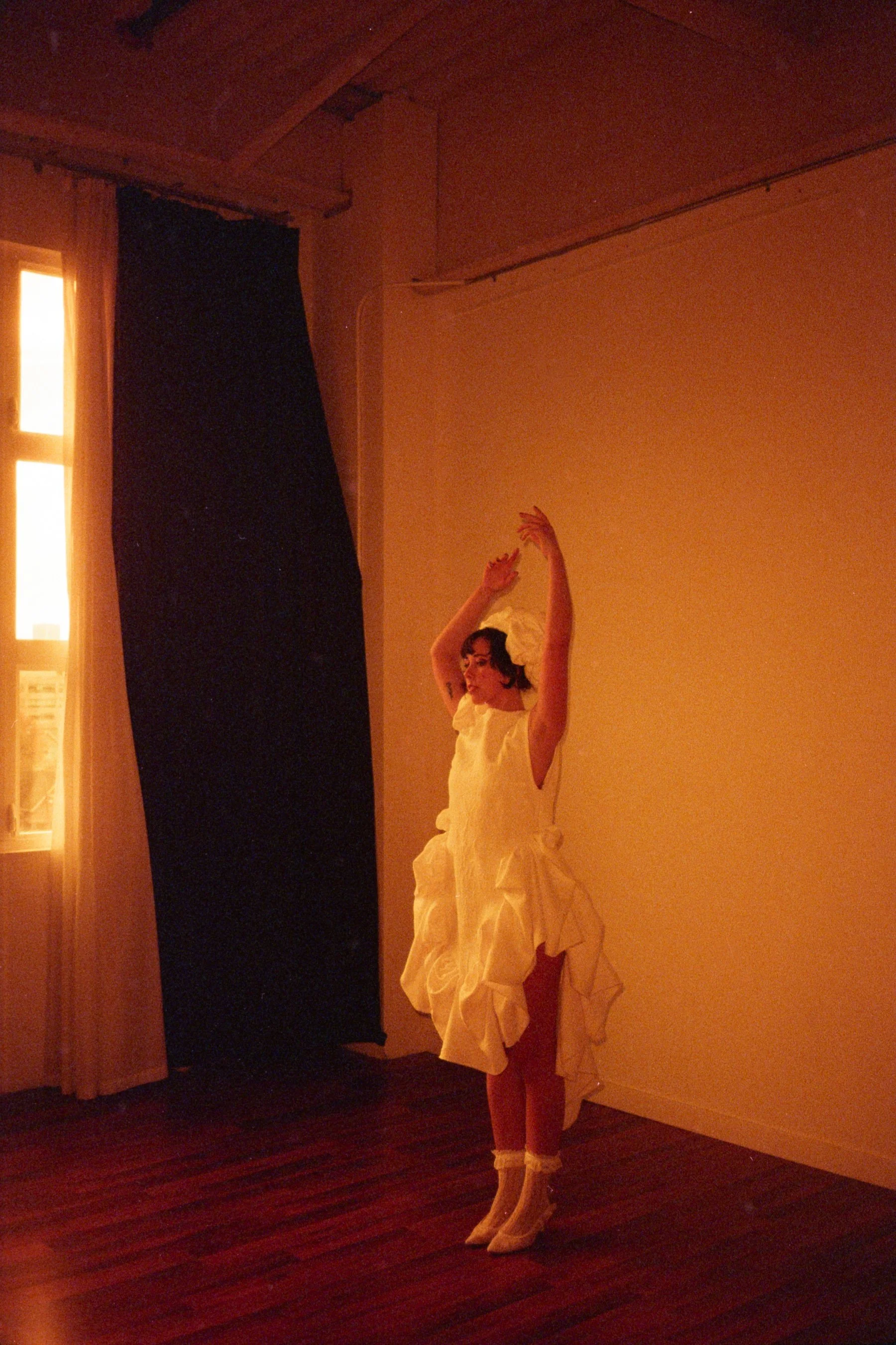
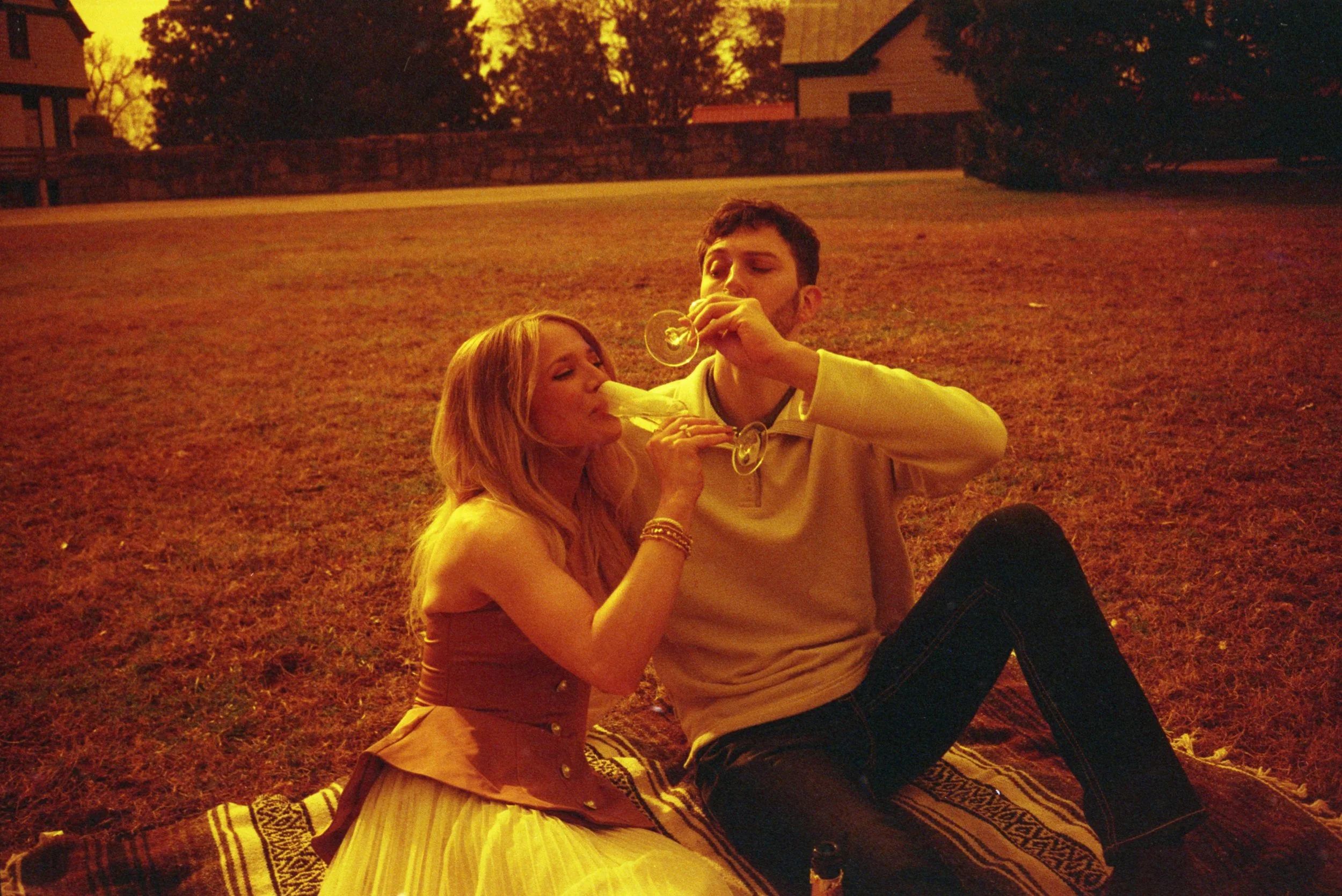
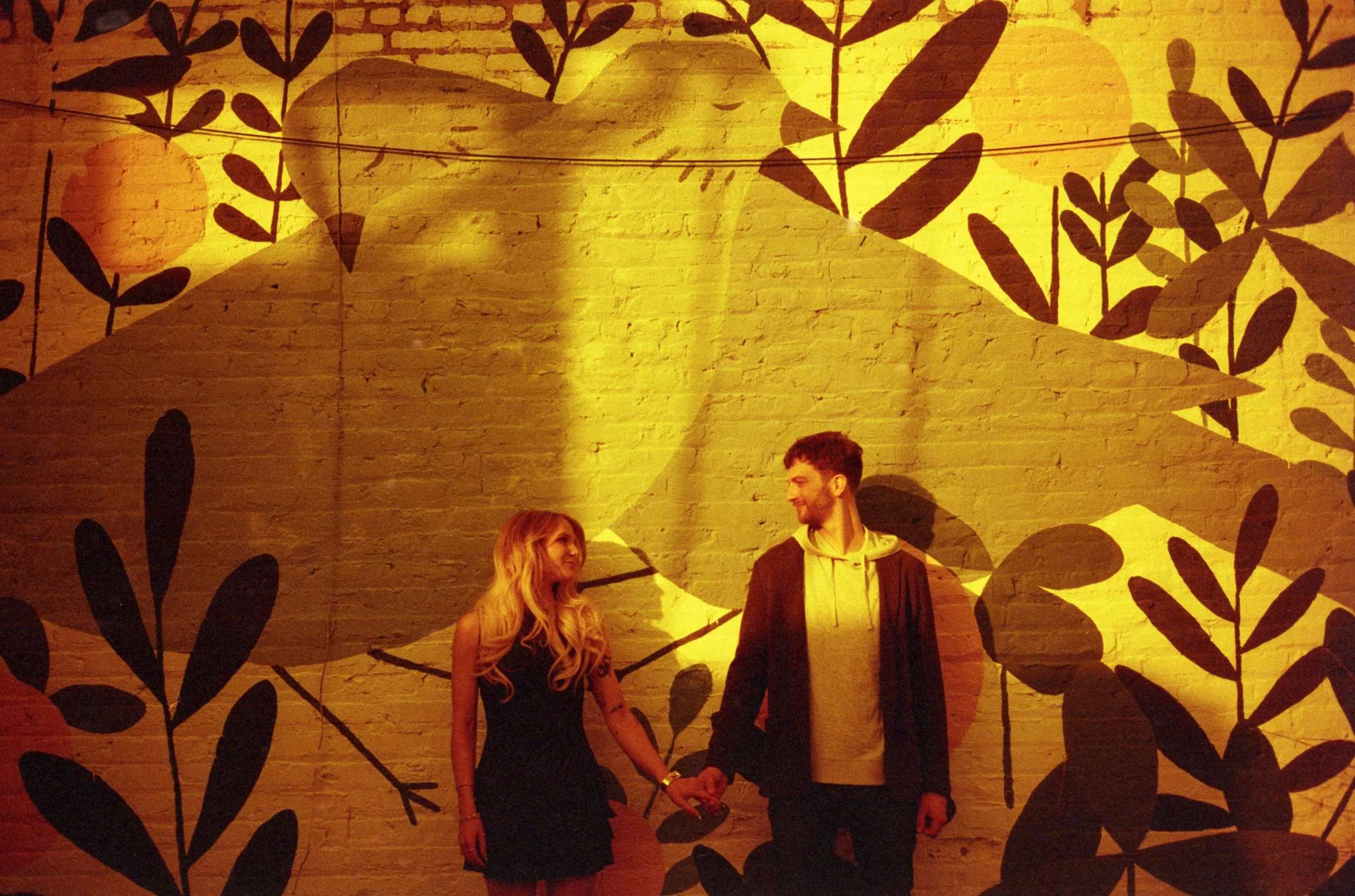
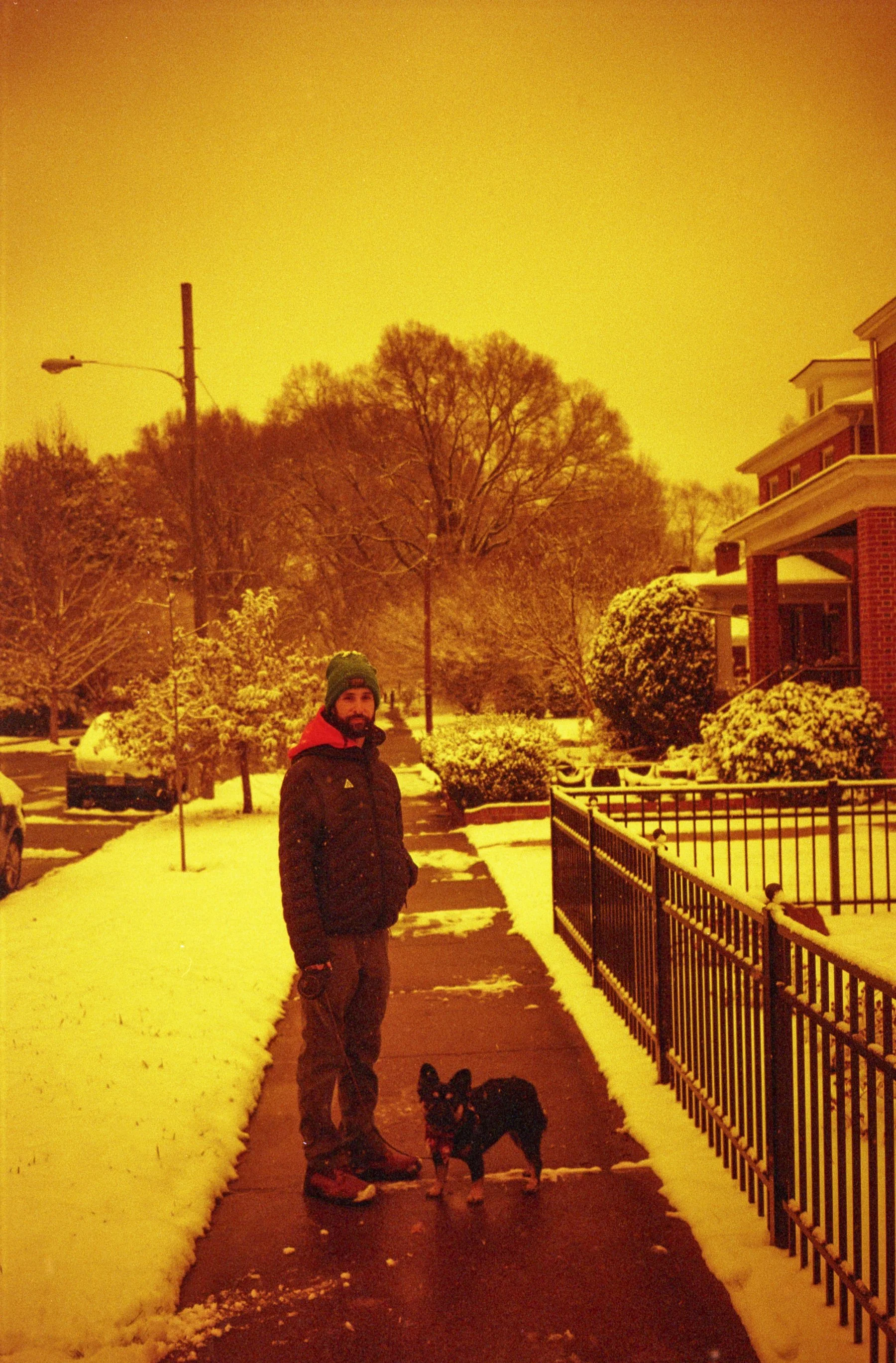
Obviously, the greenish hue and cool-toned elements are what make Fujifilm Color Negative 400 stand out, but it also has a lovely film grain that contributes to that vintage feel. I have a review on the Color Negative 200 version of the film, and you’ll find that one to be a bit less grainy because of the ISO speed. I find the Color Negative 400 to have the perfect amount of grain if you want your photos to look like film. And because it’s a 400 speed film, it is able to manage indoor and outdoor scenes fairly well. It’s kind of one of those all-around, perfectly versatile films that works for pretty much anything. This film tends to look a bit cooler overall than Kodak film, especially for portraits and especially in the shade, but you can easily warm up your photos in Lightroom if you need to. I just find it to be a super fun film that brings me back to the good old days. It also has such a fresh, yet retro appeal for fashion photography. I’ve included a handful of my favorite photos I’ve taken with this film below! Keep in mind, I didn’t really edit the coloring on these photos so that you can see the natural greenish tint and overall cool tones of the film. I typically would adjust the colors a bit more to fit my personal style, but for these images I left them fairly close to the colors of the original scan. I hope this helps you decide if Fujifilm Color Negative 400 is the film for you! If you’re on the hunt for the perfect 35 mm camera to use Fujifilm Color Negative 400 with, check out my blog post, Top 10 Best 35 mm Film Cameras for Beginner Photographers. :) For the photos in this blog post, I used the Canon Rebel K2 and the Minolta Maxxum STsi, in case you were wondering!

WHERE TO BUY FUJIFILM COLOR NEGATIVE 400 35 MM FILM

Amazon

B&H Photo

FUJIFILM COLOR NEGATIVE 400 DISPOSABLE CAMERAS

AMAZON

B&H Photo

(By using the affiliate links and/or codes in this blog post it supports Myles Katherine Photography. We may get a small kick back by you doing so.)


If you found this post helpful in any way, I’d love it if you considered signing up for my Patreon! For as little as $1 a month, you’ll get early access to all of my YouTube videos, plus tons of photos that I don’t post anywhere else. Depending on which tier you choose, you could also receive seasonal prints and/or discounts! I always use all of the proceeds towards cameras, film & processing.

If you have any questions, I’m always happy to help! You can contact me here, or leave a comment below! Thanks so much for stopping by! You can also check out my B&H Photo storefront & Amazon Storefront for more camera/film recommendations. :) Have a magical day!

<3 Myles Katherine

View fullsize fujifilm color negative 400 film review sample example photos-11.jpg
View fullsize fujifilm color negative 400 film review sample example photos-17.jpg
View fullsize fujifilm color negative 400 film review sample example photos-9.jpg
View fullsize fujifilm color negative 400 film review sample example photos-10.jpg
View fullsize fujifilm color negative 400 film review sample example photos-20.jpg
View fullsize fujifilm color negative 400 film review sample example photos-4.jpg
View fullsize fujifilm color negative 400 film review sample example photos-8.jpg
View fullsize fujifilm color negative 400 film review sample example photos-5.jpg
View fullsize fujifilm color negative 400 film review sample example photos-21.jpg
View fullsize fujifilm color negative 400 film review sample example photos-14.jpg
View fullsize fujifilm color negative 400 film review sample example photos-16.jpg
View fullsize fujifilm color negative 400 film review sample example photos-23.jpg
View fullsize fujifilm color negative 400 film review sample example photos-18.jpg
View fullsize fujifilm color negative 400 film review sample example photos-27.jpg
View fullsize fujifilm color negative 400 film review sample example photos-26.jpg
View fullsize fujifilm color negative 400 film review sample example photos-2.jpg
View fullsize fujifilm color negative 400 film review sample example photos.jpg
View fullsize fujifilm color negative 400 film review sample example photos-29.jpg
View fullsize fujifilm color negative 400 film review sample example photos-30.jpg
View fullsize fujifilm color negative 400 film review sample example photos-33.jpg
View fullsize fujifilm color negative 400 film review sample example photos-34.jpg
View fullsize fujifilm color negative 400 film review sample example photos-32.jpg
View fullsize fujifilm color negative 400 film review sample example photos-28.jpg
View fullsize fujifilm color negative 400 film review sample example photos-35.jpg
View fullsize fujifilm color negative 400 film review sample example photos-31.jpg
View fullsize fujifilm color negative 400 film review sample example photos-40.jpg
View fullsize fujifilm color negative 400 film review sample example photos-37.jpg
View fullsize fujifilm color negative 400 film review sample example photos-36.jpg
View fullsize fujifilm color negative 400 film review sample example photos-39.jpg
View fullsize fujifilm color negative 400 film review sample example photos-41.jpg
In FIlm Reviews, Film Photography Tags fujifilm 400 film review, fujifilm color negative 400 film review, fujifilm color negative 400 sample photos, fujifilm color 400 example photos, best retro 35 mm film, best vintage looking 35 mm film, best film for 35 mm cameras, best vintage film for 35 mm cameras, best 35 mm color film, fujifilm color 400 review, fujifilm color negative 400 review, fujifilm color negative 400 film sample photos, fujifilm 400 example photos, emi haruko model, folly pdx, folly pdx clothing store, christina carlsson hair and makeup, best color 35 mm film, minolta maxxum stsi sample photos, canon rebel k2 sample photos, minolta maxxum stsi examples, canon rebel k2 examples, richmond va portrait photography, rva wedding photography, pdx fashion photographer, rva fashion photographer, rva wedding photographer, fujifilm 400 color negative film, fujifilm 400 color negative example photos, fujifilm 400 color negative sample photos
Comment
Older Posts →

Subscribe

Sign up with your email address to receive news and updates.

We respect your privacy.

Thank you!
Subscribe

Sign up with your email address to receive news and updates.

We respect your privacy.

Thank you!
INSTAGRAM

Marie Antoinette has been one of my favorite movies for a long time, but when I saw it on the big screen for the first time at the @hollywoodtheatr I was completely obsessed with everything about it visually. If you haven&rsquo;t seen it, you should.
Decisions. 🔮
.
@arosevan | 35mm | muah by @thebirdbones .
.
.
.
.
#pdxfashion #analogfeatures #shootfilmmag #shootfilmunder1000 #heyfsc #unvaeljournal #spicollective #gominimalmag #nowherediary 
#photocinematica #dreamermagazine #filmwave #bestfilmp
Throwback to one of my first Portland fashion shoots, featuring super stunner @casstronaut. 🌚
.
Polaroid 600 film | #polaroidweek
.
.
.
Hair &amp; makeup: @jessicabelknap
Styling: Marissa Essex
.
#pdxfashion #roidweek #instantfilm #polaroid #shootit
Missing springtime in Portland. 🌸
.
.
.
.
Model: @hemlocckk
Hair &amp; makeup: @thebirdbones
.
#pdx #rva #rvaphotographer #springtime #springgoth #darkfashion #fashion #muah #darkbeauty #portbox #portraitvision_ #allfloraleverything #bossgirls

When you click on links to various merchants on this site and make a purchase, this can result in this site earning a commission. Affiliate programs and affiliations include, but are not limited to, the eBay Partner Network, Awin, Shareasale, B&H Photo Video, and others. As an Amazon Associate I earn from qualifying purchases.

PRIVACY POLICY & DISCLAIMERS