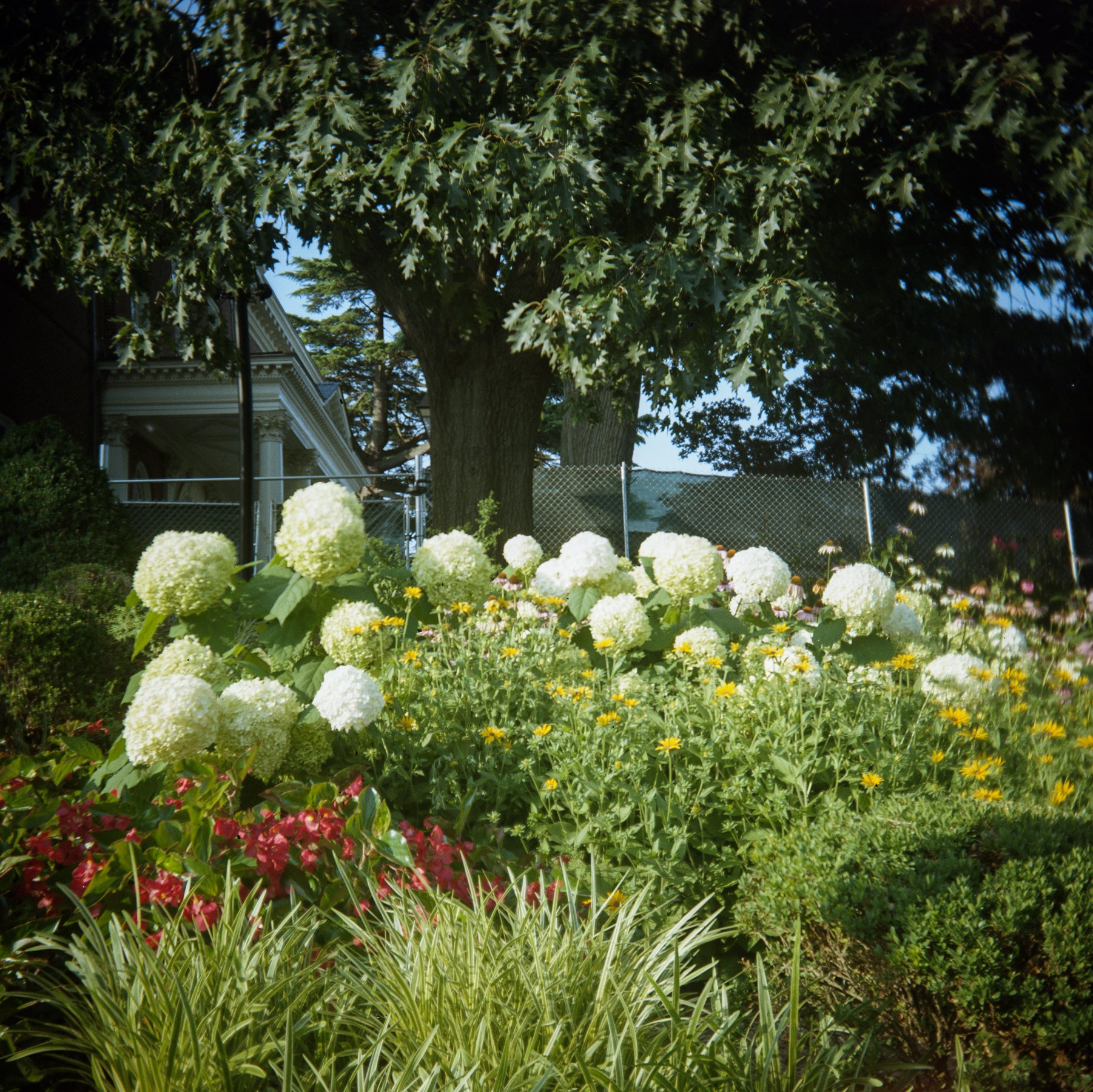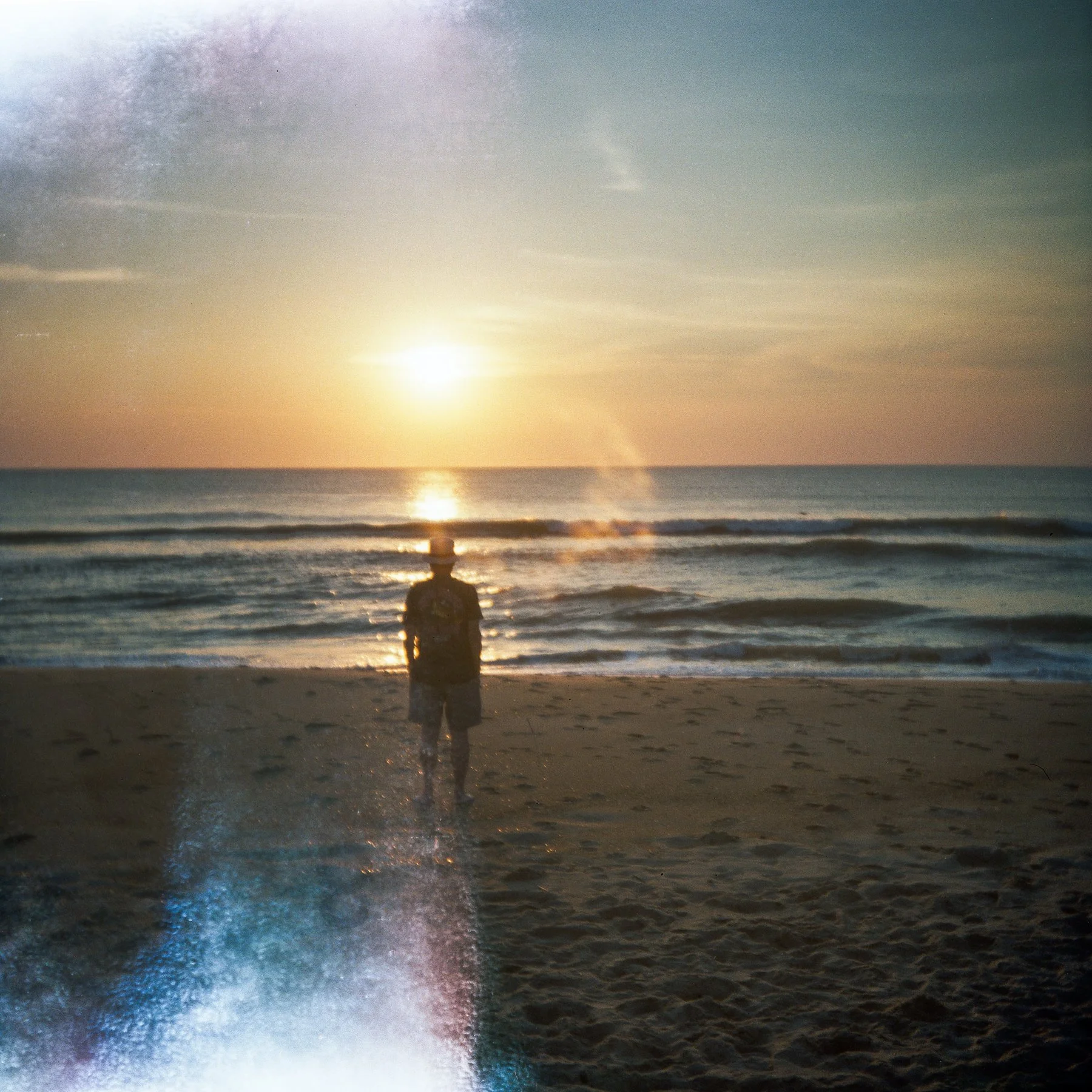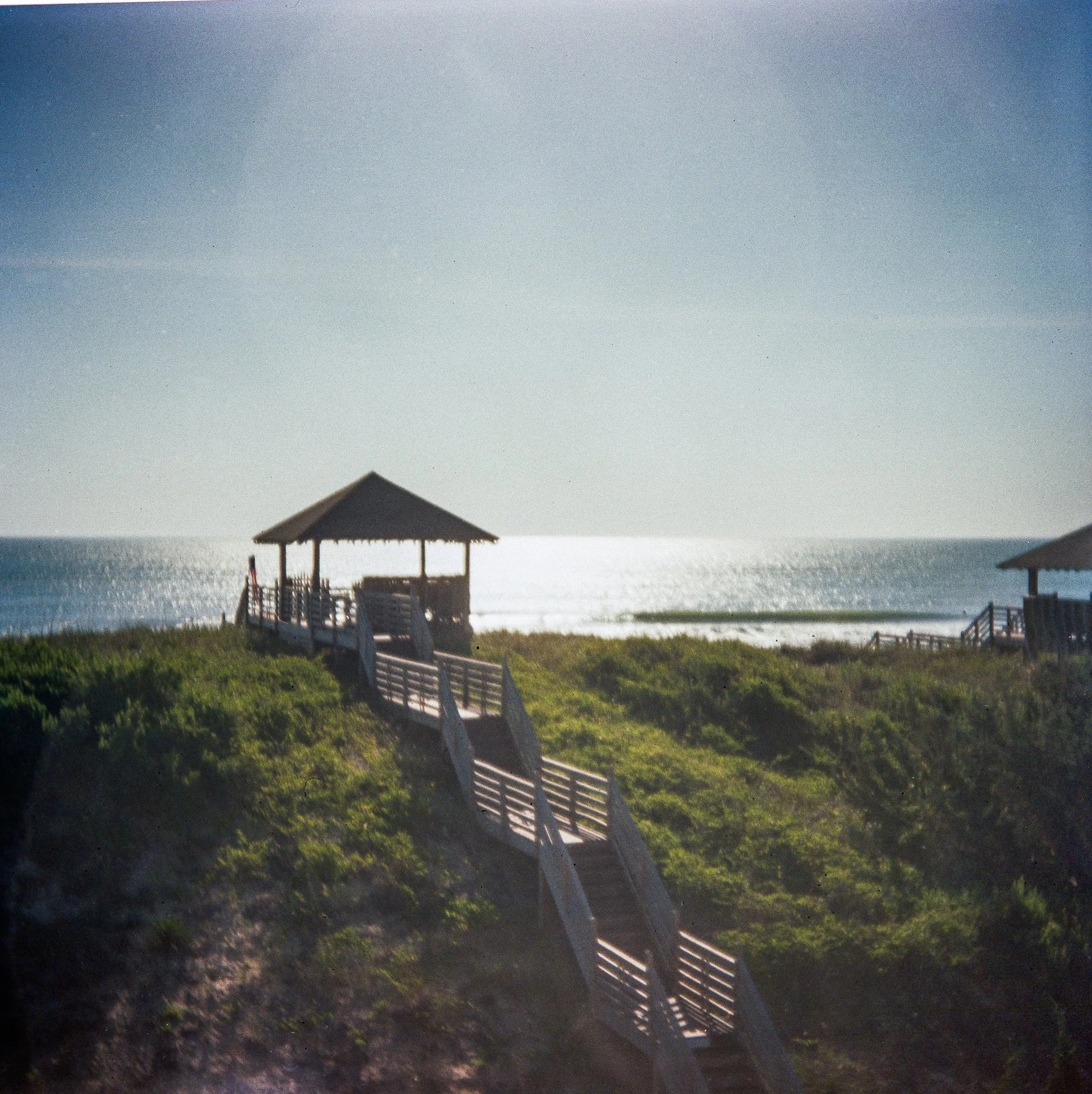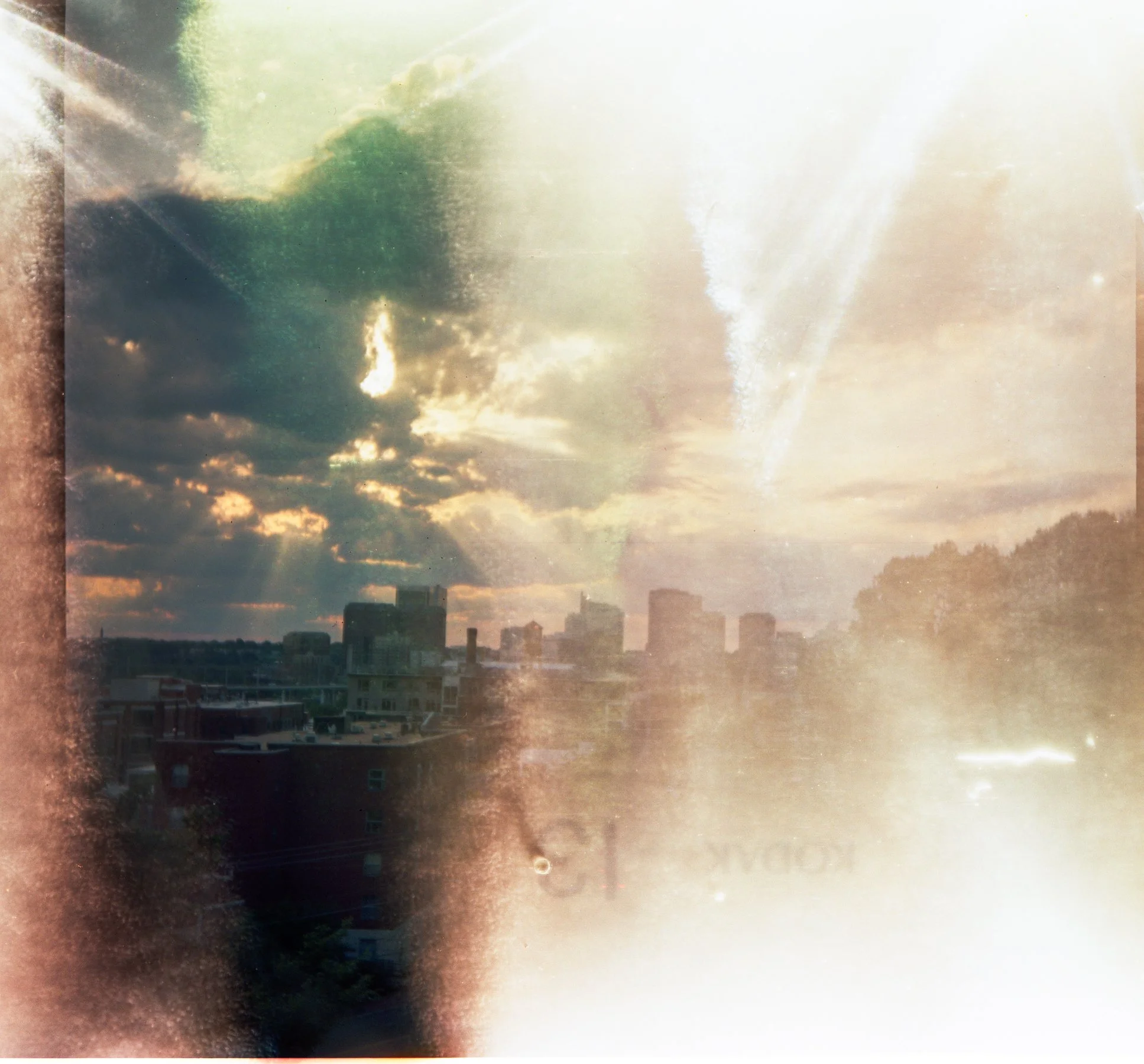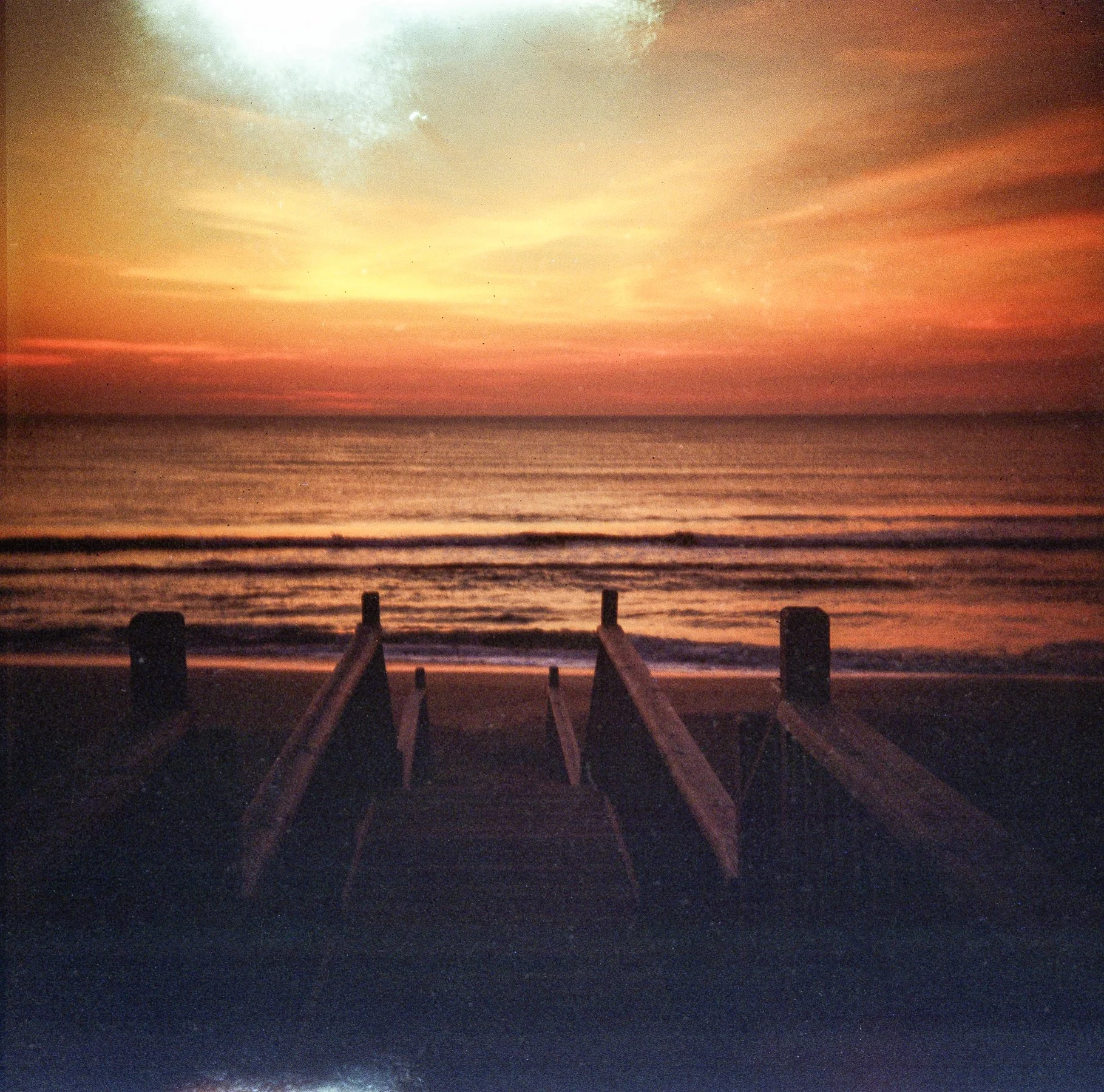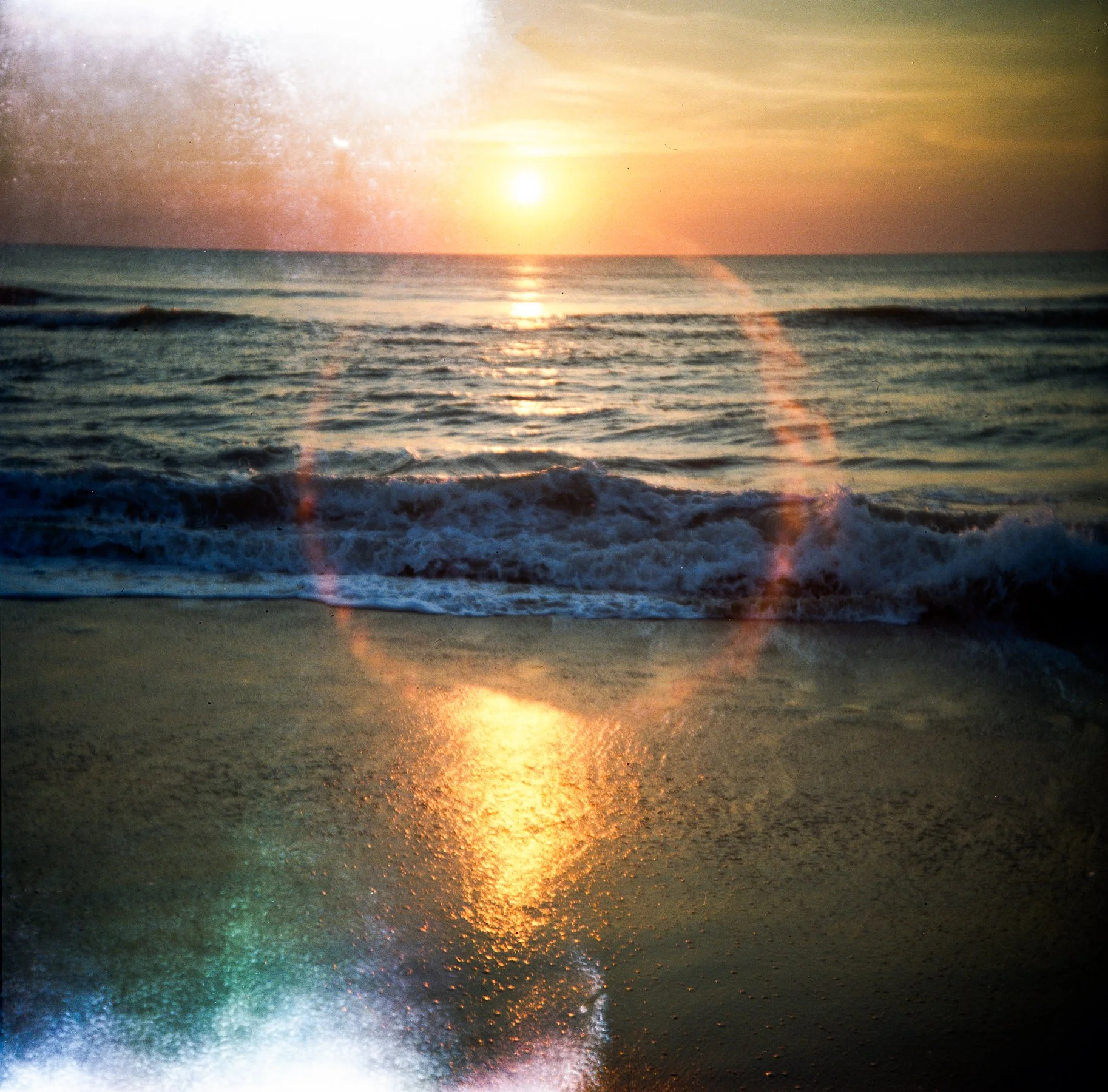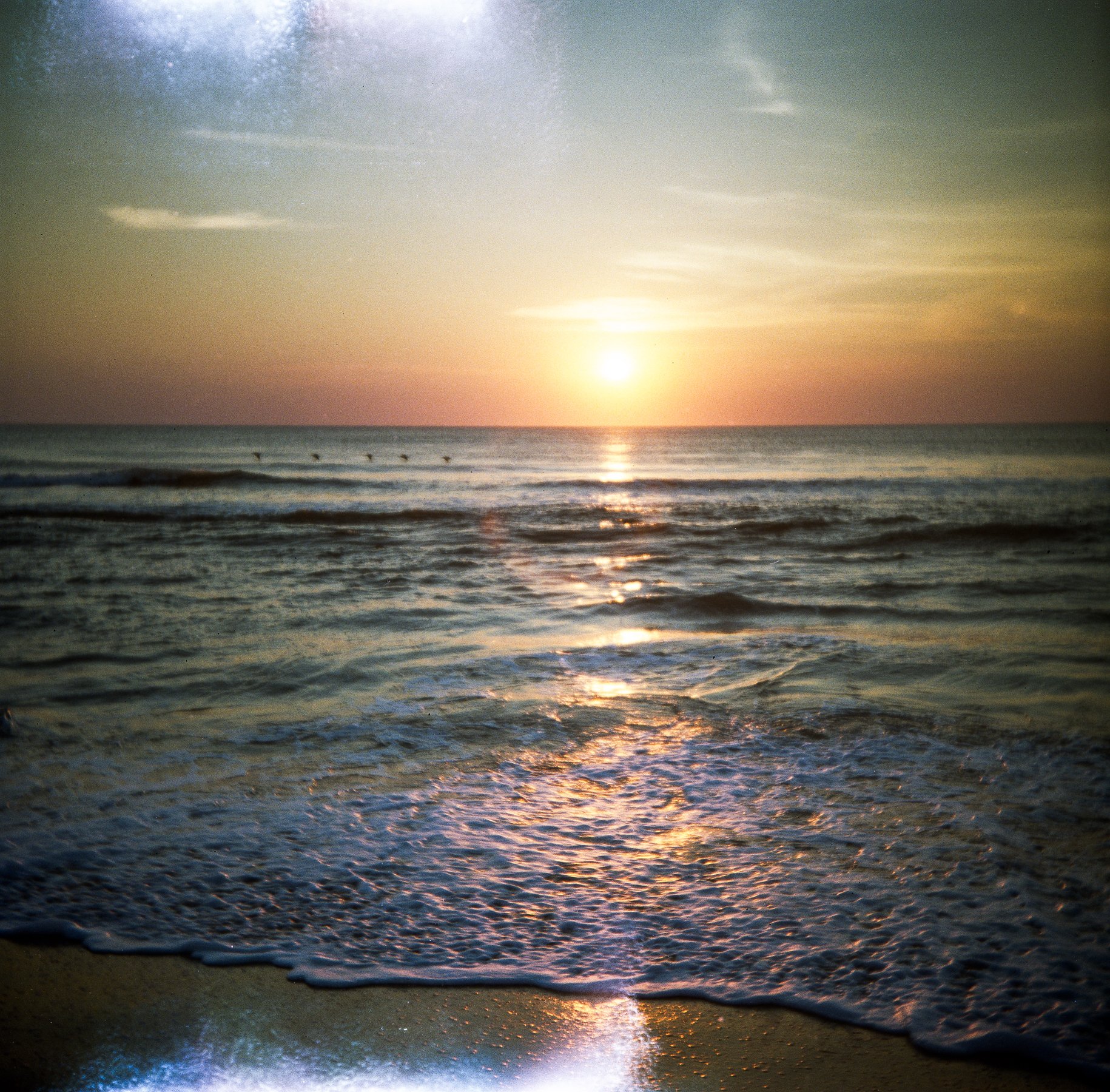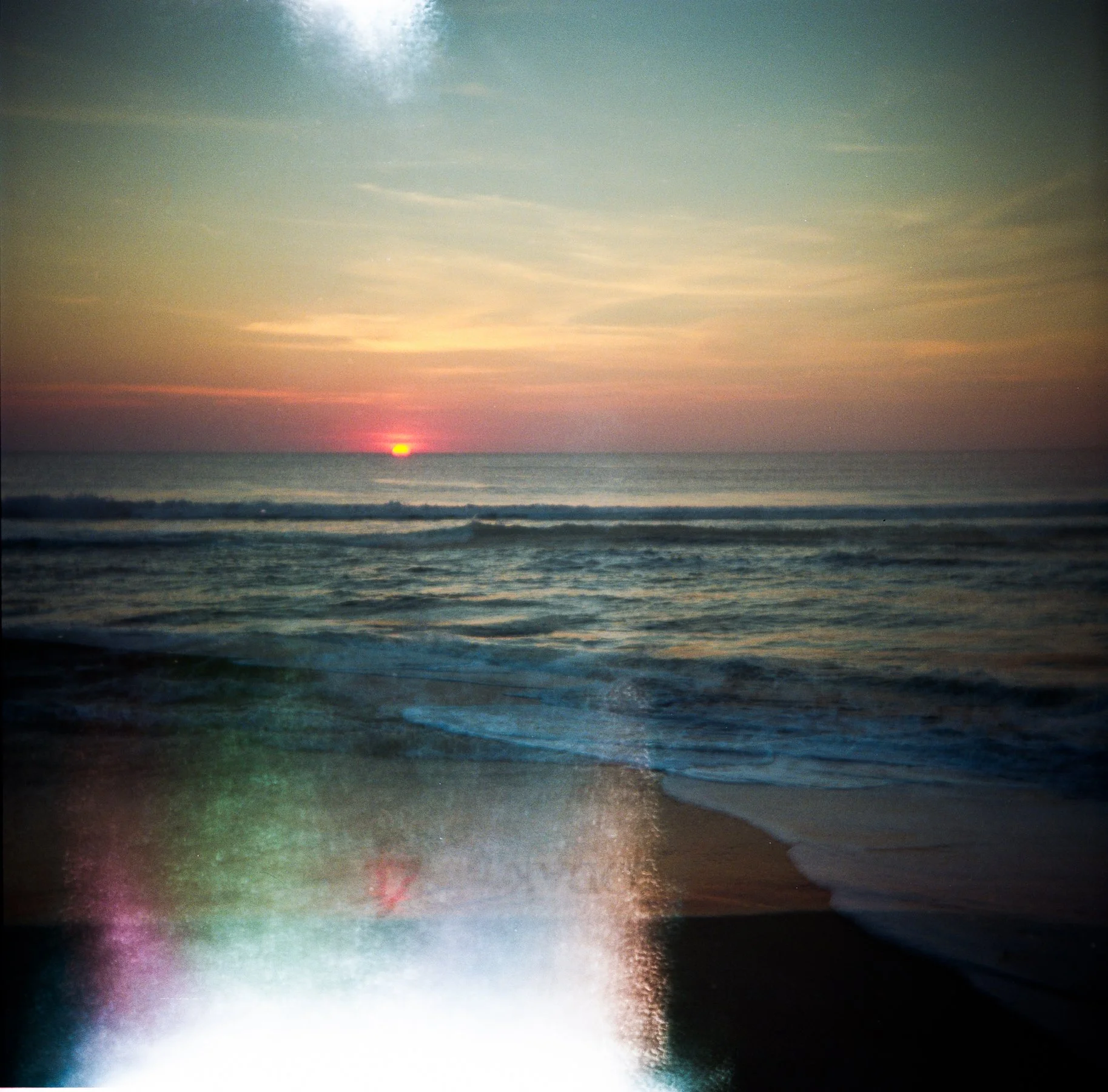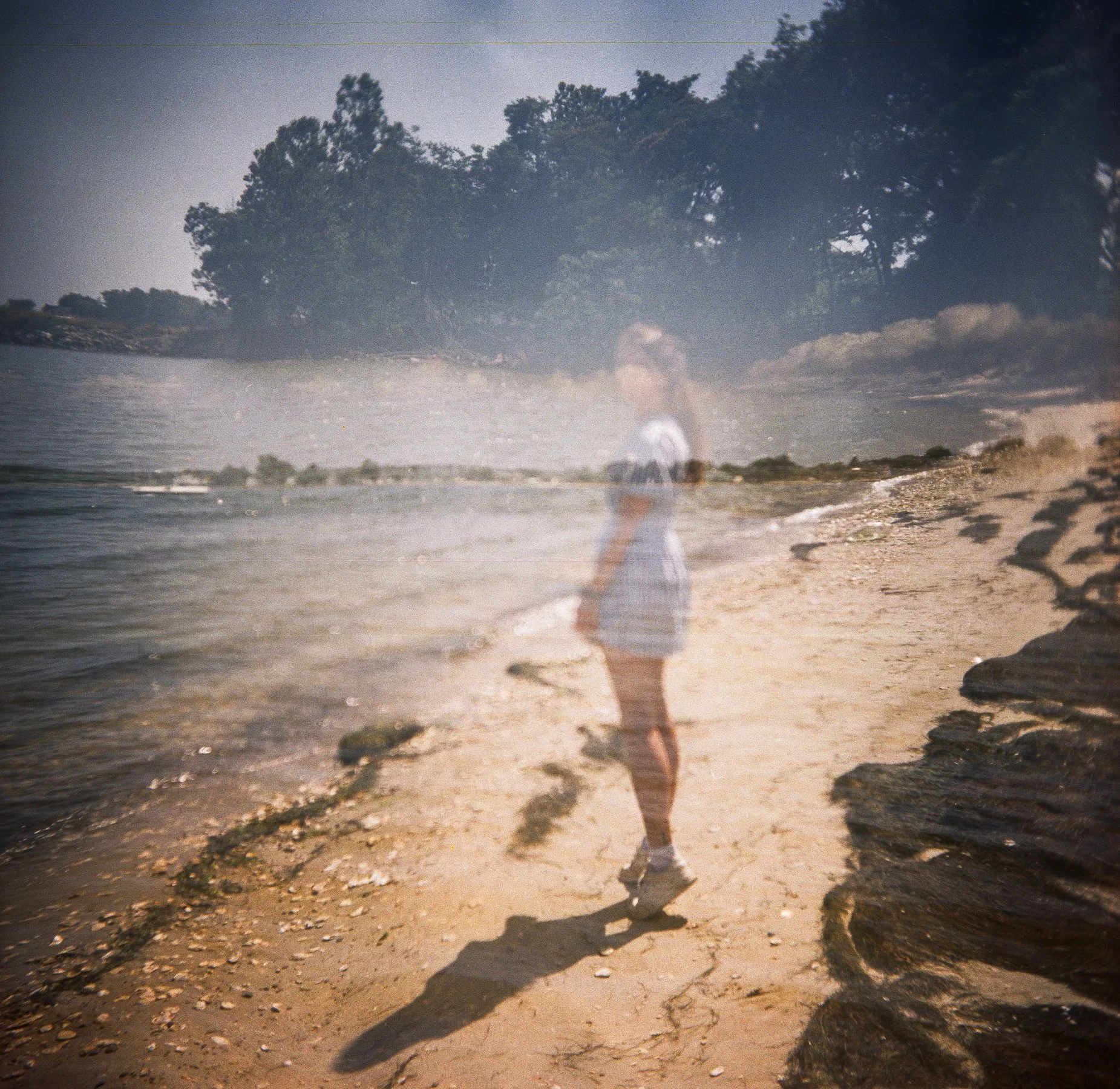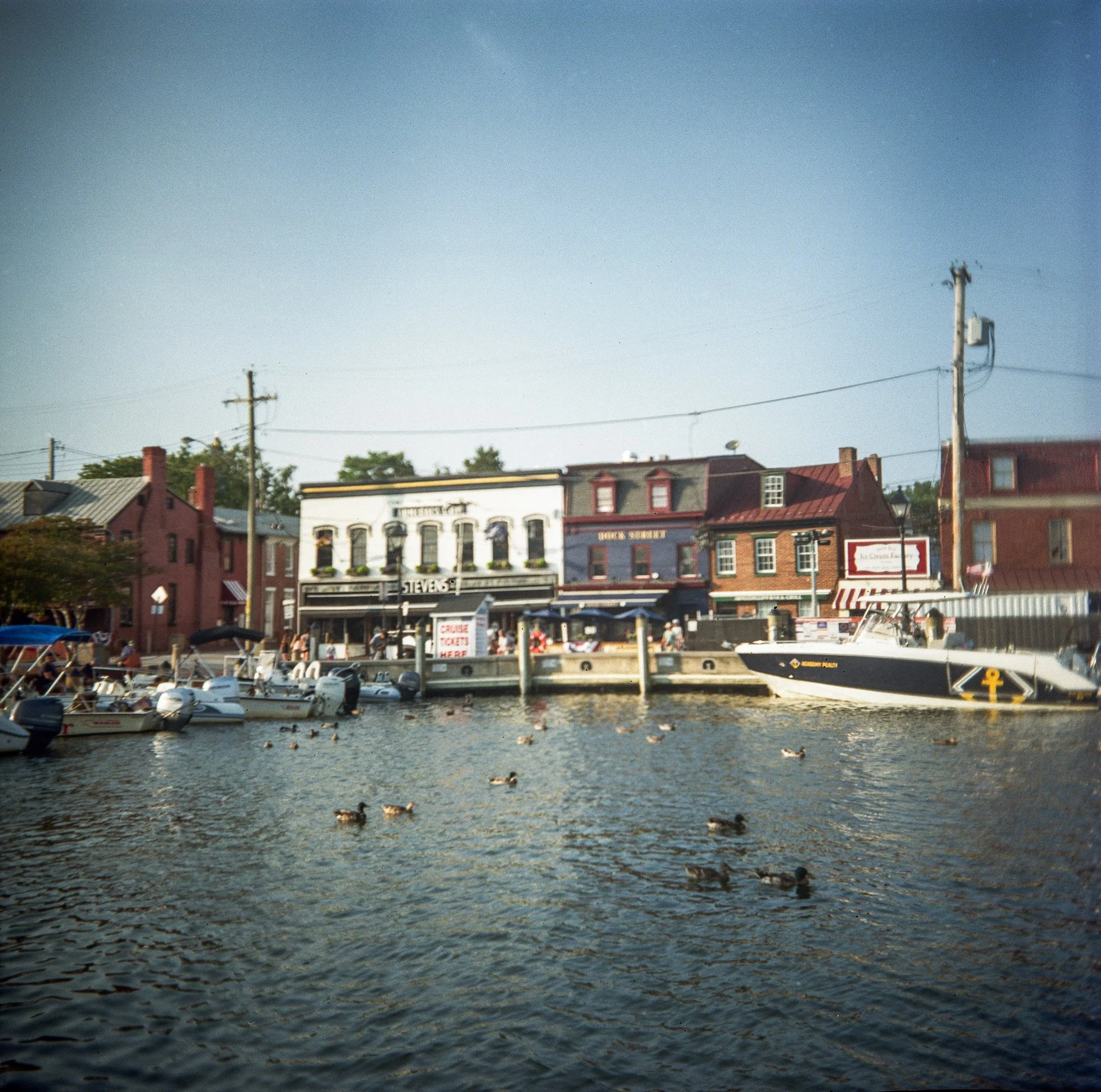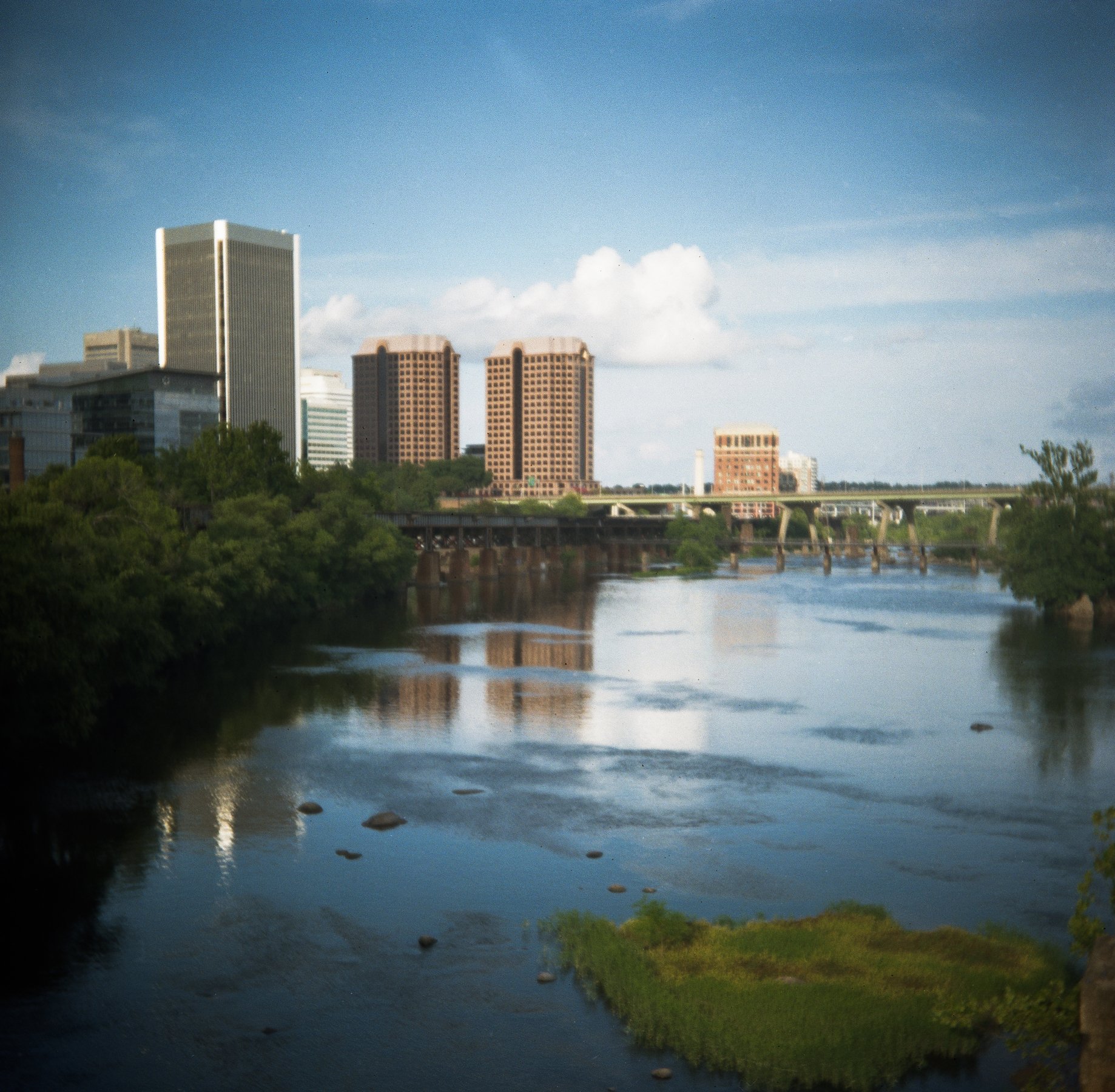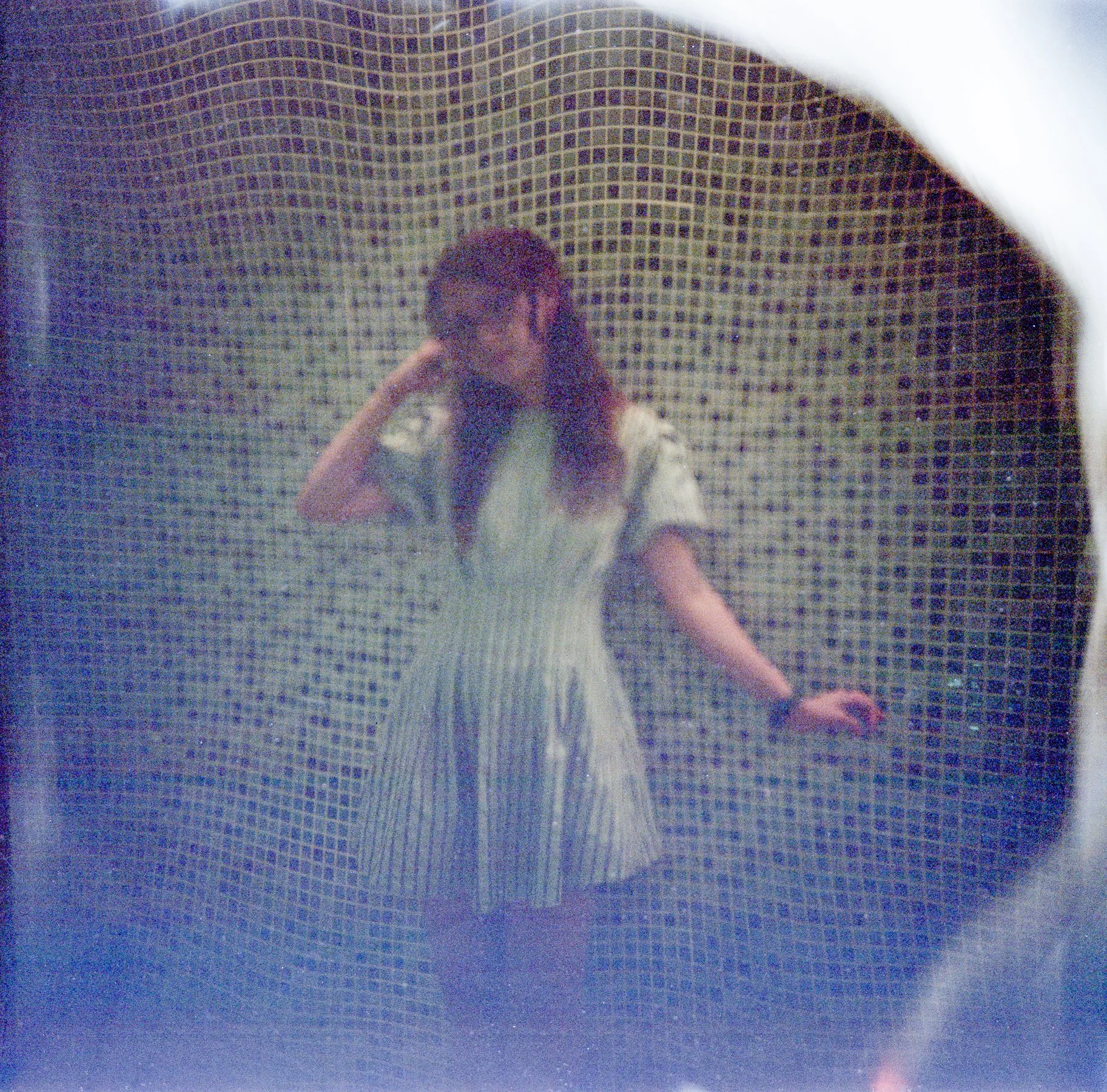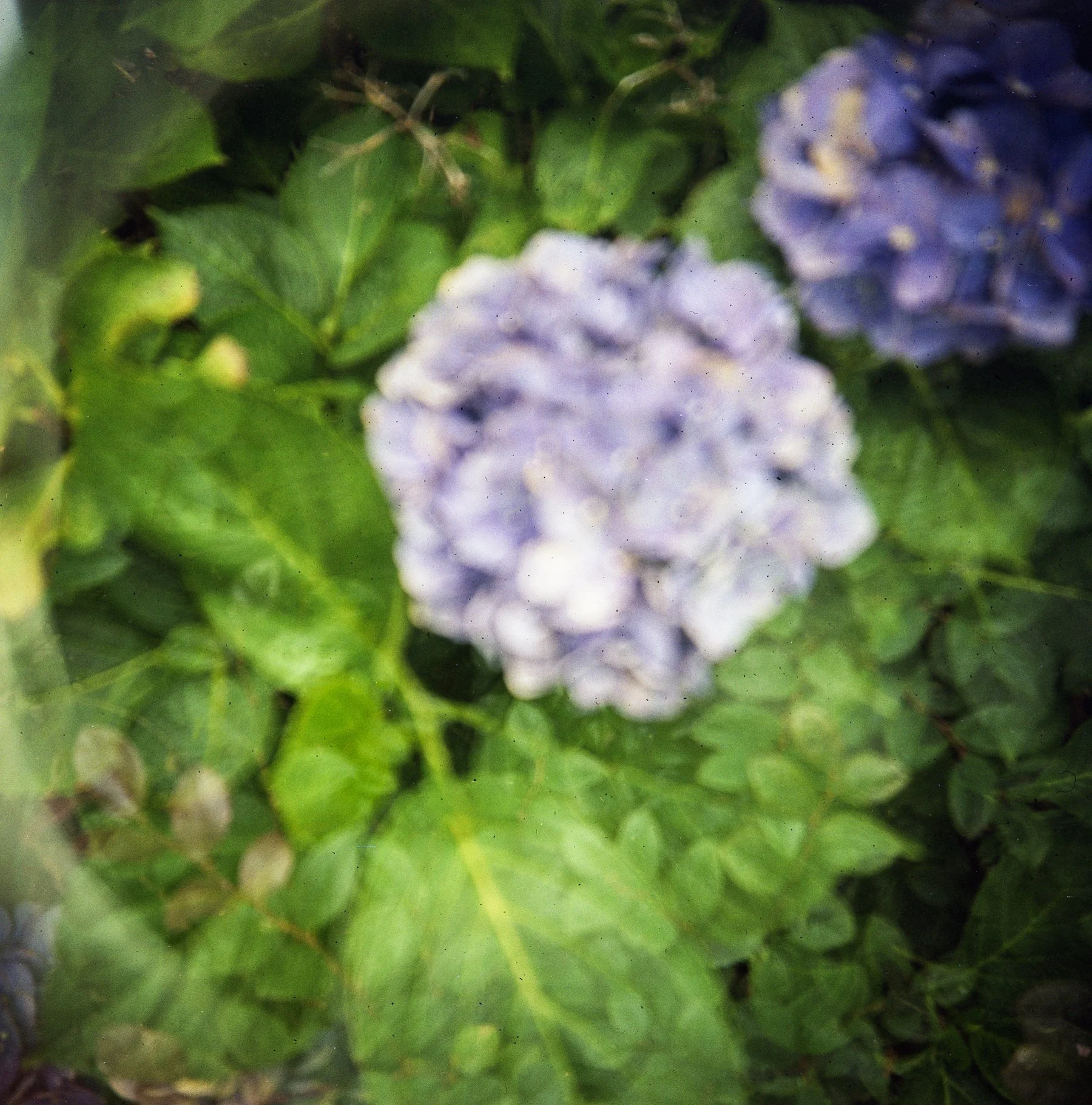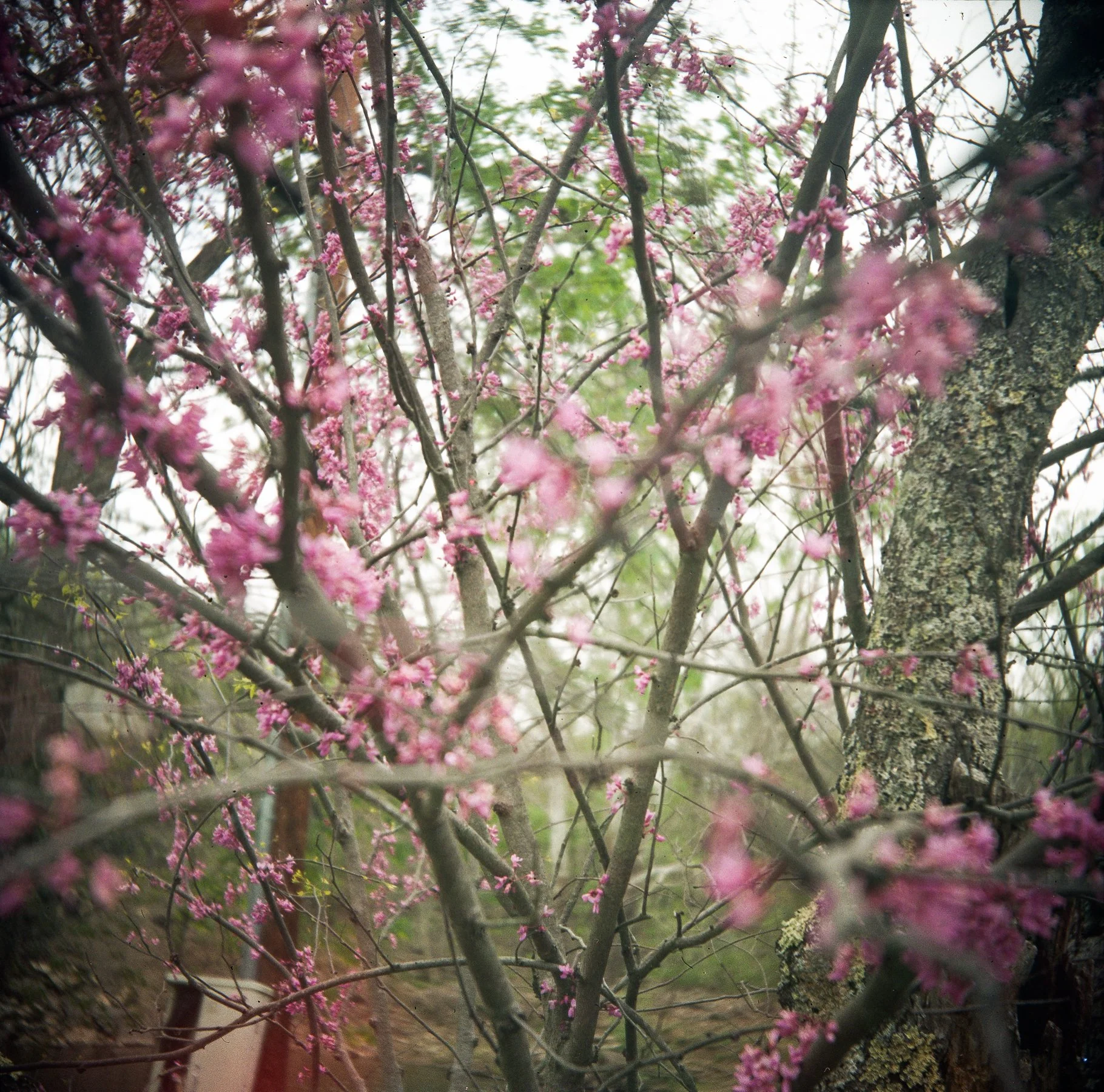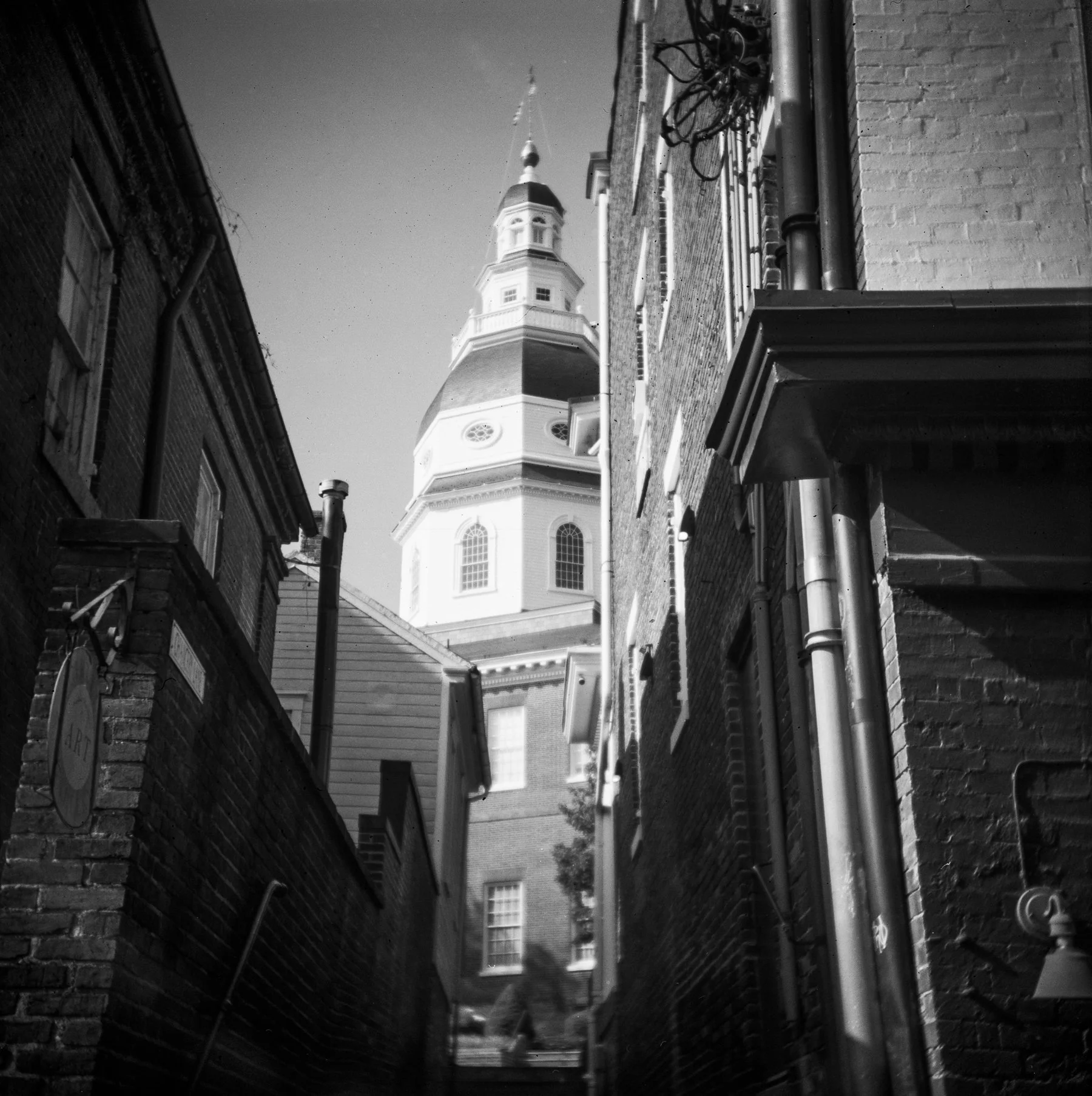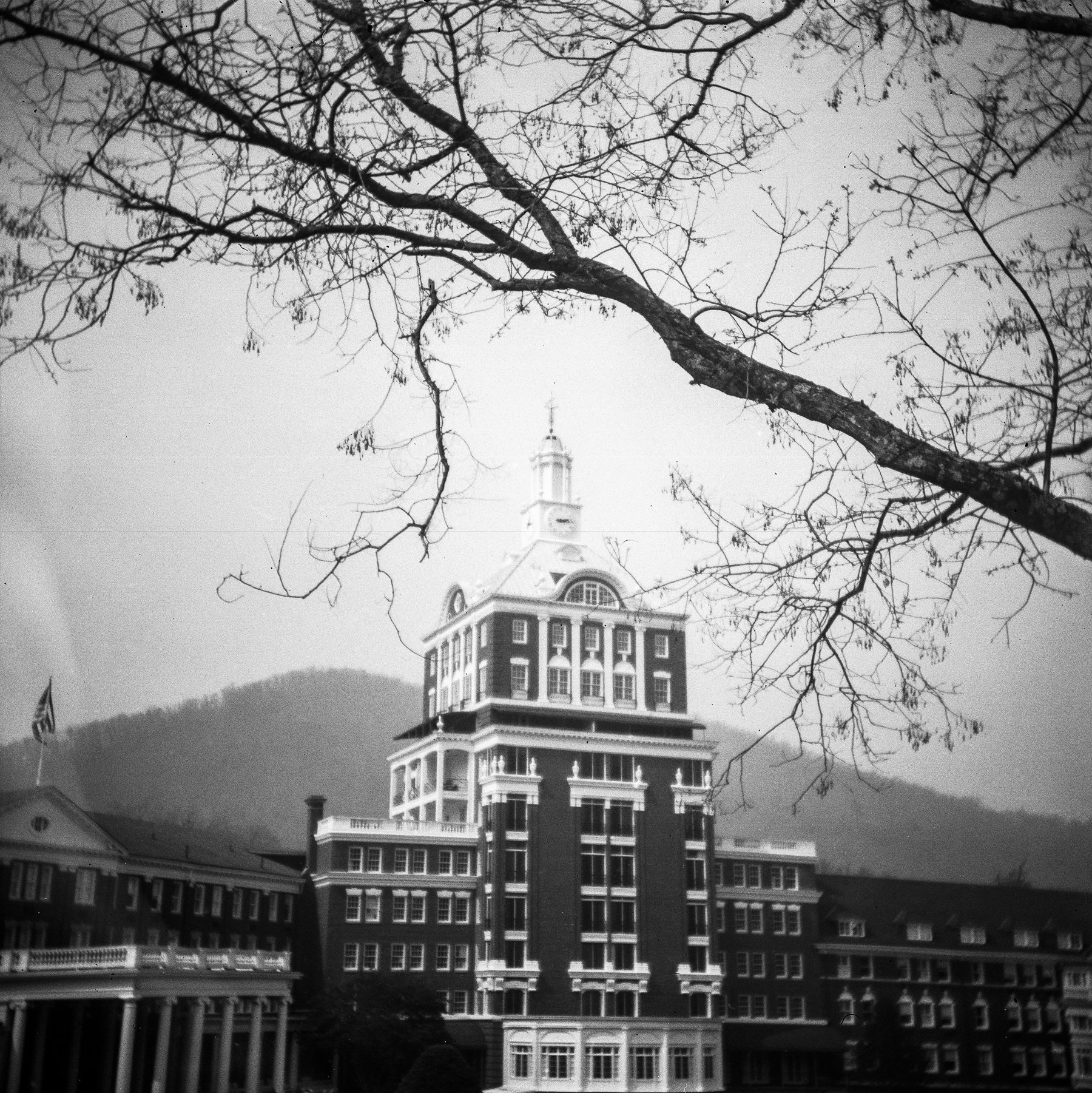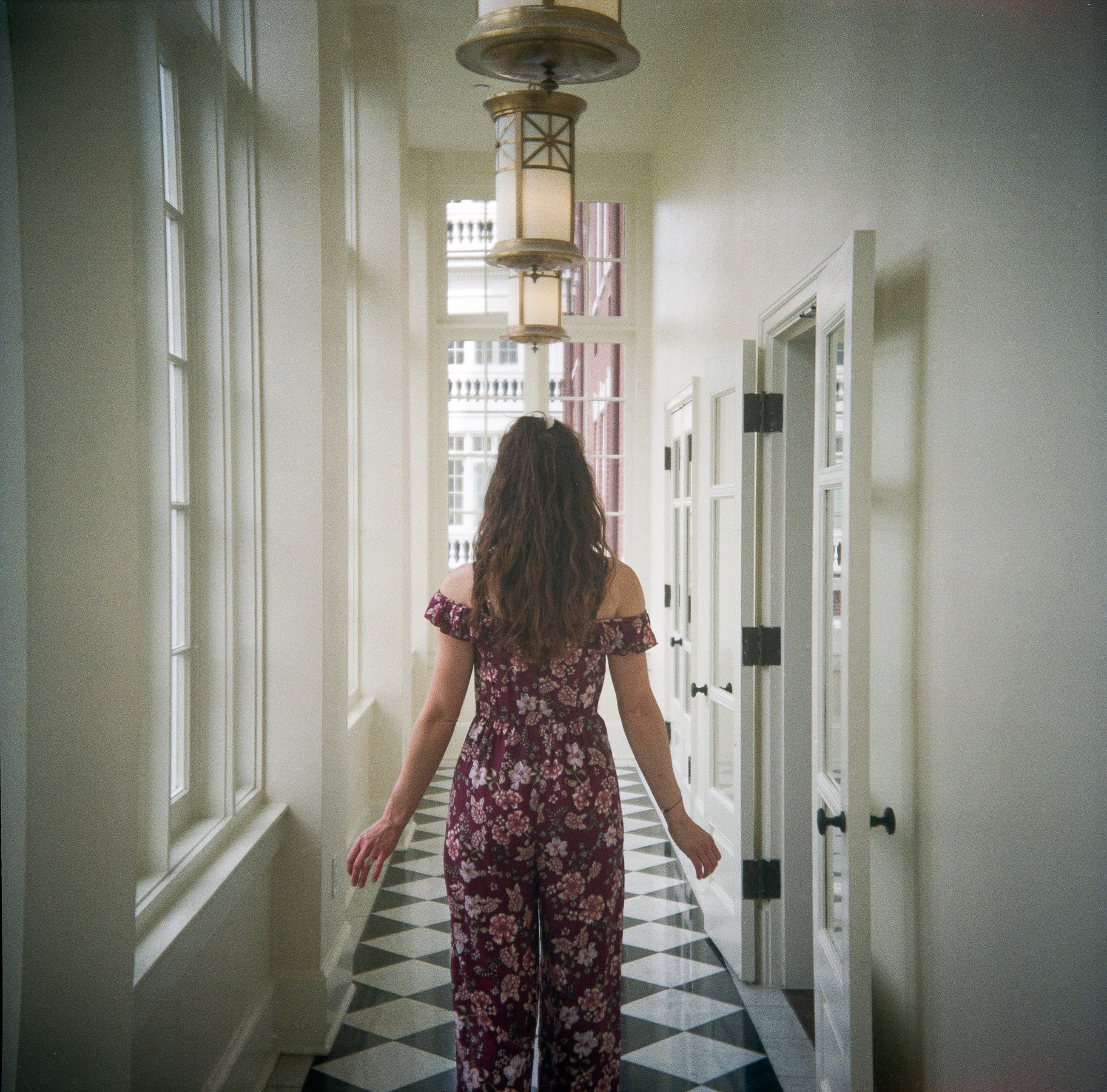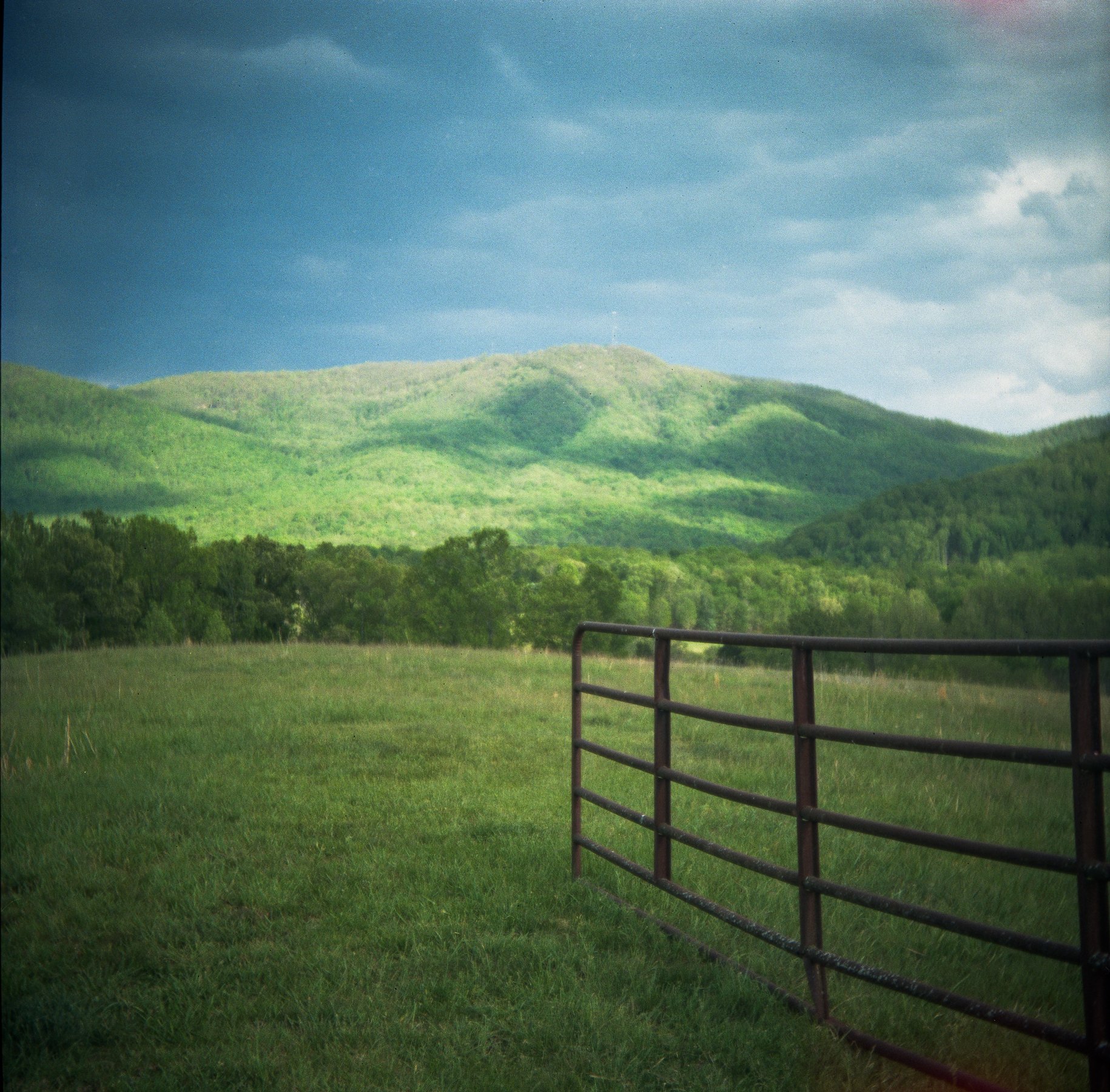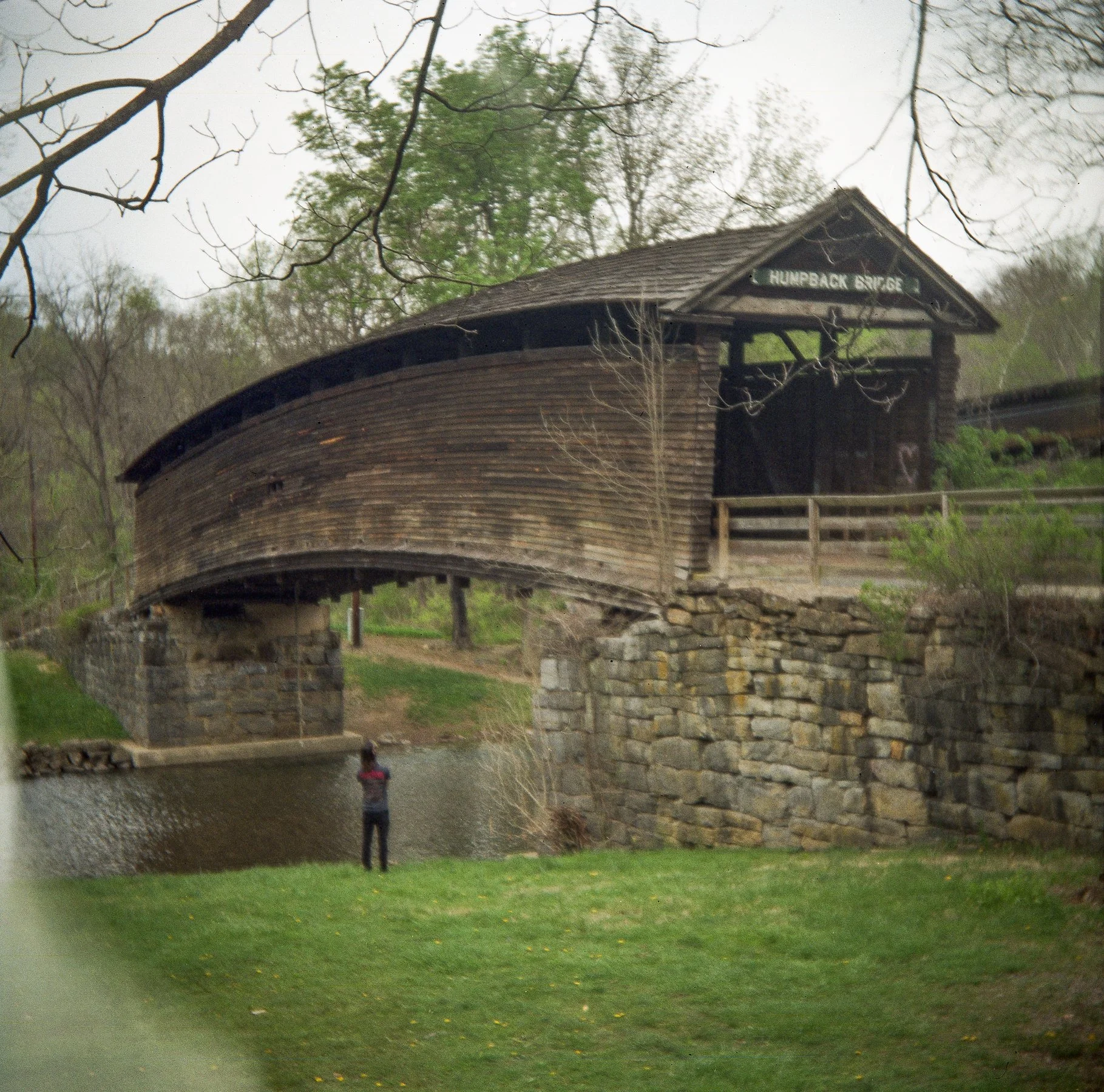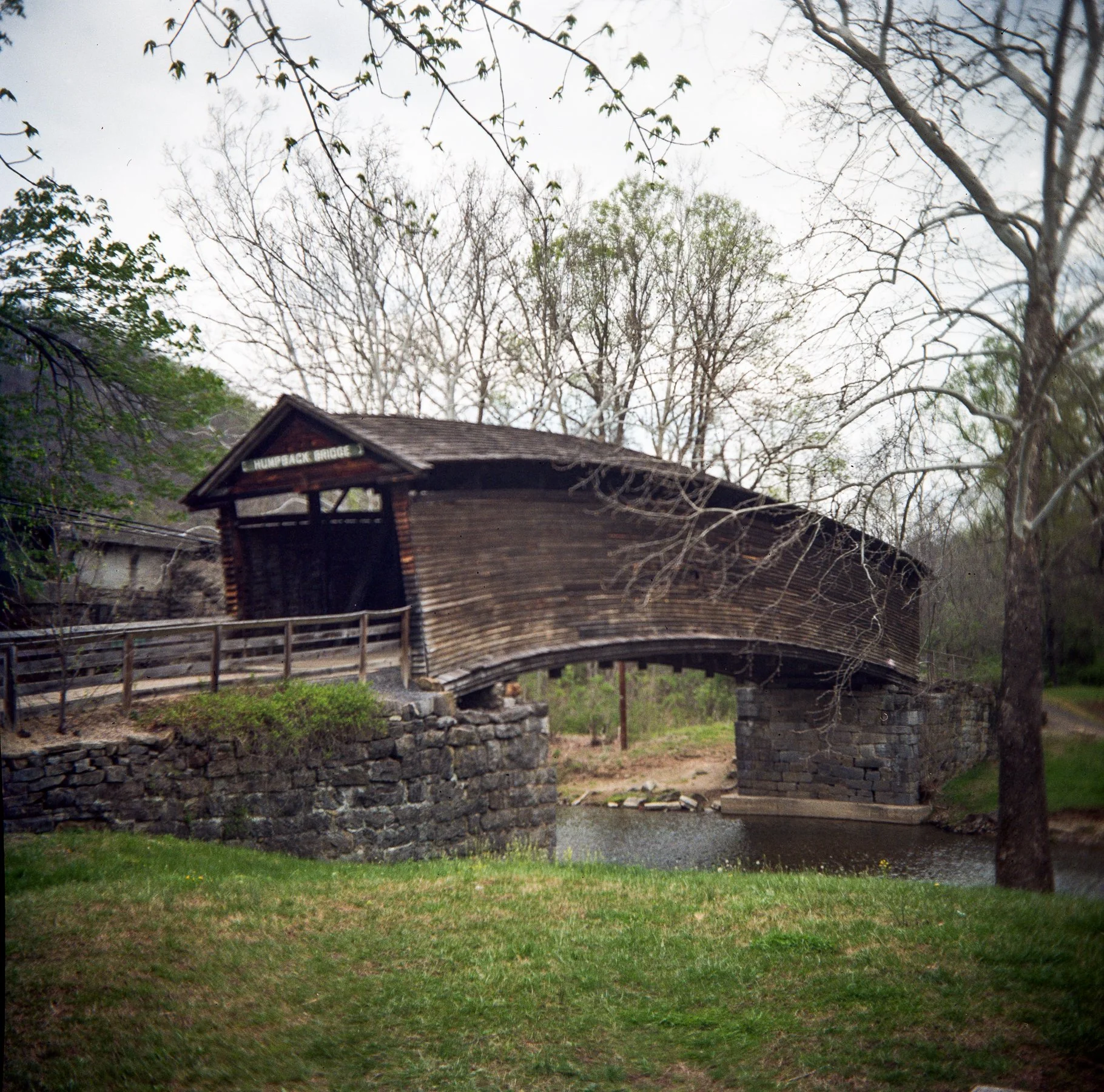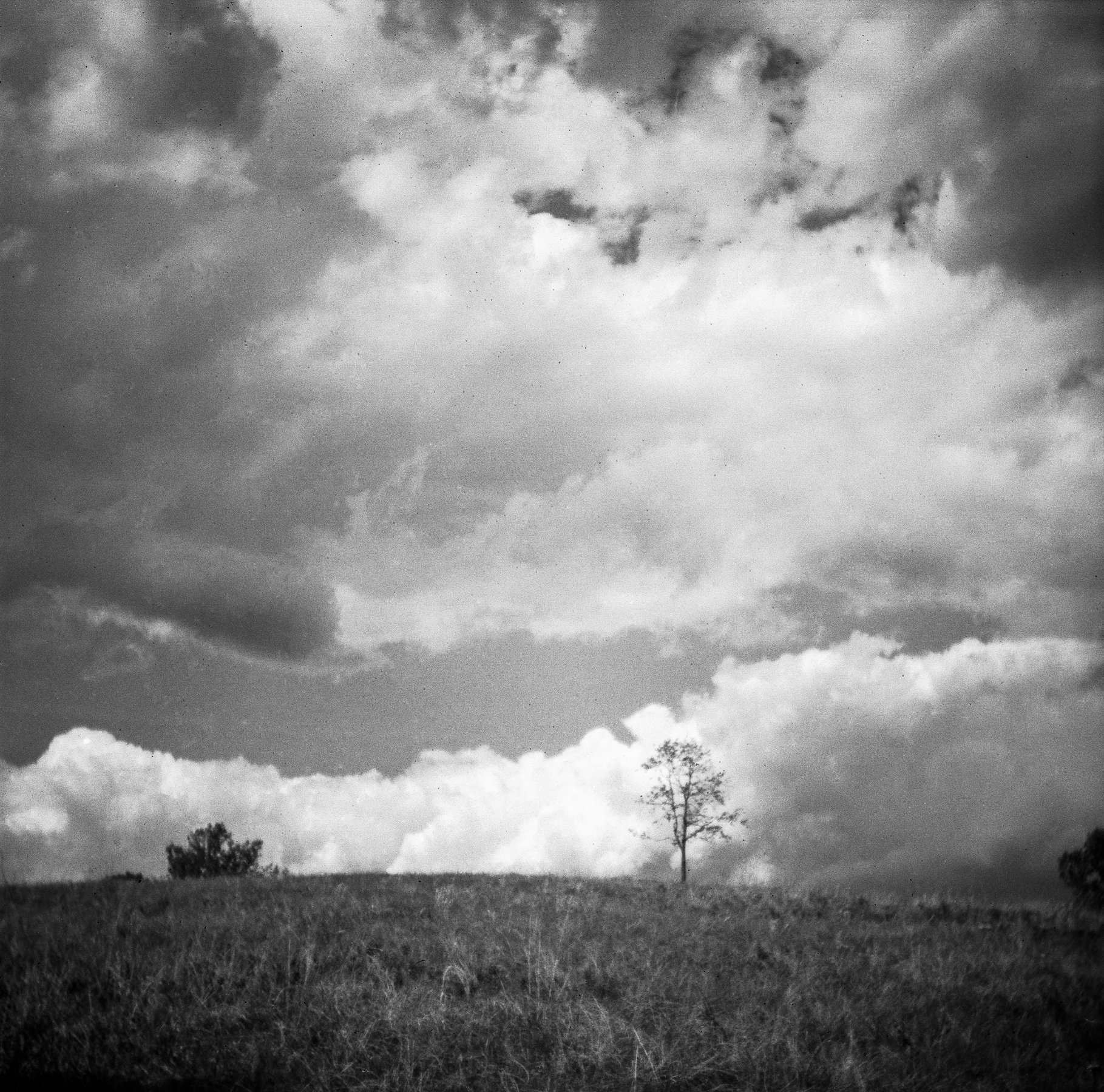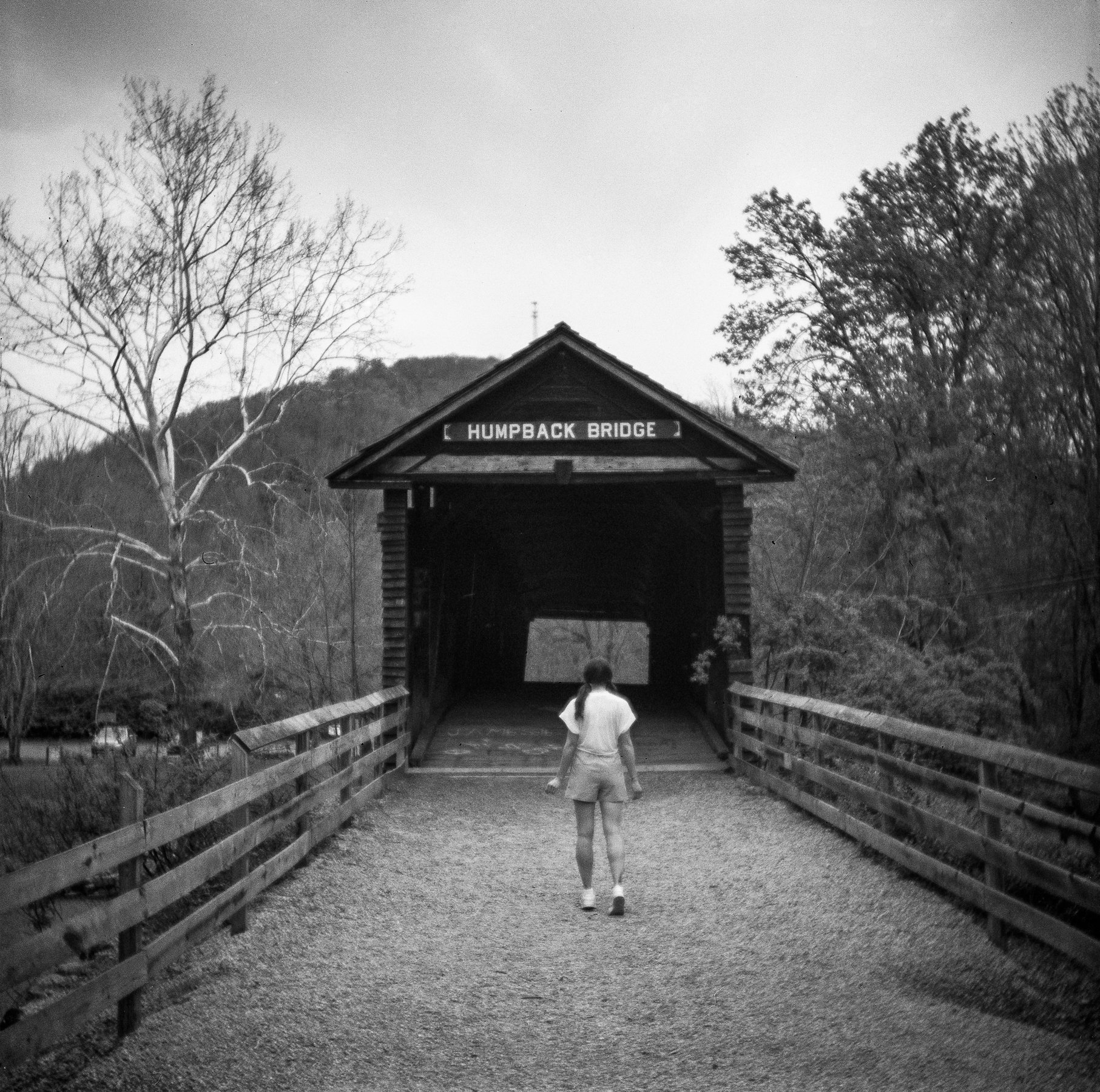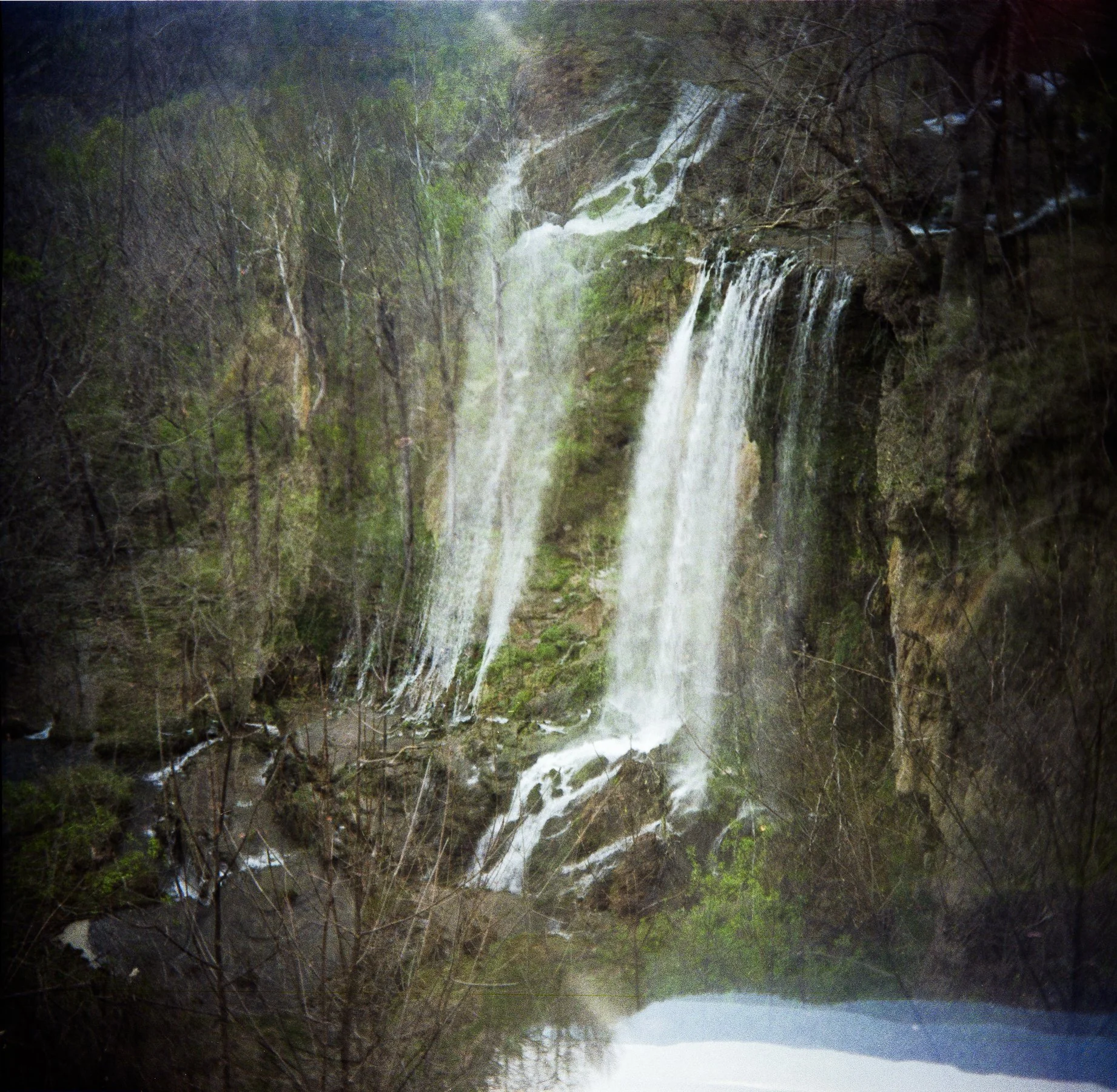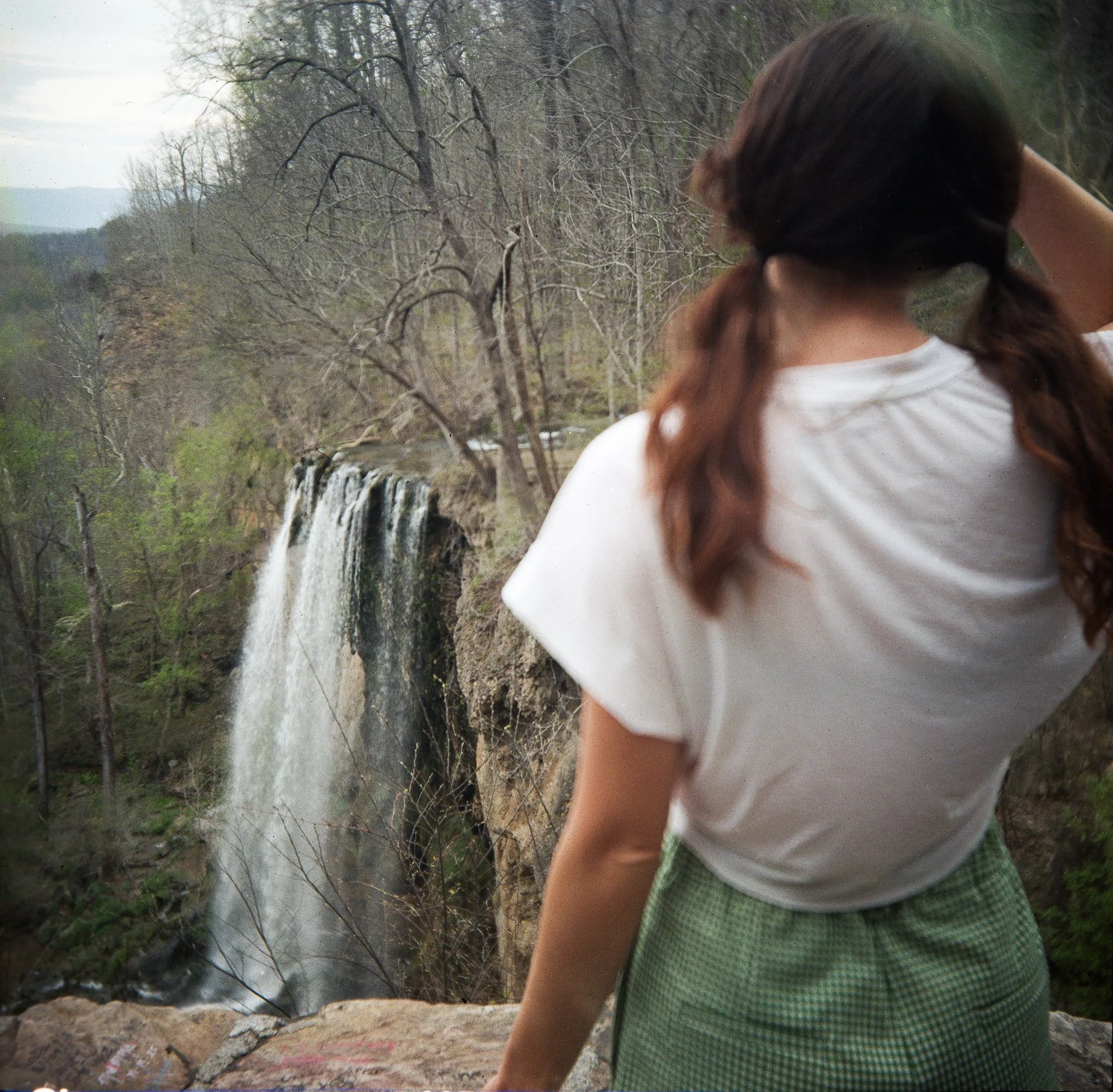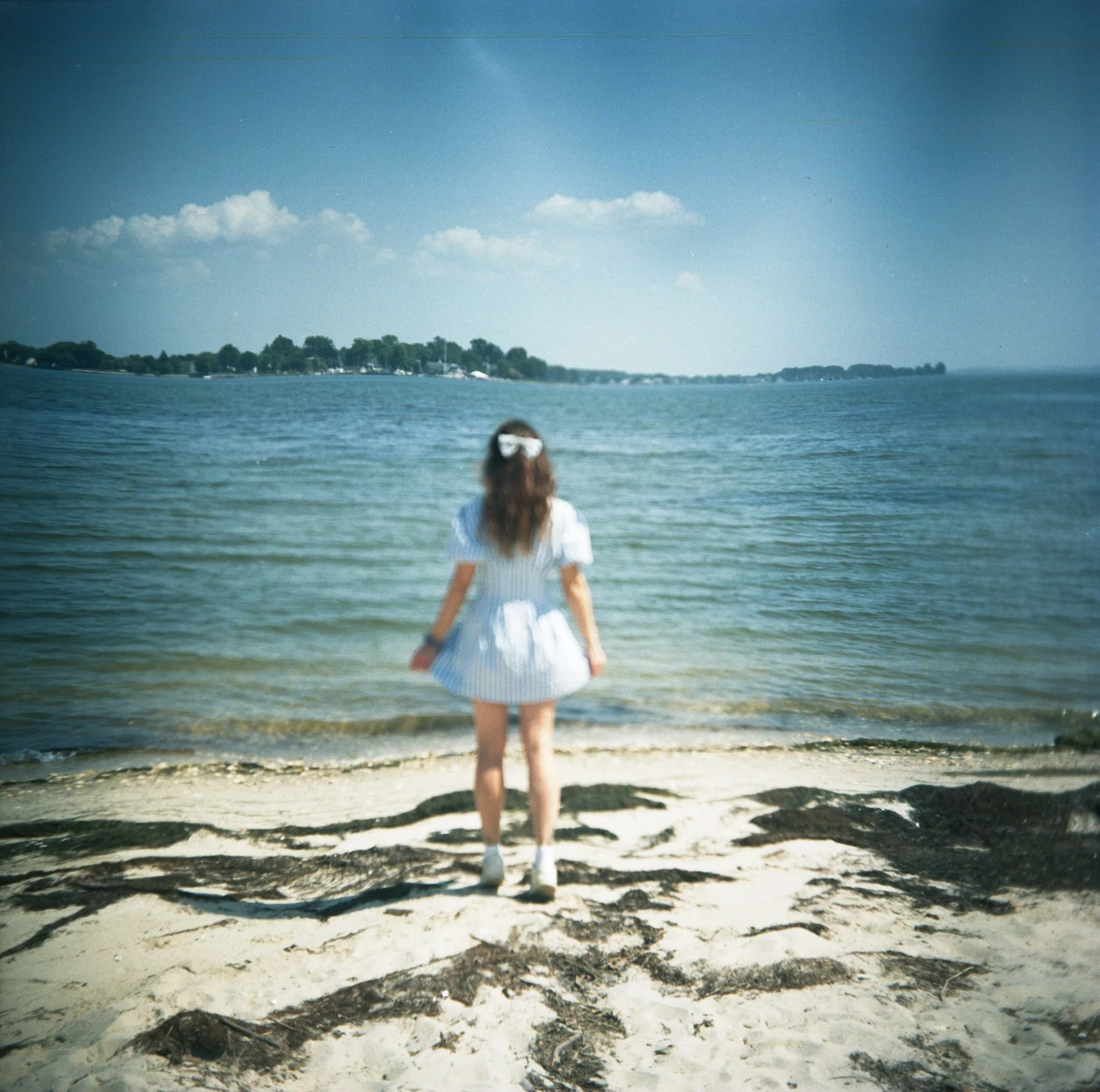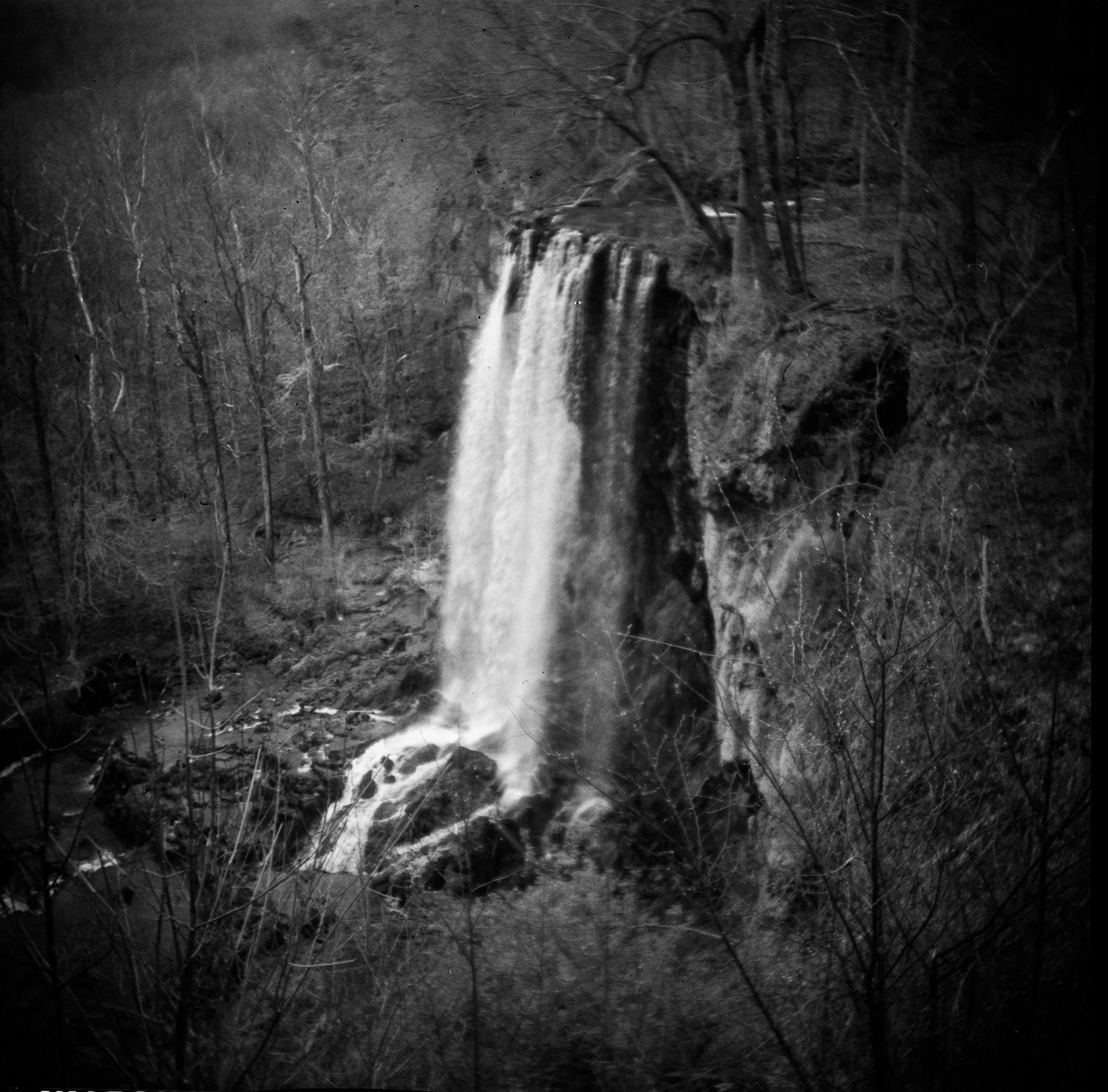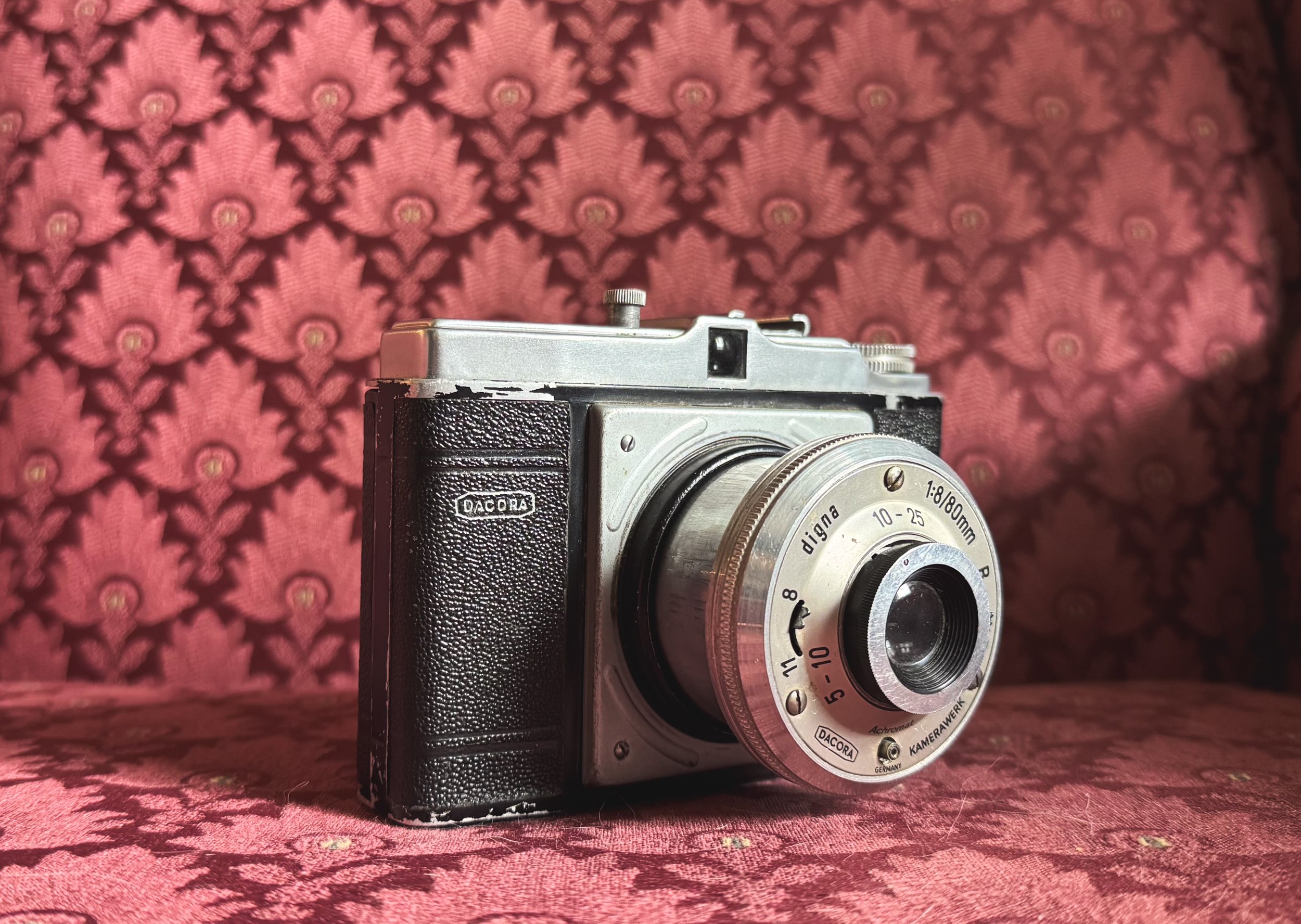
I have so many cameras laying around my house that I have to set aside days to go through them and see which ones are working, which ones need to be repaired and which ones I’ve never used before. The Dacora Digna has been sitting in a box on my shelf for about 10 years and I finally took the time to find out what the heck it was and how it functioned. I’ve shot a few rolls of film with it so far and I’m completely obsessed. You guys know the Holga GCFN is my favorite camera in the world, but this one is giving the Holga a run for it’s money. The photos turned out better than I expected and it was surprisingly easy to use. Vintage cameras can be so intimidating, but oftentimes they are extremely simple and still work perfectly fine, especially because a lot of those cameras were built of strong, durable metal. They just don’t make ‘em like they used to!
HISTORY OF THE DACORA DIGNA
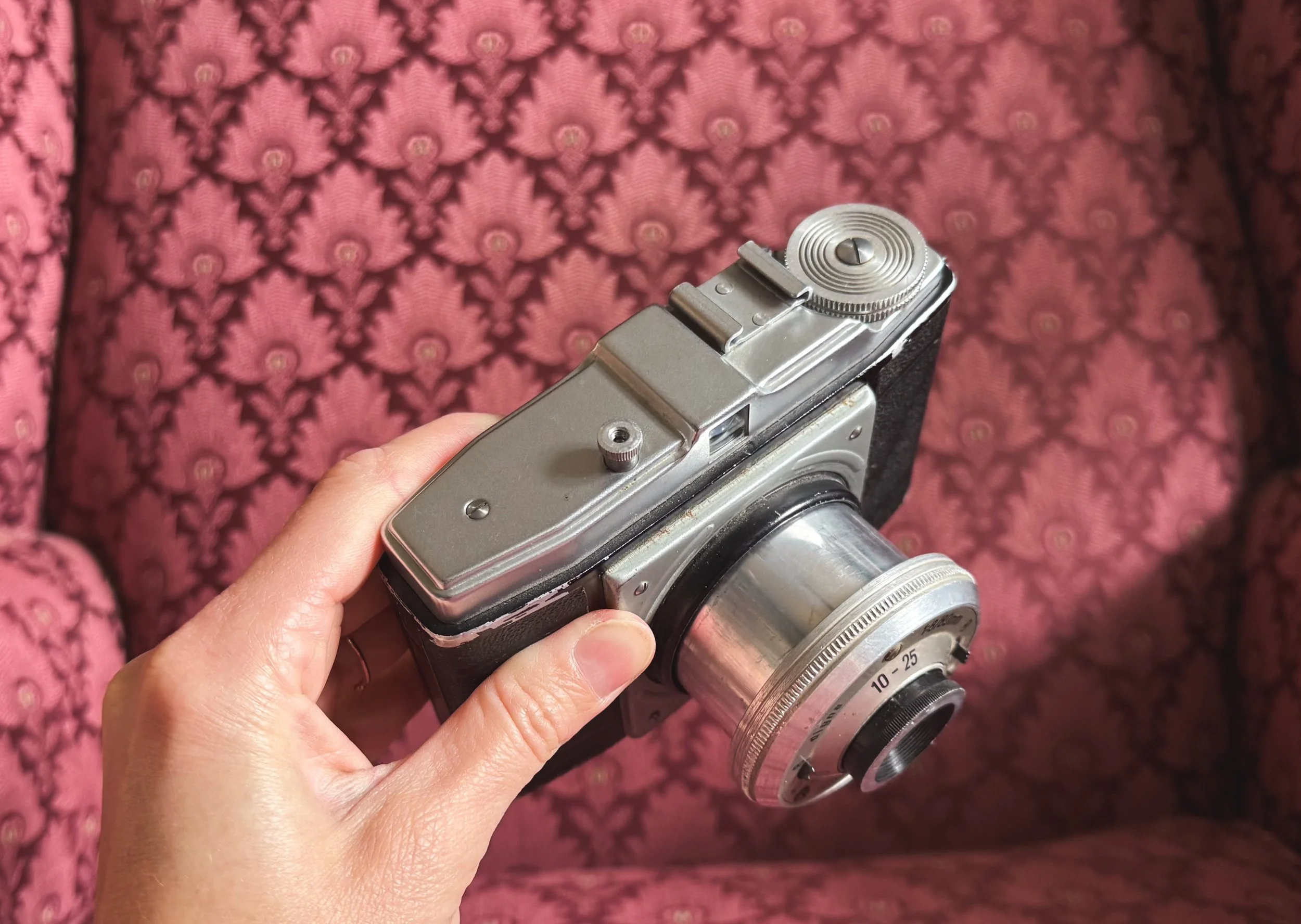
The Dacora Digna is a medium format camera from the 1950s and was produced in Germany. It was meant to be a bit more compact than some of the other medium format cameras of the time, so it featured a retractable lens that popped out when you twisted it. The lens tube is actually metal, instead of the bellows that most cameras had. That was actually much better for durability and part of the reason these cameras are likely to still be functioning perfectly fine if you stumble across one today. There are a few other versions of the camera that feature different focal lengths, but the one I have has an 80mm f/8 Achromat lens. This was the base model but there was the Dacora Dignar which used a 75mm f/4.5 lens (find it on eBay here), and the Enna Correlar with an 80mm f/2.9 lens (find it on eBay here). I’m hoping I’ll find one of those models out in the wild one day!
The camera takes 120 film, as opposed to 35 mm. The negatives are much larger than 35 mm so you can get more detail out of your images. If you’d like some 120 film recommendations, make sure to check out my blog post, The Best 120 Film Stocks and Where to Buy Them.
(Affiliate links and/or codes in this post may earn me a small commission at no additional cost to you. Thank you for supporting Myles Katherine Photography!)
HOW TO USE THE DACORA DIGNA
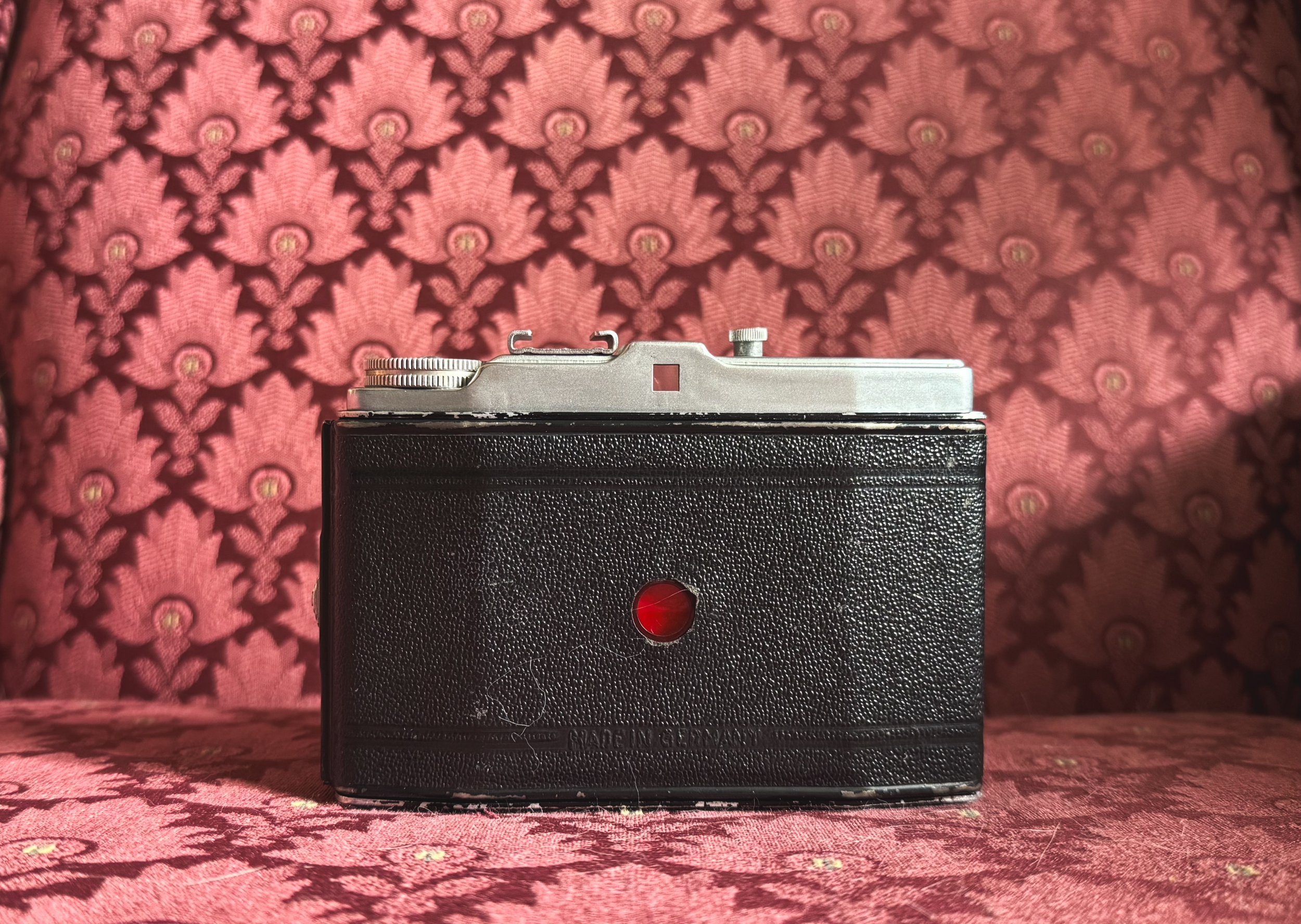
The Dacora Digna is an incredibly simple camera to use. The hardest part is probably loading the film if you’re not used to medium format photography, but once you do it a few times you’ll realize it is really the easiest thing ever. It’s very similar to loading a Holga camera, except you’ll insert the new film roll on the right side instead of the left, and the film winding knob is on the left side of the camera instead of the right. Once you insert a film roll, you’ll pull the film across the back of the camera and slide the tip of the film roll into the canister on the left. You then turn the film winding knob a little until you know your film is caught and is pulling tightly. Then close the back of the camera and twist the film winding knob until the window in the back of the camera shows the number 1. You will get 12 images per roll.
To open the lens, you simply twist it to the right until the lens pops out. Then you adjust the distance setting based on your subject. You have the option of 5-10 ft, 10-25 ft and 25 ft - infinity. You just turn the front of the lens until the little black dot is on the right setting. You also have the option of “B” (bulb - the shutter stays open as long as you hold the or “I” (instantaneous setting - 1/50th of a second). I always use the “I” mode. 1/50th of a second is still quite a slow shutter speed so just always make sure to hold your camera as still as possible when taking a photo to minimize blurriness. You also have two aperture settings - f/8 and f/11. I always use f/8 just to get as much light as possible into my photos.
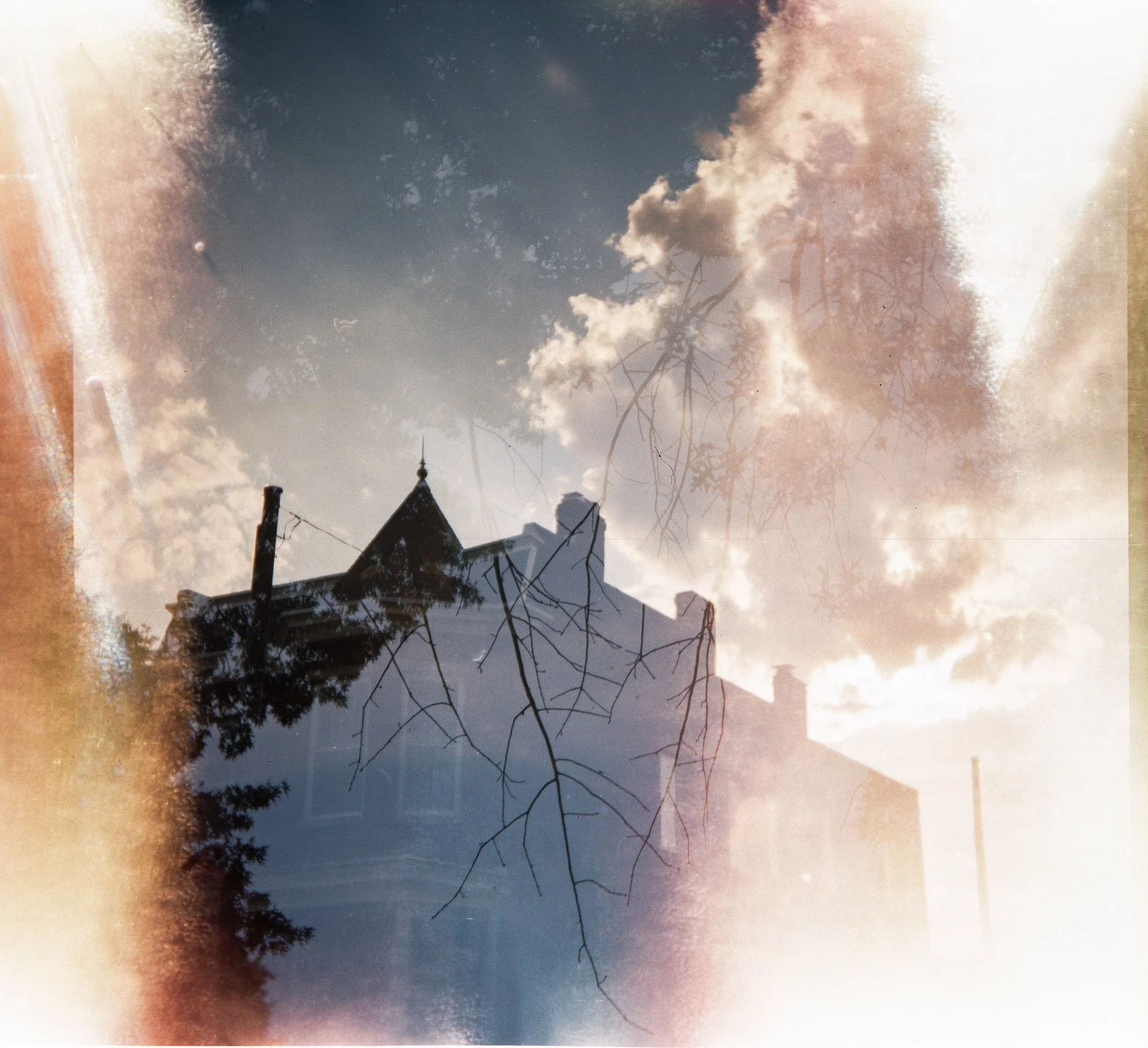
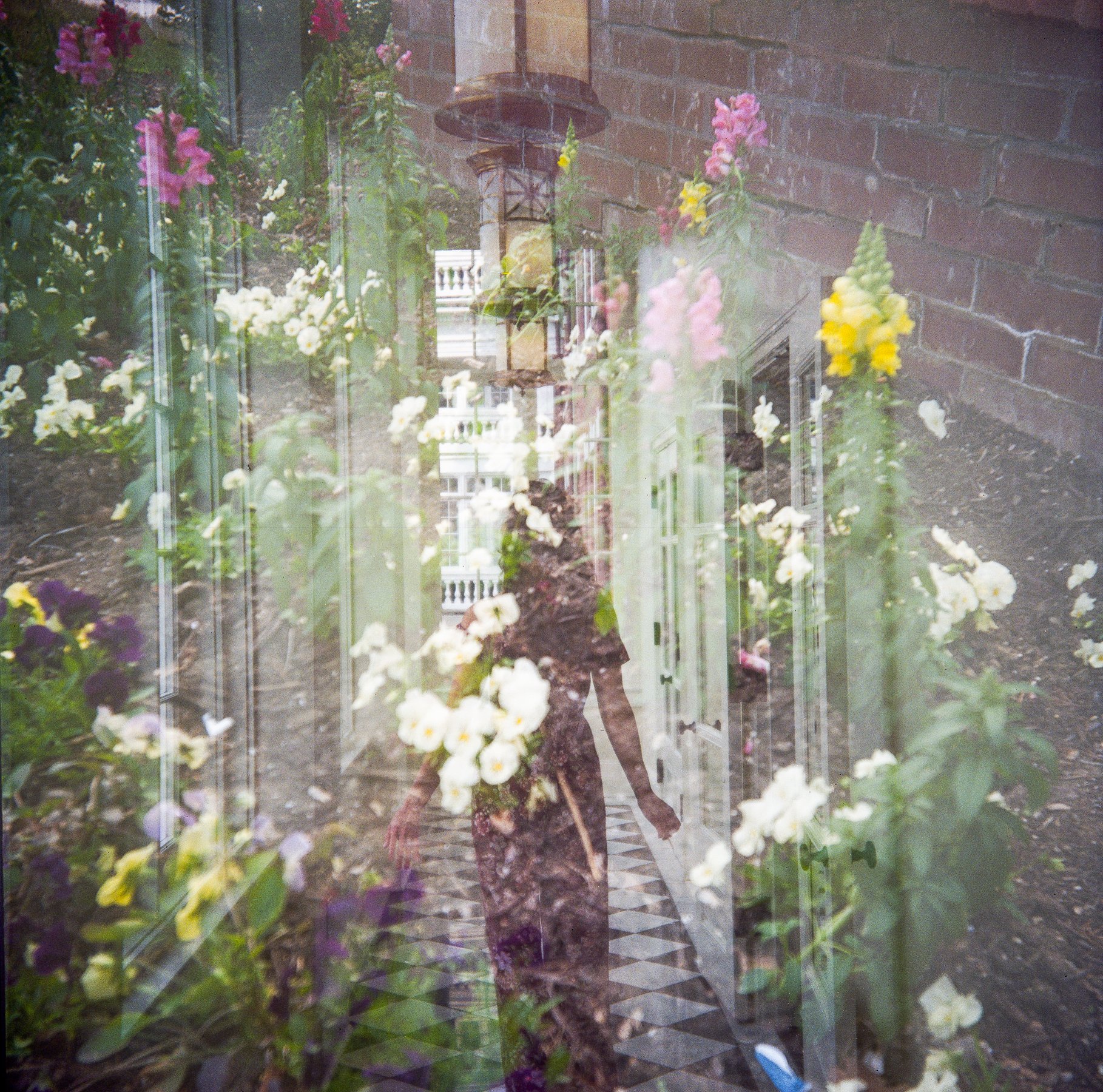
One of my favorite things about this camera is that you can do multiple exposures! Since the film winding is fully manual, you can take as many photos as you want over top of each other before winding the film to the next frame. It’s always a fun thing to experiment with and I definitely want to utilize that more in my next few rolls of film with it. I did somehow experience some light leaks with my film so I’ll have to figure out what happened there. Though personally, light leaks don’t really bother me that much because they make the photos more unique!
And that’s it in terms of settings, so there’s nothing crazy to figure out or worry about. It doesn’t need batteries so there’s no battery compartment that you have to worry about getting corroded. It really is a super durable, long lasting camera that could potentially last another 50 years or more! Plus, when the lens is closed and pushed back into the camera, the shutter can’t accidentally fire. This is a great feature to have, especially if you travel a lot. Not to mention, film is insanely expensive and you can’t waste shots when you only get 12 images per roll. Over the years, I’ve gotten used to getting only 12 images and it actually doesn’t bother me anymore. It just makes you more particular and decisive about the photos you’re capturing, and that means they’re even more special and memorable.
I’ll be posting a YouTube video about this camera soon so you can see exactly how to load the film and get more of a hands-on visual. Make sure to subscribe to my YouTube channel so you can catch the video when it comes out!
FINAL THOUGHTS
I’m more than pleasantly surprised by this camera and I’m so glad I dug it out of storage. It’s going to be on a permanent rotation in my camera bag because I love the photos so much. My ideal camera is one that uses 120 film, is compact and easy to travel with, takes square images and can do multiple exposures. It has all of these things! I daresay the photos are “better” and more high-end than the photos I can get with my Holga. There is actually a noticeable depth of field that you get when using the 5-10 ft setting. The Holga images can be somewhat flat when it comes to depth of field. I did have some issues choosing the right distance setting or just simply forgetting to adjust the distance before taking a photo. I know I’ll get better about that over time as I learn more about the camera. It’s obviously not as pro-level as a Mamiya 645 or Pentax 645, but it is a perfect camera if you want to get into medium format photography for an affordable price. I’m honestly shocked by how cheap they are on eBay, you can pick one up for like $20-50!! They are quite a bit heavier than a 120 camera like the Holga or Diana F+, but it’s because the body is metal instead of plastic. I don’t mind this because it could withstand a drop or fall and is unlikely to break. Visually, I love the classic black and grey exterior, and the pop-out lens really adds something unique to it. It’s just fun and cute and different. From now on, it’s definitely going to be one of the 120 cameras I recommend to anyone interested in medium format.
WHERE TO BUY
Find it on Ebay
Find it on Etsy
Thanks so much for stopping by! I have so many other camera reviews so make sure to check those out too! If you’re on the hunt for more medium format cameras, check out my post, 10 Medium Format Cameras to Start Your 120 Film Journey. Or if you’re interested in vintage 35 mm cameras, check out my post, the Top 10 Best 35mm Film Cameras for Beginner Photographers .
And don’t forget to stop by my Amazon storefront or B&H storefront for more camera & gear recommendations! Or you can sign up for my Patreon to get early access to YouTube videos and photo sets that I don’t post anywhere else. :)
Have a magical day!