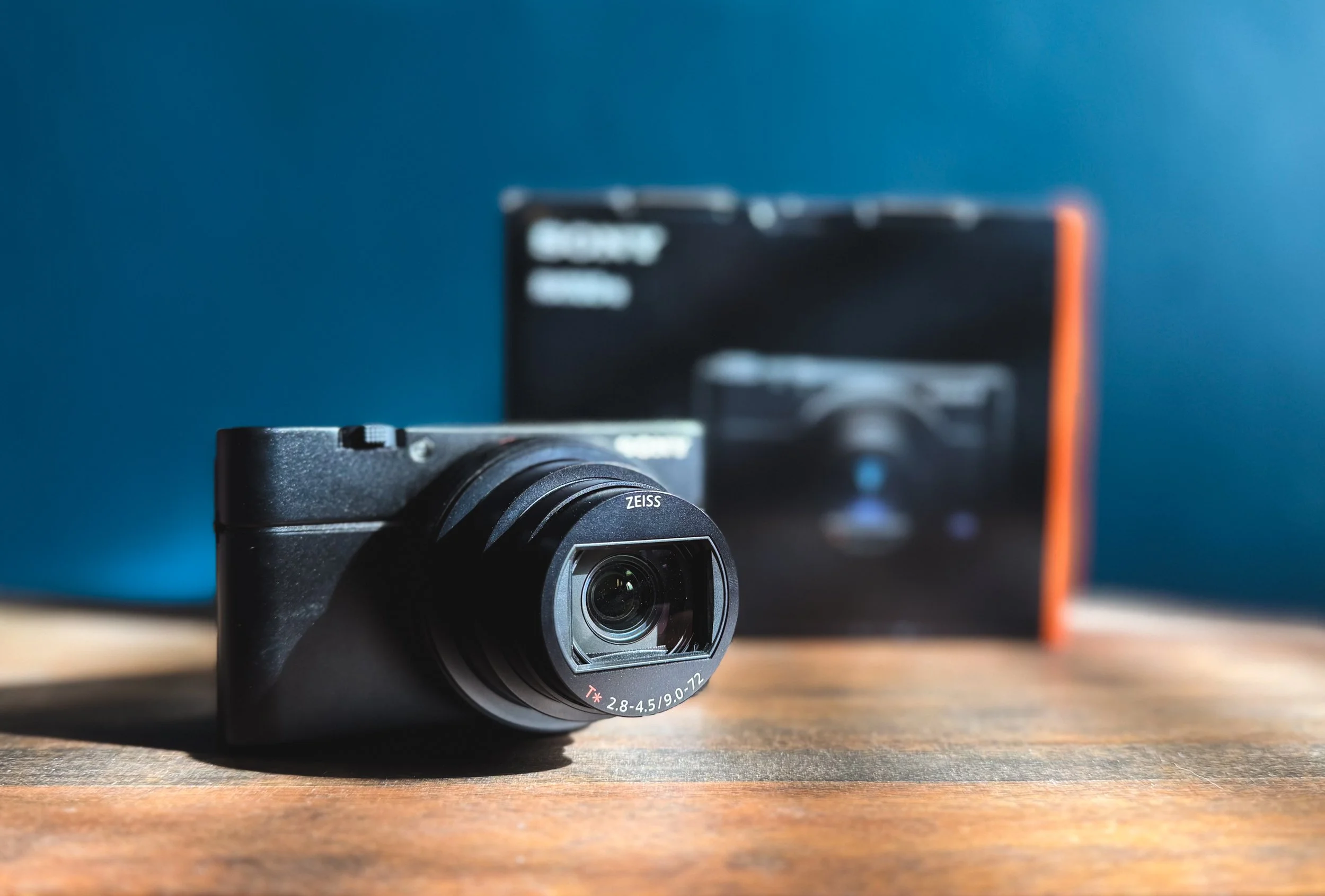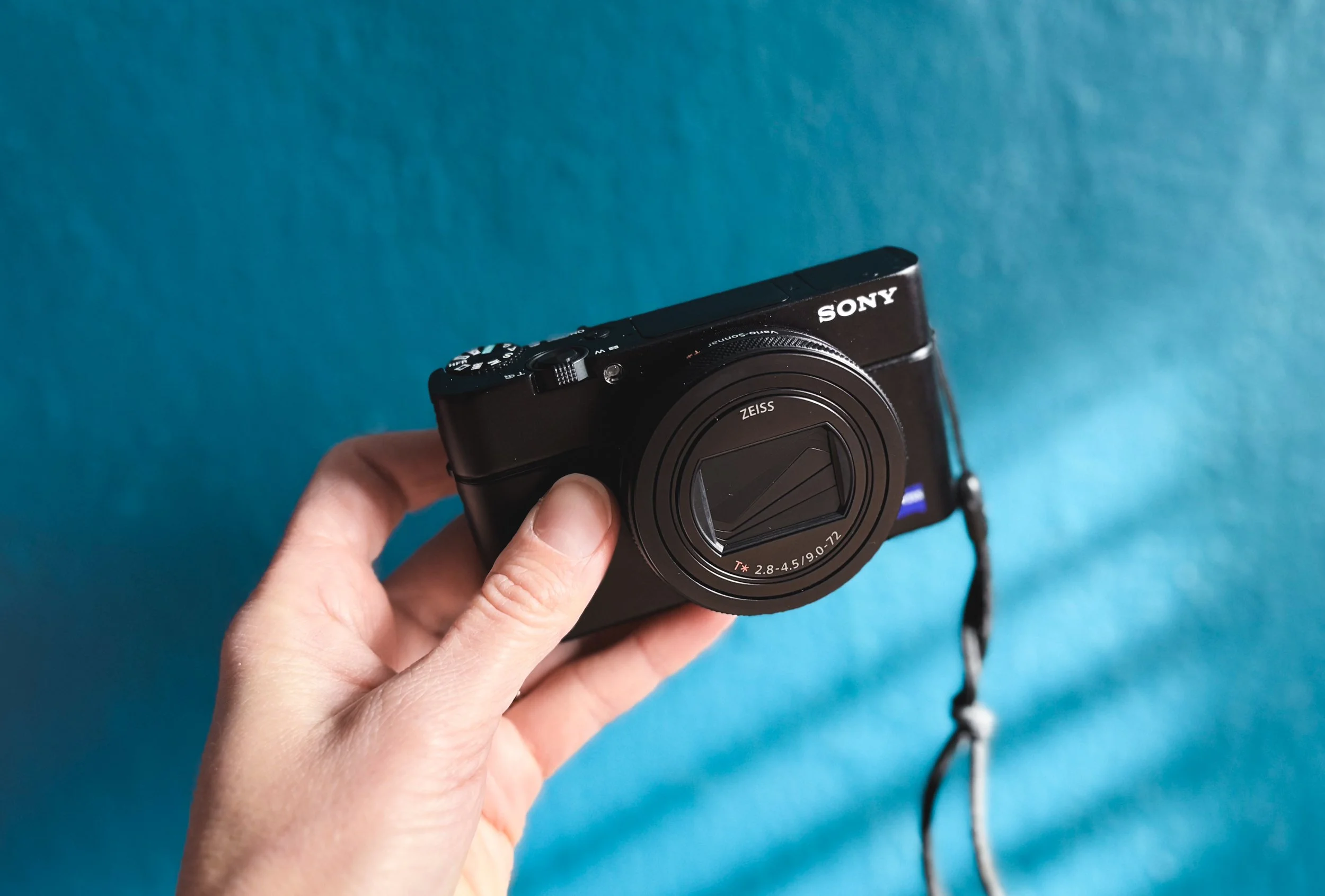
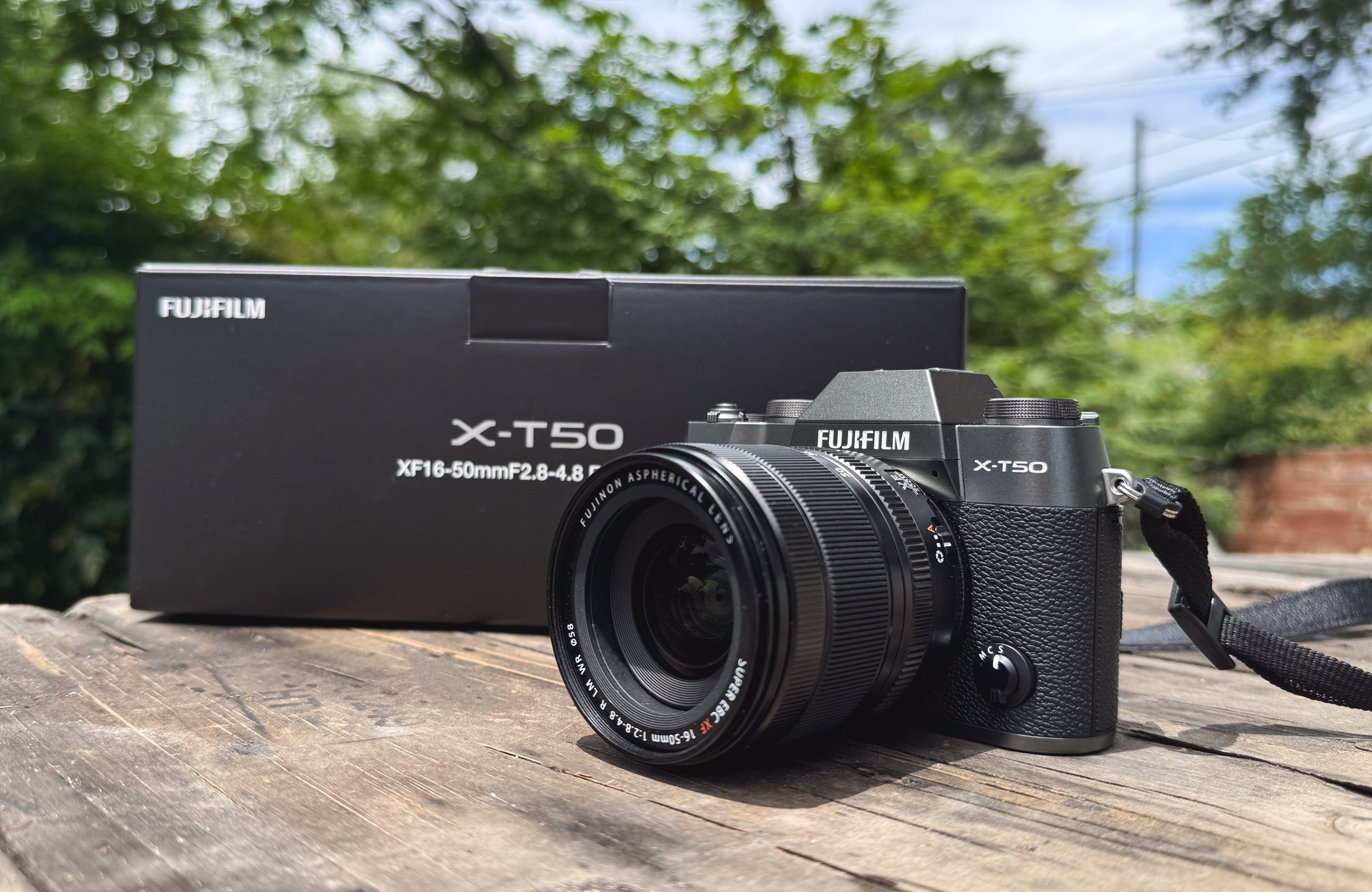
I’ve been wanting to try out a Fujifilm mirrorless digital camera for a lonnnggg time and I’m so excited that I finally got to experiment with one! The Fujifilm X-T50 is a compact version of Fujifilm’s higher end cameras but at a more affordable price. This camera has so many incredible features and is probably one of the more unique mirrorless cameras I’ve tested out so far. I’m typically a Canon shooter but I find Sony and Nikon cameras to be fairly similar to Canon in a lot of way. I’ve never really had a difficult time switching between them all, but the Fujifilm cameras are sort of in a different realm. It took me a while to get used to the set-up and overall flow of the X-T50. It’s obvious that Fujifilm isn’t really trying to be exactly like all of the other major brands out there, which is refreshing. I tried it out with the XF 16-50mm f/2.8-4.8 Lens and it was a perfect combo. I always prefer a zoom lens, especially for travel and client photo shoots. There are so many lens options but the 16-50mm f/2.8-4.8 lens is a great place to start.
I want to share some of the pros and cons of the X-T50, along with some examples photos so you can decide if this camera is for you! And if you’re just starting your hunt for a mirrorless digital camera, make sure to check out my posts, The Top 10 Most Desired Digital Cameras Under $2500 or The 15 Best Digital Cameras Under $1500 . Ok, let’s get into it!
(By using the affiliate links and/or codes in this blog post, you help support Myles Katherine Photography. I may earn a small commission at no additional cost to you if you make a purchase through these links. Thank you for your support!)
PROS OF THE FUJIFILM X-T50
Creative Modes
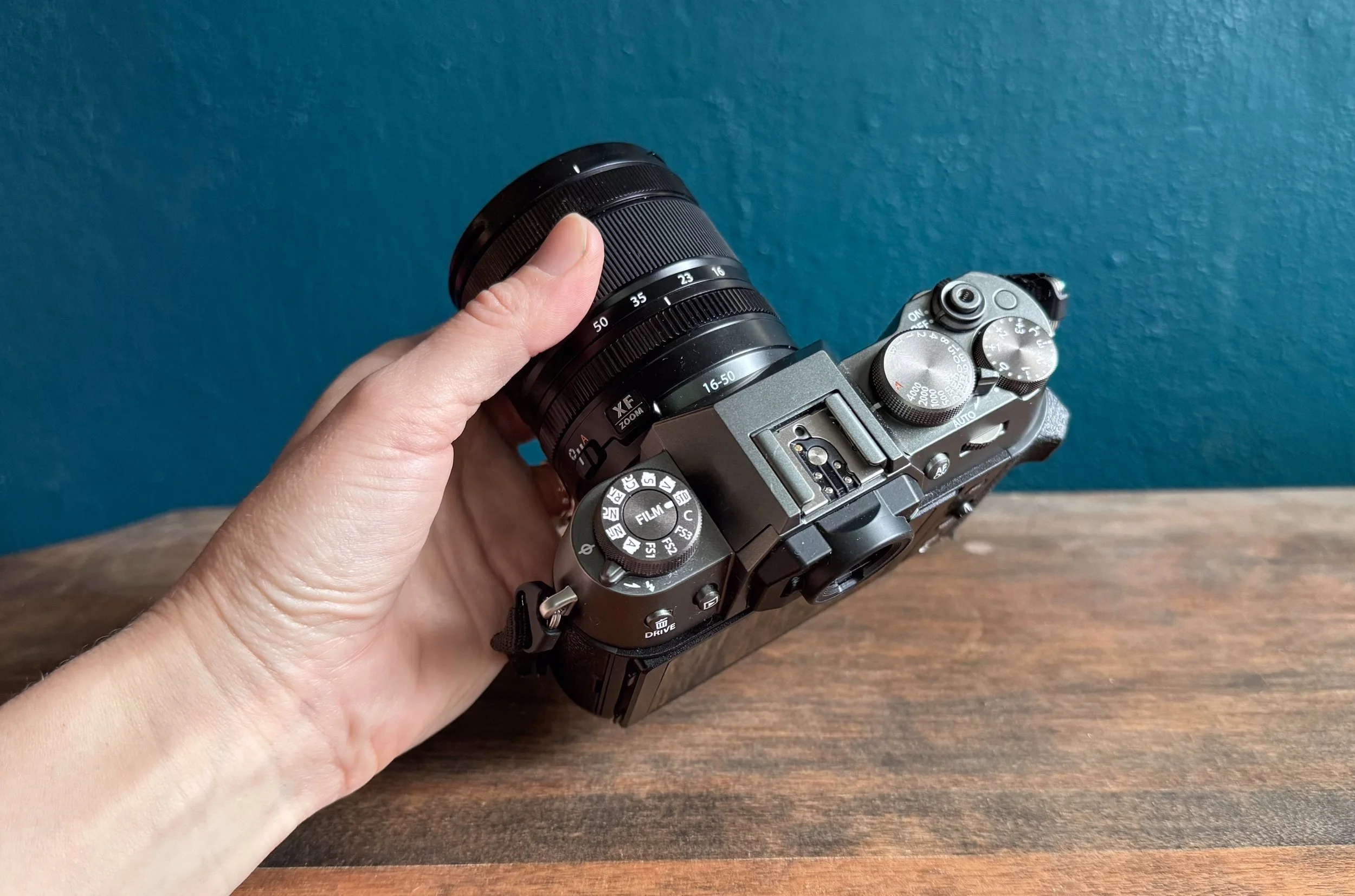
One of my favorite things about the Fujifilm X-T50 and the Fujifilm cameras in general are that they are all about being creative. They are really artist’s cameras and I don’t find them to be quite as boring and stuffy as some of the more pro level cameras by other brands. The Fujifilm X-T50 has a built-in film simulation wheel so you can apply filters that mimic Fujifilm’s actual film rolls like Provia and Velvia. As a film shooter, I’m obsessed with the look of film photography so it’s fun to be able to get that aesthetic with a digital camera. The options are really endless with the film modes (there are 20 different ones!) and you can get super creative with your photos. There is also a designated multiple exposure mode which is a necessity for me when I’m purchasing a digital camera. I’m always trying to make my photos as unique and interesting as I possibly can, so all of these different creative modes are a major plus for me.
40.2 Megapixel APS-C Sensor
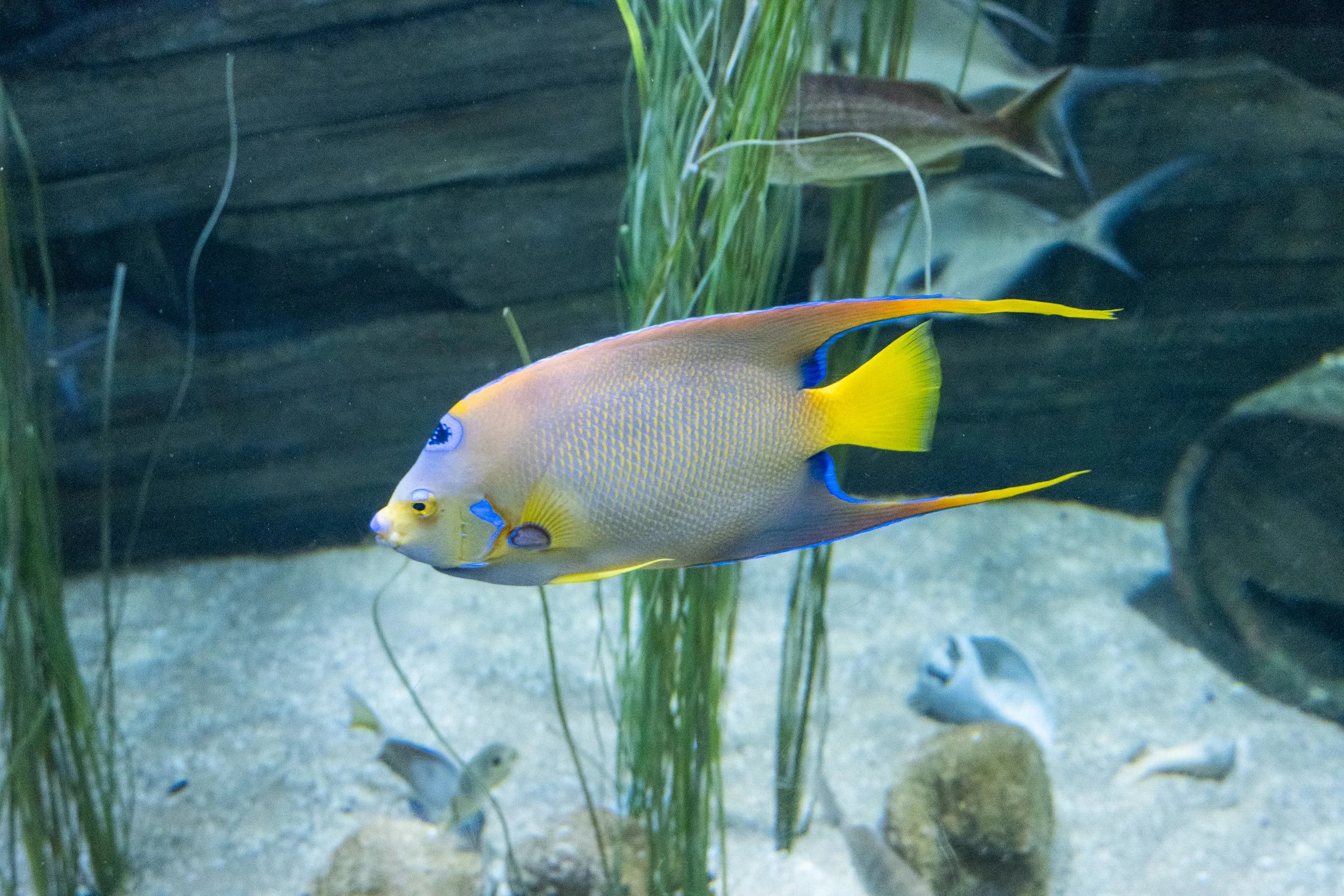
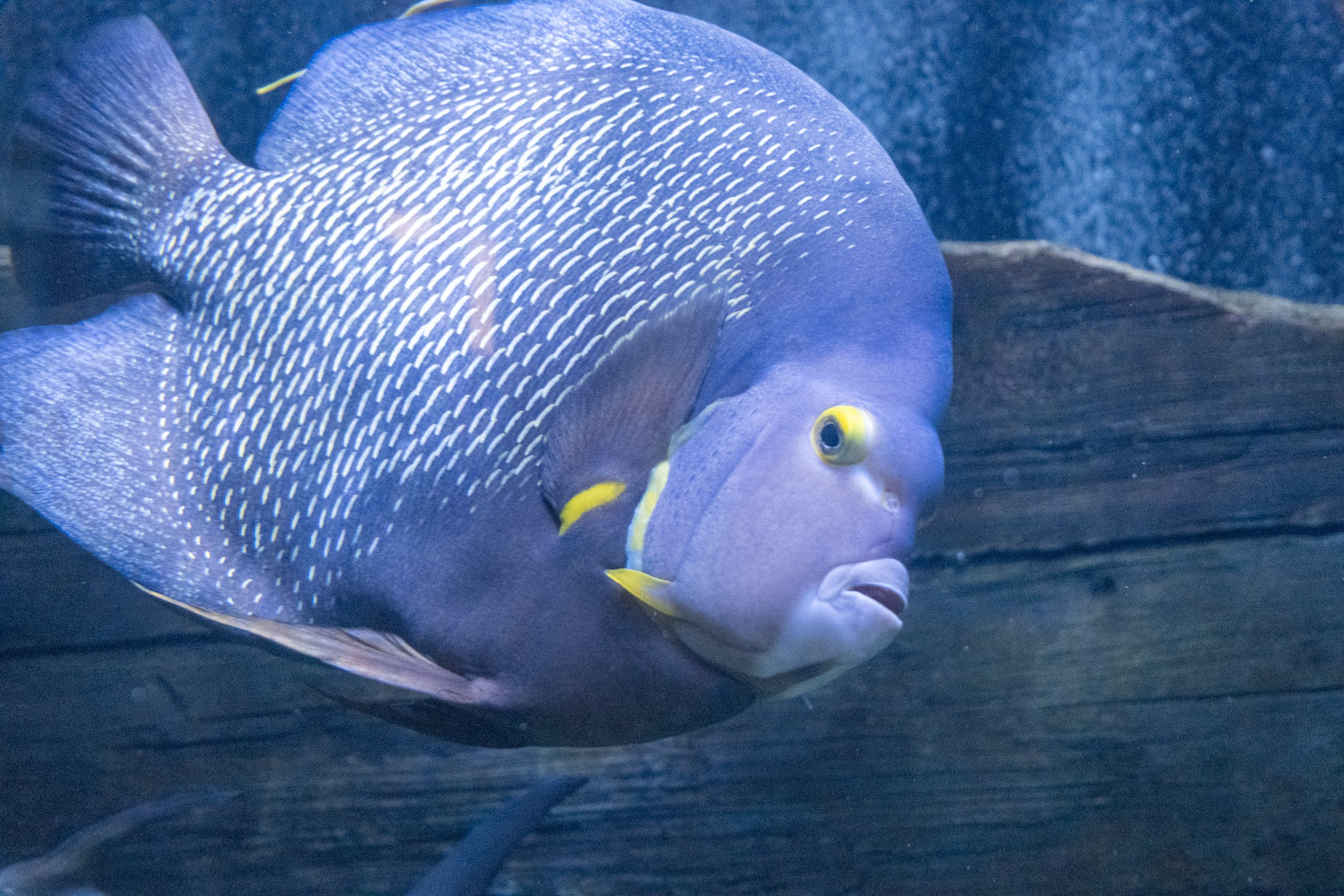
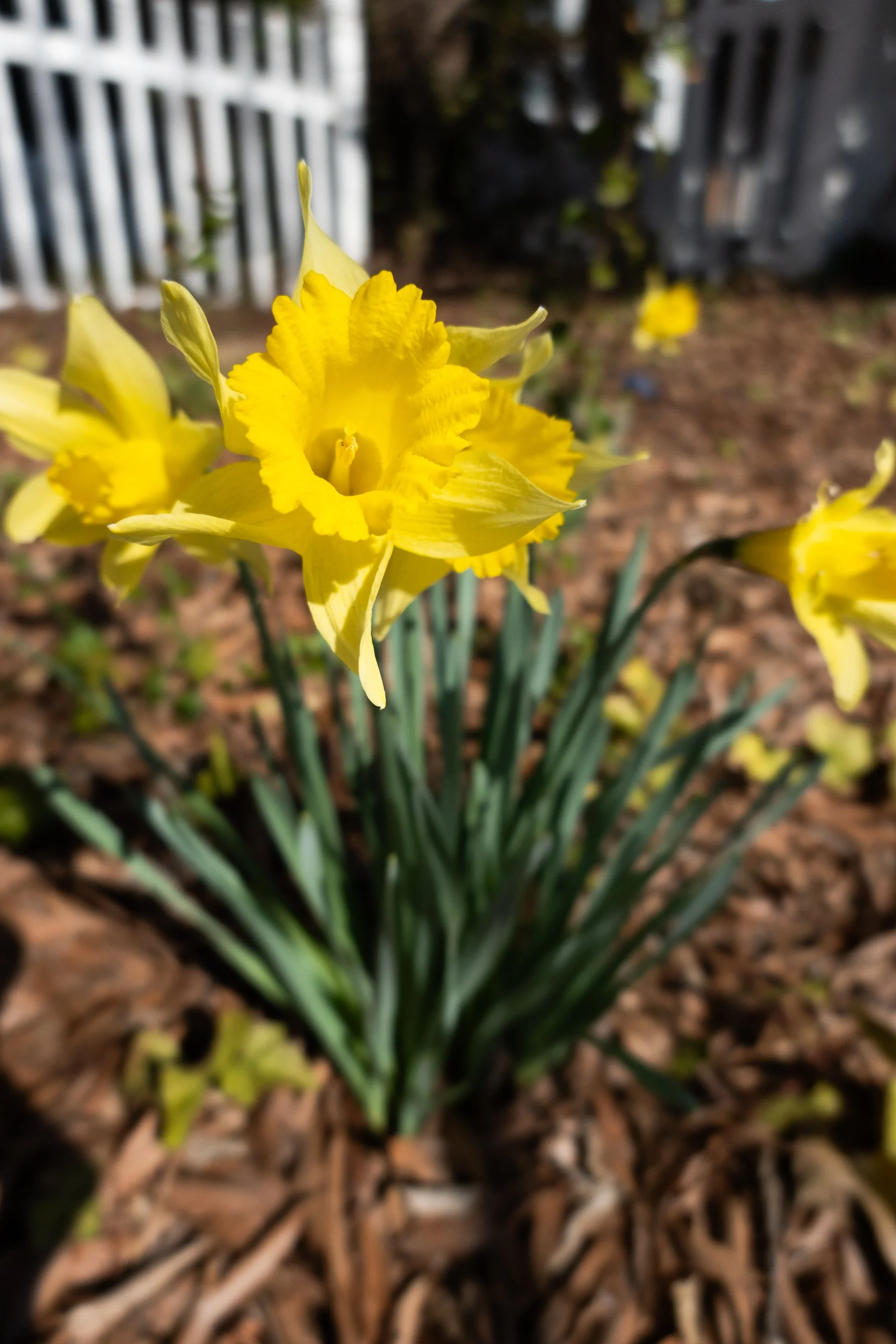
While the Fujifilm X-T50 does not have a full frame sensor, you are getting an amazing 40.2 megapixel sensor which seriously competes with some of the other brands out there at this pricepoint. The photos carry a lot of detail and the sensor is actually the same generation as the ones in the Fujifilm X100VI (a super popular point and shoot camera) and the X-T5 (a higher end camera by Fujifilm). I find the photos to be incredibly sharp. I was honestly surprised by the quality of the images for the price of the camera. Fujifilm photos definitely has a specific look to them and if you’re someone who values tack sharp images, you’ll love shooting with Fujifilm. Personally, I prefer my images to be a bit more natural. dreamy and soft, which is why Canon is my go-to, but I can fully understand why someone would prefer Fujifilm over Canon.
It’s Light and Portable
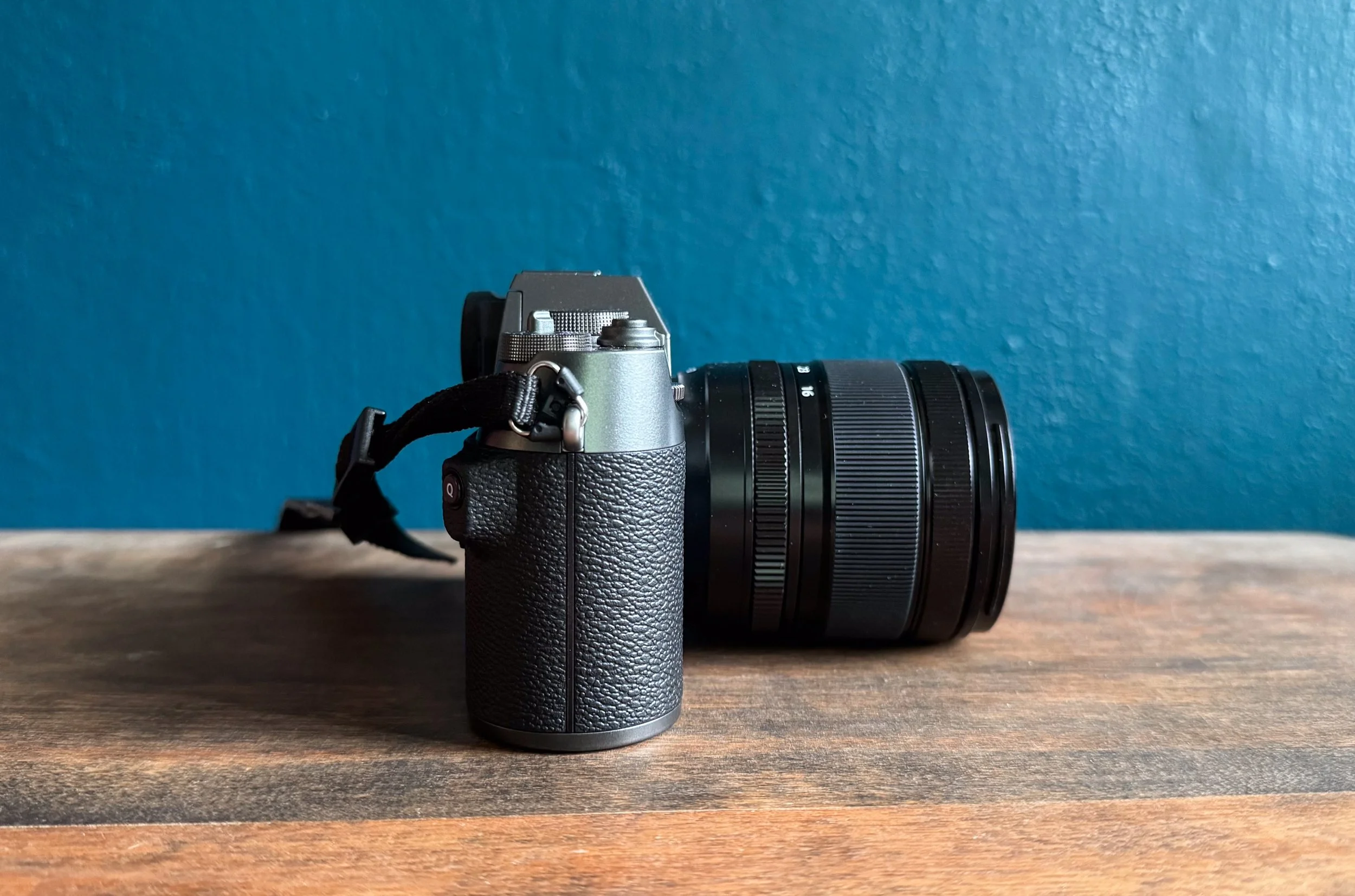
Another great feature of the newer Fujifilm cameras is that they are super light and manageable. For years I’ve been used to shooting with giant cameras like the 5D Mark IV and I’m honestly so ready to move on. I’ve recently been getting more into the modern mirrorless cameras because they are just typically smaller and lighter. I travel a lot so it makes a huge difference on my body when my backpack doesn’t weigh a million pounds. Even with the zoom lens on it, it was easy to walk around the beach with my family without even thinking about how my neck or shoulder hurt. It’s the perfect size in my opinion, especially if you don’t need all of the frills of the expensive, more “pro” level cameras.
The Video Capabilities are Insane
The Fujifilm X-T50 shoots up to 6.2K video at 30 fps. For such an affordable camera, this is pretty amazing. It also has in-body image stabilization which makes a huge difference in creating smooth, professional-looking video. I love that cameras like this include such great video because it really allows room for growth as a photographer/videographer. It also has great AI subject detection so your subject is always in focus. I’m more of a photographer but I’m working on getting more into video. It’s kind of hard not to when a camera is this capable!

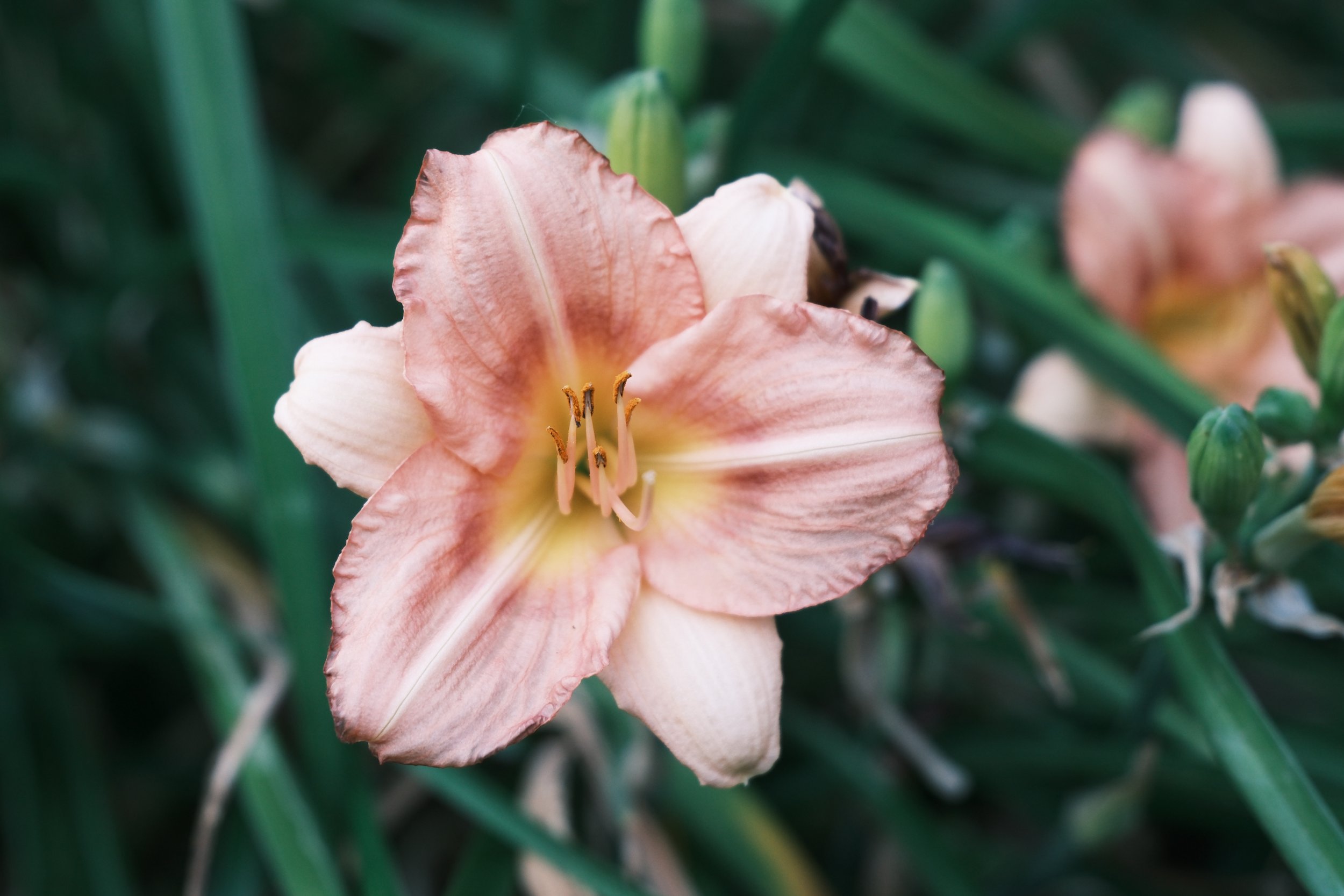


(various film simulation modes)
Other features include a tilting touchscreen, an ISO range of 125-51,200, Wi-fi and bluetooth connectivity, streaming capabilities, and a ton of other things. The specs for this camera are kind of impressive and I wish I had a bit more time to experiment with the camera, but I was borrowing it and had to return it!


CONS OF THE FUJIFILM X-T50
Not the Most Intuitive
I’ve tried out quite a few cameras in my day and I found the Fujifilm X-T50 to be a bit frustrating to learn. I’m sure it would get better over time, but my fingers just didn’t naturally go to the some of the settings and I got lost trying to adjust things like ISO and aperture. This camera is very different than cameras I’m used to, like the Canon EOS R and 5D Mark IV. I’ve also recently used the Sony A7 IV and the Canon R6 Mark III and the X-T50 was more time-consuming and confusing to set up. It’s just entirely different than any of those cameras and if I were shooting a wedding and switching between cameras, this would not be a great option. I need my cameras to be super intuitive and smooth when adjusting ISO, aperture and other features like multiple exposures. I would need to spend a few hours reading through the instruction manual to fully understand the camera, which isn’t something I like to do as an impatient person. However, I think if you start out shooting Fujifilm as your first digital camera, you’d probably never think of it as a problem. For me though, it just didn’t feel quite right. I’m hoping I’ll have the chance to use this camera again and give it more of a shot. And maybe spend more time understanding it’s set-up.
There Were a Few Glitches
As I’ve mentioned, I’ve used Canon cameras for years and I’ve never had one freeze up on me or have a major glitch. Occasionally I’ll get an error message with a memory card and have to re-insert it but other than that, I’ve never really had my camera just completely freeze up. Unfortunately, there were a few times where I was flipping through some photos I’d taken with the X-T50 and the camera just froze. I had to remove the battery and reinsert it to get the camera to work again. As a wedding photographer, this kind of thing simply can’t happen when I’m on the job. This is probably something that can and will be fixed with a firmware update, so just make sure to keep your camera fully up to date. It’s also possible that this was just a glitch with the camera that I was using and that it’s not a problem for other people.


FINAL THOUGHTS
Other than those two cons, I don’t really have any other complaints! It was a super fun camera to use and I had a blast playing around with the film simulation modes and the video. If you’re looking for a camera that is creative and lightweight with sharp, detailed photos at an affordable price, then the X-T50 is a great option. I probably wouldn’t recommend this camera for someone who is a full-time professional photographer that shoots weddings, fashion, portrait, etc. If you’re just getting into photography and you want as many modes of creativity as possible, then it’s perfect. It’s a great camera to grow with because it does have all of the settings you need from full auto to aperture priority to manual. If you’re a photographer/videographer hybrid, it’s a great choice too. Overall, I’m probably a bit too far along in my career to choose this as an option for me, but I’m definitely interested in looking into their high end cameras. You can always start off with this camera and then upgrade to one of the more pro level options like the X-T5 or X-H2 (this is one I’m really interested in). My main recommendation is to browse through the images and see if the aesthetic fits your style! In my personal opinion, all of the “specs” and features and technical capabilities of a camera don’t really matter to me in the long run. What matters is whether the photos and the overall vibe of the photos matches my personal style or not. If you feel something when you look at the photos and you find them exciting, then I think that tells you something. Let me know what you think!
WHERE TO BUY THE FUJIFILM X-T50
B&H Photo
(I always recommend B&H because they have competitive prices, super fast shipping and excellent customer service!)
If you found this post helpful in any way, I’d love it if you considered signing up for my Patreon! For as little as $1 a month, you’ll get early access to all of my YouTube videos, plus tons of photos that I don’t post anywhere else. Depending on which tier you choose, you could also receive seasonal prints and/or discounts! I always use all of the proceeds towards cameras, film & processing.
If you have any questions, I’m always happy to help! You can contact me here, or leave a comment below! Thanks so much for stopping by! You can also check out my B&H Photo storefront & Amazon Storefront for more camera/film recommendations. :) Have a magical day!
<3 Myles Katherine