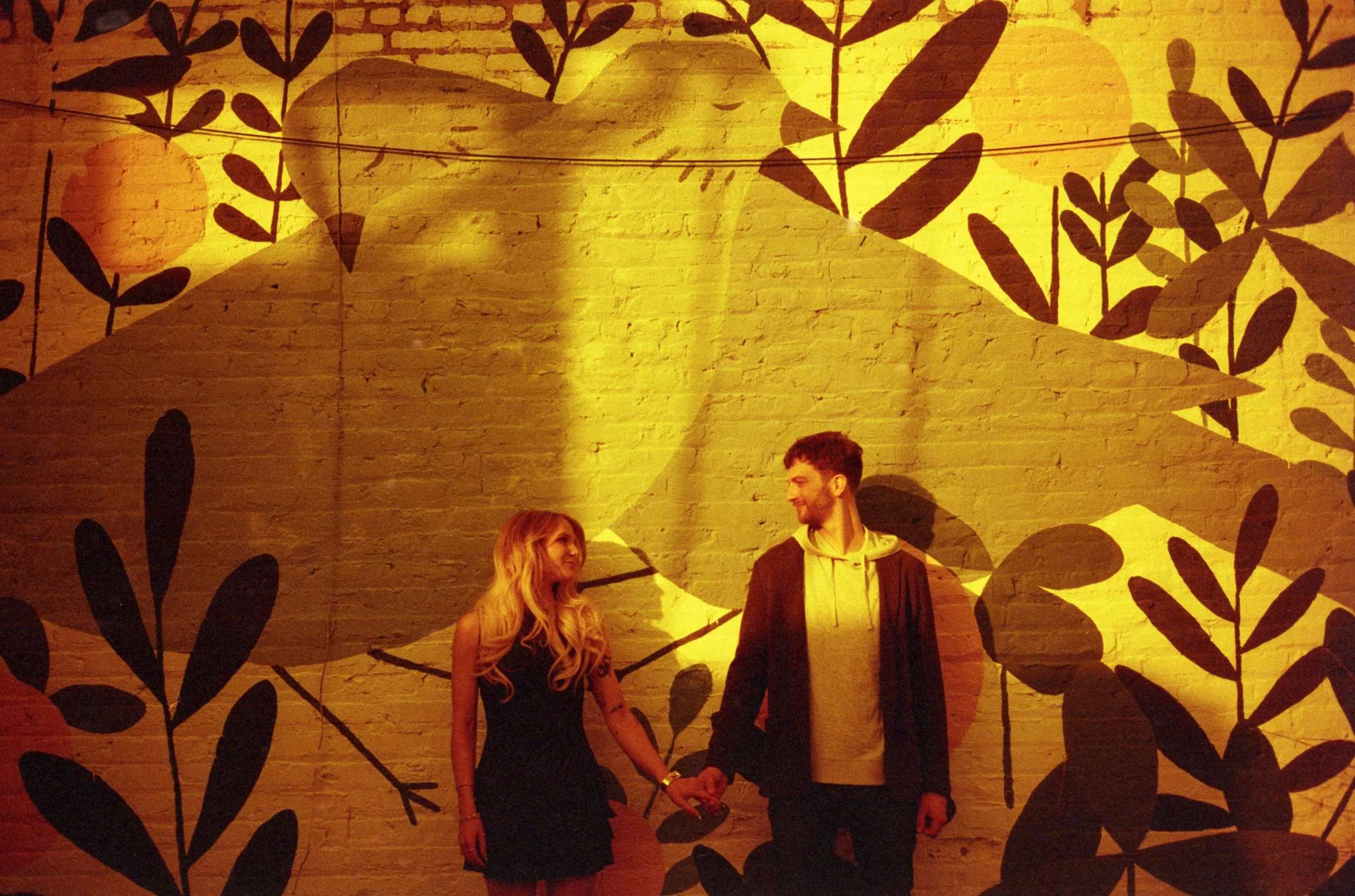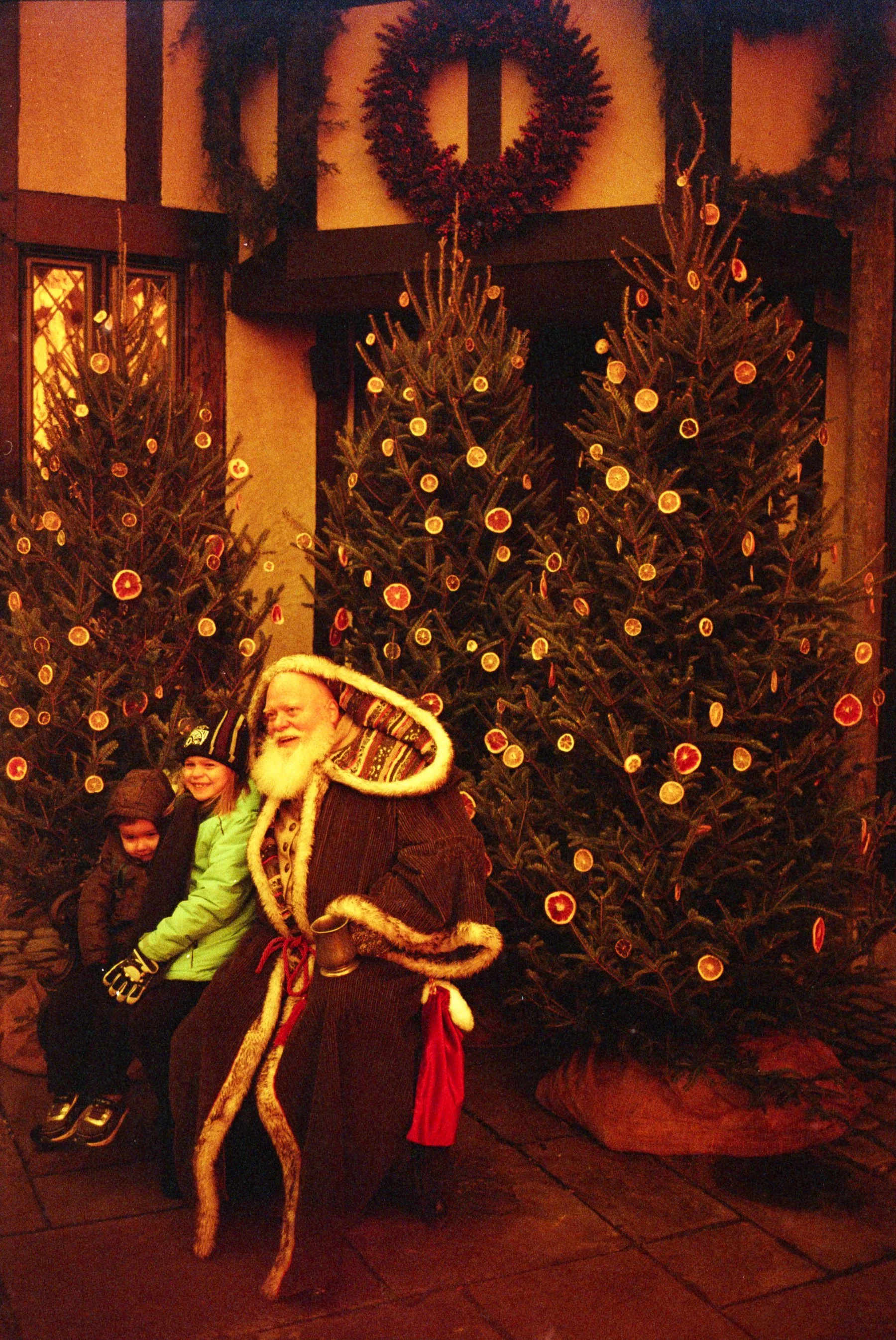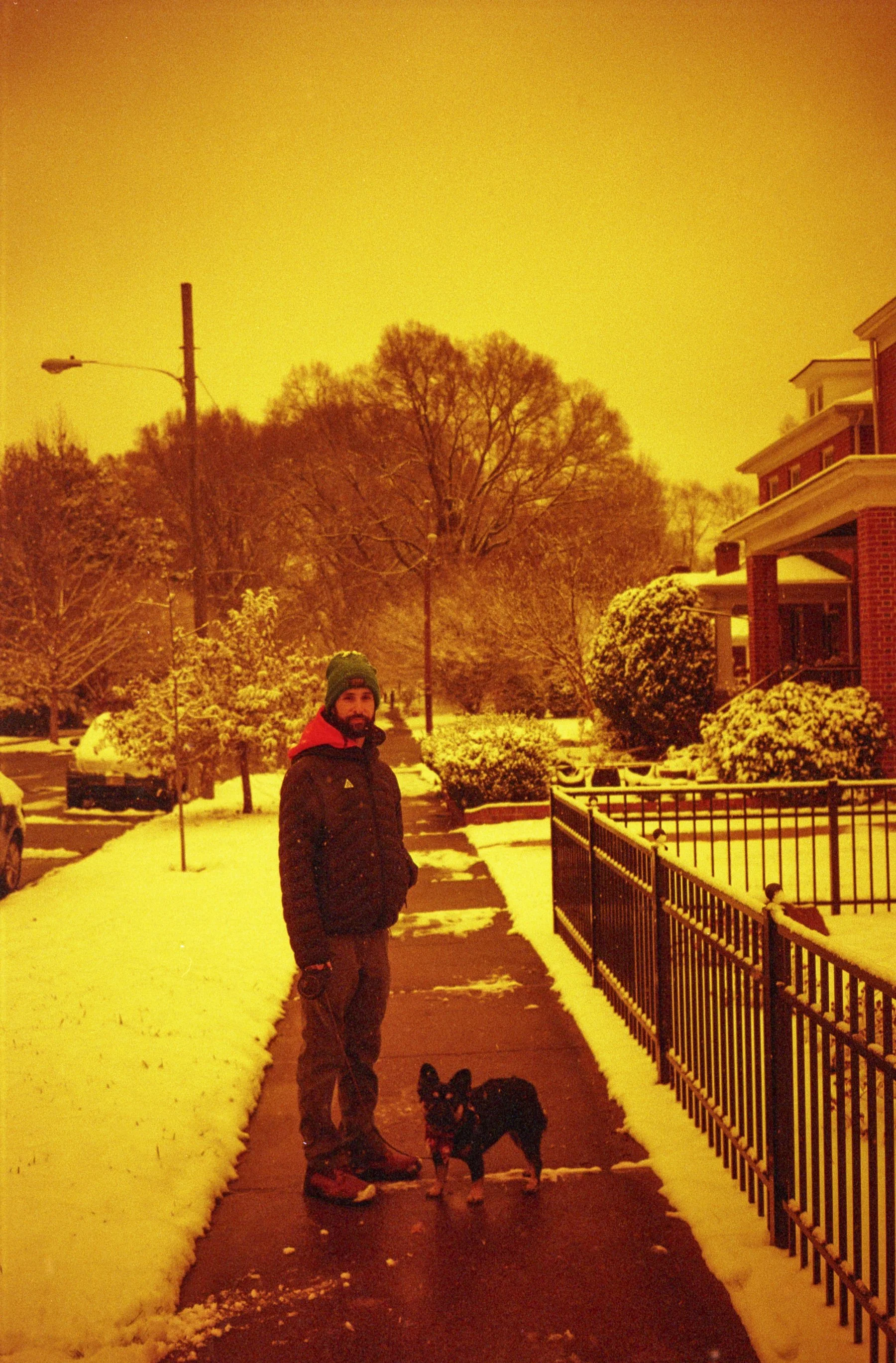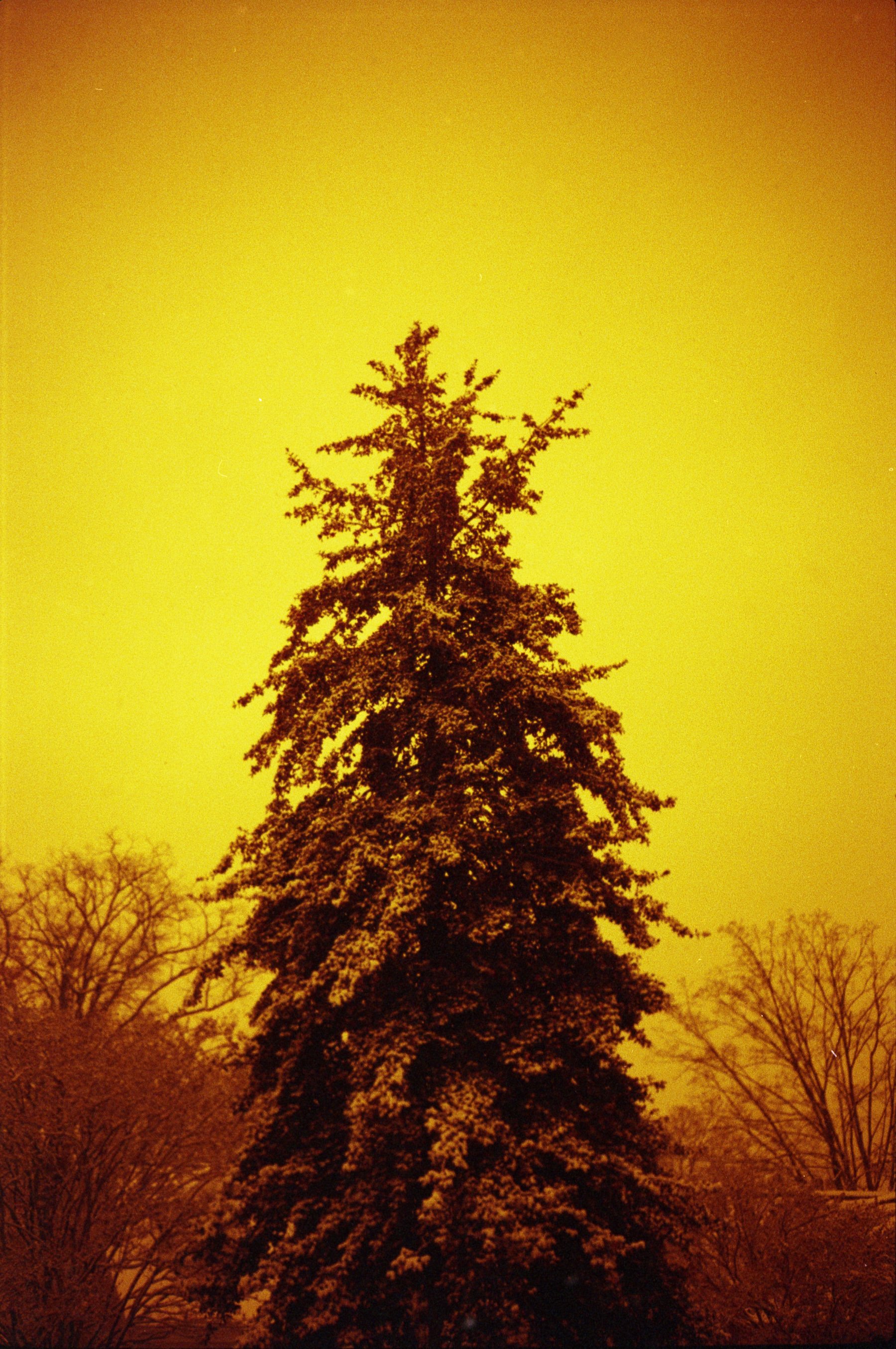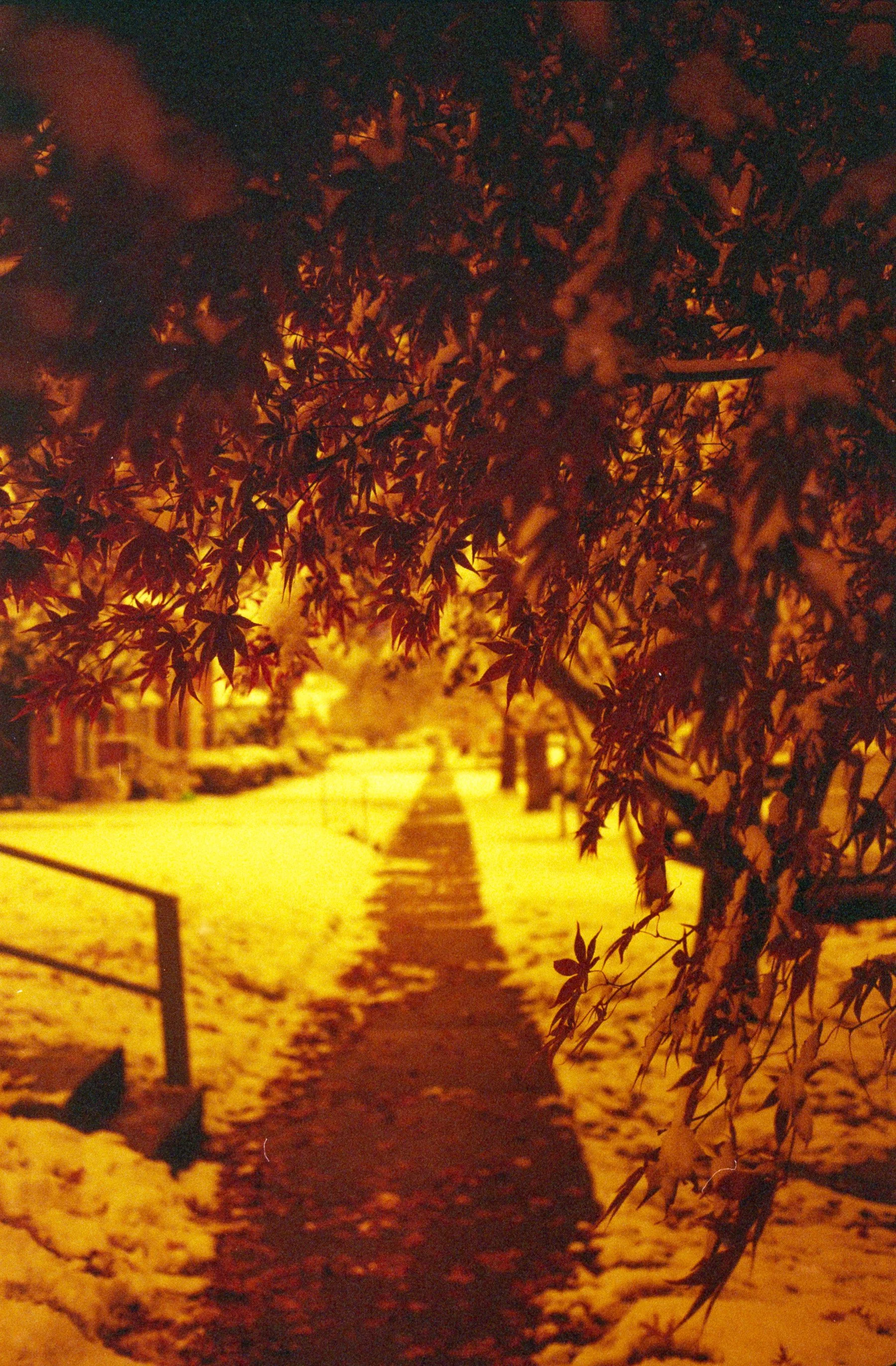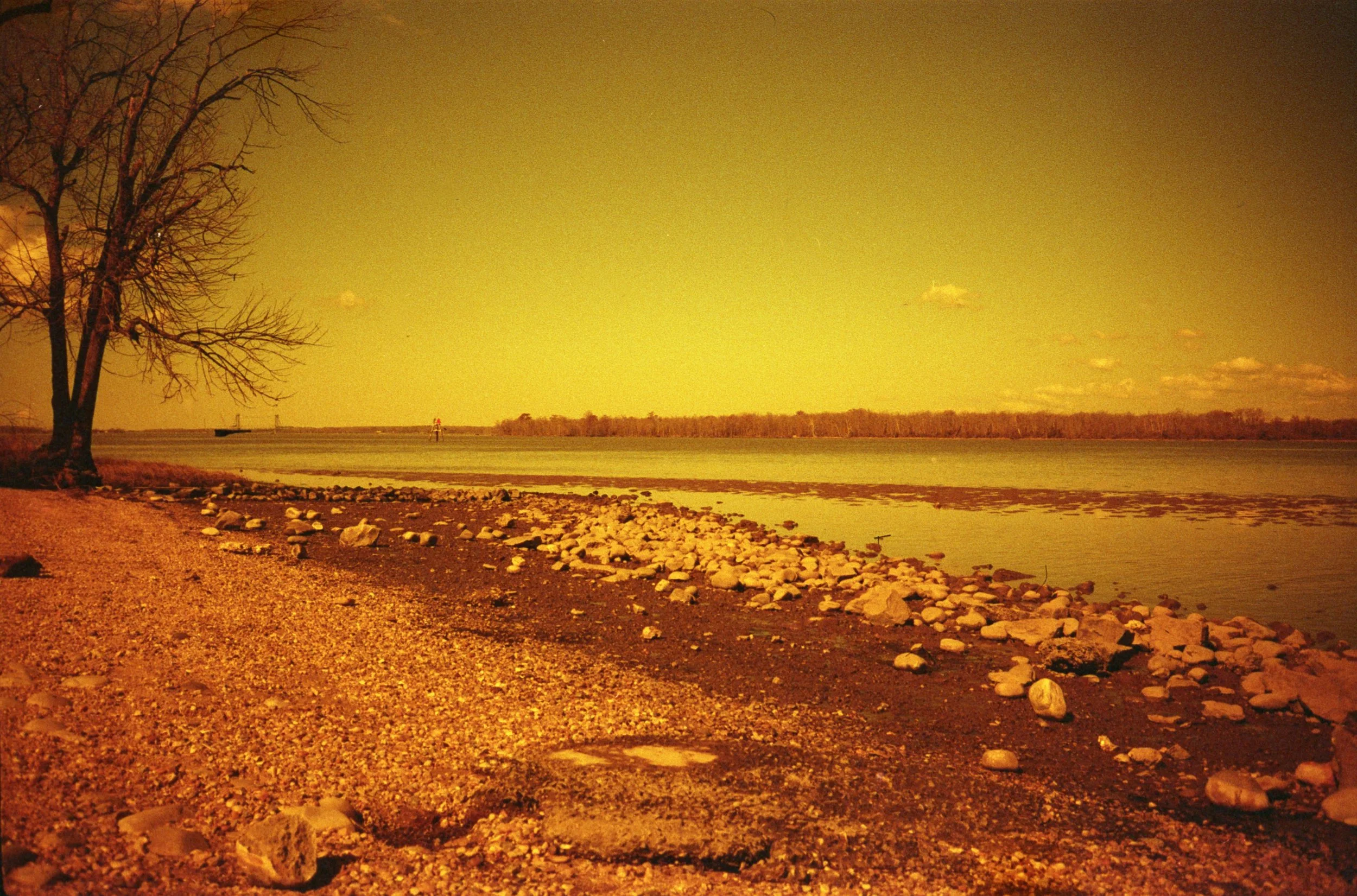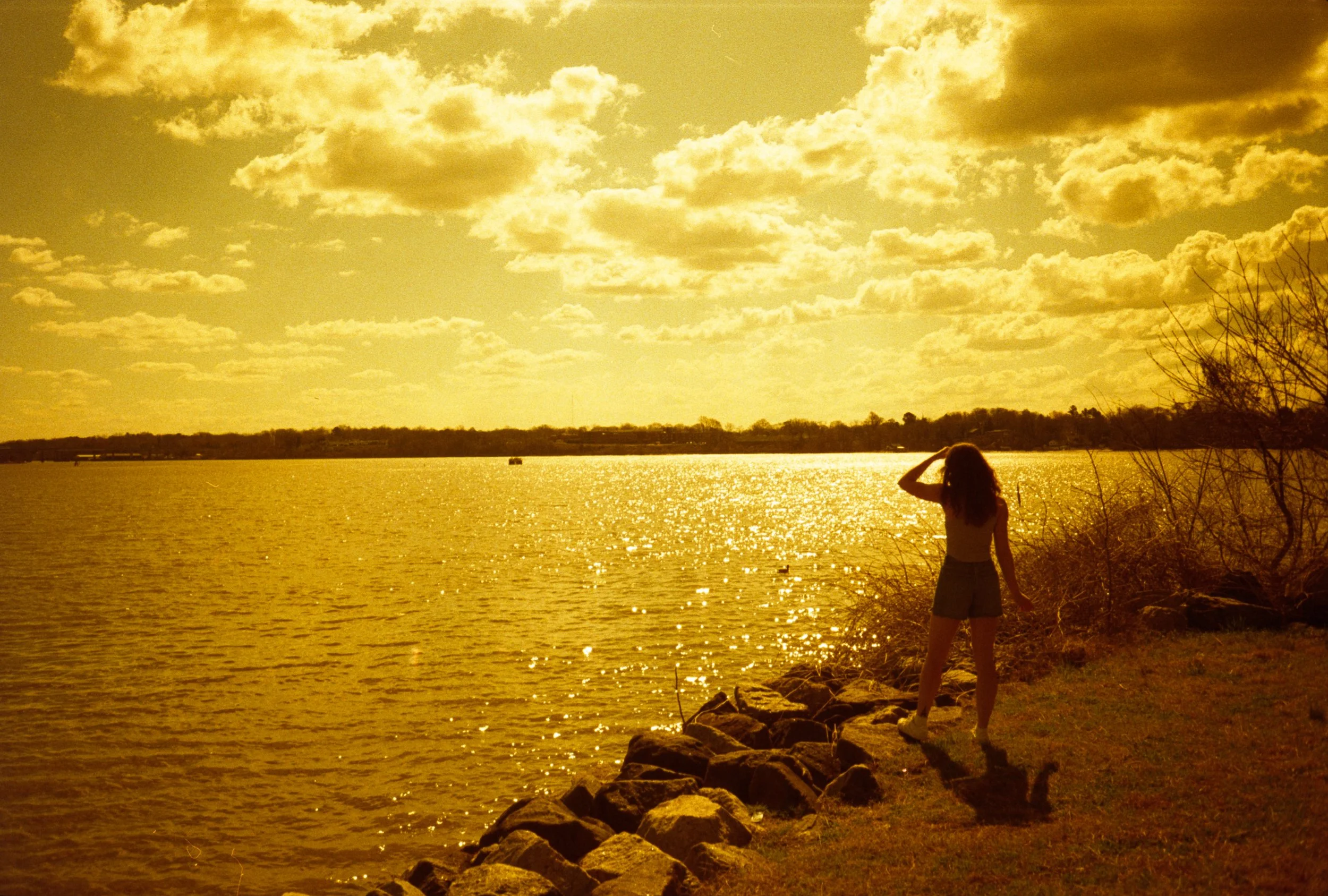
Review of the Diana F+ with Sample Photos using Lomography LomoChrome Purple and LomoChrome Turquoise in St. Lucia! | Teaming Up with Lomography to Save 120 film!


(By using the affiliate links and/or codes in this blog post, you help support Myles Katherine Photography. I may earn a small commission at no additional cost to you if you make a purchase through these links. Thank you for your support!)

When Lomography contacted me about a collaboration with them to help save 120 film, I was more than happy to contribute in any way that I could! I didn’t realize 120 film was endangered, so it was definitely a bummer to hear that. 120 film is a huge part of my life as a photographer and I can’t imagine a world without it, to be honest! You all know that I’m obsessed with the Holga camera and that I specifically like shooting square format 120 film. Well, Lomography has the Diana F+, which I would consider a sort of sister camera to the Holga. Most photographers are either Team Holga or Team Diana. I’ve actually had my Diana F+ for a least a decade, but I had a 35mm back on it for years, to sort of differentiate it from my Holga. But it ended up sitting on a shelf for the last handful of years (which I will say, it’s very cute up on a shelf)! Lomography was wondering if I’d be willing to shoot their 120 LomoChrome Purple and LomoChrome Turquoise film with the Diana F+, and I was so excited! As much as I love the Holga, I’ve been interested in trying out some other 120 cameras lately just for something new and fresh. I switched the 35mm back on the Diana F+ to the 120 back and took it with me on a recent trip to St. Lucia with my family! You can also check out my YouTube video about the Diana F+ in St. Lucia here!

A BRIEF HISTORY OF THE DIANA F+

The original Diana camera was produced in the 1960s but only lasted until about the 1970s due to newer cameras coming into the market. It was an affordable box camera with limited controls and was really more of a novelty or gift item. But it became a bit of a cult classic when photographers like Mark Sink began using it to capture images of celebrities like Andy Warhol in the 1980s! Lomography decided to bring it back and created their own version, the Diana F+, in 2007. The Diana F+ is known for it’s lo-fi artistic, soft focus and vignetted corners that add a dreamy, surreal quality to the images.

MAIN FEATURES

The Diana F+ is super simple and easy to use once you get the hang of it. As with all toy cameras, they are very lightweight, often have a plastic lens and body and aren’t particularly sturdy. Toy cameras are typically known for their light leaks, loose-winding film rolls and blurred images. However, all you need is a bit of patience and you’ll discover the magic of the camera! The Diana F+ has four aperture settings (f8, f11, f16, pinhole), two shutter speed options (1/60, Bulb) an optional flash and a tripod mount. My favorite feature, of course, is that it can do multiple exposures! Since it requires manual film-advance, you can take as many photos over top of each other as you’d like before advancing to the next frame. Part of the fun of toy cameras though, is that you often forget whether you’ve advanced the film or not. This can end up with unexpected double exposures, which personally I’m always here for.

Diana F+ // Double Exposure // Lomography LomoChrome Purple Film

PROS

Considering the Holga is my favorite camera in the world, the Diana F+ is essentially right up there with it. The only problem is that I haven’t given the Diana F+ a fair shot! I sort of attached myself to the Holga and didn’t look back. But after trying out a few film rolls for this collaboration with Lomography, I have a newfound love for it and can’t wait to bring it with me on my next trip! I’ll be heading to Portugal in May and I’m hoping I can squeeze it in my bag!

I consider the fact that it is lightweight a huge pro for me. I travel a lot and I’m always looking for cameras that are light and easy to carry around. The Diana F+ fits easily into my bag and doesn’t weight it down. I also love that it has an interchangeable back so that I can switch to 35mm whenever I get tired of 120. Or if I have my Holga set up with 120 film, I can go with 35mm in the Diana F+ to keep things interesting. The 35mm back might be hard to find these days, though you may be able to find them on eBay here if they’re available. But the Diana Mini takes 35mm film and is super fun and cute! There’s also a Diana Instant (Fujifilm Instant Square film) and a Diana Baby 110 if you prefer those film formats instead! You can also try out the Diana Instant Deluxe Kit which comes with all sorts of fun lenses and filters to get experimental with. I bought one of their older deluxe kits that featured the 120 version of the camera with a 35mm back when I purchased my Diana F+ years ago and it was totally worth it. I personally love the Fisheye lens! You can try to find one of those older deluxe kits on eBay here.

Diana F+ Fisheye Lens // Lomography LomoChrome Purple Film

In my opinion, it’s everything about this camera that makes it great. The soft, dreamy focus and blurry vignetting. The cute, shiny, colorful housing and fun lens options. The multiple exposure and pinhole features. The adorable flash and gel filters. The lightweight body and various options for film format (35 mm, 120, 110 and instant film). Ugh, it’s just everything all at once and I love it.

Diana F+ with 35mm back // Double Exposure

Diana F+ with 35mm back

Diana F+ with 35mm back // Double Exposure


CONS

For some people, toy cameras in general just might not be their thing. They aren’t super reliable because they’re unpredictable and finicky. But that’s kind of the fun of the whole thing! Some of the main issues of these cameras include light leaks, loose film rolls and blurry images. To avoid light leaks, always make sure to load and unload your film in a dark place and definitely not in direct sunlight (unless you’re like me and enjoy taking that risk to see what happens)!

Diana F+ Pinhole Setting // Light Leaked // Lomography LomoChrome Turquoise Film

For the loose film rolls, that’s sort of part of the game. If you load your film to be quite tight in the first place, it tends to help. And when you’re advancing to the next frame, it’s best to wind somewhat slowly so that it winds tightly. With the Holga, I’ve learned to insert a small piece of thick paper underneath the take-up spool to help. I haven’t quite figured out how to manage it with the Diana F+ yet, but I’ll let you know when I do!

To prevent blurry images, make sure you’re shooting in bright sunlight and that you hold the camera as still as possible. You can also use a 400 ISO film to bring a little more light into your images. However, just know that the higher ISO you go, the more grainy your film will be. I always take a 100 ISO film if I’m headed to the beach or a bright location, and a 400 ISO film if it’s a cloudy day or if I’ll be shooting indoors at all. You can also use the flash to help prevent image blur and to brighten your images if you’re in a dark environment.

Diana F+ 120 // Neopan Acros 100 // Flash // Fisheye Lens

Diana F+ 120 // Neopan Acros 100 // Flash // Fisheye Lens

FINAL THOUGHTS

One of the best things about the Diana F+ is that you can be a beginner, amateur or professional photographer and the camera is still just as much of a mystery to use. It takes patience, creativity and an open mind to experience it’s magic. But believe me, it’s worth it. My favorite moment is life is when I’ve created an incredible multiple exposure with the Diana F+ or Holga camera. It’s an experience that I believe every photographer at every level should have. It forces you to be creative and try new things.

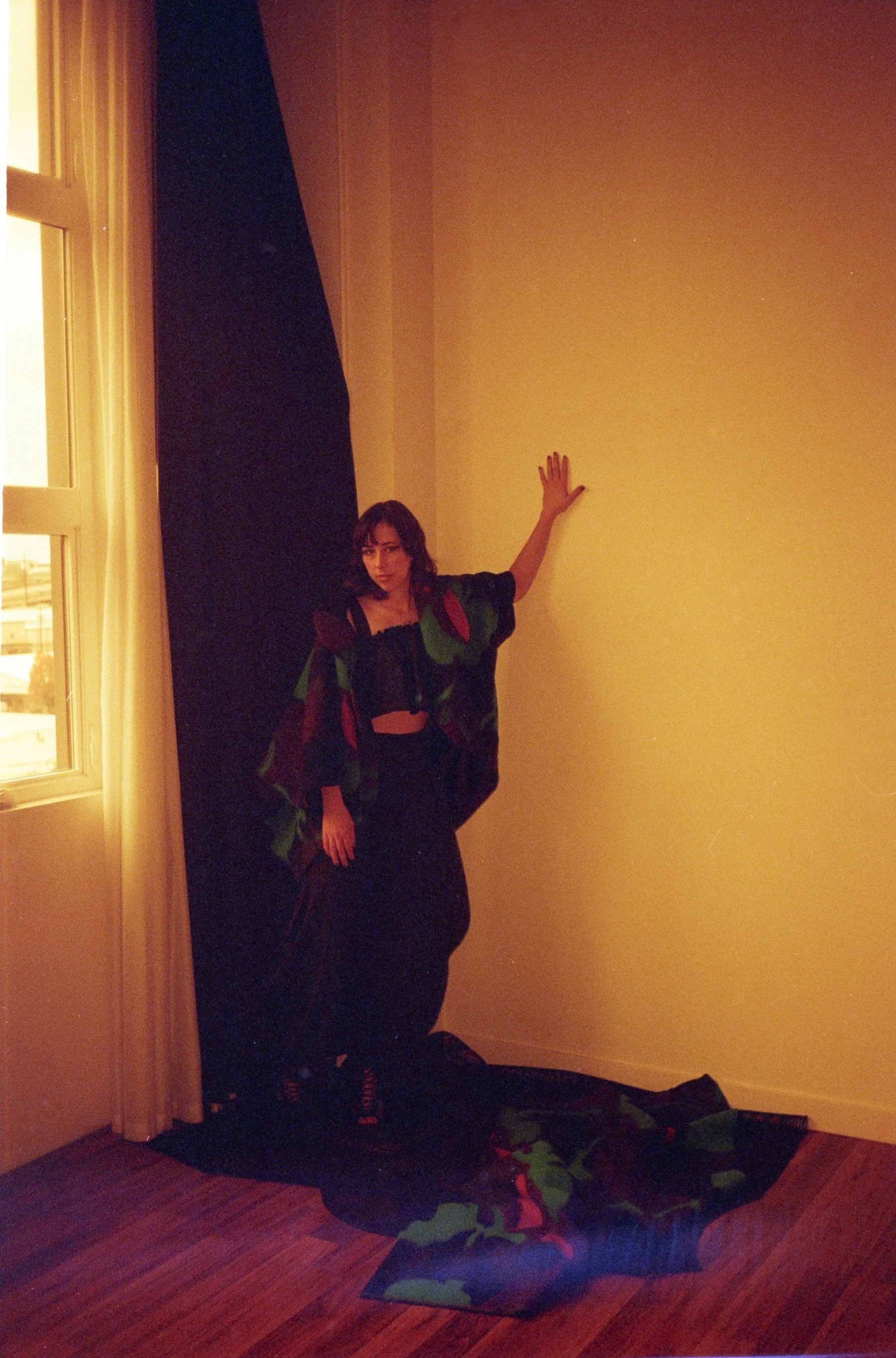
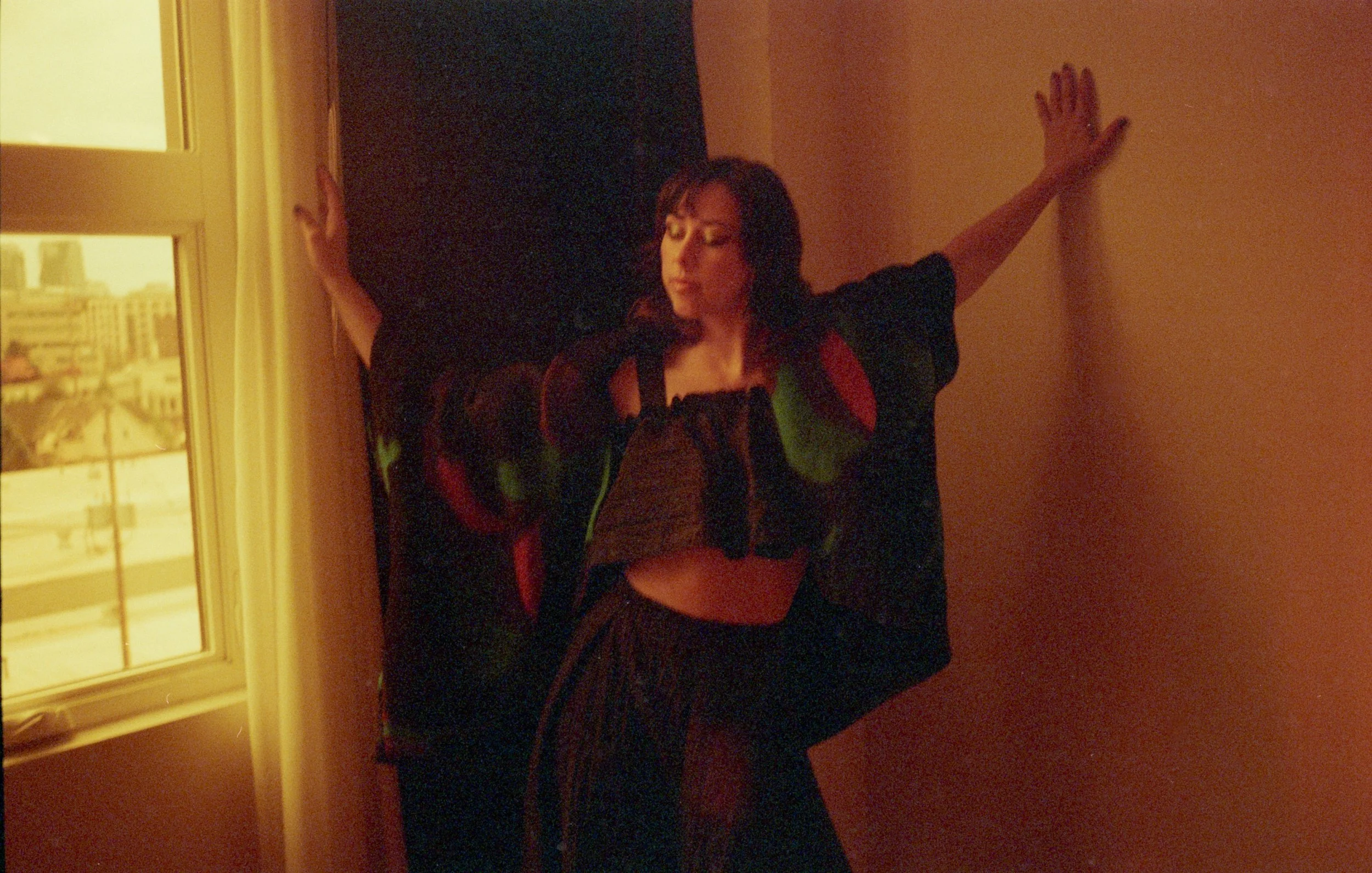
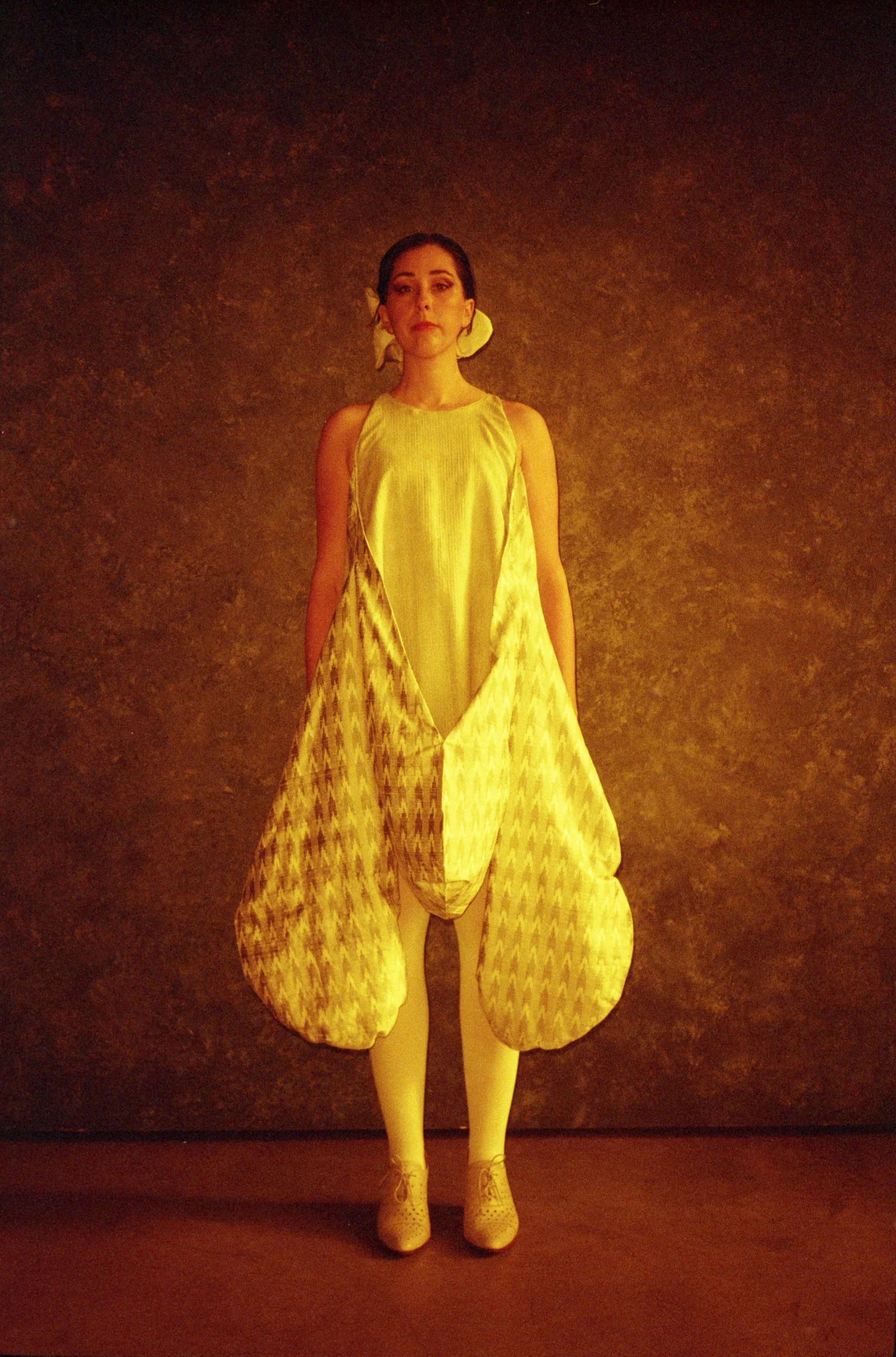
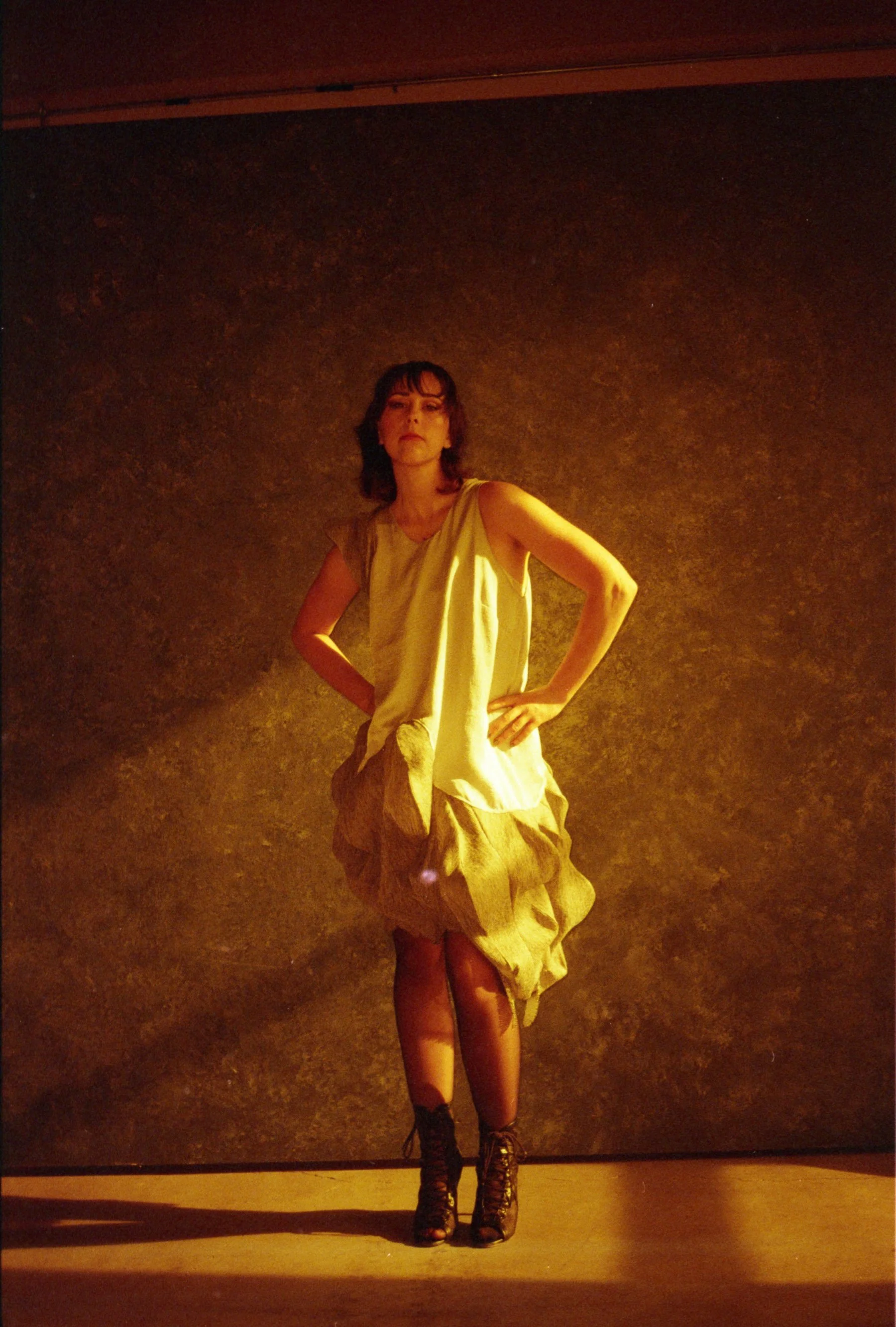
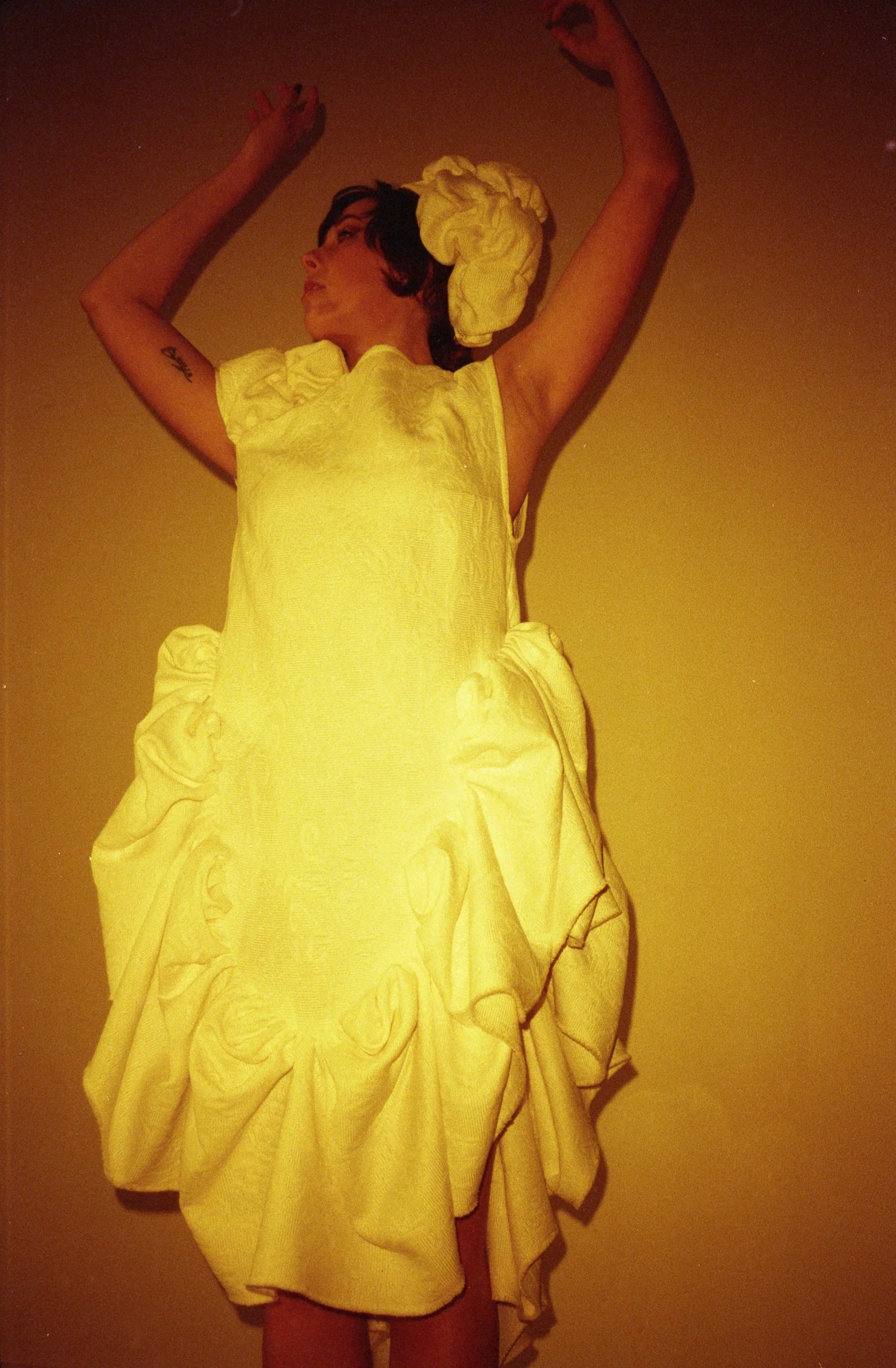
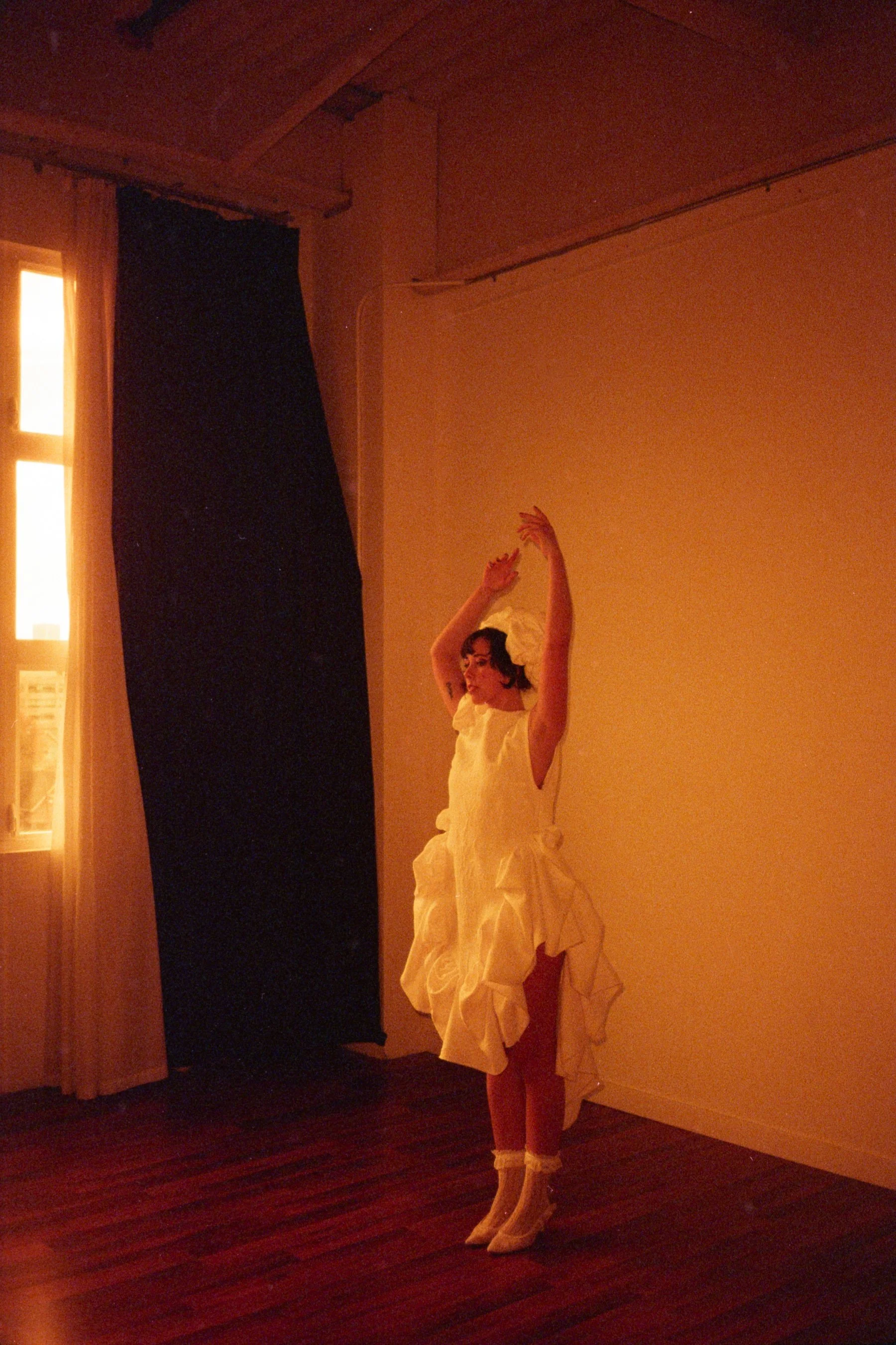
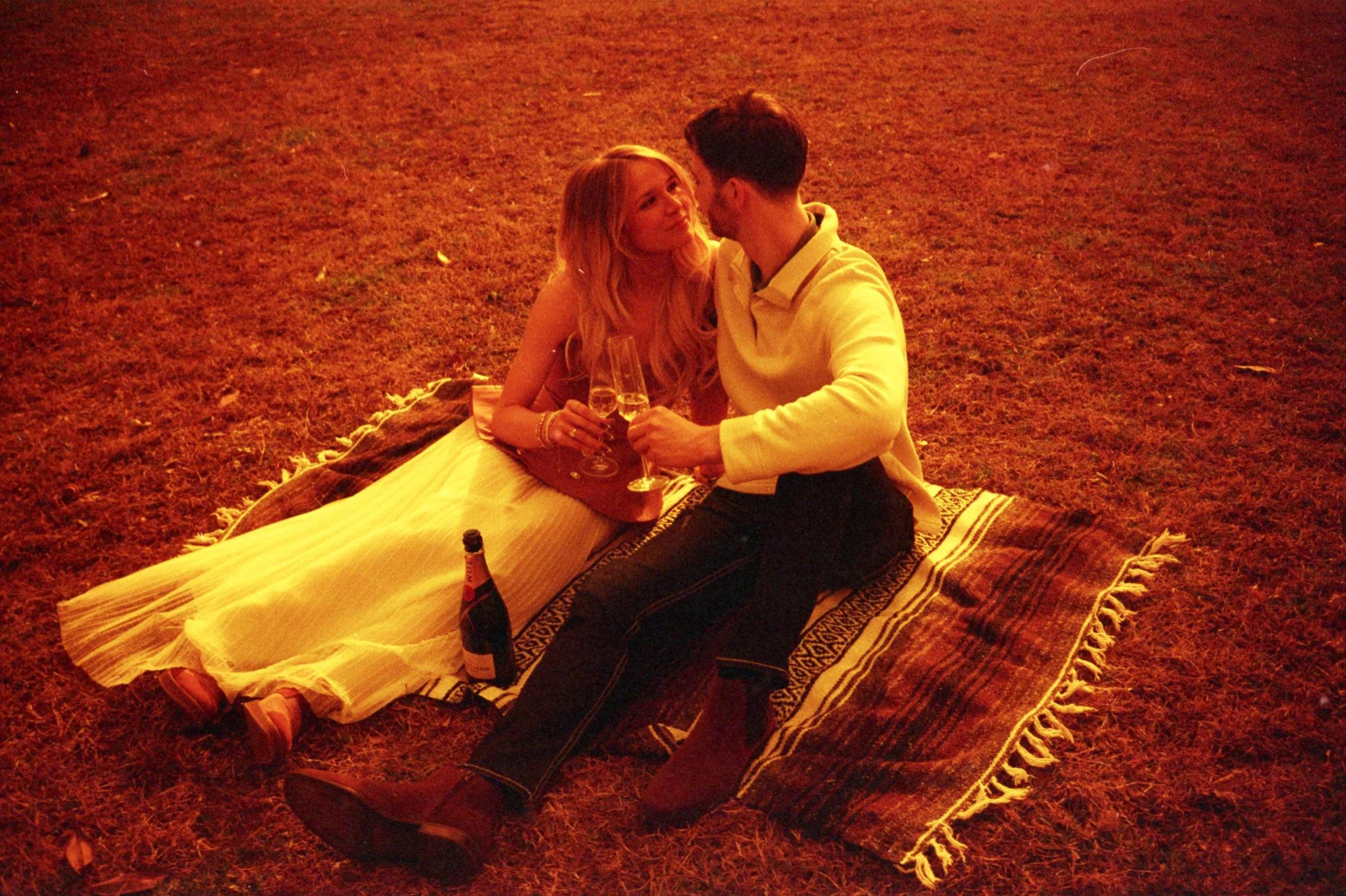
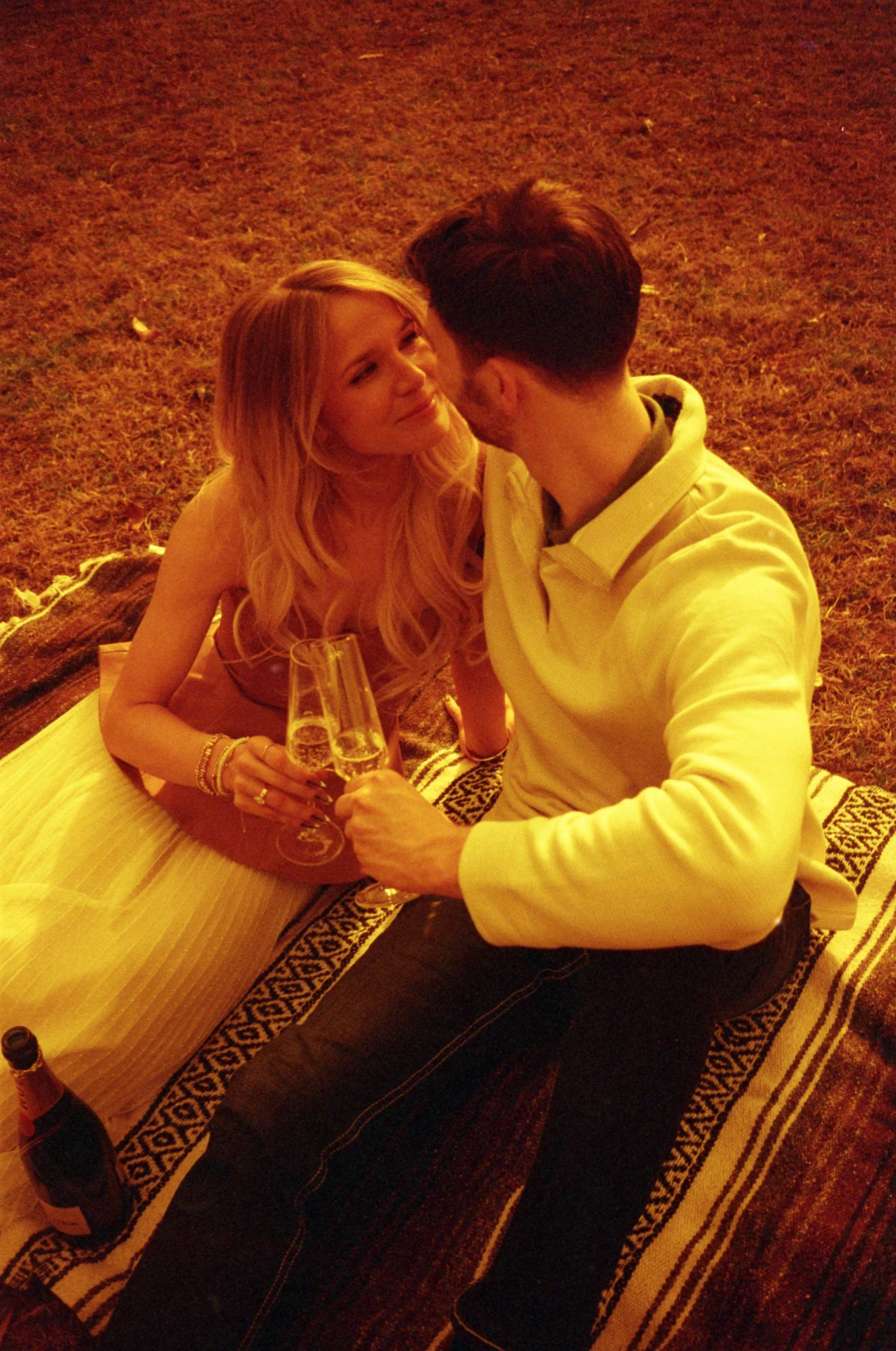
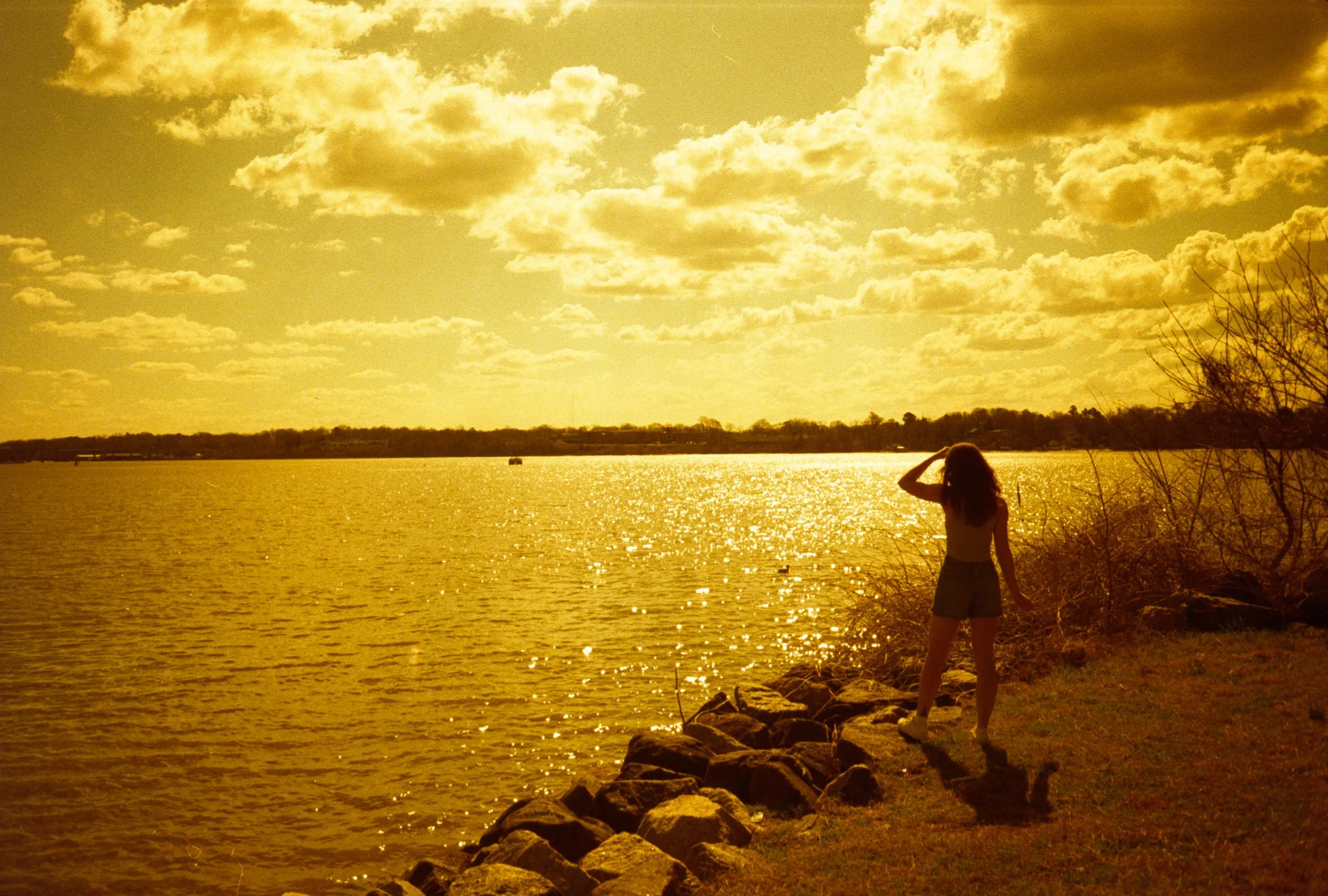
For my collaboration with Lomography, they sent me a roll of LomoChrome Purple and LomoChrome Turquoise to try out with the Diana F+. I’ve included all of my favorite photos from my trip below using these films, as well as a handful of my fav images I’ve taken in the past with the Diana F+.

WHERE TO BUY

Diana F+ 120 camera on Amazon

Diana Mini 35 mm camera with flash on eBay

Diana F+ Instant Square

Diana Baby 110 on B&H Photo

FILM RECOMMENDATIONS

Lomography LomoChrome Purple Film (35mm & 120)

Lomography LomoChrome Turquoise Film (35mm & 120)

Lomography Color 400 120 film on B&H Photo

Kodak Gold 200 120 film on B&H Photo

Thanks so much for stopping by! And don’t forget to stop by my B&H storefront or Amazon storefront for more camera/film recommendations. :) Have a lovely day!

<3 Myles Katherine
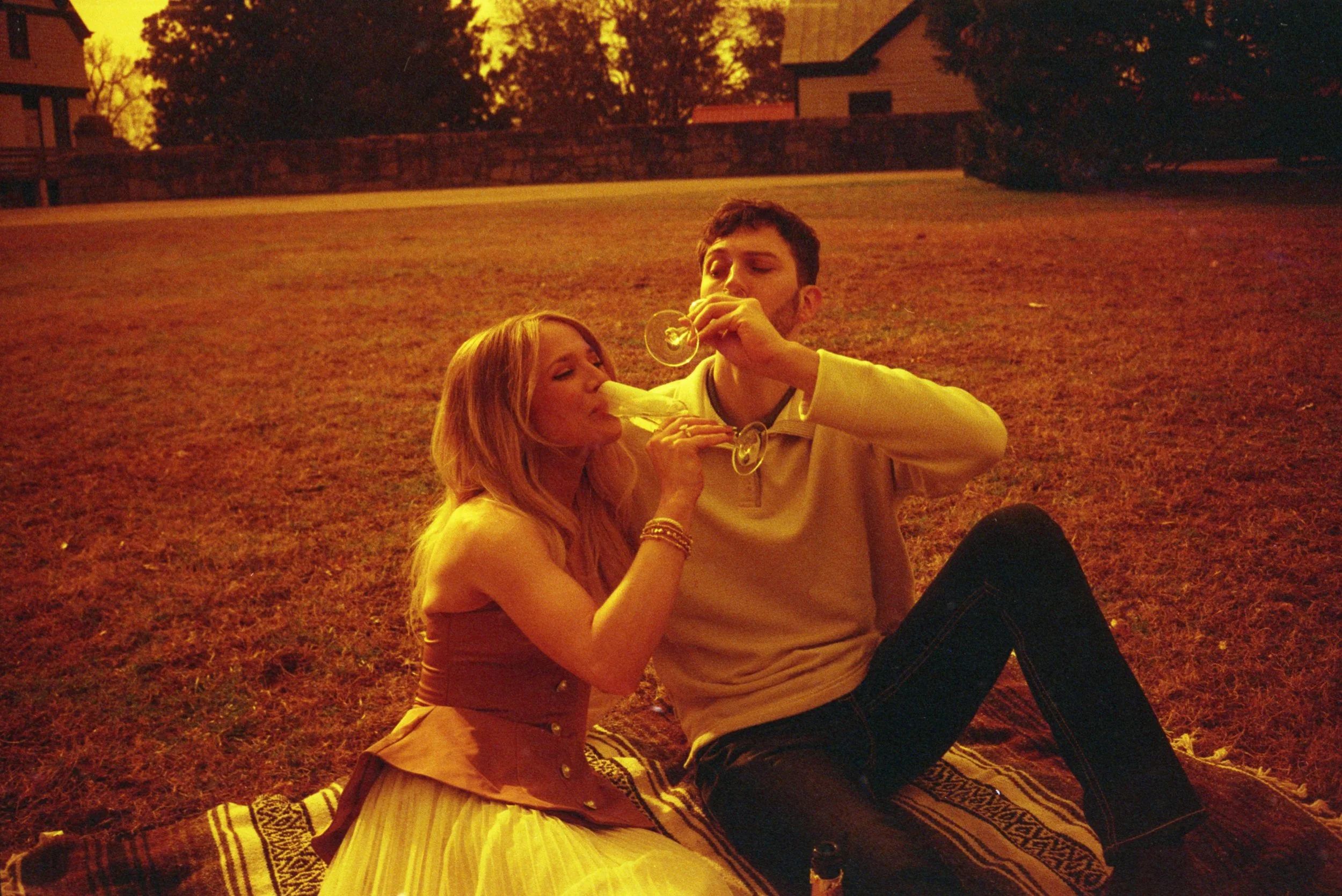
 

Mamiya 645 Review & How-To with Sample Photos | Oregon Coast Adventure

Updated June 26, 2026

(By using the affiliate links and/or codes in this blog post, you help support Myles Katherine Photography. I may earn a small commission at no additional cost to you if you make a purchase through these links. Thank you for your support!)


The Mamiya 645AF is an incredible camera. It has taken some of my favorite photos over the years and I’m still so sad that I sold mine. But I only sold it so I could buy my dream camera, the Contax 645 (be sure to watch my video about this camera too)! The Mamiya 645 is much more affordable though, and is a perfect camera if you’re ready to take the dive into medium format photography. It takes 120 film (not 35 mm) and the negatives are much larger than 35 mm. This basically means that there is more detail in your photographs and you can blow them up much larger without losing quality. 

The Mamiya 645AF launched in the late 1990s and was a follow-up to the M645, the manual version of the camera. It was Mamiya’s first autofocus medium format camera. It became known for it’s fast autofocus, super sharp lenses and simple controls. It was meant to be an easy transition camera for photographers coming from 35 mm cameras.

Pros:

  • The 80mm f/2.8 lens is super sharp and takes beautiful photos (portraits in particular)

  • It has a setting for multiple exposures that is easy to use (personally, the most important feature of a camera for me!)

  • It’s somewhat affordable for a medium format camera (around $1500 with the 80 mm f/2.8 lens)

  • It has the option to do aperture priority and shutter priority (very important if you are a wedding photographer or need to shoot quickly)

  • It has autofocus (also important for quick shooting - but keep in mind it may be unreliable in these older cameras)

  • It’s known for being easy to use and a great medium format introduction camera from 35 mm

Cons:

  • t’s very heavy and large (around 4.5 pounds)

  • The autofocus can be slow and not always accurate, or stop functioning due to the camera’s age

  • It’s only getting more expensive because there are less of them that function correctly as time goes on

If you’re on the hunt for a Mamiya 645, I recommend checking KEH Camera first. They will occasionally have one in stock, and they have great customer service, especially for vintage cameras like this one. If KEH doesn’t have one, eBay is the most likely place to find it. You can also find them on Etsy from time to time! There are various versions of this camera, but I’d recommend the Mamiya 645AF  with the 80 mm f/2.8 lens (you can find the lens on eBay here). This is because it has autofocus, which is definitely useful if you shoot weddings or need to capture an image quickly. However, keep in mind these cameras are vintage. Unfortunately, the autofocus on mine never worked quite right so I used manual focus the whole time. The autofocus in my Contax 645 also stopped working recently, so I’d say it’s probably pretty common for that feature to fail at some point. These cameras aren’t getting any younger, so if trying out the Mamiya 645 is something you’ve been considering, I’d definitely say it’s better to get one sooner than later! 

Overall, even though these cameras might not be as reliable as they once were, I’d still recommend it to anyone interested in medium format photography. Some of the images I took with mine are still favorites to this day. If you’re interested in learning more about medium format cameras, or if you want to know what other options are out there, make sure to check out my blog post - 10 Medium Format Cameras to Start Your 120 Film Journey.

WHERE TO BUY THE MAMIYA 645

SHOP KEH CAMERA

SHOP EBAY

SHOP ETSY

FILM RECOMMENDATIONS:

KODAK PORTRA 160 120 FILM 

KODAK PORTRA 400 120 FILM (BETTER IN LOW LIGHT BUT MORE EXPENSIVE)

KODAK GOLD 200 120 FILM

ILFORD HP5 PLUS 400 120 FILM

LOMOGRAPHY 400 120 FILM

#CommissionsEarned

If you’d like more 120 film recommendations, make sure to read my blog post - 120 Film on a Budget.

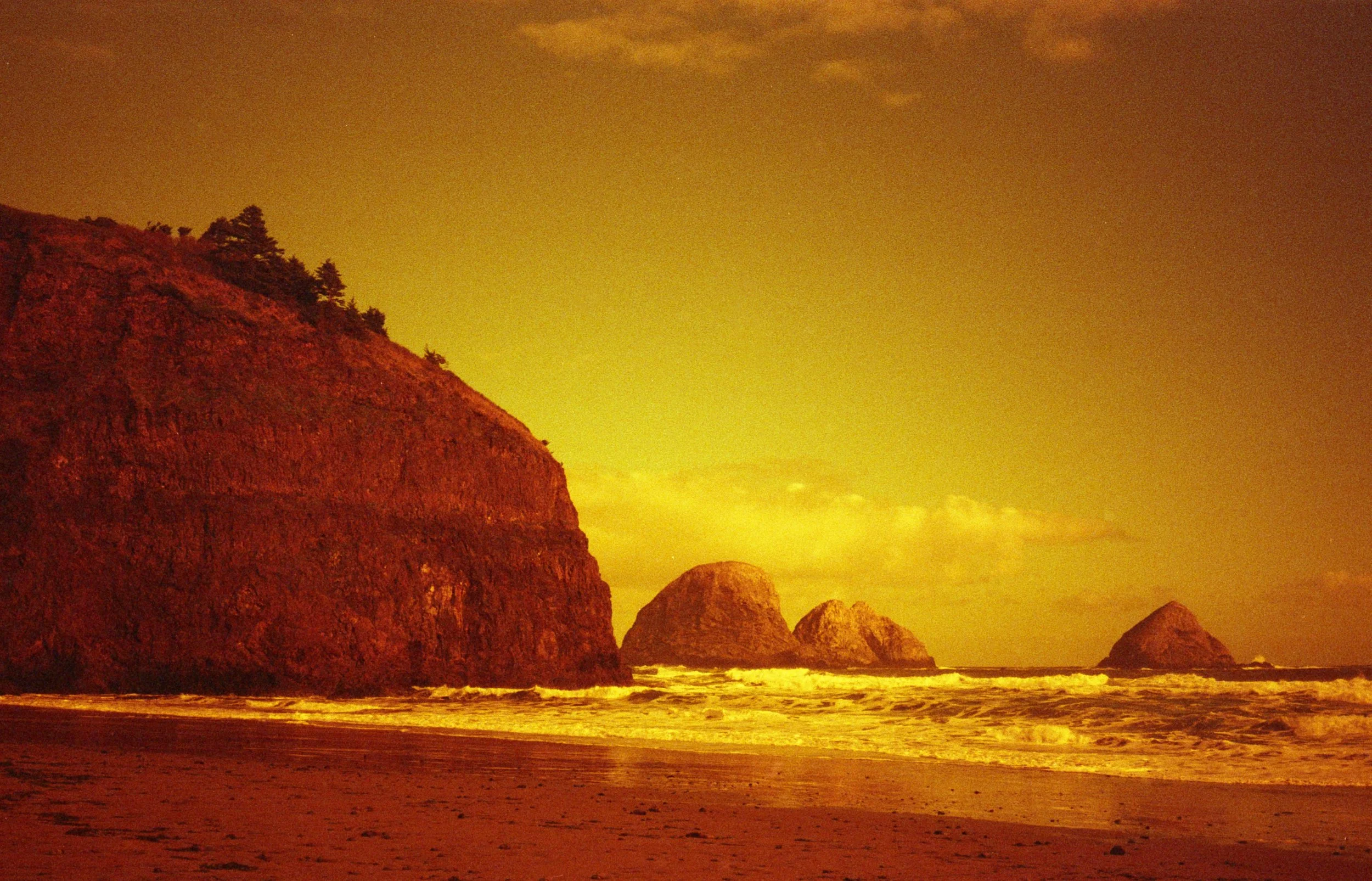
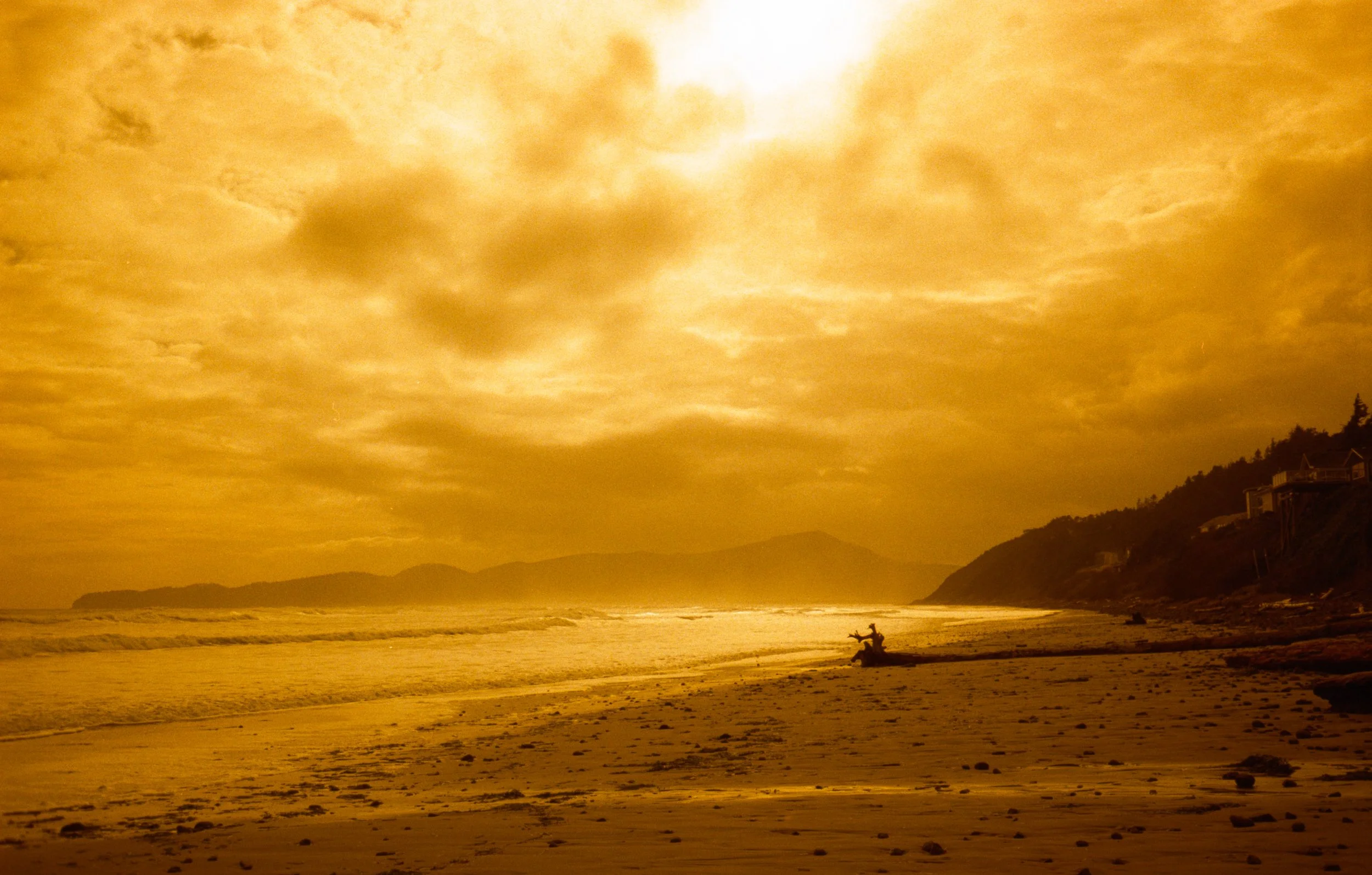
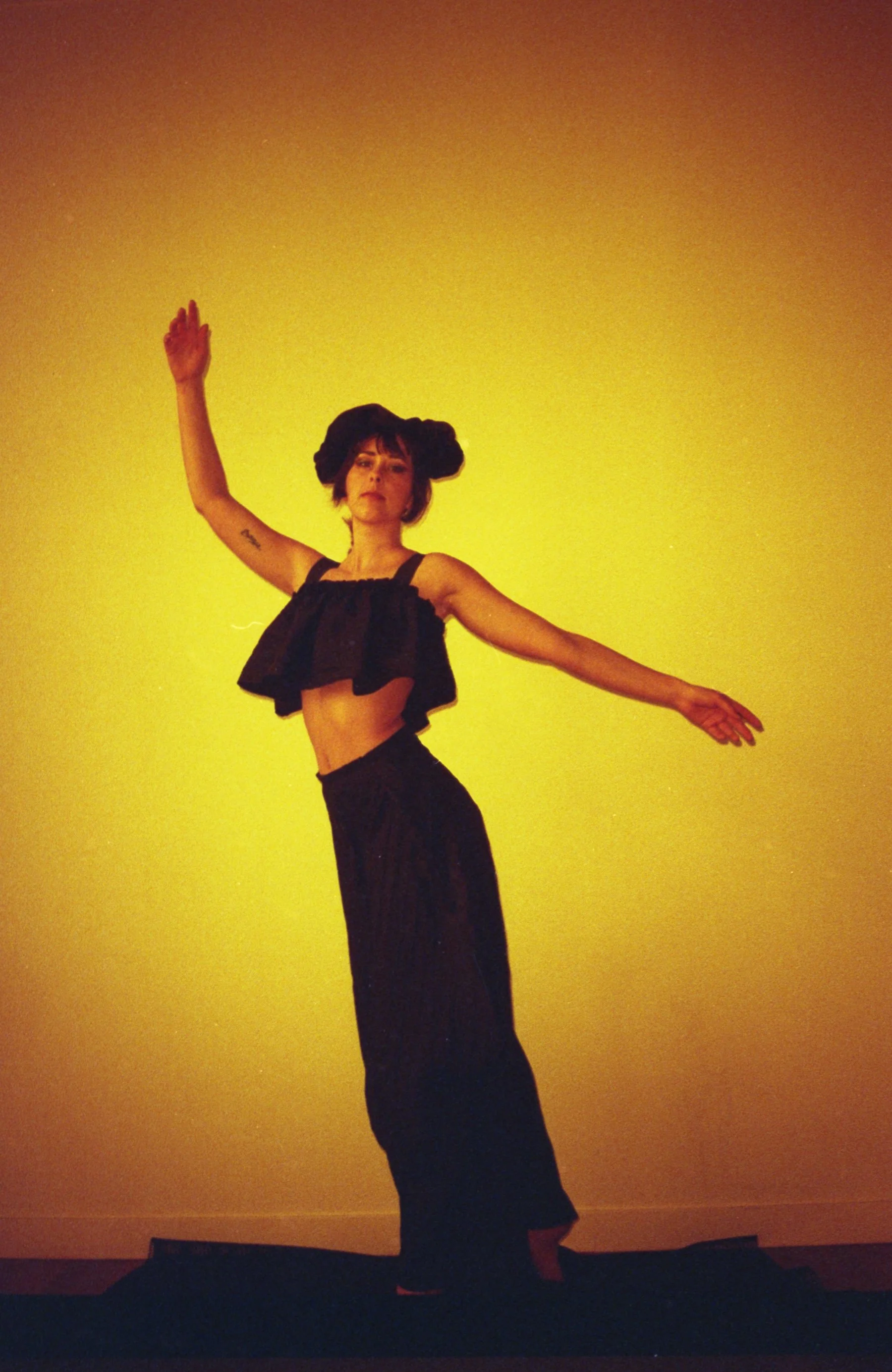
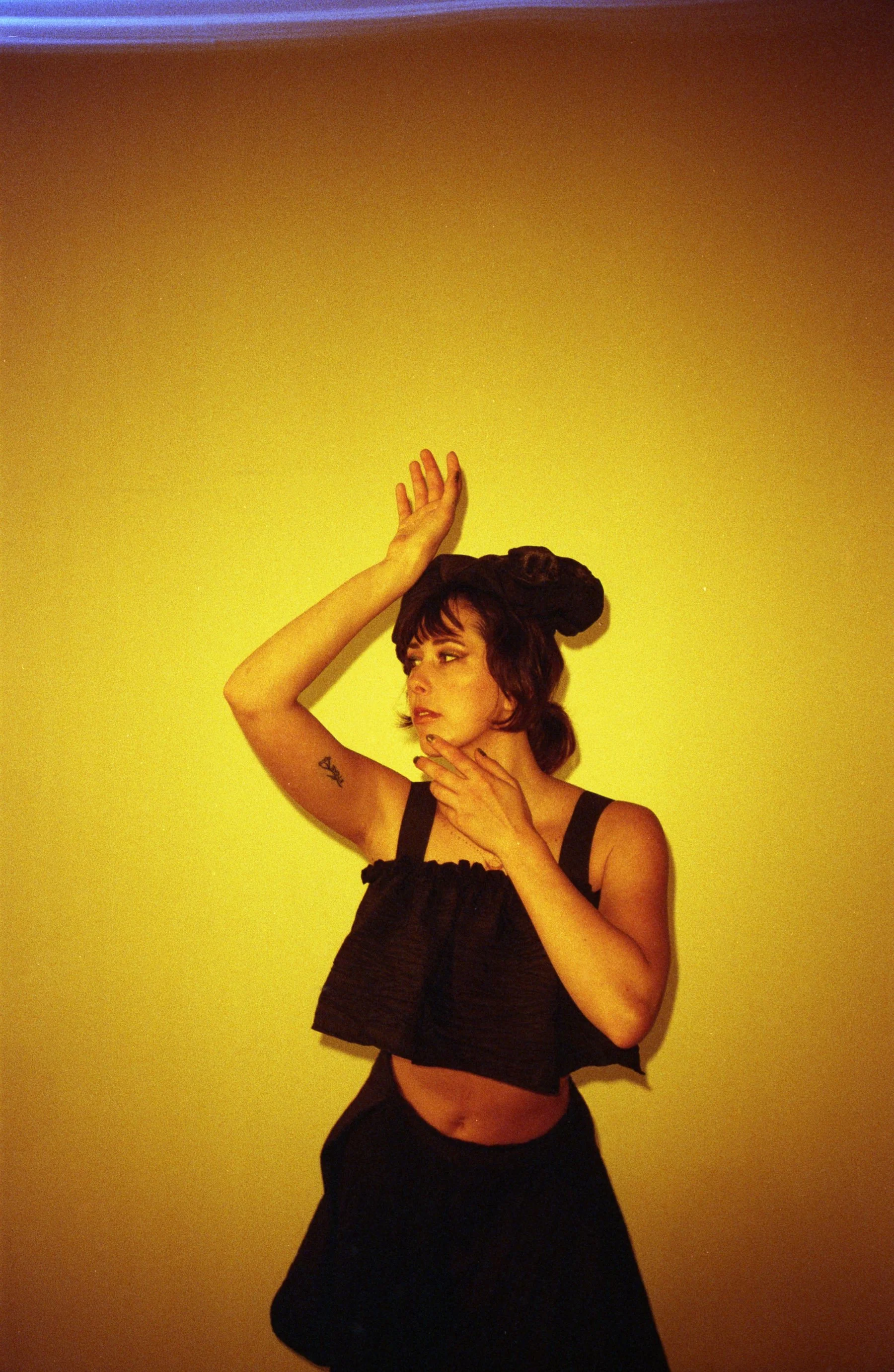
I made a full YouTube video about the Mamiya 645 too if you’re wanting more! In the video, we take a trip to the Oregon Coast and take tons of photos, plus I show you how to load film and take multiple exposures. I also offer my thoughts on the Mamiya 645 vs. the Contax 645. Watch the video below, and then scroll down to see all of the sample photos featured in the video, plus more! 

If you found this post helpful or if you’d like to see more of my work, I’d love it if you considered signing up for my Patreon! For as little as $1 a month, you’ll get early access to all of my YouTube videos, plus tons of photos that I don’t post anywhere else. Depending on which tier you choose, you could also receive seasonal prints and/or discounts! I always use all of the proceeds towards cameras, film & processing. Find out more here!

If you have any questions, I’m always happy to help! You can contact me here, or leave a comment below! Thanks so much for stopping by! You can also check out my B&H Photo storefront & Amazon Storefront for more camera/film recommendations. :) Have a magical day!

<3 Myles Katherine