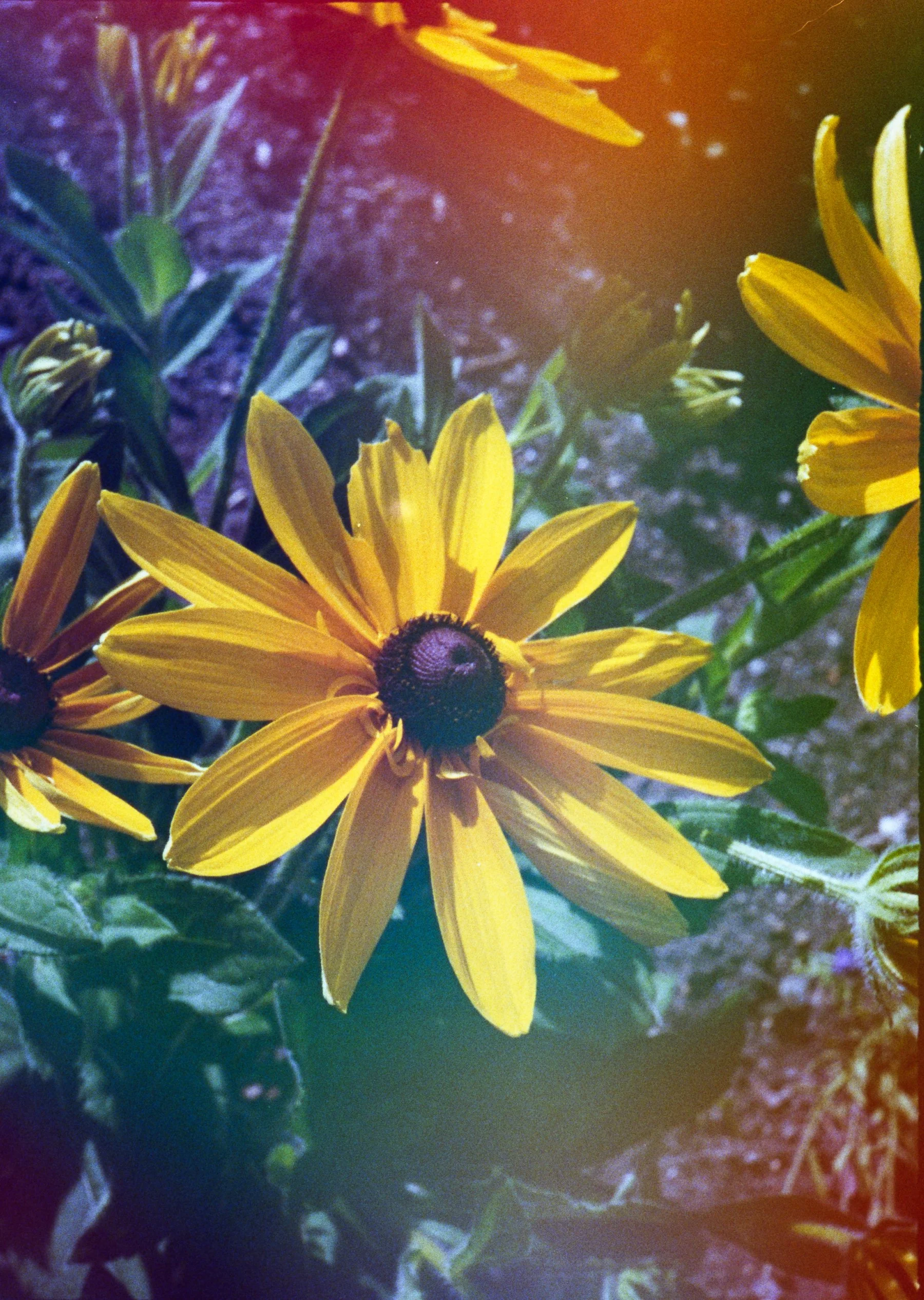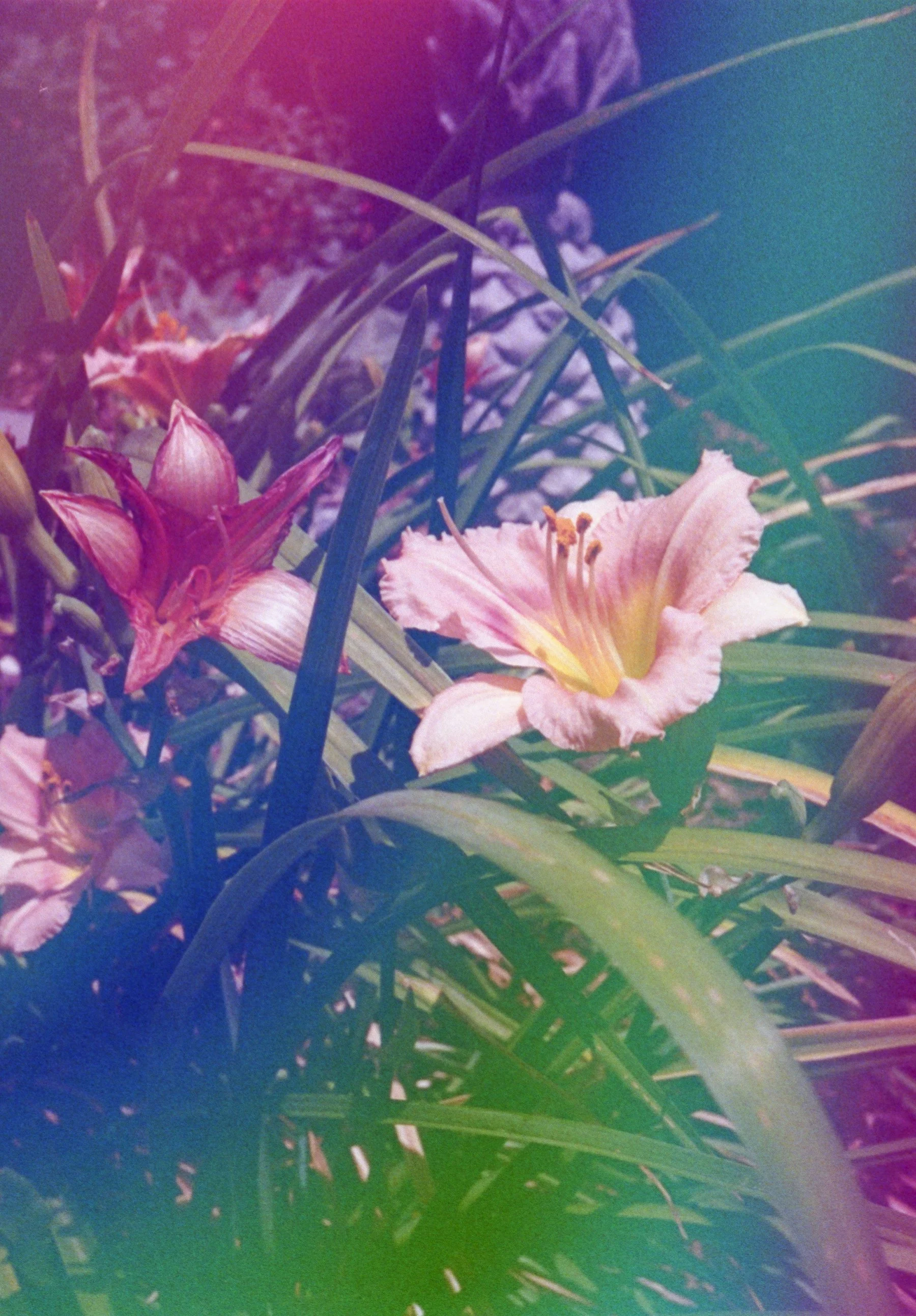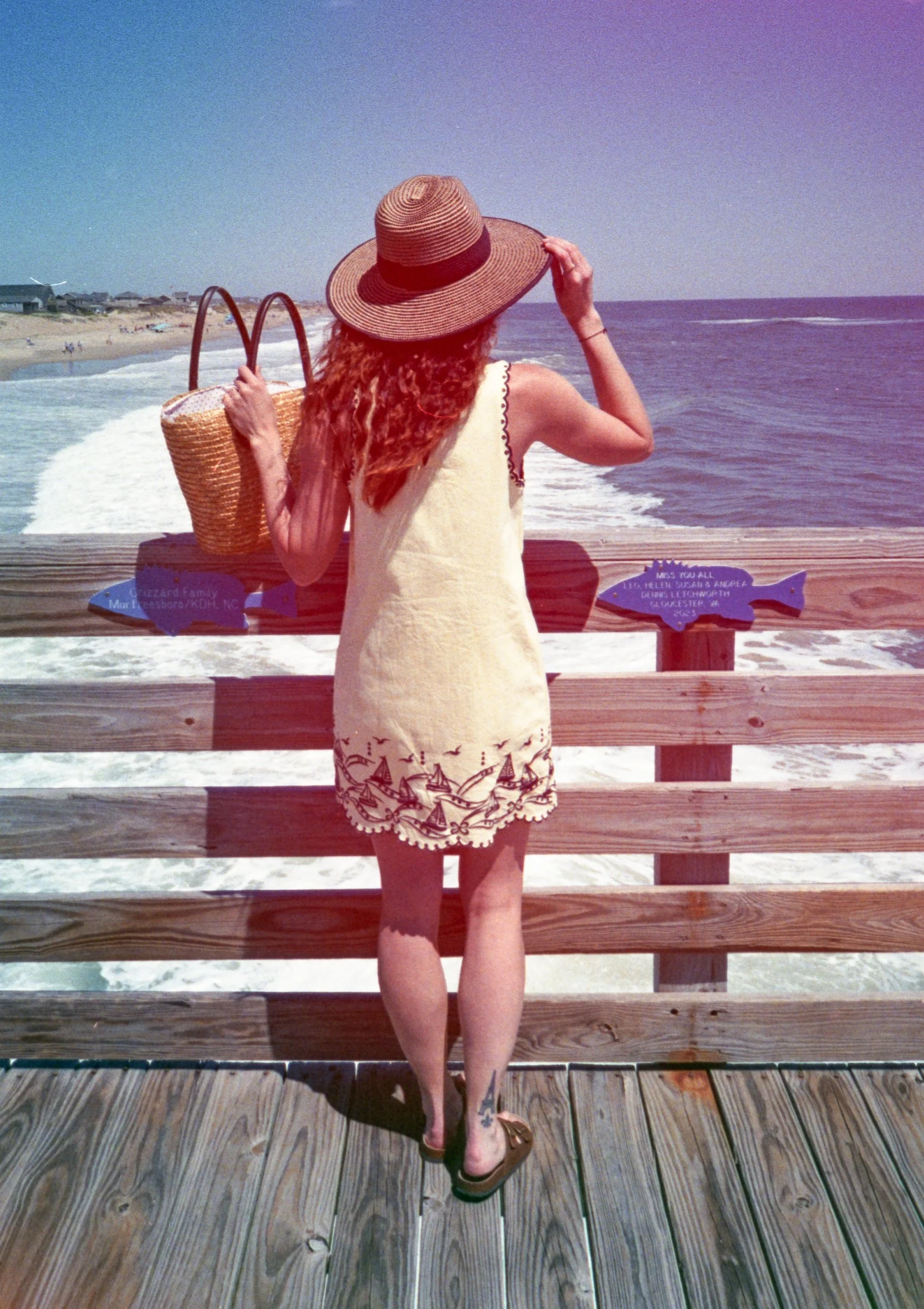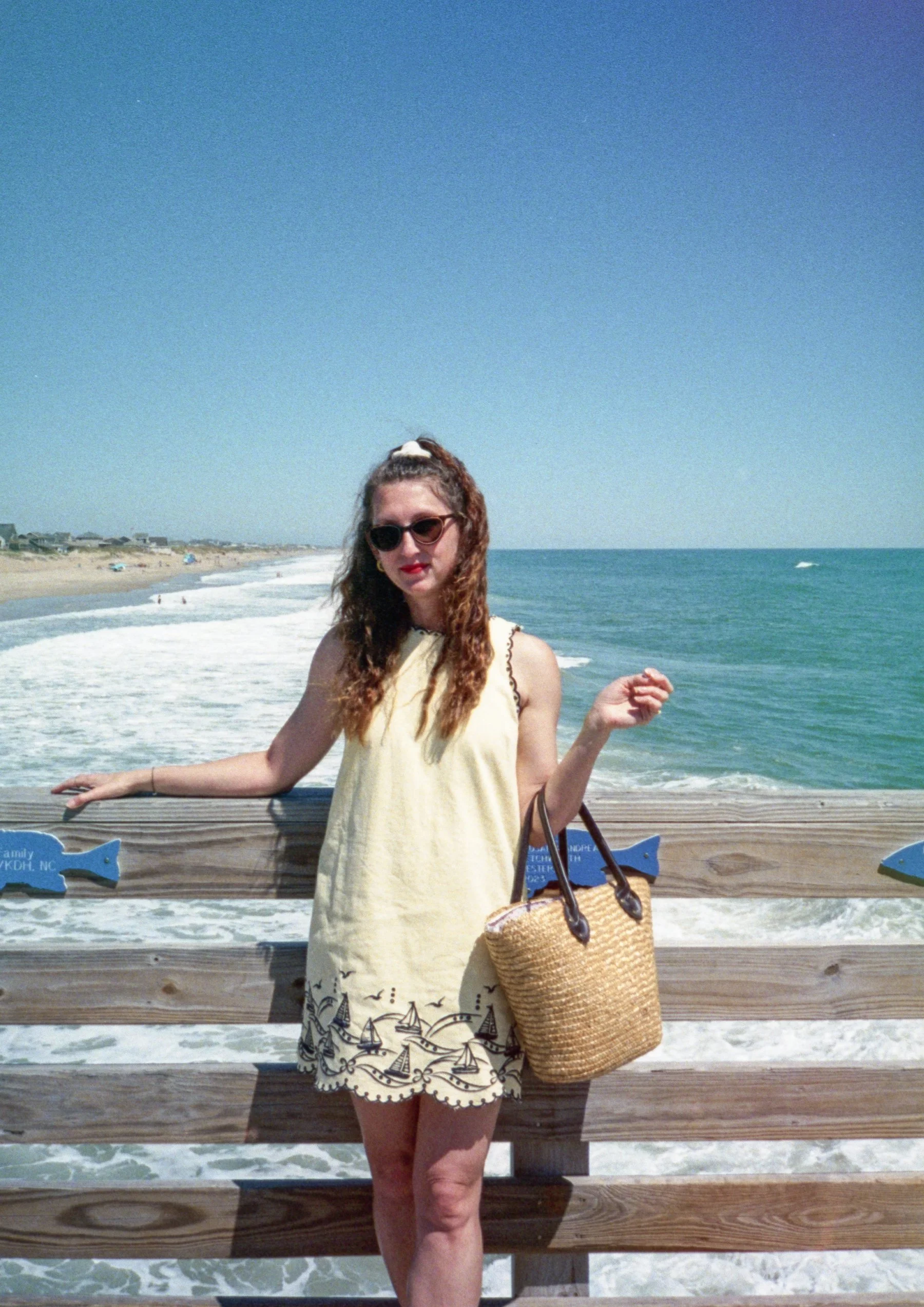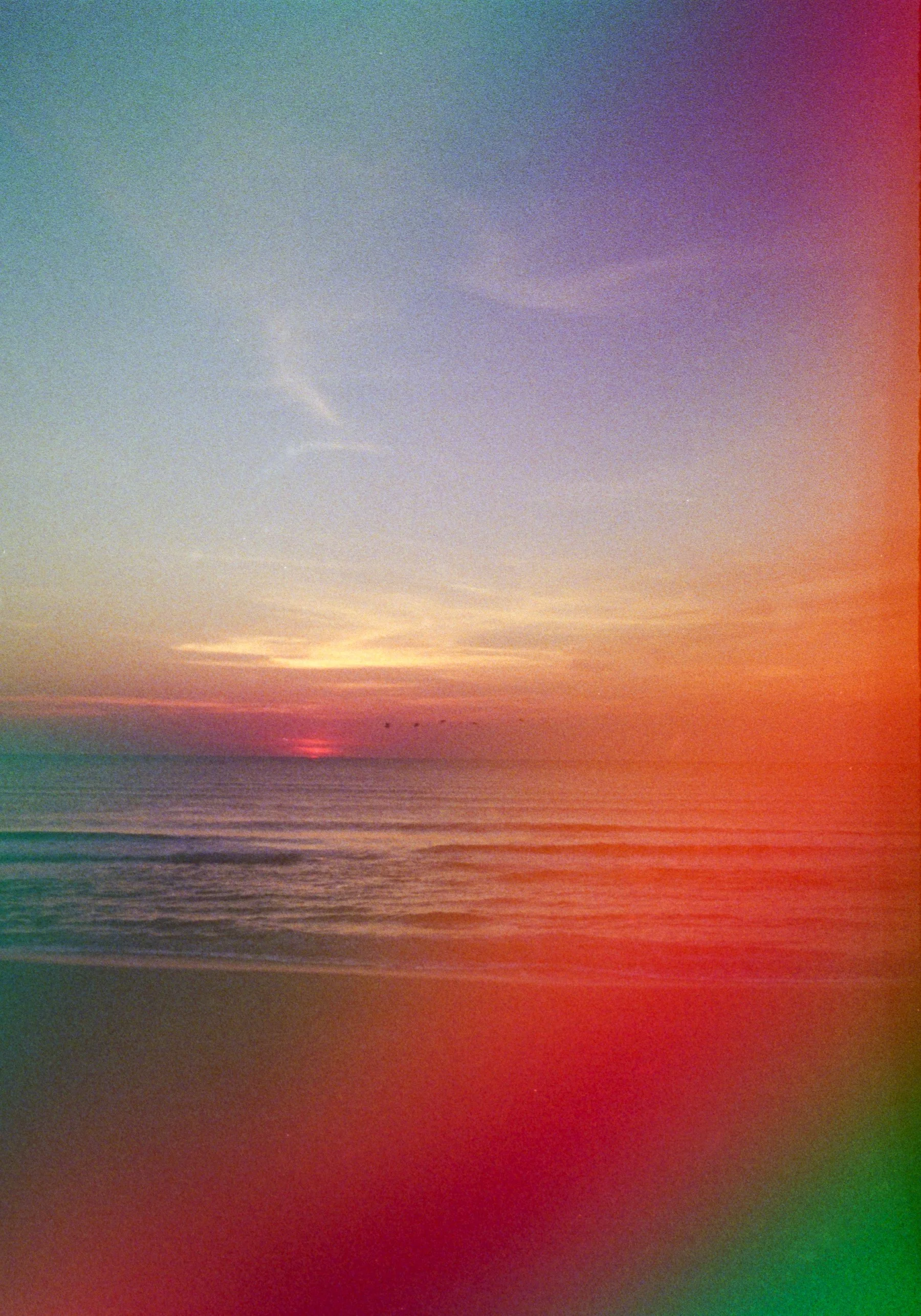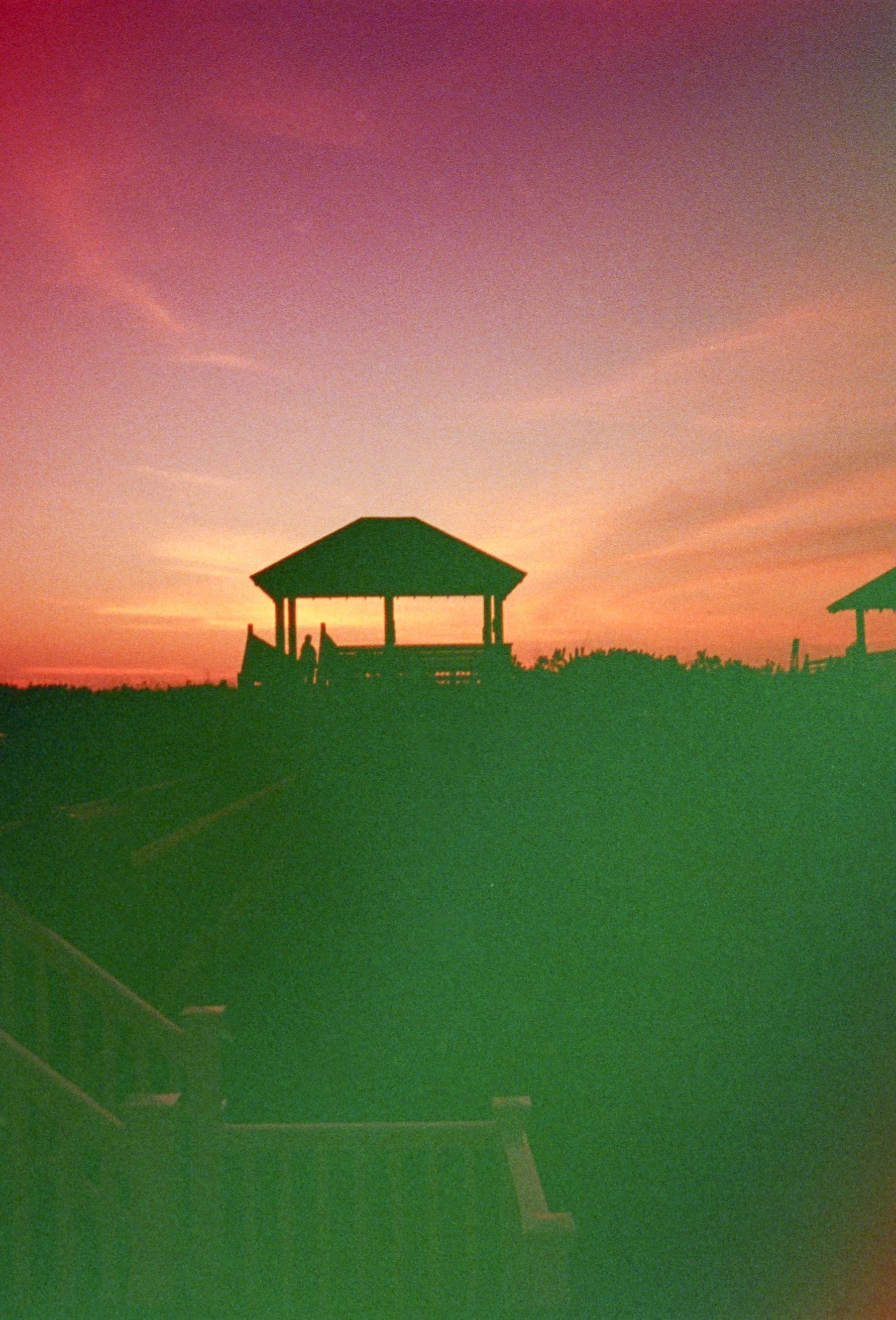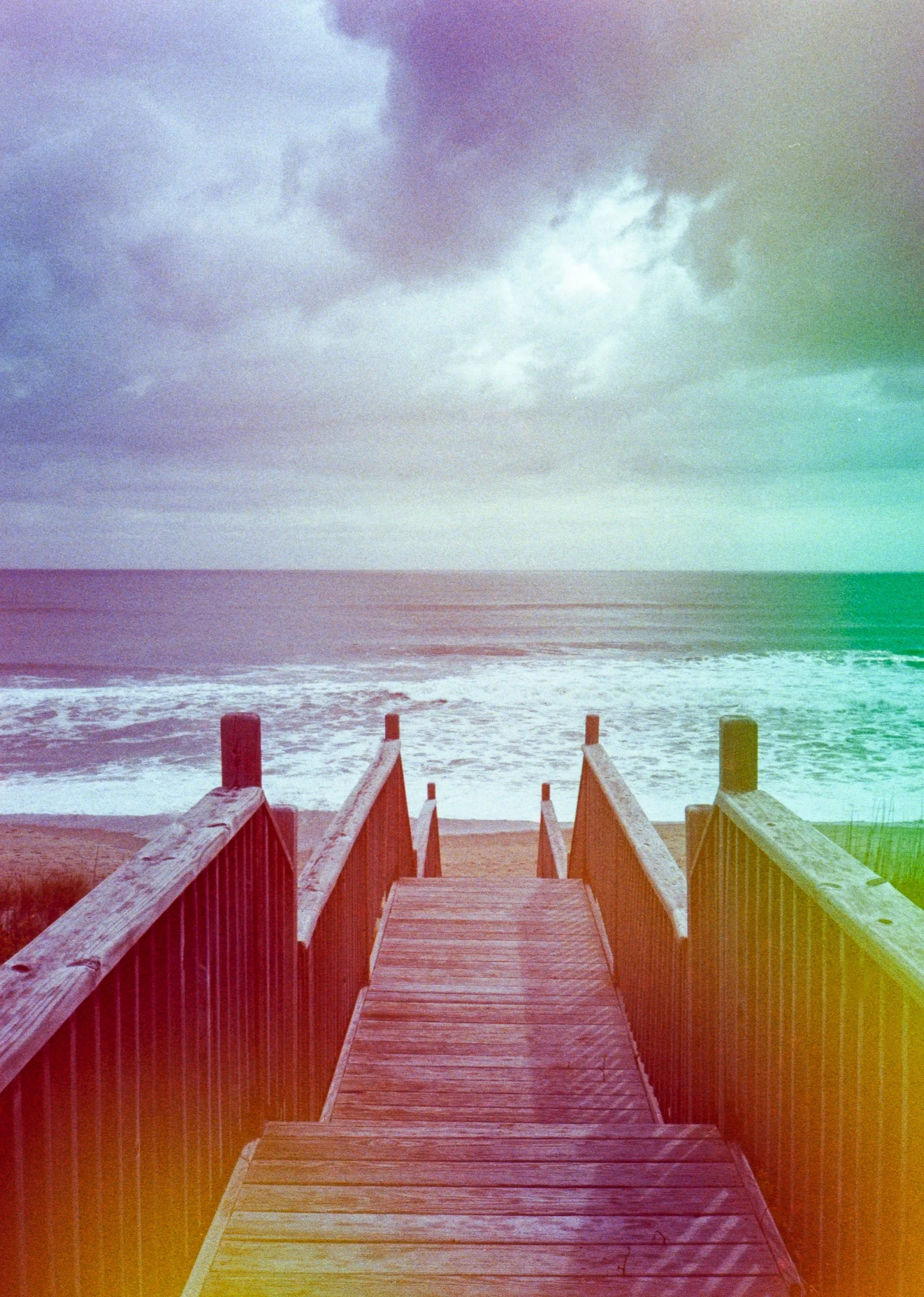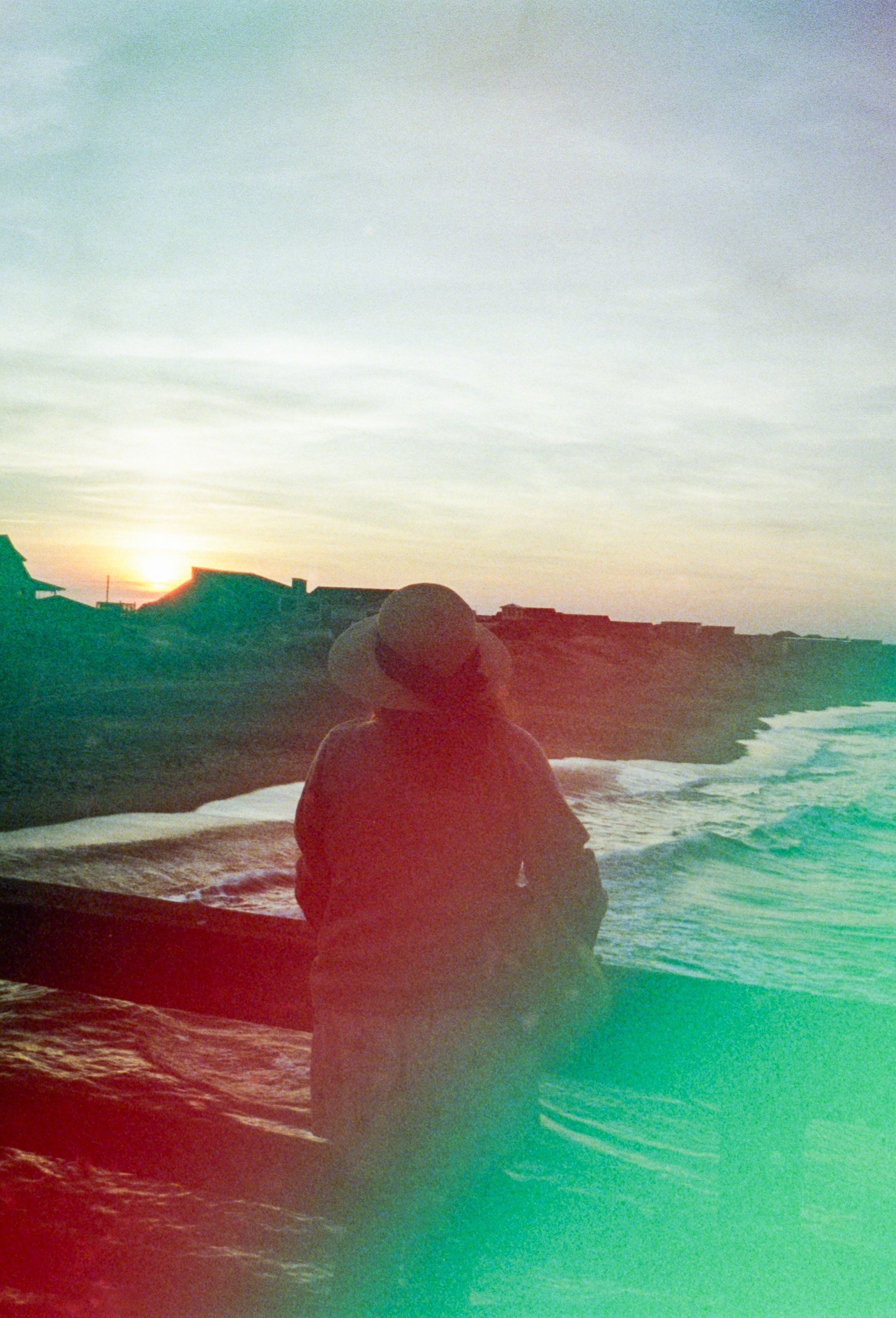
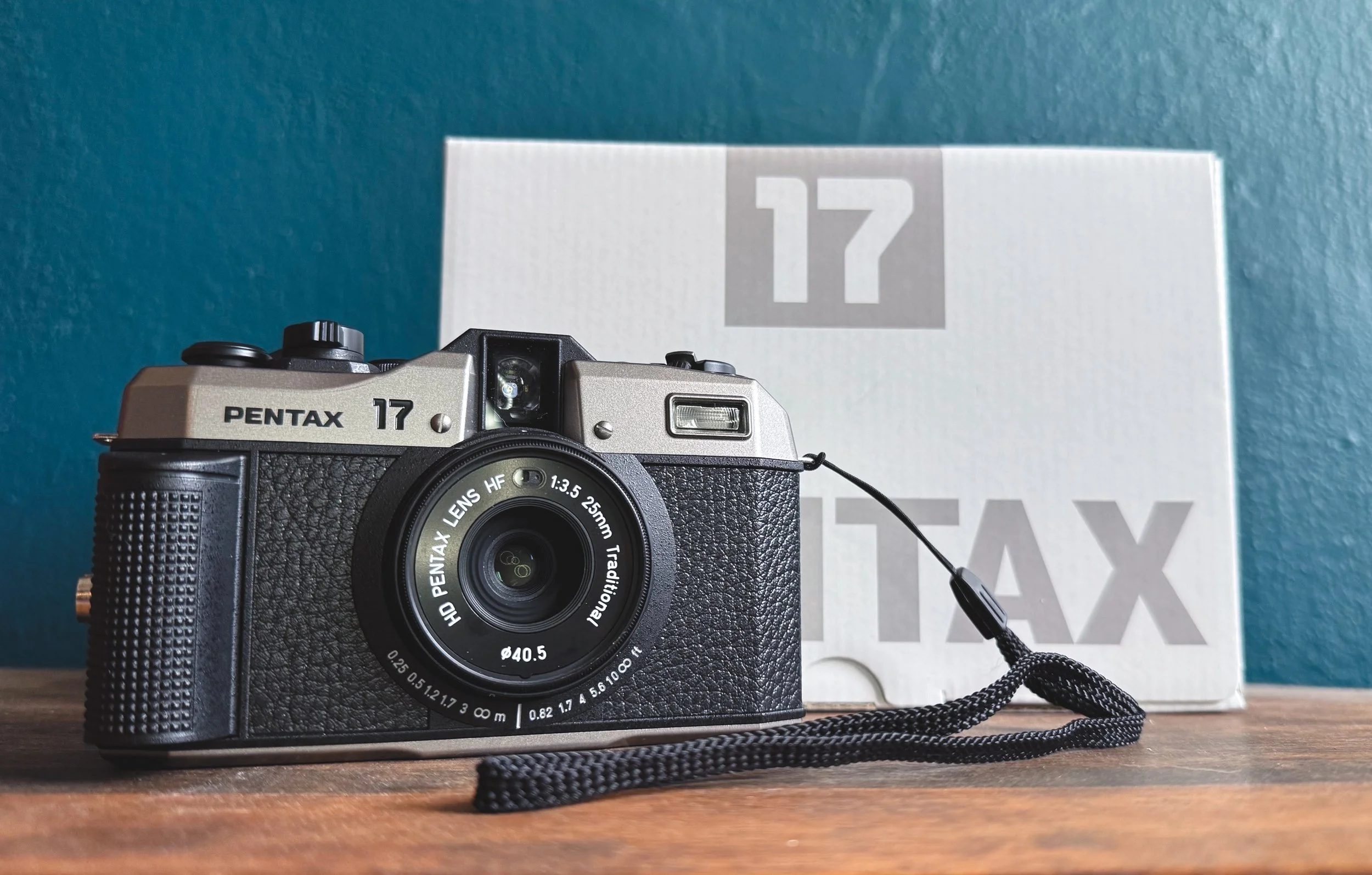
The first time I saw the Pentax 17 was at the B&H Bild Expo in New York City. I was immediately interested because it’s not very often that you see a new film camera being manufactured by such a popular company. The only other company that I can think of that creates new film cameras is Lomography. The world has become so inundated with digital cameras and it’s disheartening to know that eventually all of the vintage film cameras will stop working and film photography will slowly die (though I sure hope not)! But that’s why the Pentax 17 is so exciting!
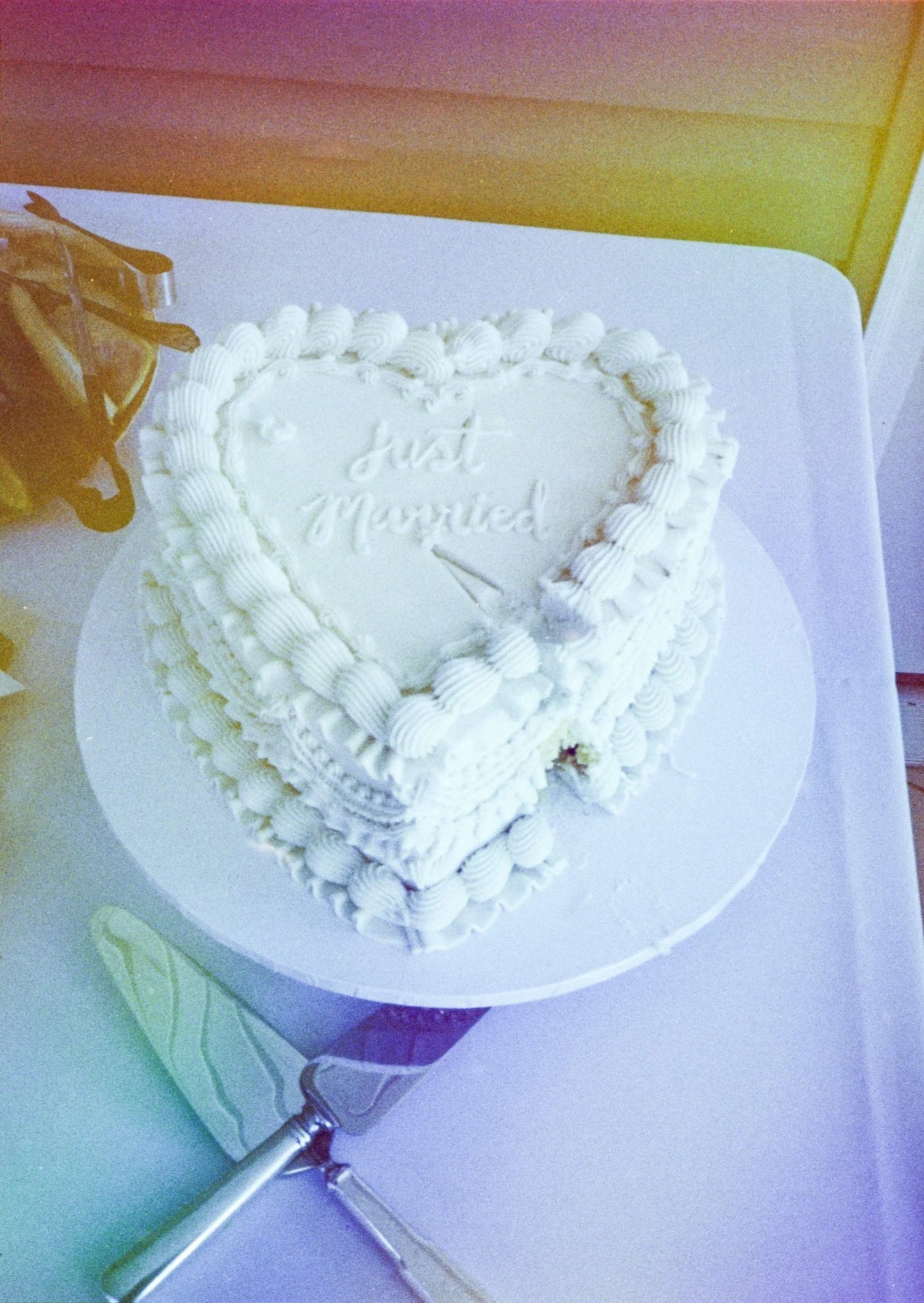
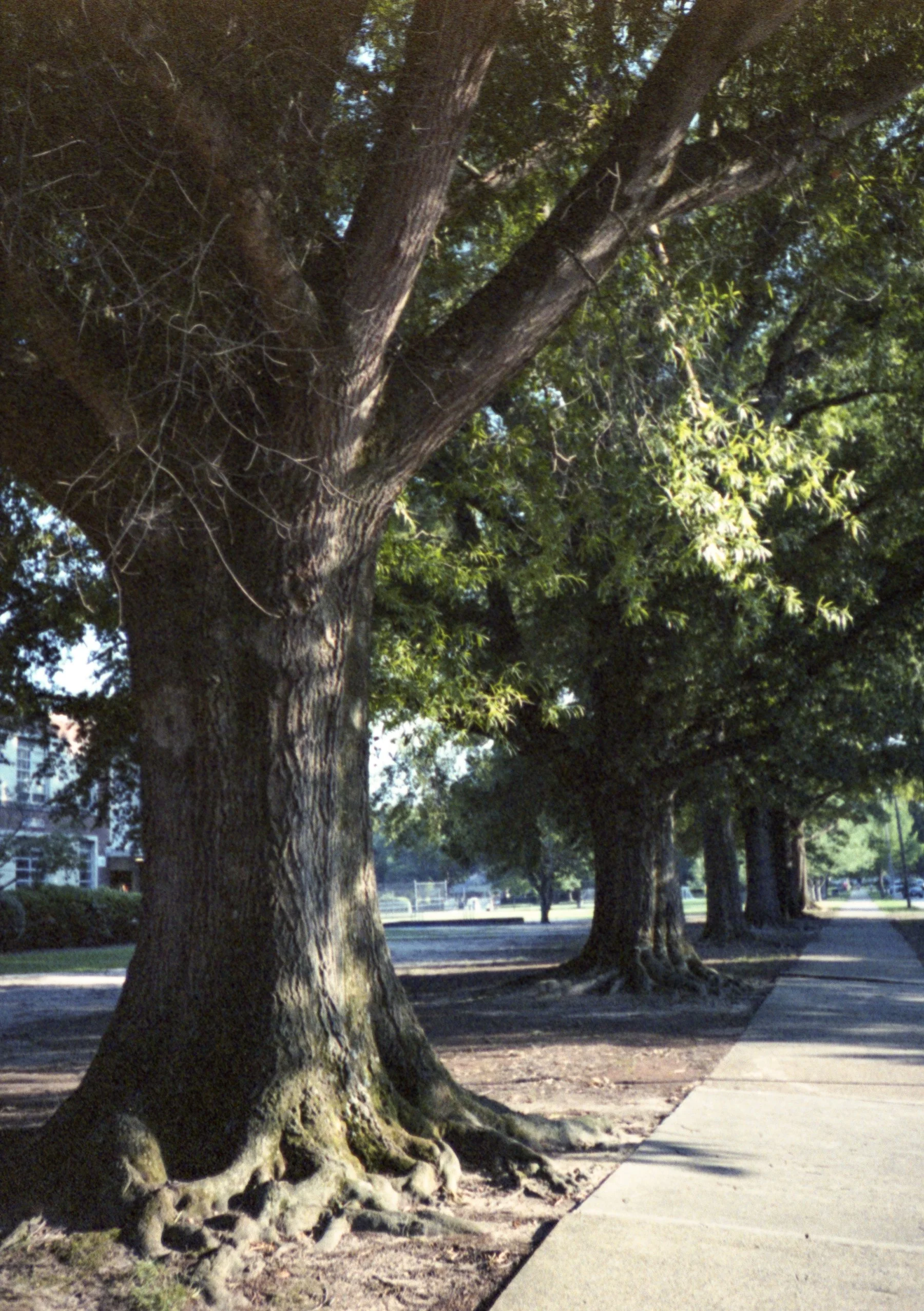
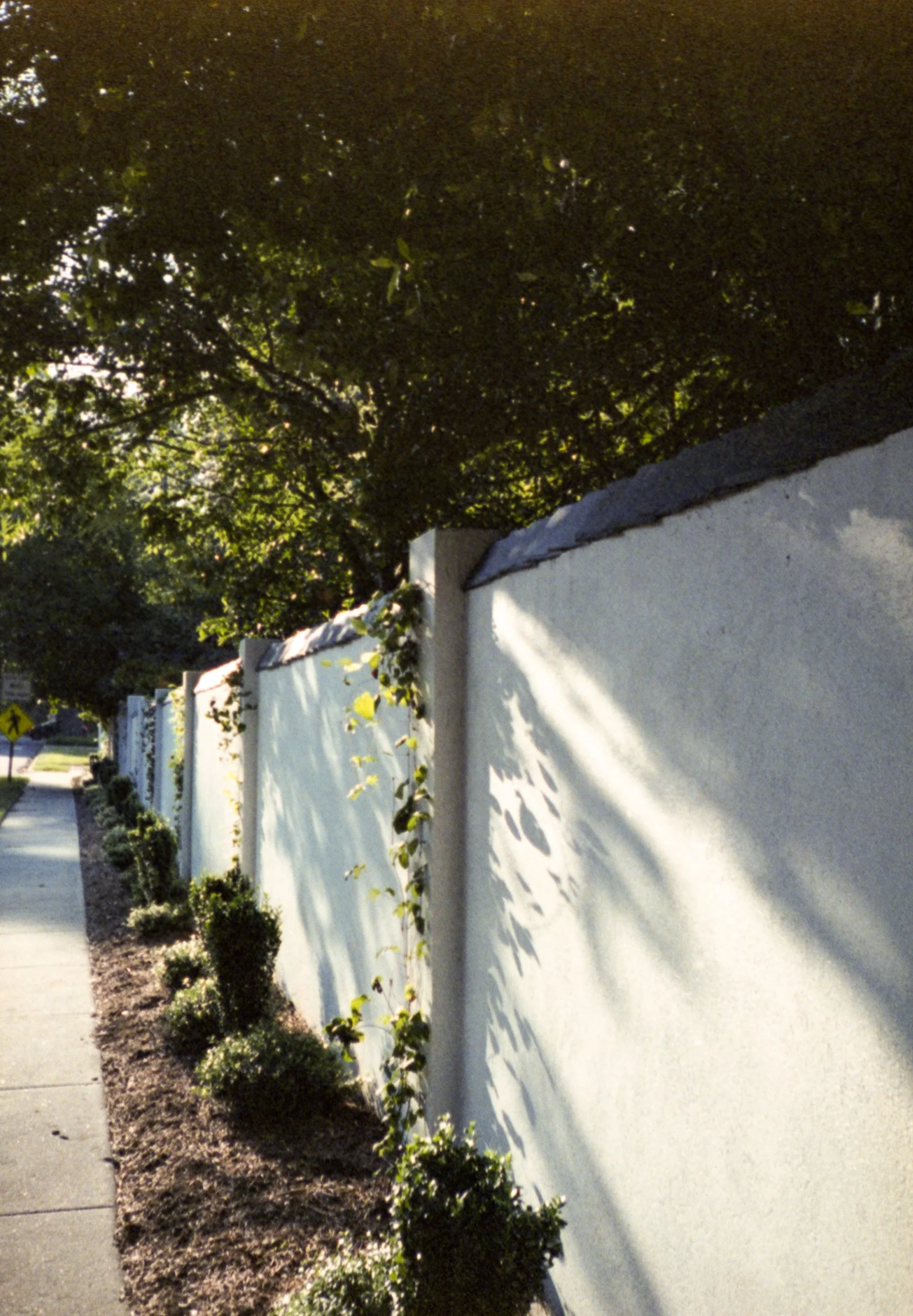
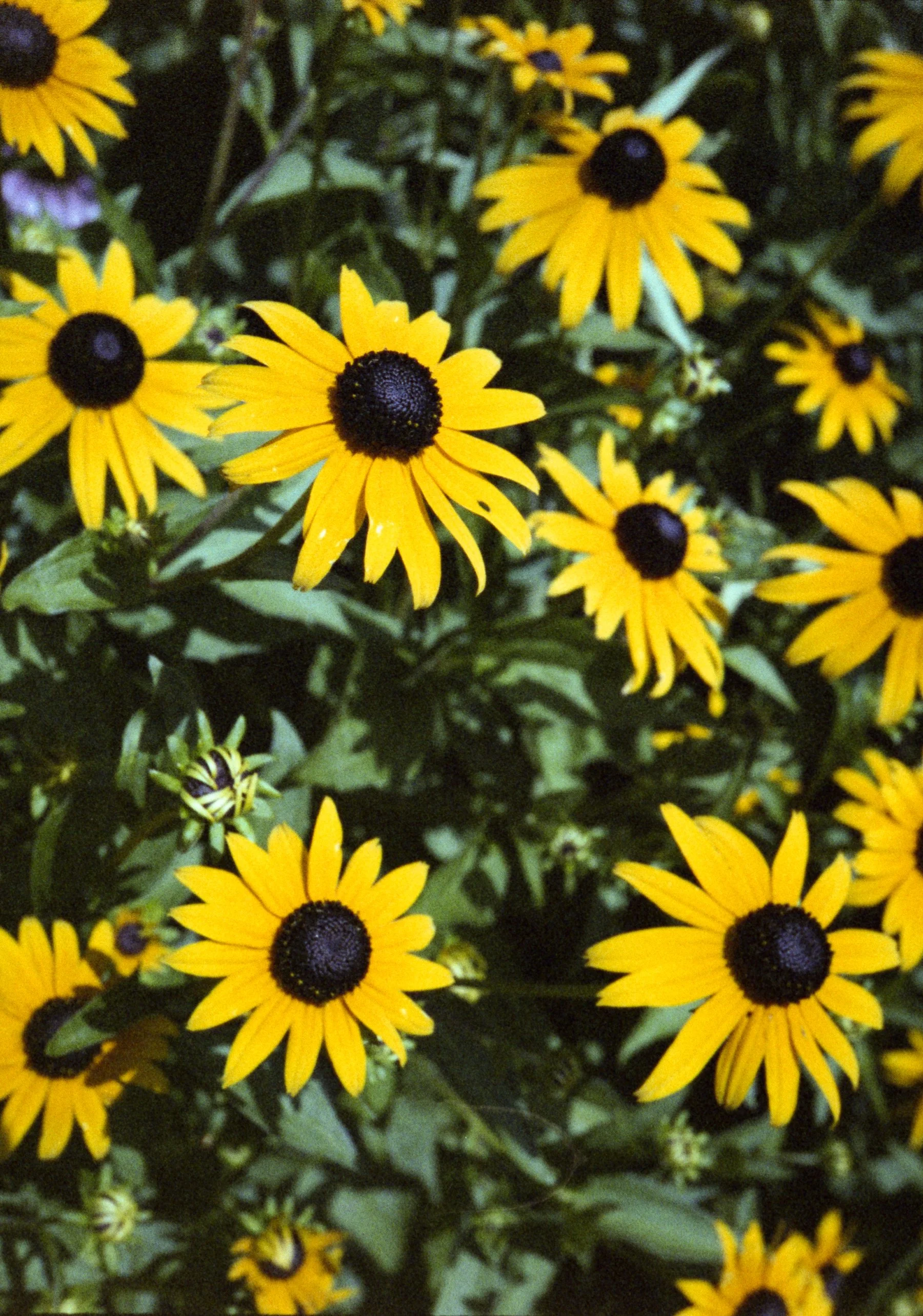
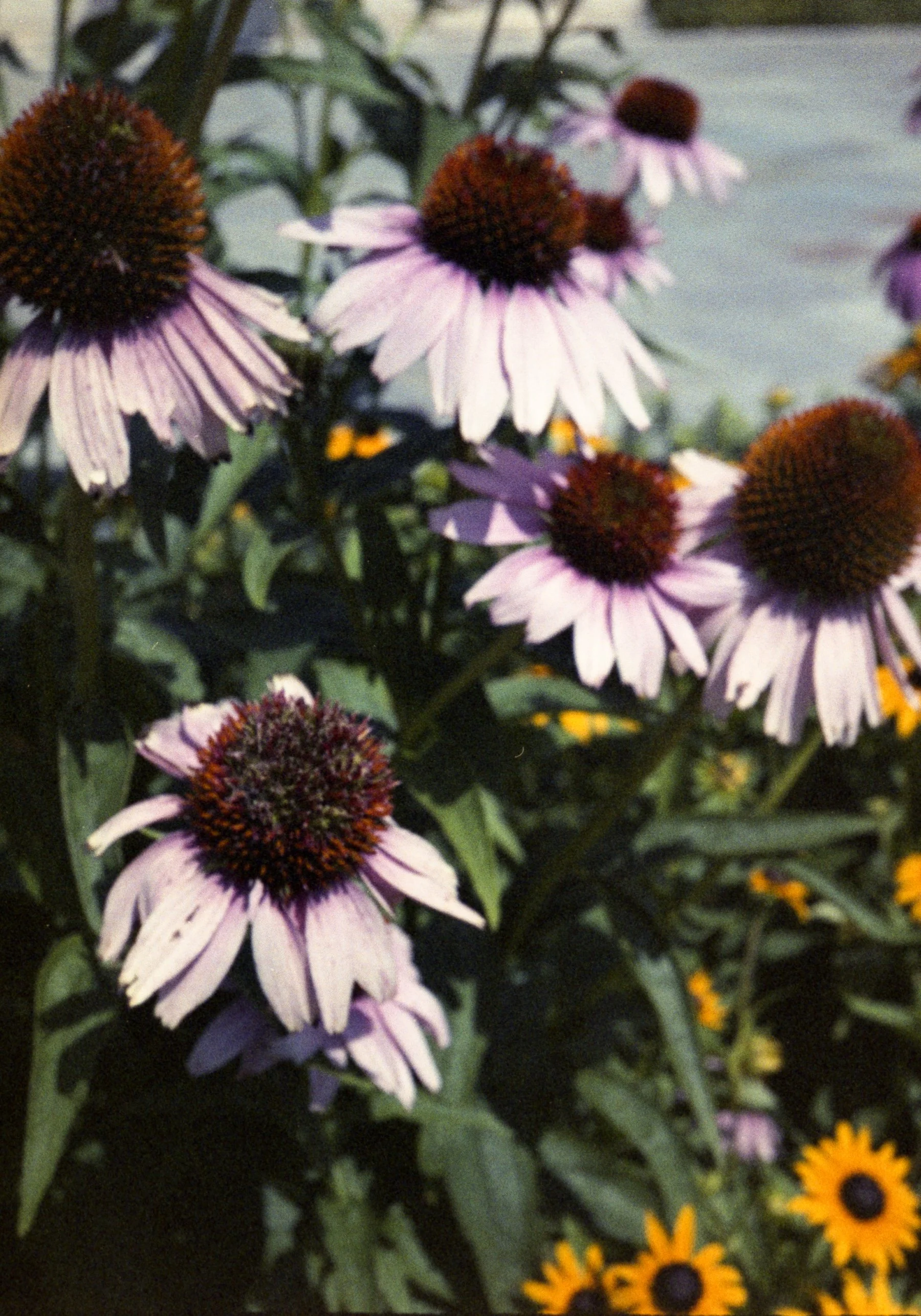
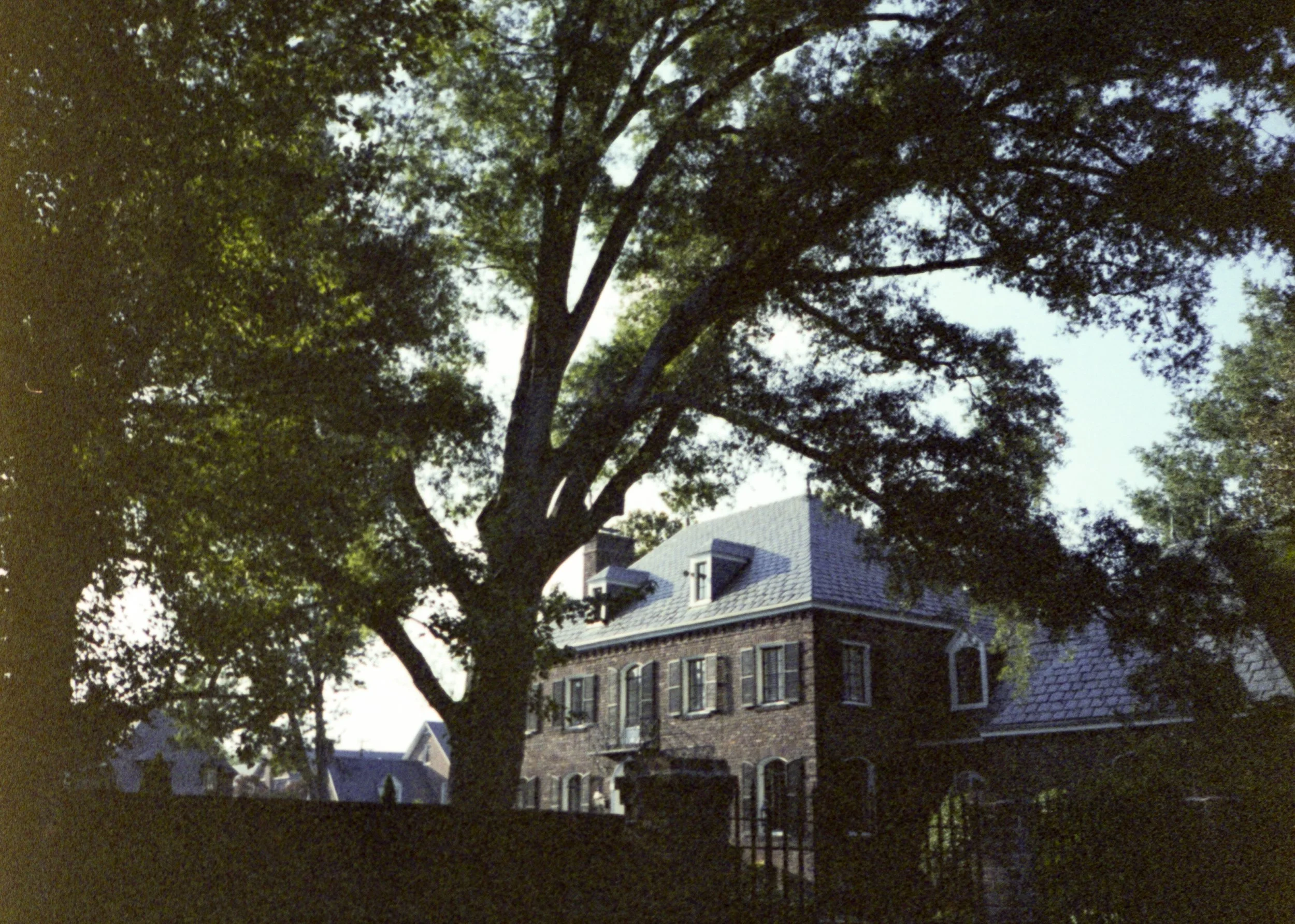
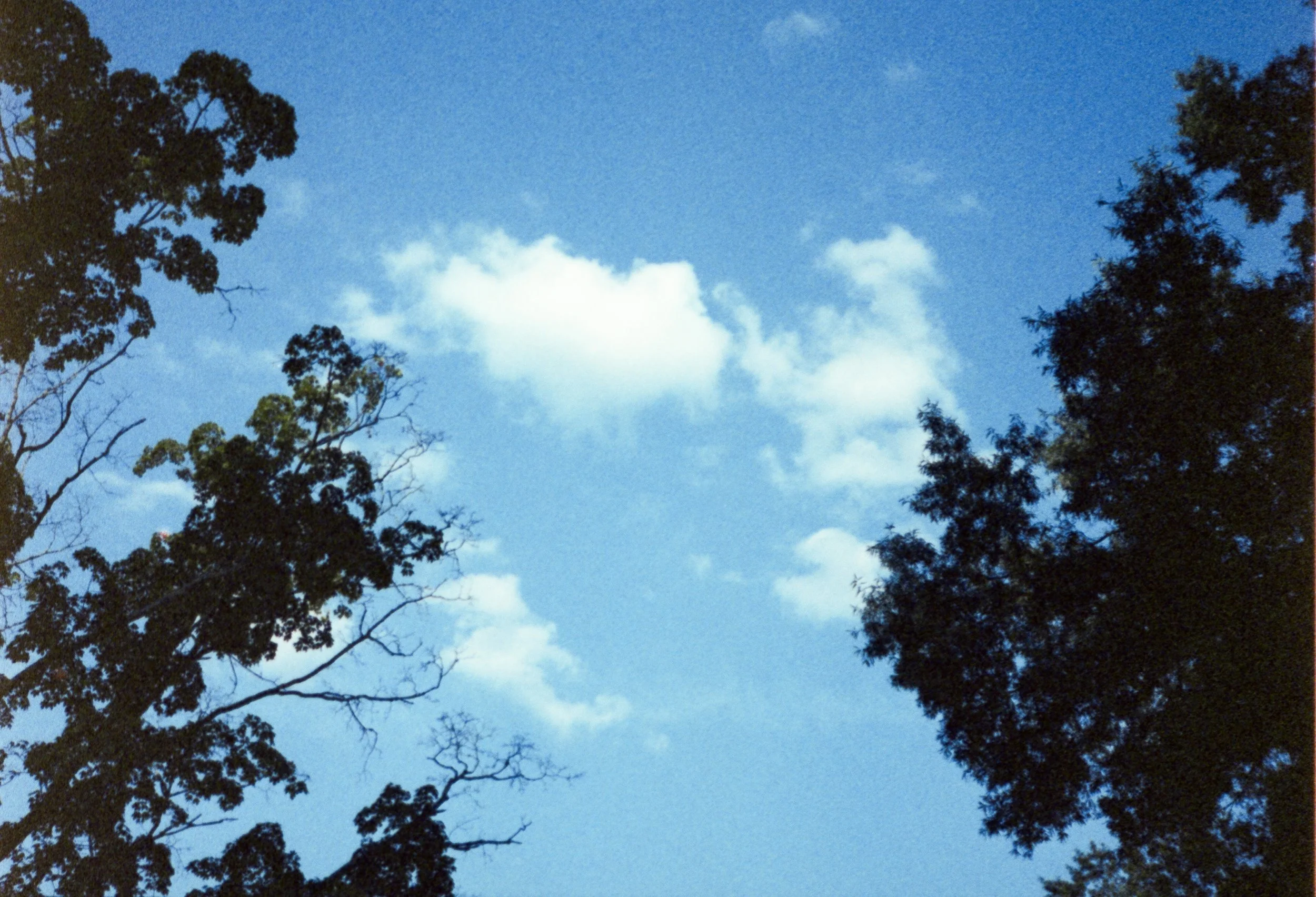
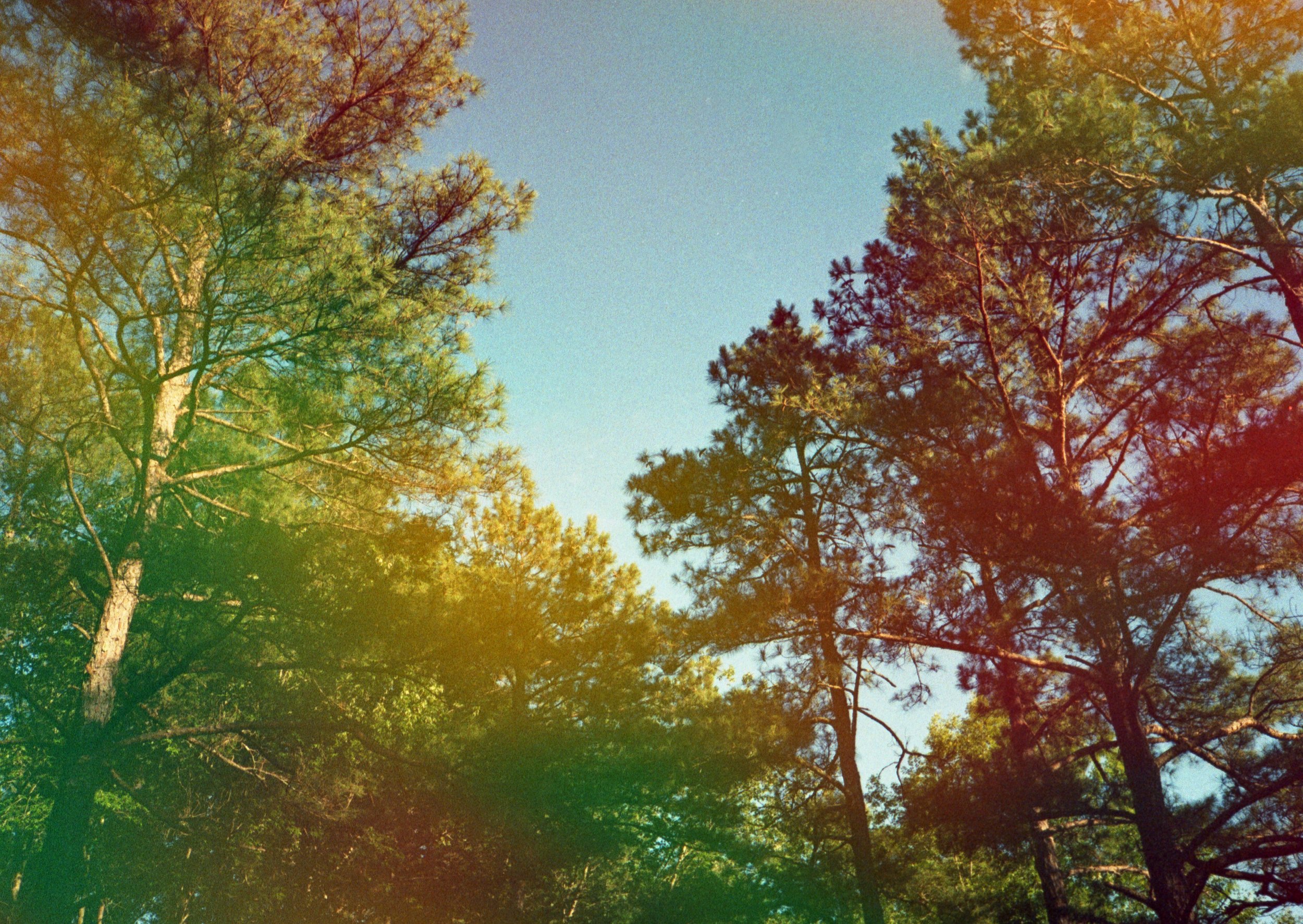
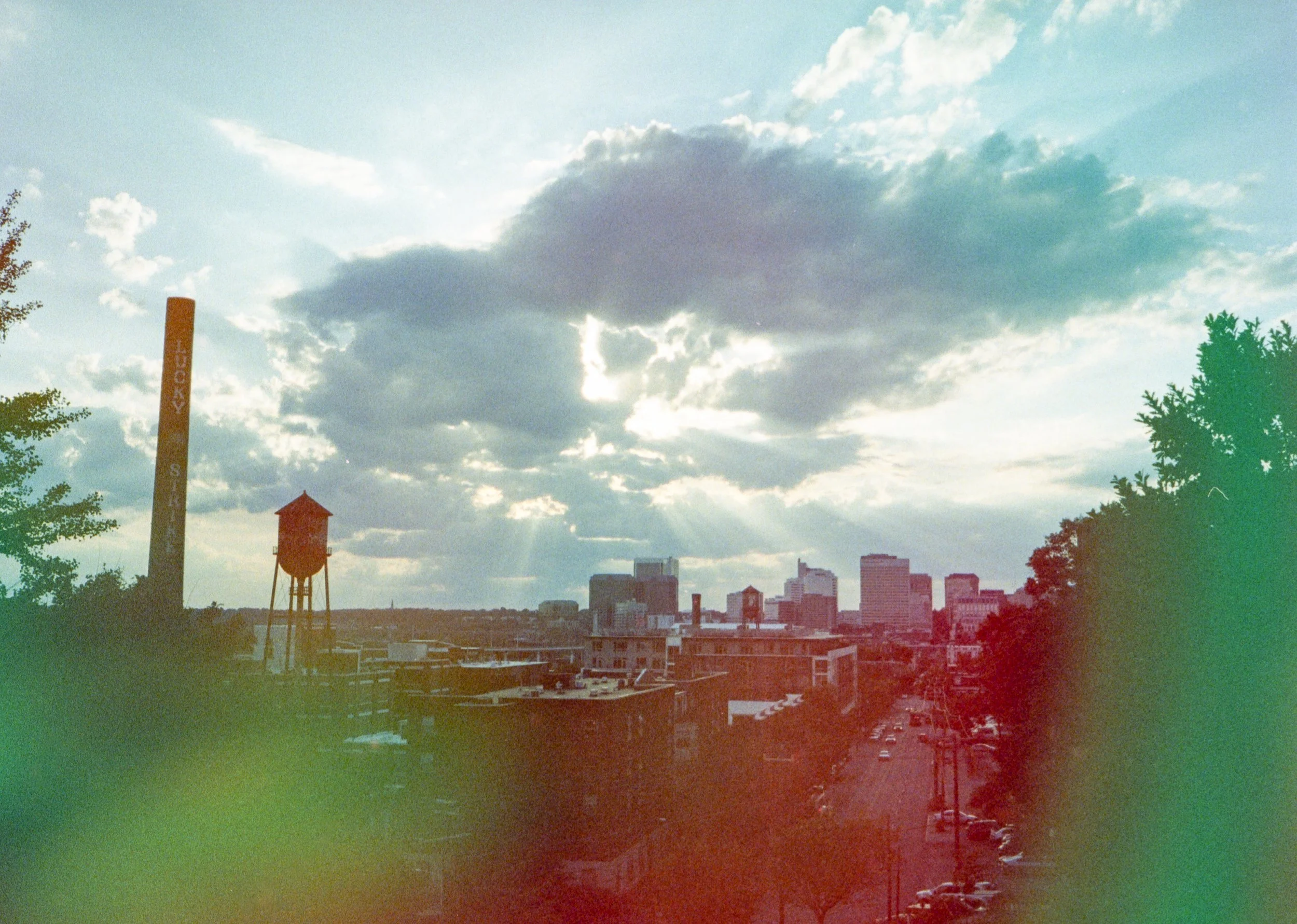
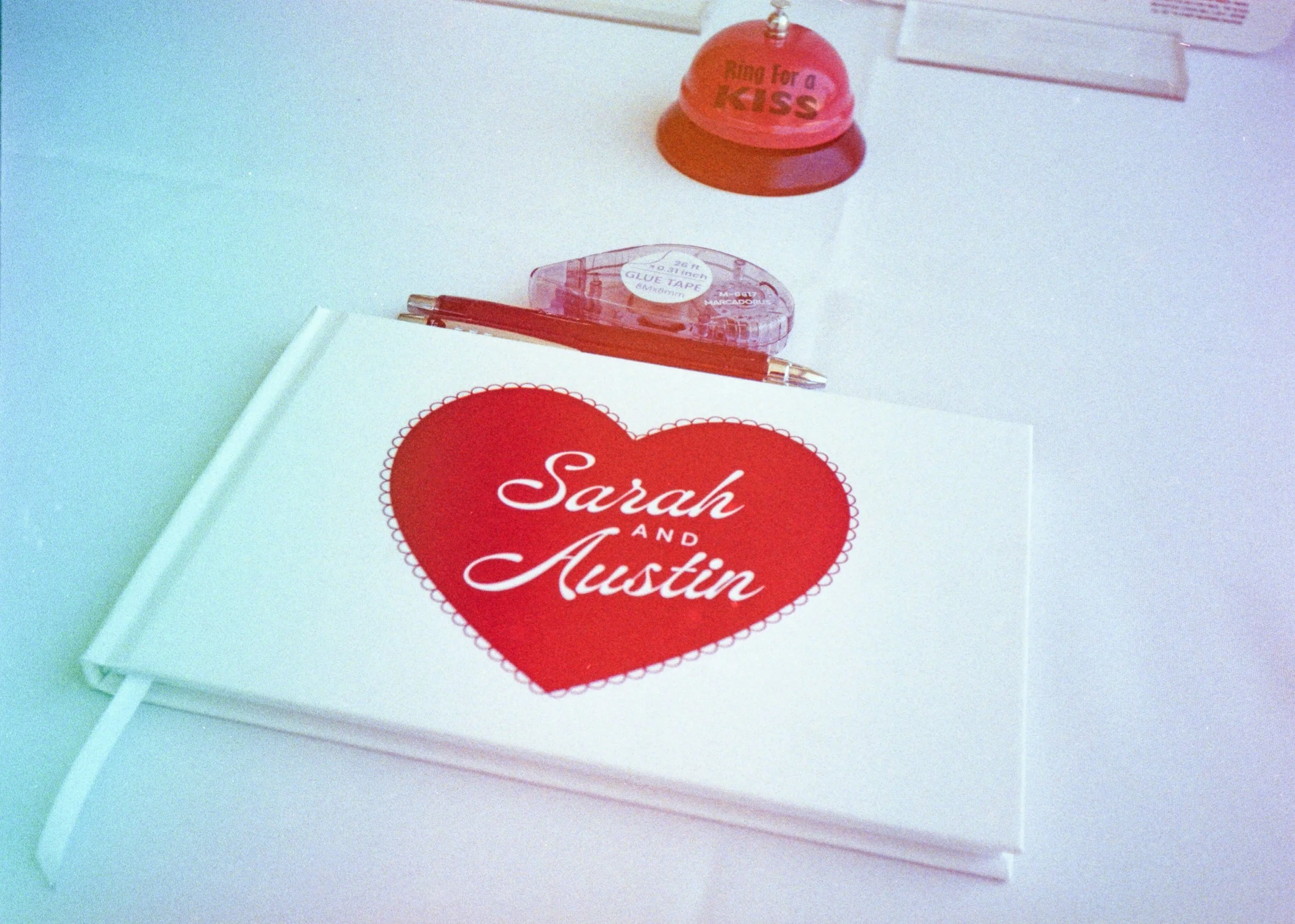
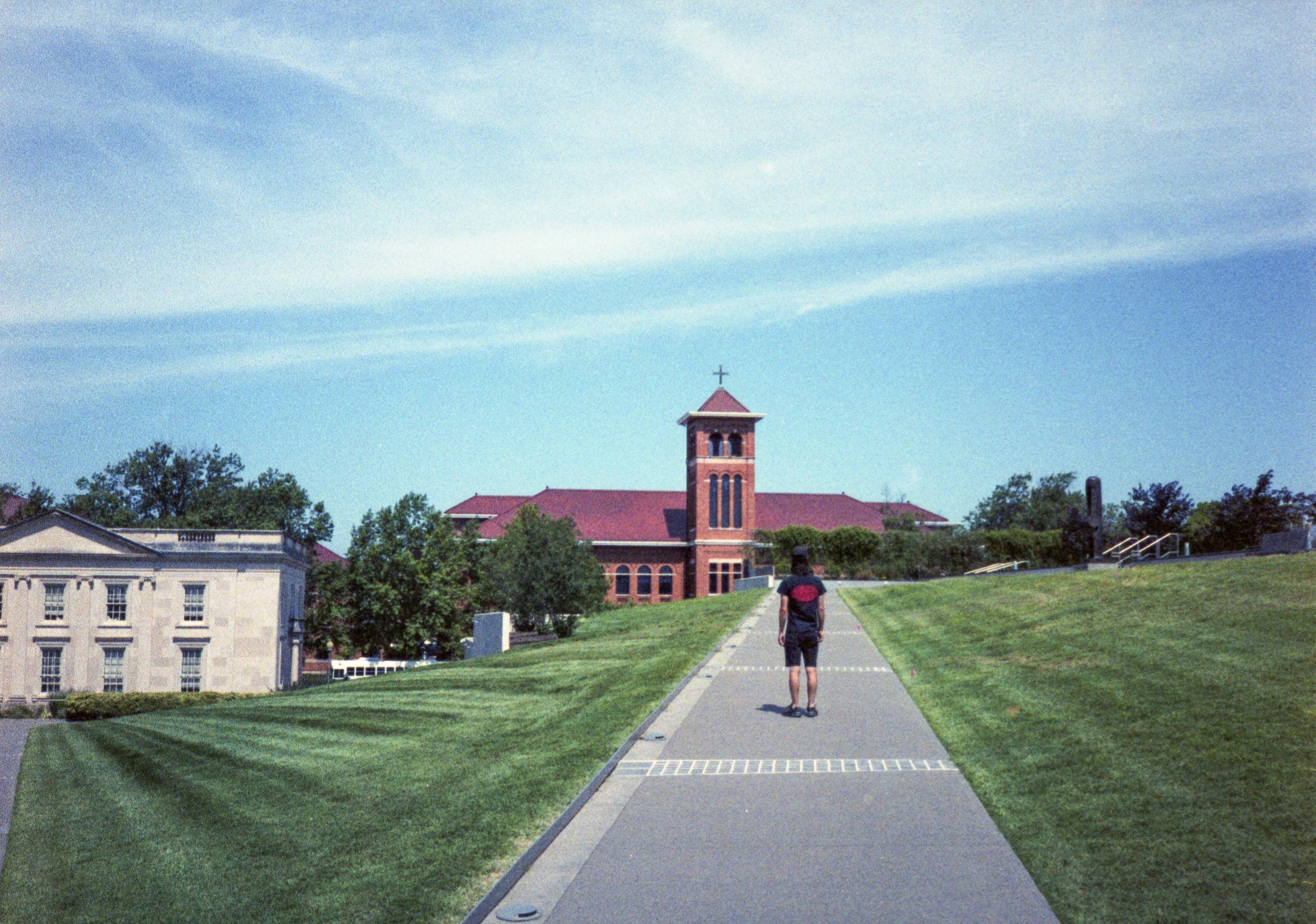
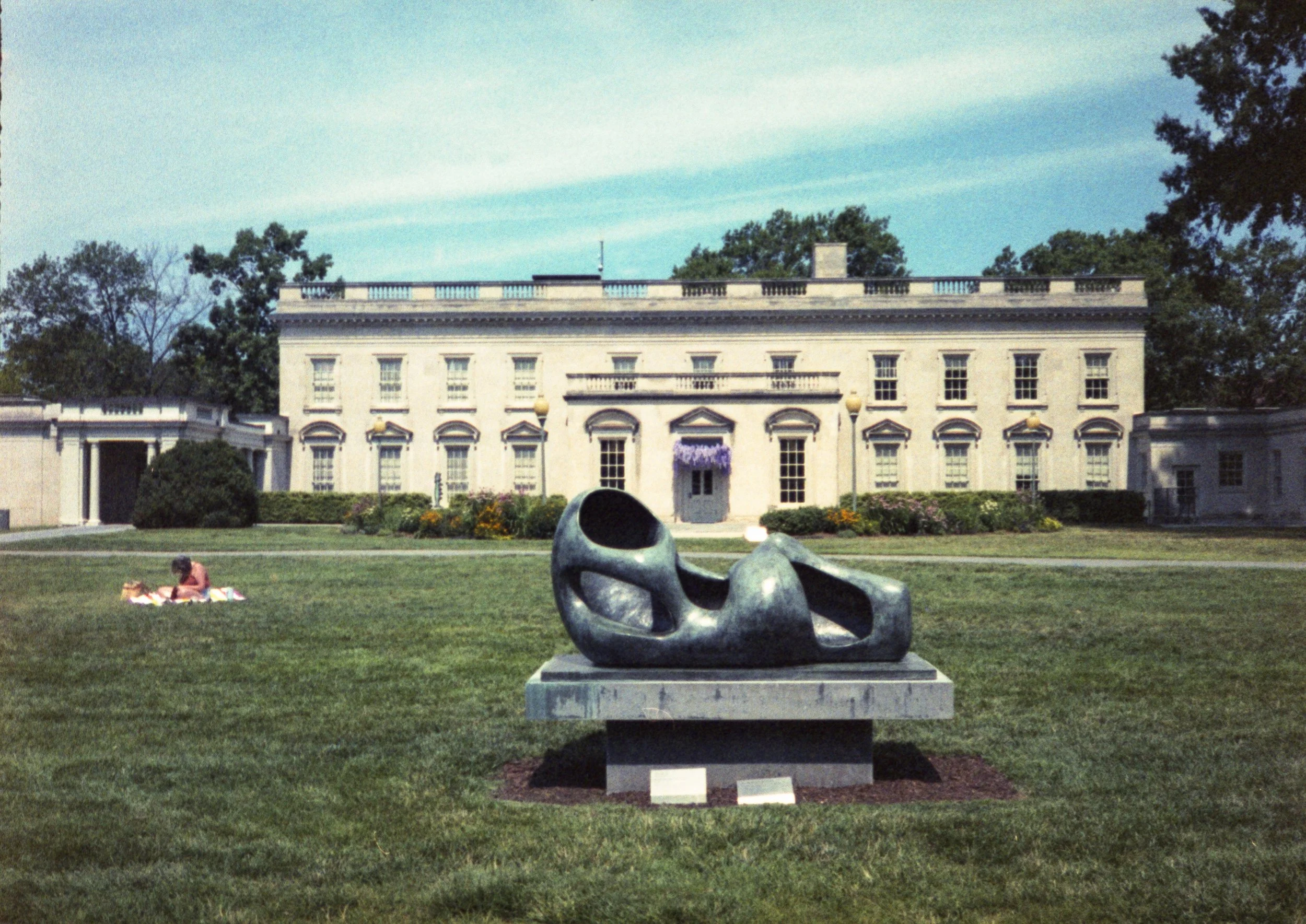
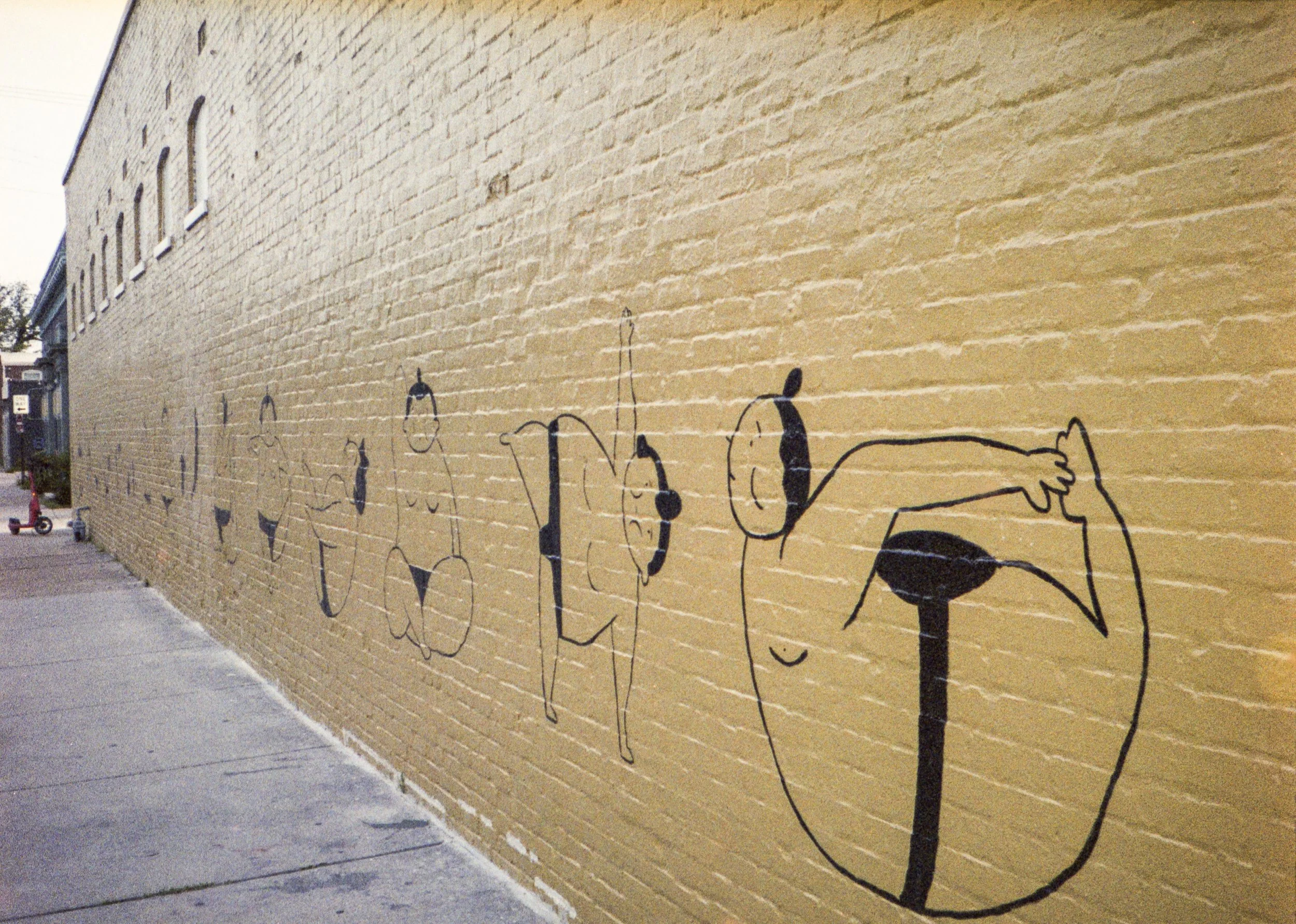
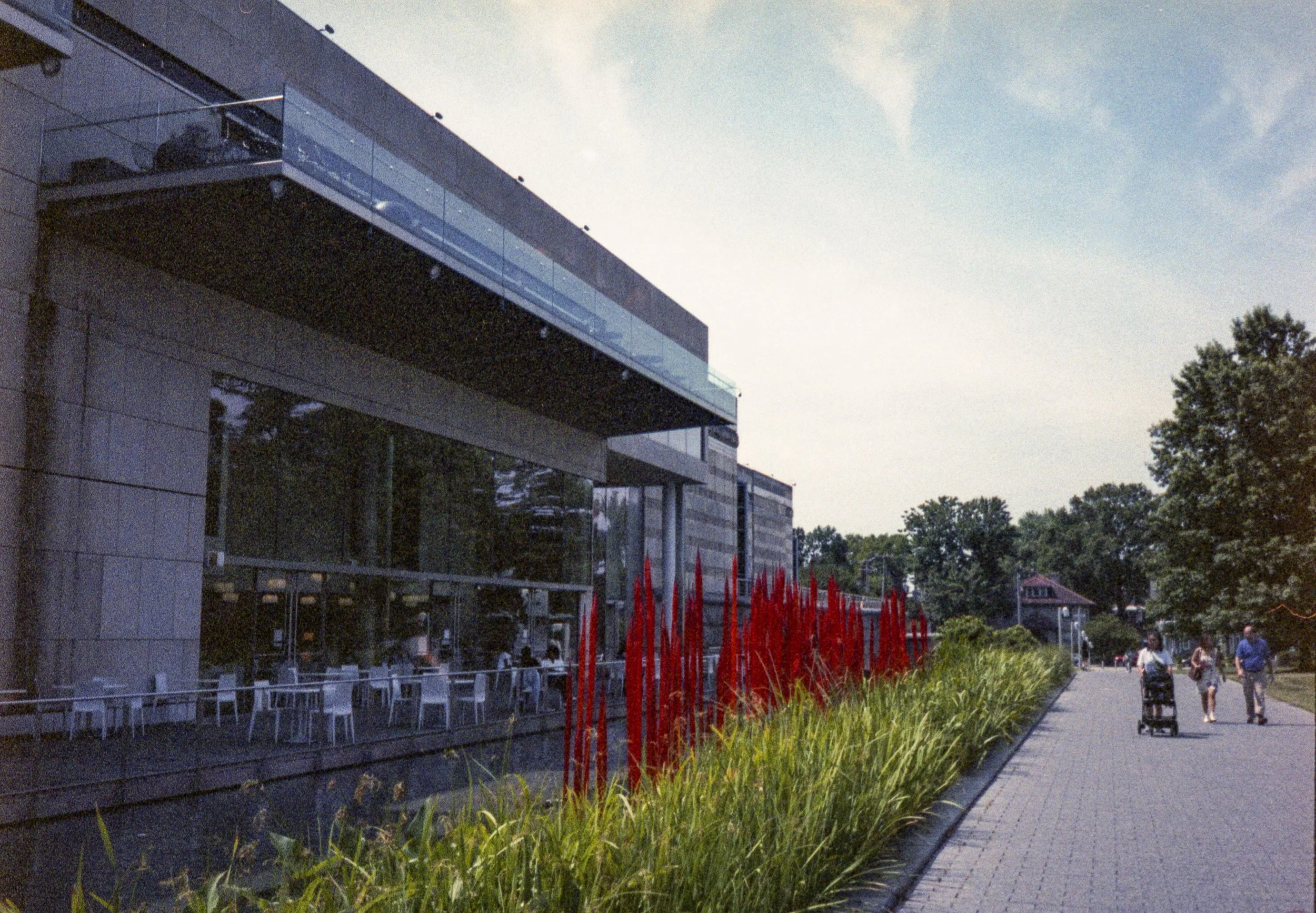
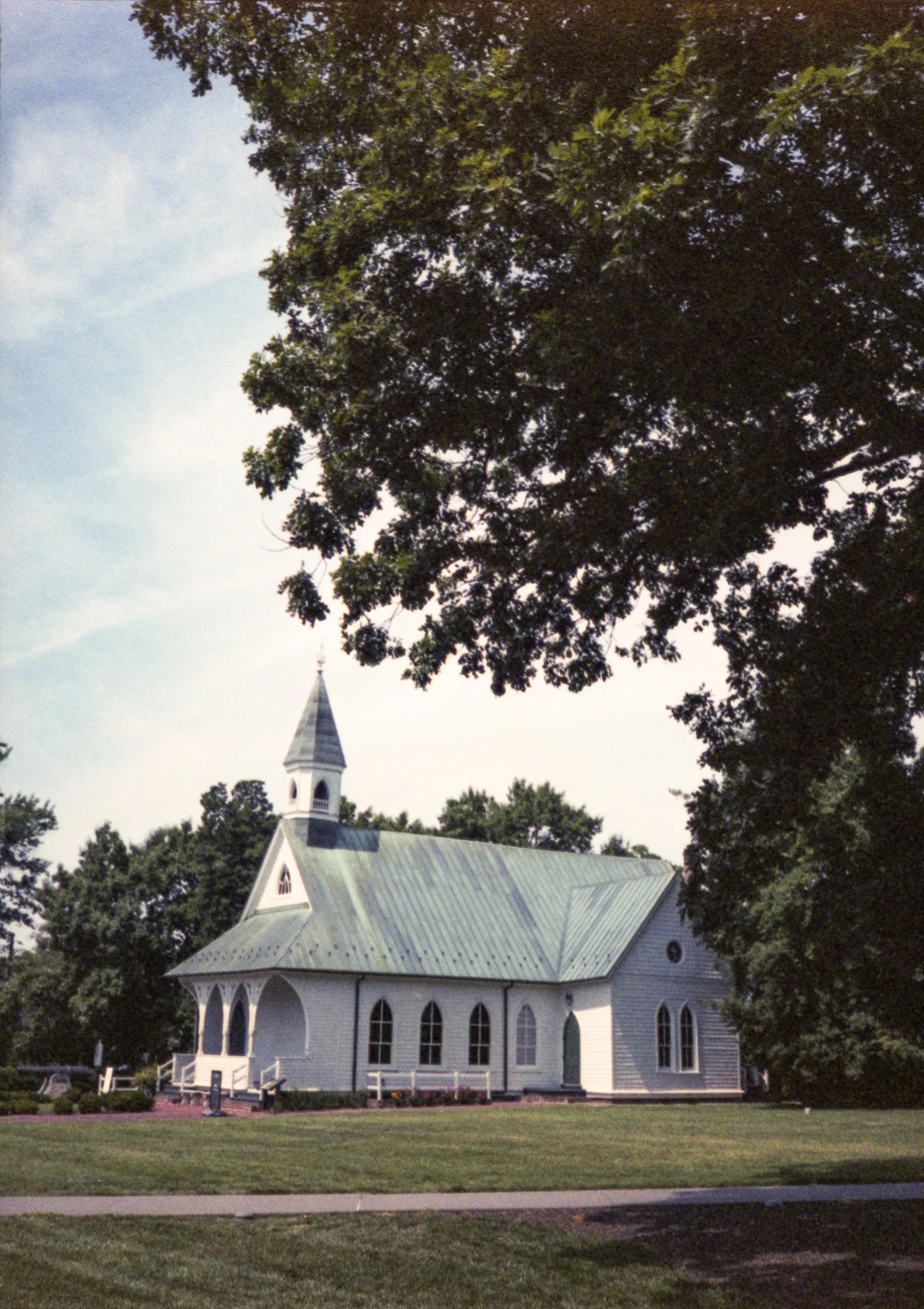
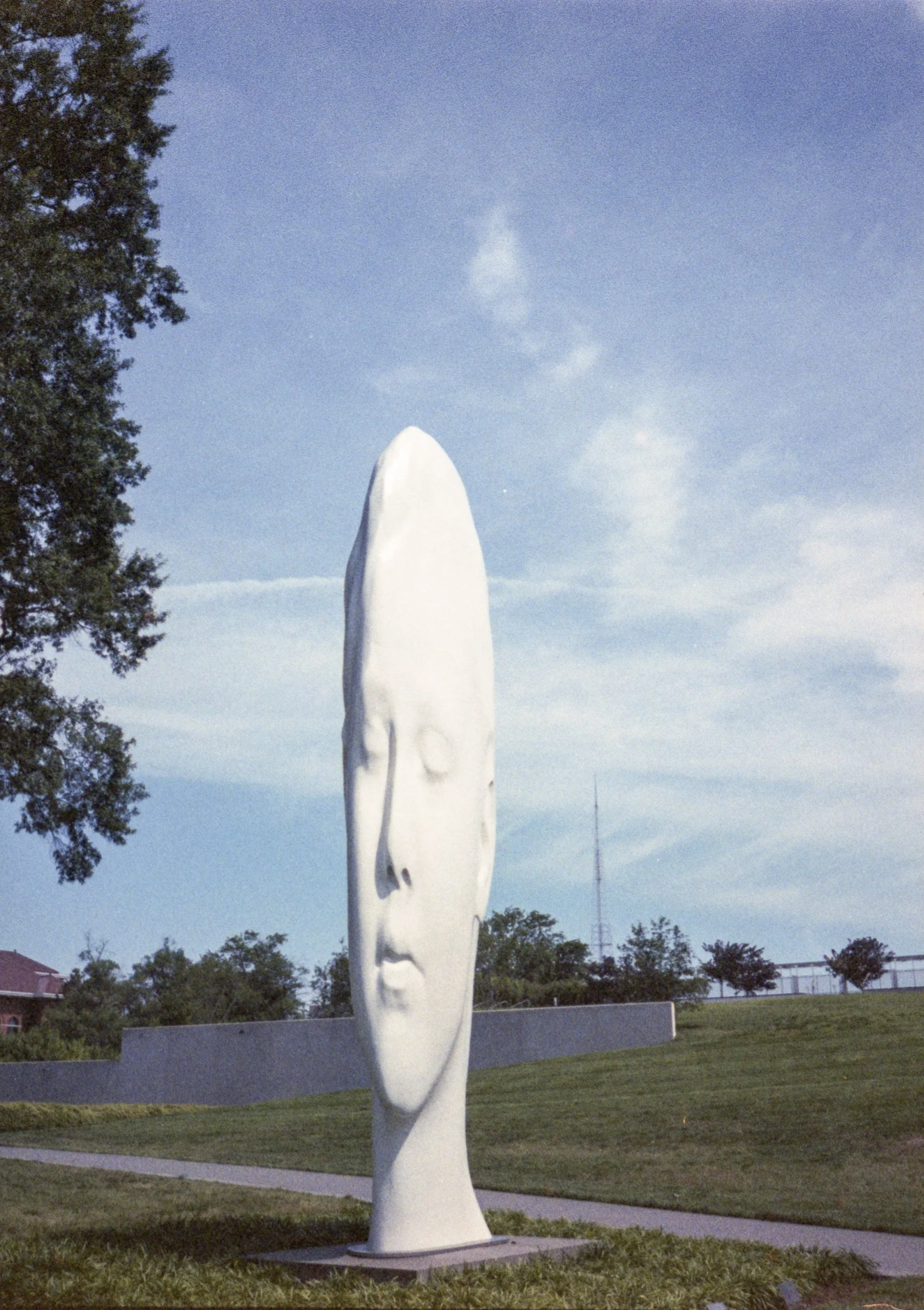
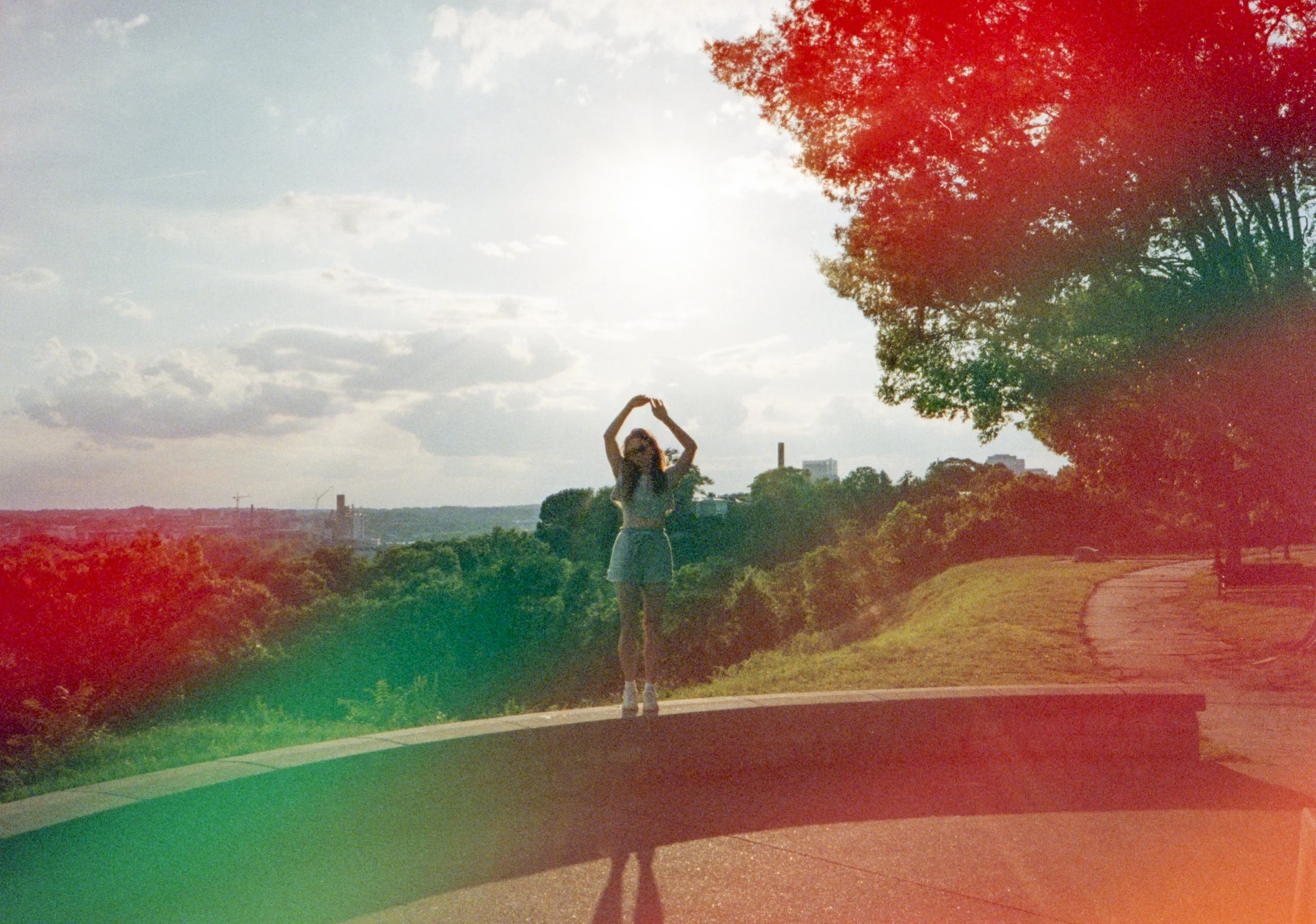
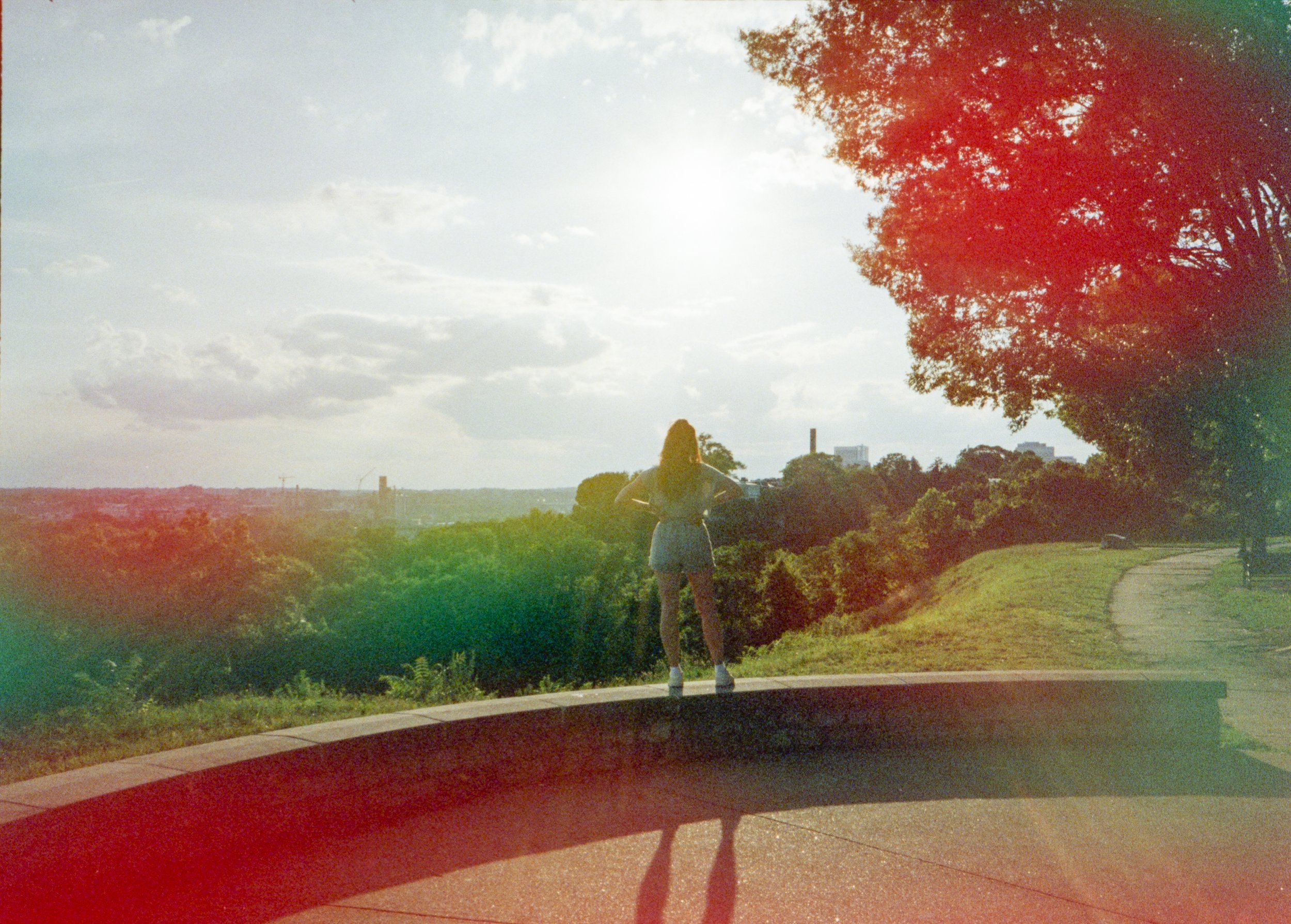
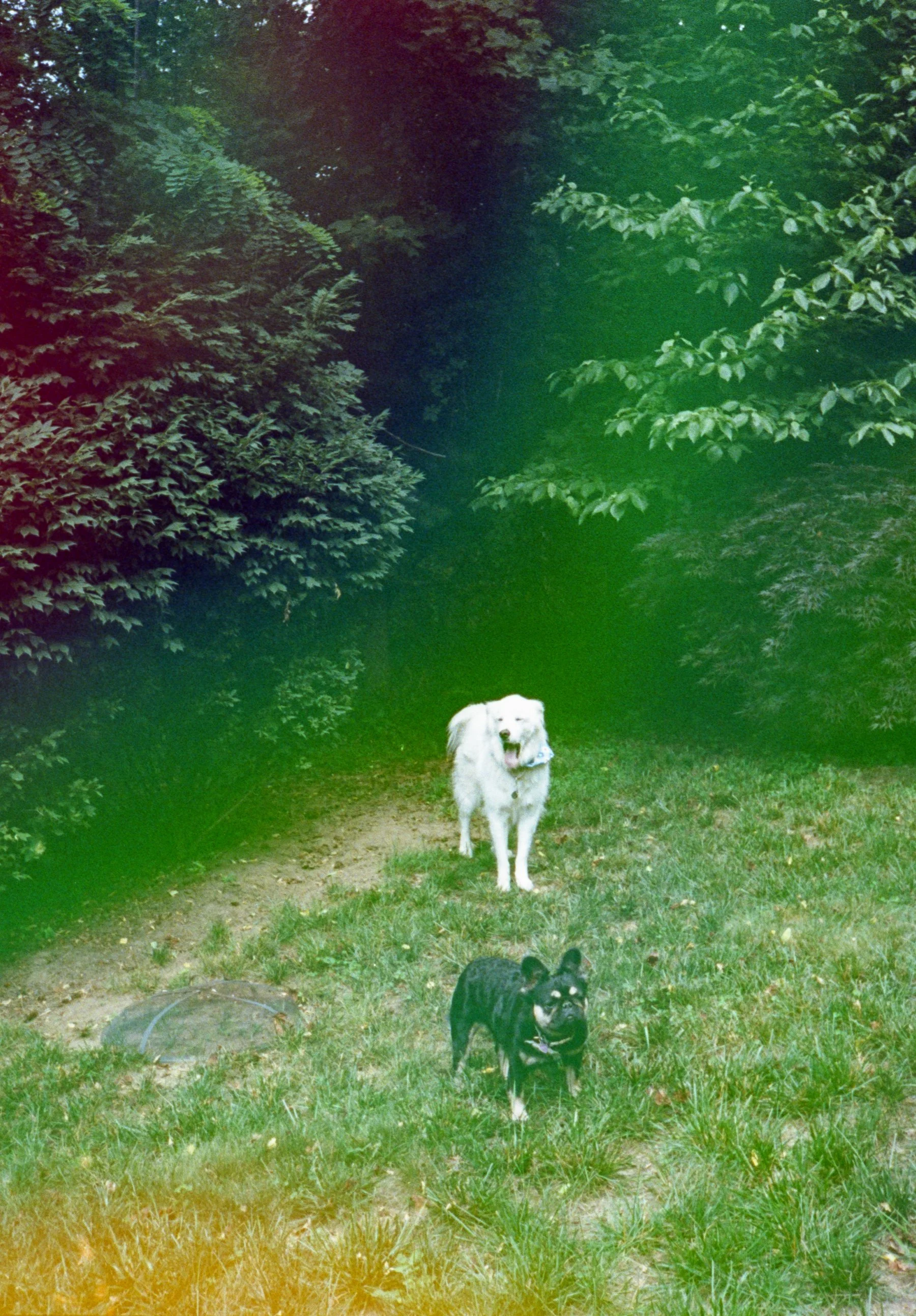
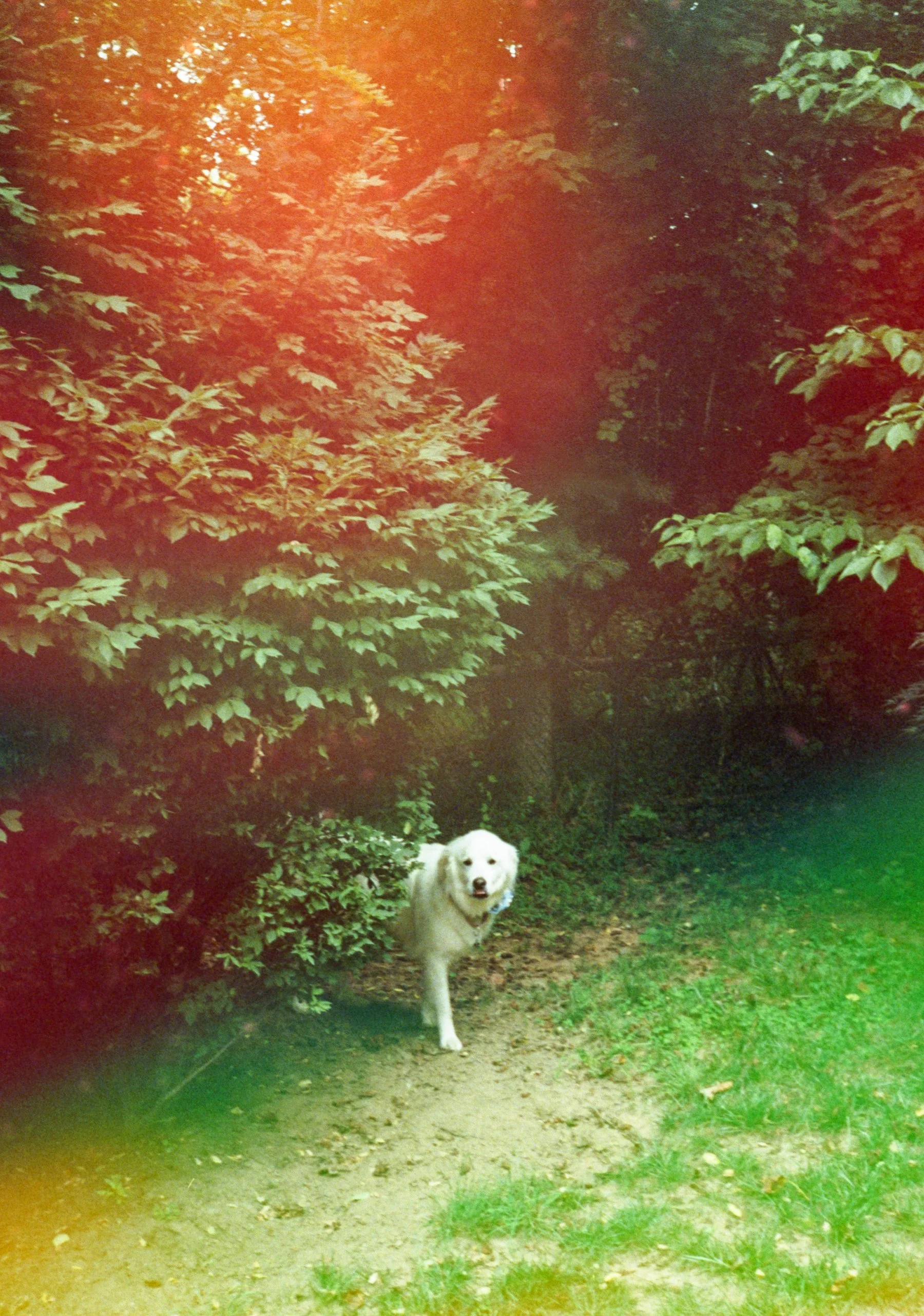
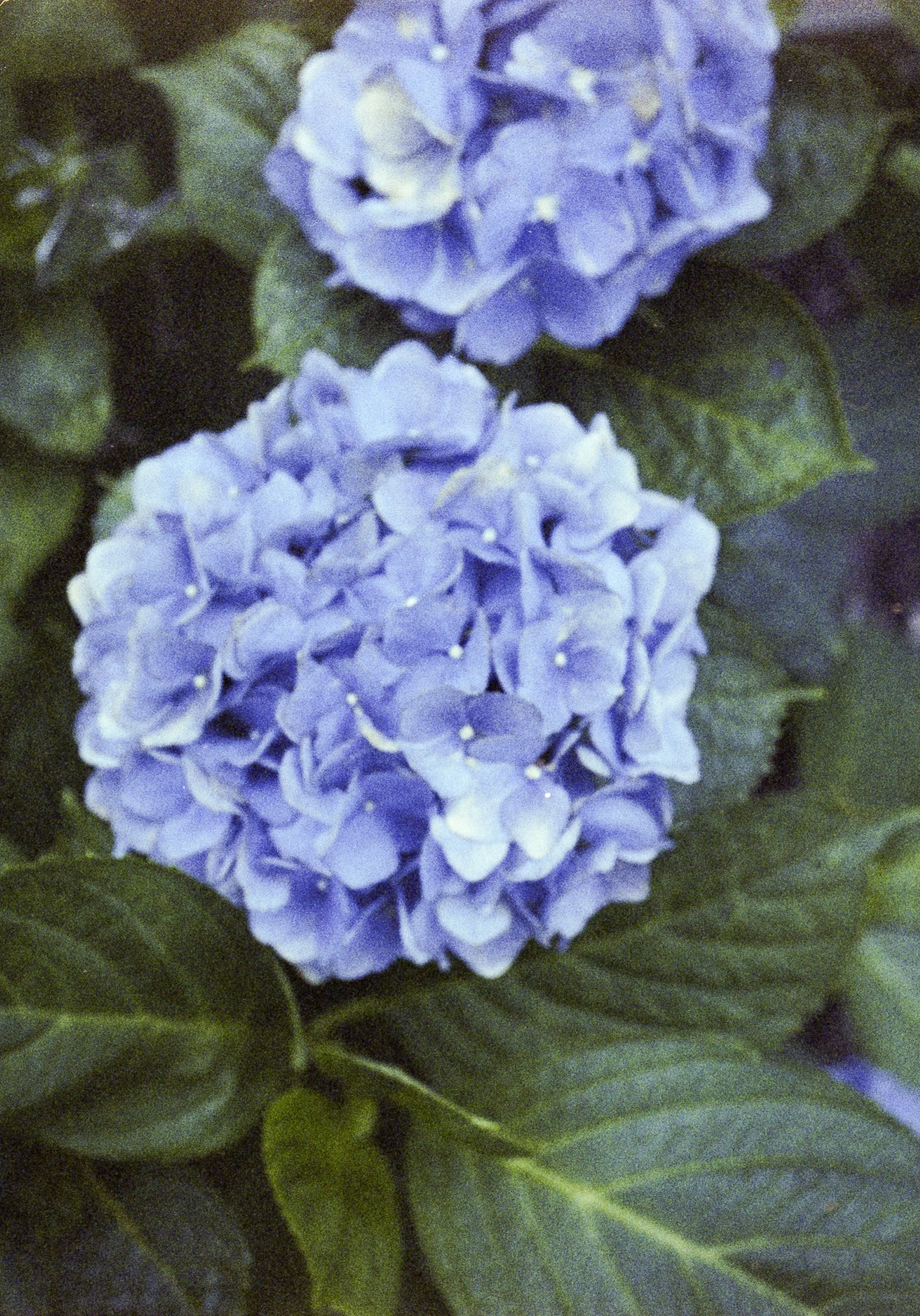
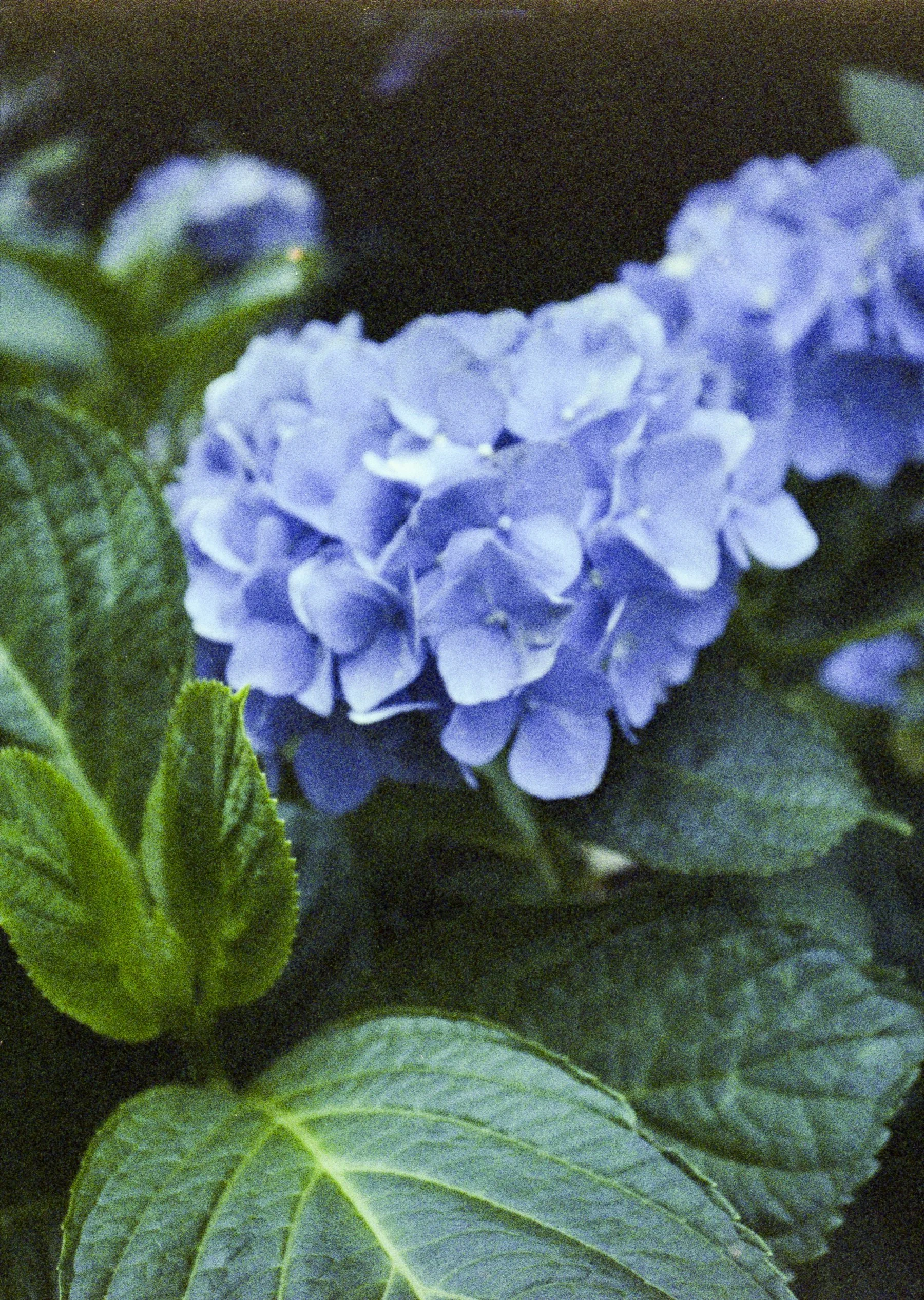
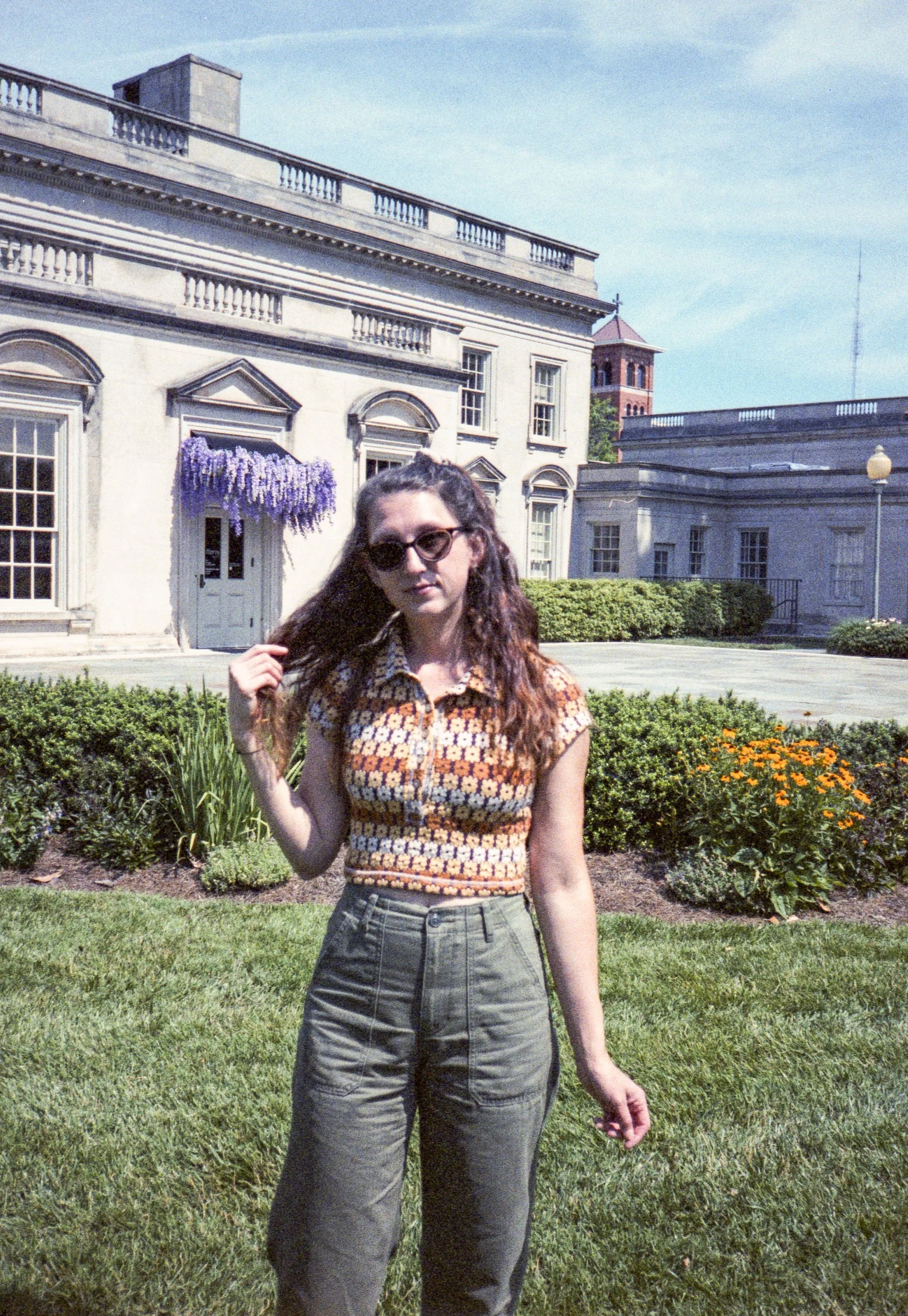
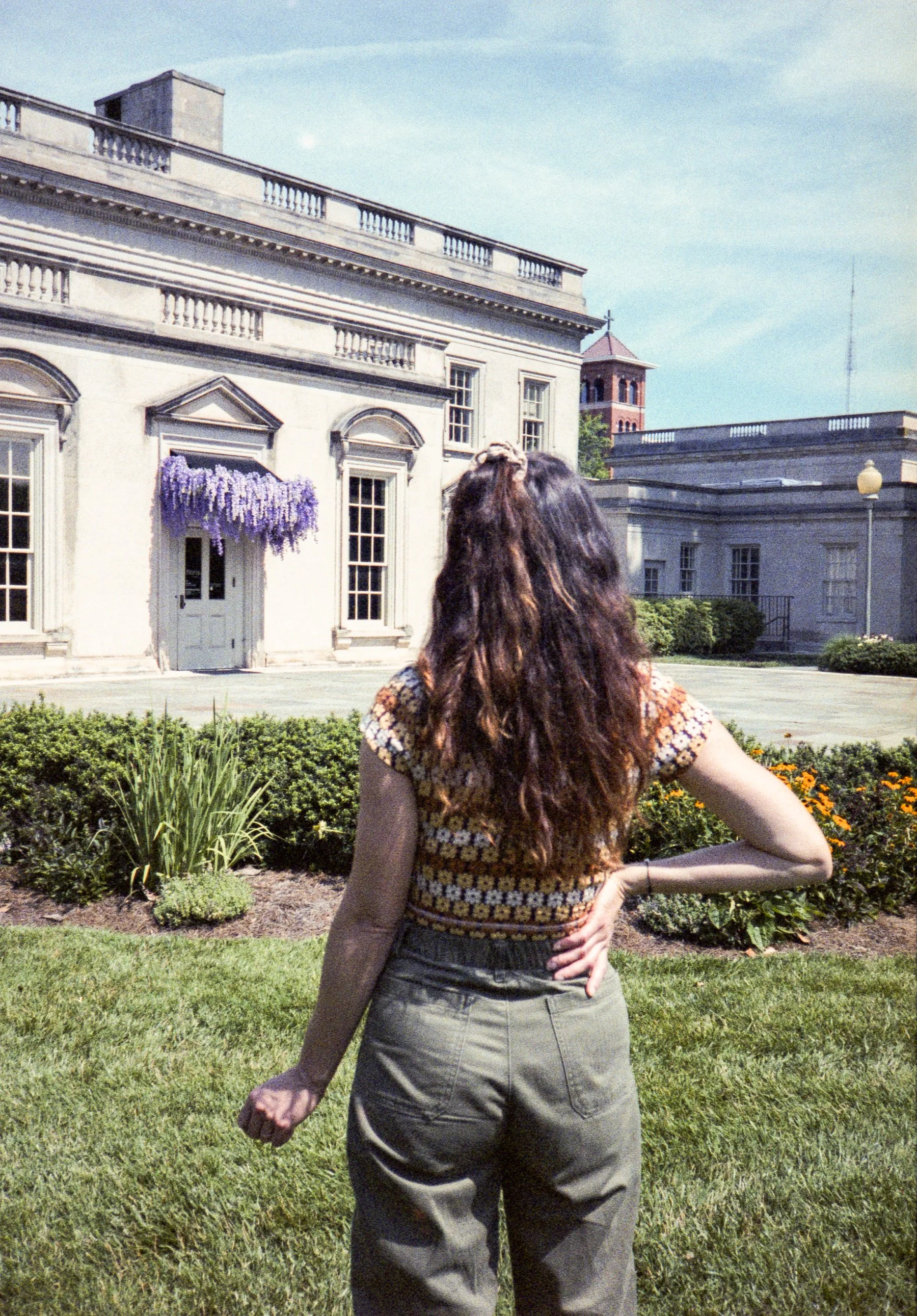
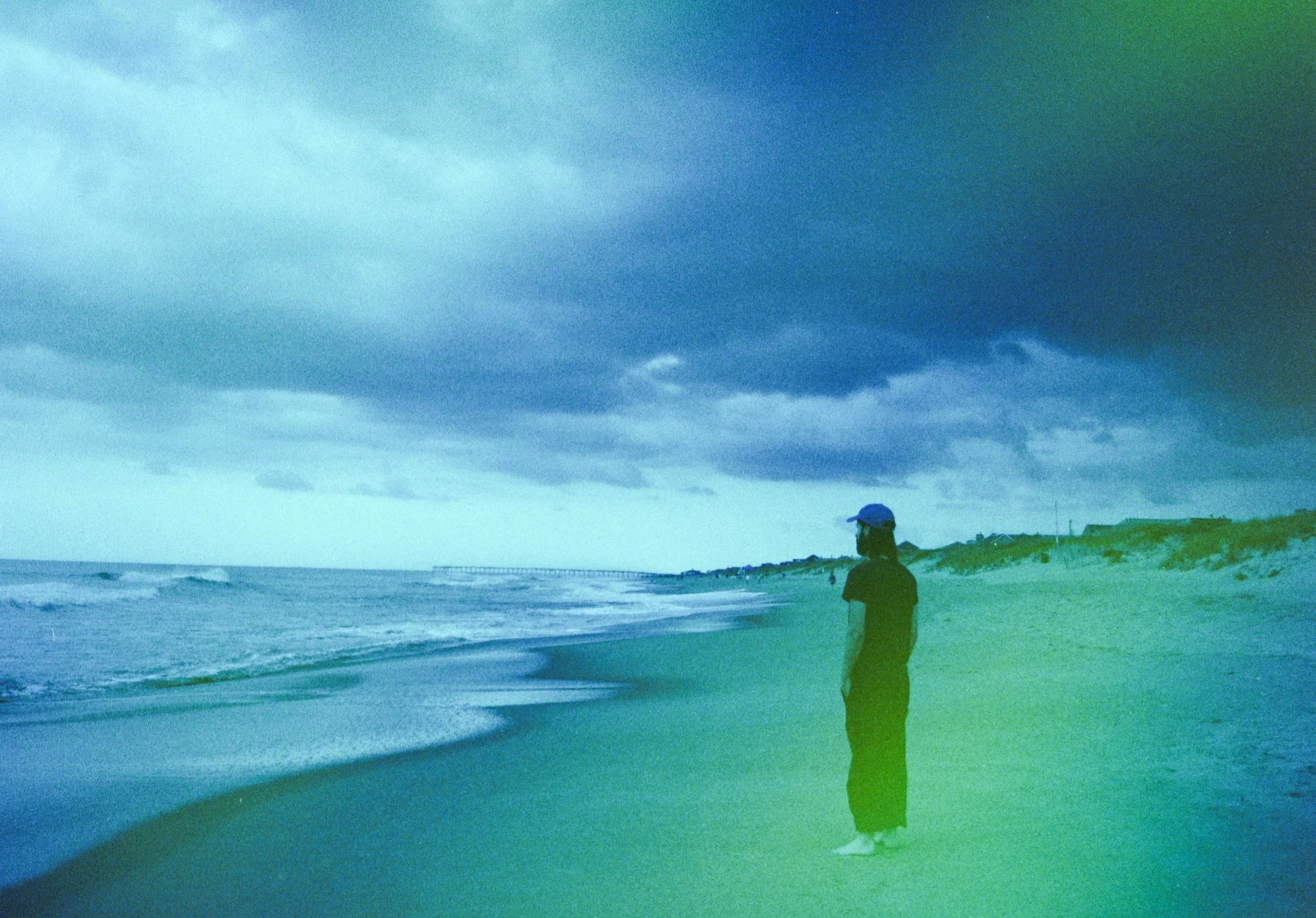
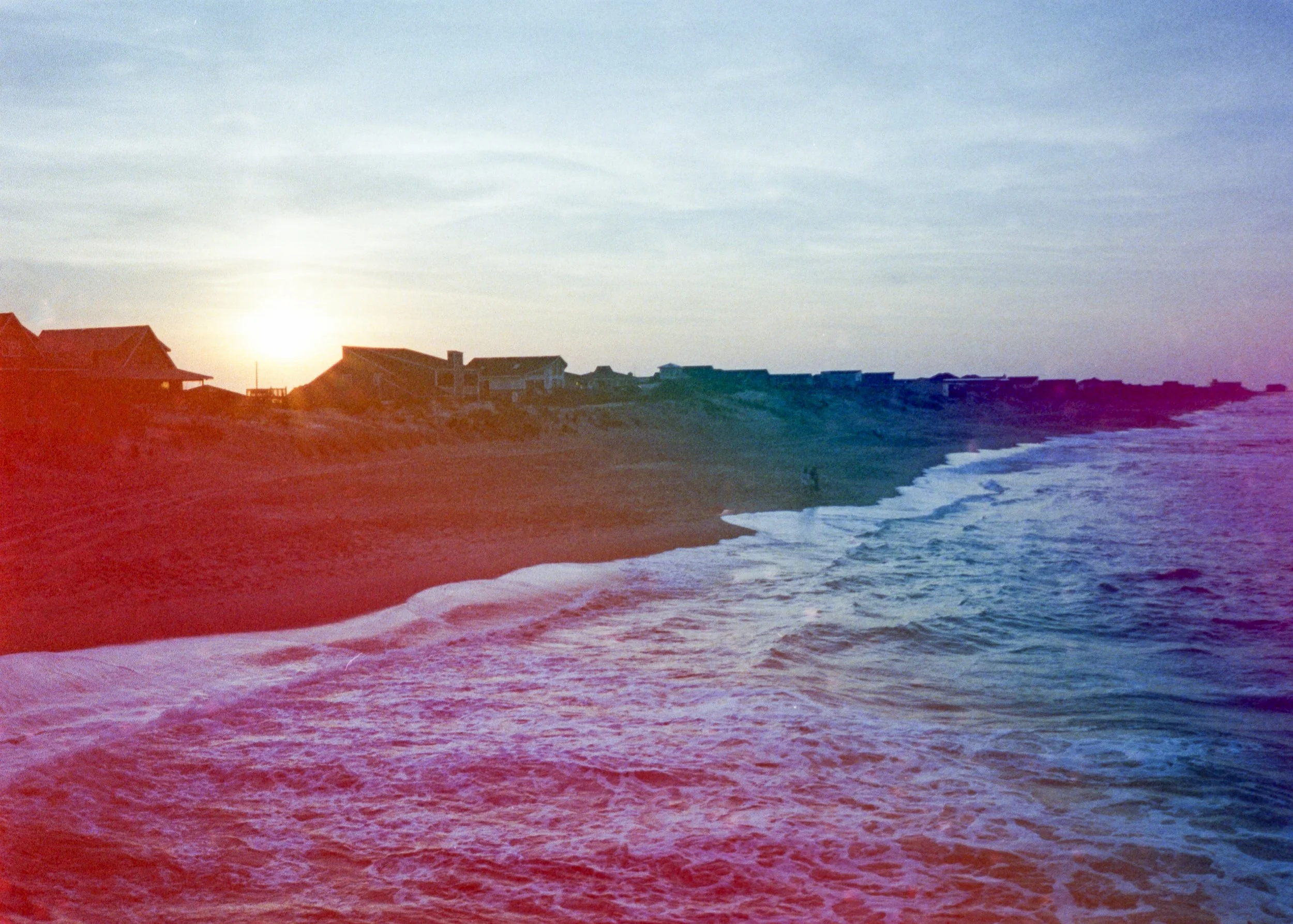
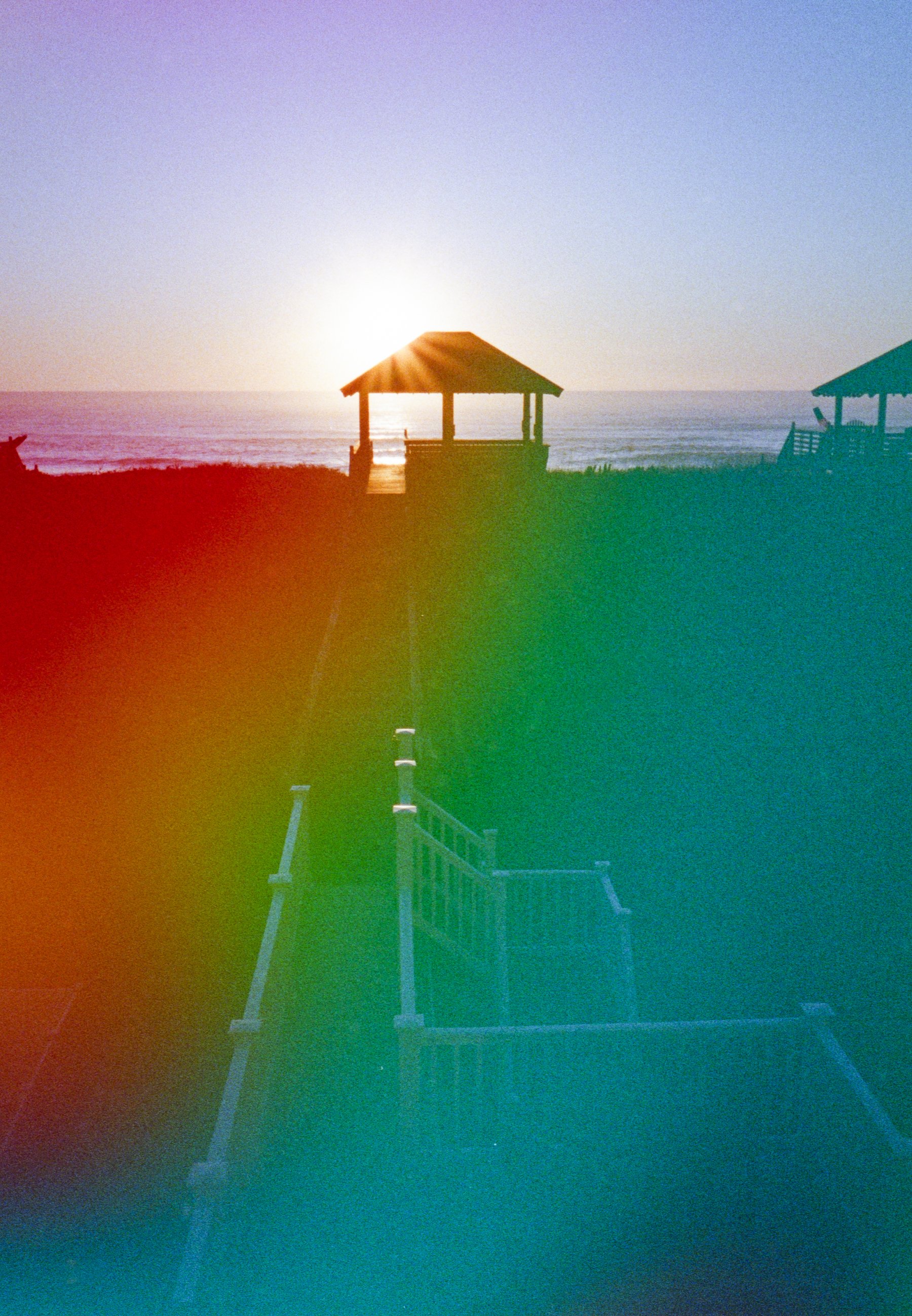
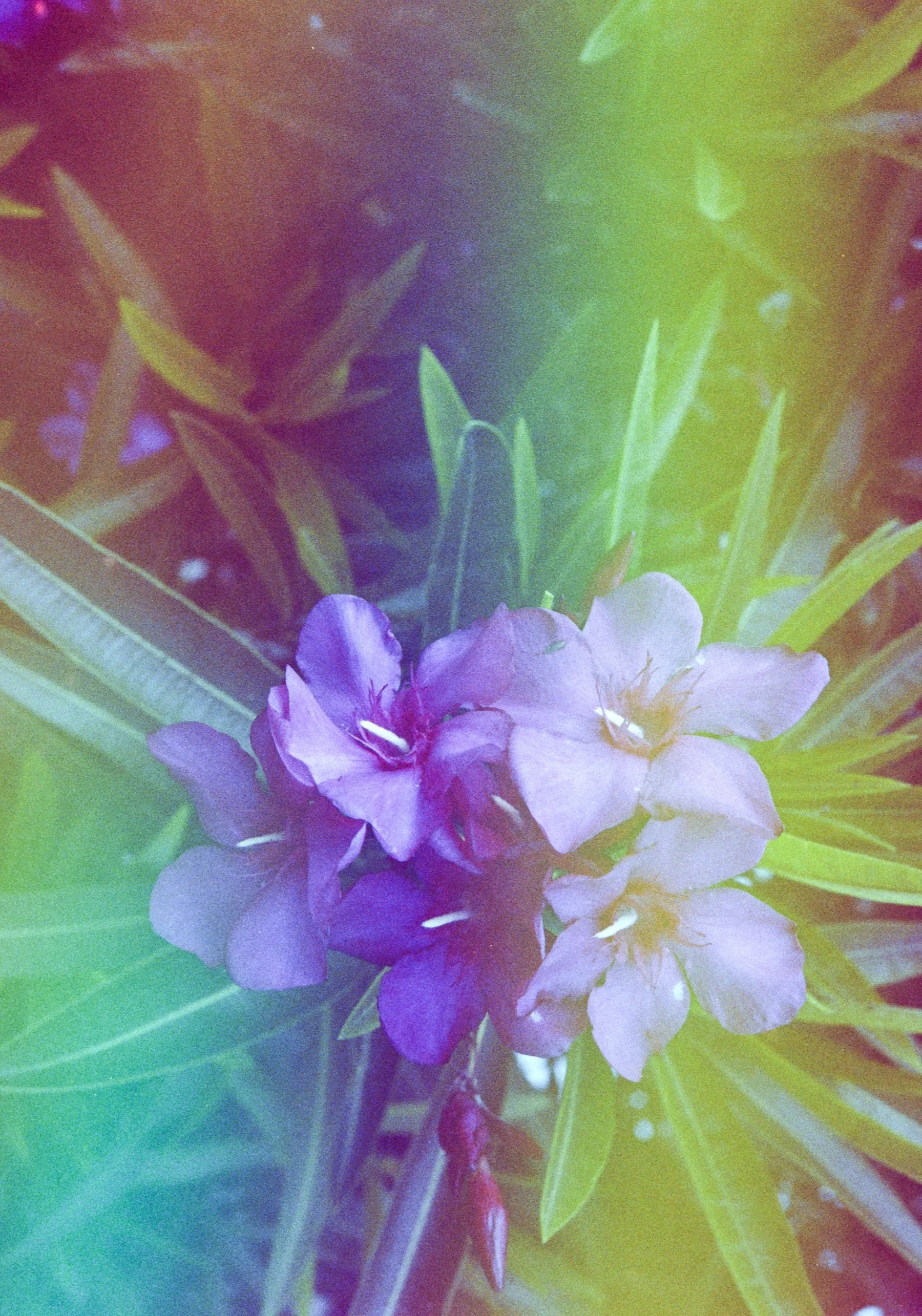
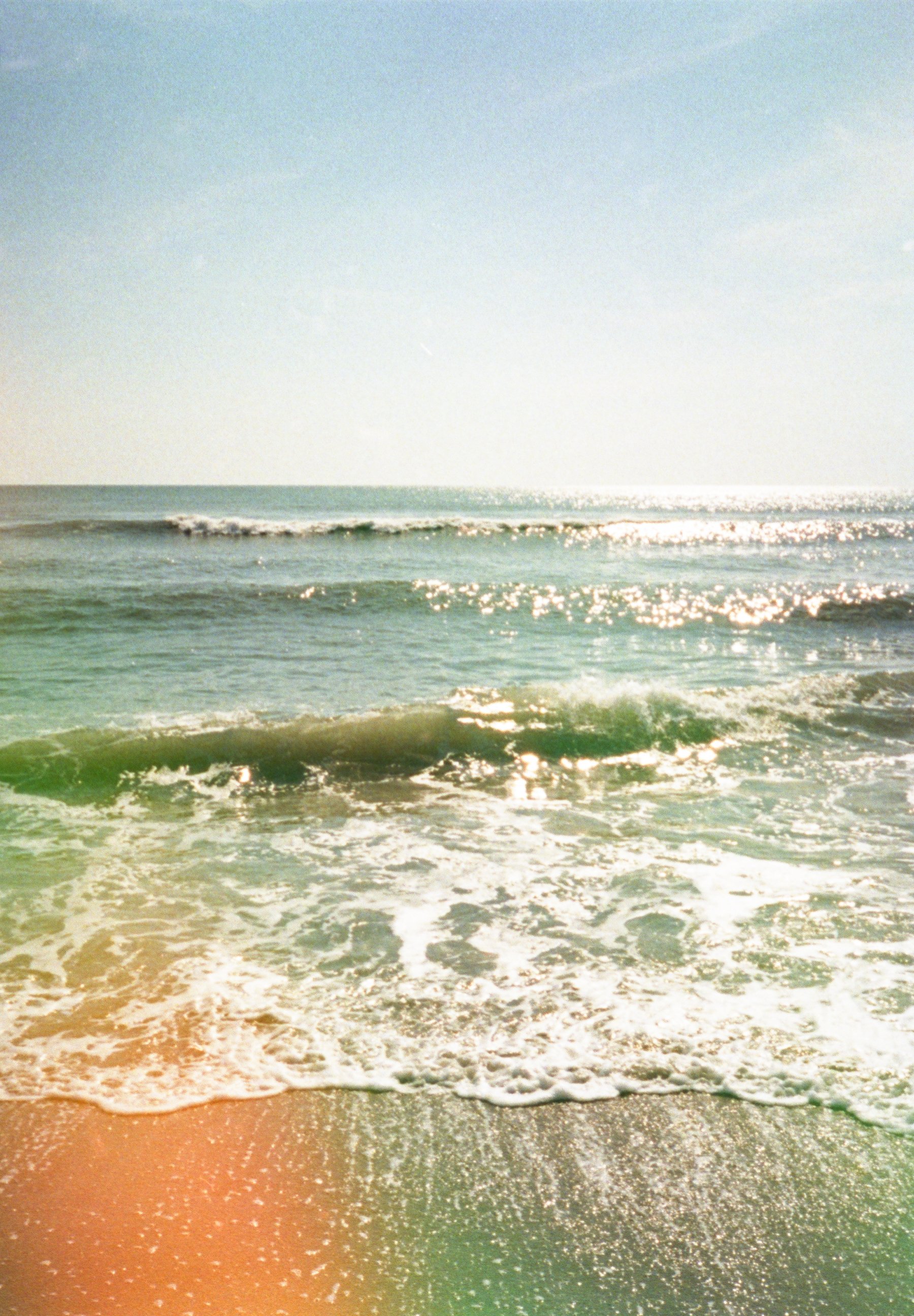
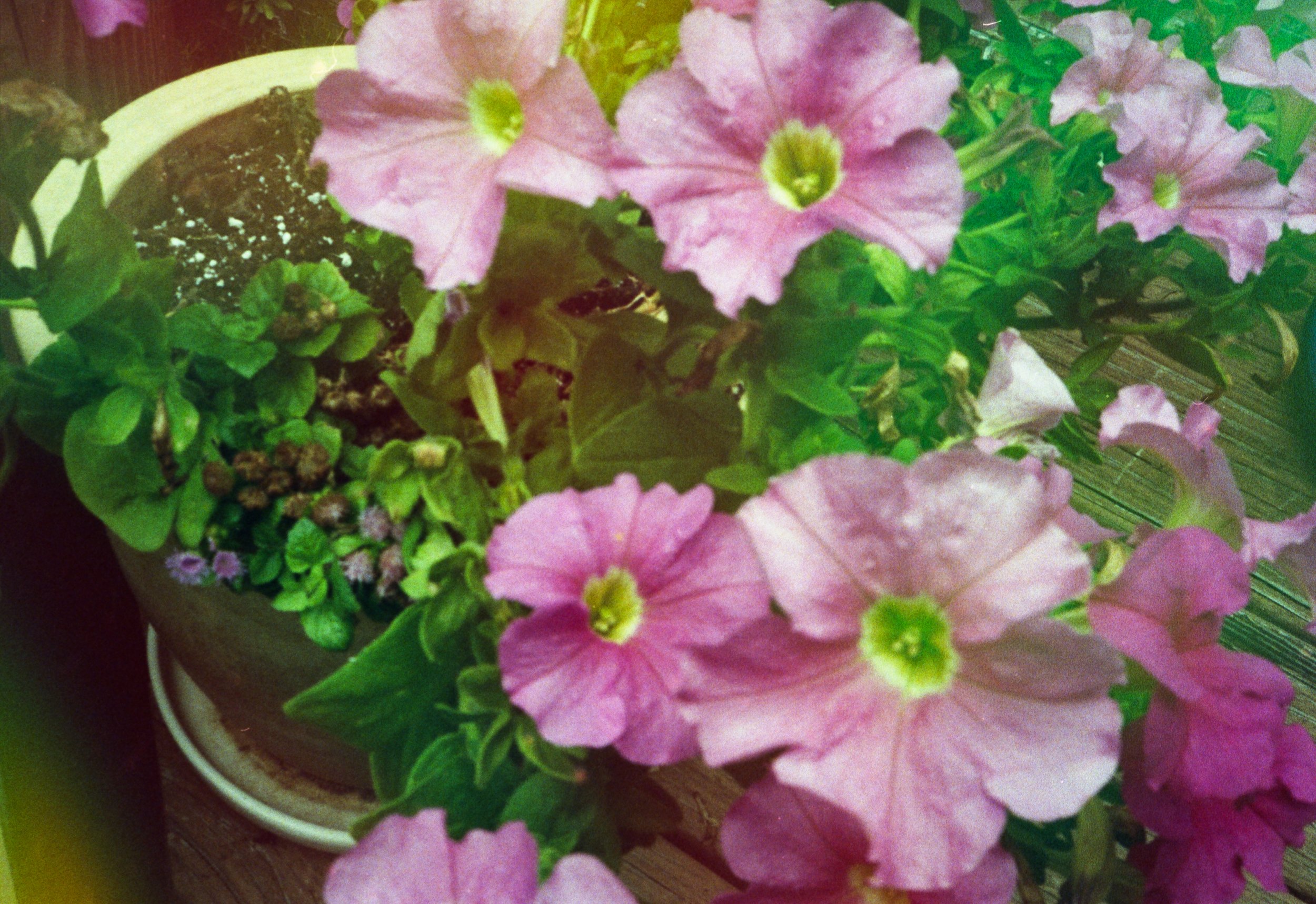
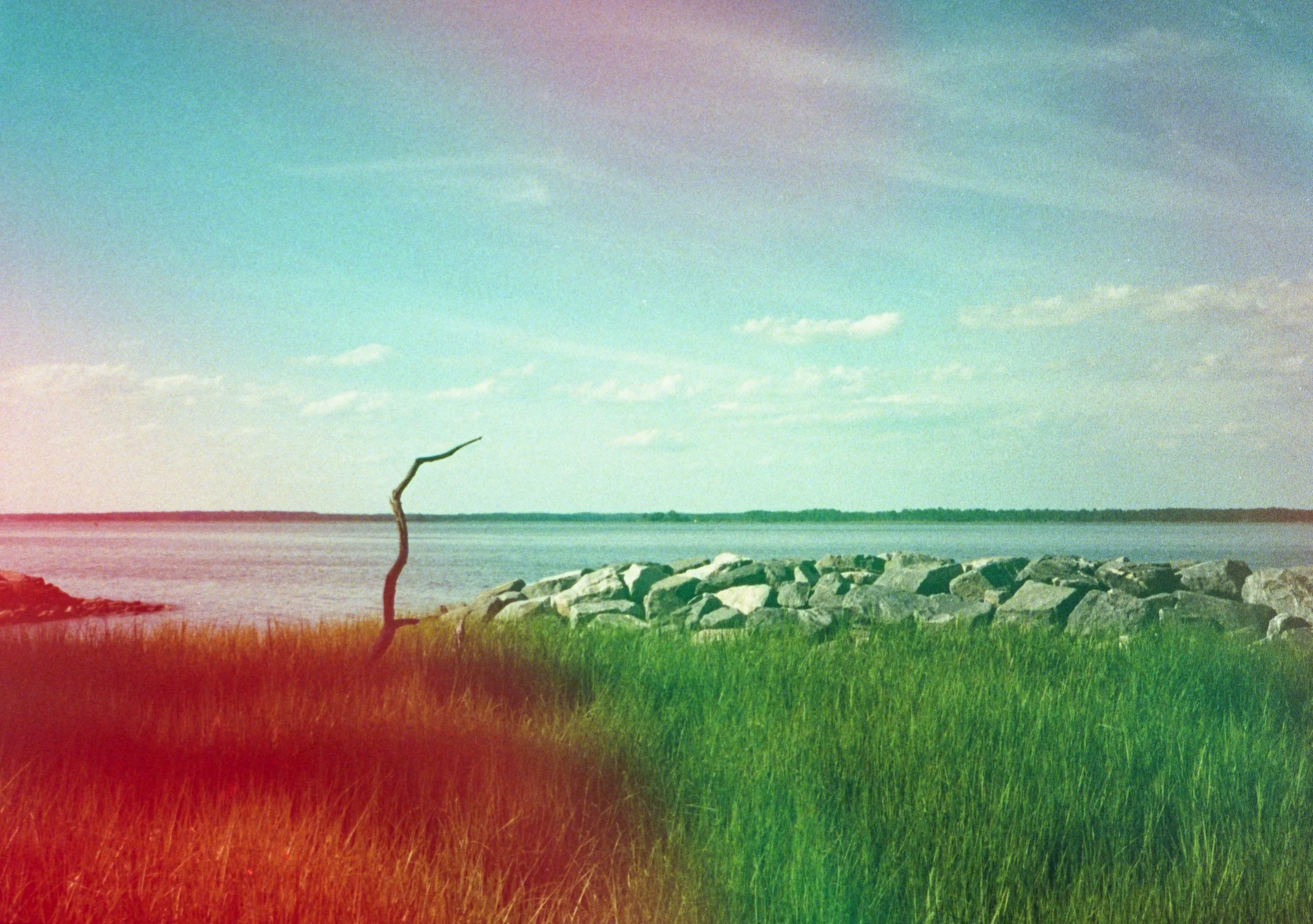
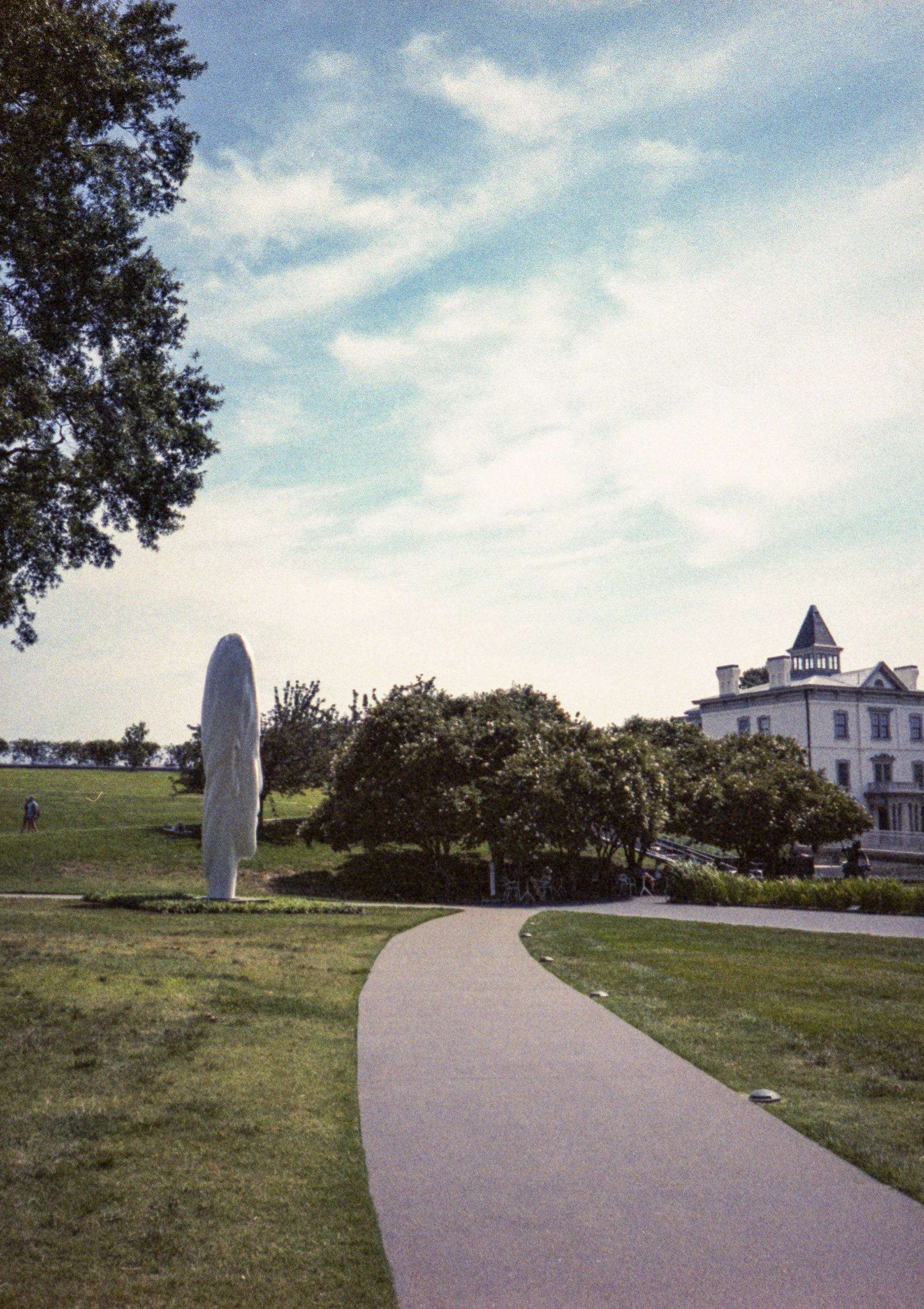
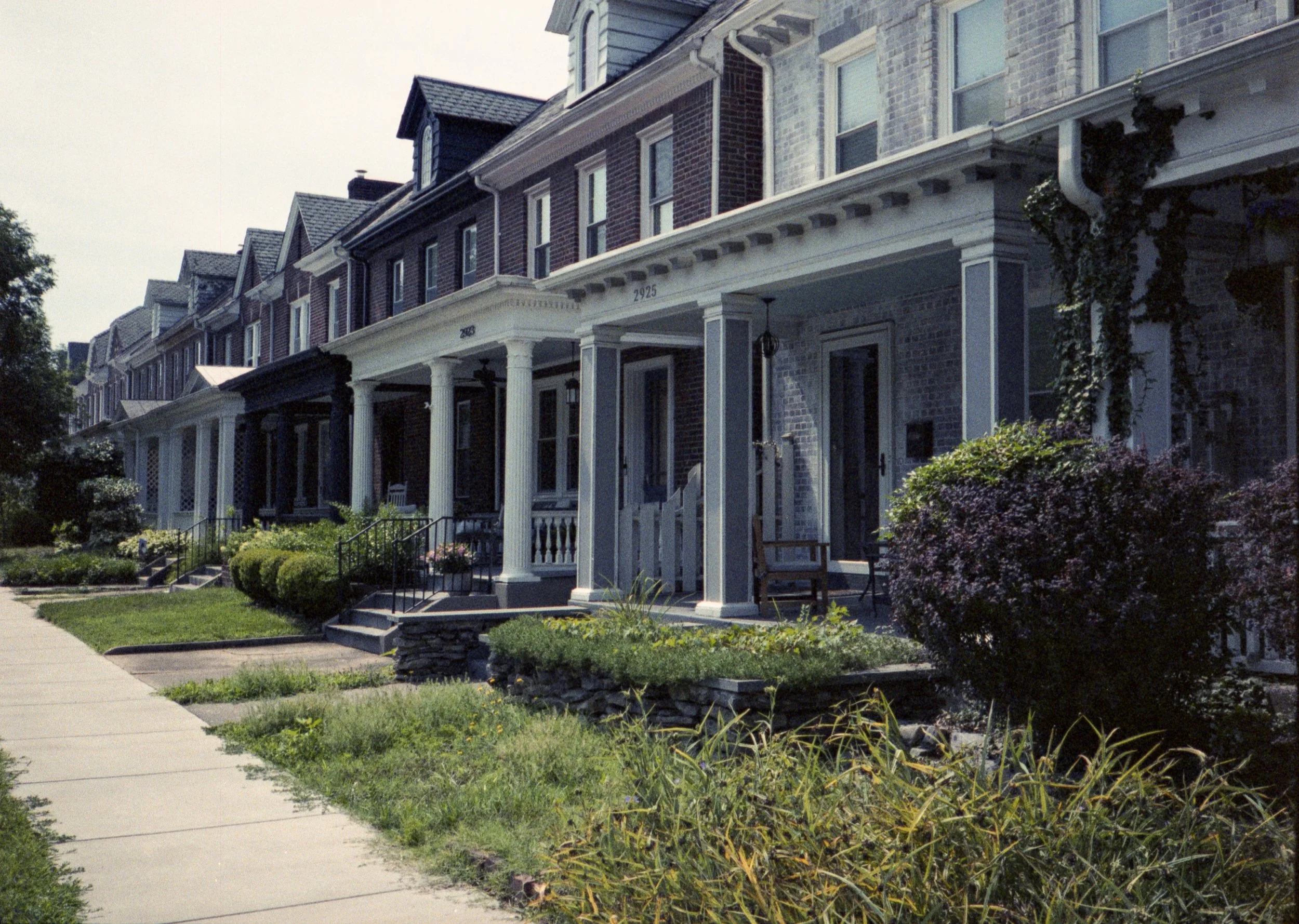
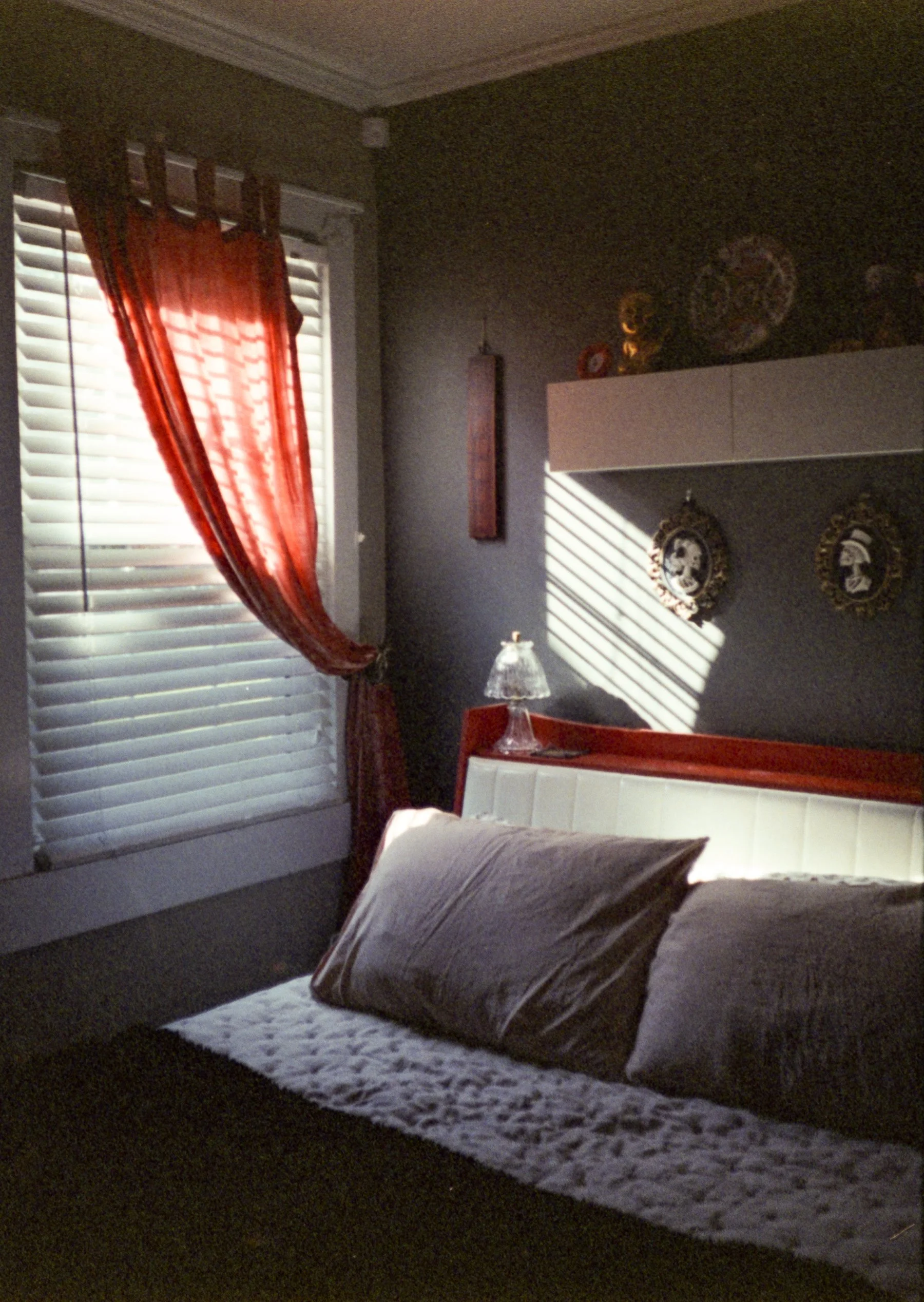
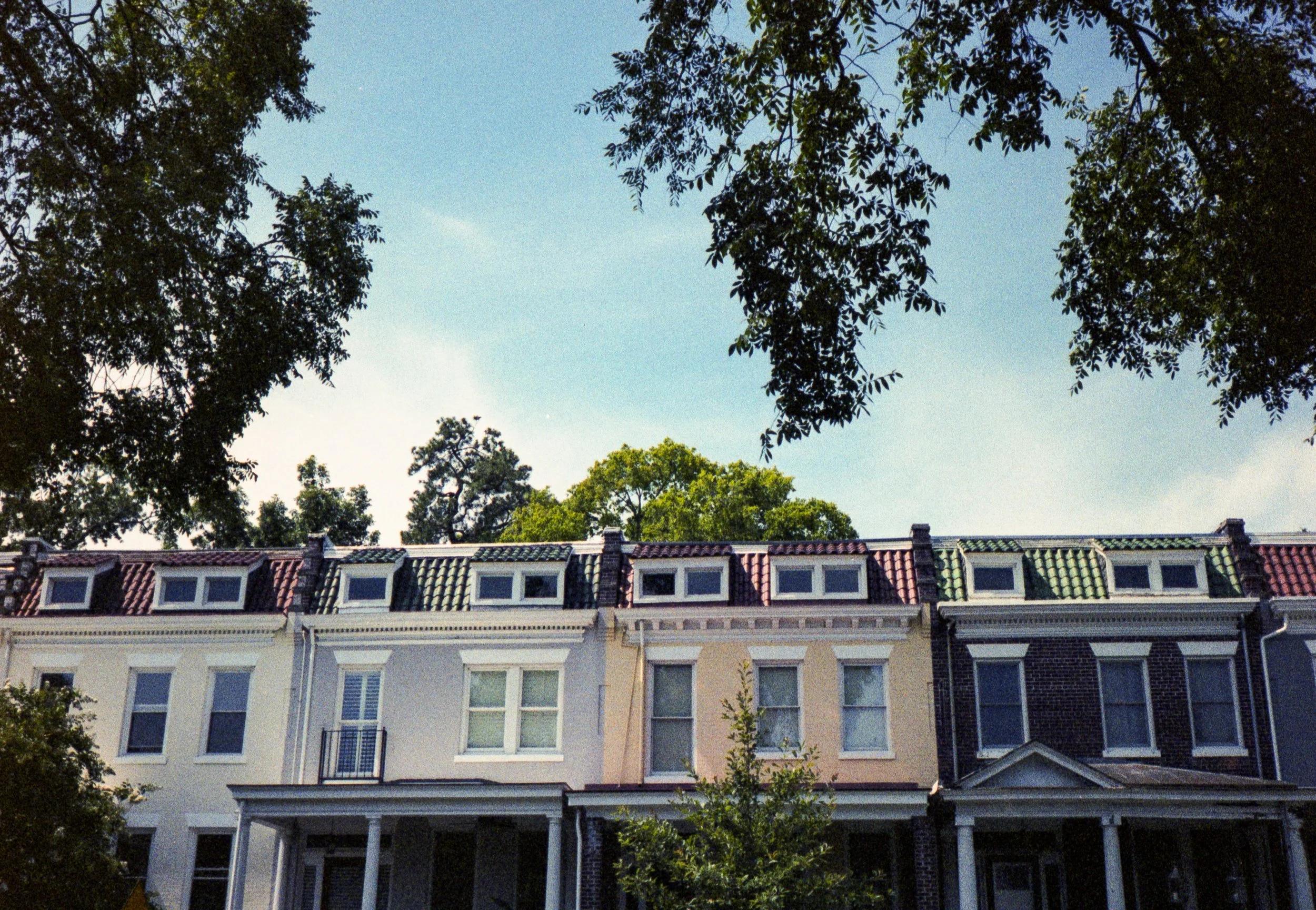
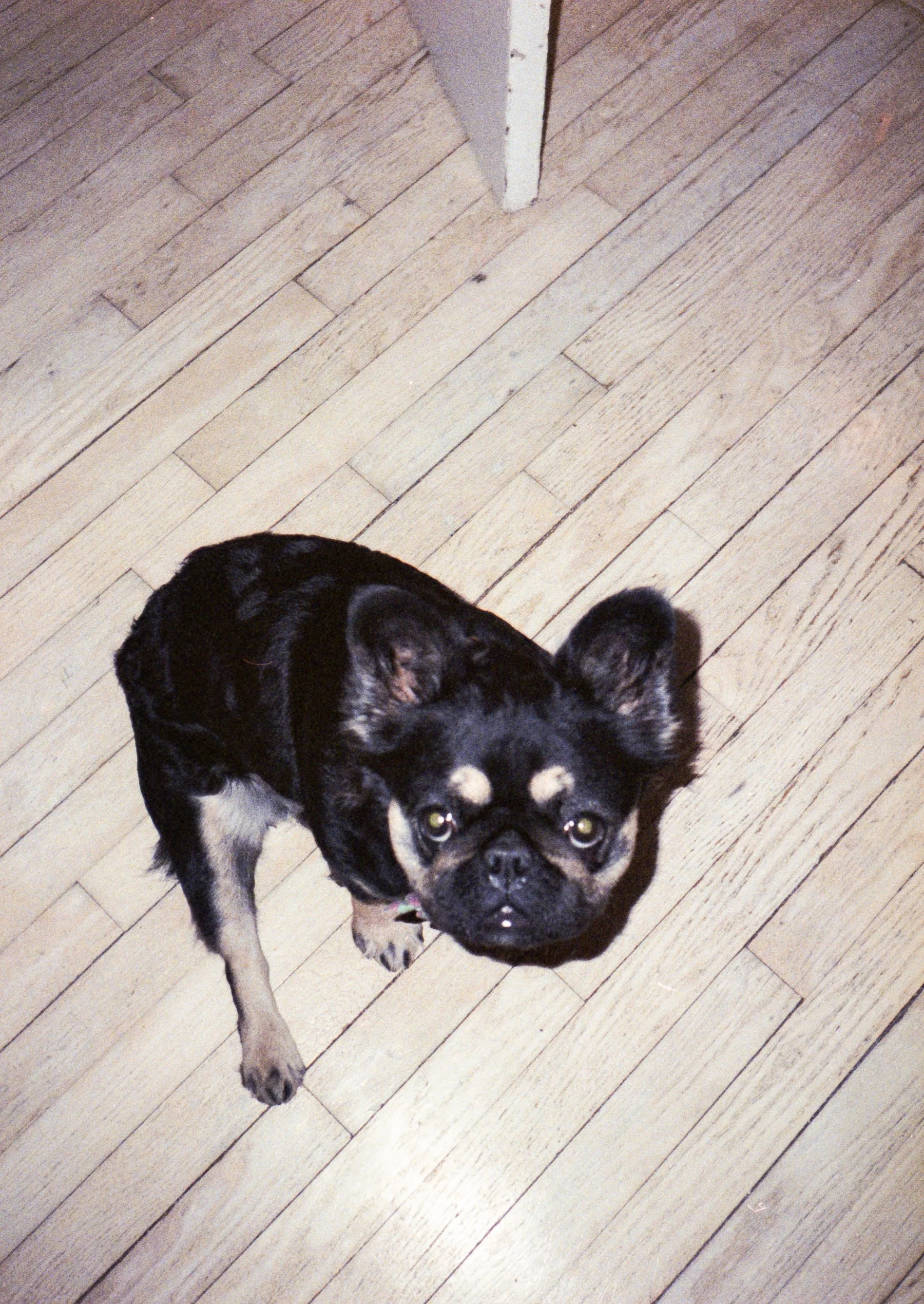
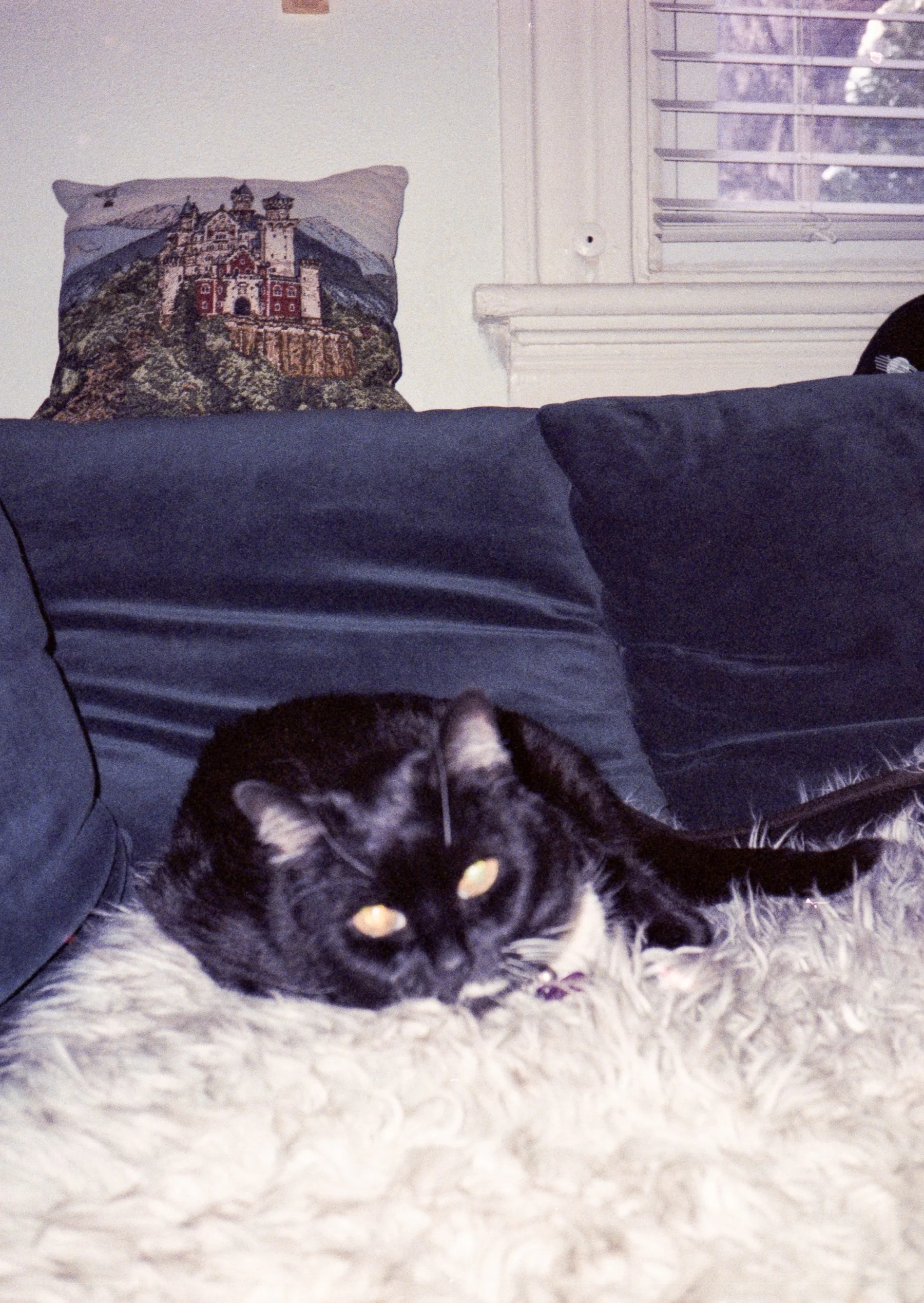
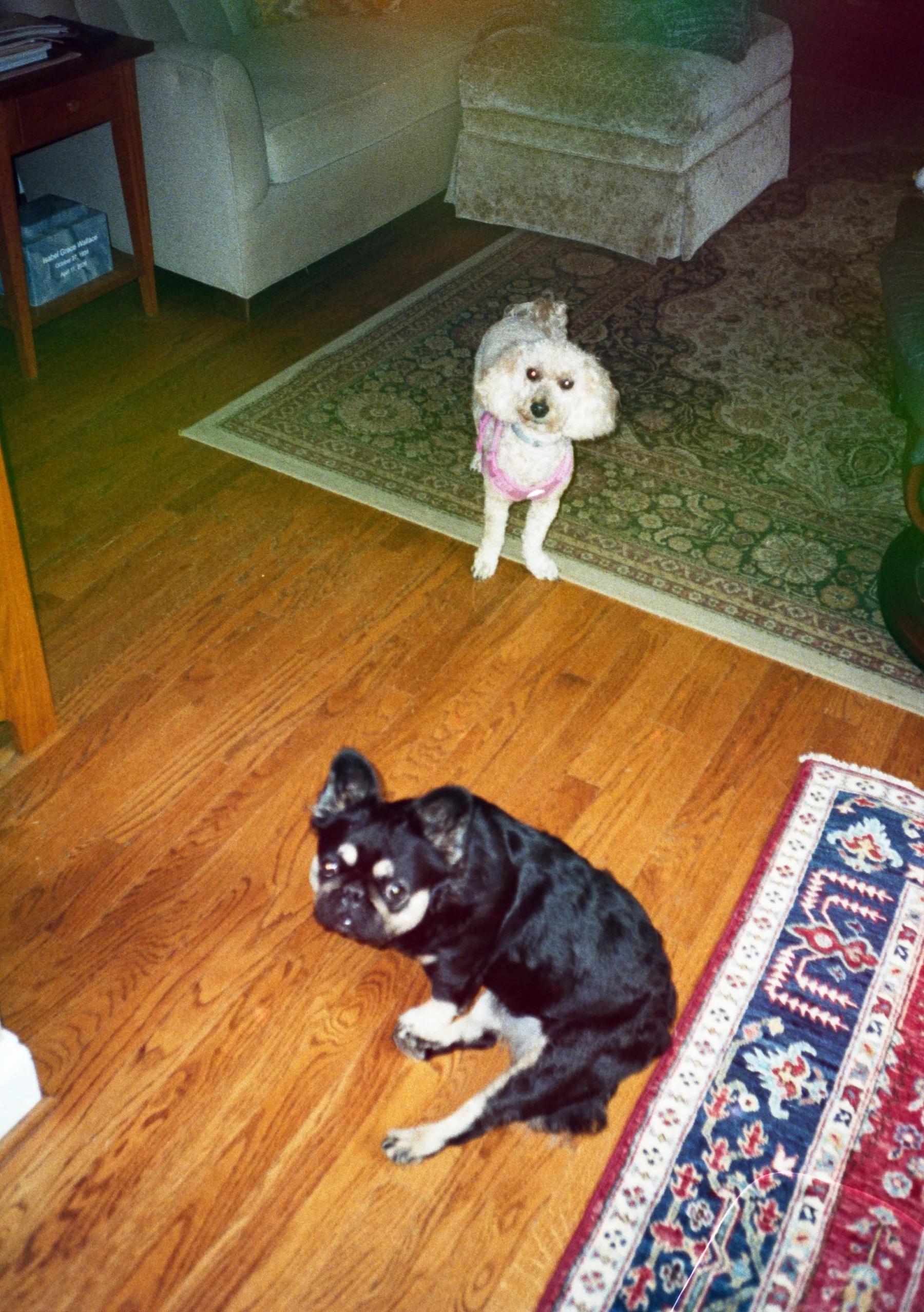
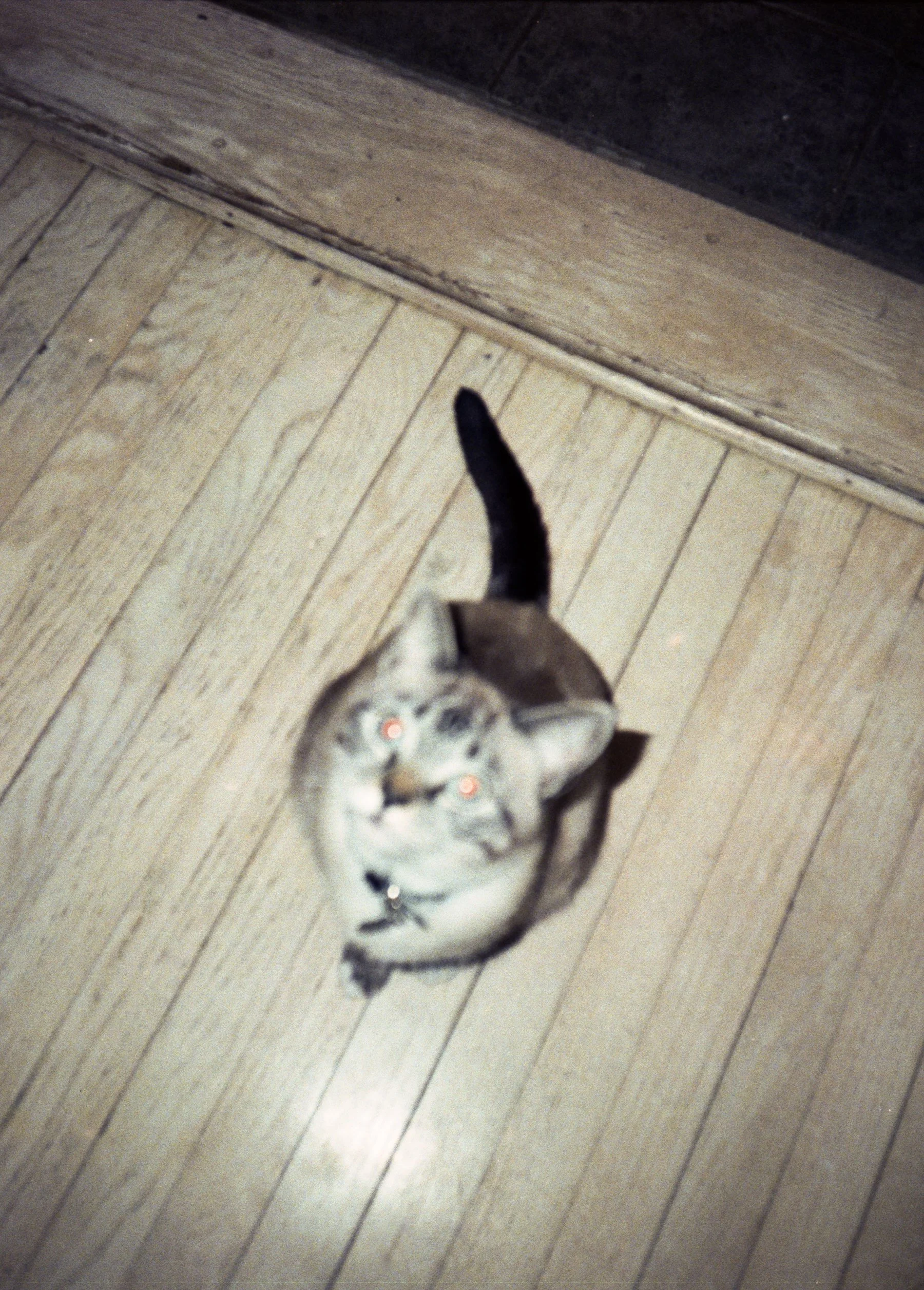
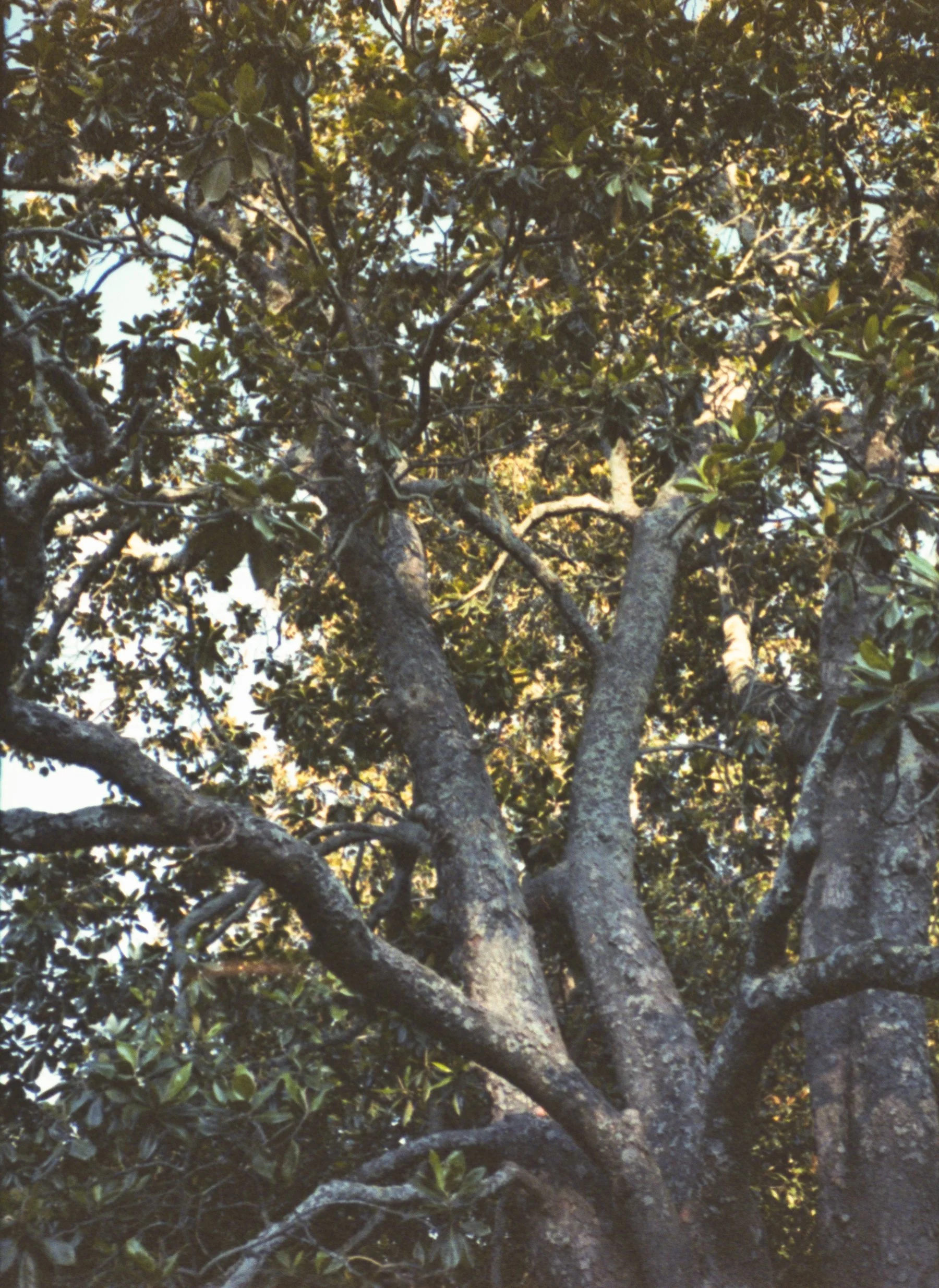
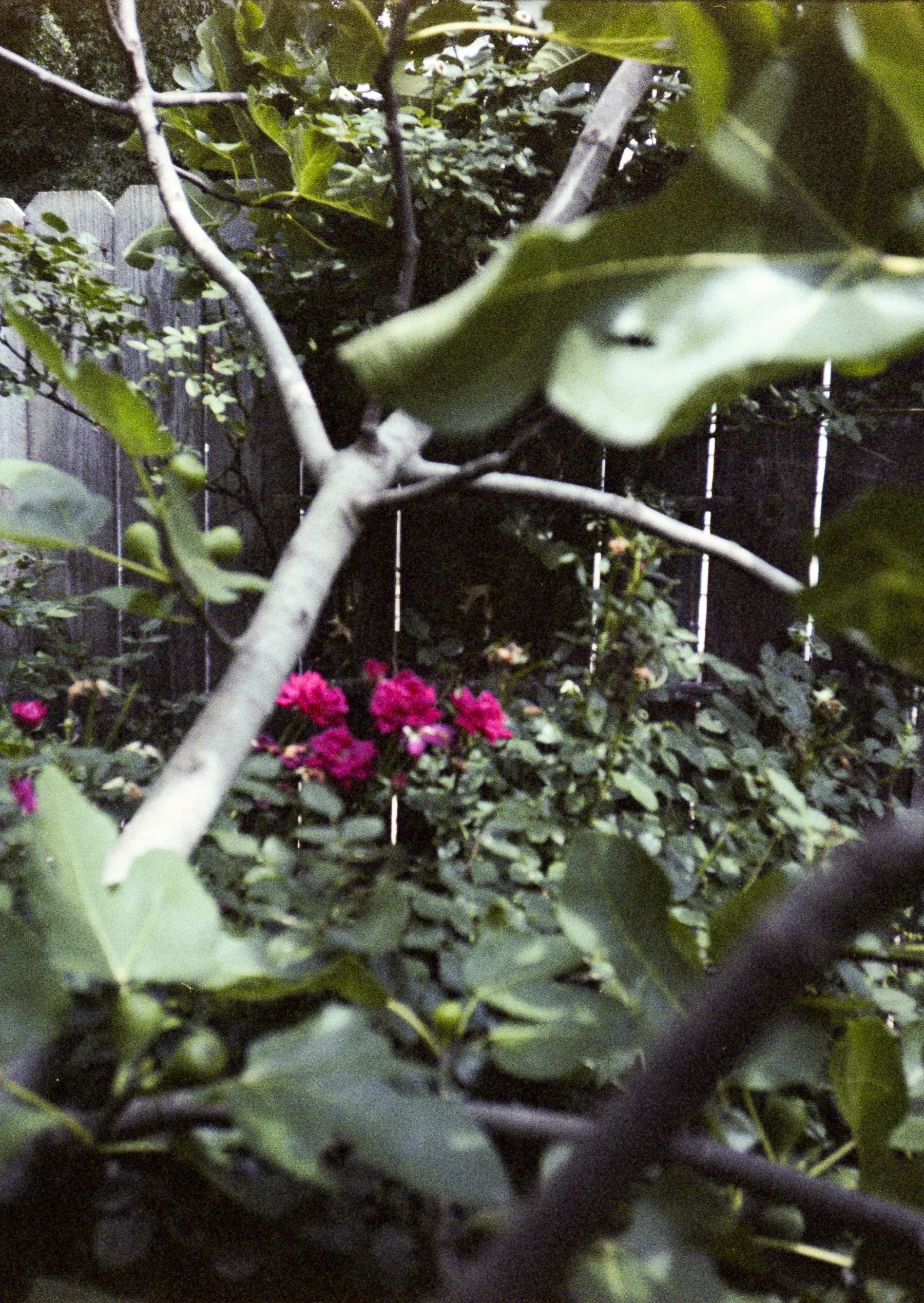
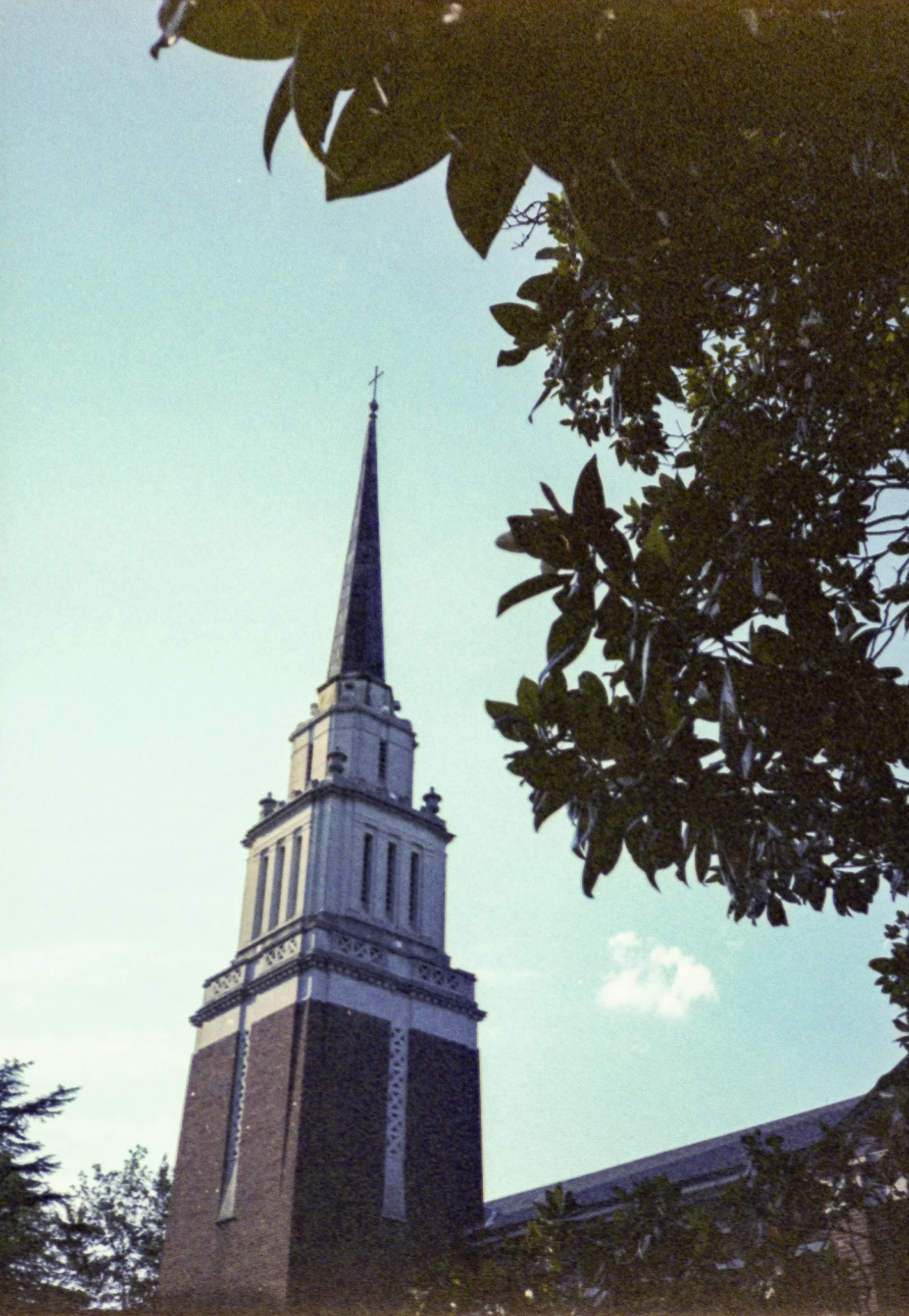
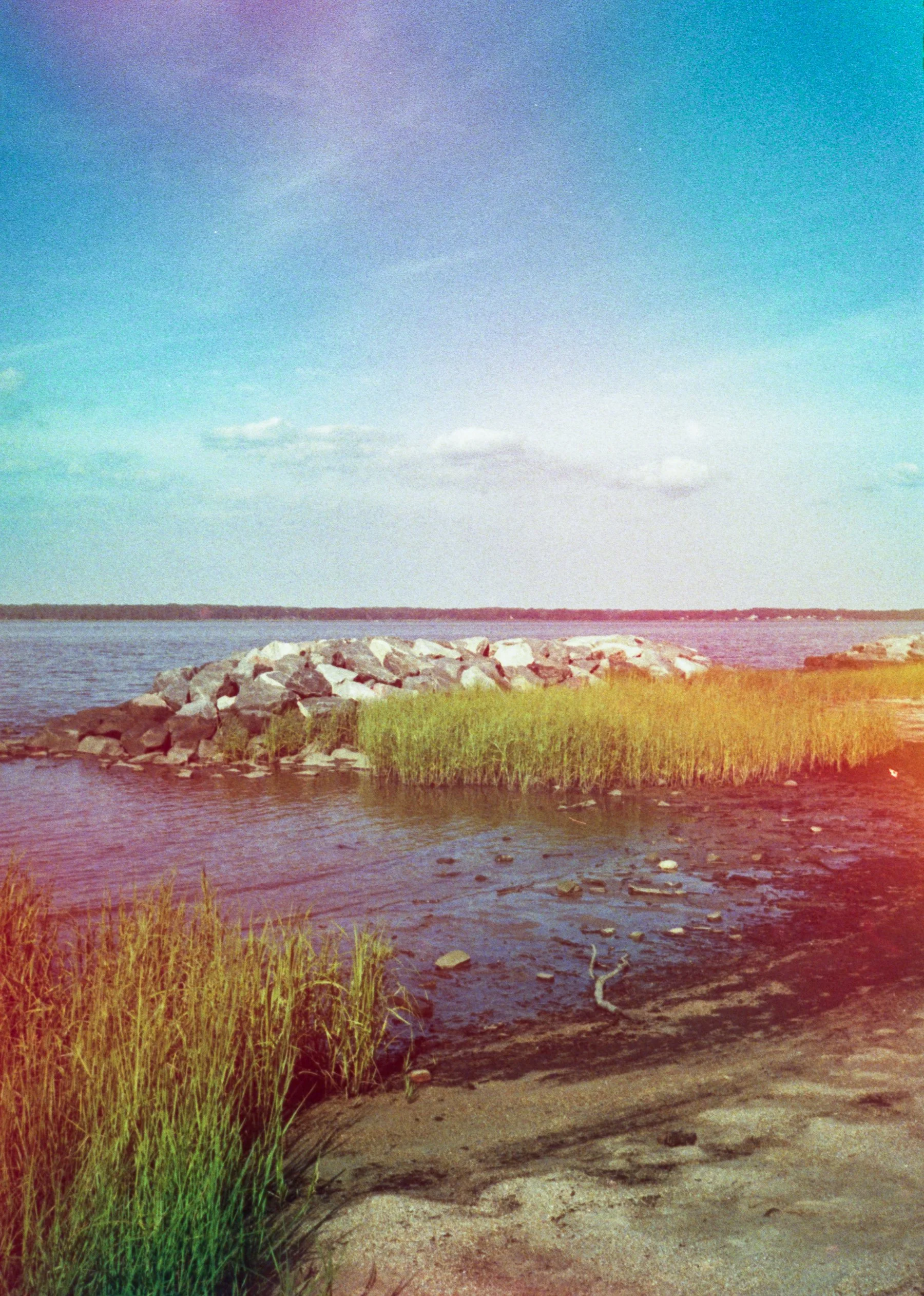
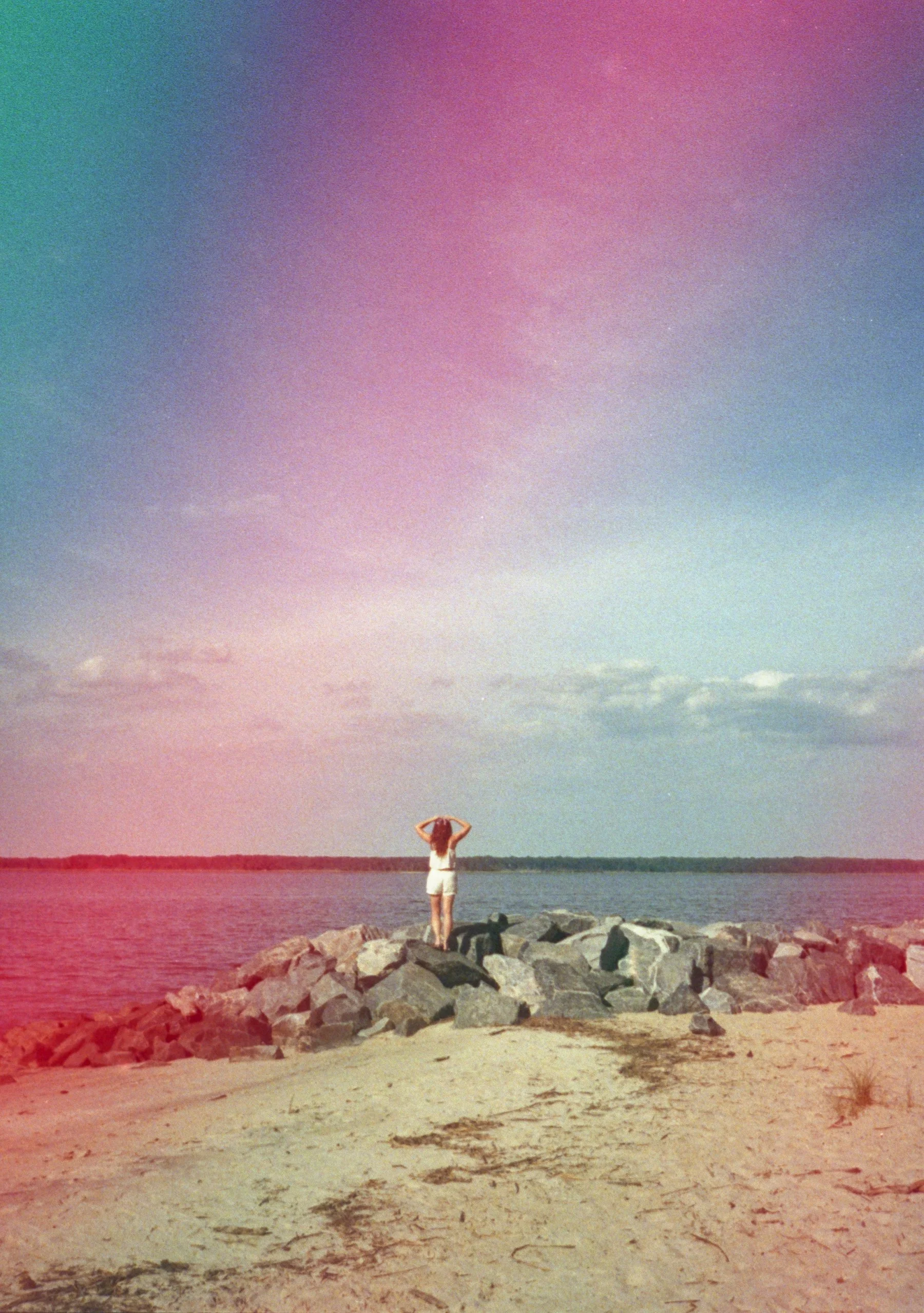
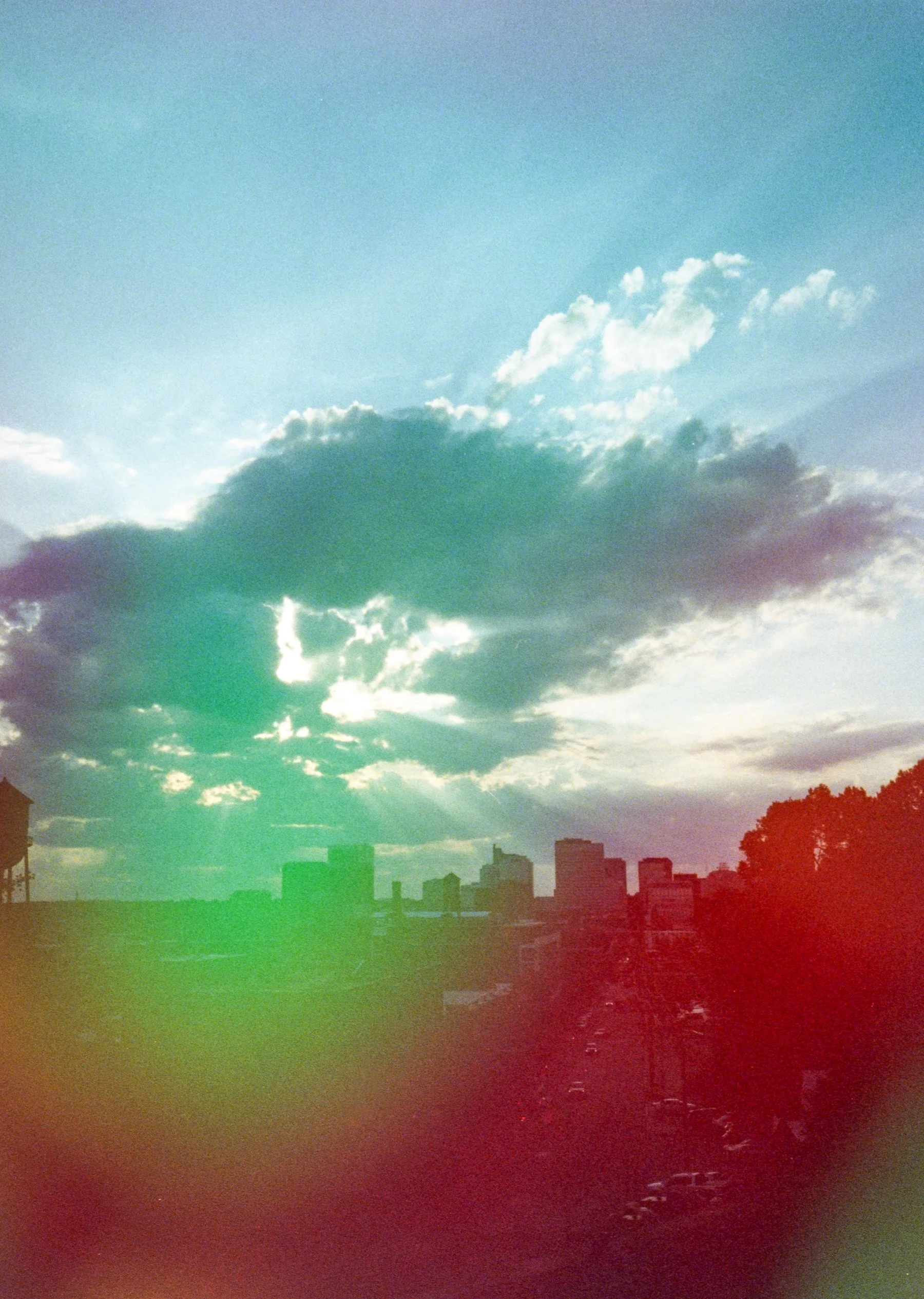
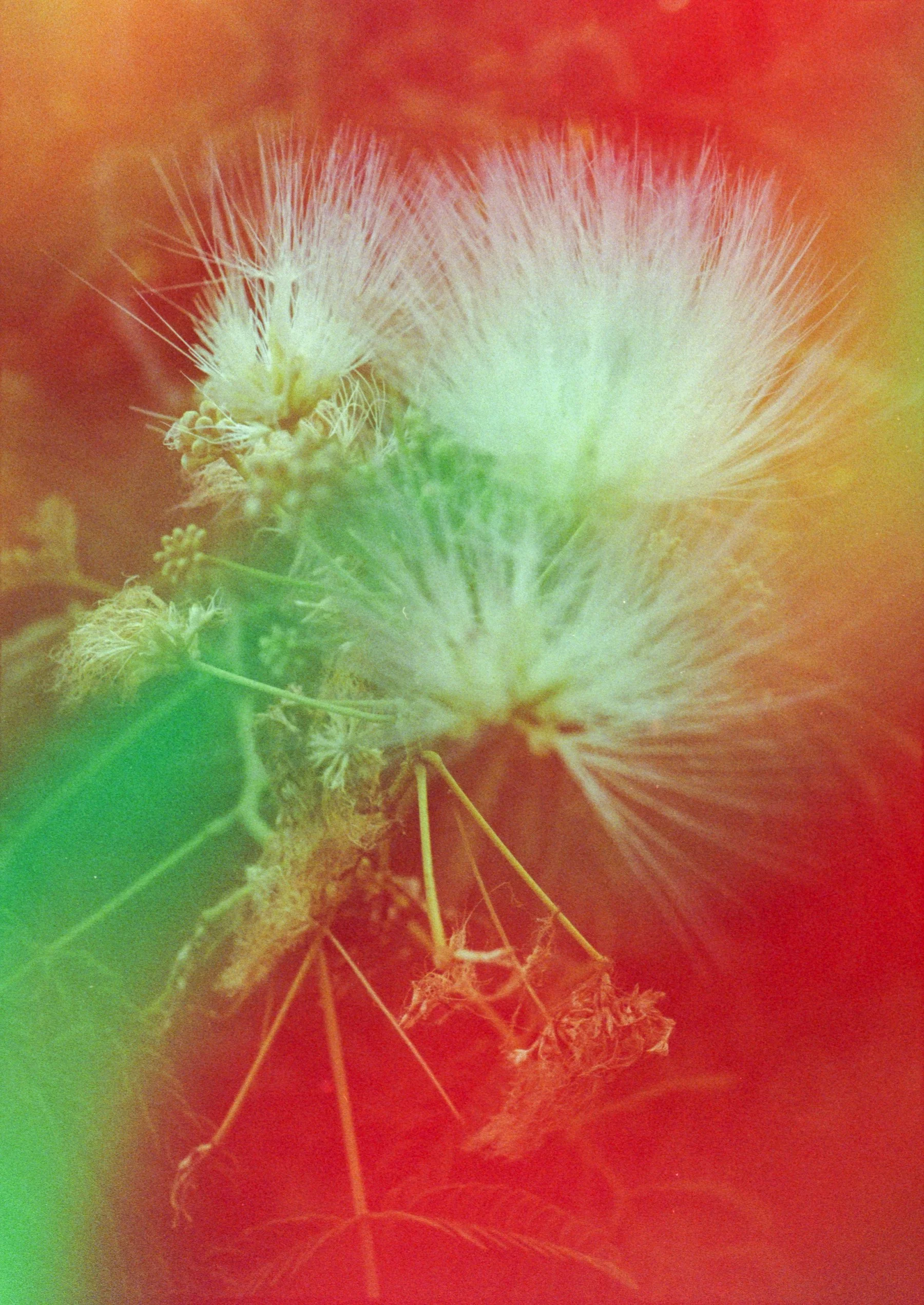
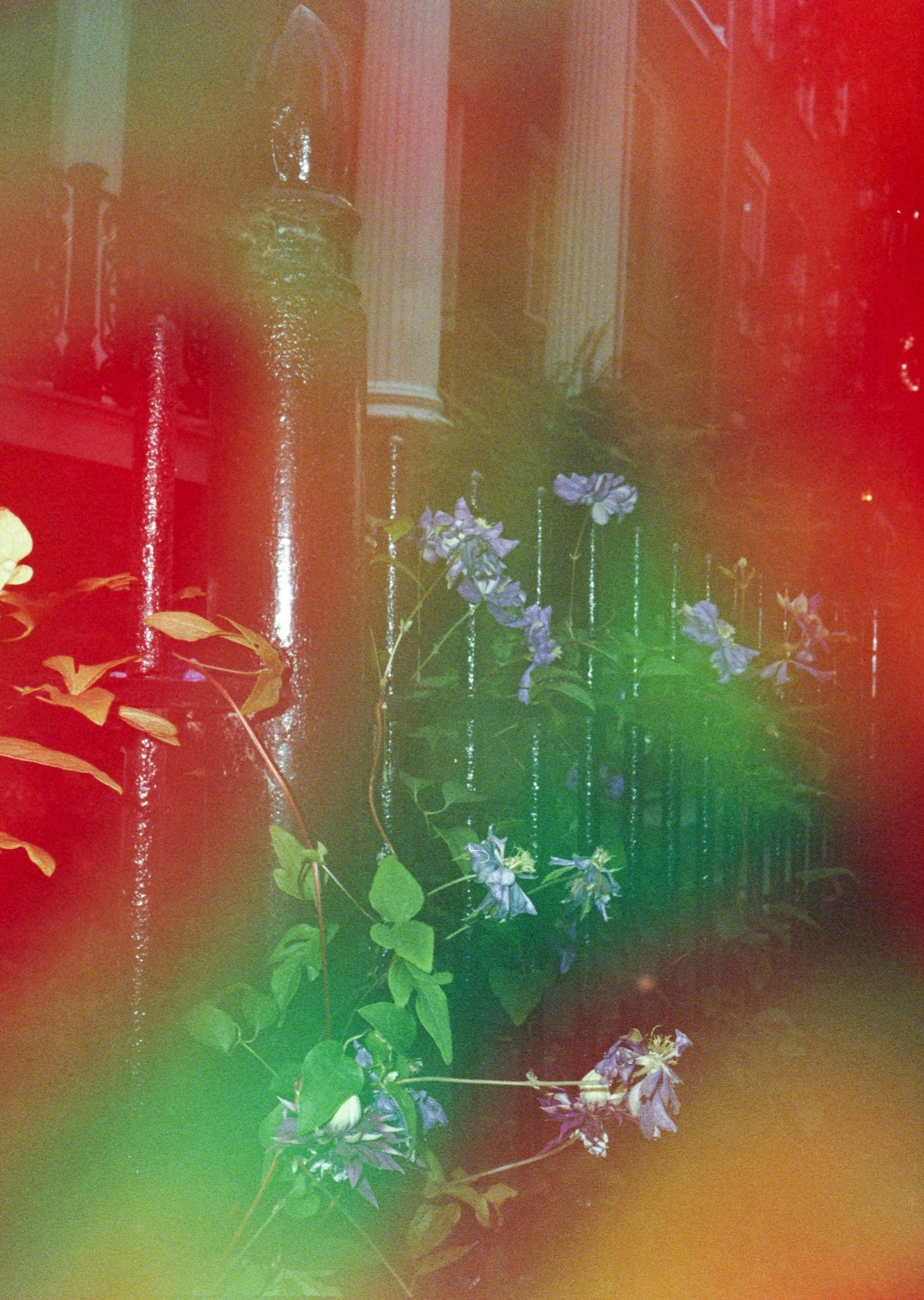
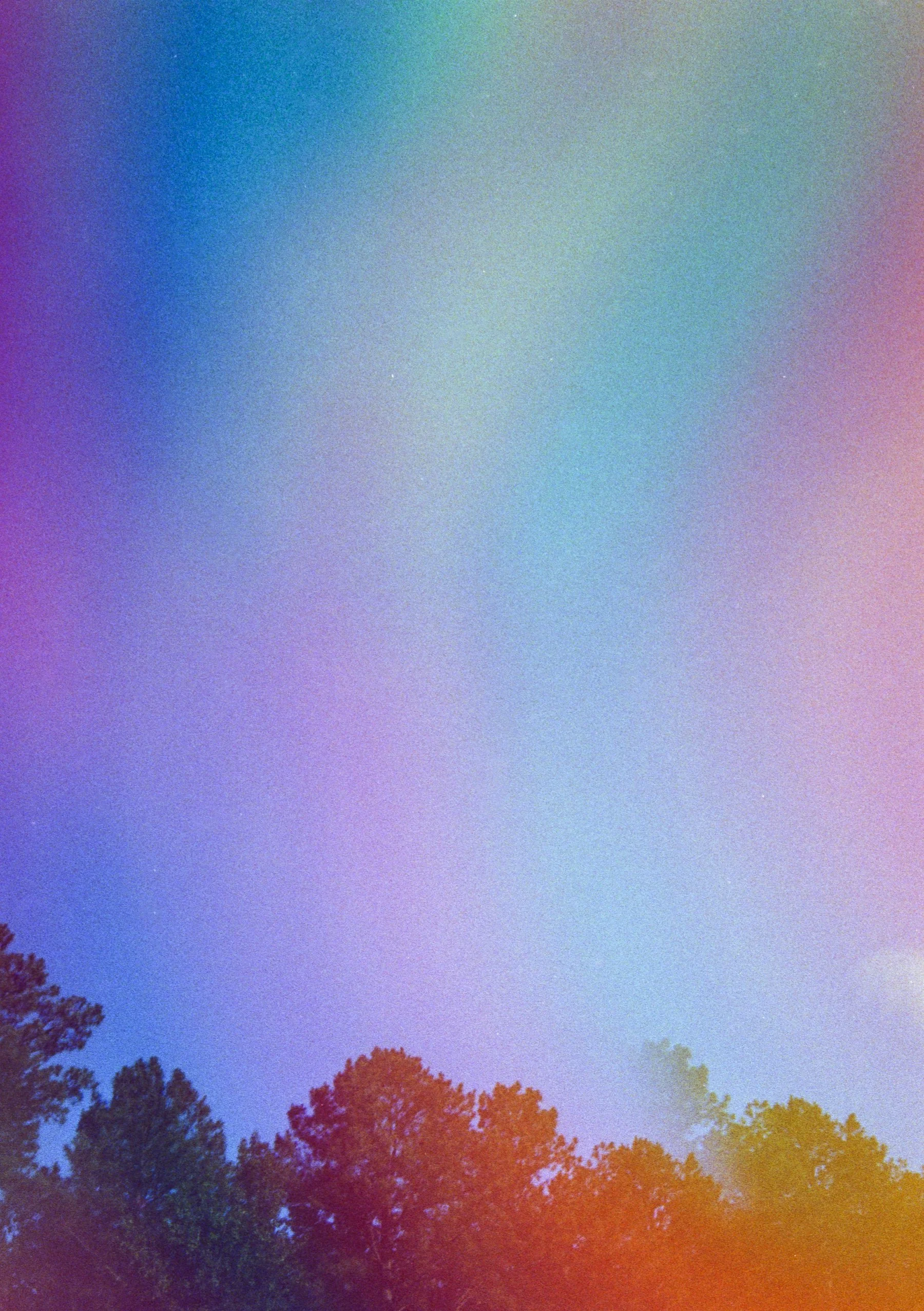
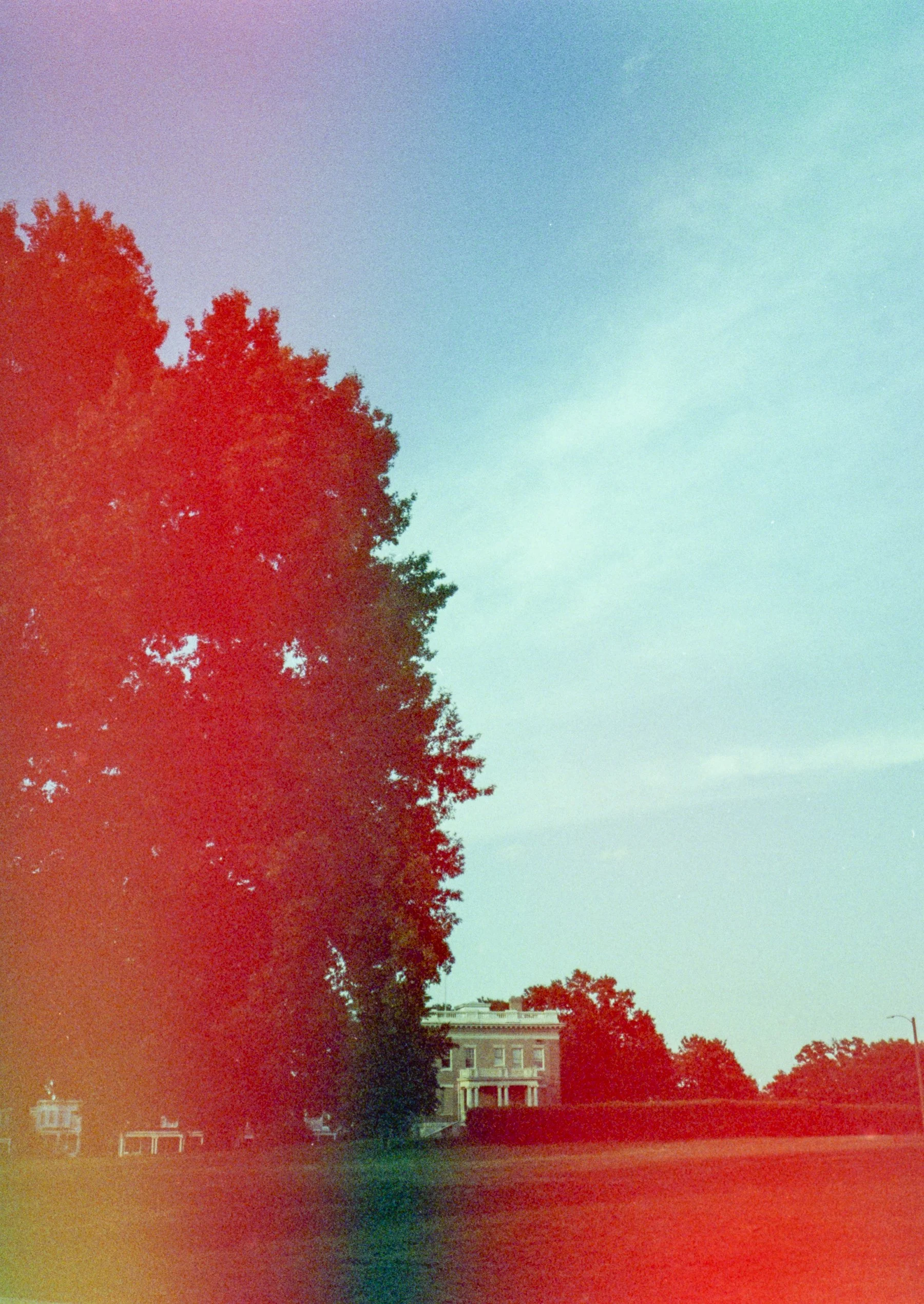
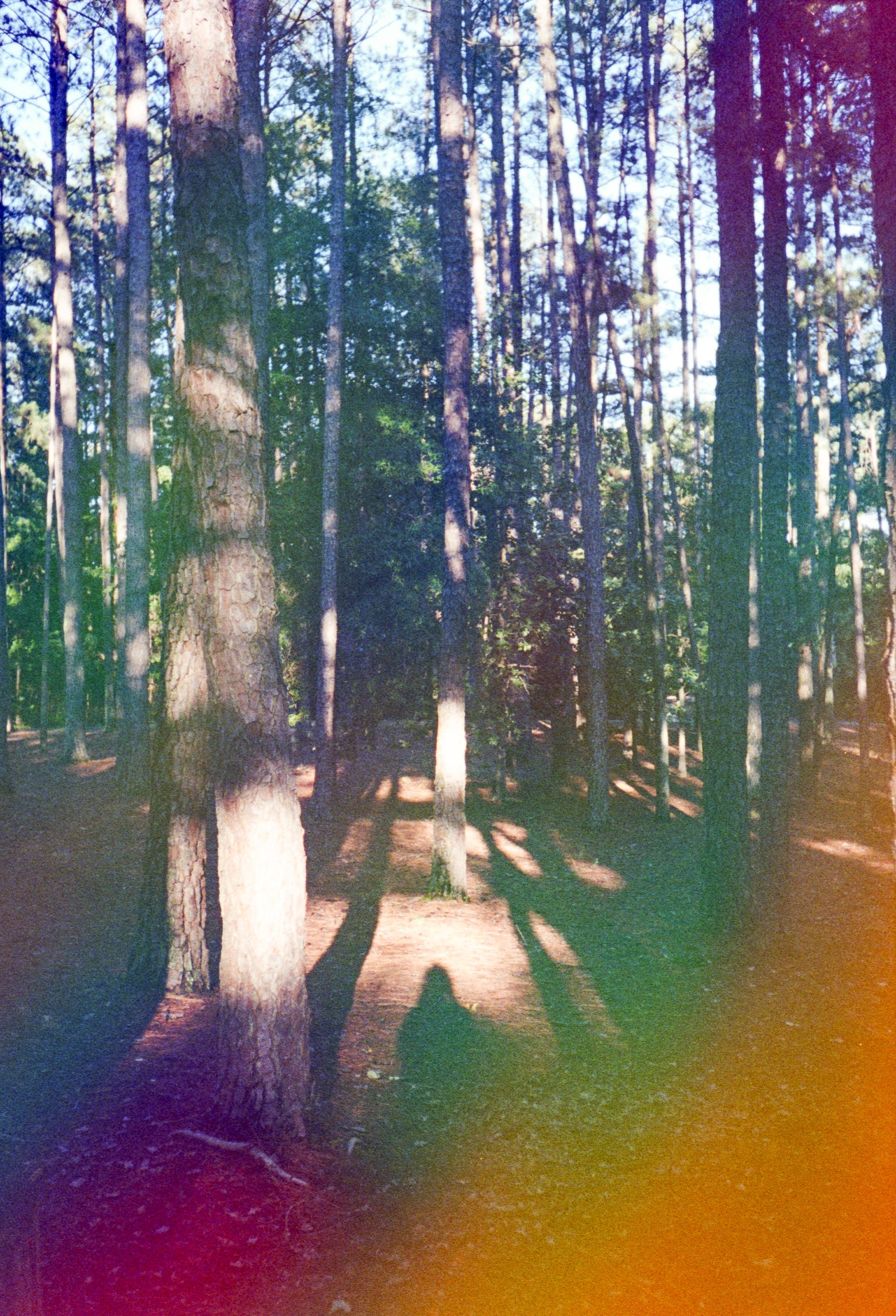
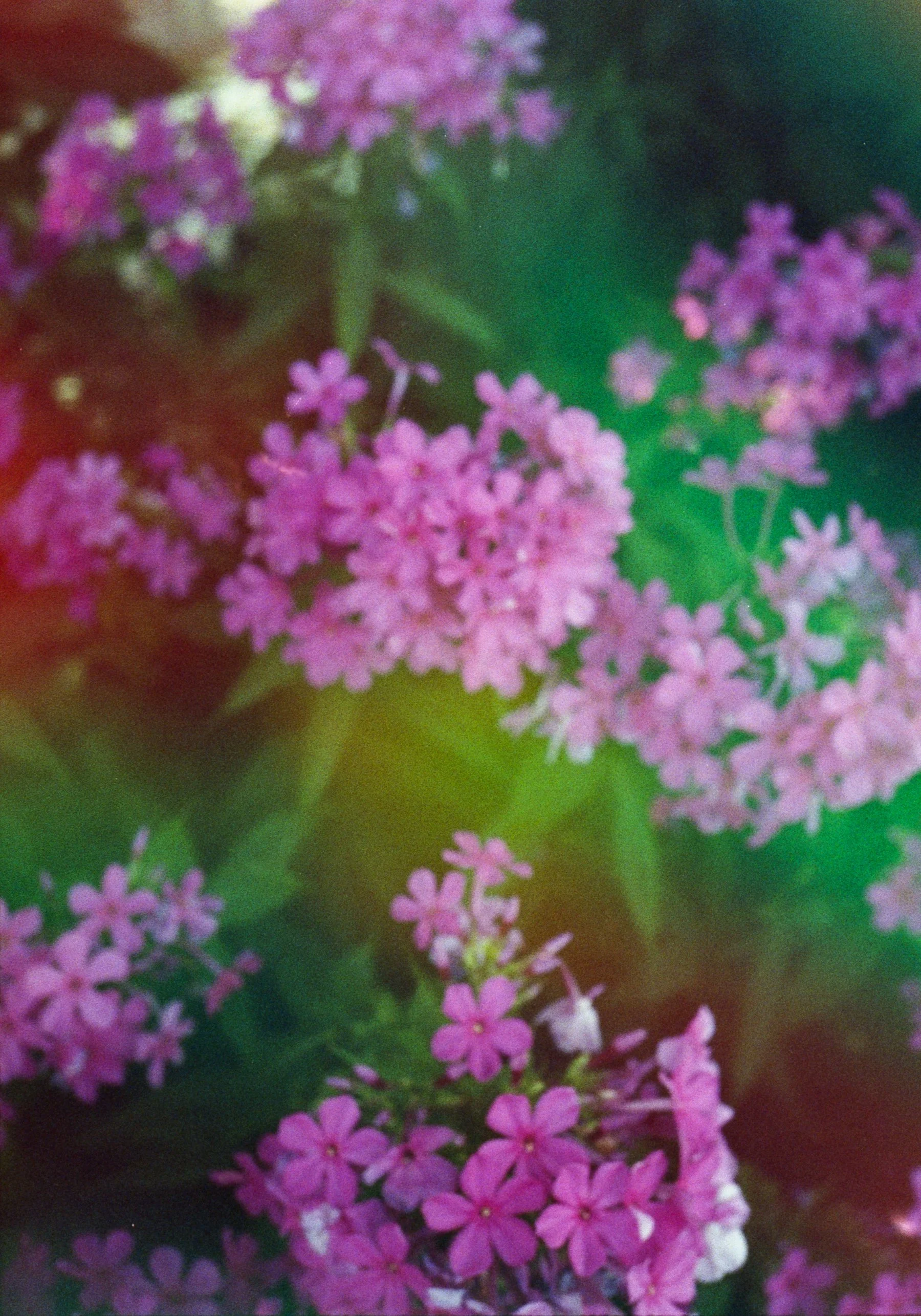
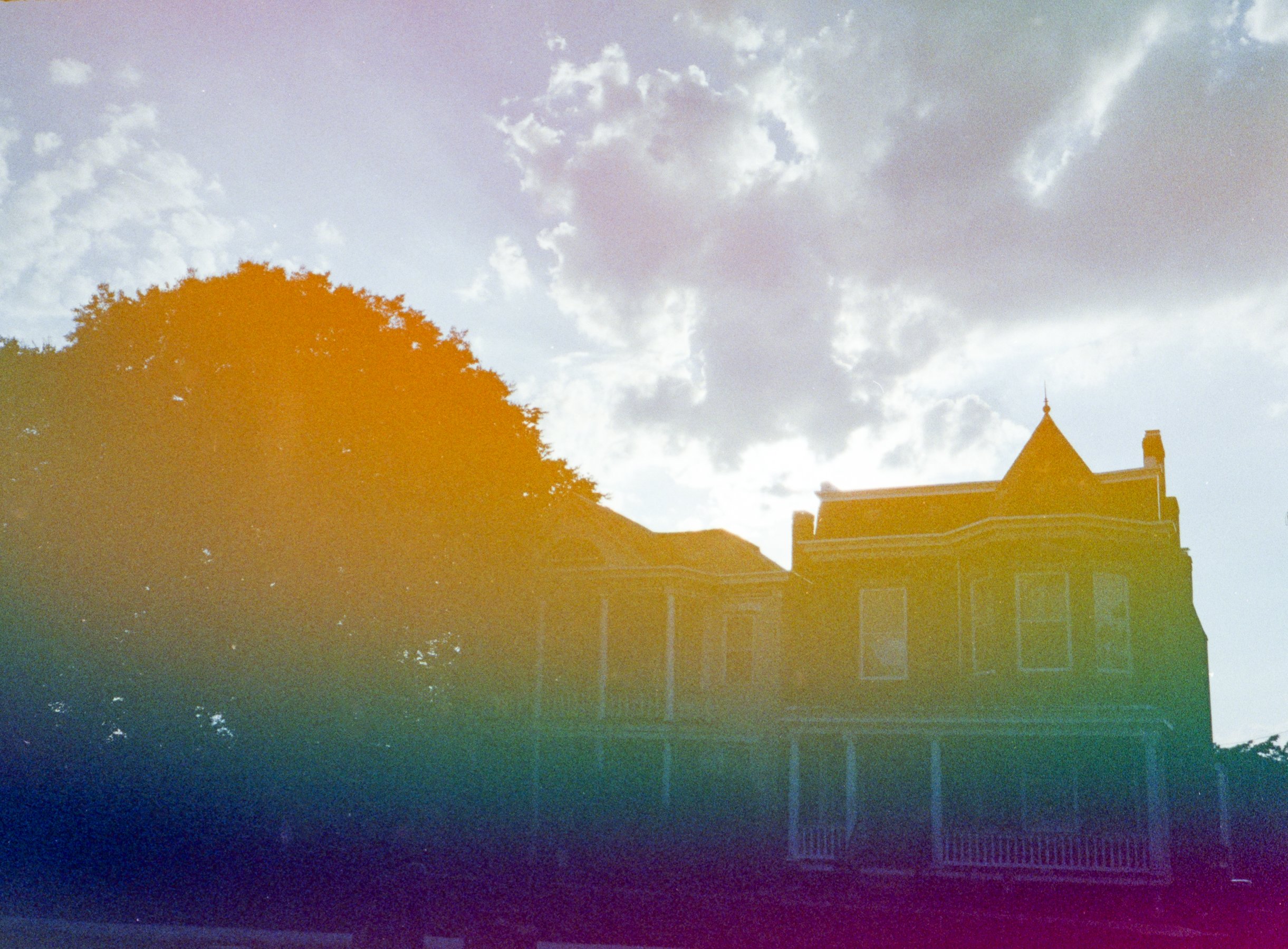
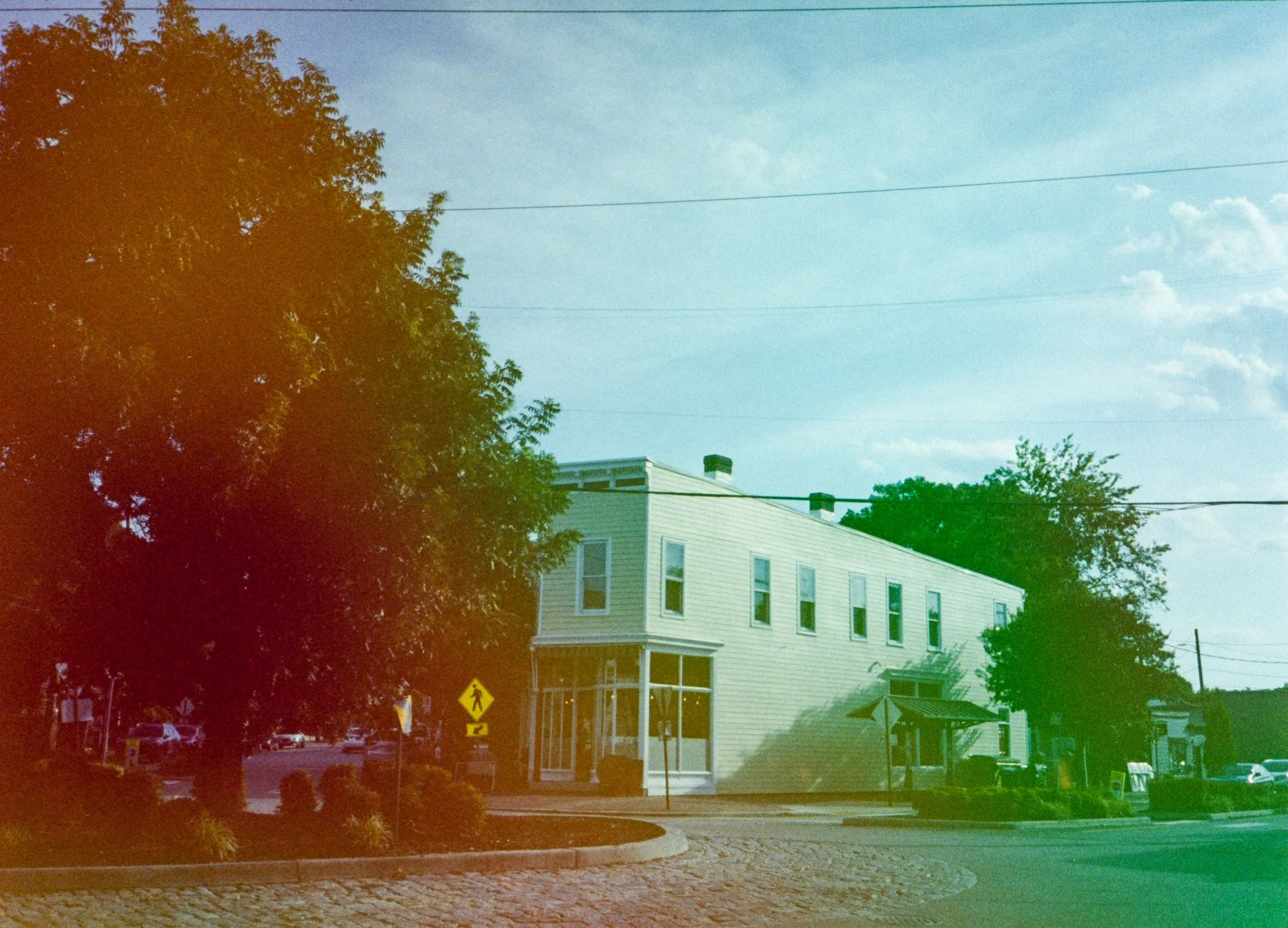
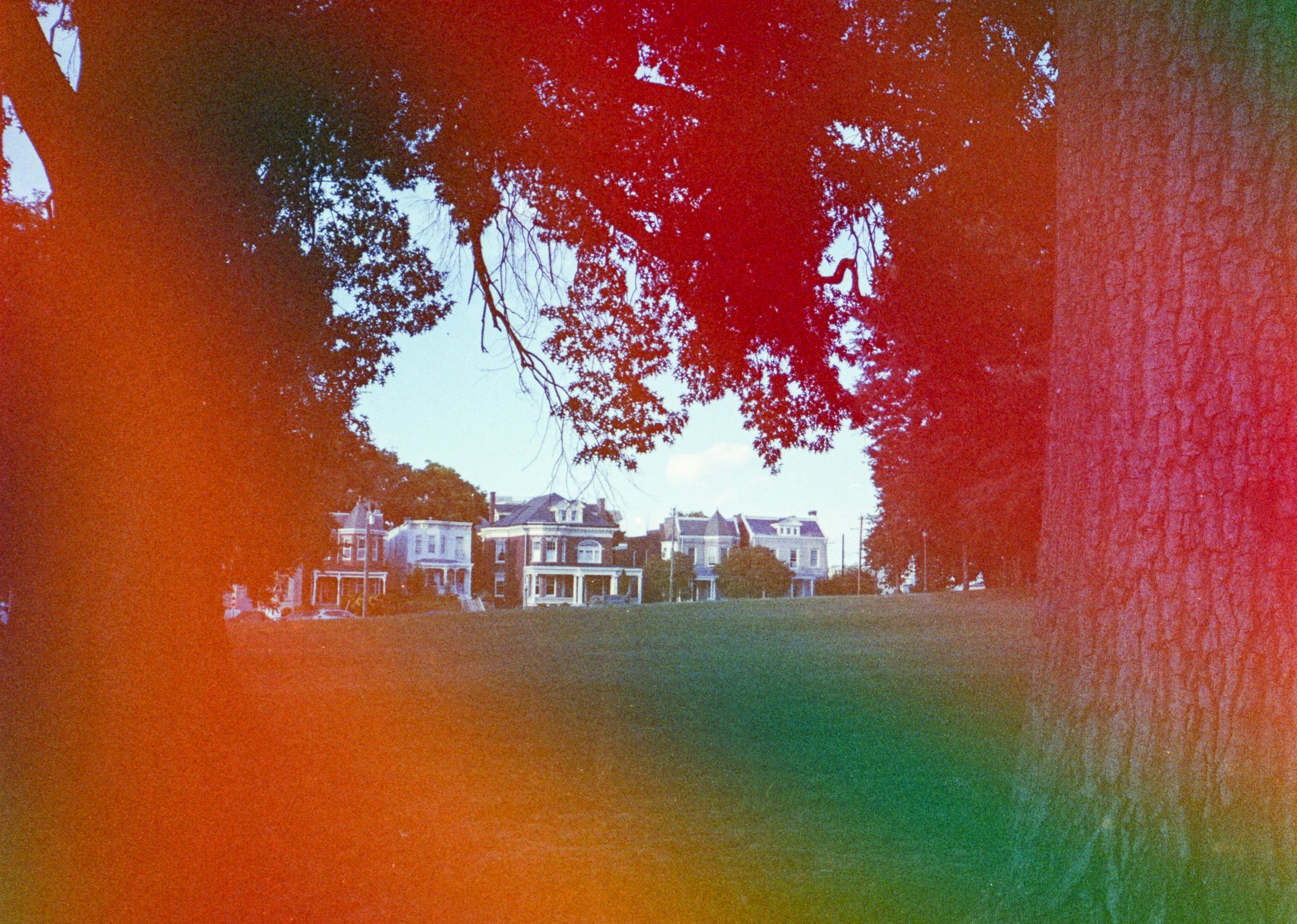
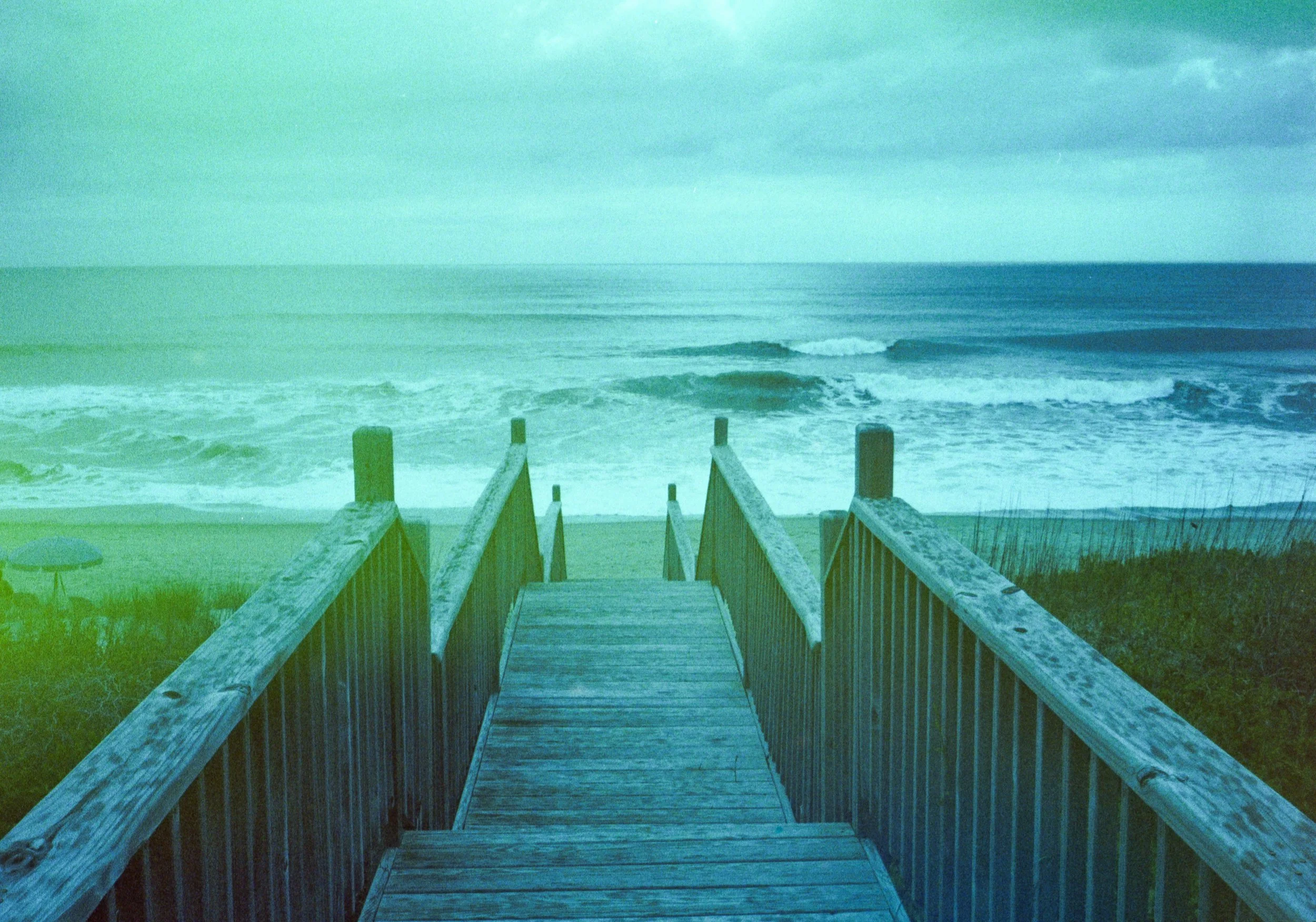
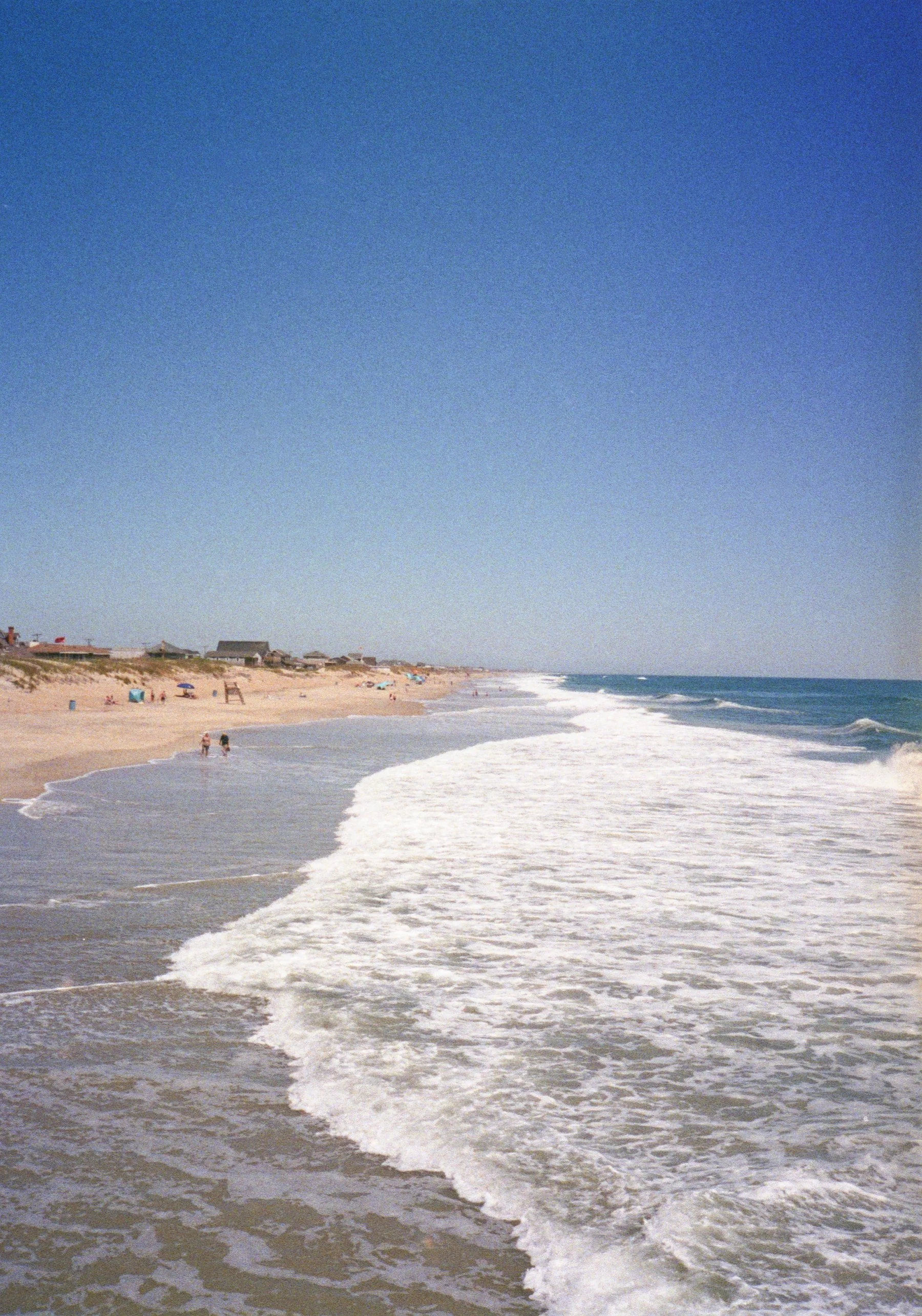
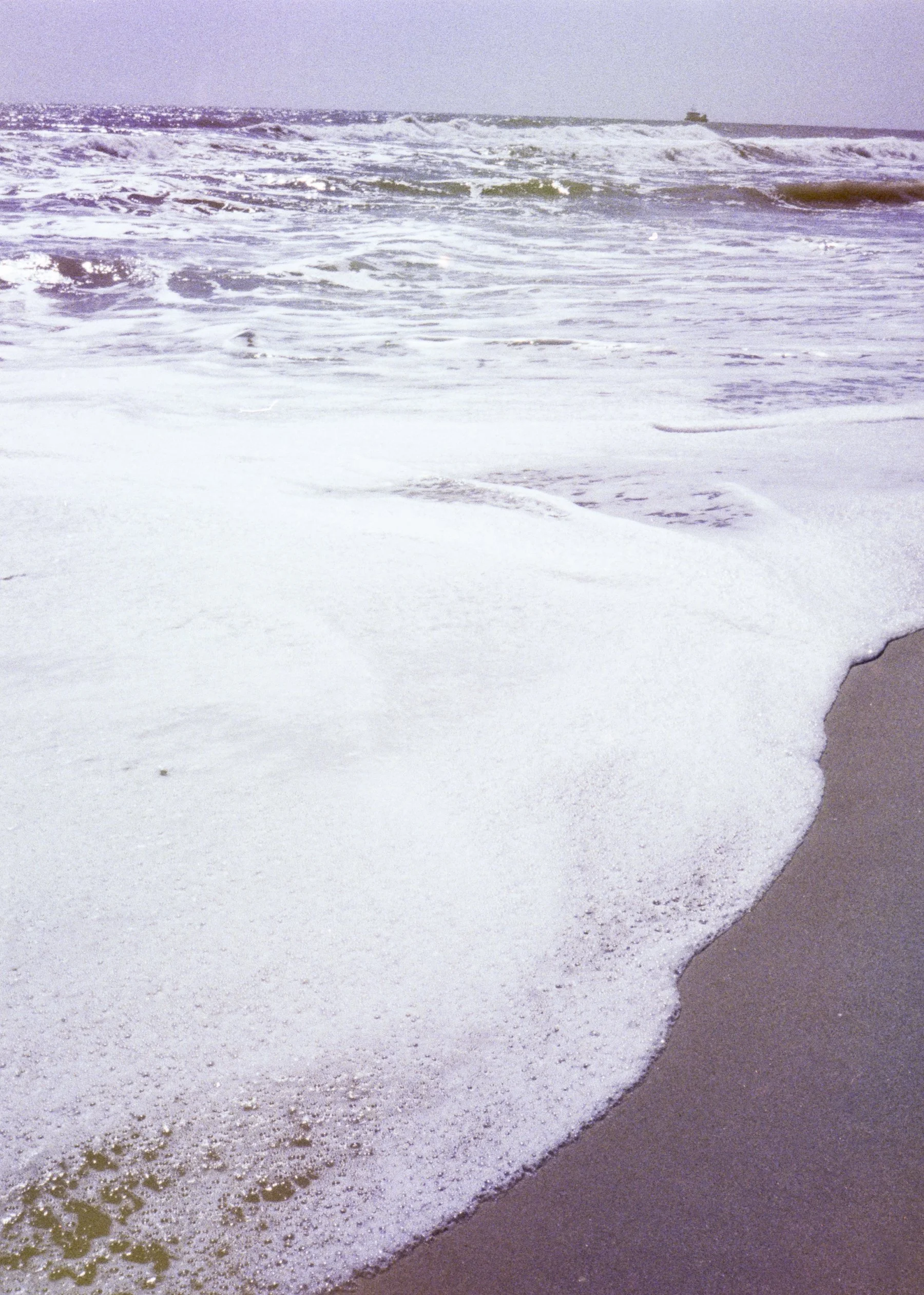
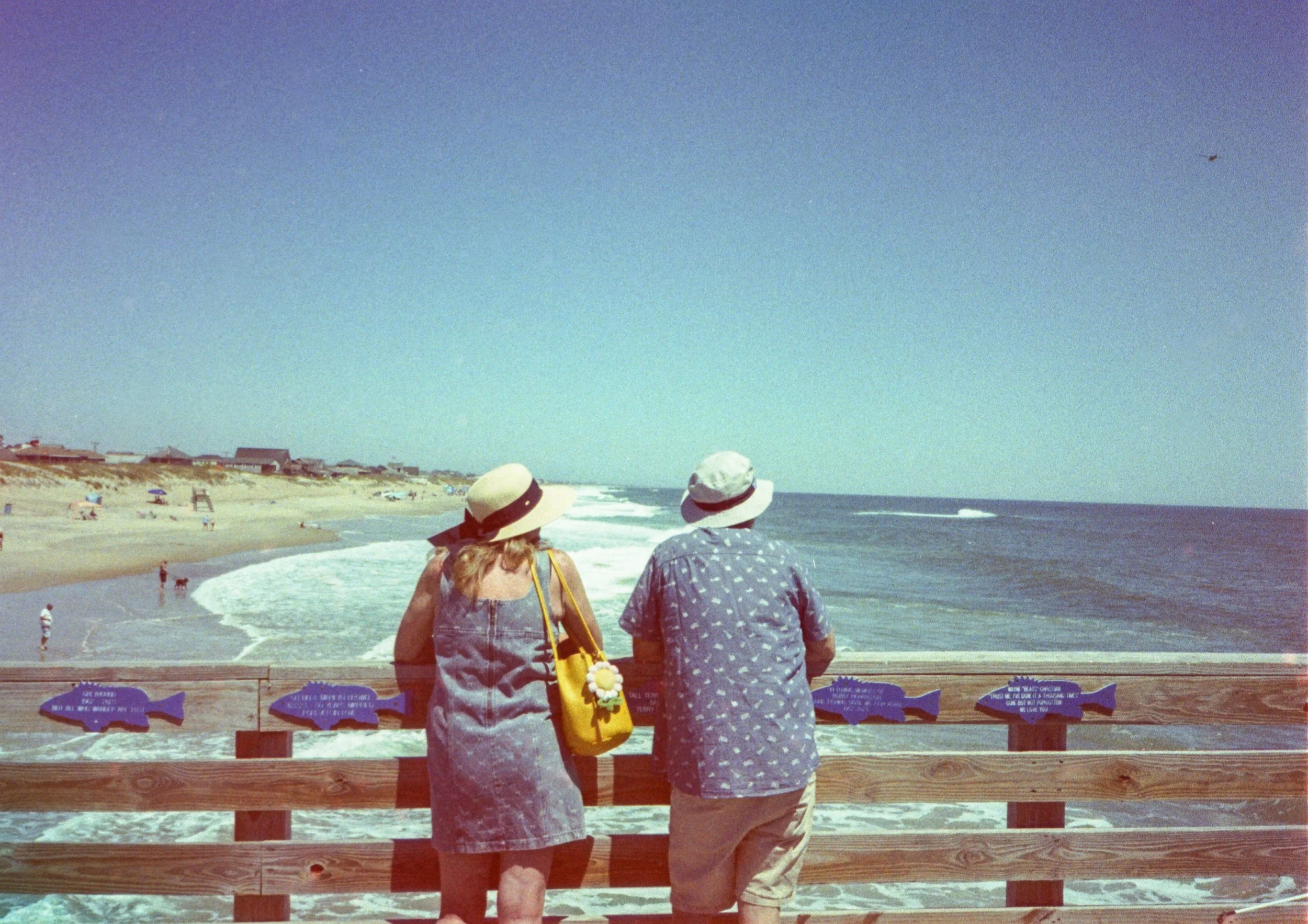
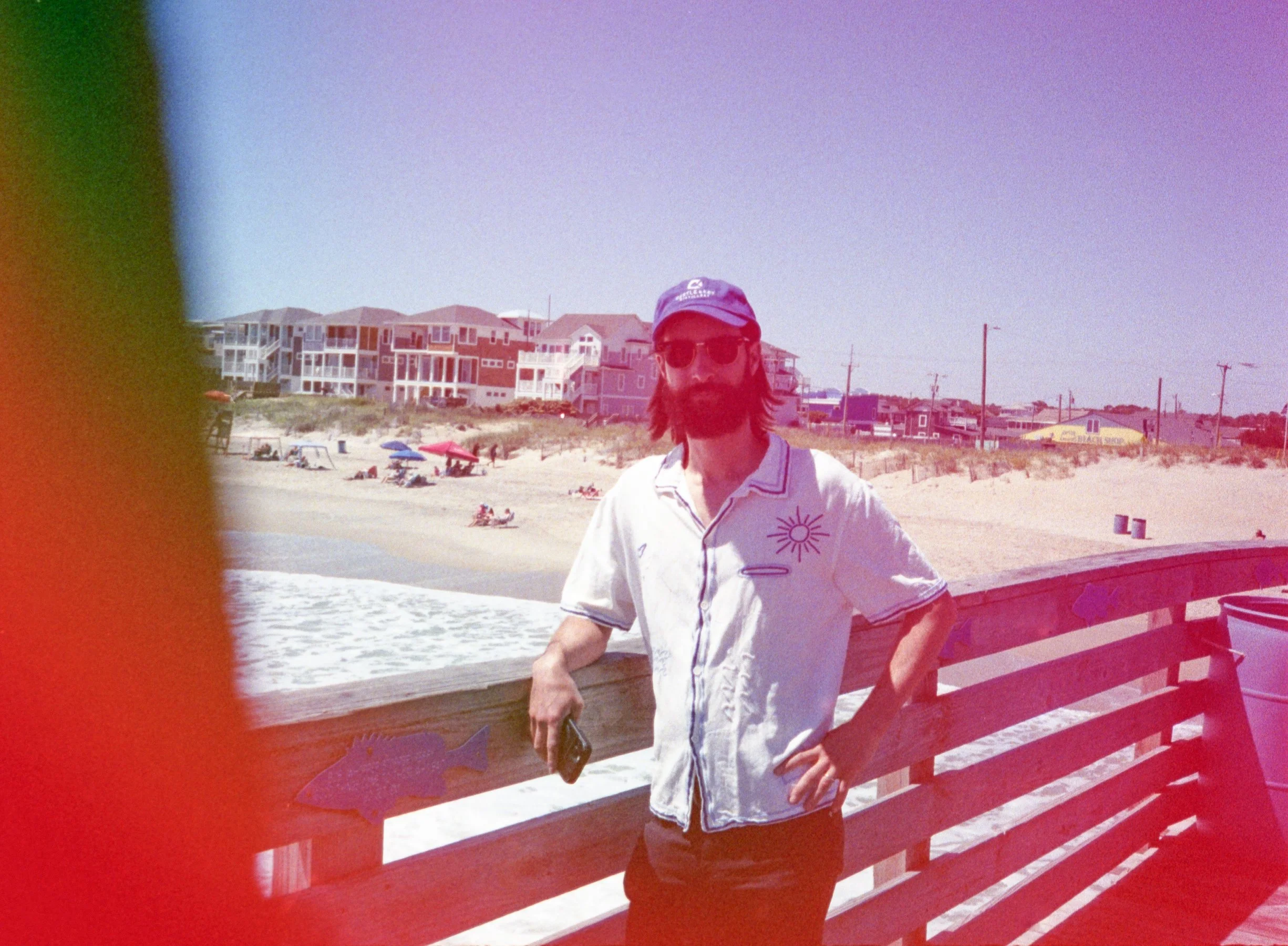
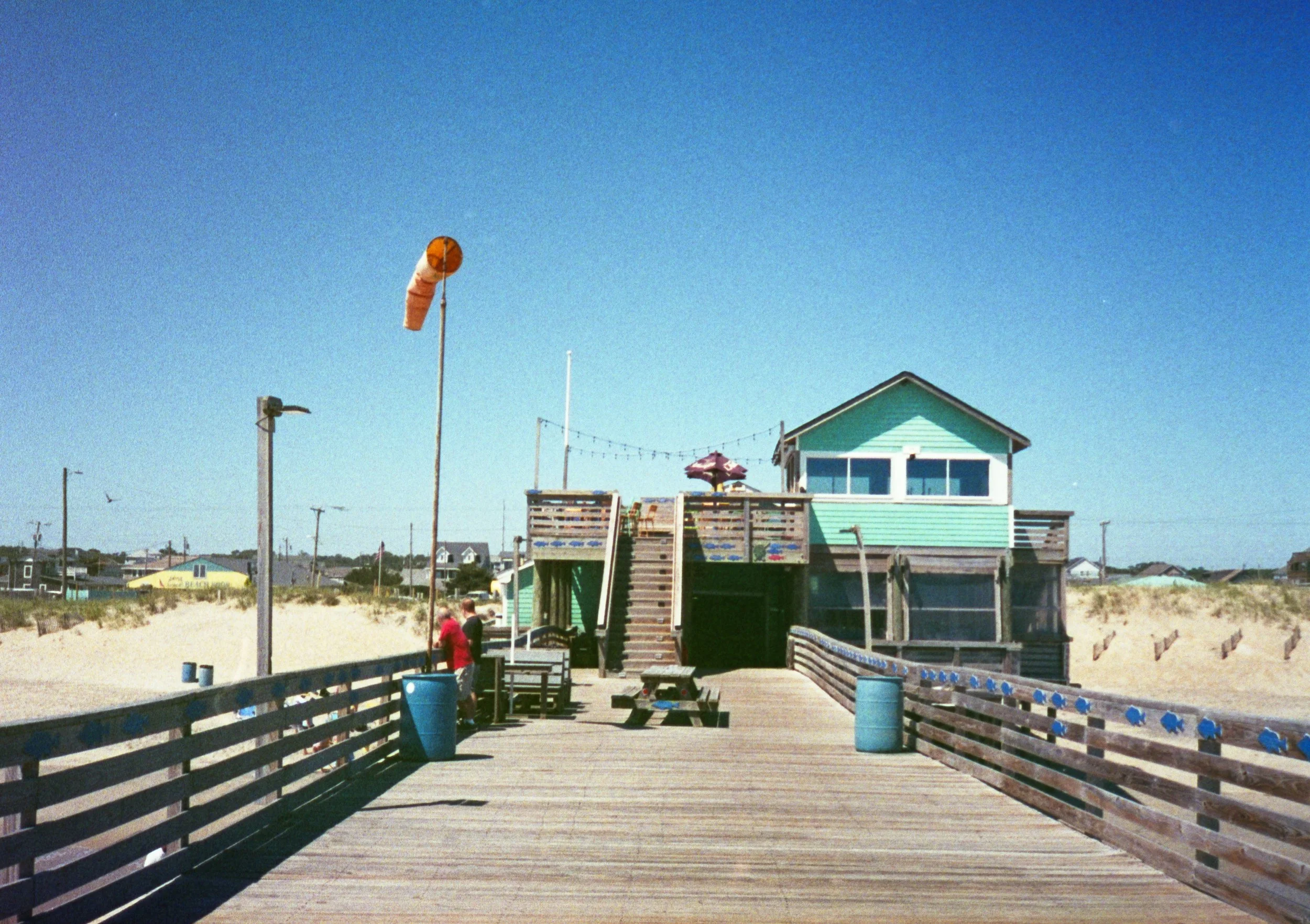
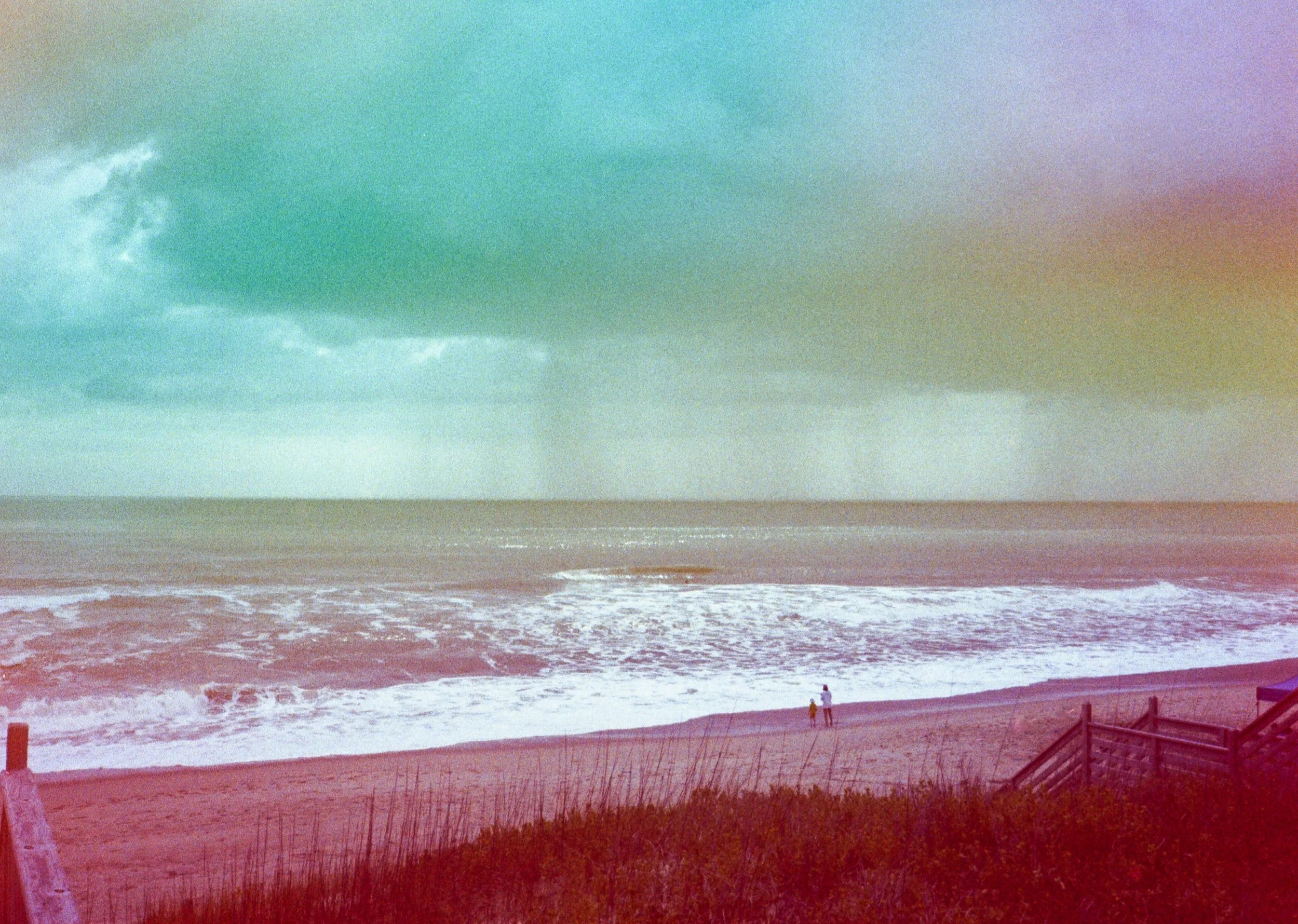
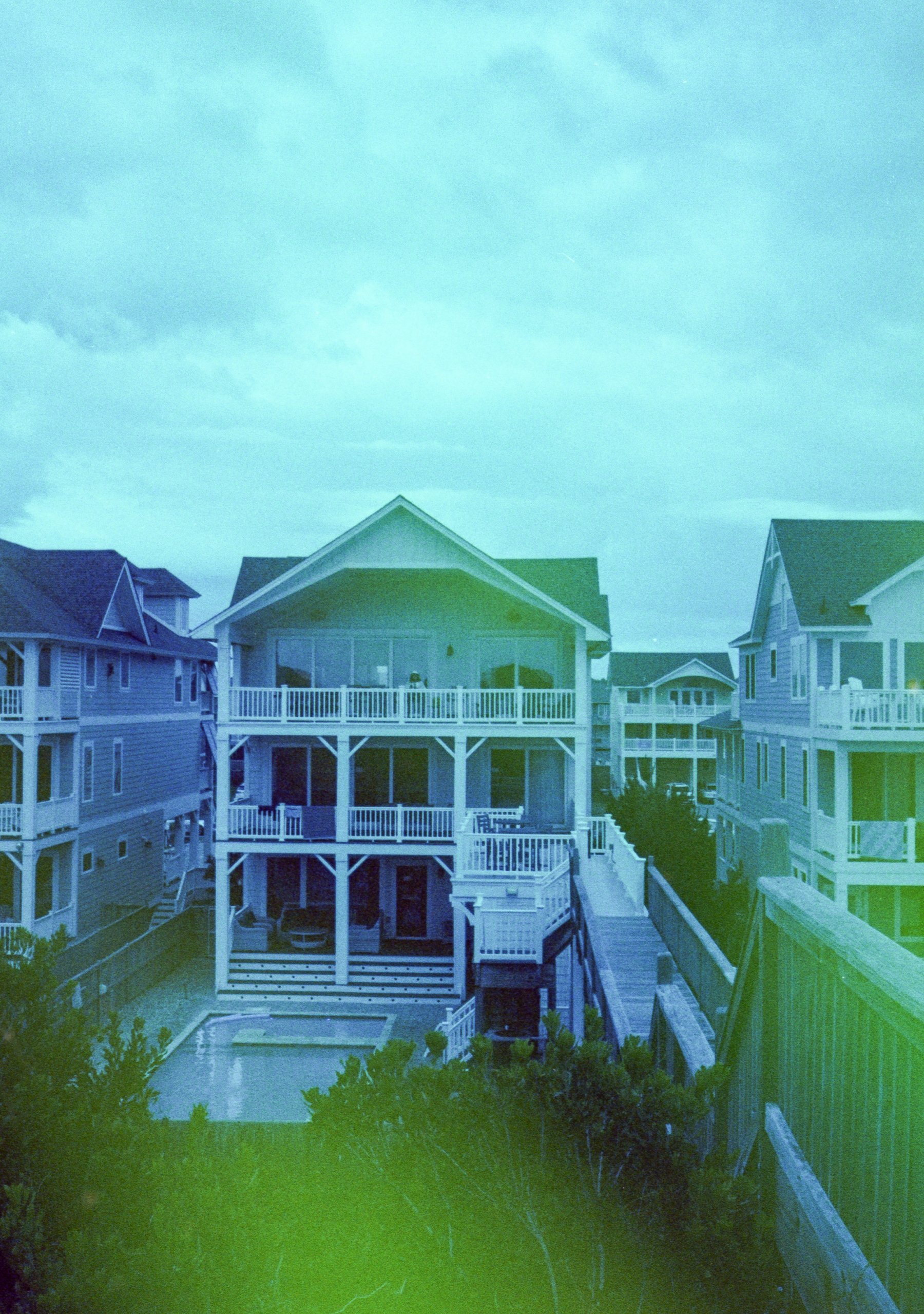
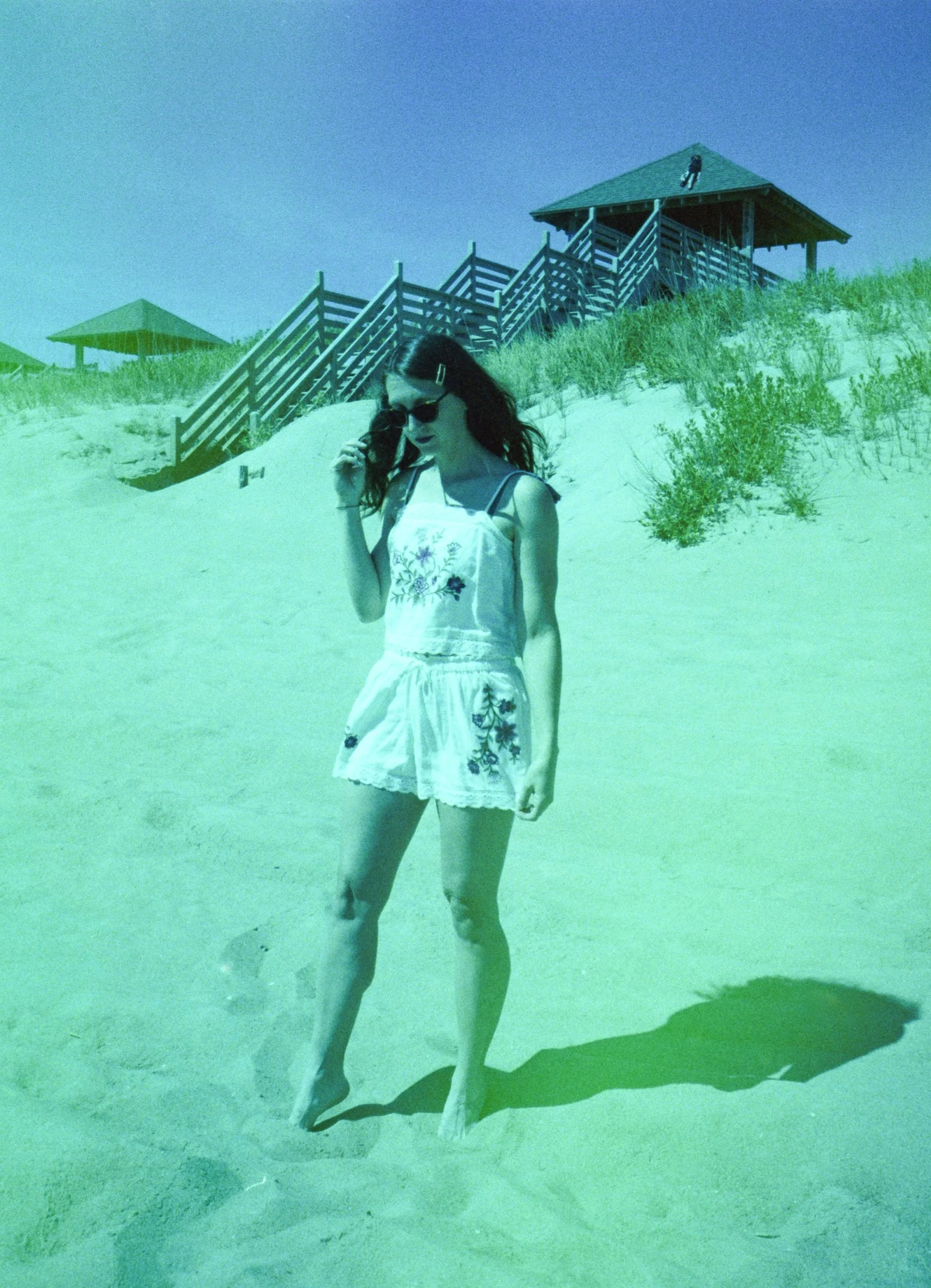
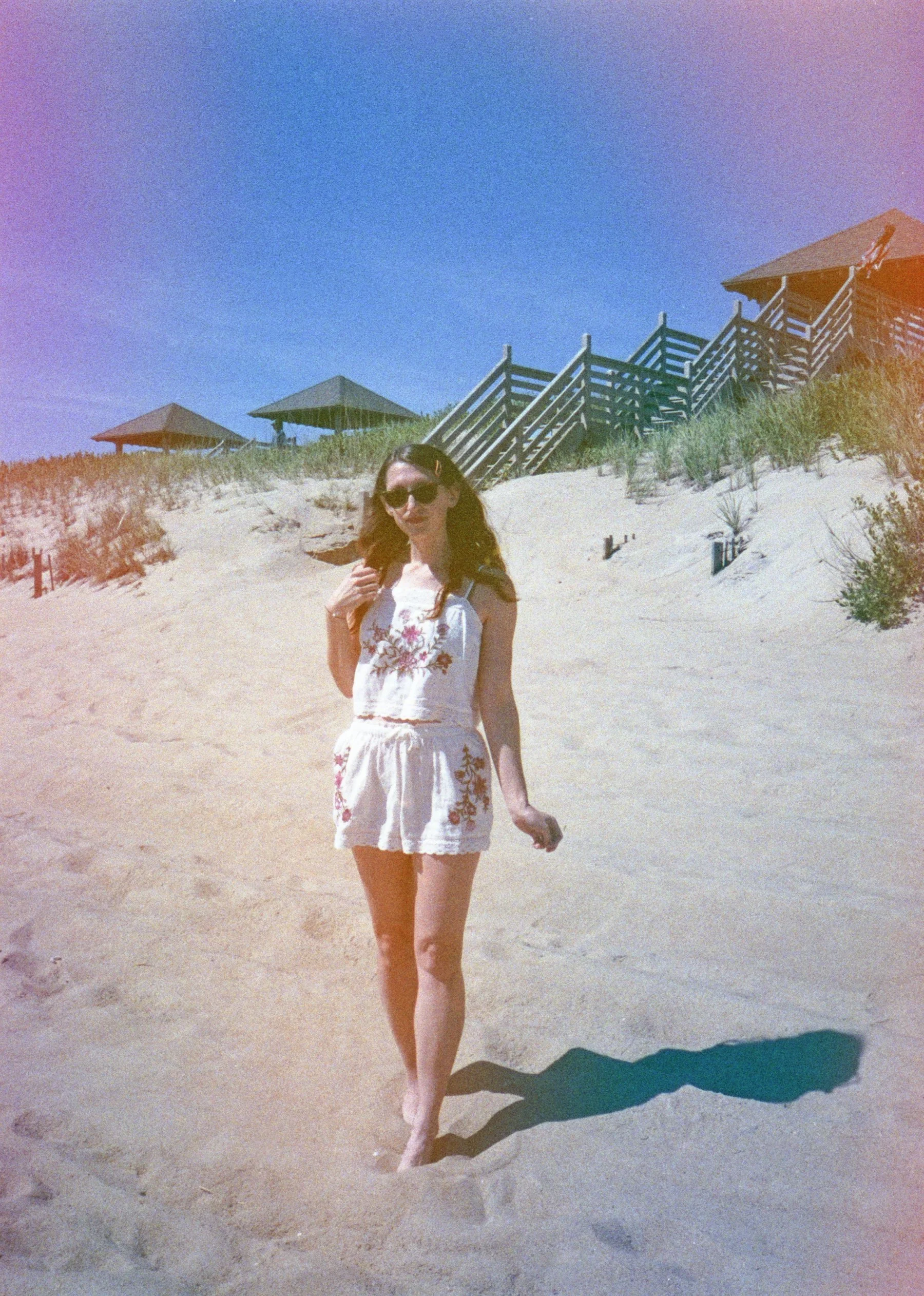
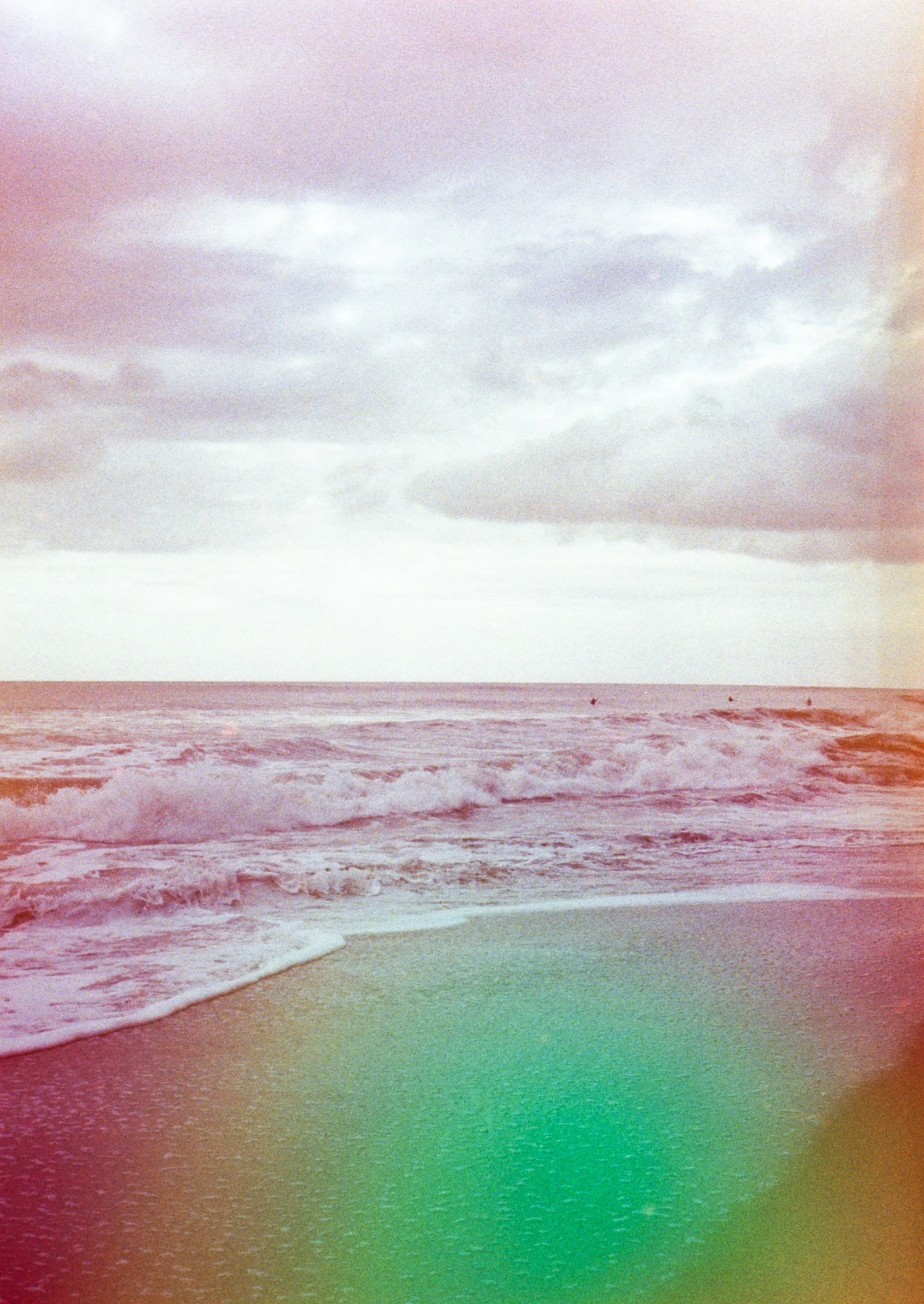
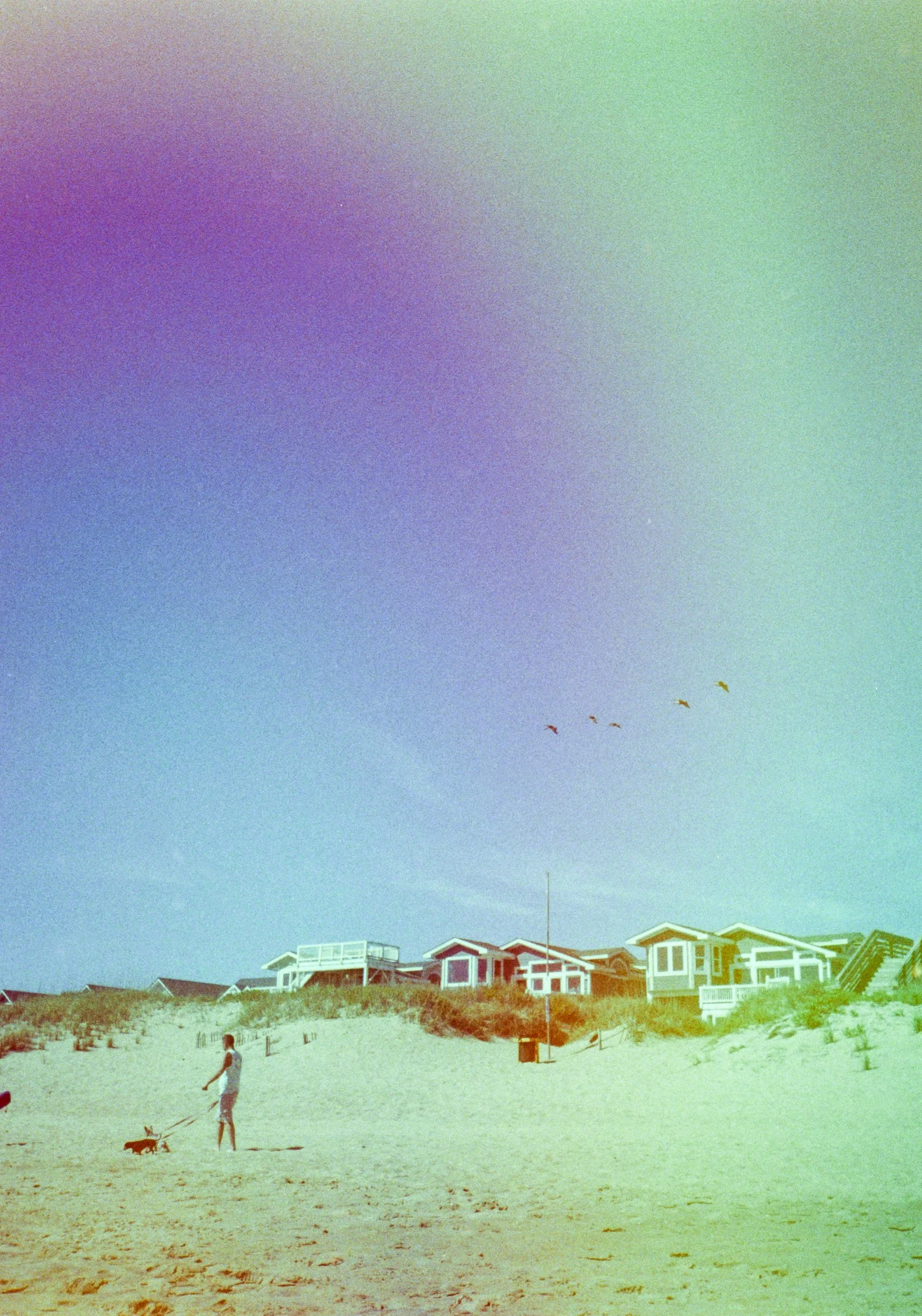
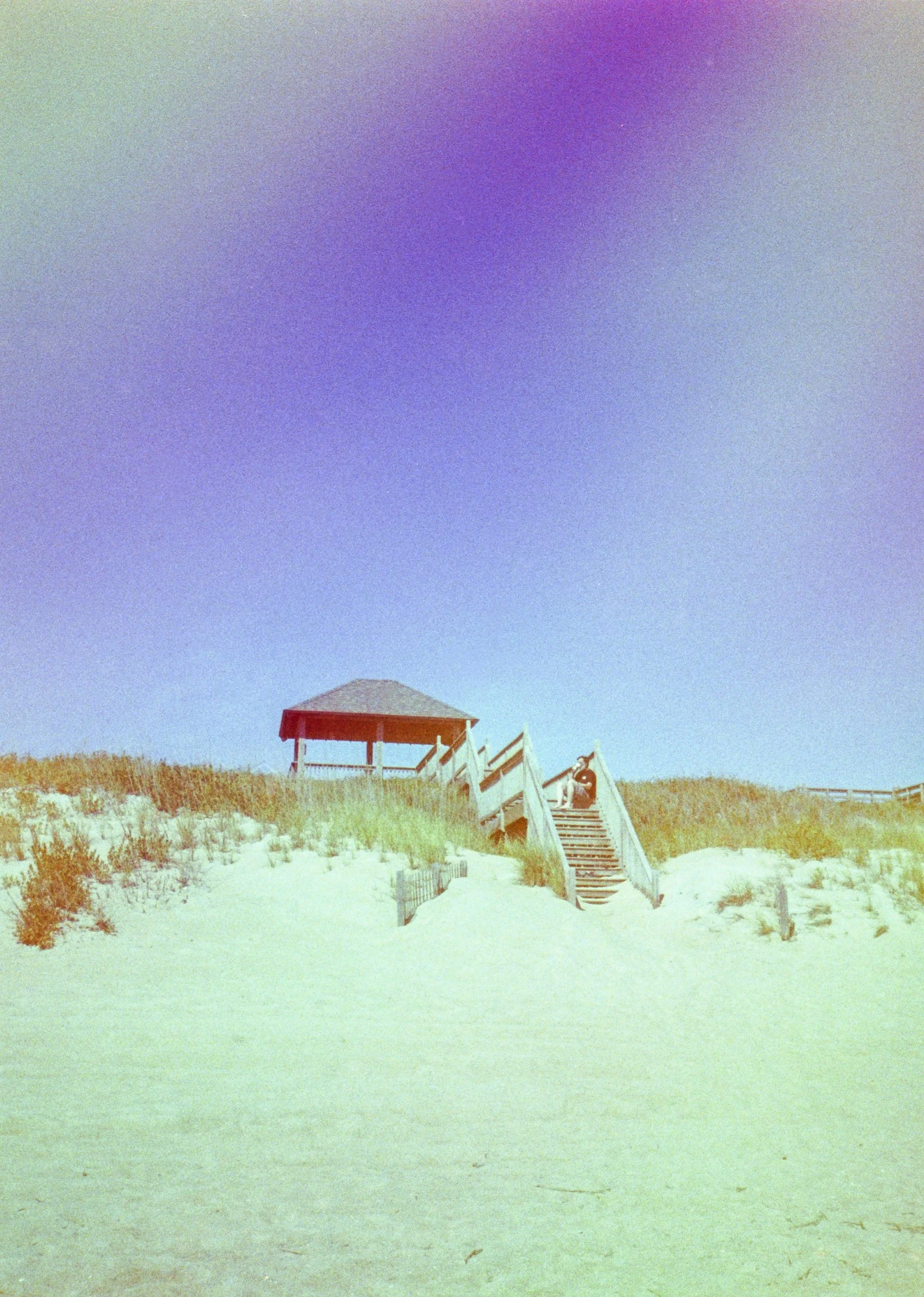
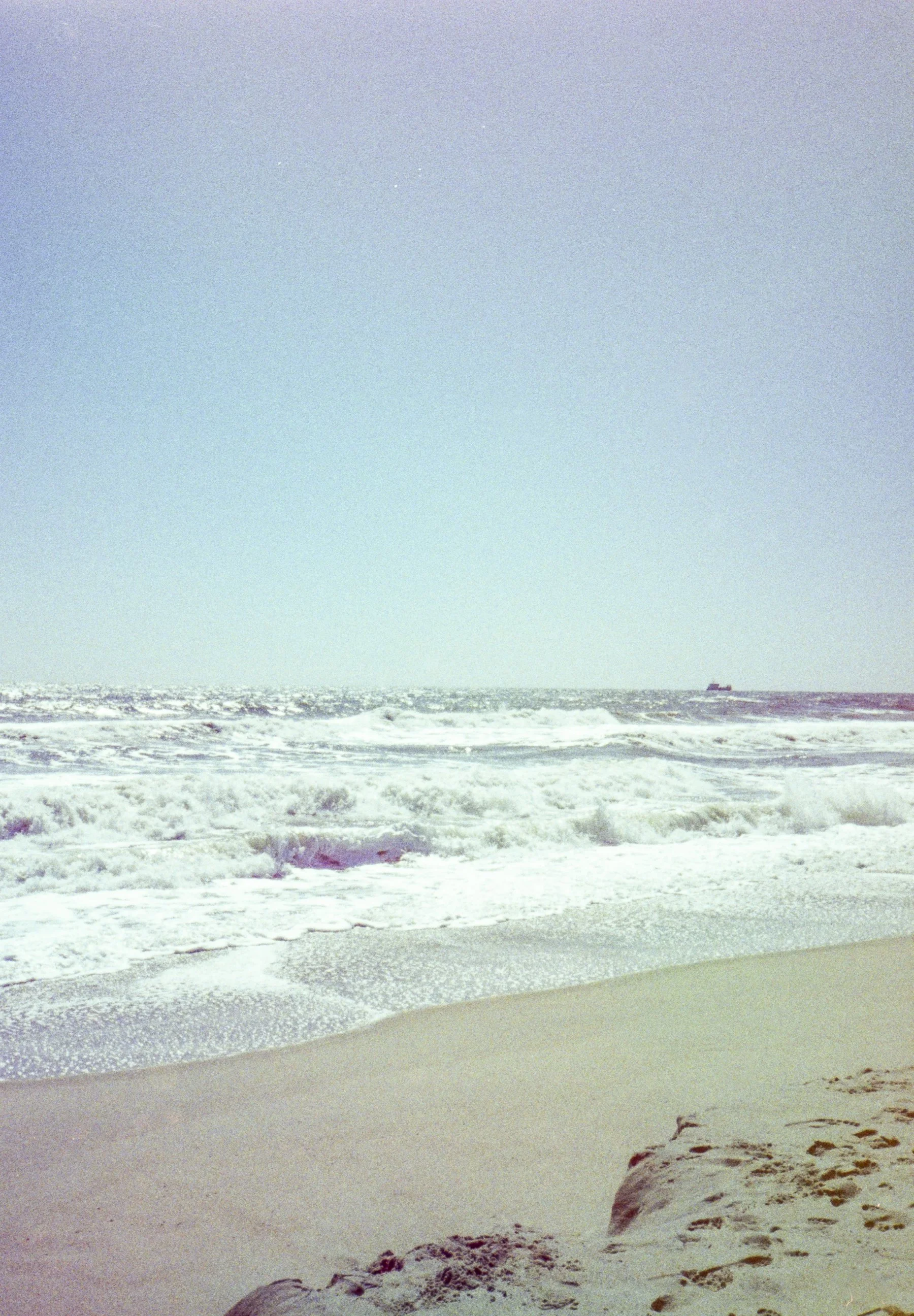
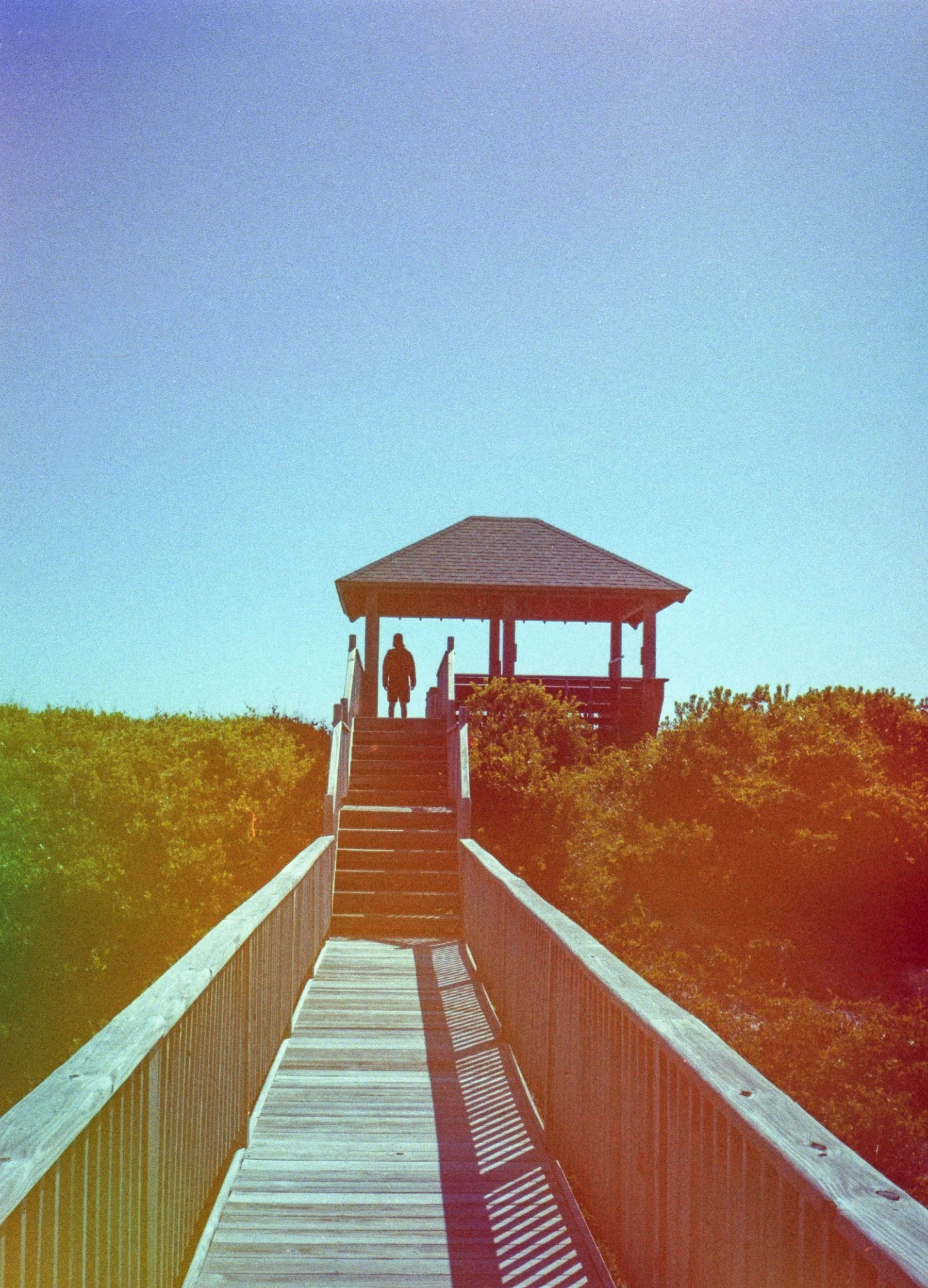
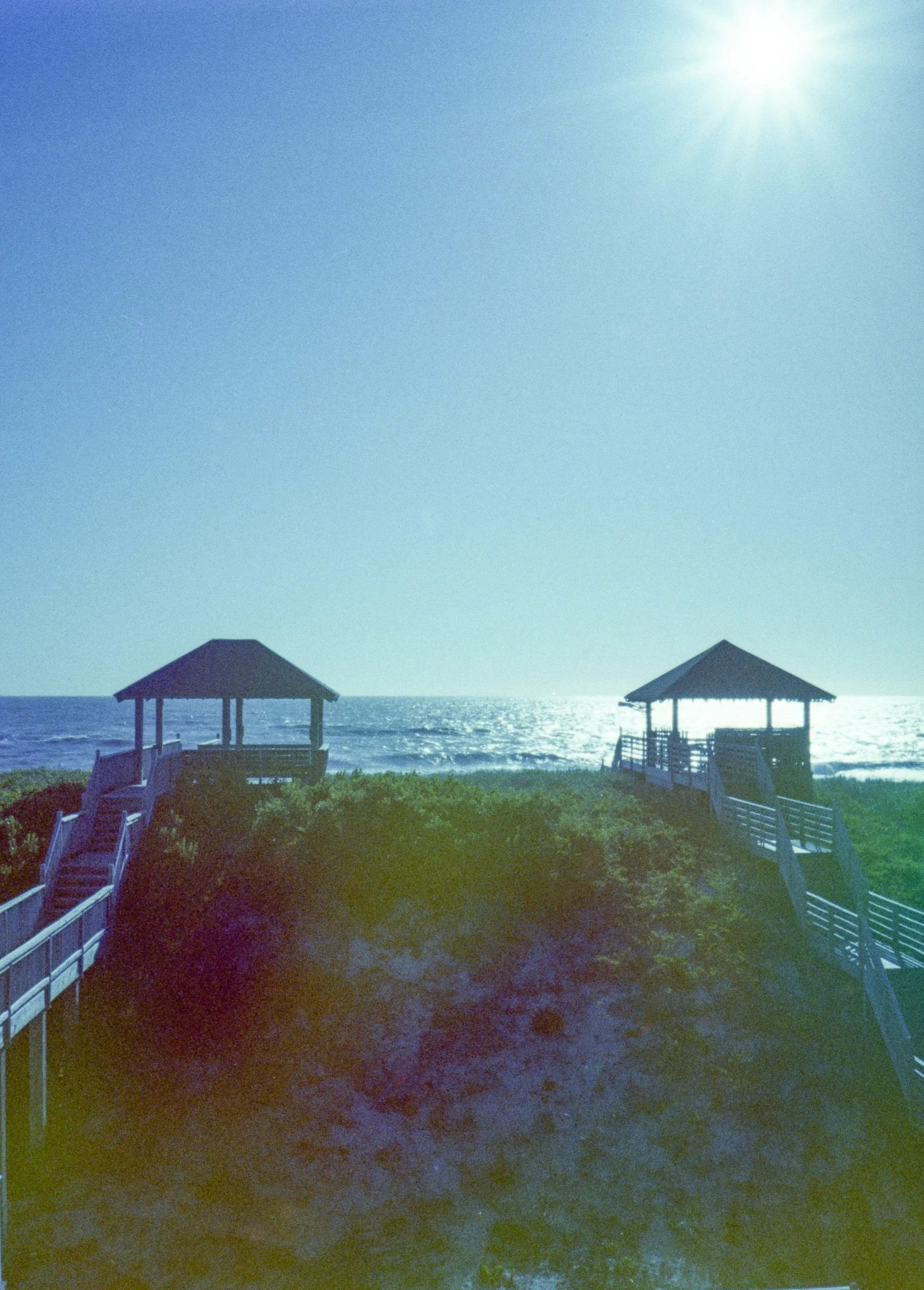
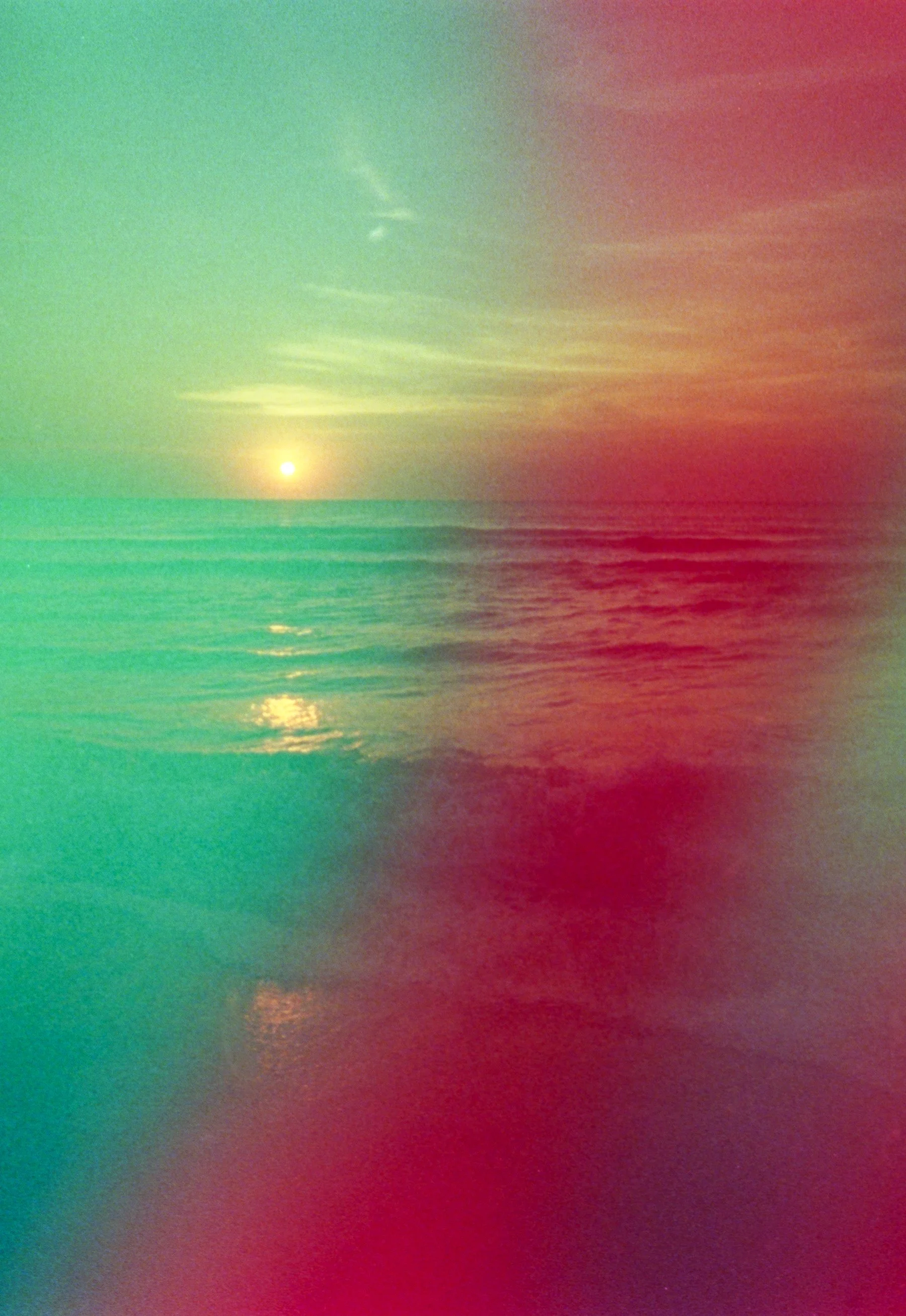
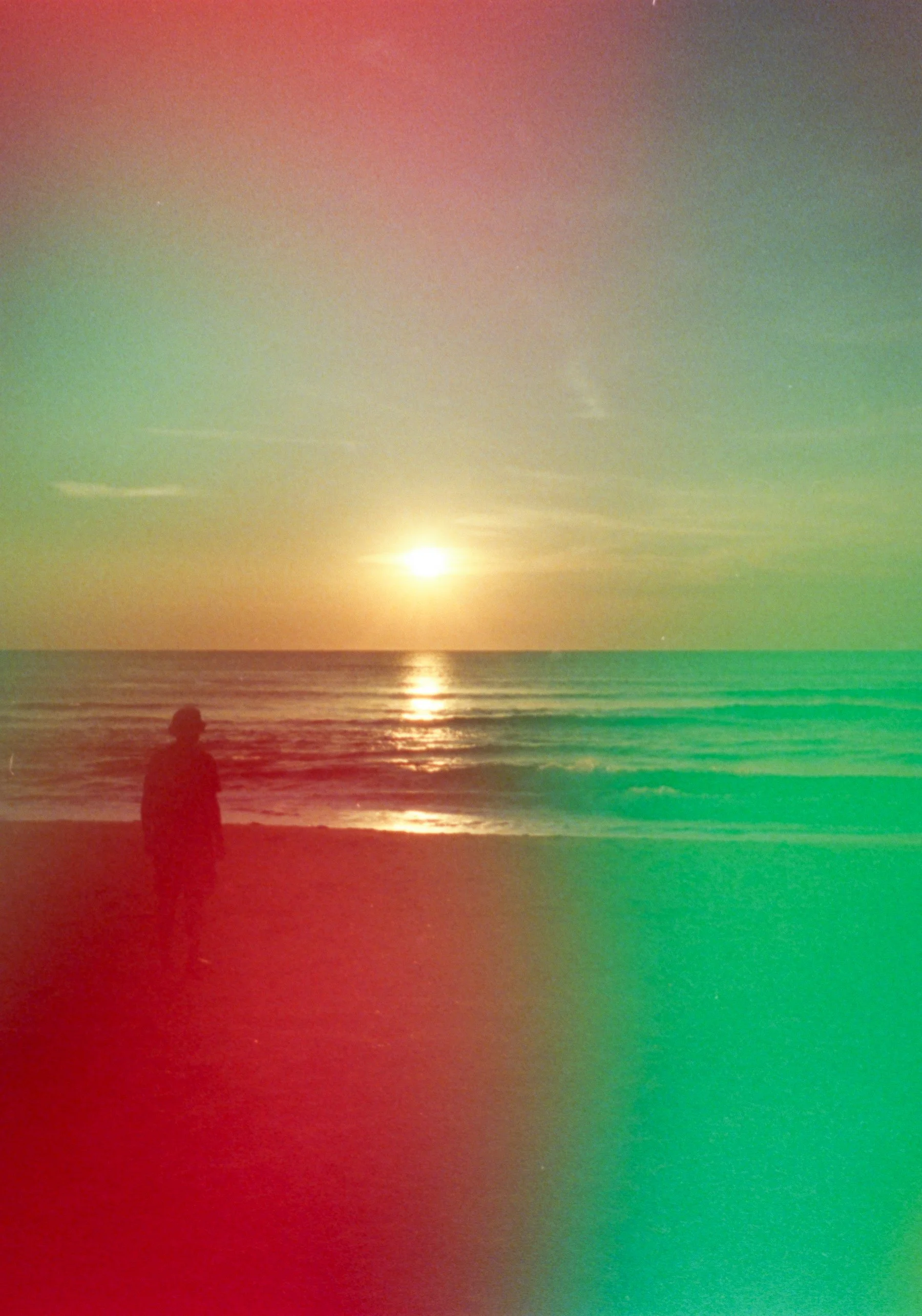
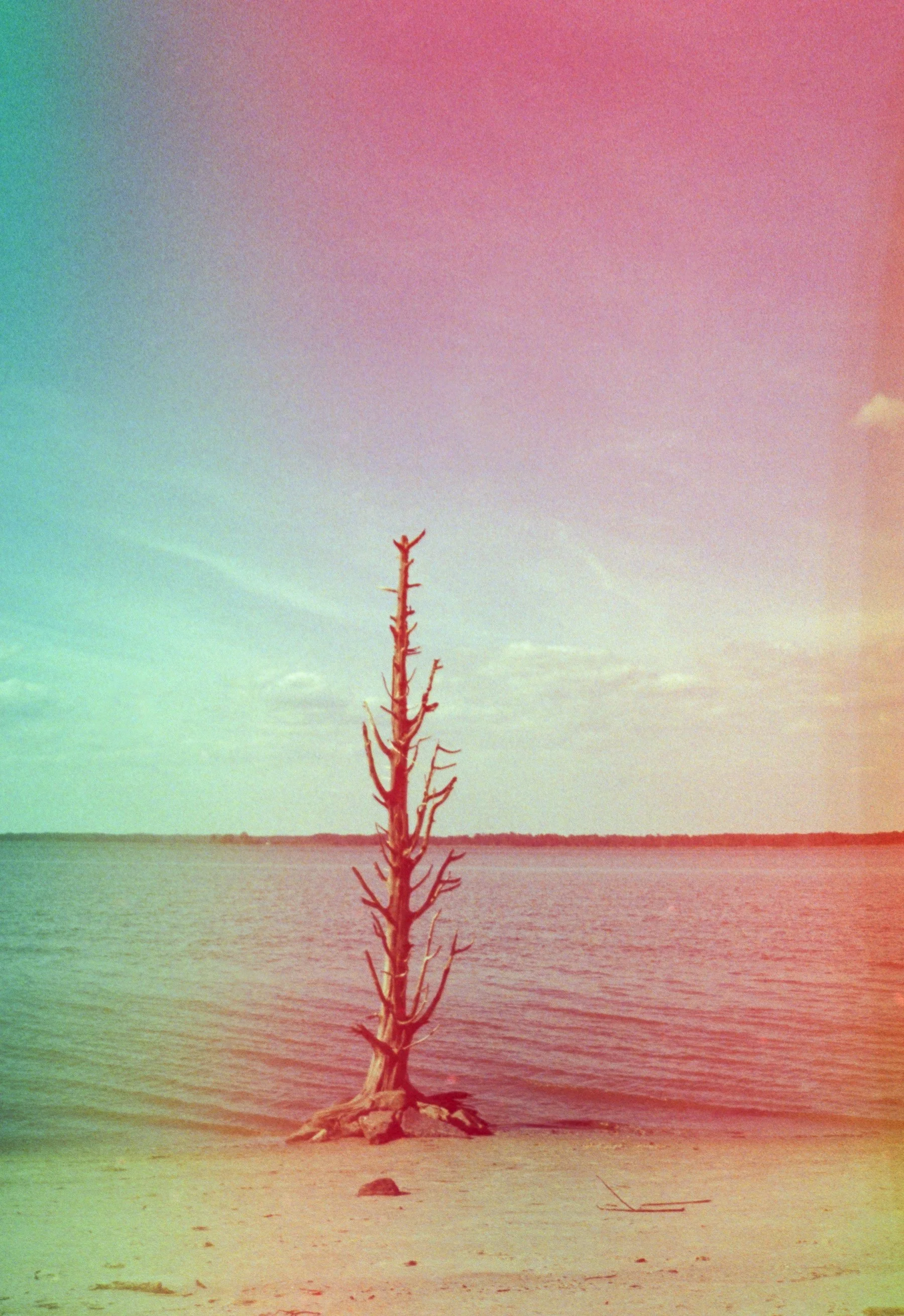
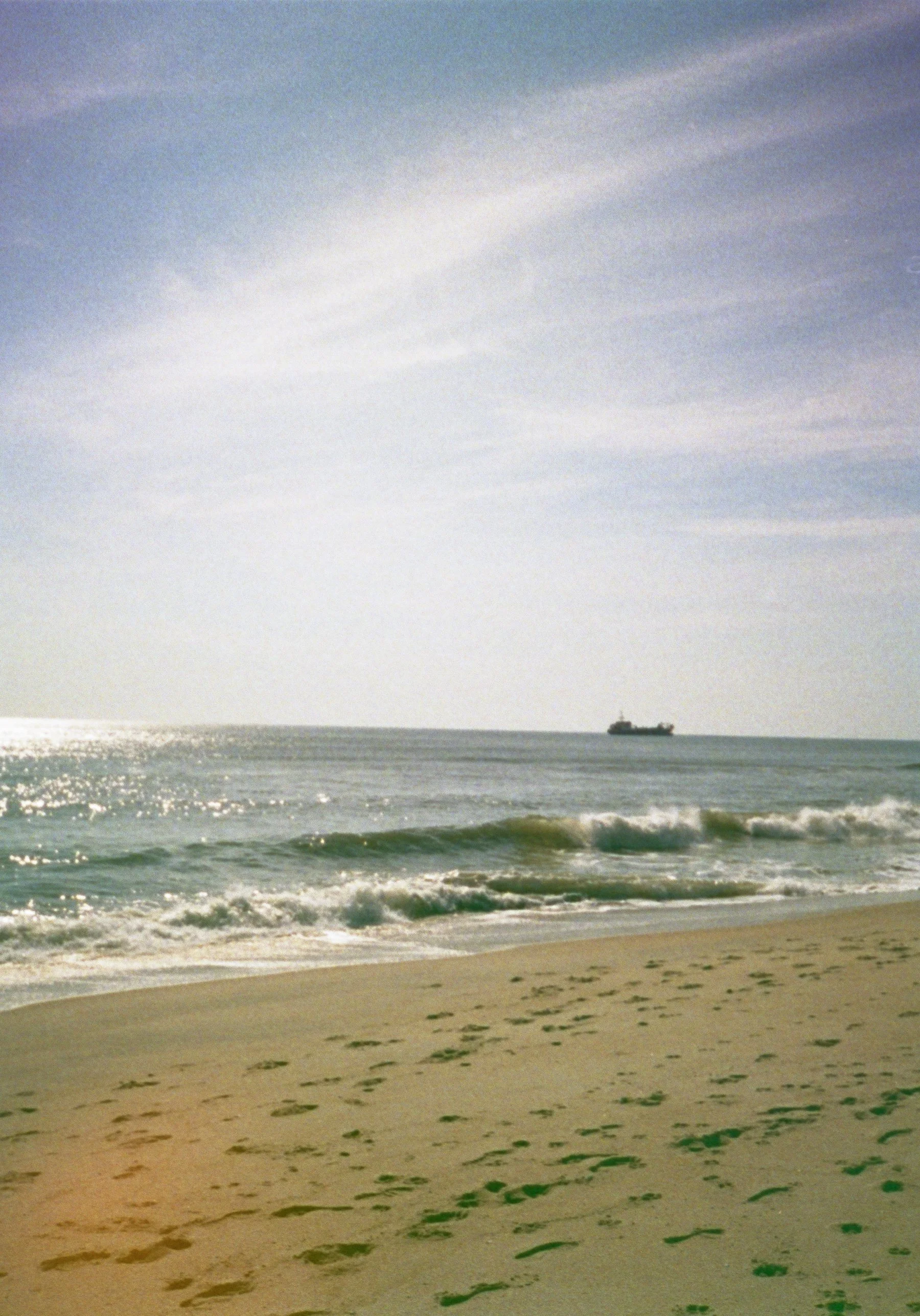
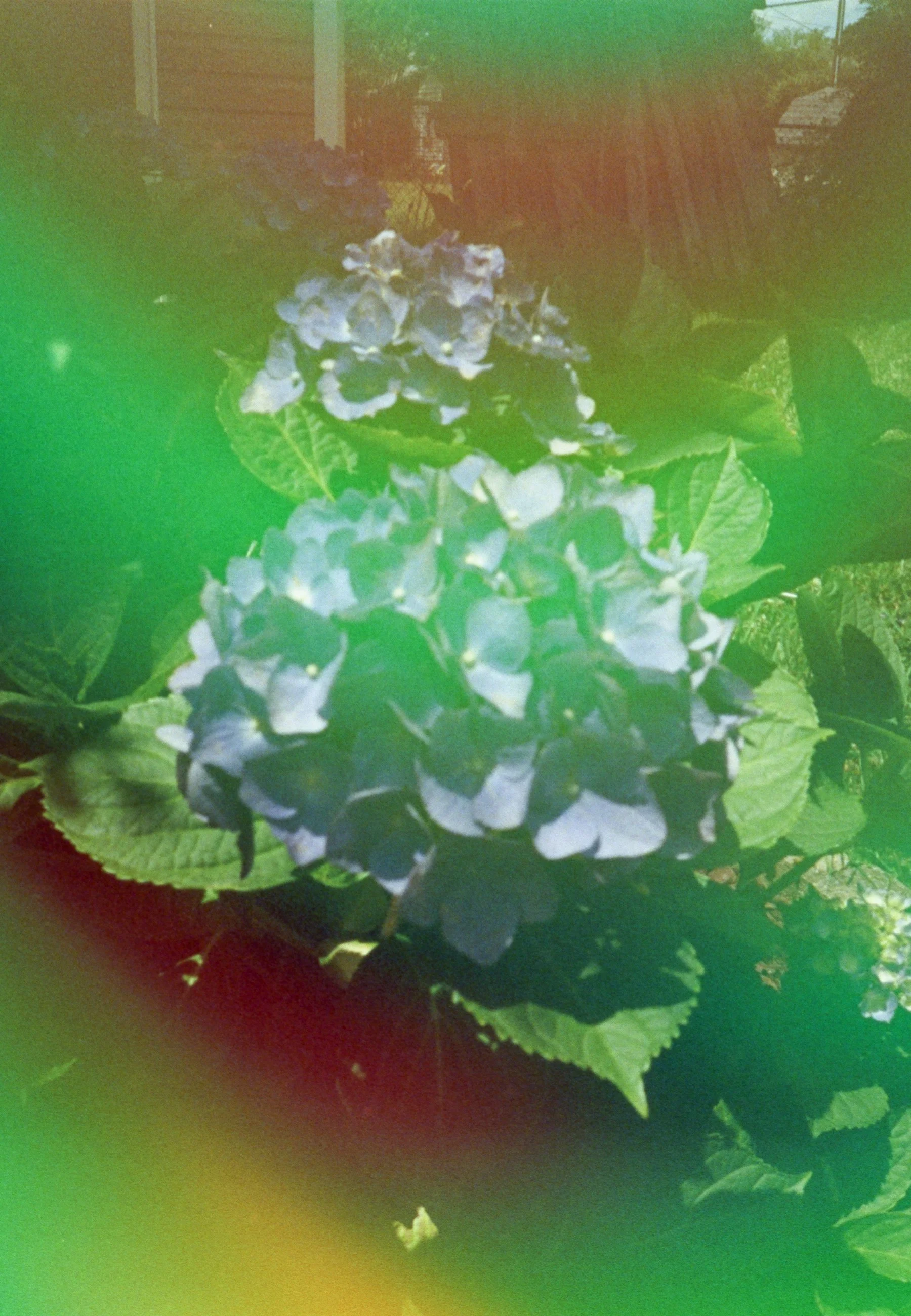
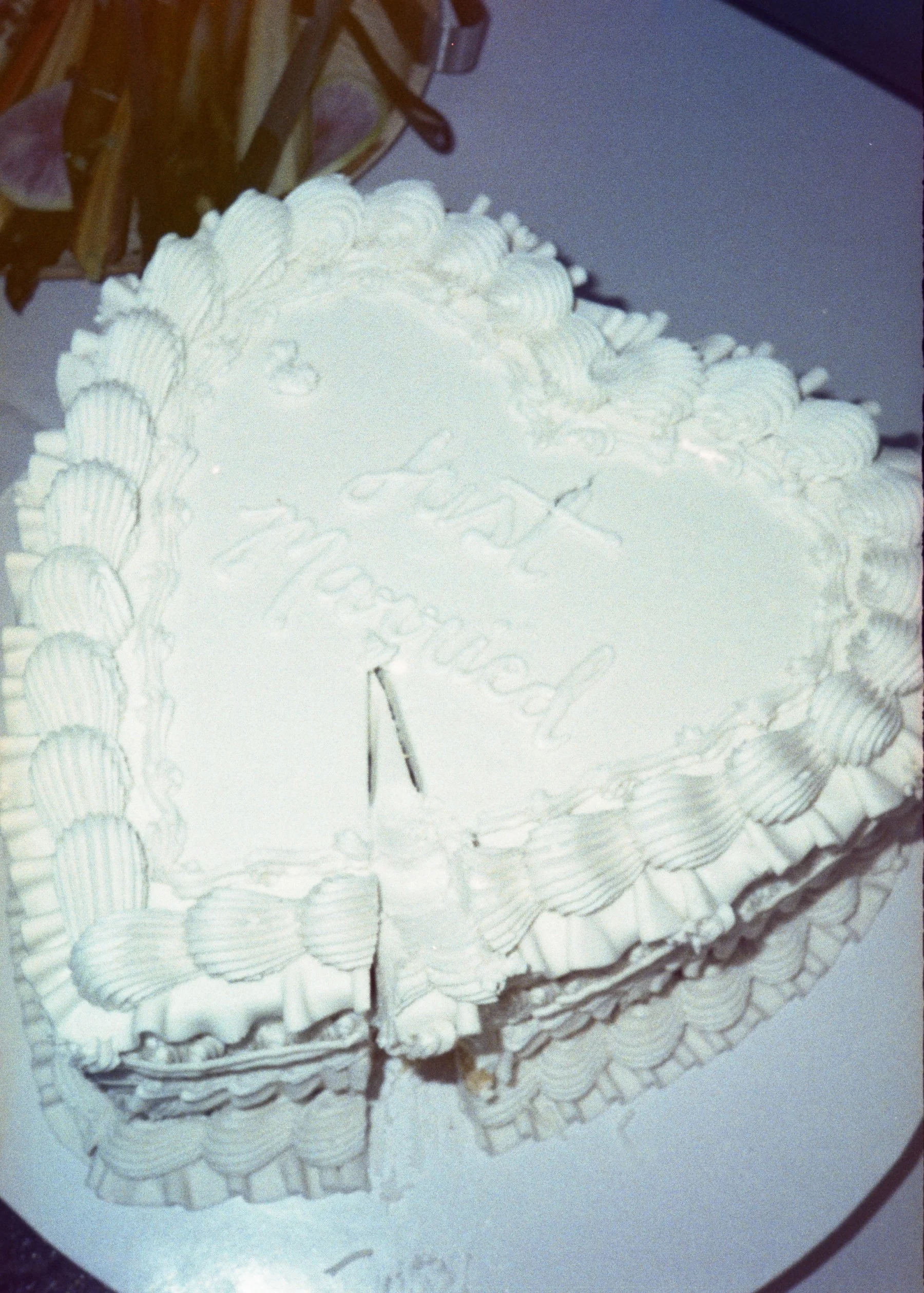
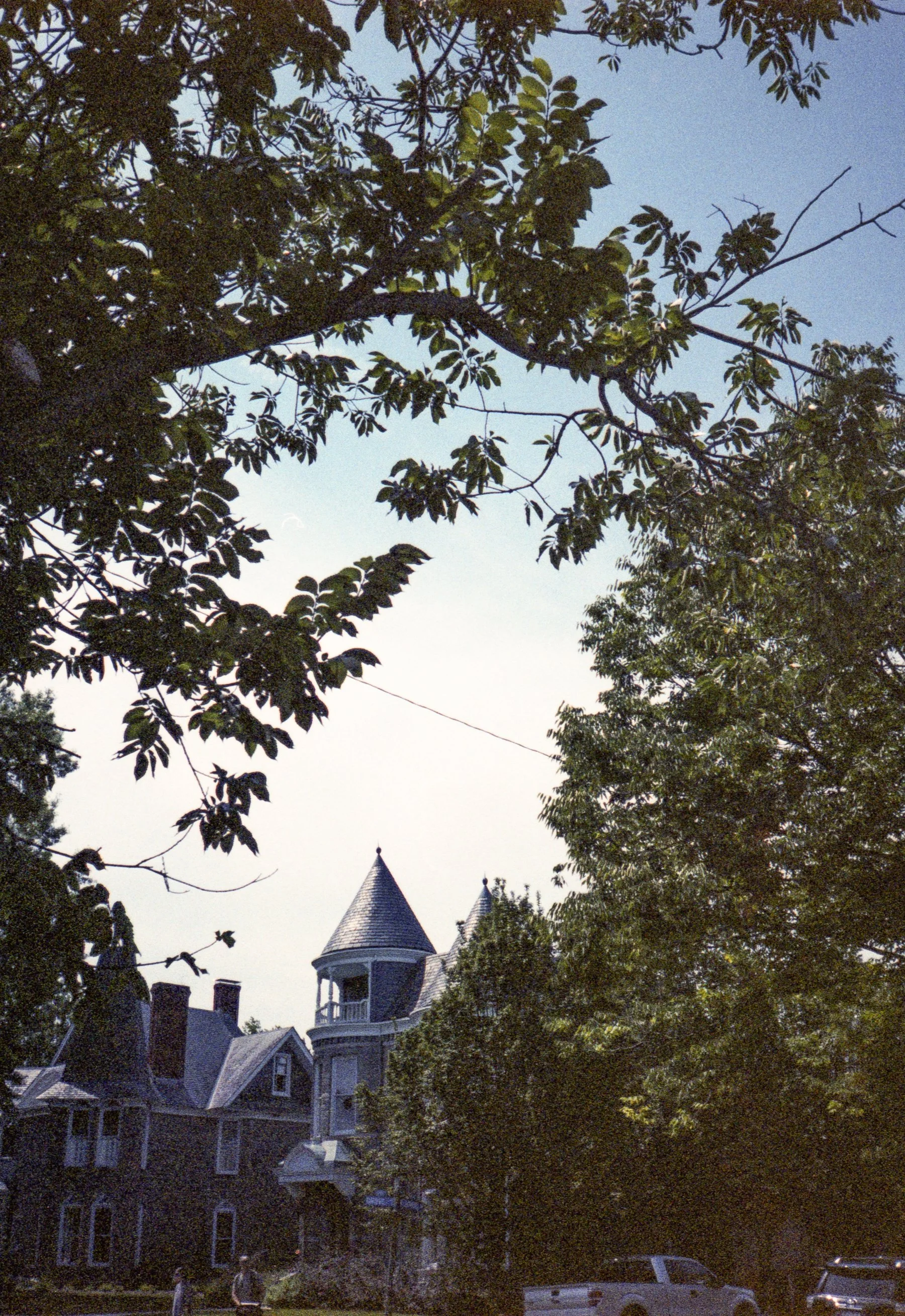
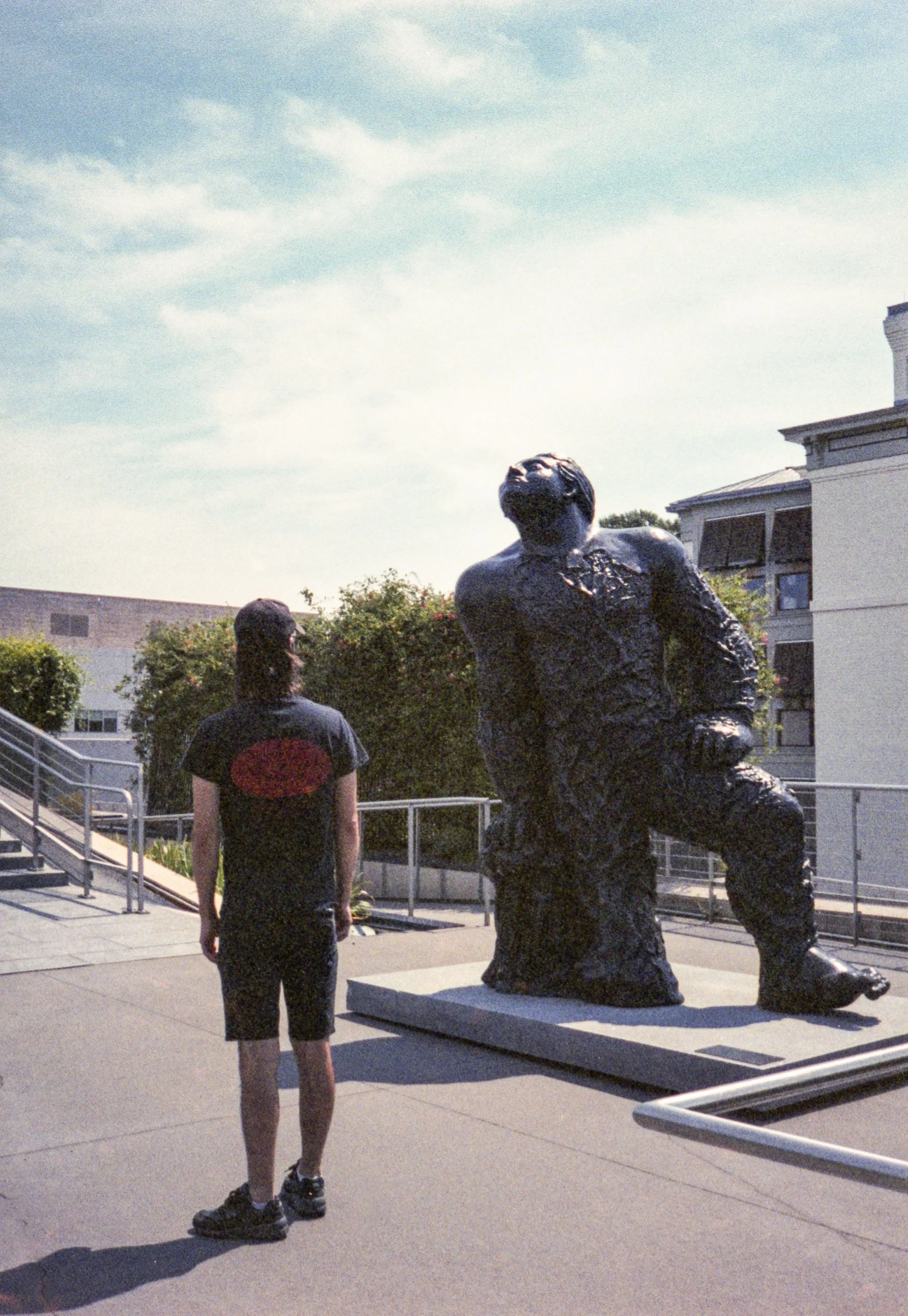
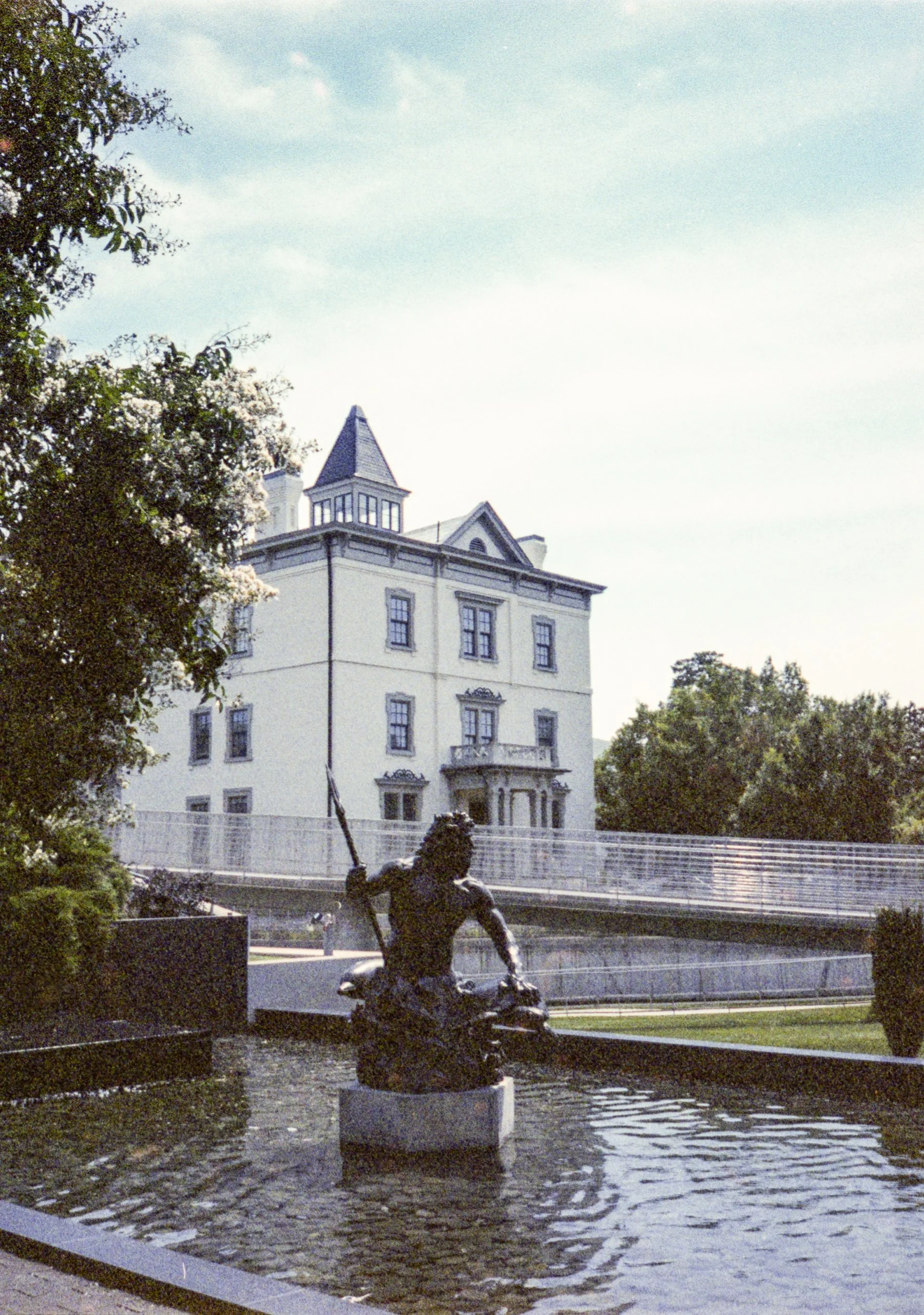
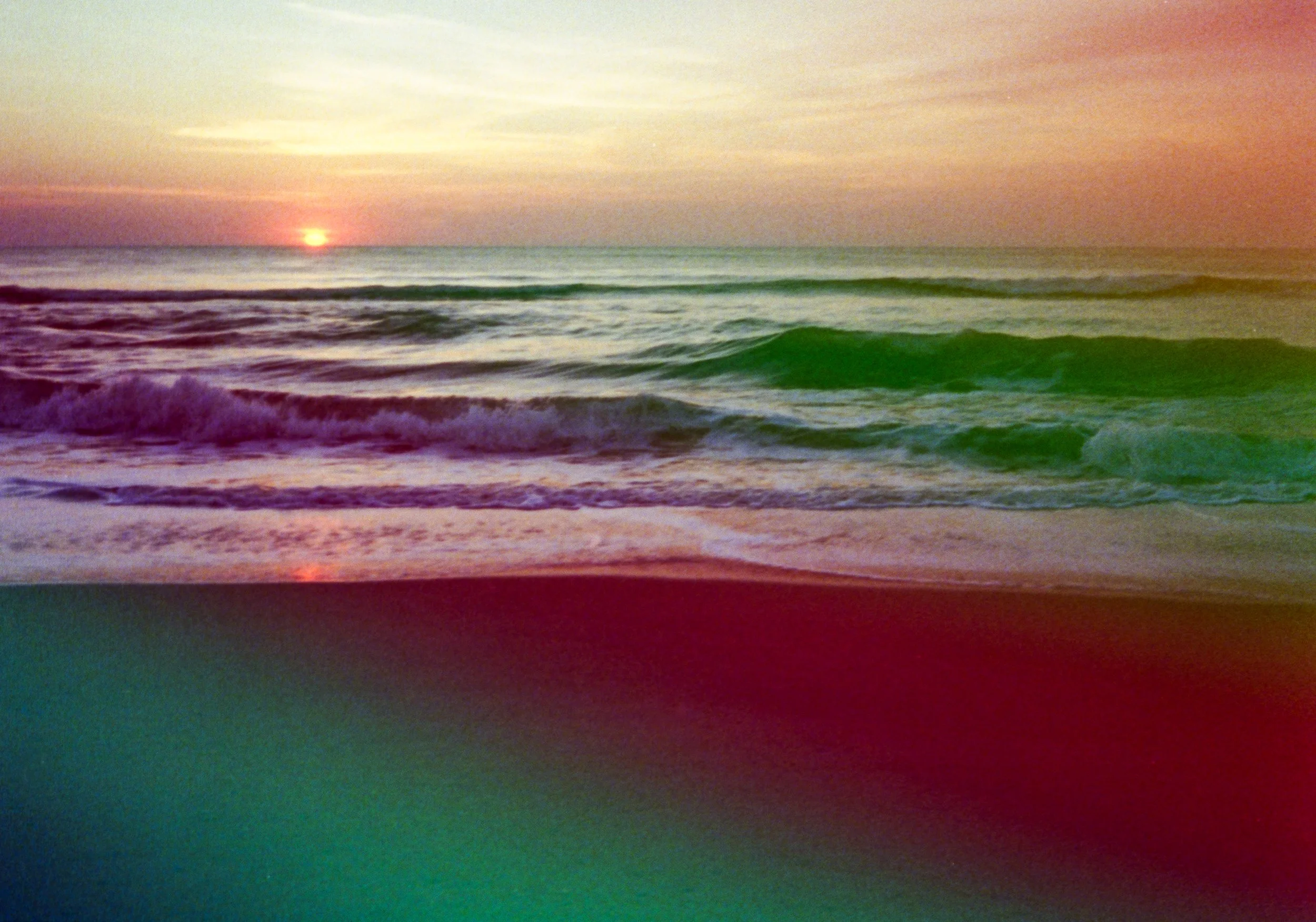
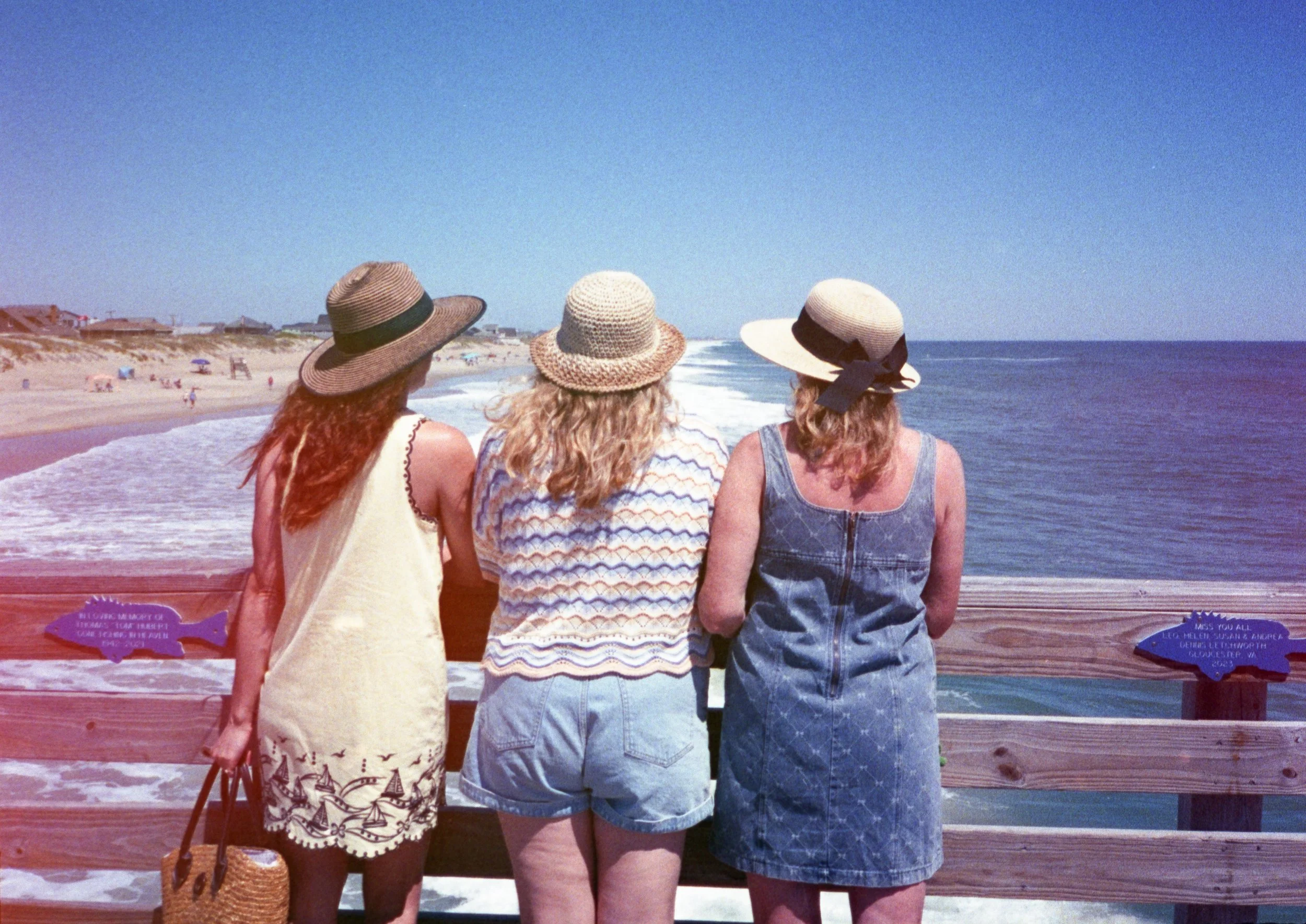
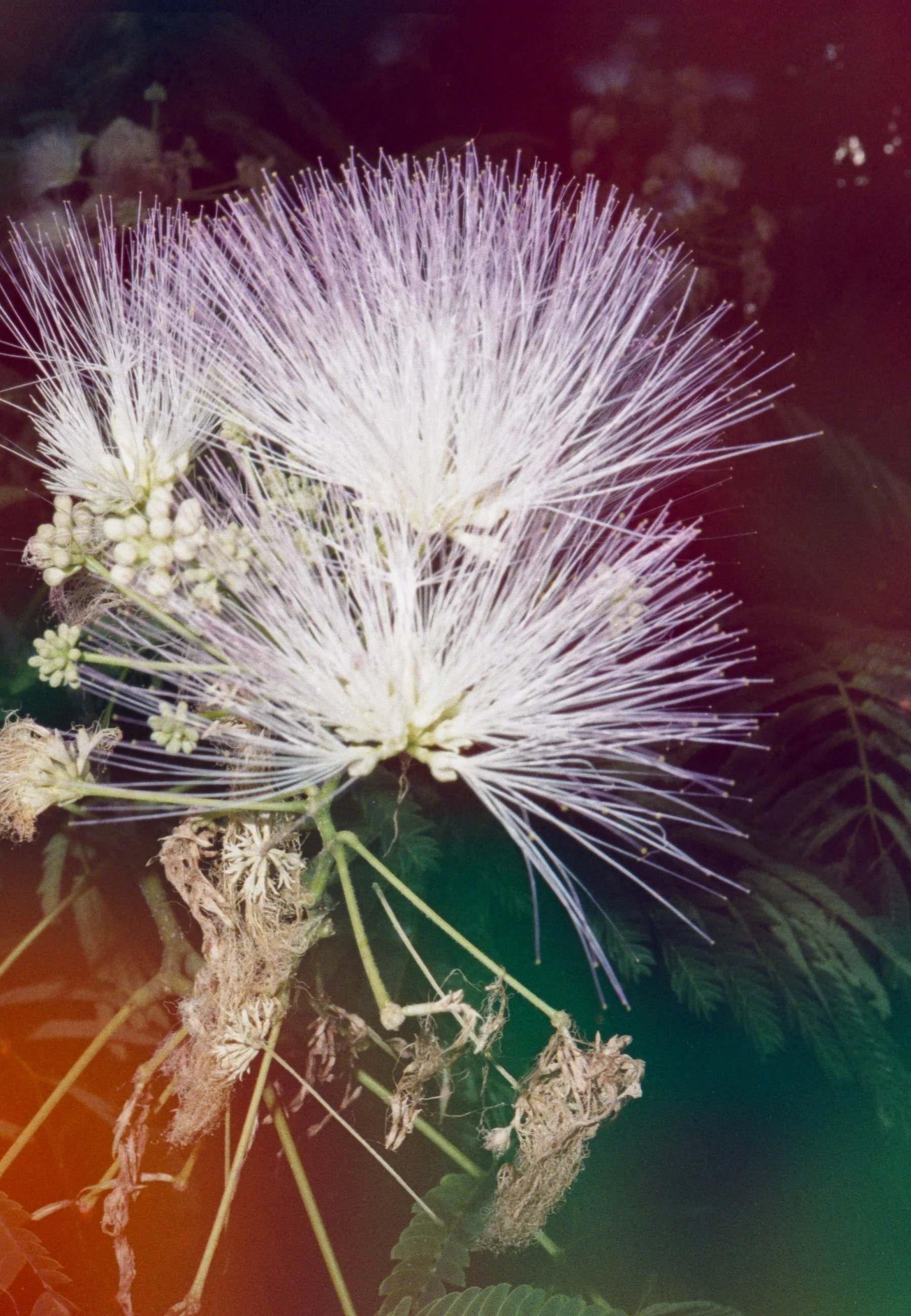
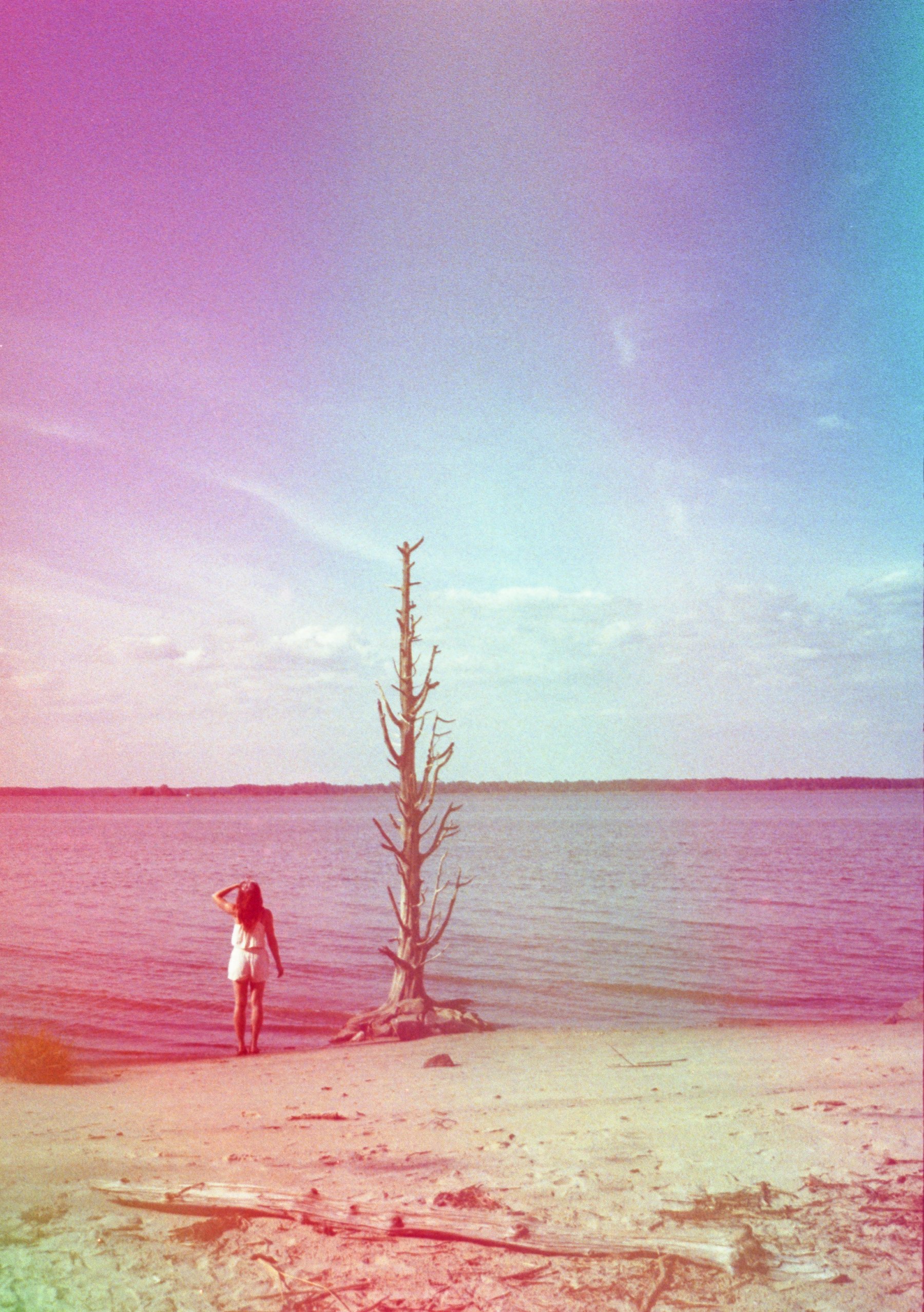
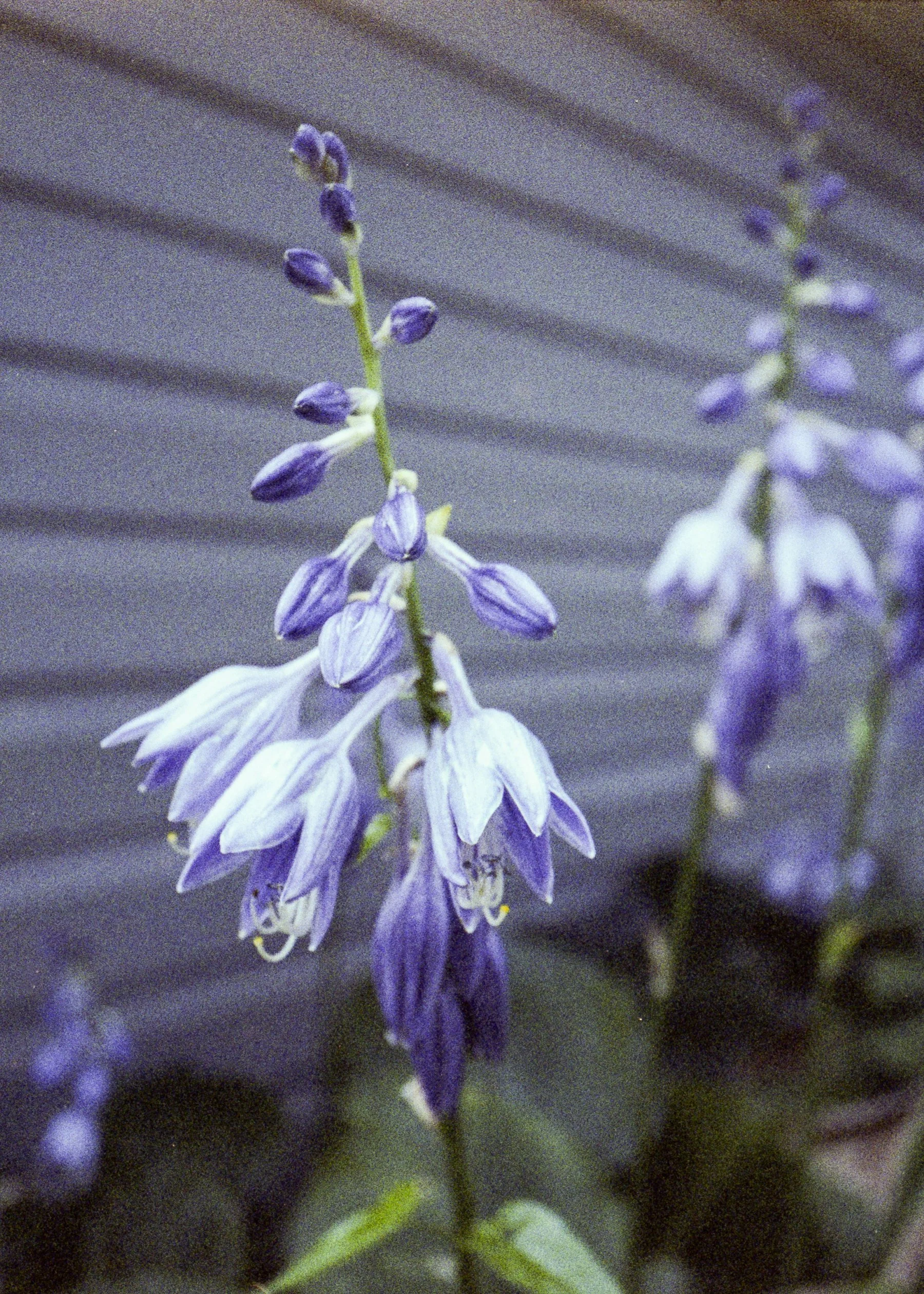
I’ve actually never used a half-frame 35 mm film camera before this one so I was super excited to finally be able to try one out! The Pentax 17 has so many positive features, especially for beginner photographers who are just getting into film photography. I’ve tried out a ton of 35 mm film cameras at this point (you can read more about some of my favorites here), but this one stands out in a lot of different ways. I had such a blast with my first two rolls and I can’t wait to keep shooting with it! For the photos in this post I used Dubble Film Jelly 35 mm film (the bright, colorful images) and super expired Seattle FilmWorks 100 35 mm Film (the more blue/gray tinted images - this film is no longer produced but you can find it on eBay here). Those are pretty unique film rolls, so just keep that in mind when browsing through! Without further ado, here are the pros and cons of the Pentax 17, along with tons of sample photos!

(By using the affiliate links and/or codes in this blog post, you help support Myles Katherine Photography. I may earn a small commission at no additional cost to you if you make a purchase through these links. Thank you for your support!)
MY FAVORITE FEATURES OF THE PENTAX 17
IT’S SUPER SMALL AND LIGHTWEIGHT
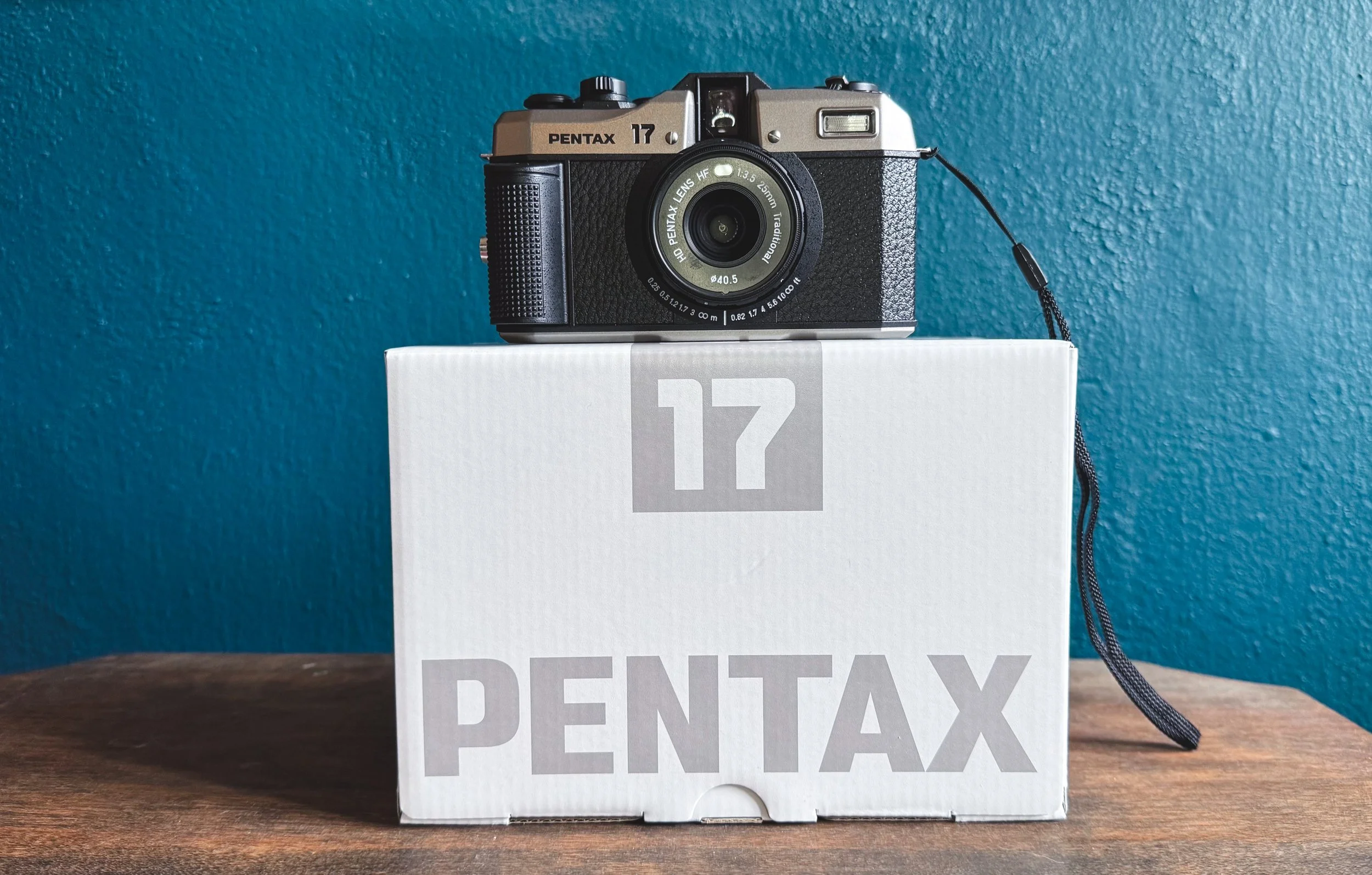
This is always an important feature for me because I often travel with at least 6 or 7 cameras at any given time. The Pentax 17 is a small, compact point and shoot camera and it hardly weighs anything. The body is made of a blend of magnesium alloy and plastic so it’s meant to be sturdy but also lightweight. When I first picked it up I was very surprised by how light it was because visually it looks like it would be much heavier. It also just fits perfectly in your hand and is very easy to manage. I had no trouble at all finding space in my camera bag for it, and it’s even perfect for just tossing in your purse for a day trip or night out.
YOU GET TWICE THE AMOUNT OF IMAGES PER ROLL
Definitely one of the best features of a half-frame camera is that you can get up to 72 images per roll if you’re shooting with a 36 exposure film roll because they are “half-frame”, meaning the images are shot vertically onto the film negatives. This makes a huge difference in terms of film cost. In today’s world especially, the cost of shooting film can be a deterrant for many people to even dive into film photography at all. I actually found it difficult to shoot through an entire roll on a trip because I’m used to being much more limited and selective with my images. It was so nice being able to take photos and not worry about them being absolutely perfect to avoid wasting money. It’s also exciting getting your film back from the lab because there are so many more images to look through! It’s a great camera for beginner film photographers because you are given so many more chances per roll than a standard 35 mm film camera.
IT REMINDS ME OF DISPOSABLE CAMERAS, IN A GOOD WAY
Another great feature of this camera is how simple it is to use. While there are various settings you can adjust, you can also just set it to full auto, choose your focus zone and shoot away! Because of the light body and simple settings, I felt like I was shooting with a disposable camera which made it feel lighthearted and fun. I really wasn’t worried about having everything perfect, because one of the best parts about using disposable cameras is that you don’t overthink. Oftentimes, the photos aren’t perfect but that’s what makes the photos so great. It really is about candidly capturing the moment. Film photography can be so fun and doesn’t always have to be serious. This camera reminds me of that fact and I love that about it.
IT HAS A FLASH!
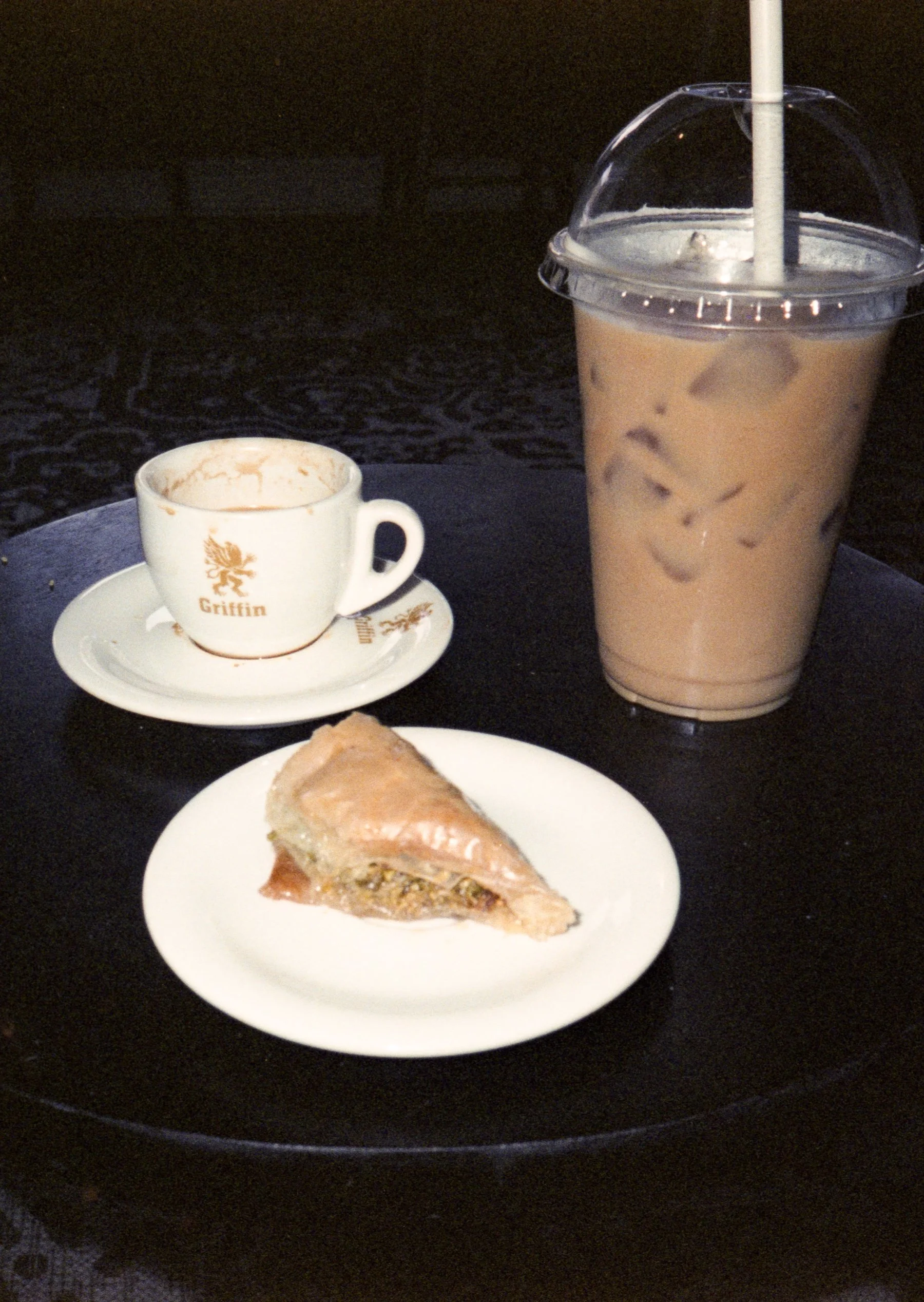
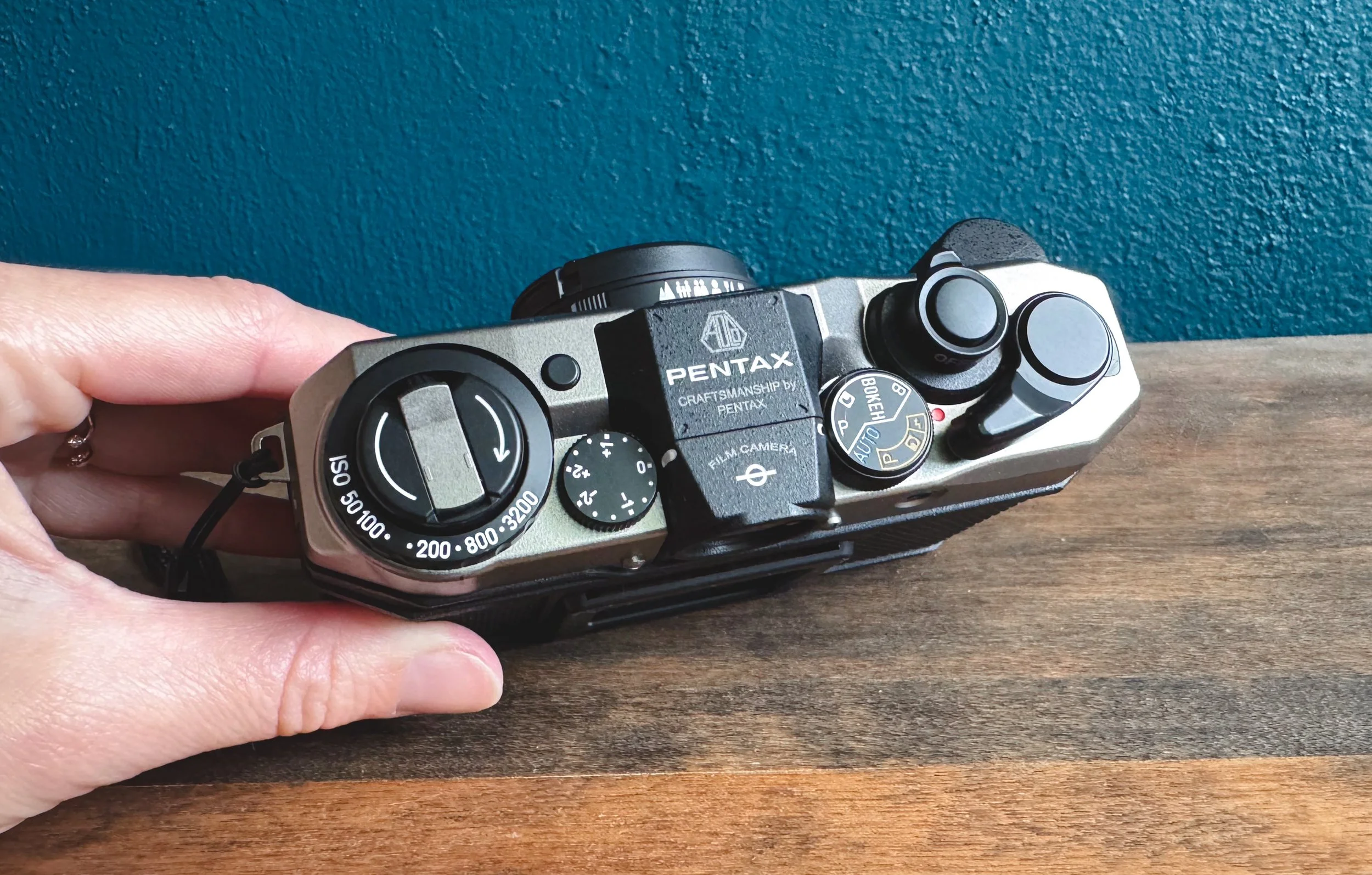
I’m always sad when one of my vintage film cameras has a flash that doesn’t work. Part of the magic of 35 mm point and shoot photography is using the flash. It automatically makes your photos feel more retro. The Pentax 17 has a built-in flash and even has multiple flash settings! You can use the “P” (program auto) setting where the camera decides if the flash is necessary and then adjusts the camera settings as needed. There is a slow shutter “night” mode which helps to capture ambient light, and then there is a forced flash setting so you can continuously take flash photos without the camera turning it off. I love flash photos, especially at night when you’re traveling or when you’re indoors. There is just a classic aesthetic to flash photos and it also allows you to capture photos anywhere, at any time of day.

MY LEAST FAVORITE FEATURES OF THE PENTAX 17
THE HALF-FRAME AFFECTS THE QUALITY OF THE NEGATIVES
This is just a standard fact when it comes to half-frame cameras, but when you’re shooting such a small image onto a 35 mm film negative, you are losing a bit of detail and quality in your images. They won’t be super sharp or expensive-looking. It definitely has more of a disposable film camera photo in this regard. I will say I was hoping the images would be sharper since the camera is new and more modern than vintage film cameras, but I did find myself doing quite a bit of sharpening in post-processing. But just because the images are a bit soft doesn’t mean it’s the end of the world. We all take so many photos these days and in the long run, maybe it’s better to have saved money on film and been able to take as many photos as you want, as opposed to feeling stressed about the cost and carefully executing each photo just to save money.
IT CAN TAKE A WHILE TO GET USED TO THE MANUAL SETTINGS
While you can use this camera in full auto mode, if you do decide to delve into the other modes, it can get a bit tricky. It took me a while to fully understand this camera, but it’s actually kind of amazing how many different settings they were able to squeeze into such a small body. I found it a bit difficult to get the close-up focusing distances correct, which often ended up in blurry photos. There is an optical viewfinder that helps you to see if your subject is in focus, but I still found it difficult to use when I was attempting more macro images like flowers moving in the wind. There are other settings like bulb mode, nighttime mode, various flash modes and even a “bokeh” setting, which is something I’ve never seen on a camera. There is also an exposure compensation wheel, ISO adjustment and various zone/distance settings. I did find that the “food” setting worked really well in photographing my meals/drinks while traveling! I want to spend more time getting to know the camera and mastering the settings. I think if you really spend time with it and utilize it to it’s full potential, you could end up with some really beautiful images. I’ve only shot two rolls so far but I’ve learned a lot just going through the images I’ve taken so far. I definitely think my next few rolls will be much better.
YOU CAN’T TAKE MULTIPLE EXPOSURES
This is one of the most disappointing features of the camera. For many people, this feature won’t matter, but for me, I typically prefer to shoot with cameras that have a designated multiple exposure setting. You can read more about multiple exposures on my blog here. It’s essentially just layering two or more images over top of each other. The only way you could really do that with this camera is if you press the rewind button and rewind the film mid-way through the roll. Then you could shoot over top of the images you’ve already taken. I just much prefer to be able to create a multiple exposure in the moment so I know exactly what images I’m laying over top of each other.
FINAL THOUGHTS
Would I recommend this camera? Yes, definitely. Especially for beginners. It’s a great way to get your feet wet in 35 mm film photography. While I wouldn’t say it’s a super pro level camera, it’s really fun to shoot with and is perfect for traveling if you don’t want to lug a huge camera around. It’s really more like a simple point and shoot camera and not necessarily a heavily built professional camera. I will say I think it’s a bit overpriced, but I think that price will come down over time. It was originally released in 2024 so I think in a couple of years it will be more affordable. You can currently find it on B&H Photo for about $500. I love how many features and settings are packed into it though, and I think you could learn a lot about film photography shooting with it. The camera itself is an interesting, unique blend of vintage 35 mm film cameras and modern cameras. I felt a bit like a fish out of water at first because I’m so used to classic vintage cameras. I didn’t quite know what to do with myself when it camera to figuring out some of the new settings they’ve incorporated into it, like the bokeh setting and the multiple flash modes.
I definitely want to keep shooting with this camera though. It’s not one of the cameras that I’ll shoot with once and then place up on the shelf. It challenged me in various ways and that’s what keeps a camera exciting. Overall, I think it’s an exciting camera for the modern photography world. It makes me happy to see film cameras being released by companies like Pentax. We need cameras like this out there! If anything, buying one of these cameras is supporting the creation of more modern film cameras and that’s an incredibly important thing to do.
WHERE TO BUY THE PENTAX 17
I always recommend B&H when you’re buying a camera new because they have super fast shipping, competitive pricing and amazing customer service!
B&H Photo
35 MM FILM STOCK RECOMMENDATIONS
As a reminder, for the photos in this post I used Dubble Film Jelly 35 mm film (find it on B&H Photo here) and Seattle FilmWorks 100 35 mm Film (find it on eBay here). Here are some other more standard film stocks I recommend!
KODAK GOLD 200:
Amazon
B&H Photo
FUJIFILM 400:
Amazon
B&H Photo
KODAK PORTRA 160
Amazon
B&H Photo
If you’re interested to reading about my other 35 mm film camera recommendations, make sure to check out my post, The Top 10 Best 35 mm Film Cameras for Beginner Photographers. And if you’re looking for 35 mm film recomnendations, read my post about The Best Color Film for 35 mm Cameras.
If you found this post helpful in any way, I’d love it if you considered signing up for my Patreon! For as little as $1 a month, you’ll get early access to all of my YouTube videos, plus tons of photos that I don’t post anywhere else. Depending on which tier you choose, you could also receive seasonal prints and/or discounts! I always use all of the proceeds towards cameras, film & processing.
If you have any questions, I’m always happy to help! You can contact me here, or leave a comment below! Thanks so much for stopping by! You can also check out my B&H Photo storefront & Amazon Storefront for more camera/film recommendations. :) Have a magical day!
<3 Myles Katherine