The Best Color Film for 35 mm Cameras | Top 5 Best 35 mm Color Films

(By using the affiliate links and/or codes in this blog post, you help support Myles Katherine Photography. I may earn a small commission at no additional cost to you if you make a purchase through these links. Thank you for your support!)

My TOP 5 favorite 35 mm Color Films

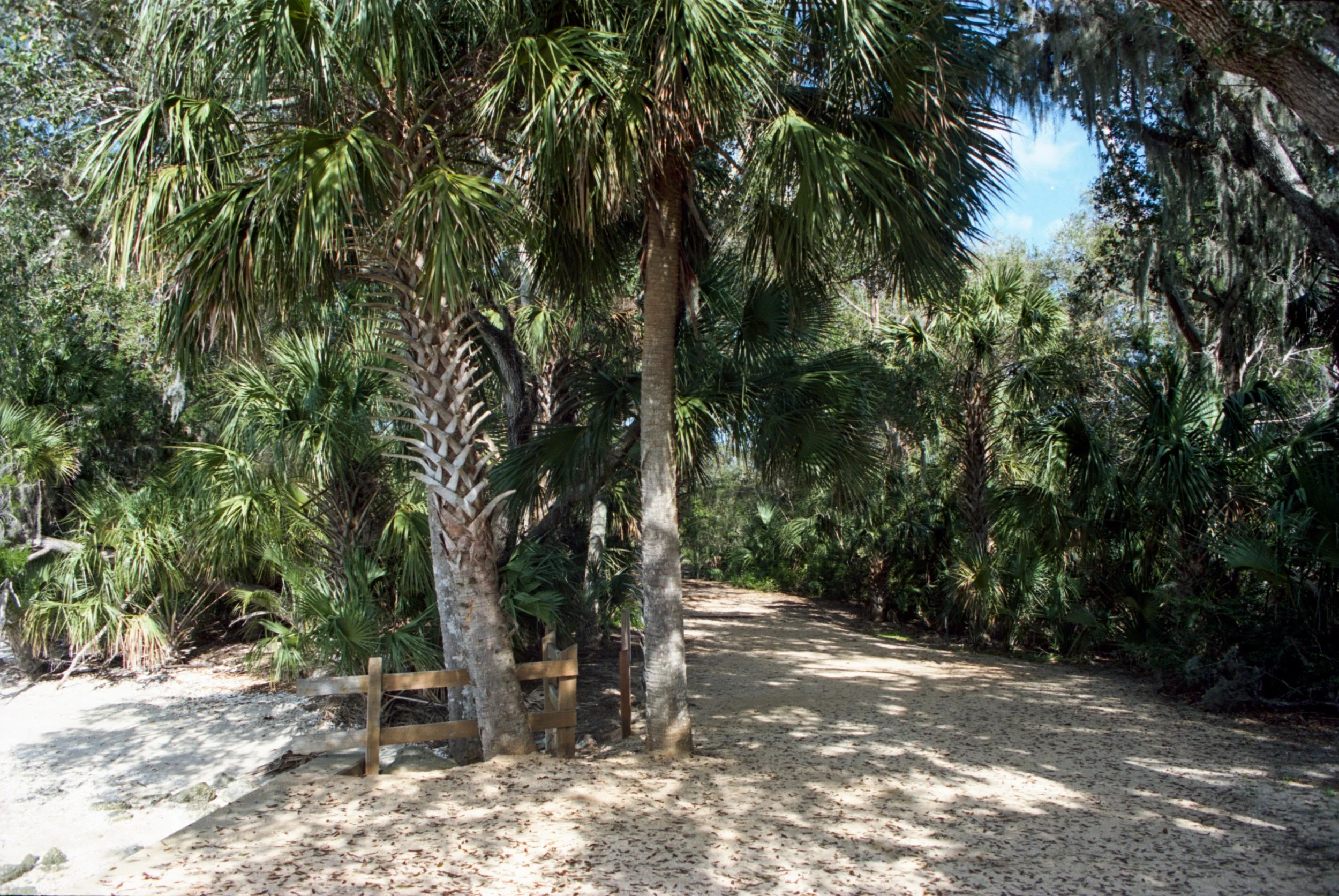
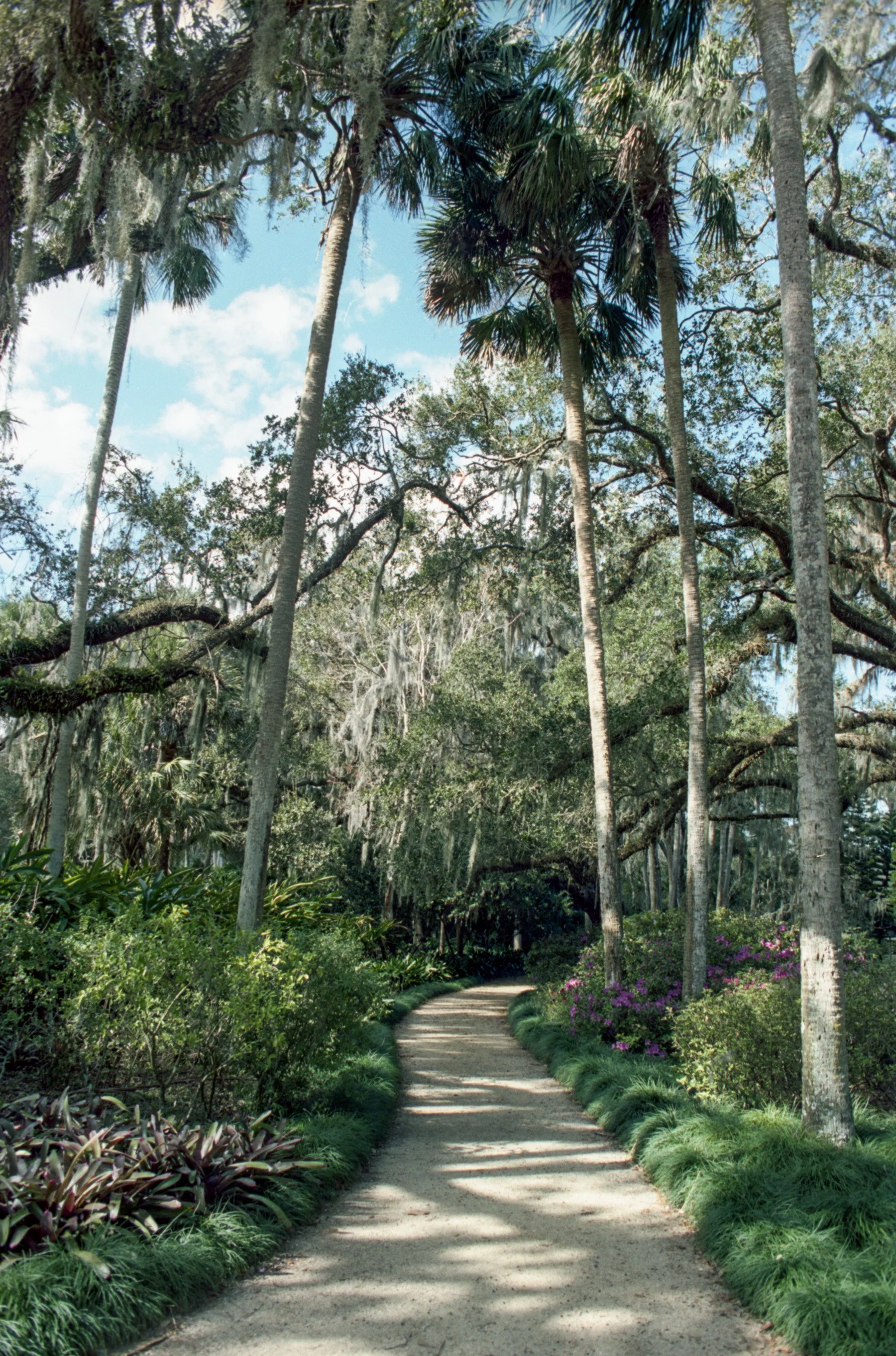
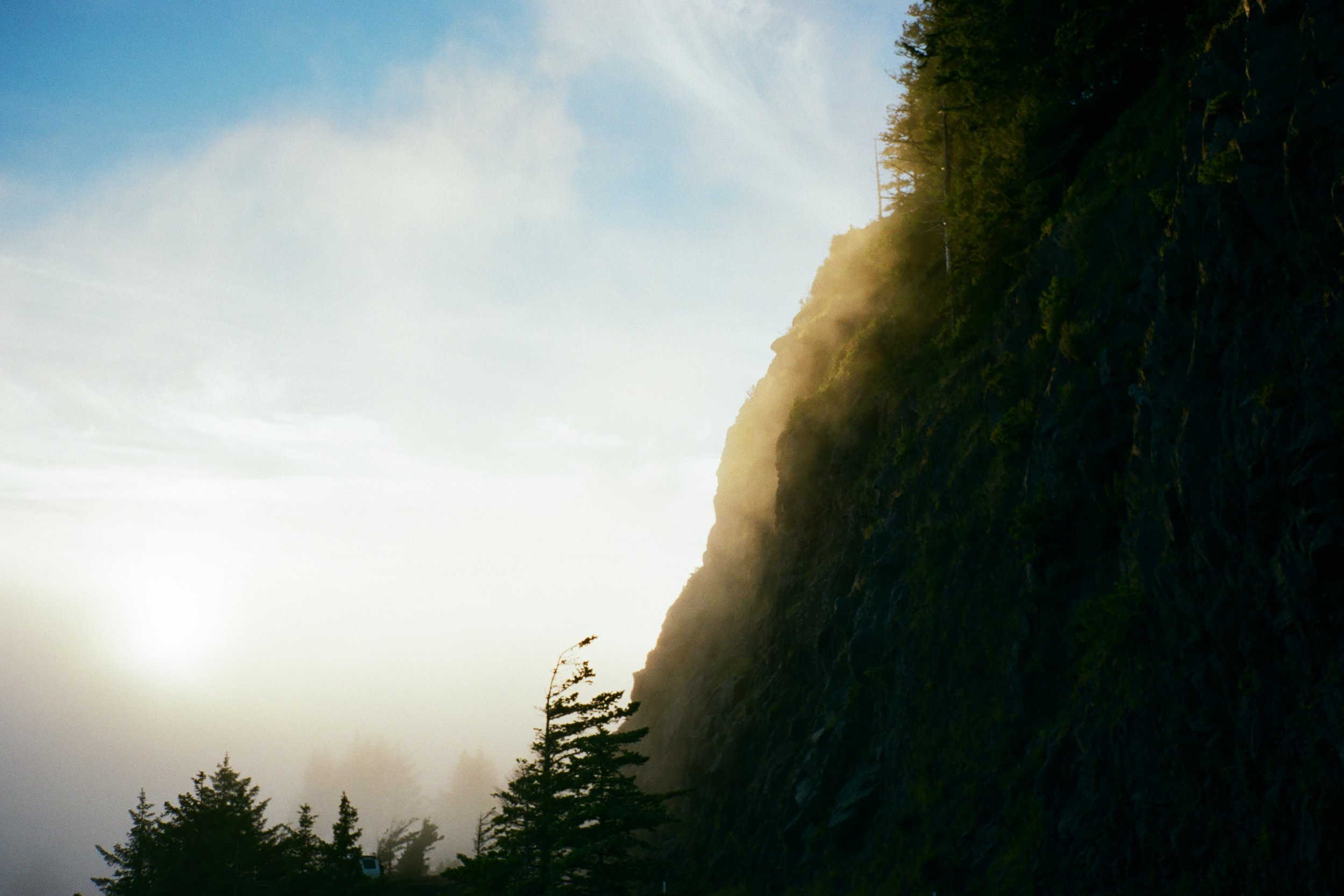
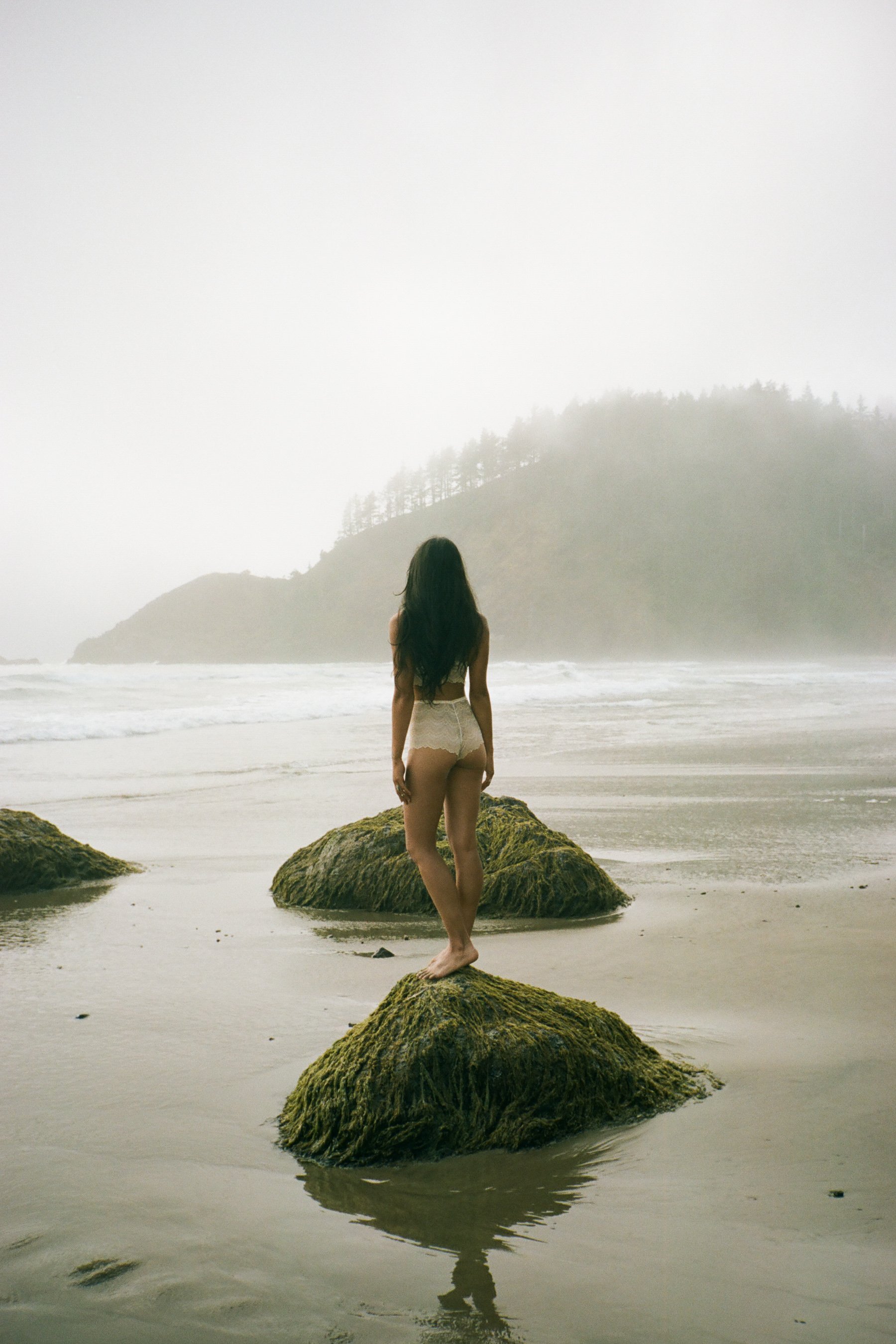
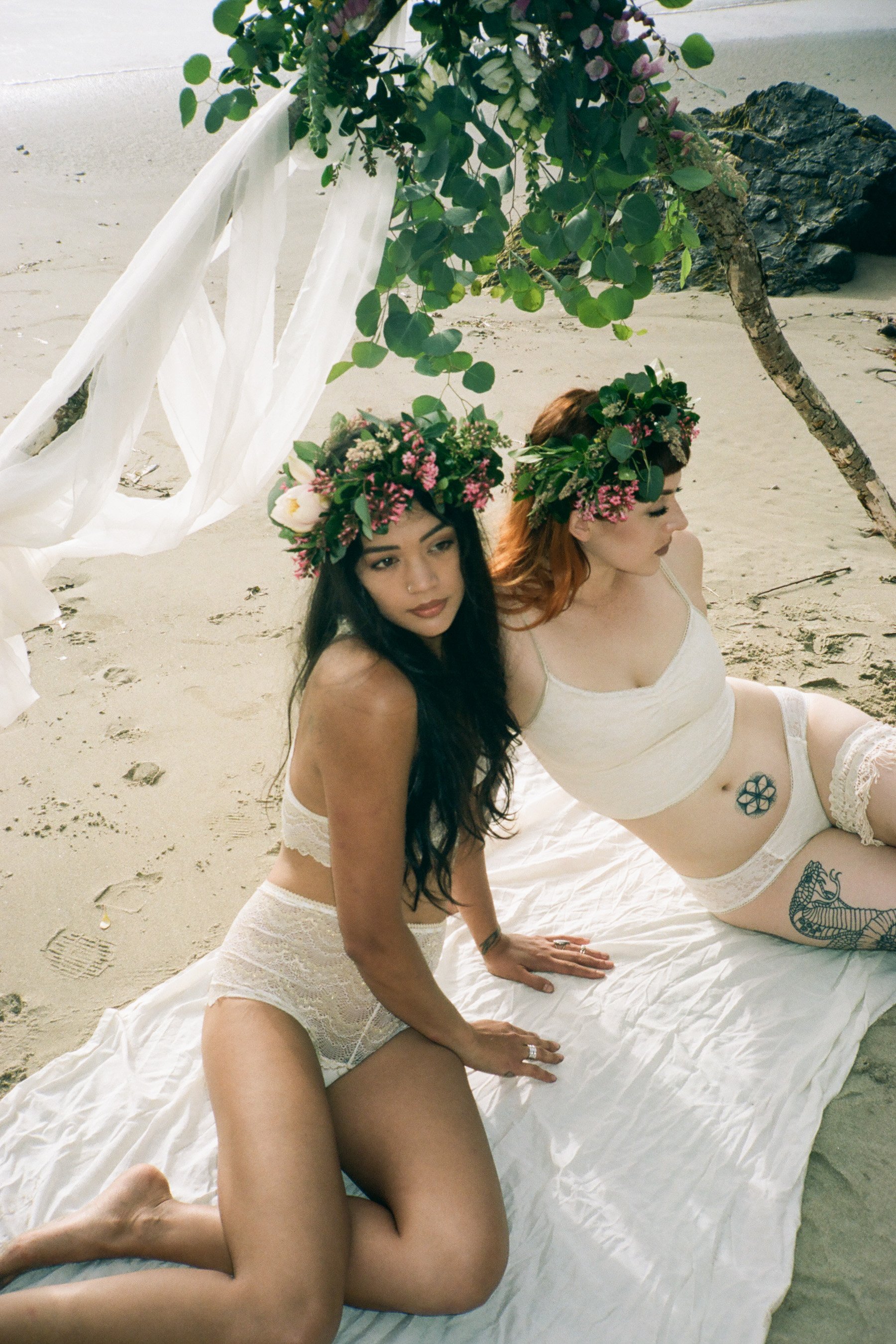
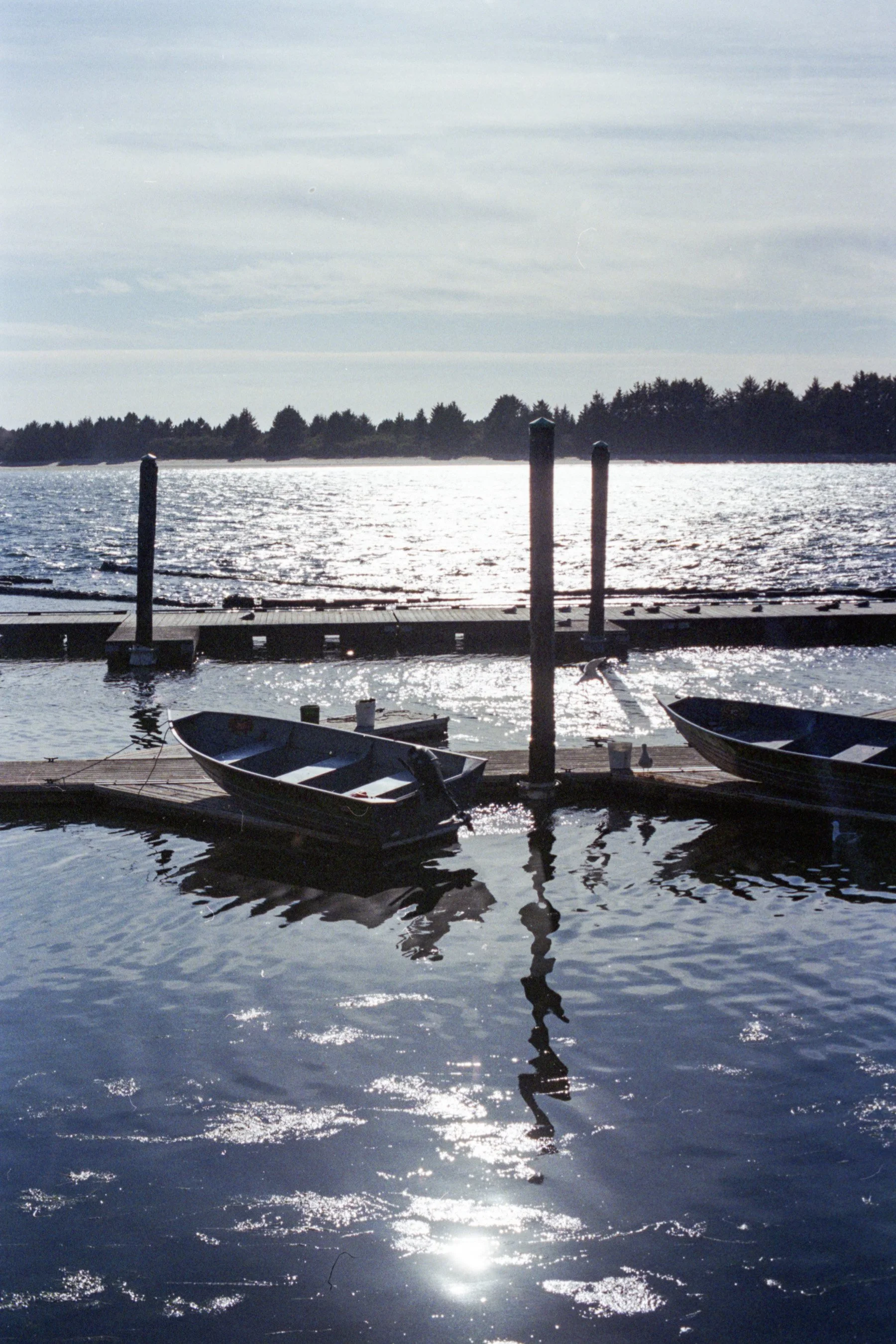
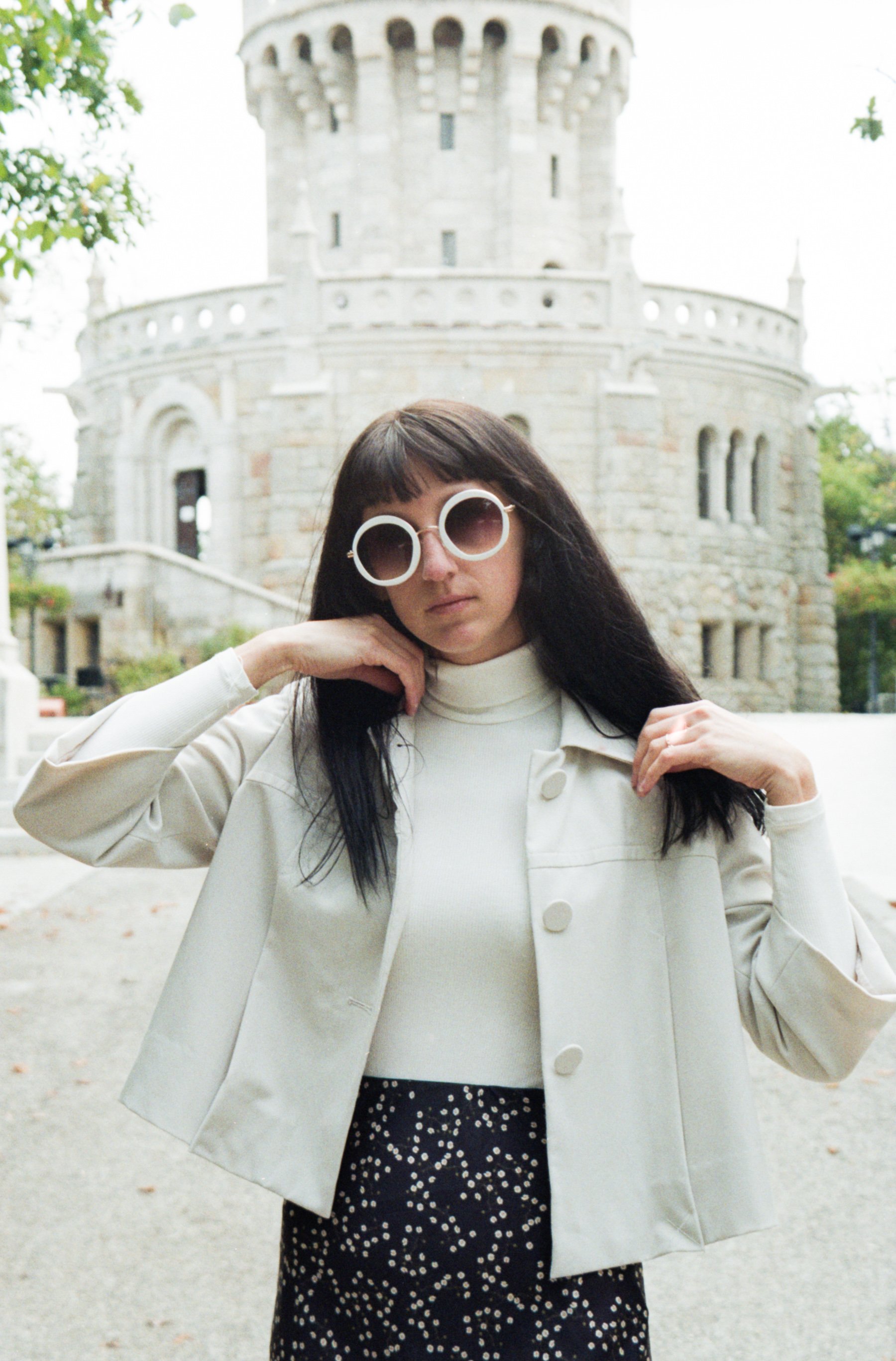
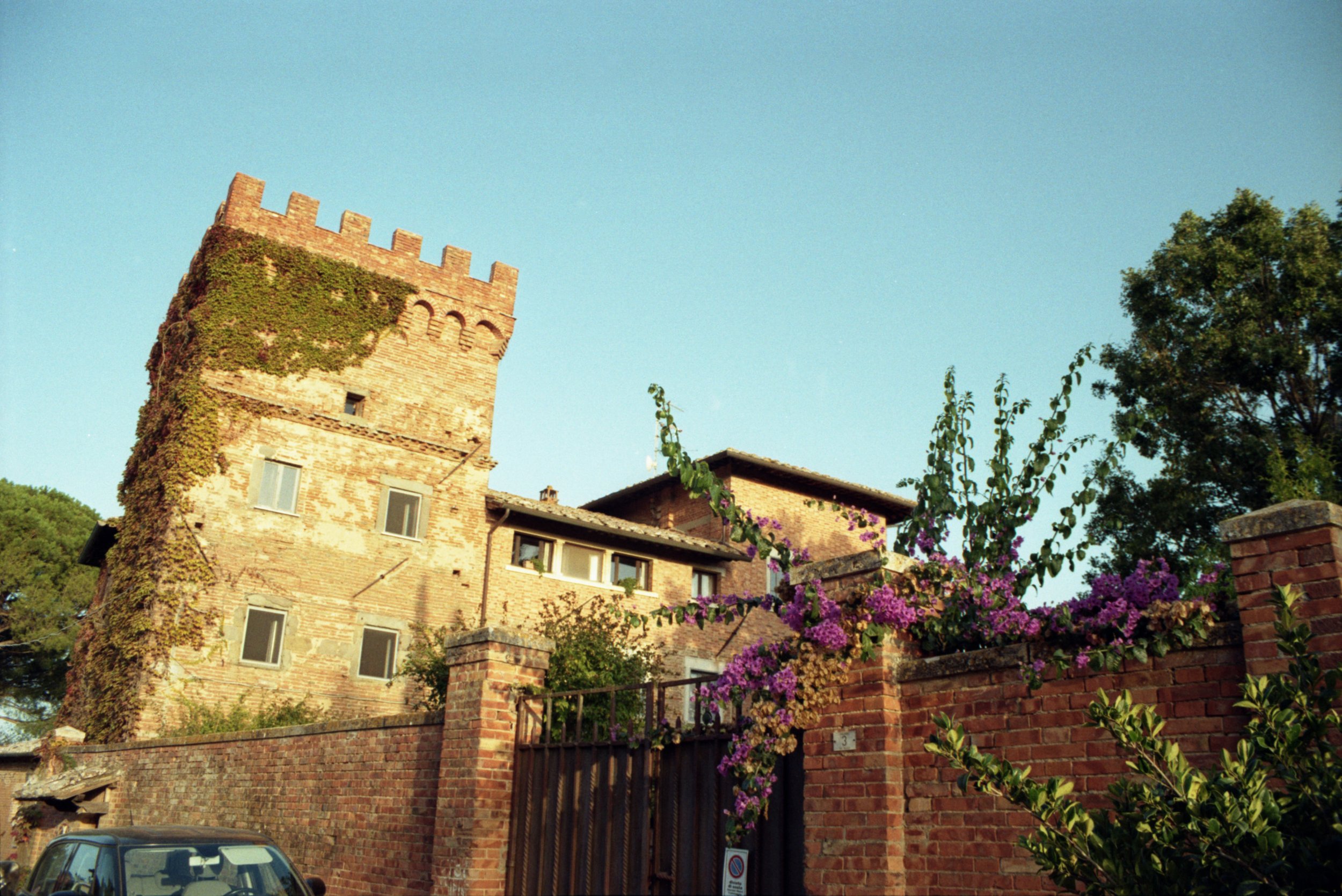
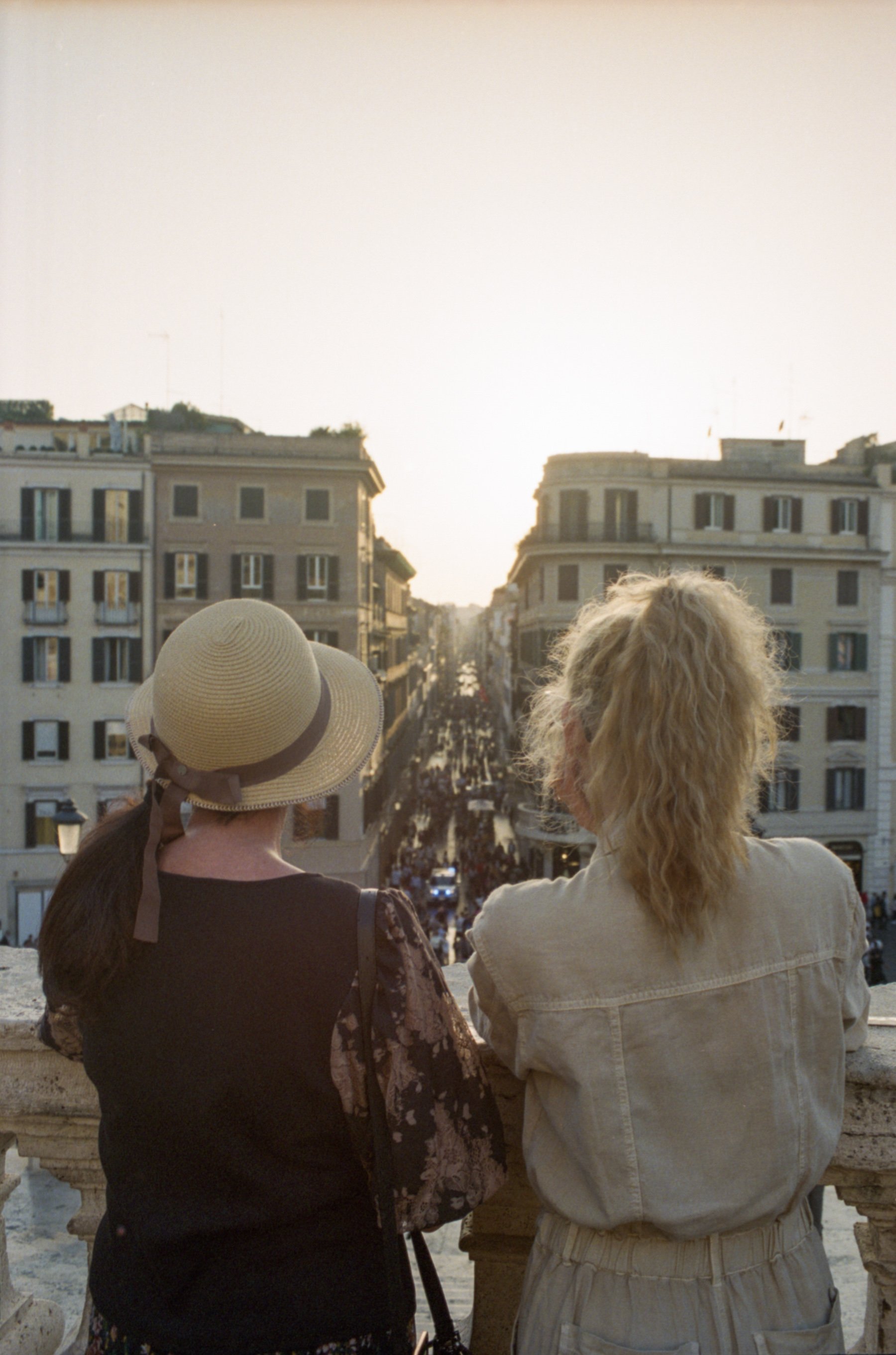
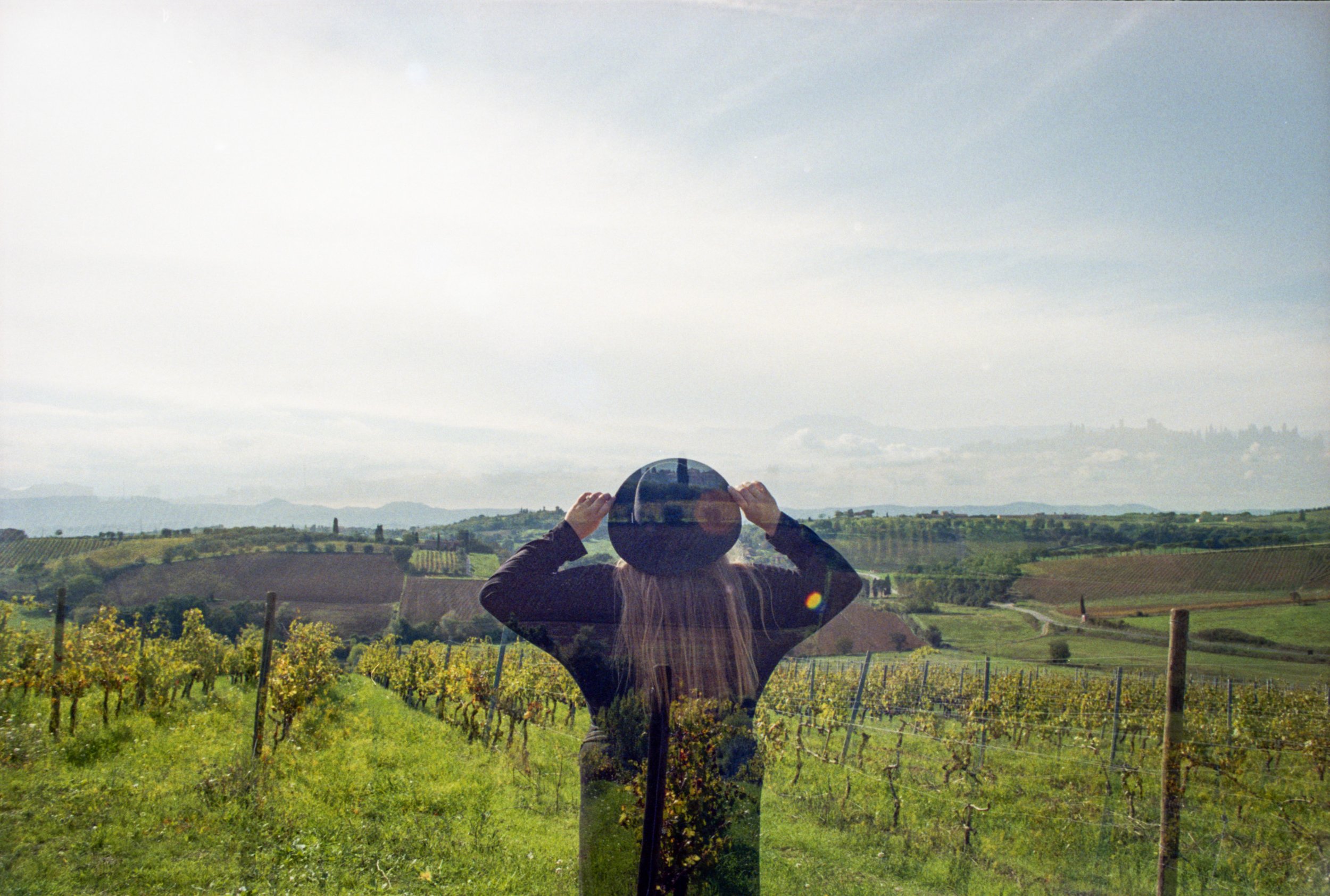
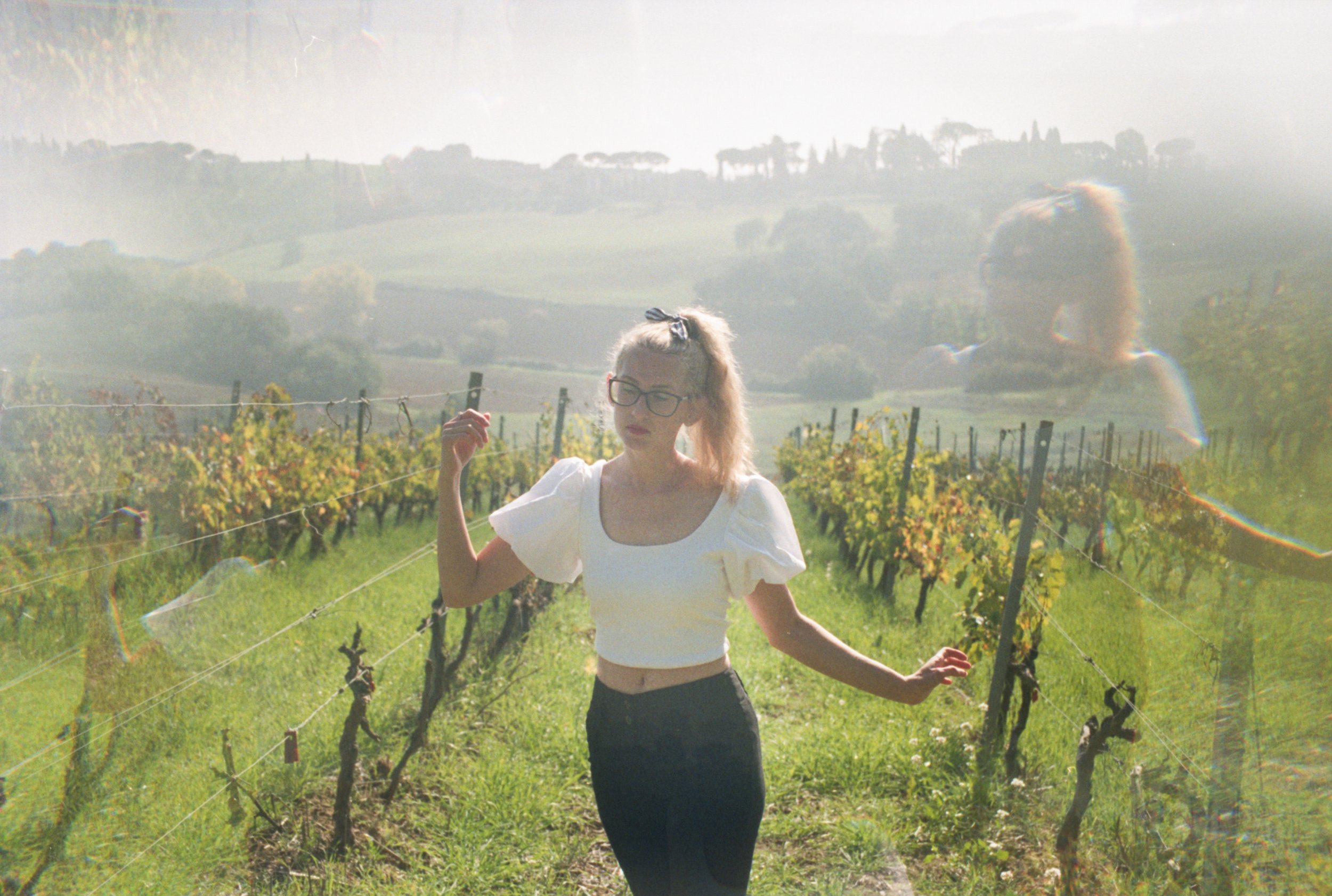
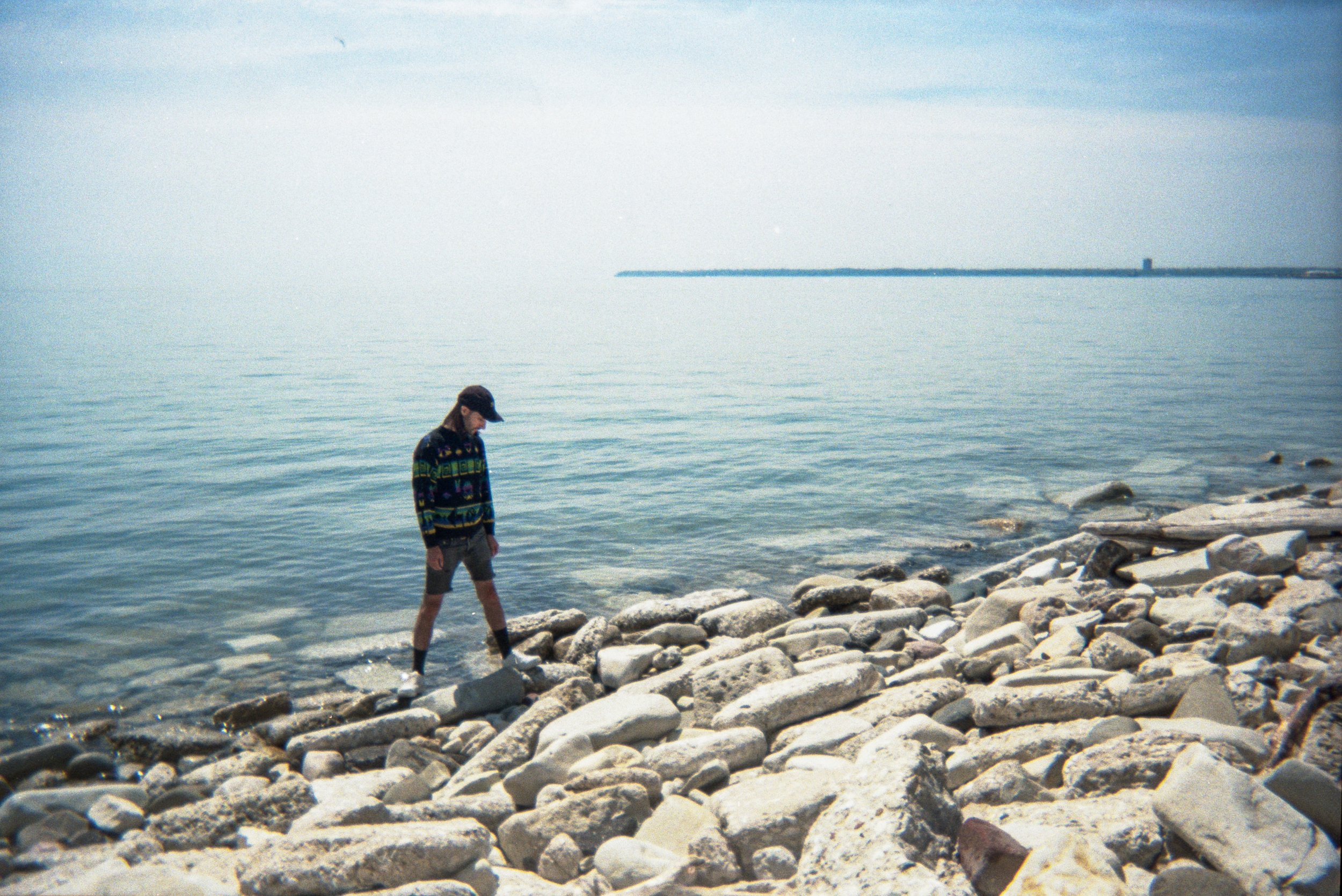
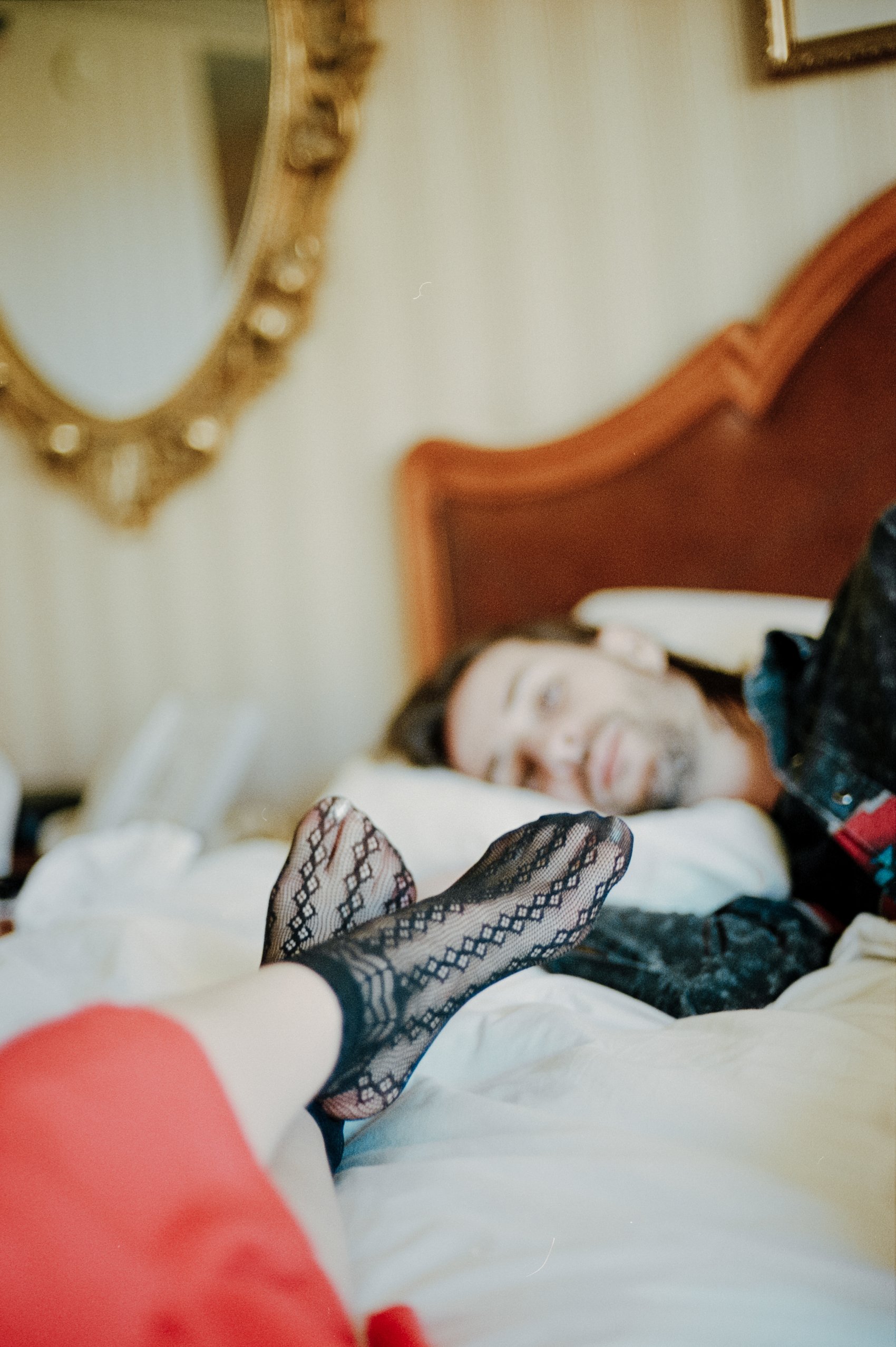
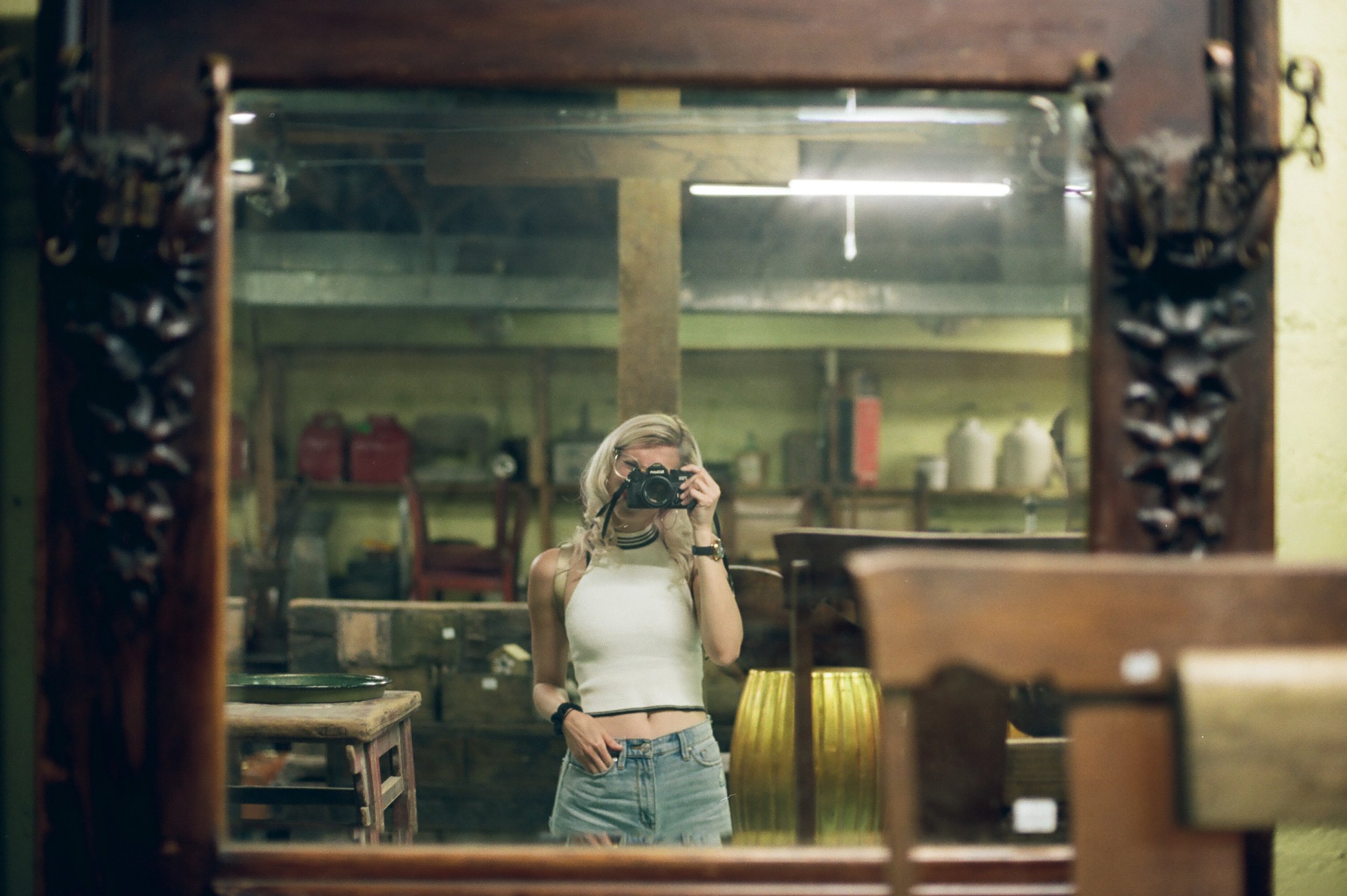
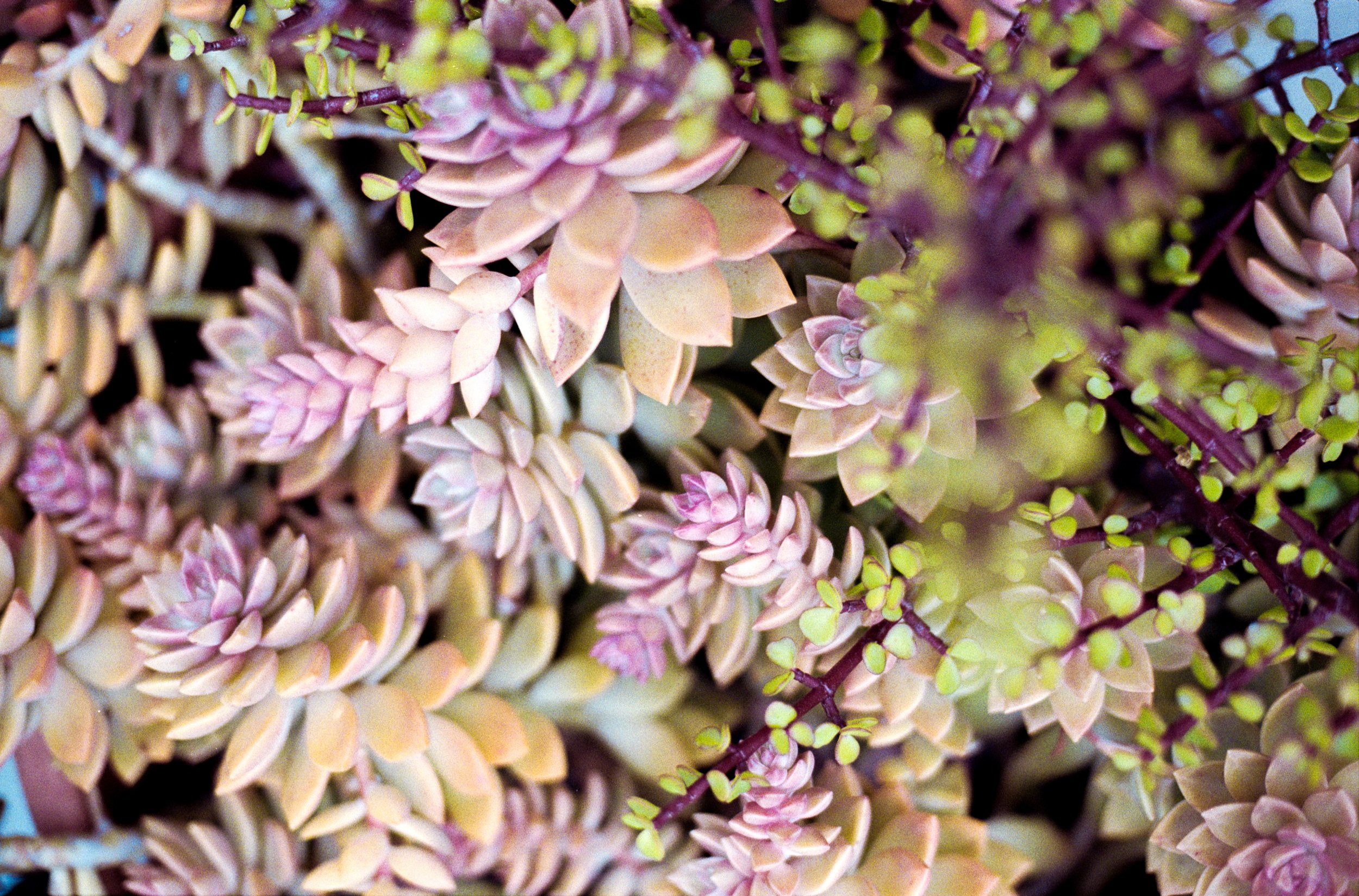
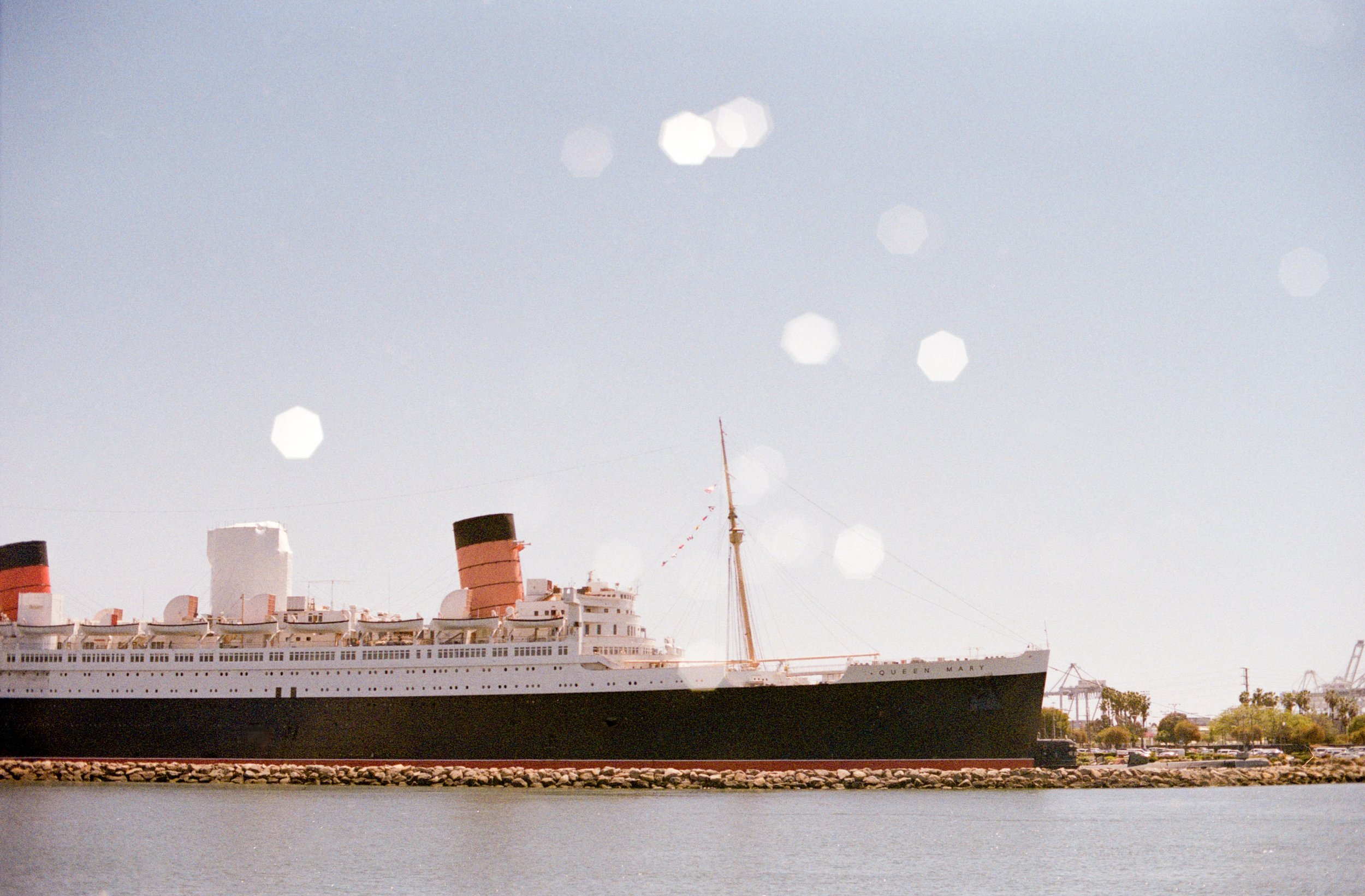
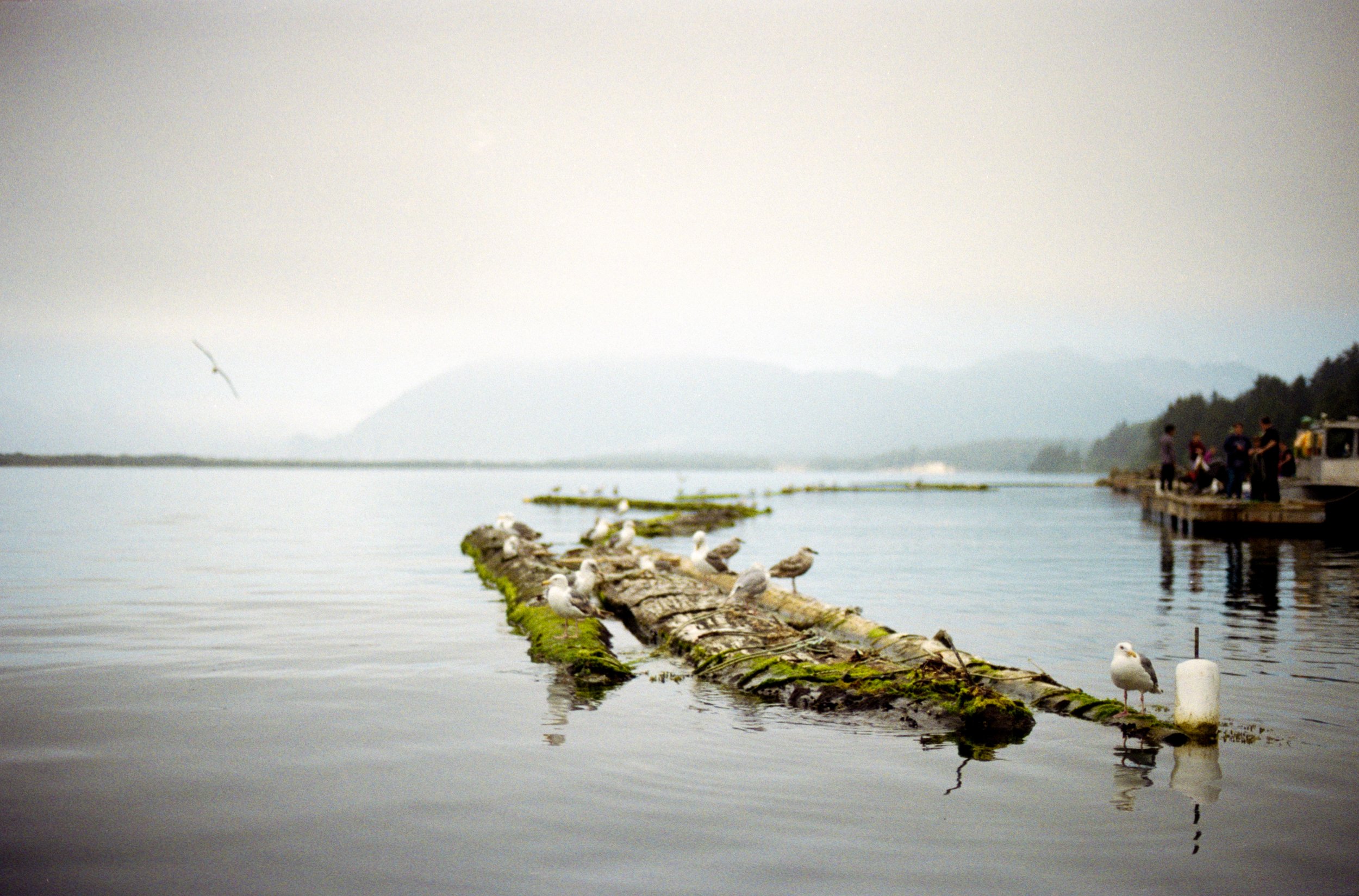
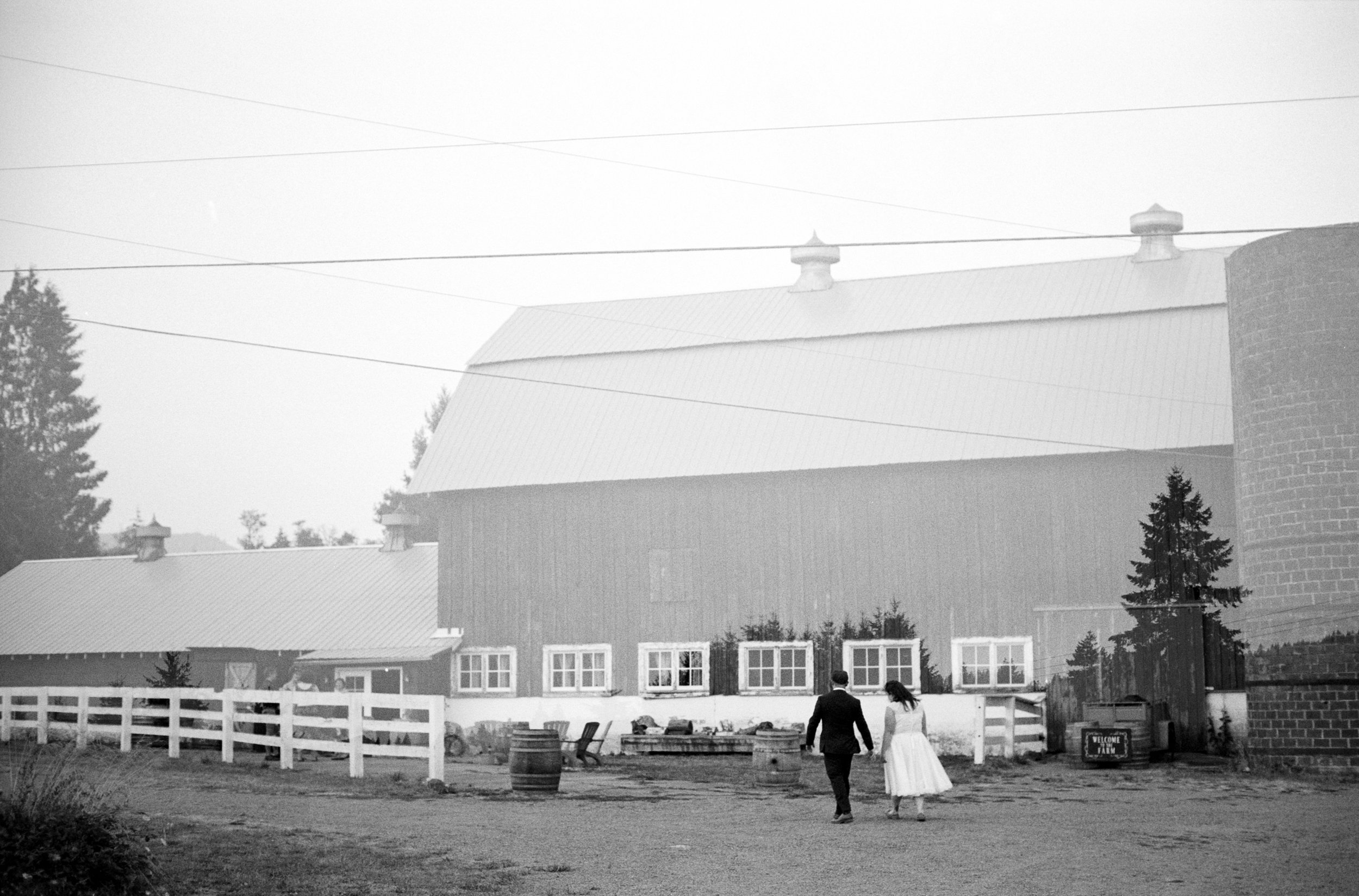
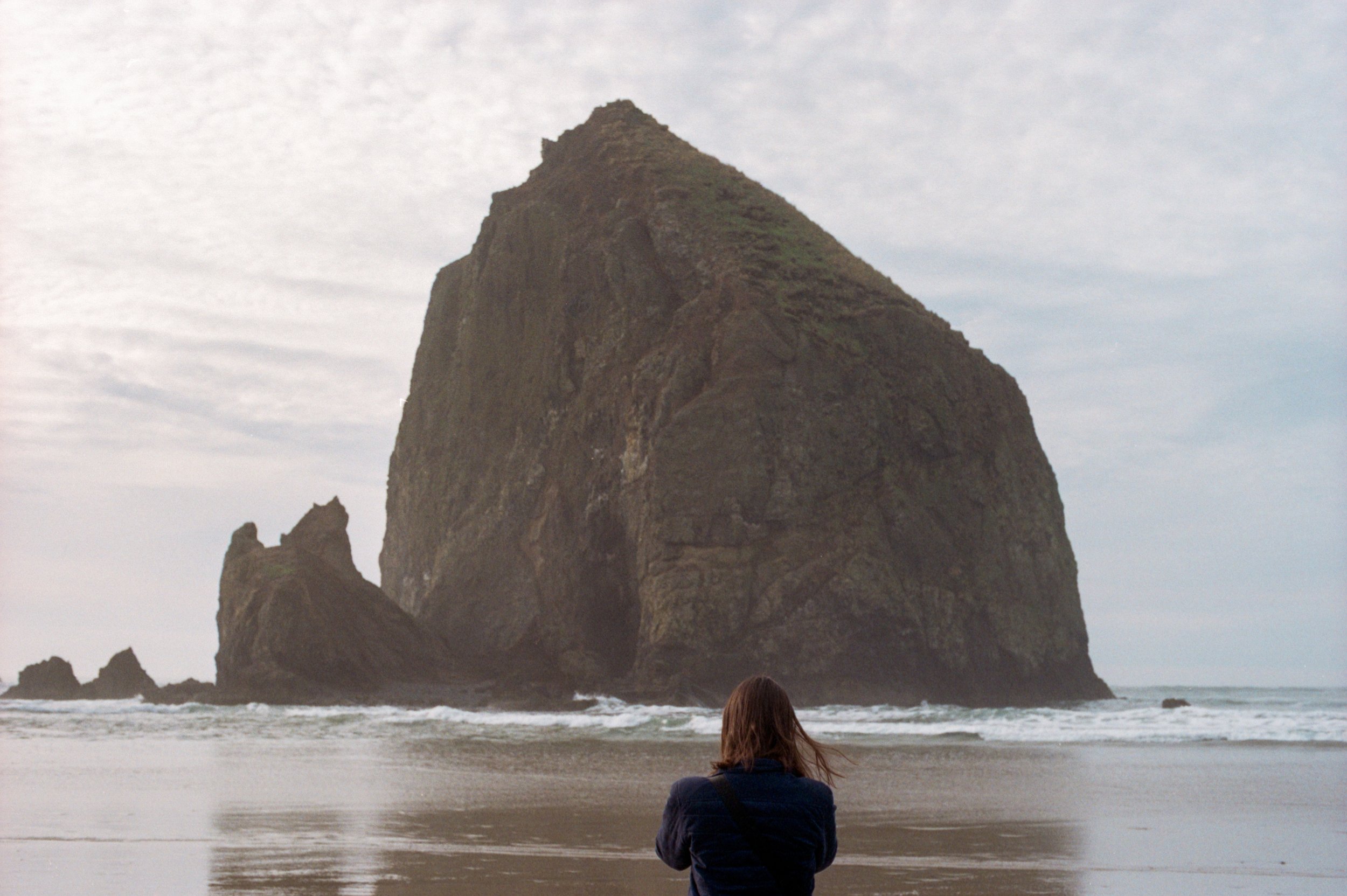
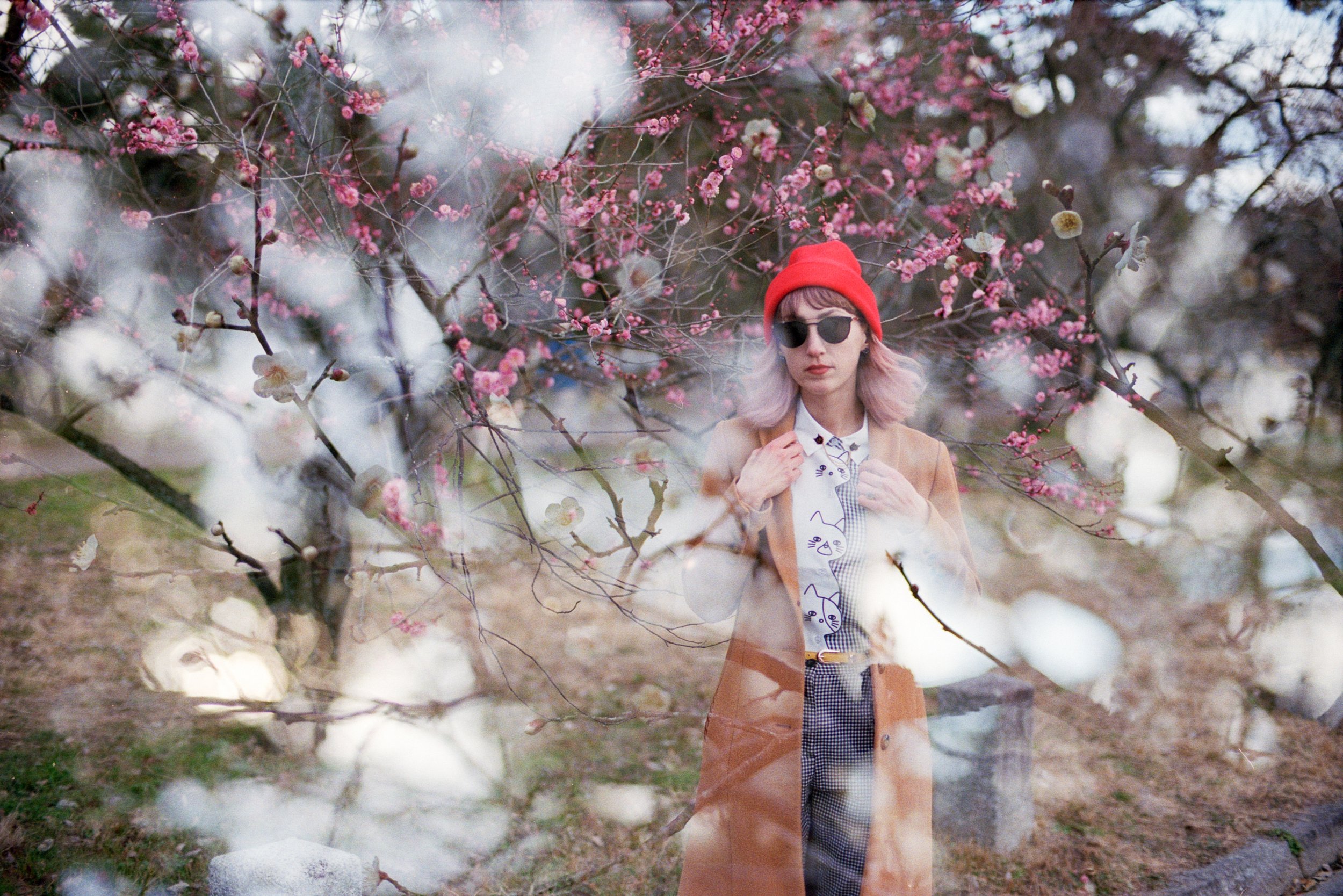
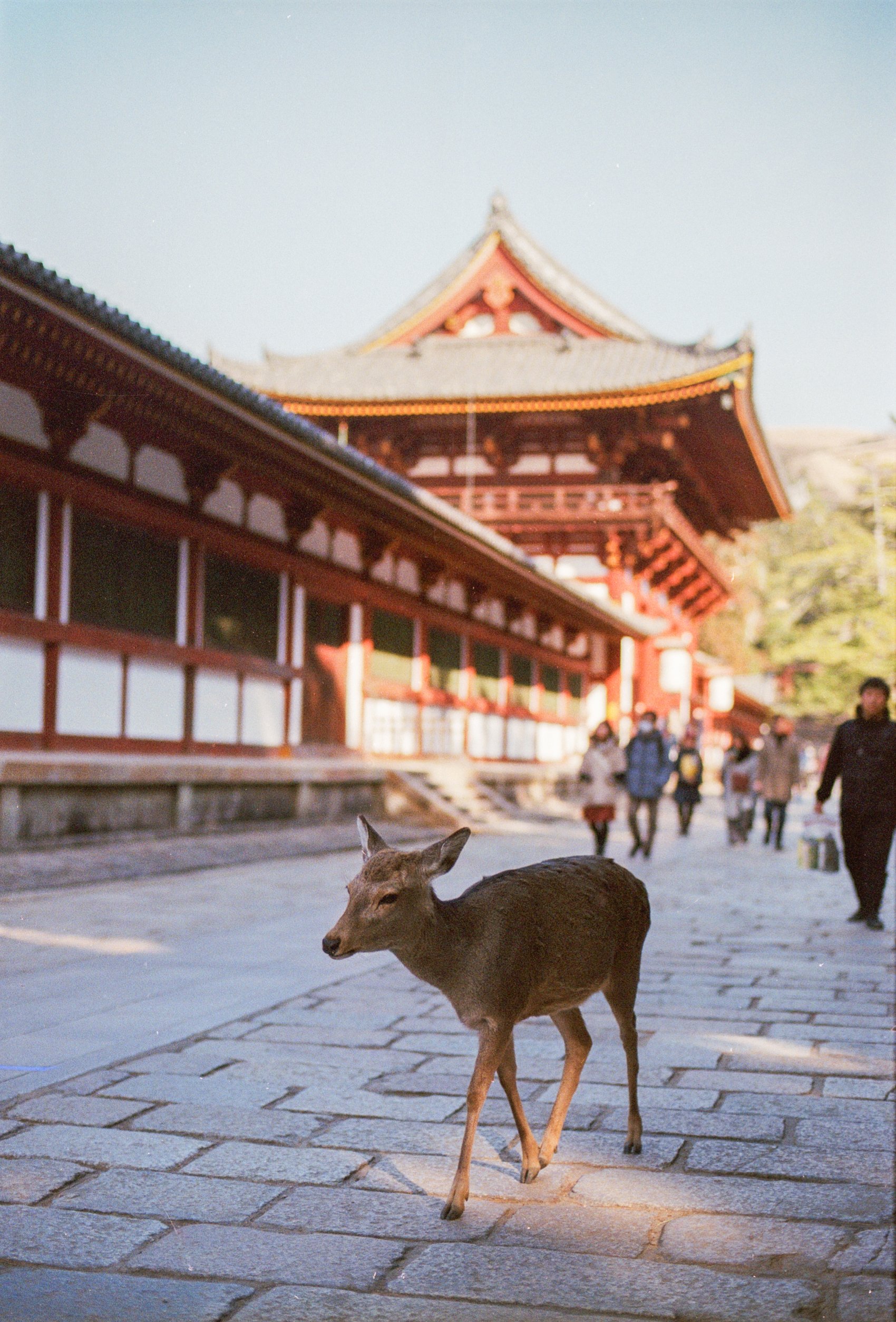
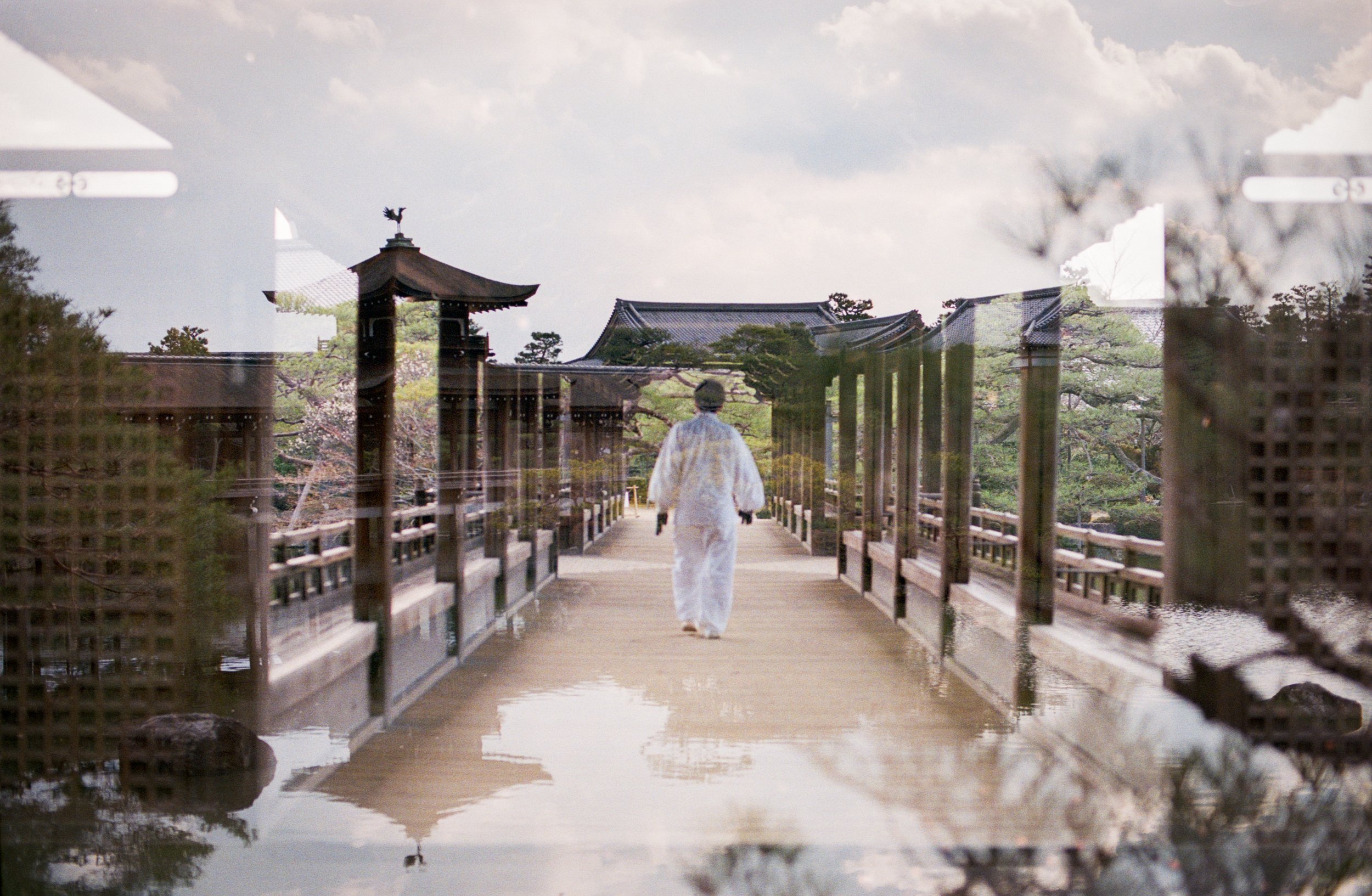
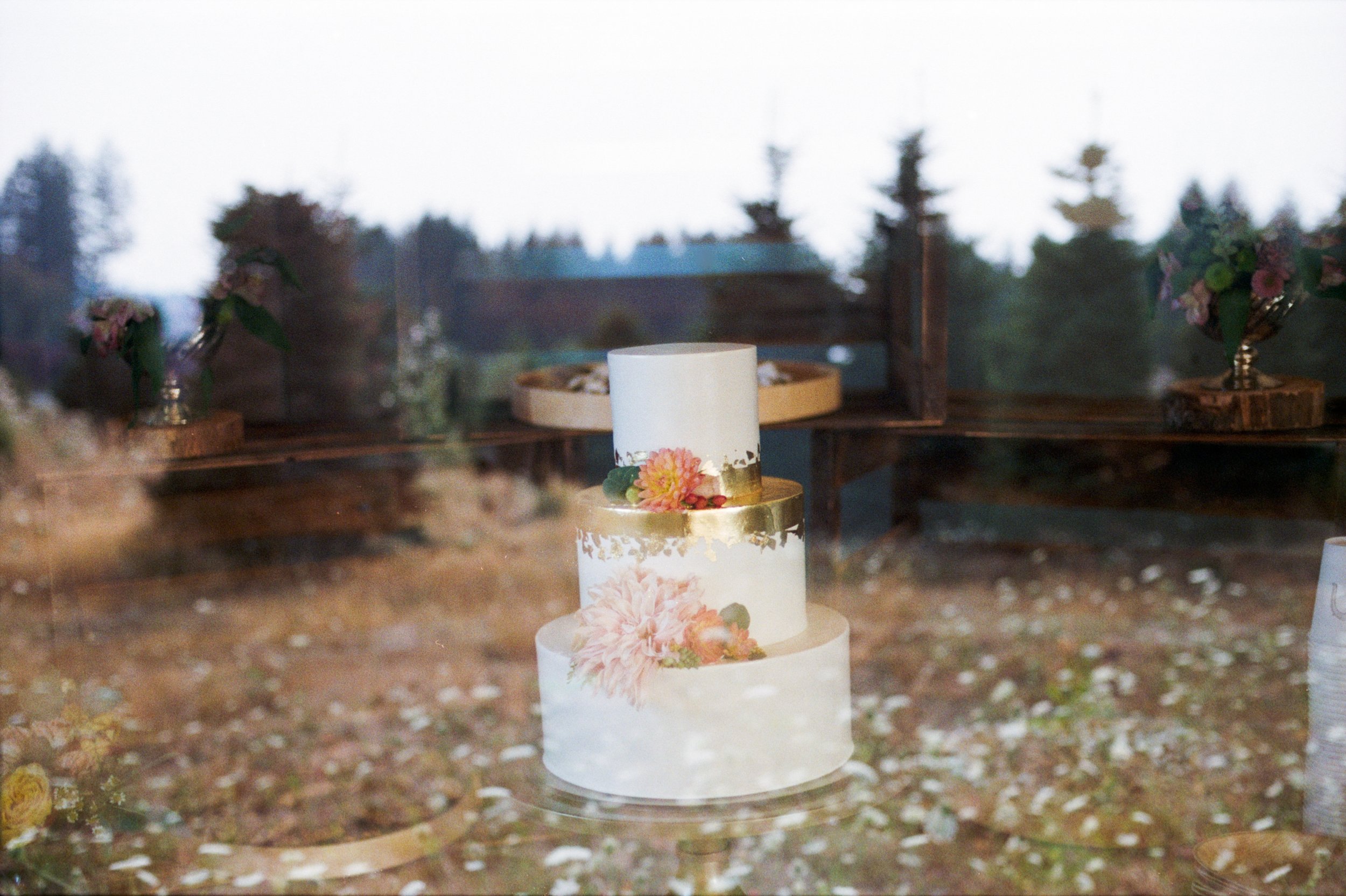
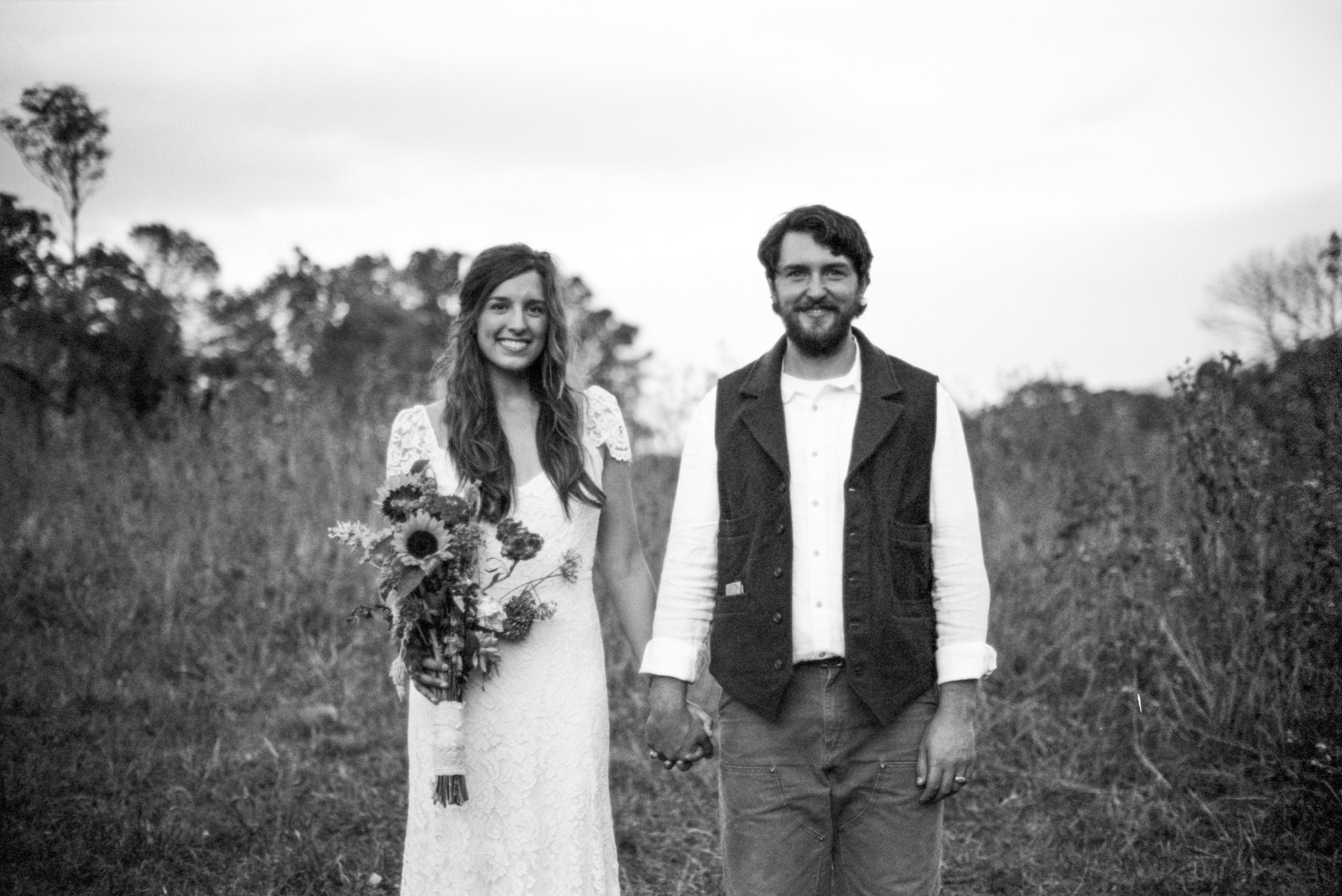
At this point, I’ve tried out a LOT of different brands of 35 mm film. While it’s fun to experiment and try out different ones, there are definitely a few that I tend to re-order over and over again. Mainly because of price-point, but also because of quality and sharpness. I have a LOT of cheap, somewhat “crappy” 35 mm film cameras so I like to use film that is super sharp and has a lower film speed. It takes some adjusting to figure out the perfect film for every camera, but there are my top 5 favorite 35 mm films that tend to work well with cheap 35 mm cameras, as well as more expensive ones.

  1. Kodak Portra 160

While this tends to be the priciest of the bunch, it is the most worth-the-money film out there. It has BEAUTIFUL, ACCURATE skin tones, sharp detail and beautiful coloring overall. I don’t buy this film as often as I’d like to, simply because of the price. But when I do use it, I’m always reminded of what an incredible film this is, especially for portraits and landscapes.

WHERE TO FIND IT

Amazon

B&H Photo

2. KODAK gold 200

This is a very specific kind of film - meaning, if you’re looking for that classic, LA/Hollywood golden sunshine film vibe, this is what you want. I don’t always like using this film because it does have such a golden/warm tone to it, and I personally tend to like cooler tones overall in my images. However, if I’m going to Hawaii or Italy or somewhere known for it’s stunning sunsets and golden hues, I ALWAYS grab a few rolls of Kodak Gold 200. The price for this film tends to vary depending on demand, so if you ever see it at a discounted price, GET IT.

WHERE TO FIND IT

Amazon

B&H Photo

3. Lomography color 100 or 400 film

This tends to be my go-to color 35 mm film. It’s affordable (especially if you buy in bulk), it’s bright and saturated and it’s sharp. Depending on where I’m traveling, I’ll go for either the 100 speed or the 400 speed film. If it’s going to be cloudy, overcast or a dark environment overall, I’d opt for the 400. If you’re going to a sunny location like the beach, then definitely go for the 100 speed to get that extra sharpness in the detail of your photos. Sometimes it can be difficult working with the colors of this film in post-processing, just because it is so saturated. But if you like bright color, this is the one to go for.

WHERE TO FIND IT

Lomography Color 100 35 mm Film

B&H Photo

Amazon

Lomography Color 400 35 mm Film

B&H Photo

4. KODAK PRO IMAGE 100

Another affordable option - Kodak Pro Image 100 film has a natural overall color to it, without that golden tone you get from Kodak Gold 200. Just know that using 100 speed films with cheap 35 mm cameras only really works if you’re in a fairly bright environment. If it’s overcast or dark, your shutter speed may be too slow to capture super sharp images, and your photos may be too dark overall. Stick to the outdoors in a sunny location and you’ll be good! This is a good basic option to go for - it’s affordable with normal color tones and easy to work with. It’s not necessarily the sharpest 100 speed film I’ve ever worked with, but it’s still fairly sharp overall.

WHERE TO FIND IT

B&H Photo

Amazon

5. Fujifilm fujicolor 200

This film isn’t anything super exciting, but it has a classic, film vibe to it with greenish undertones in the shadows - reminiscent of disposable cameras and photos from my childhood. I do love the nostalgic mood to it, but if you’re taking photos in a very green landscape, sometimes the images just turn out too green. Green can be a difficult color to adjust in post-processing but if that’s the look you’re going for, then go for it! Again, not the sharpest film overall but it does have a different, unique vibe to it.

WHERE TO FIND IT

Amazon

B&H Photo

Feel free to leave questions/comments/opinions below! Thanks so much for stopping by!

If you found this post helpful or if you’d like to see more of my work, I’d love it if you considered signing up for my Patreon! For as little as $1 a month, you’ll get early access to all of my YouTube videos, plus tons of photos that I don’t post anywhere else. Depending on which tier you choose, you could also receive seasonal prints and/or discounts! I always use all of the proceeds towards cameras, film & processing. Find out more here! And if you’re looking for more camera & film recommendations, make sure to check out my B&H storefront or Amazon storefront!

<3 Myles Katherine
Nikon FE2 Review with Sample Photos | Nikon FE2 vs. Pentax K1000 | The Best 35 mm Camera for Beautiful Multiple Exposures

Updated July 17, 2026

(By using the affiliate links and/or codes in this blog post, you help support Myles Katherine Photography. I may earn a small commission at no additional cost to you if you make a purchase through these links. Thank you for your support!)

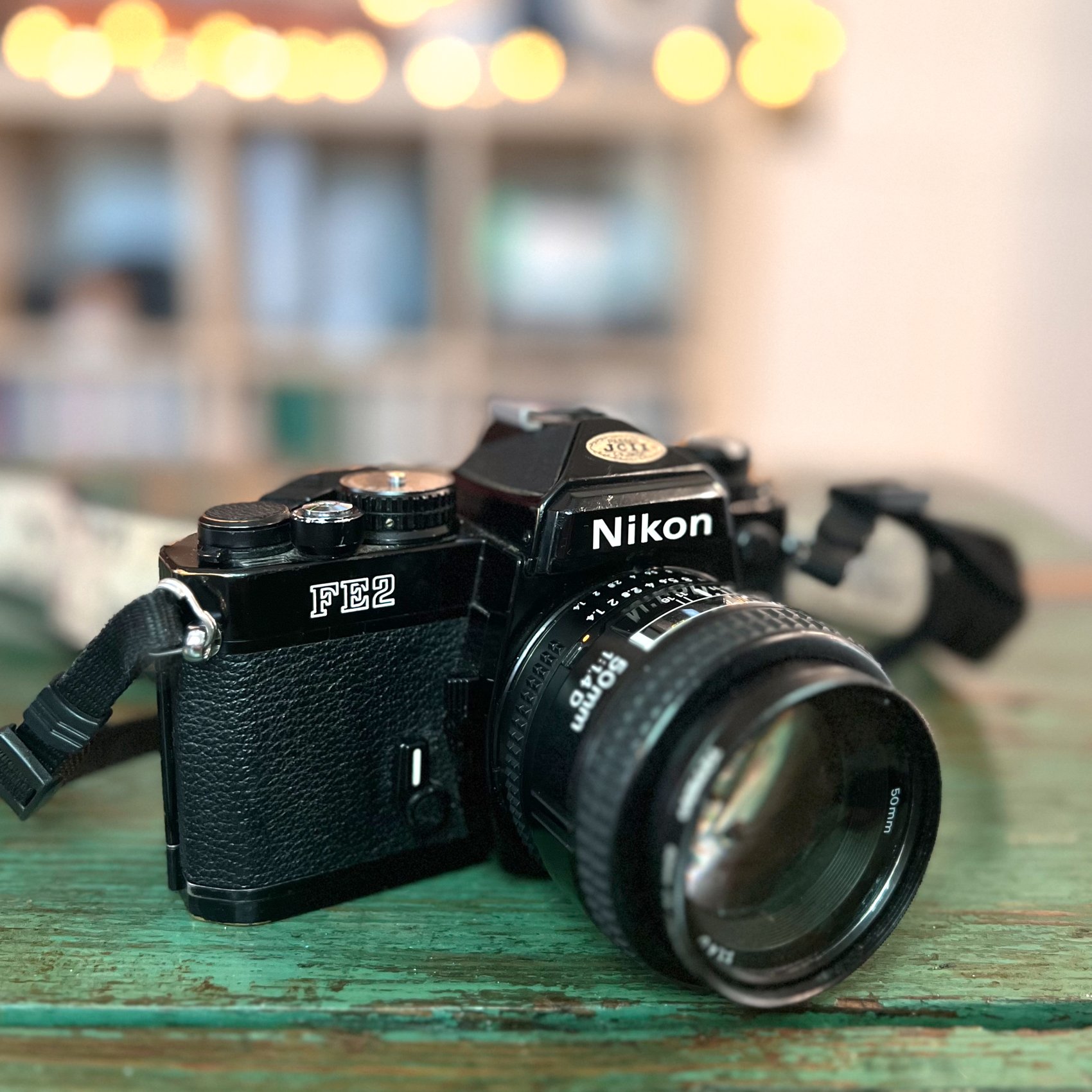
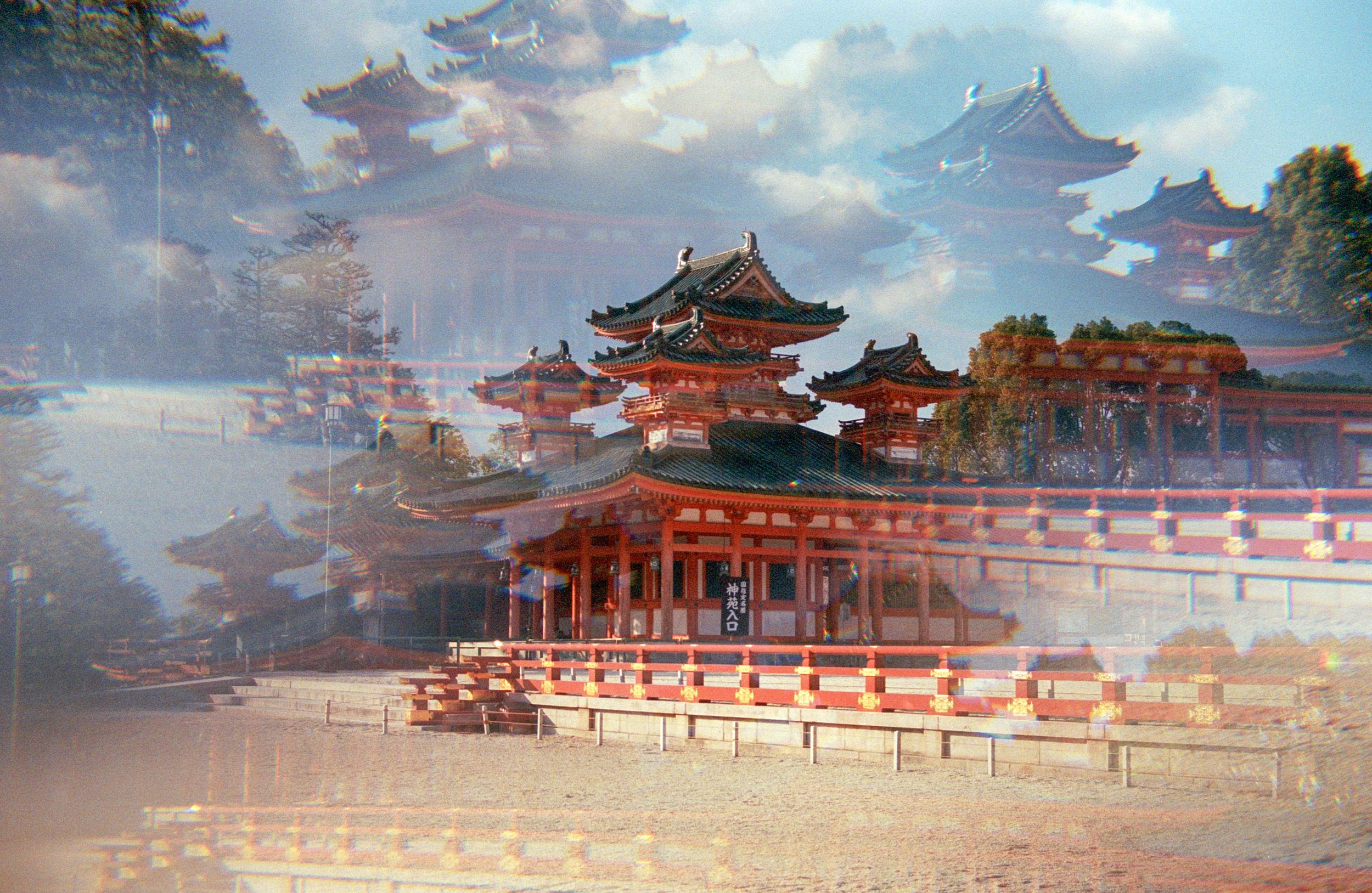
I’ve had my Nikon FE2 for almost 10 years now and I LOVE it. It was my first “nice” 35 mm camera. Up until the day that I purchased it, I’d been using cheap 35 mm cameras and making it through just fine. However, I was ready for sharper, more expensive-looking film photos with beautiful bokeh and background blur. I wanted my images to look as sharp and high quality as my digital photos from my 5D Mark II but BETTER, with a filmy vibe that couldn’t be achieved with a digital camera. I headed to Blue Moon Camera in Portland, Oregon with the intention of buying a Pentax K1000. One of my photographer friends, Shola, used a Pentax K1000 and I absolutely loved her photos. I didn’t know much about the camera and was going into it somewhat blindly. After chatting with the sales associate though, I quickly realized that the Nikon FE2 was better suited for me and my personal photography needs. The Pentax K1000 didn’t have a multiple exposure feature, so I immediately knew it wasn’t for me. I’m obsessed with multiple exposures and it’s become a standard part of my work over the years (you can read more about multiple exposures on my blog here) You can sort of “trick” the K1000 into creating a double exposure, but I wanted it to be easy and quick, as I’m often at weddings and don’t have time to guess or mess with rewind buttons. And I’ve learned over the years that I NEED a reliable multiple exposure feature with every camera that I buy. Also, The Nikon Nikkor lenses are known for being SUPER sharp, which was something else I was looking for. AND, most importantly, the Nikon FE2 has Aperture Priority. The Pentax K1000 is a manual-only camera. As a wedding photographer, Aperture Priority is a NECESSITY. I’m honestly SO glad I chose the Nikon FE2 over the K1000 because I think I’ve gotten way more use out of it than I would have with the K1000. It’s just more “me”. I think that’s such an important part of the process when you’re searching for a new camera - don’t get stuck in the idea of one specific camera because it might not be the right one for you. I’m so glad I stayed open-minded and went with the one that Blue Moon Camera was recommending!

HISTORY OF THE NIKON FE2 CAMERA

The Nikon FE2 is a 35 mm film single lens reflex (SLR) camera and was originally manufactured in Japan from 1983 to 1987. It’s known for it's rugged metal body and is super sturdy and well-made. It’s not too bulky or inconvenient though and was created as a camera that could be used by both amateurs and professionals. There are a few different versions of this camera, like the Nikon FE, Nikon FA and the Nikon FM2. If you’re not able to find a Nikon FE2, these are also great options. The FE cameras are definitely somewhat of a cult classic, along with the Pentax K1000 and Canon AE-1 Program (I have a full blog post about this camera too). These cameras have stood the test of time because of their strong build and reliability.

MY FAVORITE FEATURES OF THE NIKON FE2

There are so many things I love about this camera. Even after all these years of testing out vintage film cameras and reviewing them, the Nikon FE2 remains in my top 5 favorite 35 mm cameras. It’s the perfect travel size in my opinion, especially if you’re using the 50 mm f/1.4 Nikorr lens like I do. It’s honestly surprising how small it is, considering the fact that most of my high quality film cameras are huge (like the Contax 645). The Nikon FE2 also just has that beautiful classic film camera look to it. If you’ve seen characters carrying film cameras in movies from the 80s, you’ve seen cameras that look similar to this. It’s super retro and just feels so nice in your hand. The shutter is also extremely satisfying and I love pulling the film advance lever in-between shots.

As I mentioned, one of my favorite features of the Nikon FE2 is that it can create multiple exposures. To create one, there is a tiny little lever sitting in front of the main film advance lever. You slide that lever over to the right and hold it while advancing the larger film advance lever. Basically, instead of the film advancing to the next frame, it stays on the same one so you can shoot over it. You can do this as many times as you want on the same frame! It’s super easy, which is why I love this camera so much! And the best part is that you can’t accidentally create a multiple exposure. Many film cameras, like the Holga, or box cameras like the Kodak Brownie Hawkeye, are fully manual in terms of advancing the film, so its easy to accidentally create a multiple exposure if you just forget to advance the film between shots. But with the Nikon FE2, you have to go out of your way to pull that little lever back while winding the film.

The Nikon FE2 is also known for it’s incredible lens options. It uses F-mount lenses and I personally have the 50mm f/1.4 AF D Nikkor lens. It’s important to keep in mind that the lens is technically newer than the camera so the AF (autofocus) feature does NOT work. The lens will be fully manual when attached and will not have any autofocus features. While this is a bummer, most cameras from this time period were fully manual. It’s also part of the fun! I’m not going to lie, manual focusing can be a pain sometimes and takes some getting used to, but the results are WORTH IT. When I’m traveling, I like to bring another 35 mm camera with autofocus for fast shooting, along with the Nikon FE2, so that I have the option to switch based on my circumstances. If you’re interested in reading about my favorite 35 mm film cameras, make sure to check out my post - The Top 10 Best Film Cameras for Beginners.

WOULD I RECOMMEND THE NIKON FE2?

Umm, absolutely. Whenever someone asks me which 35 mm film cameras are the best for beginners, the Nikon FE2 is always on my list, along with the Canon Rebel K2 and the Canon AE-1 Program. The Nikon FE2 isn’t crazy expensive either. You can usually find the body for about $400 on KEH Camera, and the Nikkor 50mm f/1.4 lens on KEH Camera for about $175. Not too bad at all for the quality that you’re getting! I bought mine around 2014 or so and I think I paid about $350. If I’m being honest, I can’t believe they aren’t more expensive!

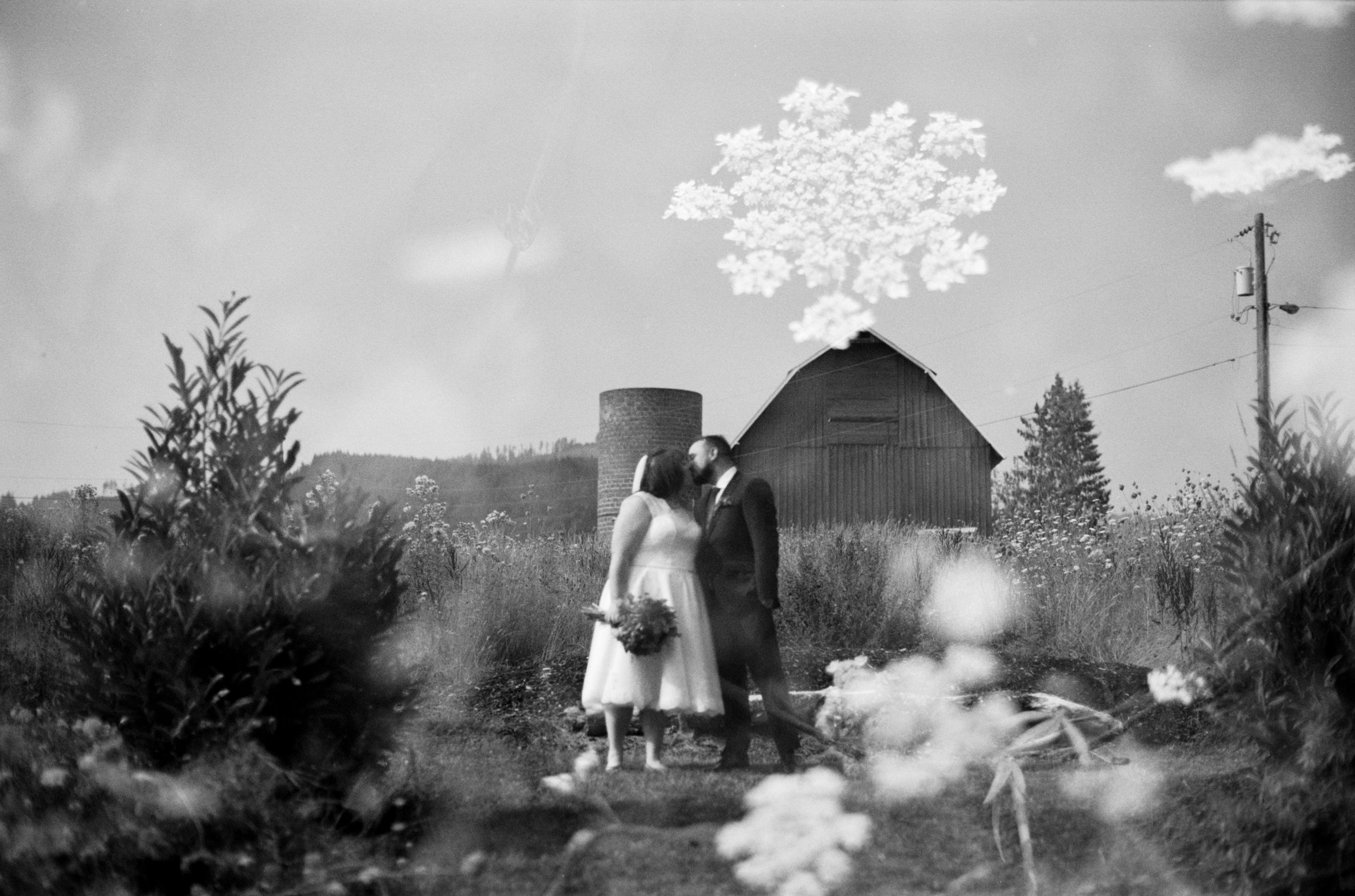
I have a video on my YouTube channel about the Nikon FE2 too, so make sure to check that out below! I’ve also included some of my favorite images I’ve taken over the years with the Nikon FE2. I hope you love this camera as much as I do!

WHERE TO BUY THE CAMERA:

Shop Amazon!

Shop eBay!

Shop KEH Camera!

Shop Etsy!

LENS:

50mm f/1.4 AF Nikkor on Amazon

50 mm 1.4 AF Nikkor on KEH Camera

50mm f/1.4 AF Nikkor on Etsy

35-70mm f/3.3 AF Nikkor (more affordable zoom lens)


FILM RECOMMENDATIONS:

Kodak Gold 200 35mm film

Kodak Portra 160 35mm

Lomography 400 35mm film

You can read more about my favorite 35 mm film stocks on my blog here if you need more recommendations!

If you found this post helpful or if you’d like to see more of my work, I’d love it if you considered signing up for my Patreon! For as little as $1 a month, you’ll get early access to all of my YouTube videos, plus tons of photos that I don’t post anywhere else. Depending on which tier you choose, you could also receive seasonal prints and/or discounts! I always use all of the proceeds towards cameras, film & processing. You can also check out my B&H storefront or Amazon storefront for more camera & film recommendations. Find out more here!

Thanks so much for stopping by!

<3 Myles Katherine
Why the Canon Rebel K2 will always be one of my favorite cameras | The Best 35 mm Travel Camera


Updated July 16, 2026

(By using the affiliate links and/or codes in this blog post, you help support Myles Katherine Photography. I may earn a small commission at no additional cost to you if you make a purchase through these links. Thank you for your support!)


I feel like I say this a lot, but I’m obsessed with the Canon Rebel K2. So much so that when my sister asked if she could borrow mine for our family trip to Italy, I had a brief freak out and then somehow convinced her to buy her own instead! It’s only $30-60 so it didn’t really make sense that I was stressing out so much about something happening to mine, except for the fact that it was my very first film camera and changed the whole trajectory of my life (no big deal). The first photographs I ever developed in the darkroom were taken with my Canon Rebel K2 and I’ve been a photographer ever since! I suppose I have quite the sentimental attachment to it that I wasn’t fully aware of until my sister’s inquiry.

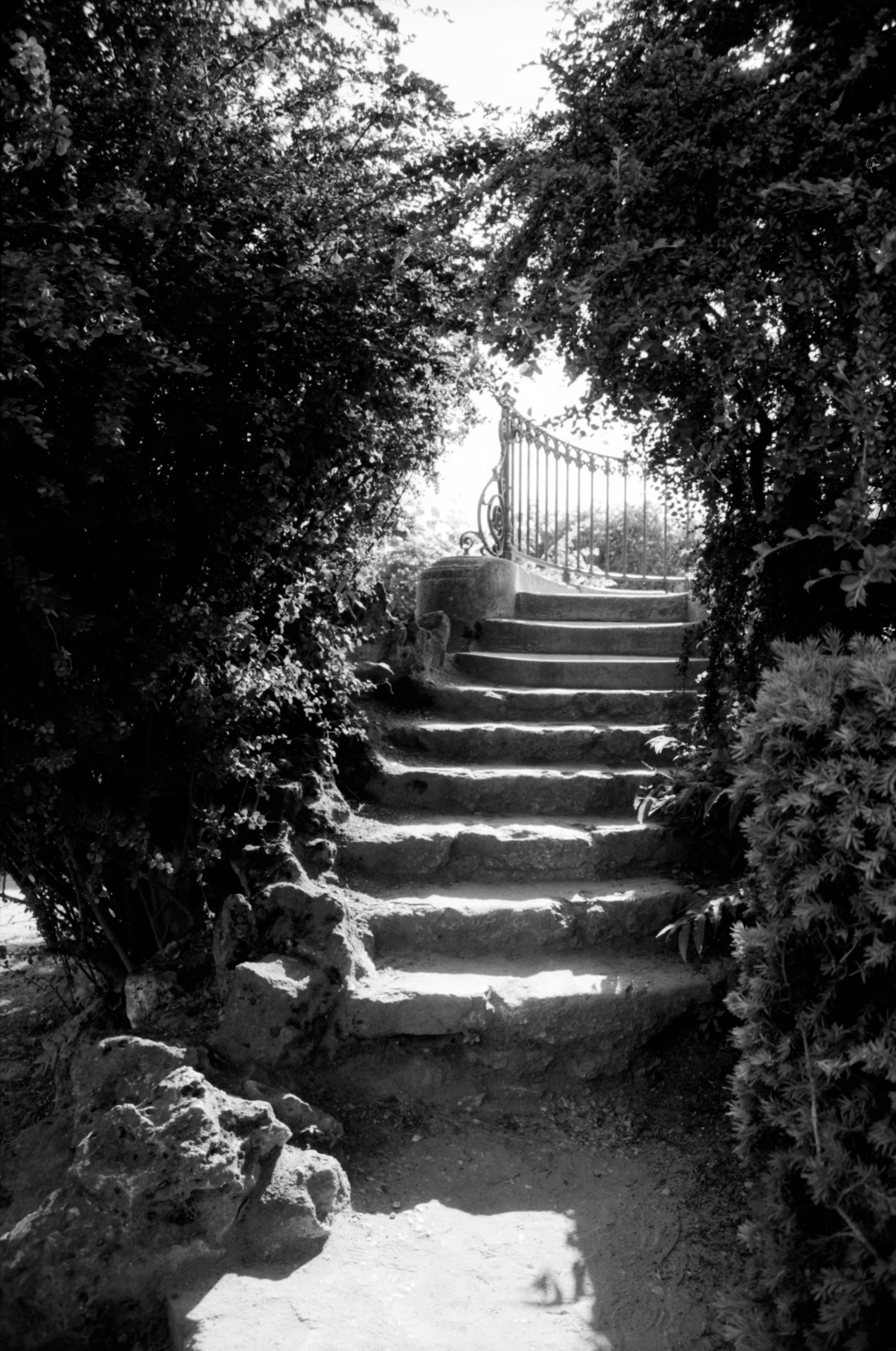
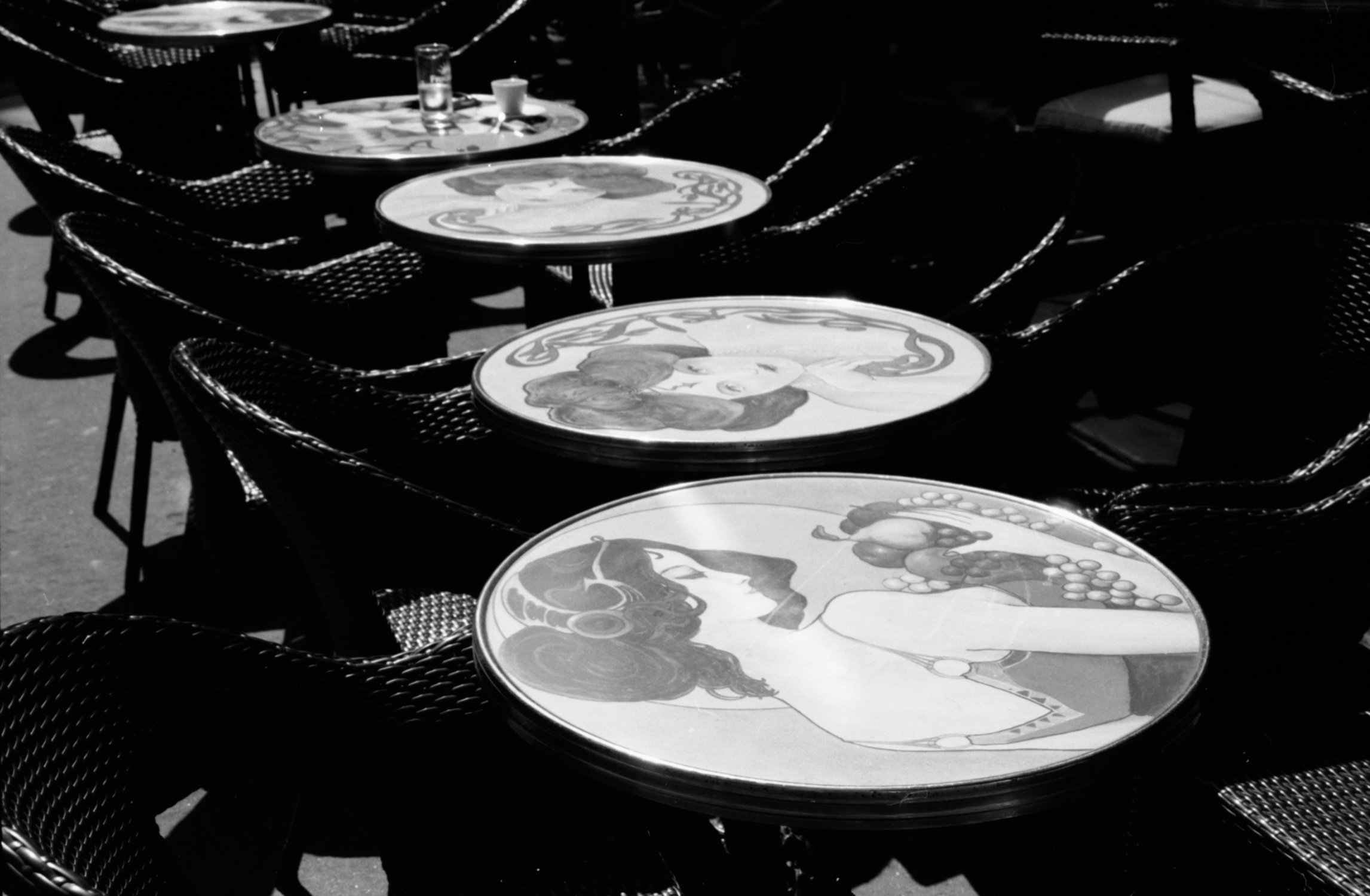
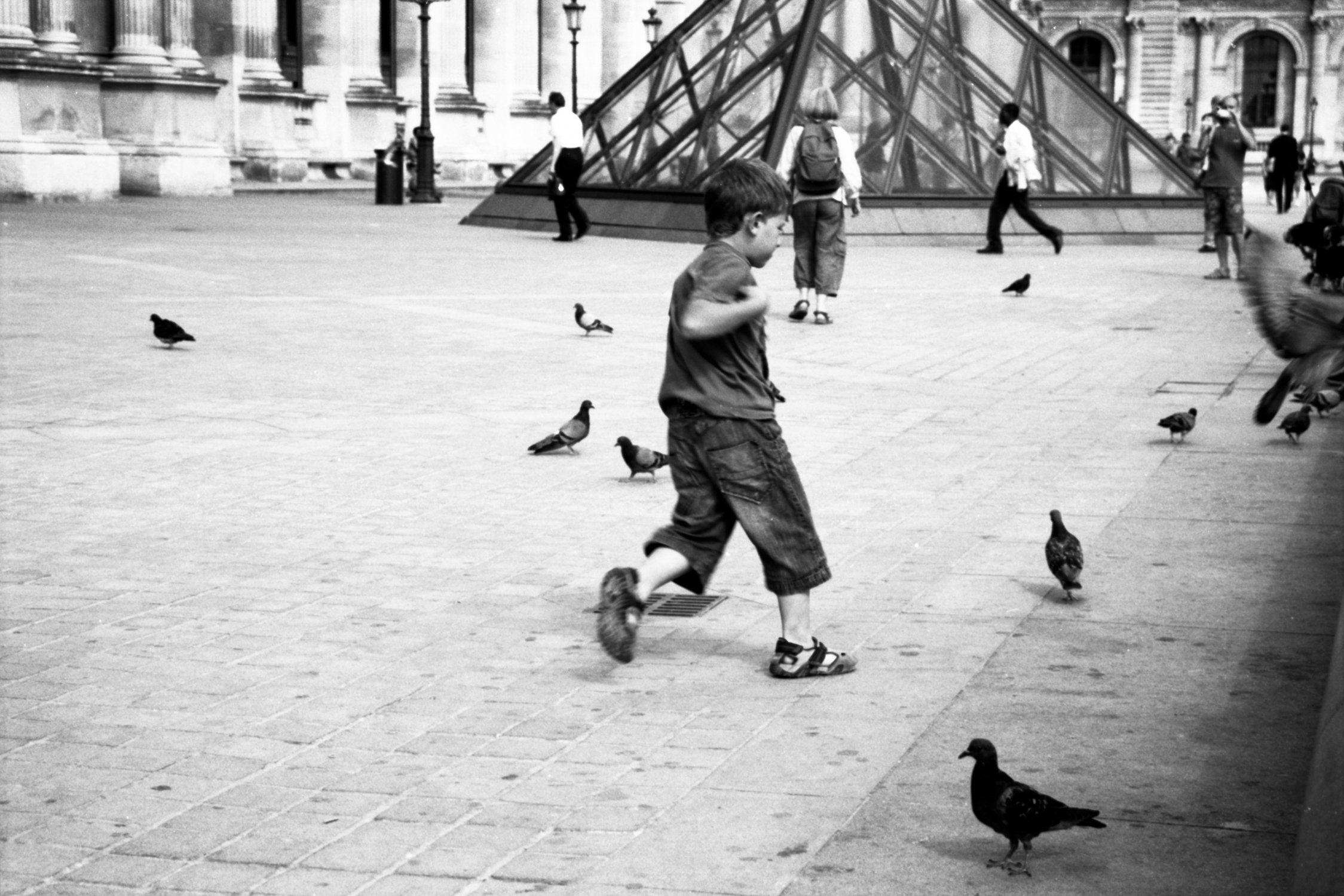
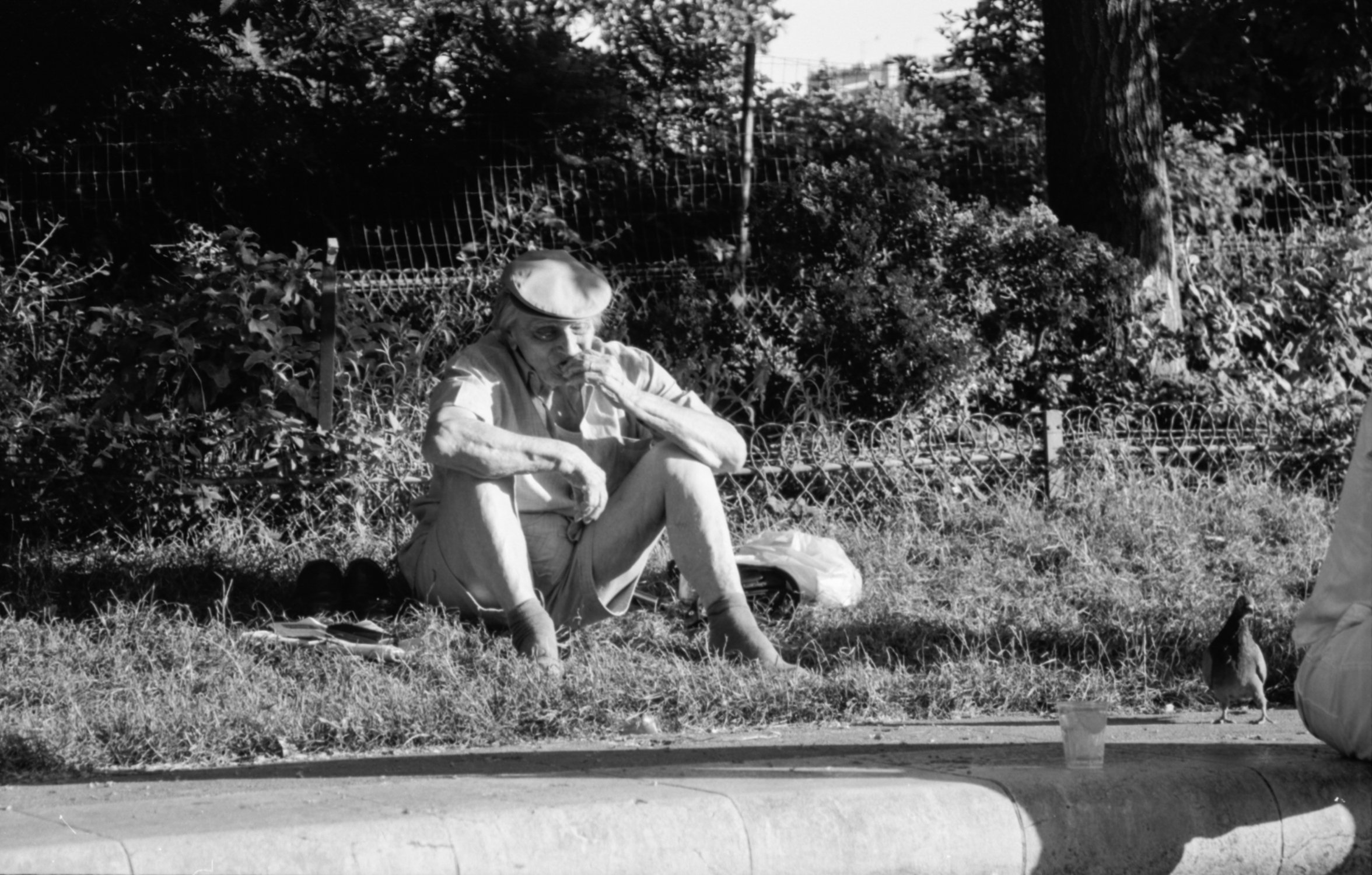
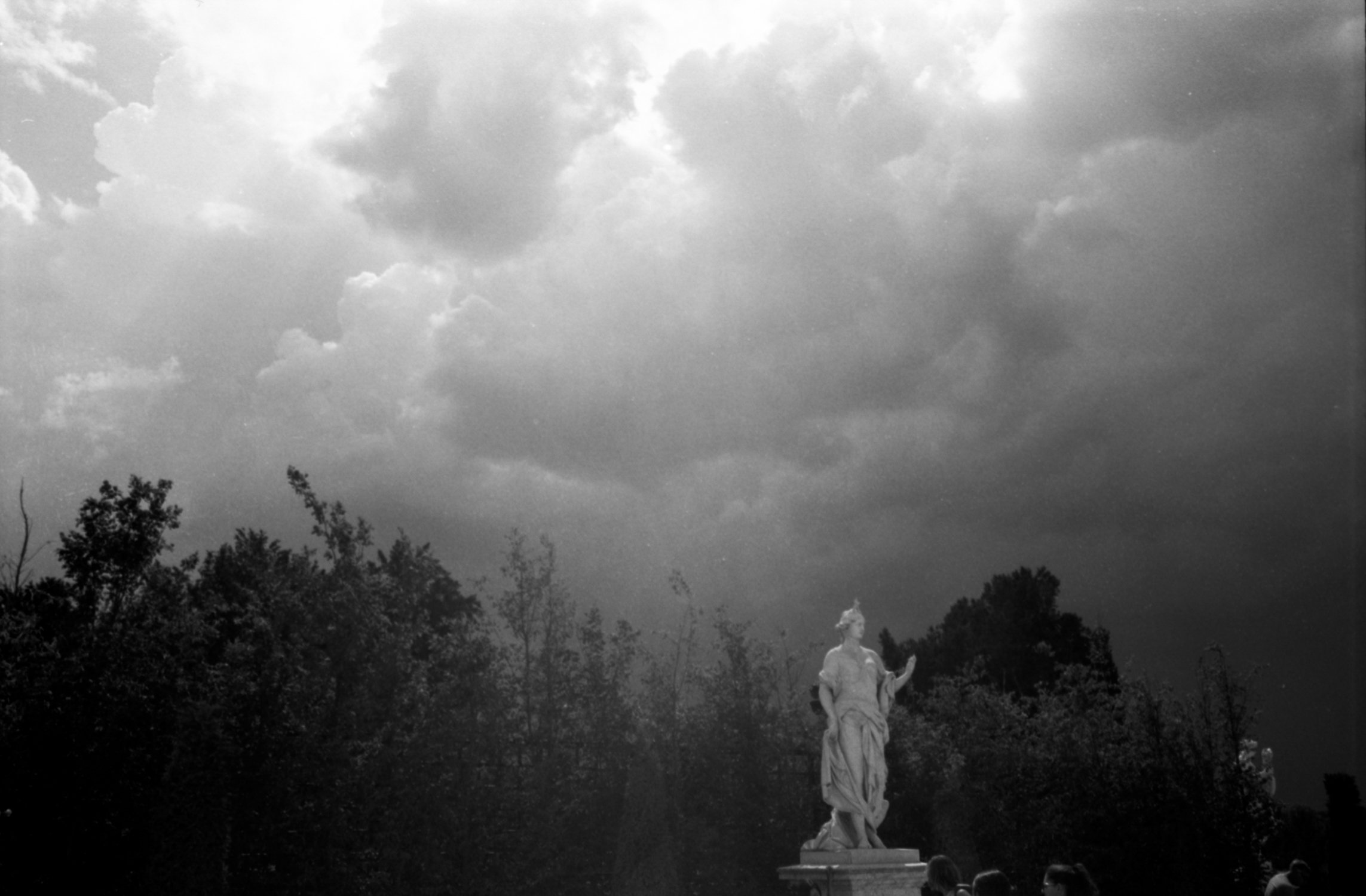
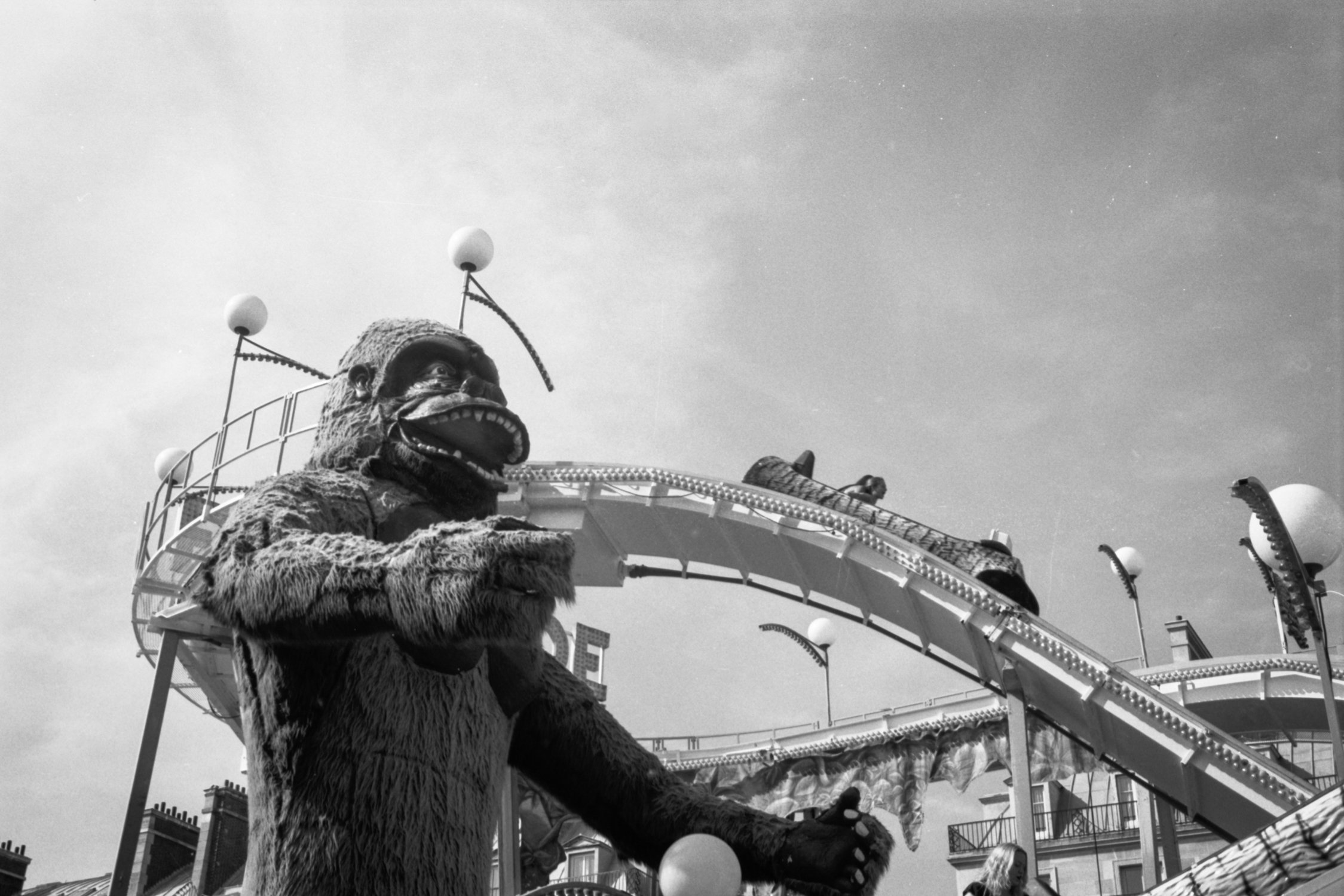
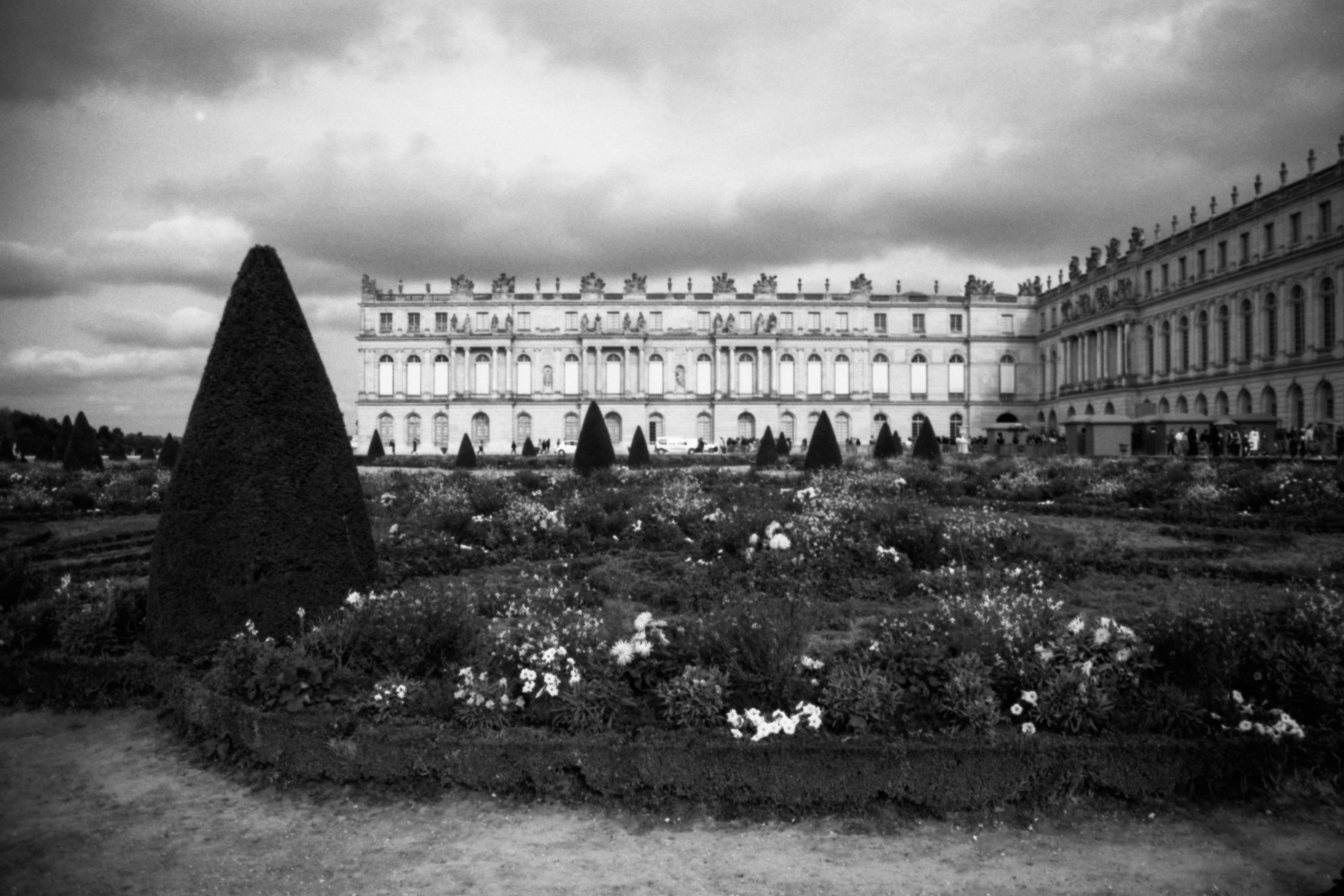
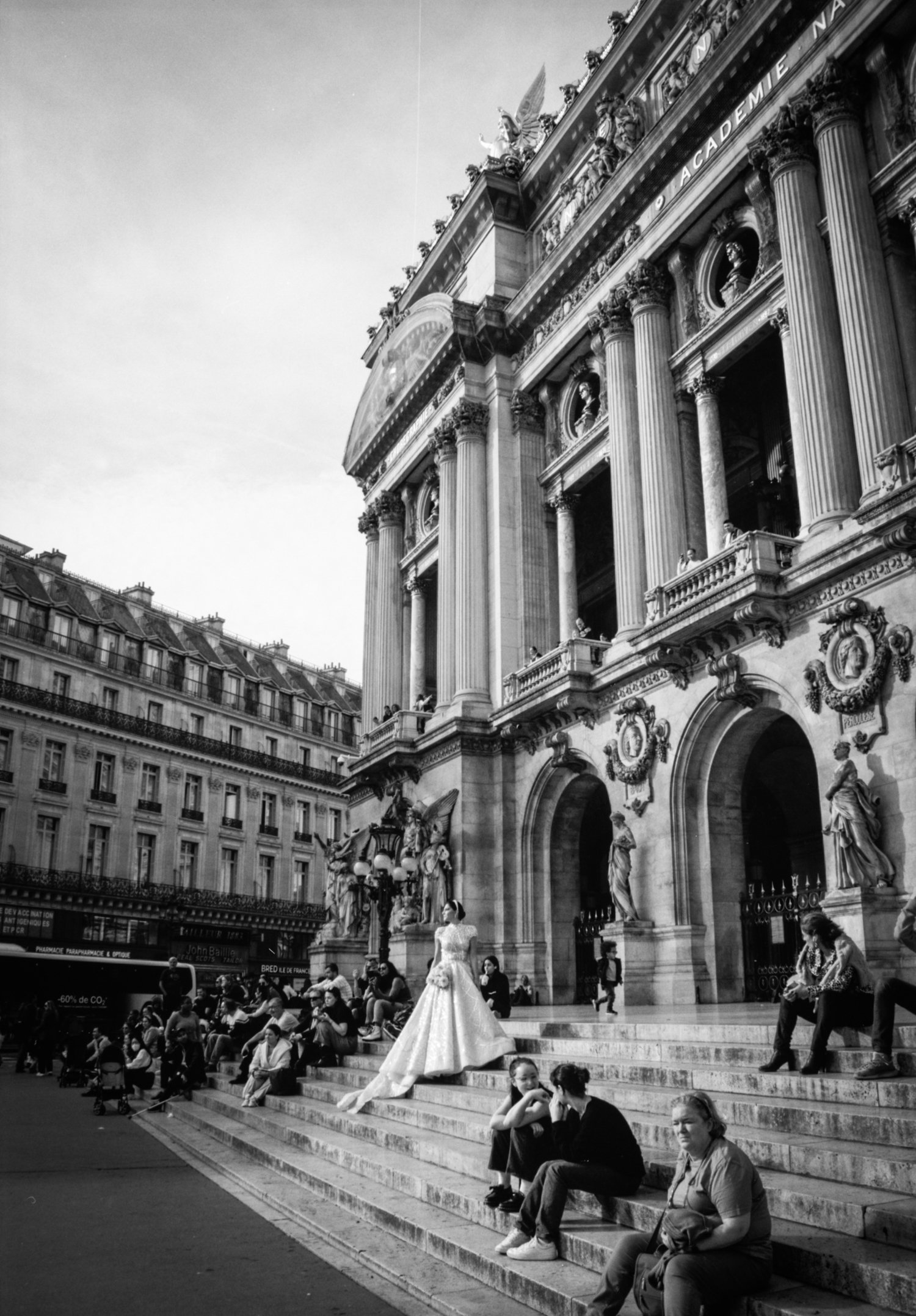
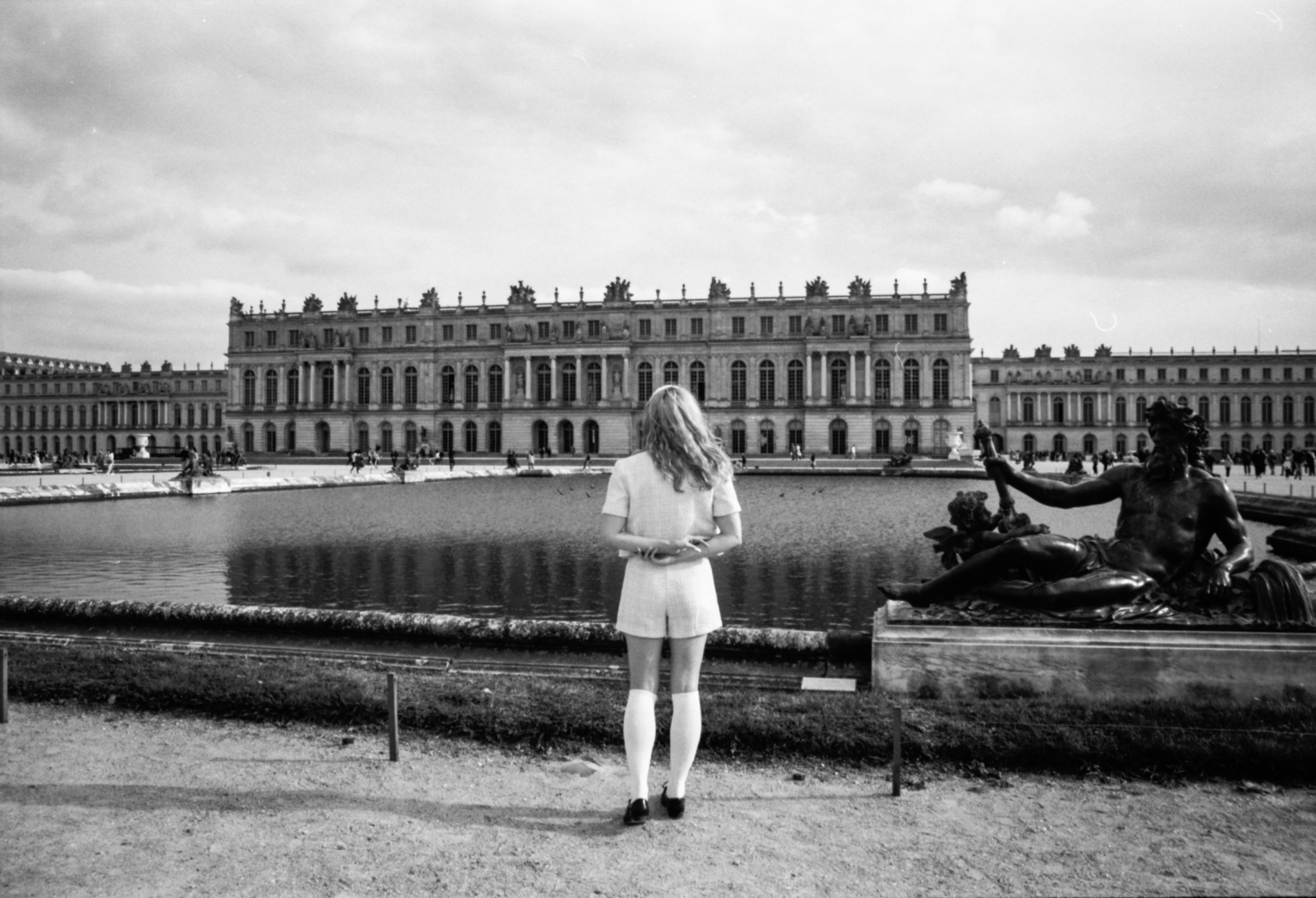
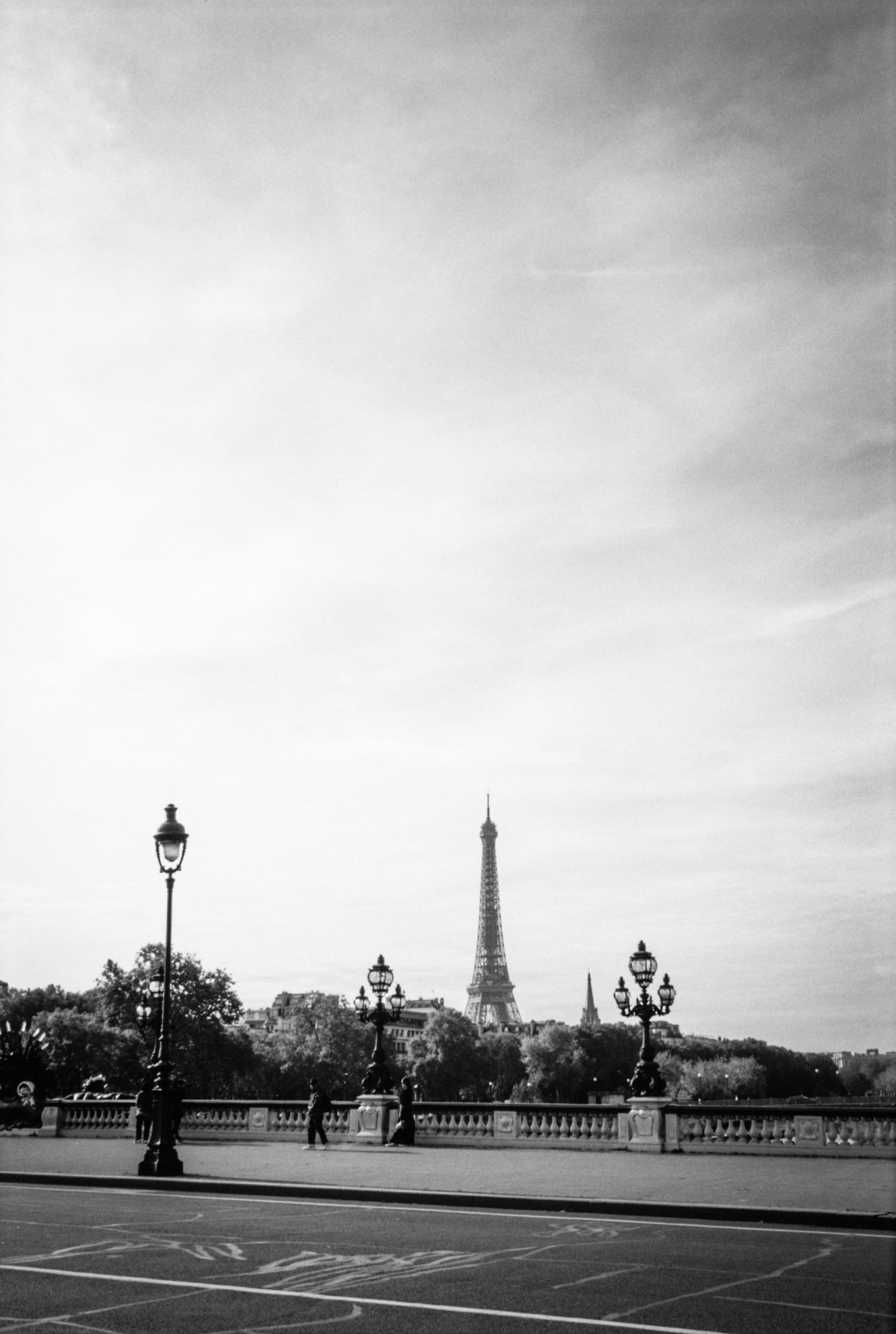
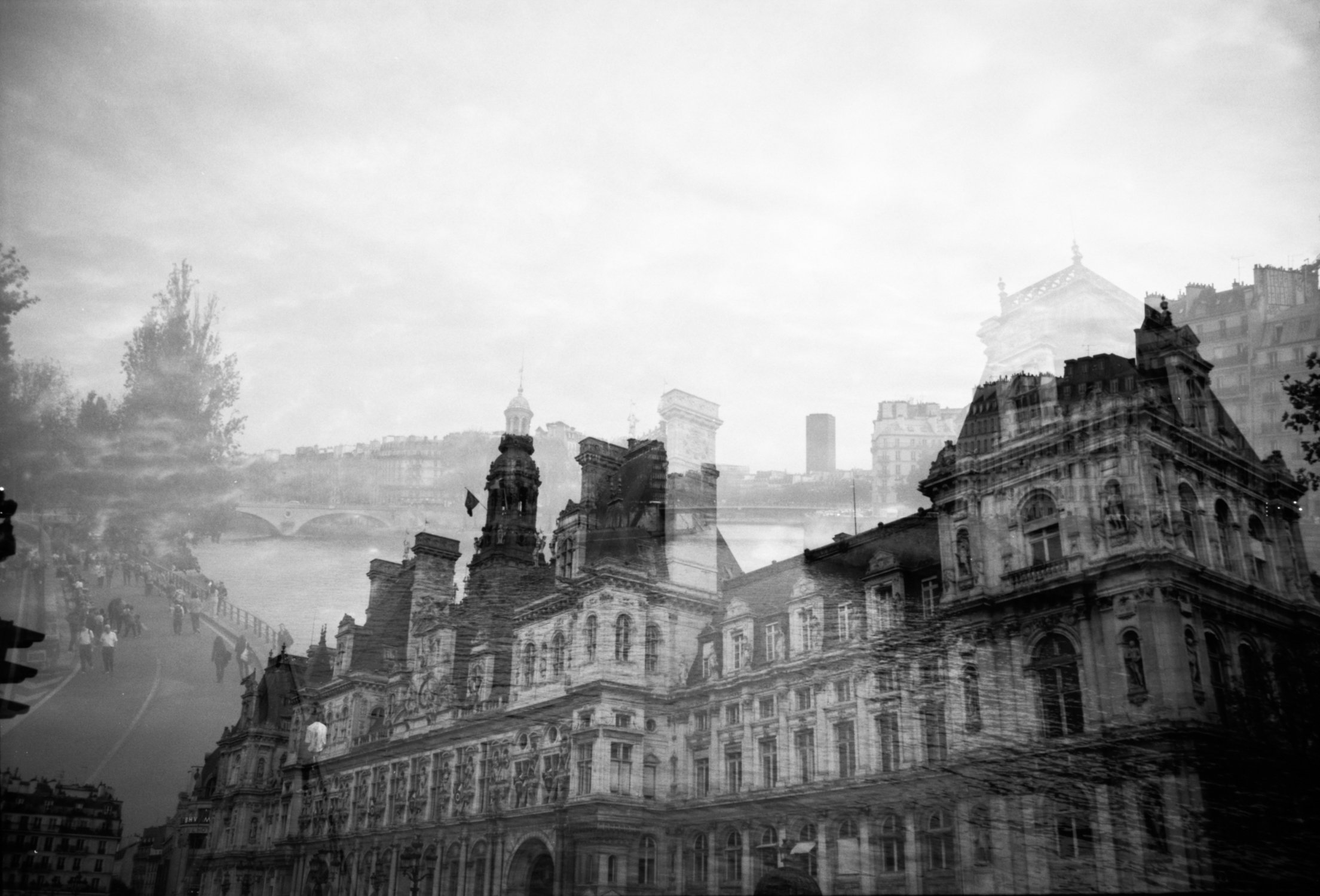
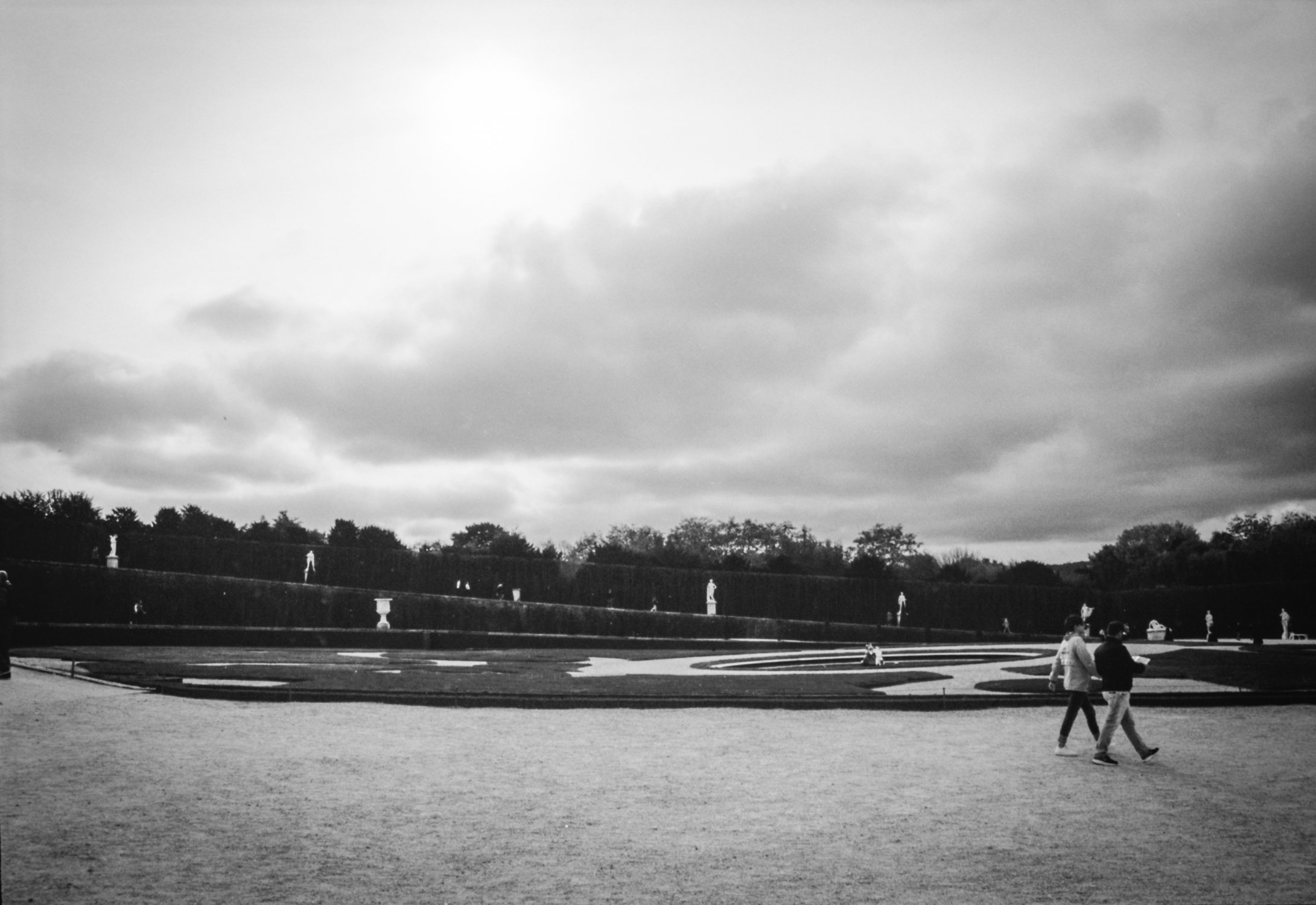
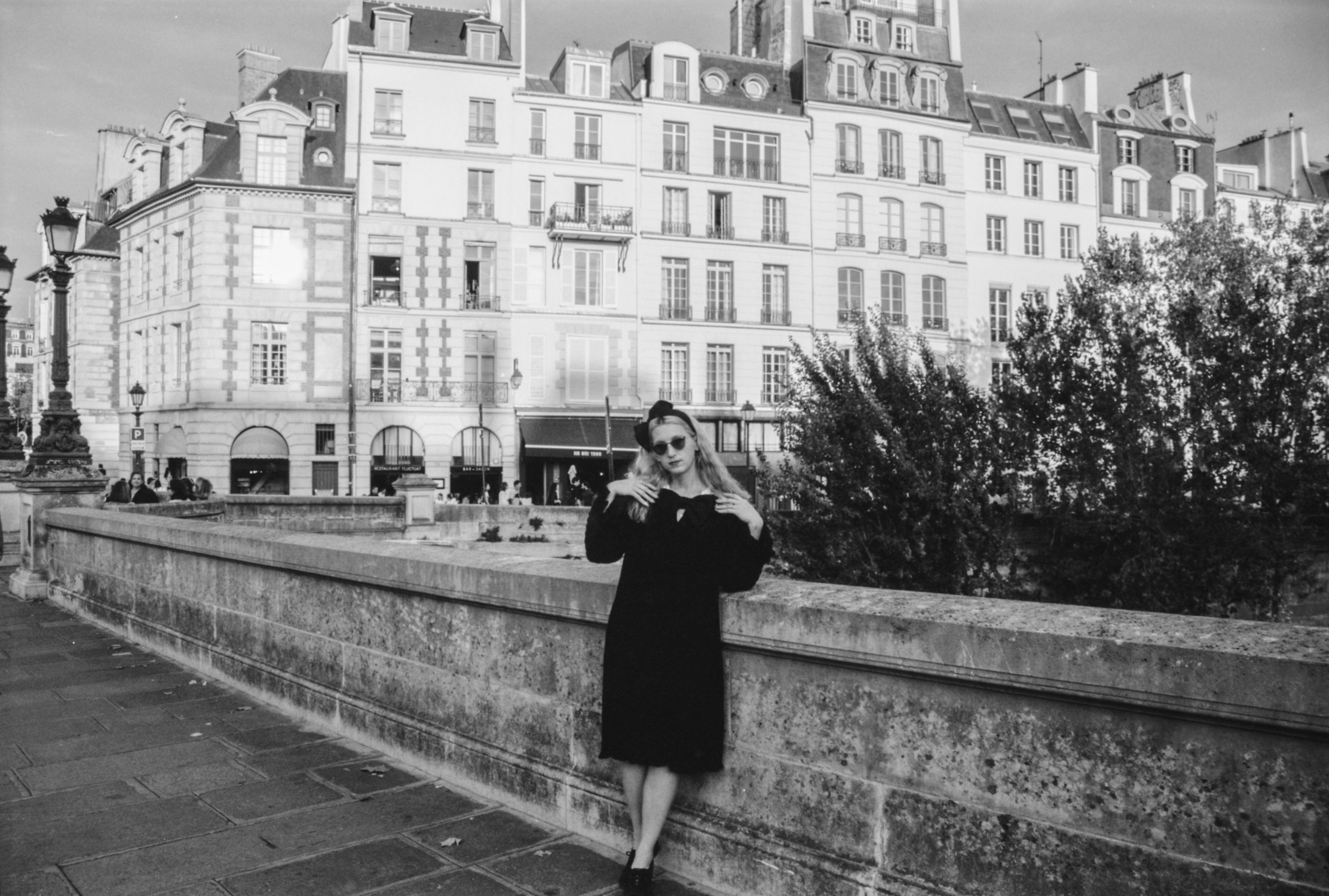
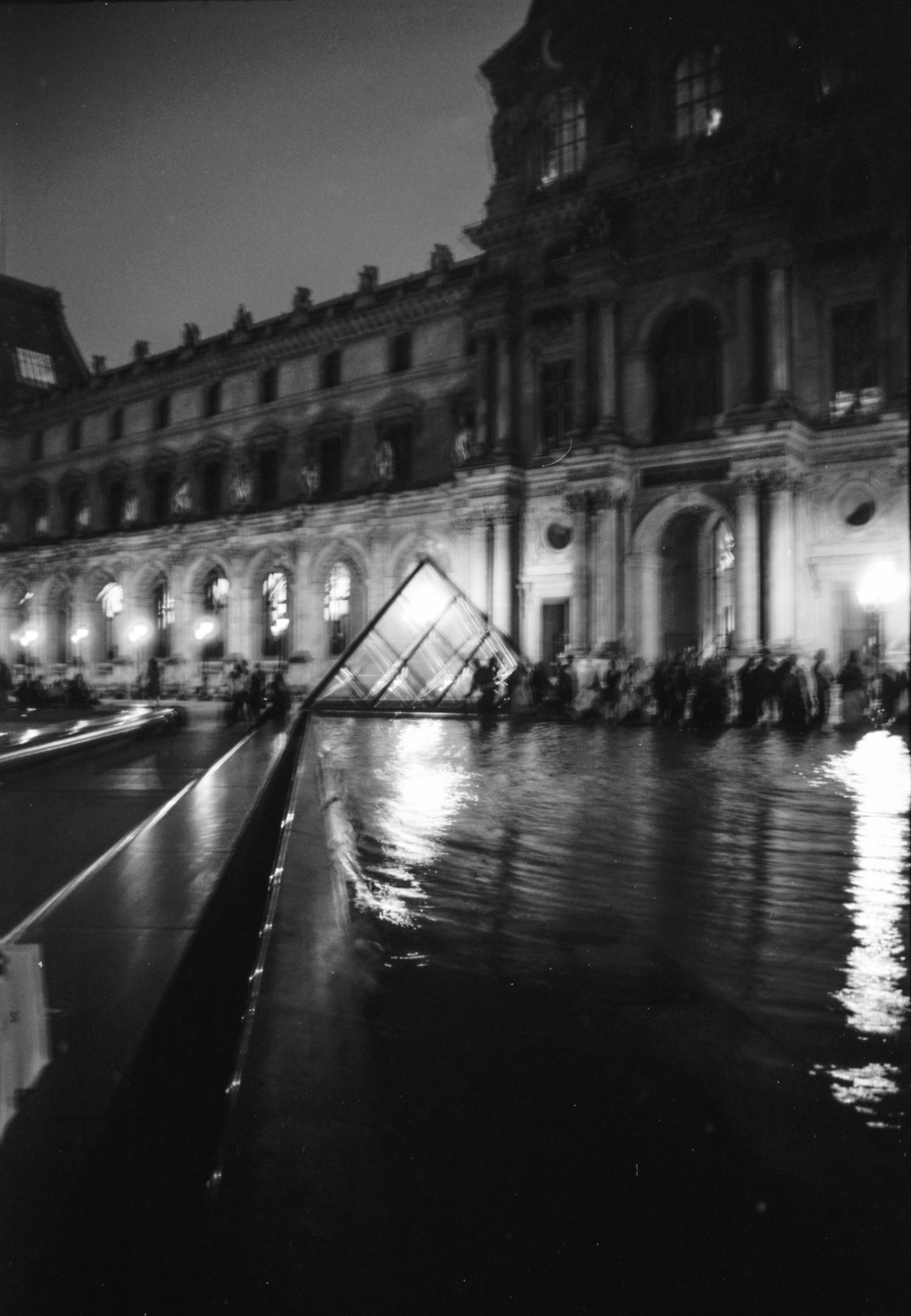
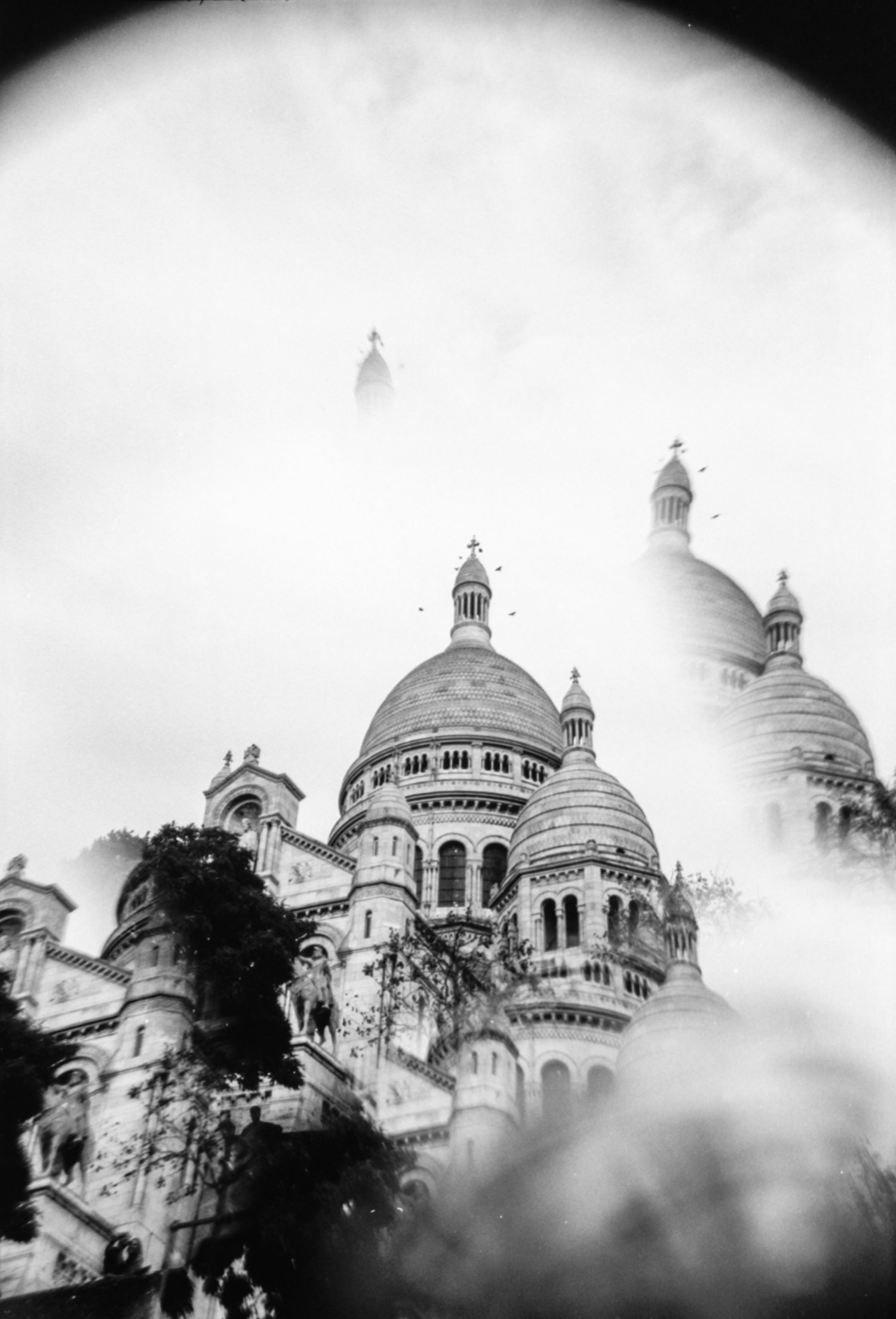
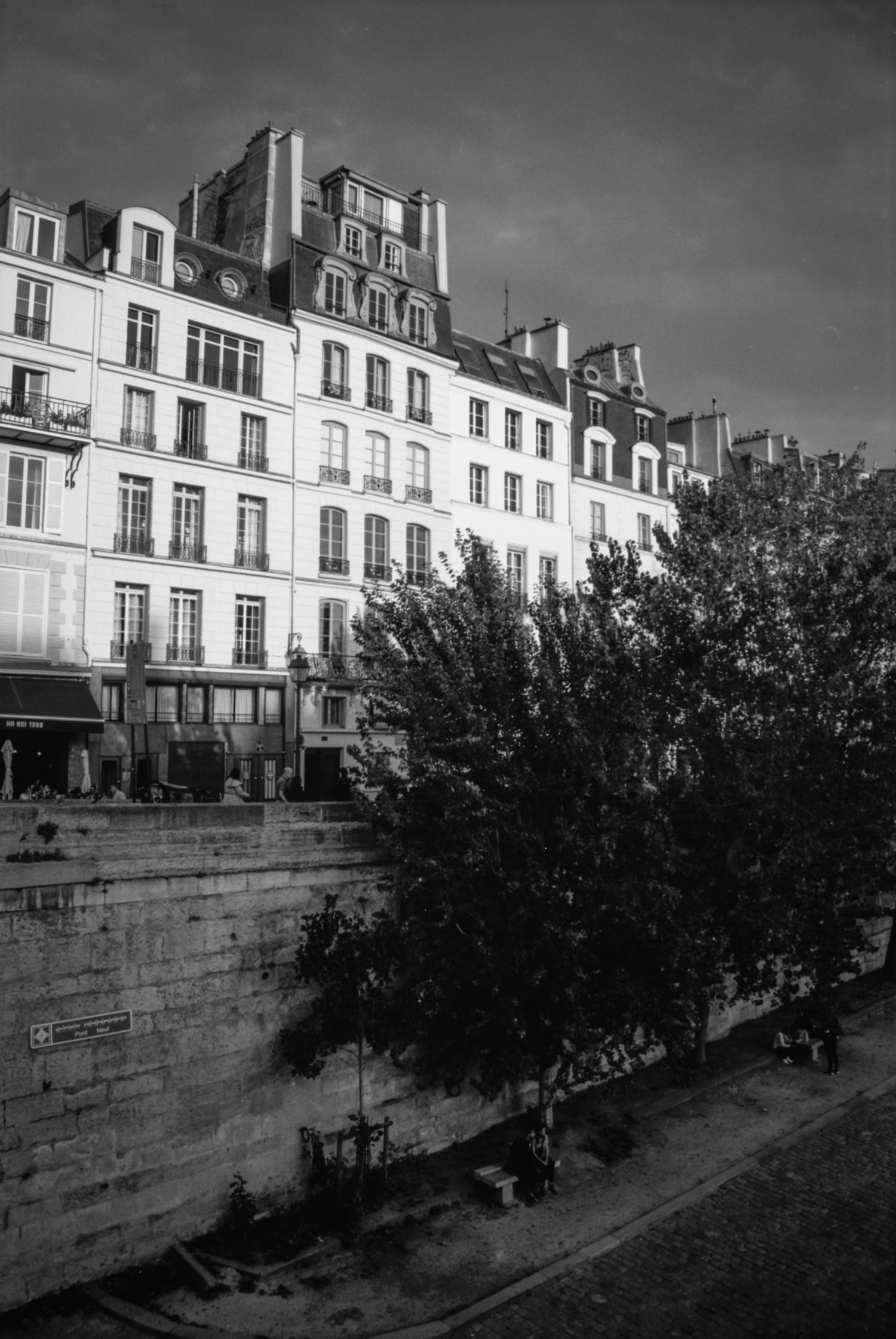
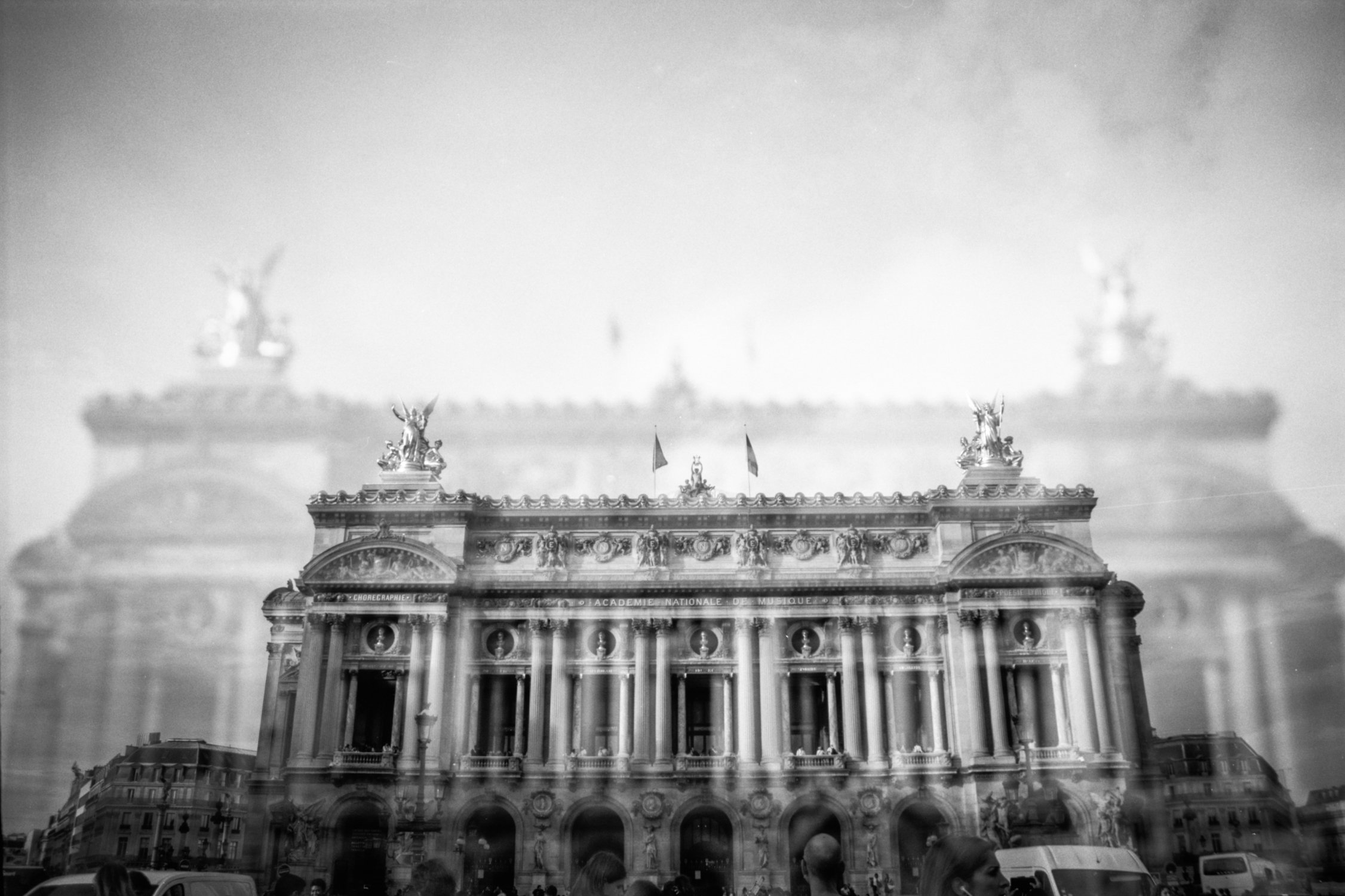
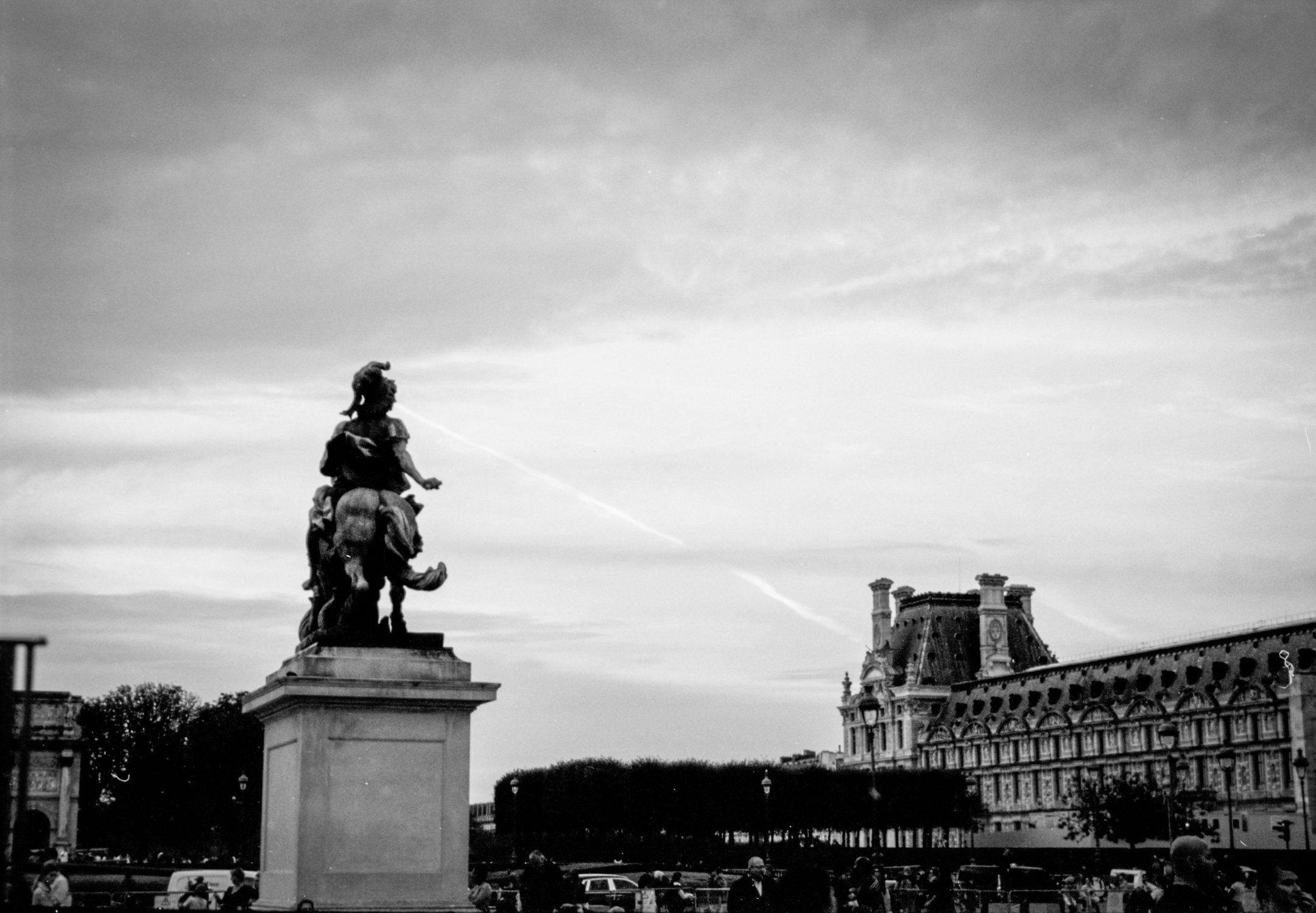
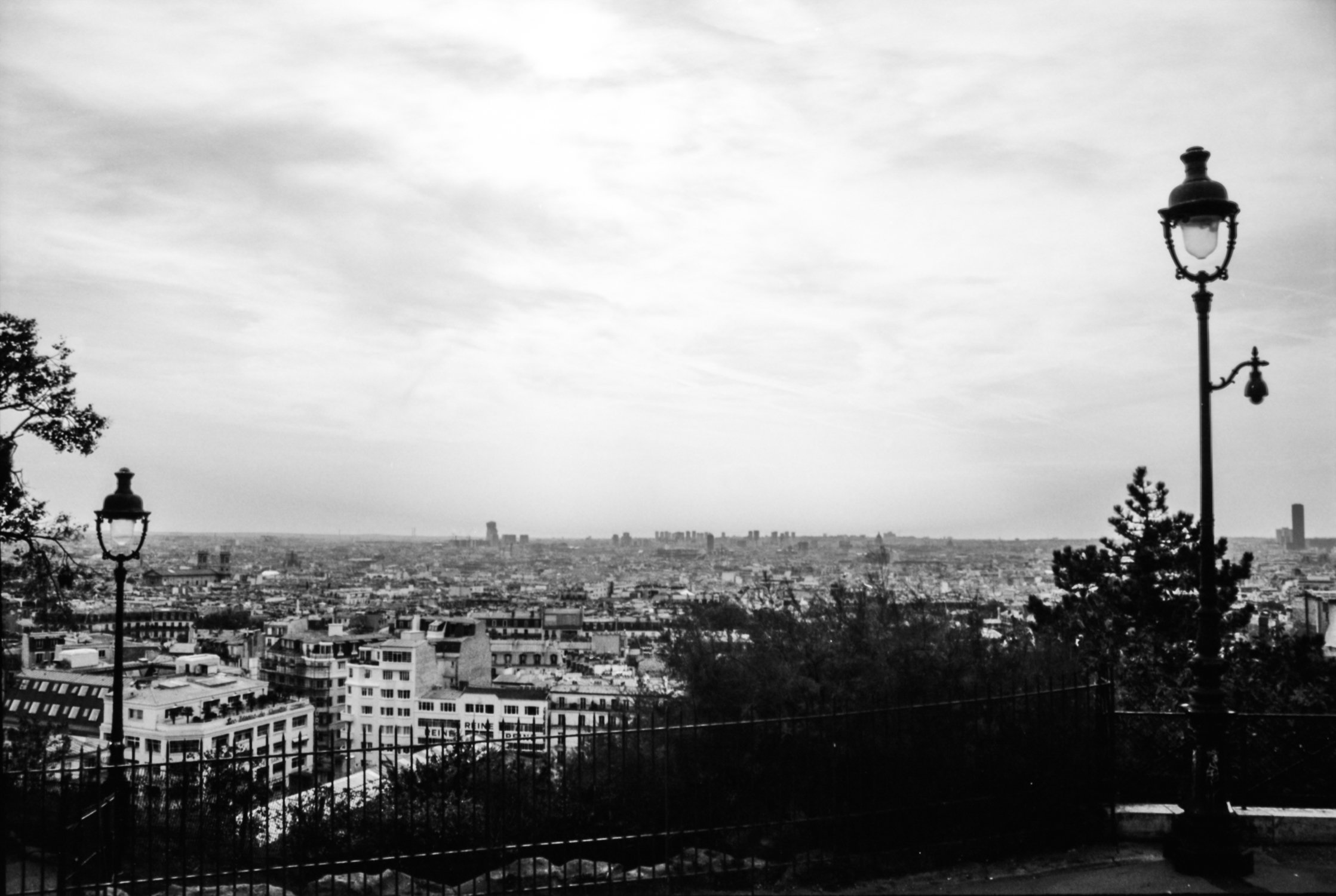
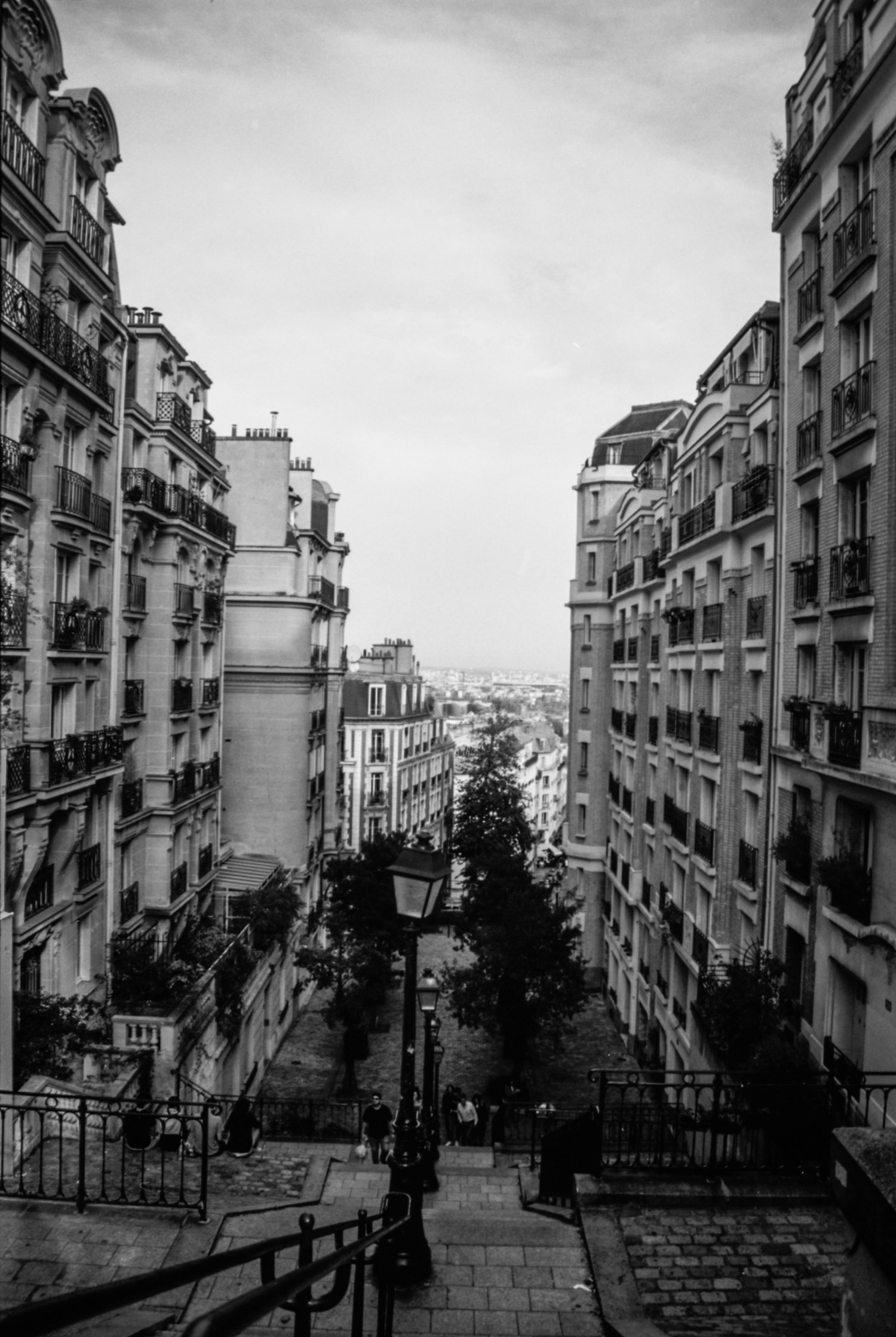
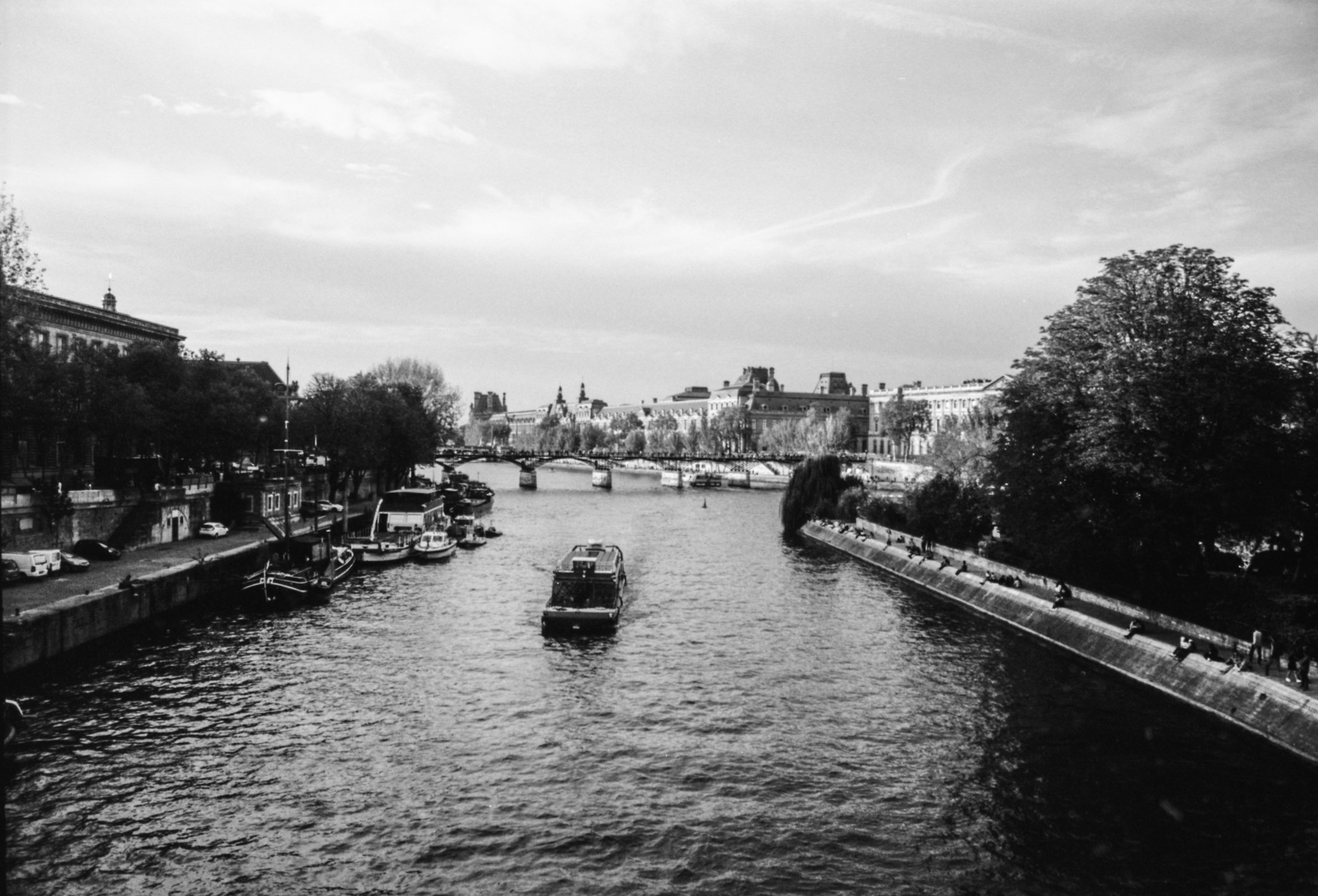
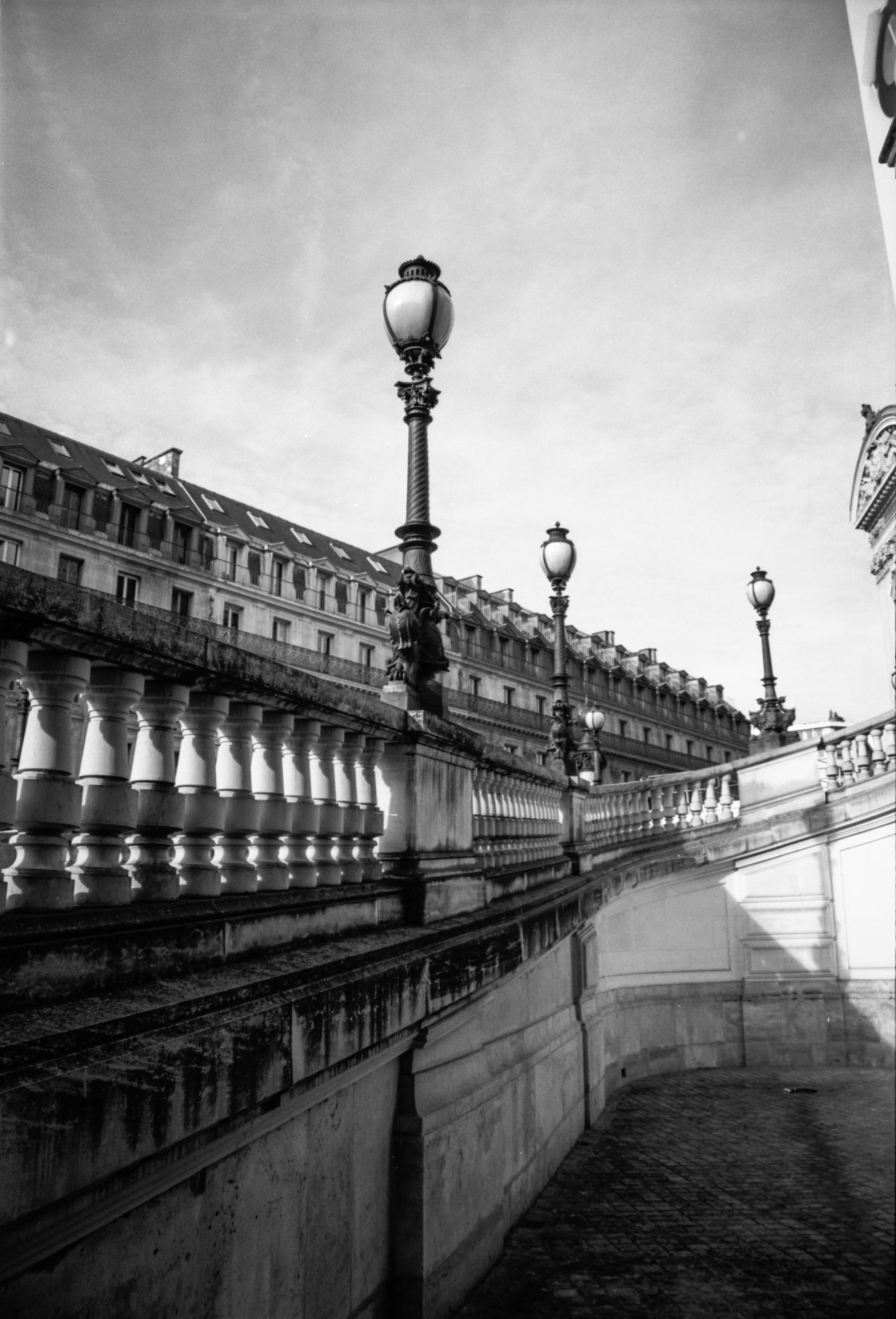
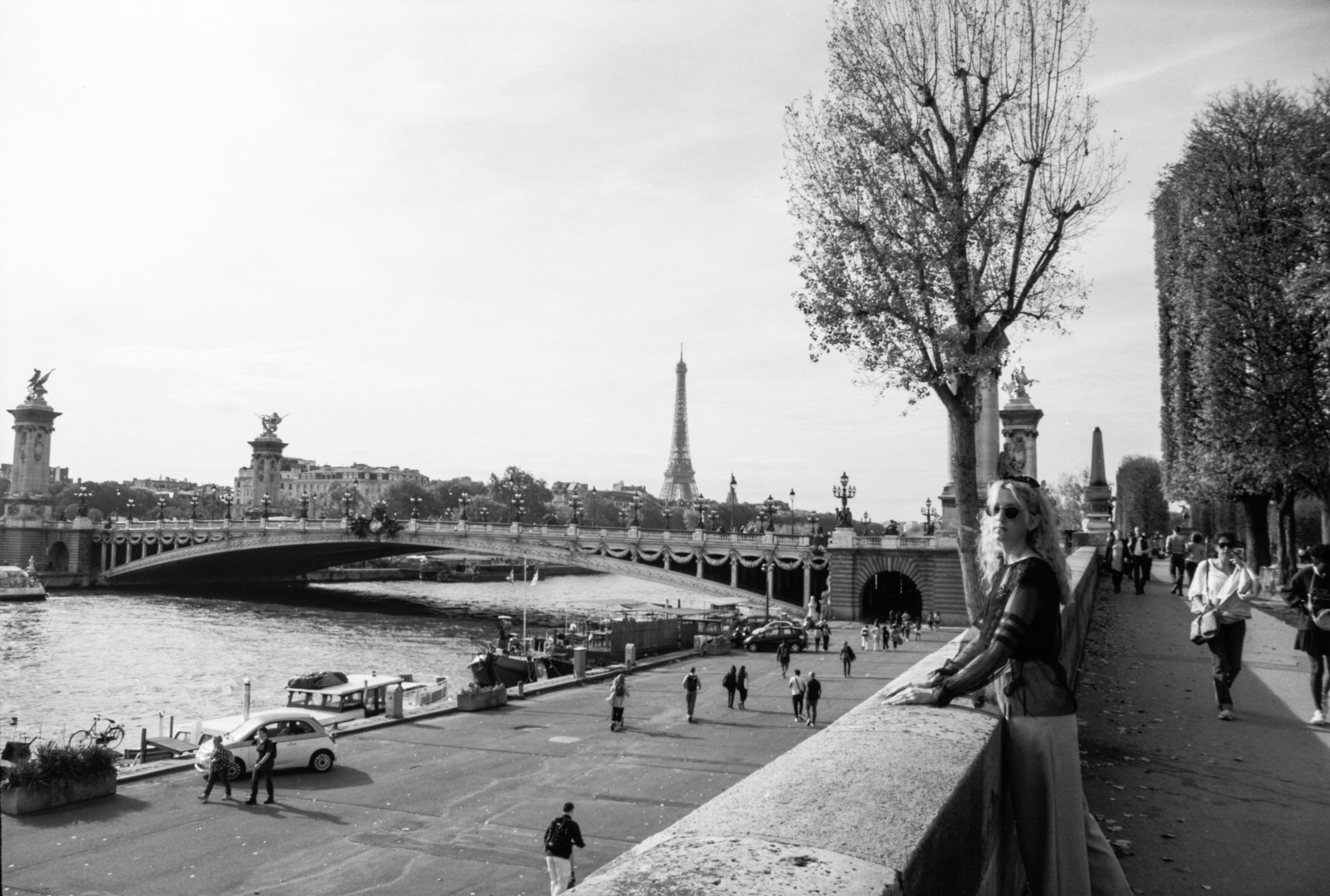
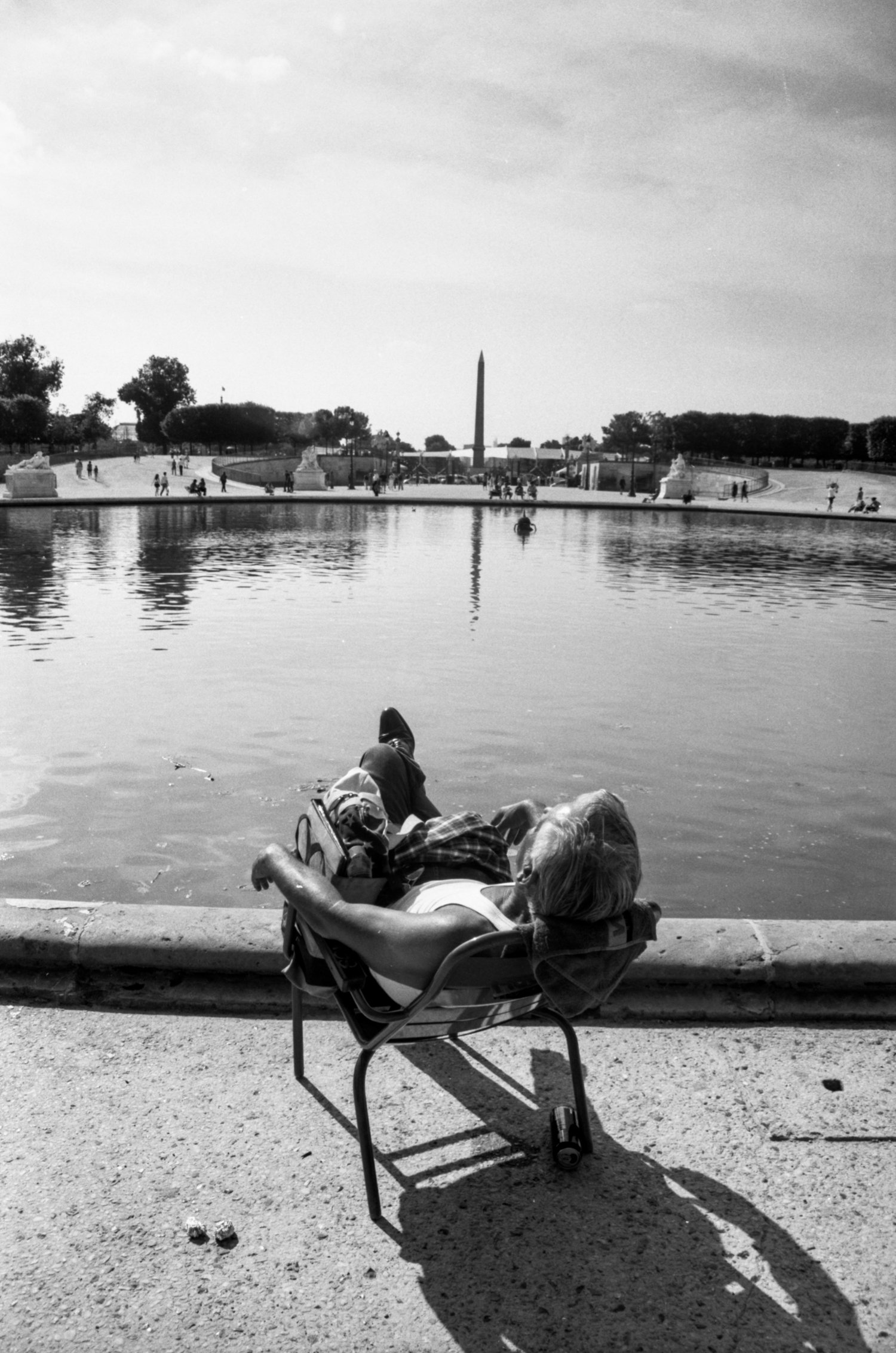
I don’t typically bring my Canon Rebel K2 with me on trips because I have so many other cameras that are technically “better”, but I recently took it with me to Italy and France. On my first trip to Paris in 2010, I used my Canon Rebel K2 and Neopan Acros 100 film. I’m still in love with those photos so I decided to recreate that same camera set-up during my recent trip. I brought a few rolls of Neopan Acros 100 (version II - they don’t make the original version of this film anymore) and once again, this camera delivered. I think it’s going to be hard to leave this camera at home when I go on future trips - there’s just something special about it.

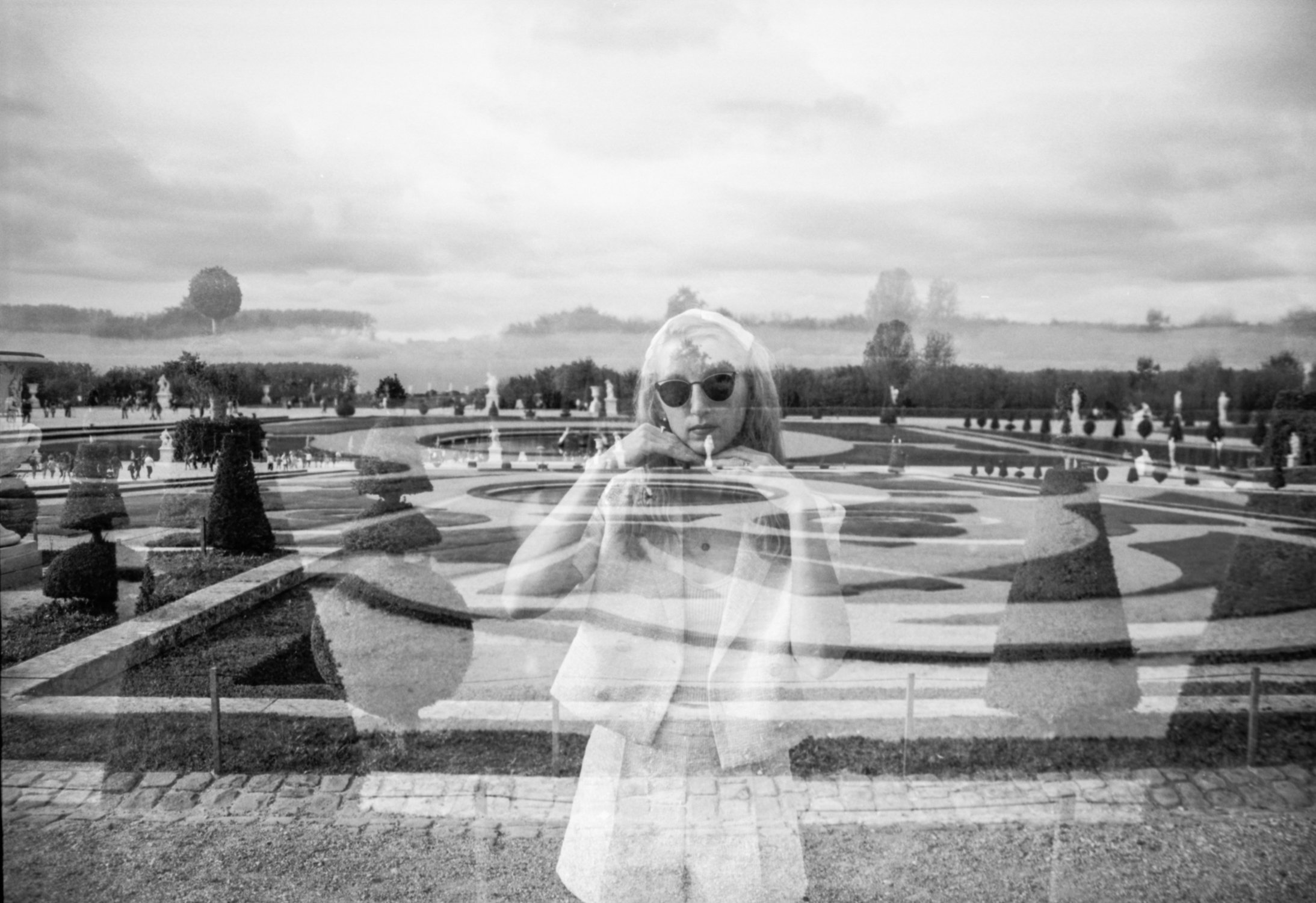
The Canon Rebel K2 has all of the features you’d want in a travel camera: a SUPER lightweight body, automatic and manual settings, a flash, a multiple exposure feature and an option for a zoom lens ( I use the Canon 28-90mm f/5.6 kit lens - you should be able to find one on eBay here!). It’s also incredibly inconspicuous and is great for street photography. I’m quite a shy person, so the idea of bothering someone or making them upset with me if I took their photo would be my nightmare, so the fact that this camera doesn’t stand out or look expensive or distracting is a positive feature in my book. I’m always surprised by how sharp the images turn out, especially using a kit lens. But I think it definitely helps to use a 100 speed film like Neopan Acros 100. I also think it’s just the combination of the camera and film that is a perfect duo. Every once in a while I stumble across a camera/film combo that just works, and this is one of those. I’d highly recommend this set up for beginners too because the Canon Rebel K2 can be used in full auto or full manual, as well as aperture priority and shutter priority. I always recommend black and white film for beginners too because it’s a great way to learn composition, light, shadows and tonal range, especially if you’re developing your own film in the darkroom. I’ll always be grateful for the foundation of photography knowledge that I gained through developing and printing my own film photos. If you have access to a darkroom class, you should definitely sign up!

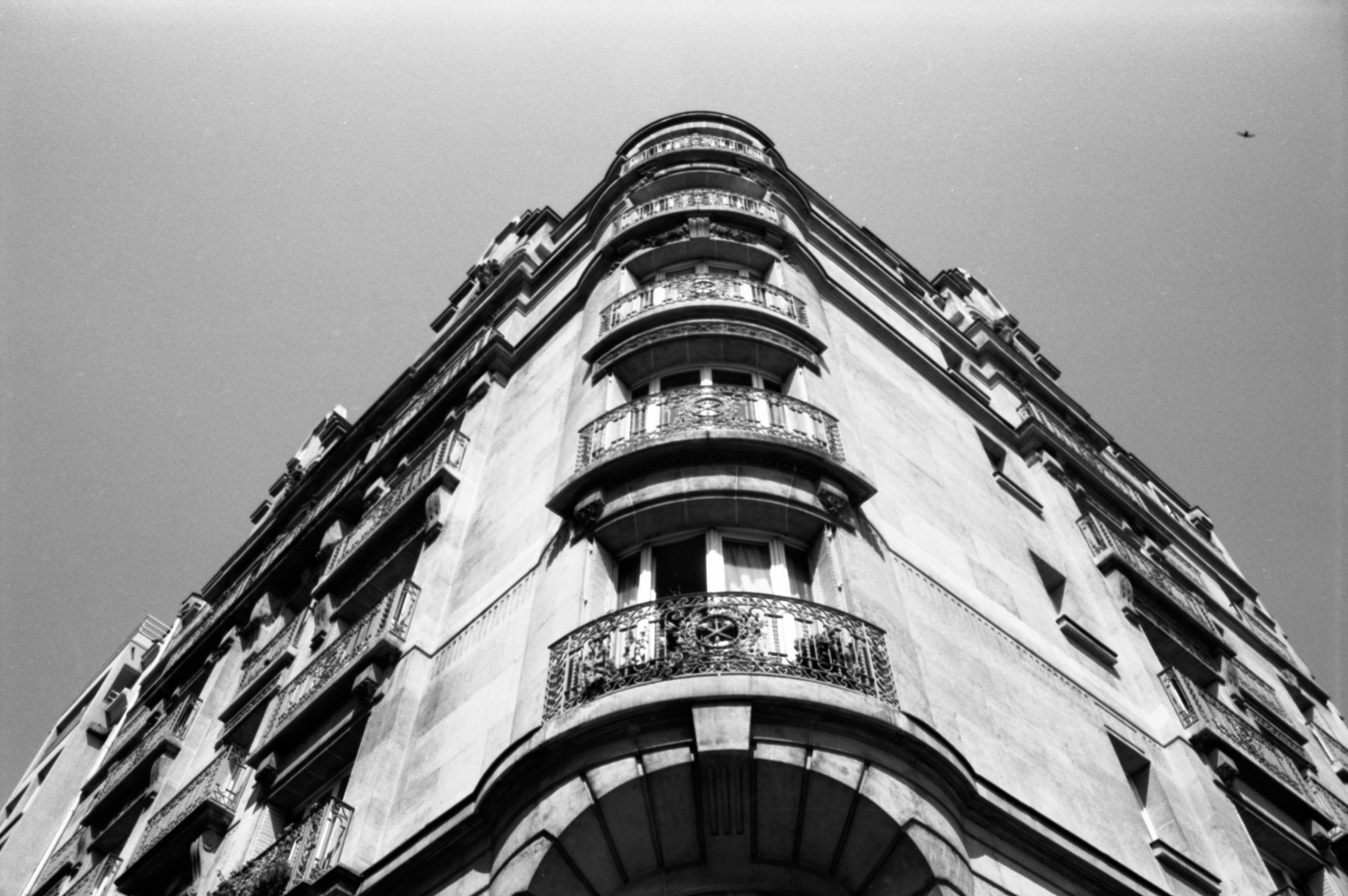
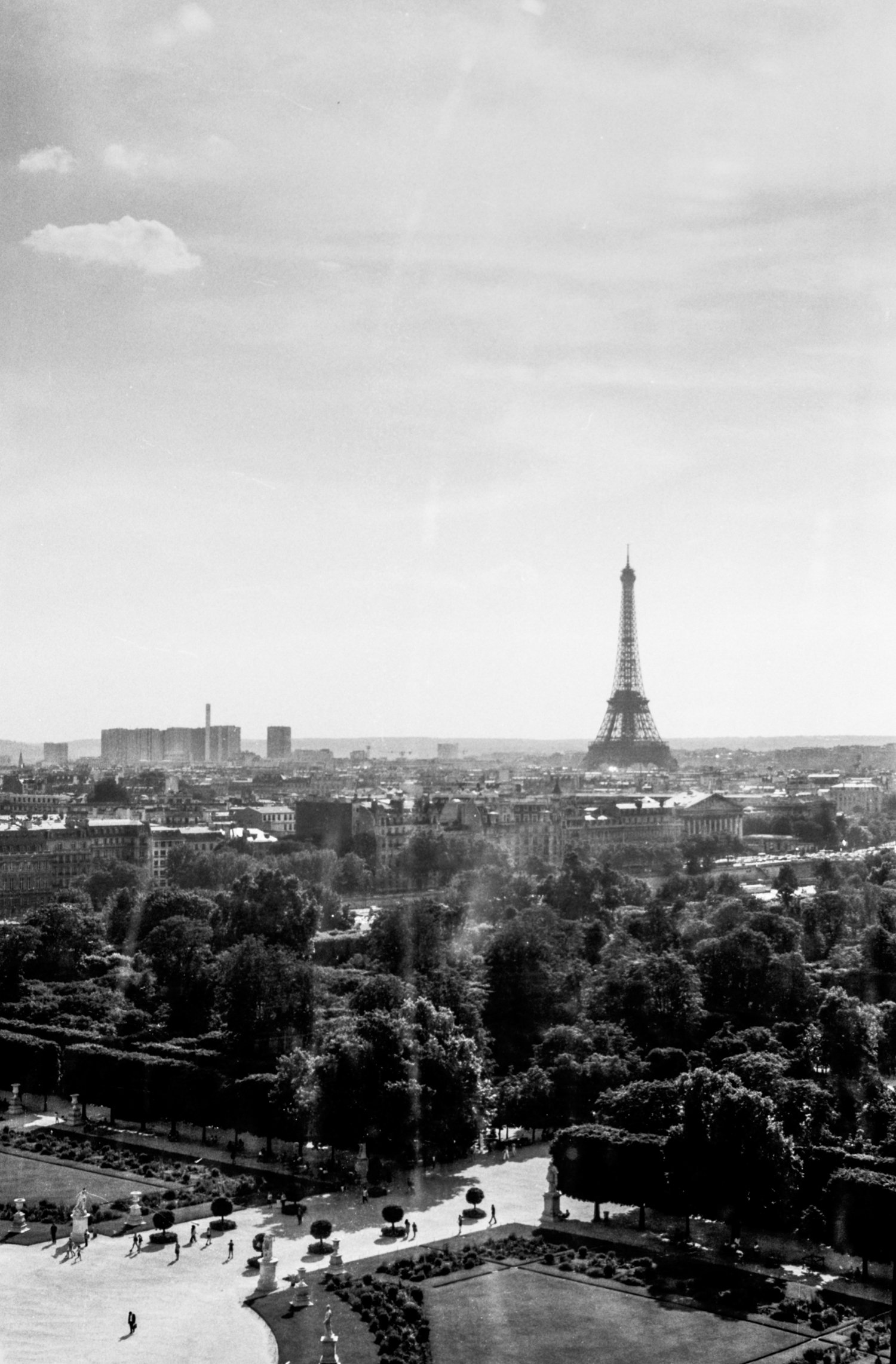
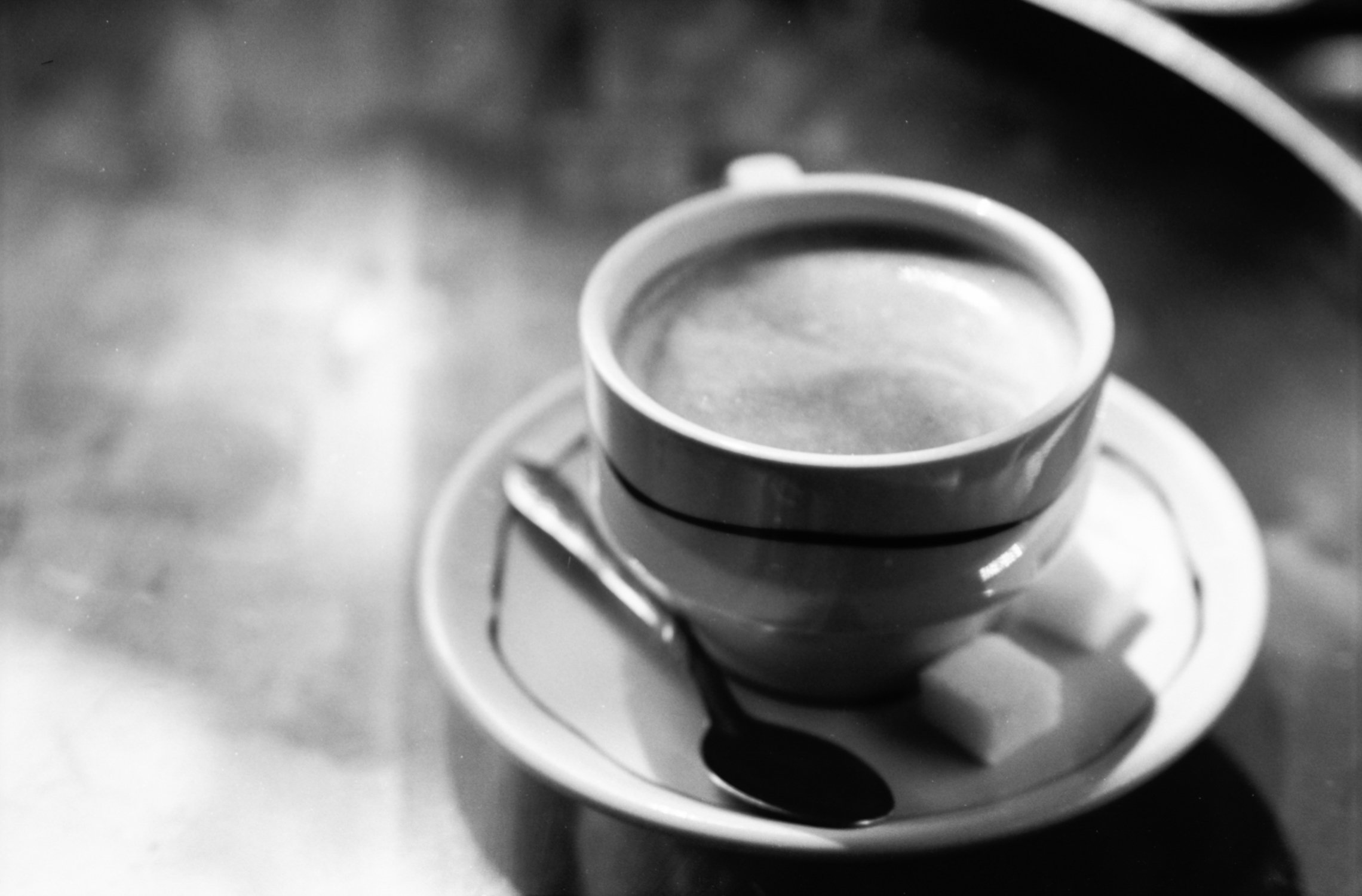
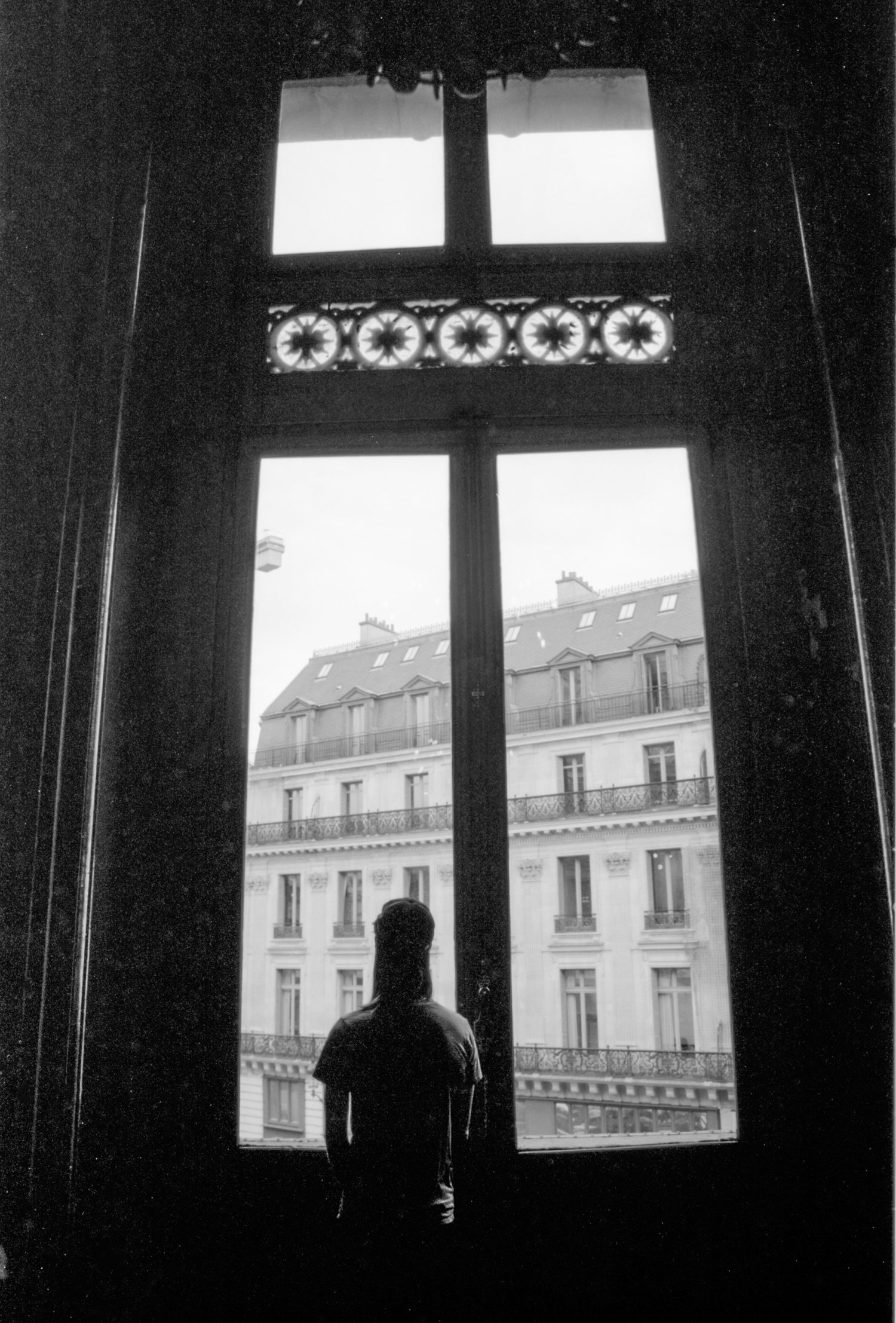
I’ve included a few of my favorite photographs from 2010, followed by a few of my favorites from my recent trip. I still think that there’s something beautiful about the original version of the Neopan Acros 100 film - it seems sharper and better at capturing detail in the highlights and shadows. The new version of the film is still beautiful but just doesn’t seem to bring that same moodiness that I loved so much in the original version. I’d love to know your thoughts and if you notice a difference in the two films!

If you love this camera as much as I do, make sure to check out my YouTube video and review for the Canon Rebel K2 below, or you can purchase your own:


WHERE TO FIND A CANON REBEL K2

KEH Camera

Amazon!

Etsy!

Shop eBay!

FILM RECOMMENDATIONS:

Neopan Acros 100 35mm B&W film

Kodak Gold 200 35mm film

Lomography 100 35mm film

If you’re interested in reading about other 35 mm cameras, make sure to check out my post - the Top 10 35mm Film Cameras fo Beginners! And if you found this post helpful in any way, I’d love it if you considered signing up for my Patreon! For as little as $1 a month, you’ll get early access to all of my YouTube videos, plus tons of photos that I don’t post anywhere else. Depending on which tier you choose, you could also receive seasonal prints and/or discounts! I always use all of the proceeds towards cameras, film & processing.

If you have any questions, I’m always happy to help! You can contact me here, or leave a comment below! Thanks so much for stopping by! You can also check out my B&H Photo storefront & Amazon Storefront for more camera/film recommendations. :) Have a magical day!

<3 Myles Katherine

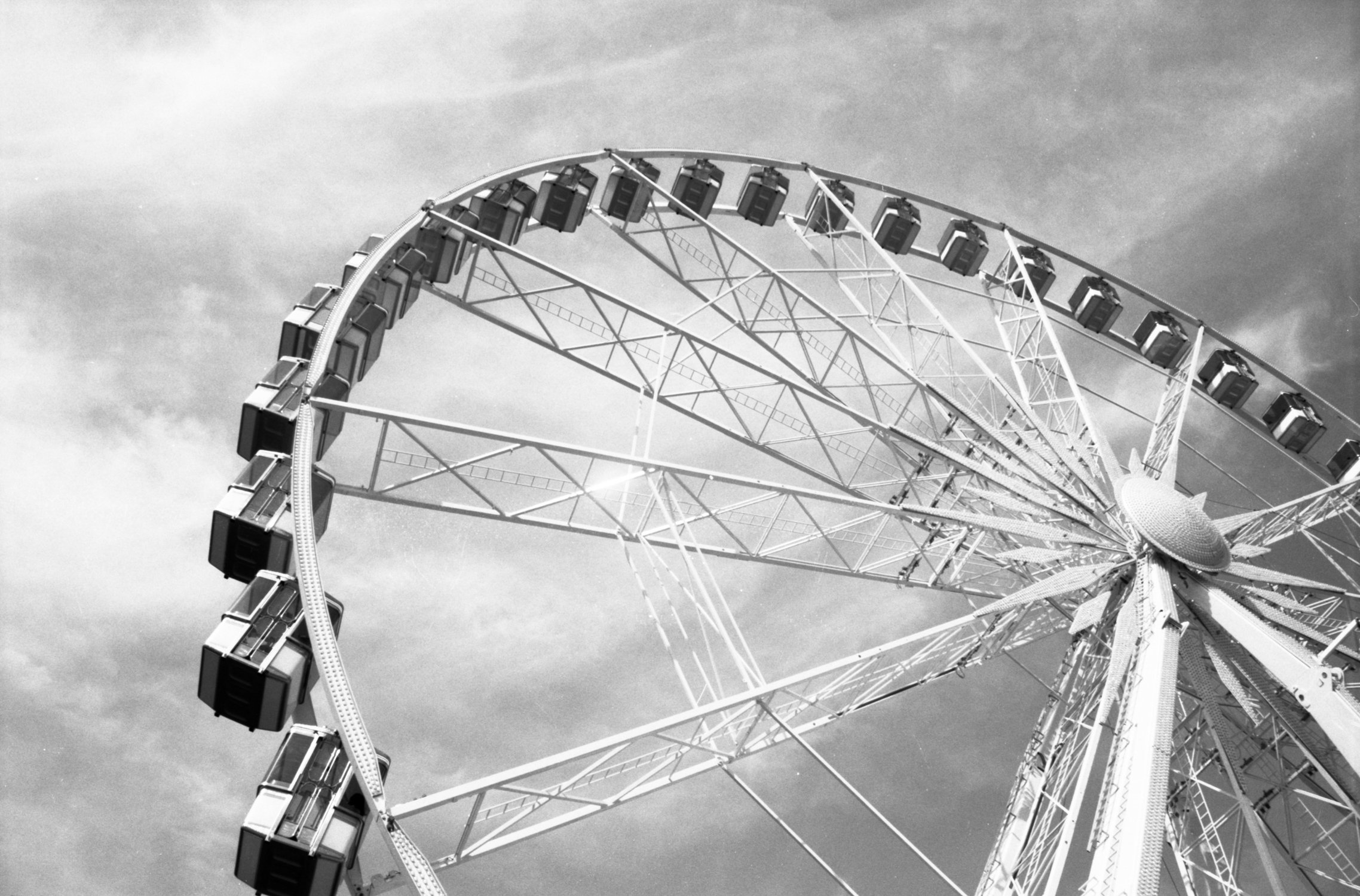
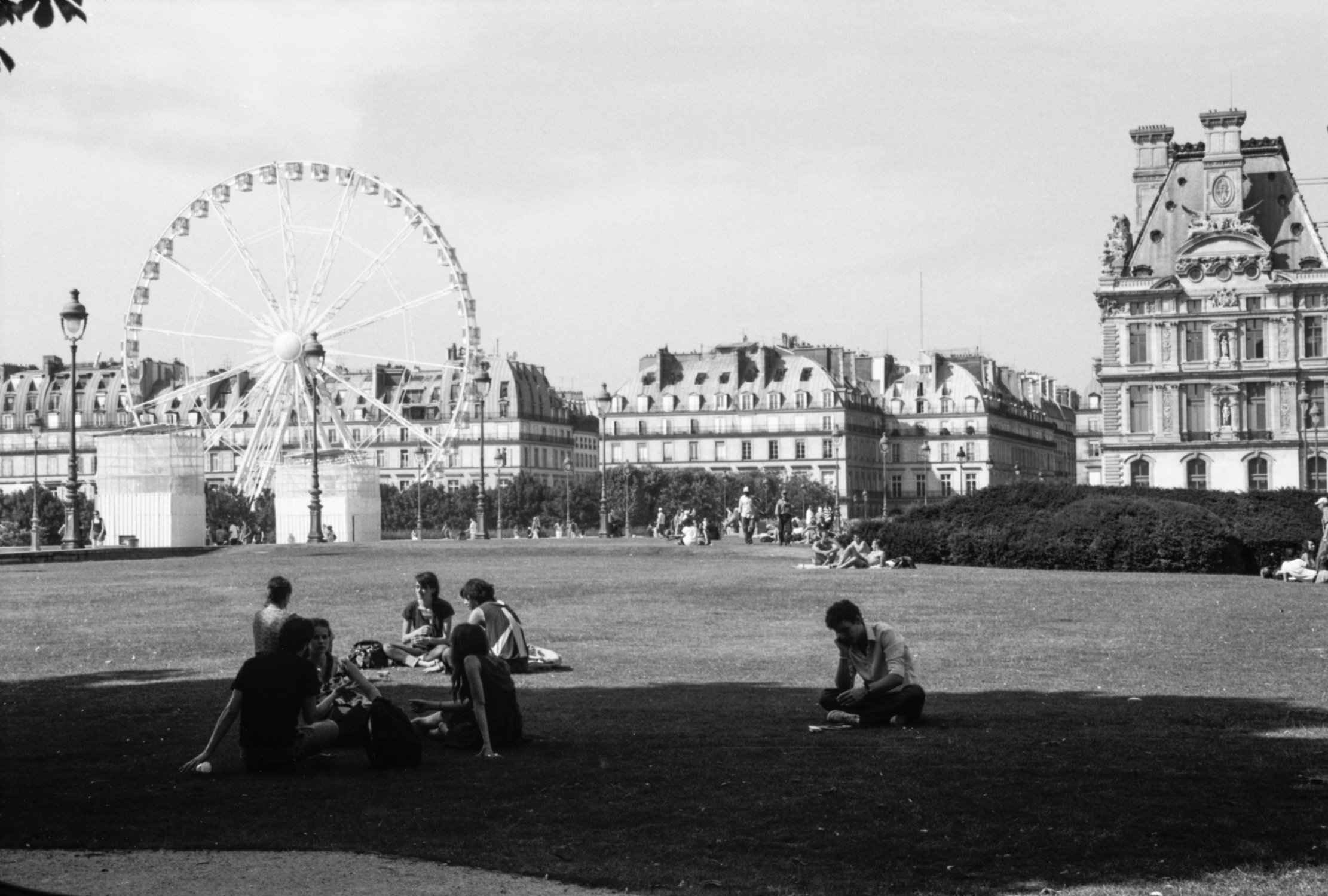
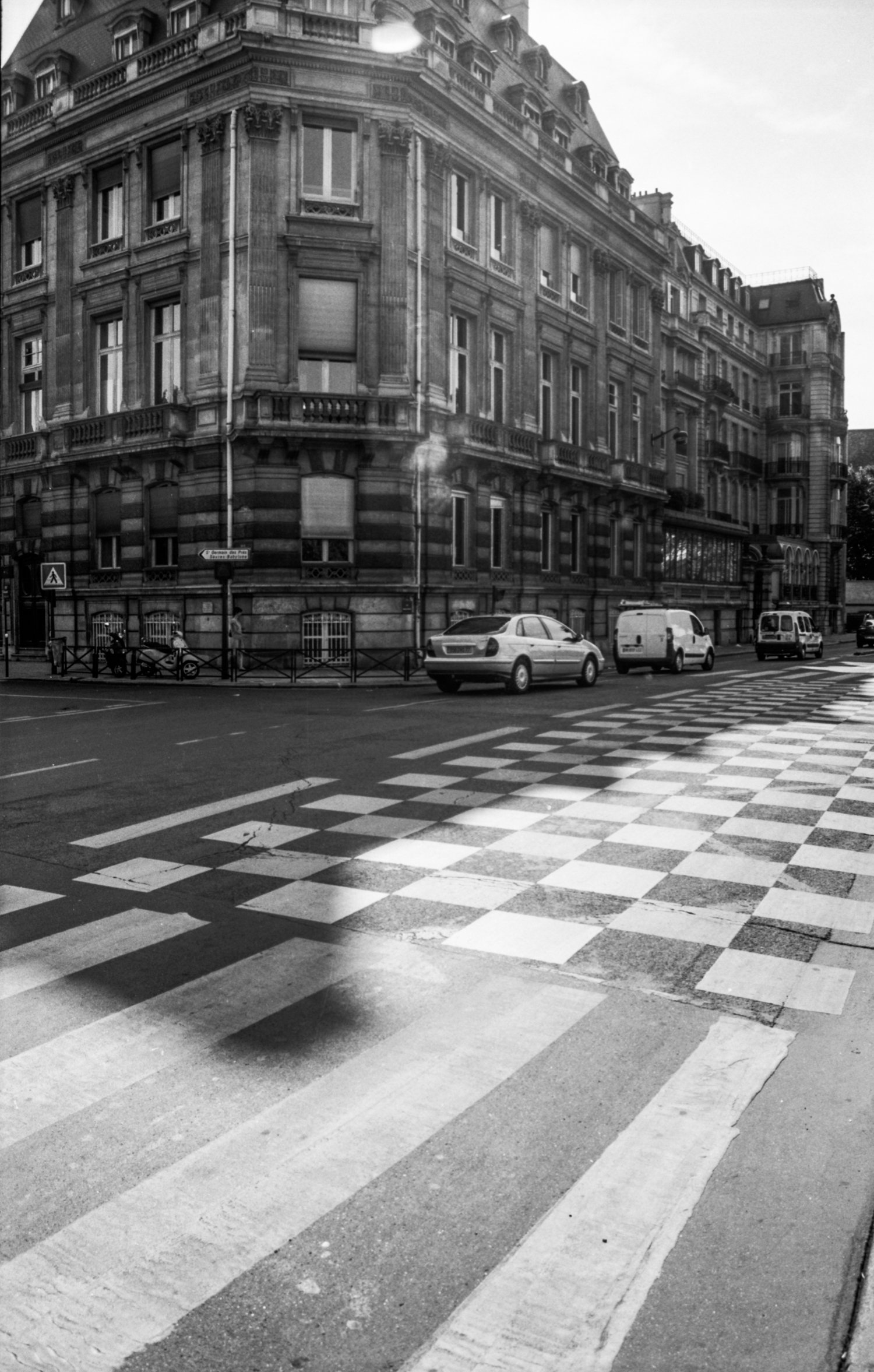
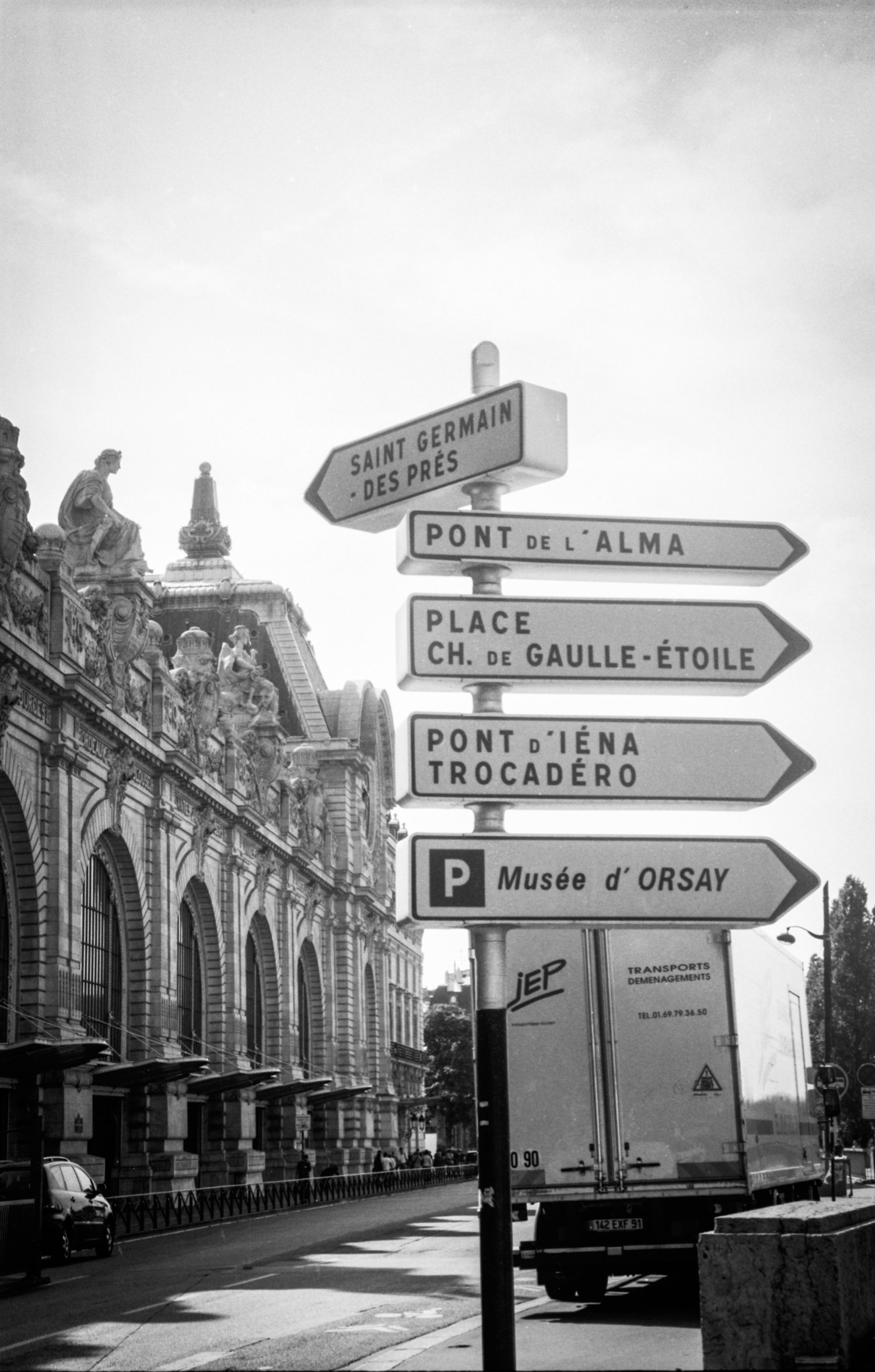
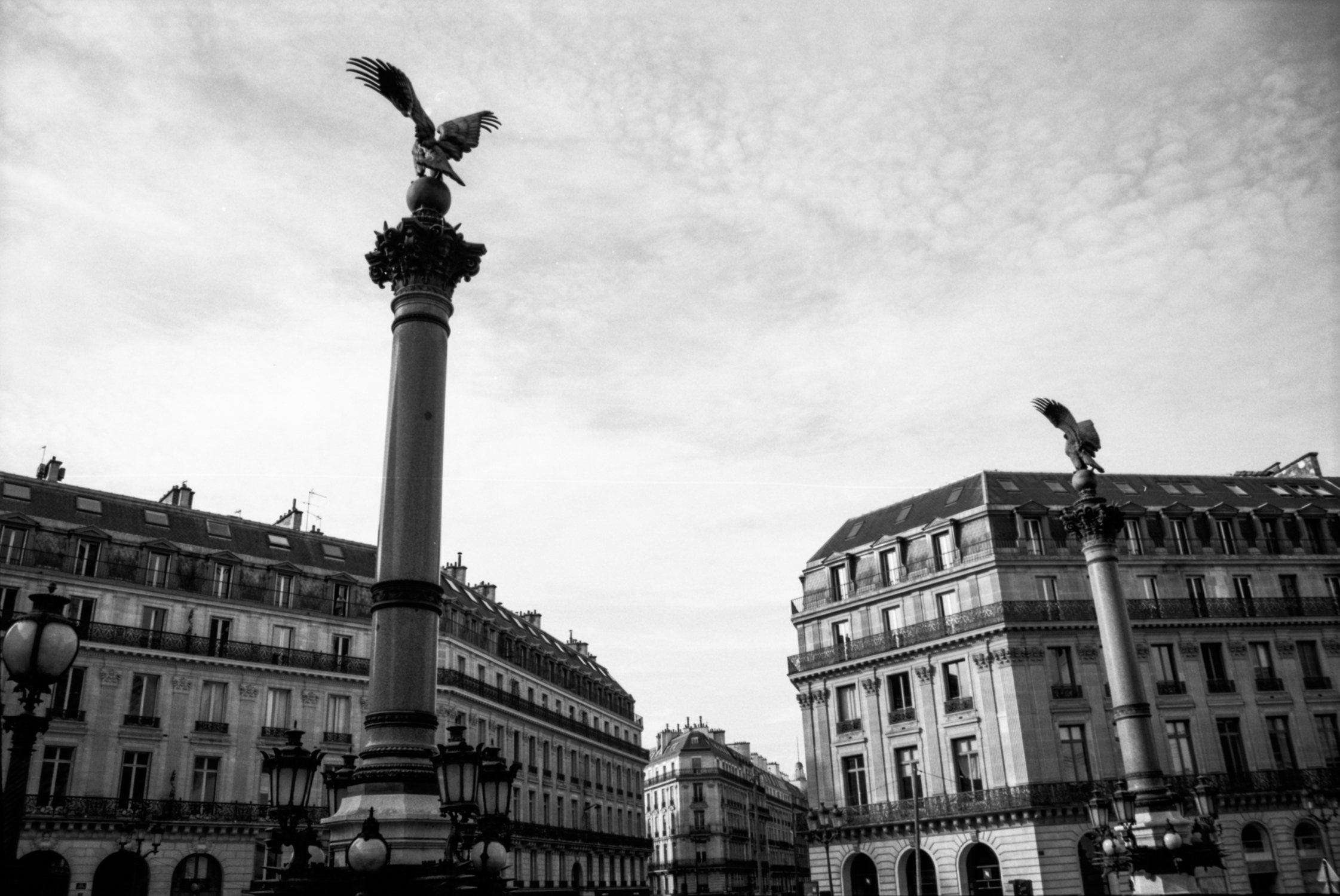
BLACK & WHITE PHOTOGRAPHS IN PARIS IN 2010 USING A CANON REBEL K2 & Neopan acros 100 film

BLACK & WHITE PHOTOGRAPHS IN PARIS IN 2022 USING A CANON REBEL K2 & Neopan acros 100 film II

Thanks so much for stopping by! Feel free to leave any questions or comments below!
<3 Myles Katherine