Contax Carl Zeiss 140mm f/2.8 Sonnar T* Lens Review & Sample Photos | The Best Lenses for the Contax 645

(By using the affiliate links and/or codes in this blog post, you help support Myles Katherine Photography. I may earn a small commission at no additional cost to you if you make a purchase through these links. Thank you for your support!)

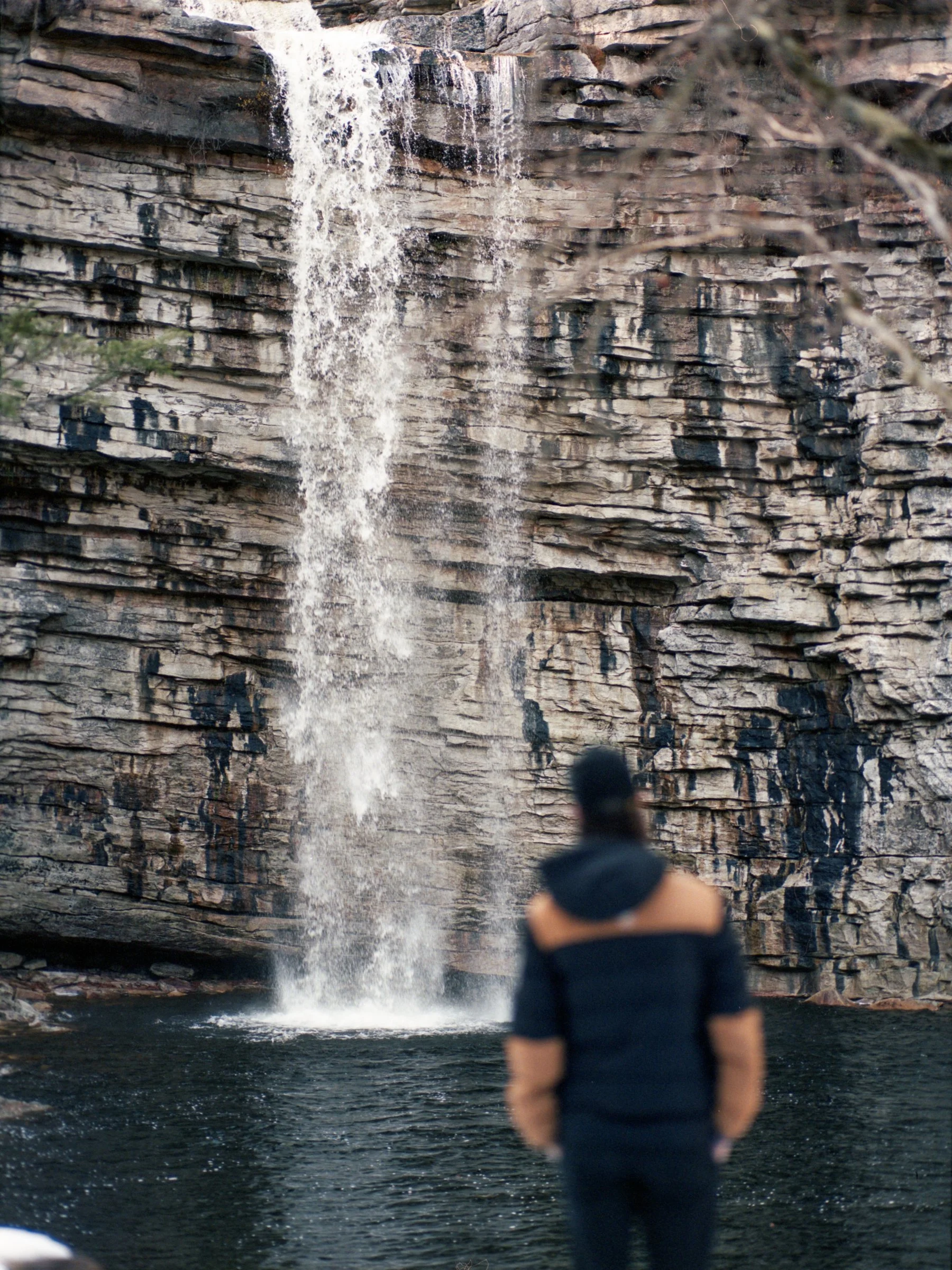
When I first bought my Contax 645, it came with two lenses, the Carl Zeiss Planar T* 80mm F/2 Lens (my favorite lens - you can find it on eBay here) and the Carl Zeiss Sonnar T* 140mm F2.8 Lens (you can also find this one on eBay). For years, the 140 mm lens just sat in my bag collecting dust. I tend to shoot wide and I find it slightly annoying to have lenses that have a longer focal length than 80 mm. However, I recently decided to challenge myself and try out the 140 mm lens! I took it with me to a few different photo shoots to really get an idea of how it handles. It’s always a little nerve-wracking to try out new gear because you just don’t know if you’re wasting your time and your expensive film! Luckily, the photos turned out amazingly beautiful and now I’m wondering why I left this lens in my bag for so long! I definitely want to take it with my on more of my future nature trips because I’m always looking for a way to capture mountains or stunning waterfalls off in the distance.

The Contax 645 is, by far, one of the nicest cameras I own. I have a full blog post about it here that features photos taken with the classic 80 mm lens that most people tend to use with this camera. The only downside with the Contax 645 is how huge and heavy it is. But every time I get a roll of film back, it’s more than worth the challenge of dragging it with me everywhere. The photos are like nothing else, in my opinion. You can also watch my YouTube video about the Contax 645 here where I take it with me on an adventure to Mount Rainier in Washington State!

REVIEW OF THE CARL ZEISS SONNAR T* 140MM F2.8 LENS

I was a little bit worried that the 140mm f/2.8 wouldn’t stand up to the 80mm lens f/2 that I’ve been used to. But I really should have known better considering the 1400mm is a Zeiss lens! Zeiss is known for creating lenses that are SUPER sharp and reliable. I had this idea that I’d get back images that just weren’t exciting, but that wasn’t the case at all. These lenses are incredibly sturdy and well-made, with high-quality optics and functionality. I was also worried that the lens just wouldn’t work, especially because it had been sitting in my bag, stagnant, for a decade. But it came back to life as if nothing had happened at all! I was still able to get that dreamy background blur and those super sharp landscape shots that I love the Contax 645 for, even dropping back from an f/2.0 aperture to an f/2.8. In general, I tend to prefer lenses with a wider aperture because I love the dreamy, surreal quality that they can create. But I was pleasantly surprised with the bokeh and background blur of this lens, likely because it does have such a long focal length and is so zoomed in naturally. I don’t typically use telephoto lenses or lenses past 100mm focal length, so it was a new experience for me. I did find myself backing up sometimes to get the images I wanted, but I’m sure that is just something I’d get used to after a while.

This lens also has a “T*” coating, which is a technology that Zeiss implemented to help reduce flare and ghosting. Personally, I don’t mind a little flare but I noticed that this lens did handle light extremely well and creates absolutely beautiful portraits. The Contax 645, in general, is an incredible camera, especially if you’re looking to create stunning, fine art portraiture. When I first started getting into photography, a few of my all-time favorite photographers used the Contax 645. I was in awe of their portraits and knew that I’d have to get one in the future. When I finally was able to purchase one, it felt like I had reached a new level as a photographer.

The autofocus is a little slow with this lens, but when I’m using this camera I’m typically working slower anyway, making sure I don’t waste a single frame. If you’re trying to shoot extremely quickly, I wouldn’t recommend a camera like the Contax 645 anyway. It’s really meant for slow, precise photography and not sports or fast motion.

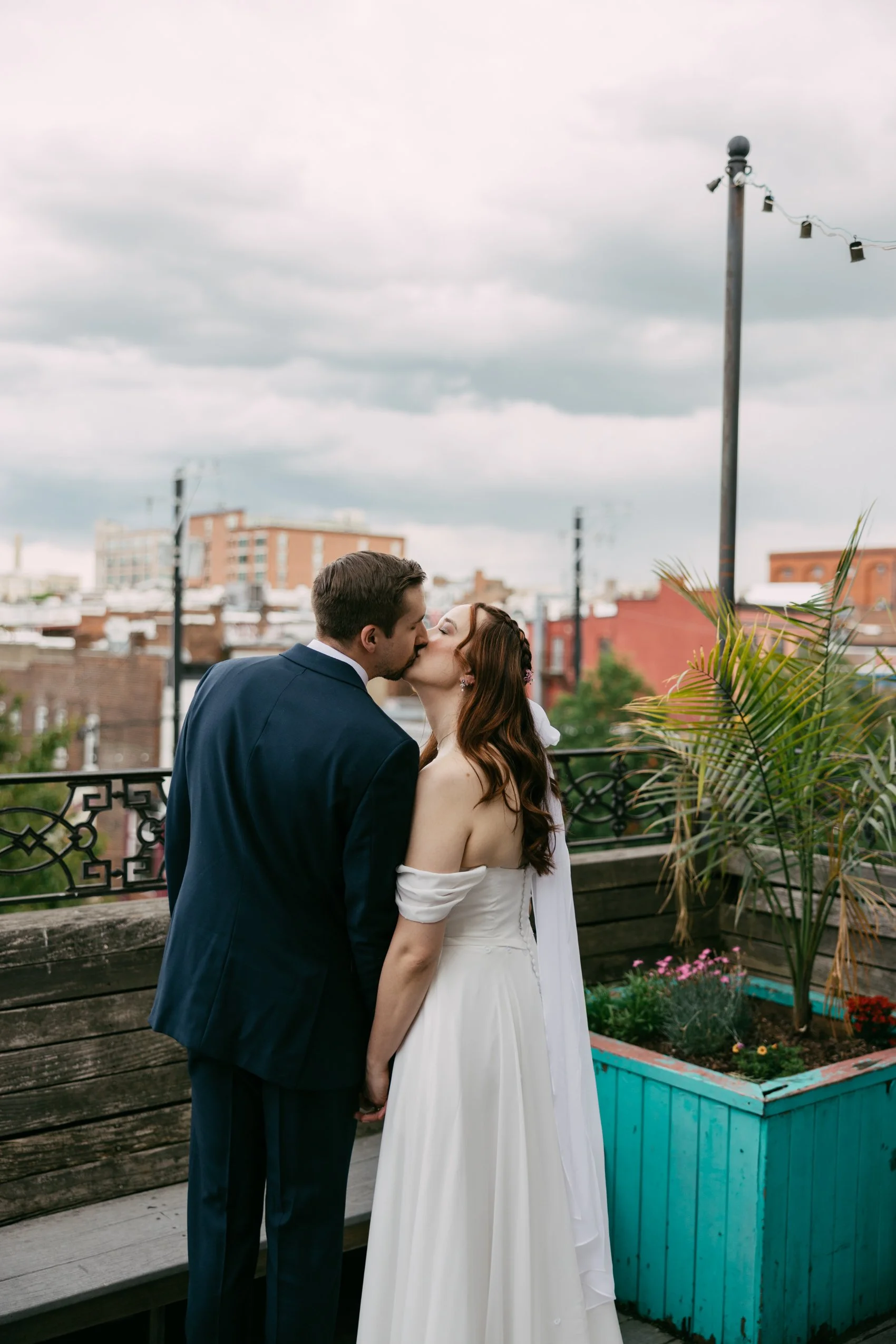
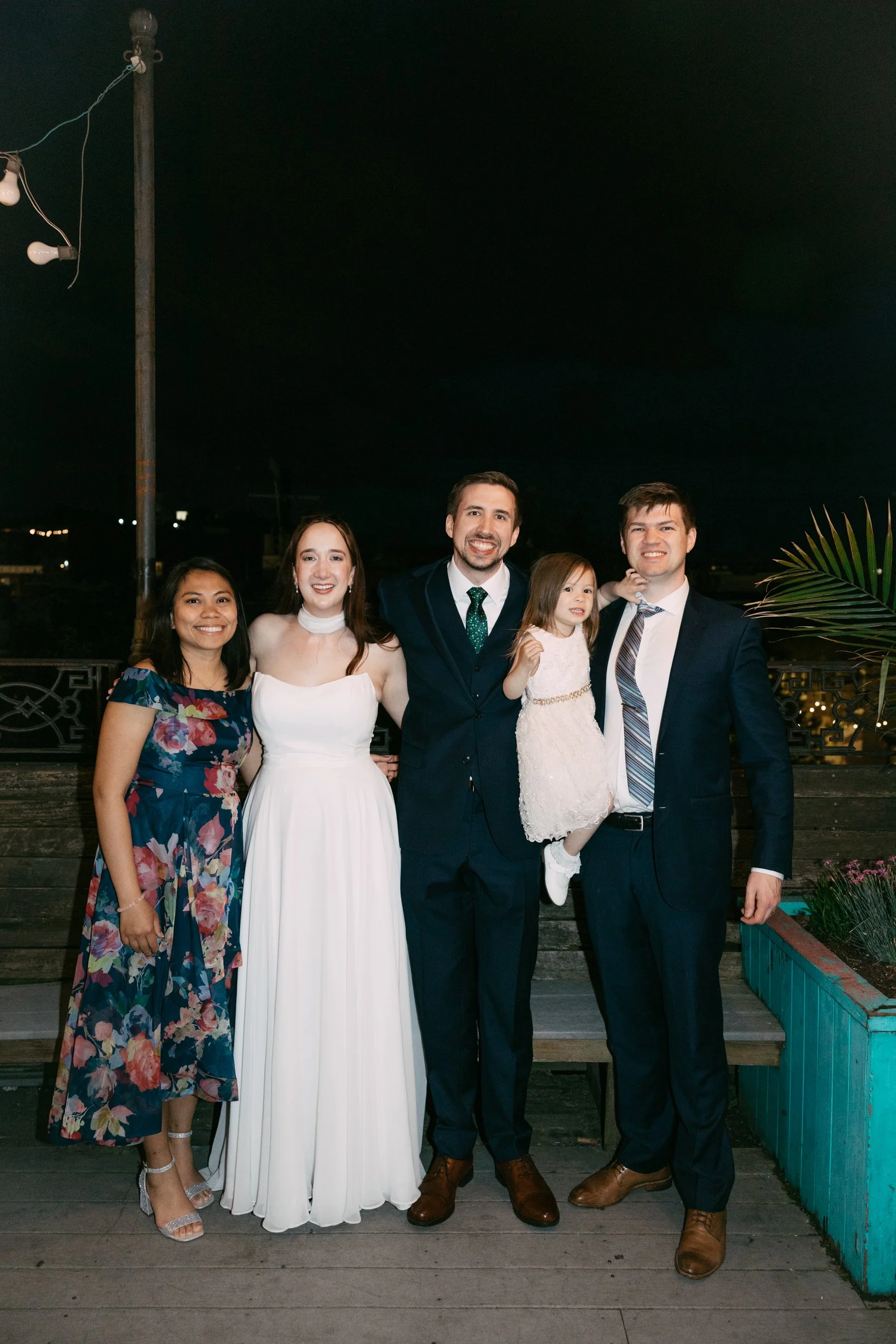
Overall, I love that this lens didn’t disappoint me at all, and in fact, surprised me with how much I loved the images! I had convinced myself that there was no way this old, unused lens would be able to create beautiful photographs, but it definitely did. I’ve included a bunch of sample images below that I’ve taken with it over the last few months so you can decide for yourself!

WHERE TO BUY THE CARL ZEISS SONNAR T* 140MM LENS

KEH Camera

Etsy

Check eBay Listings

The Contax 645 is expensive, but it’s also highly desired. If you’re on the hunt for one, here are a few places you might be able to find one!

WHERE TO BUY THE CONTAX 645

KEH Camera (not always in stock, but you can keep checking back!)

Check eBay Listings

Etsy

For these images, I used Cinestill 400D 120 film and Kodak Portra 400. You can check out more of my 120 film recommendations on my blog here - The Best 120 Film Stocks and Where to Buy Them.

If you found this post helpful or inspiring, I’d love it if you considered signing up for my Patreon! For as little as $1 a month, you’ll get early access to all of my YouTube videos, plus tons of photos that I don’t post anywhere else. Depending on which tier you choose, you could also receive seasonal prints and/or discounts! I always use all of the proceeds towards cameras, film & processing.

If you have any questions, I’m always happy to help! You can contact me here, or leave a comment below! Thanks so much for stopping by! You can also check out my B&H Photo storefront & Amazon Storefront for more camera/film recommendations. :) Have a magical day!

<3 Myles Katherine

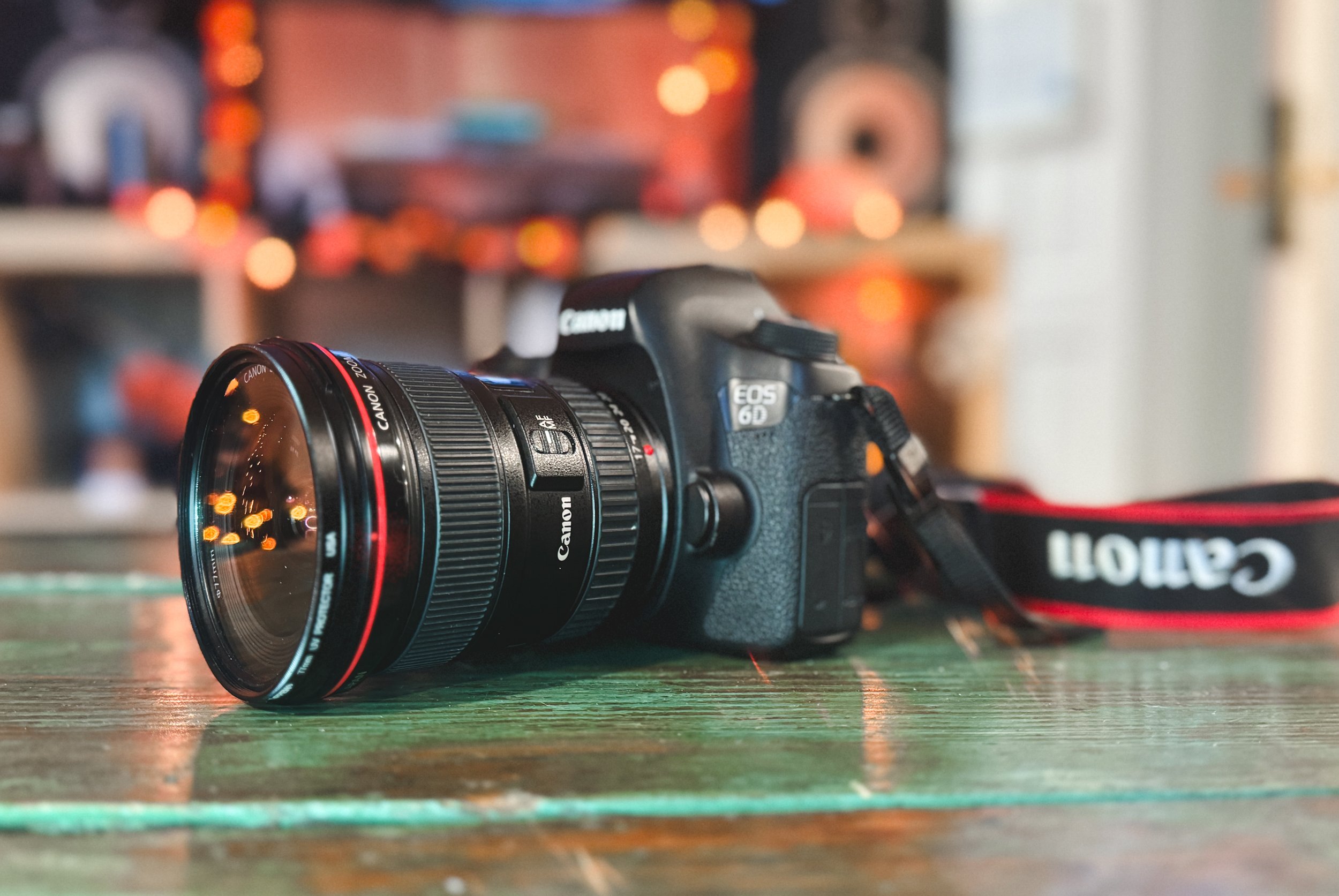
Canon EF 17-40mm f/4L USM Lens Review with Sample Photos in Japan!

(By using the affiliate links and/or codes in this blog post, you help support Myles Katherine Photography. I may earn a small commission at no additional cost to you if you make a purchase through these links. Thank you for your support!)

WHY DID I BUY THE CANON EF 17-40MM F/4L USM LENS?

You might know that the Canon 24-70mm f/2.8L II lens is my absolute favorite Canon lens, but when I started doing occasional real estate photography for AirBnb and local businesses, I needed a lens that was a little bit wider. I didn’t want to make a huge investment into yet another super expensive lens, especially because I knew that I could use my 24-70mm lens for most situations when it came to real estate photos. I really just needed something I could use for tight and cramped spaces like small bathrooms, bedrooms, and kitchens. The Canon EF 17-40mm f/4L USM Lens seemed like the best price for what I was looking for. It’s an L series lens, which is Canon’s pro level lens series, but at a fairly reasonable price of $600 (especially compared to the price tag of $1899 for the 24-70mm lens). Though, I actually bought mine gently used so I got an even better deal (you can find them used on KEH Camera or eBay). At this point in my life, I rarely ever steer away from the L series lenses, except in the case of the Canon 50mm f/1.4 lens that has a special place in my heart. I have yet to try the RF lenses yet, though it’s on my wish list for next year. :)

WHY DID I BRING THE CANON 17-40MM F/4 L LENS TO JAPAN OVER THE CANON 24-70MM F/2.8 L II LENS?

When I was debating which cameras and lenses to bring with me to Japan, I was torn between bringing my beloved Canon 24-70mm lens and my newer Canon 17-40mm lens. I like to bring a digital camera with me on my trips, along with a handful of film cameras. I mostly use the digital camera as a backup to my film cameras, many of which can be unreliable. It’s mostly just for peace of mind because I actually rarely end up using my digital cameras on my trips! Knowing this, I decided to leave my heavy and large Canon 24-70mm lens behind for the first time on a major trip. The 17-40mm lens is 0.67 pounds lighter, which doesn’t sound like much, but makes a huge difference when I’m lugging a giant camera backpack around a foreign country. Not to mention, it took up less space in my camera bag, allowing me to bring an extra film camera… Yes. I realize that filling that space with another camera probably doesn’t help with my dilemma of a heavy backpack…

THOUGHTS ON THE QUALITY OF THE IMAGES

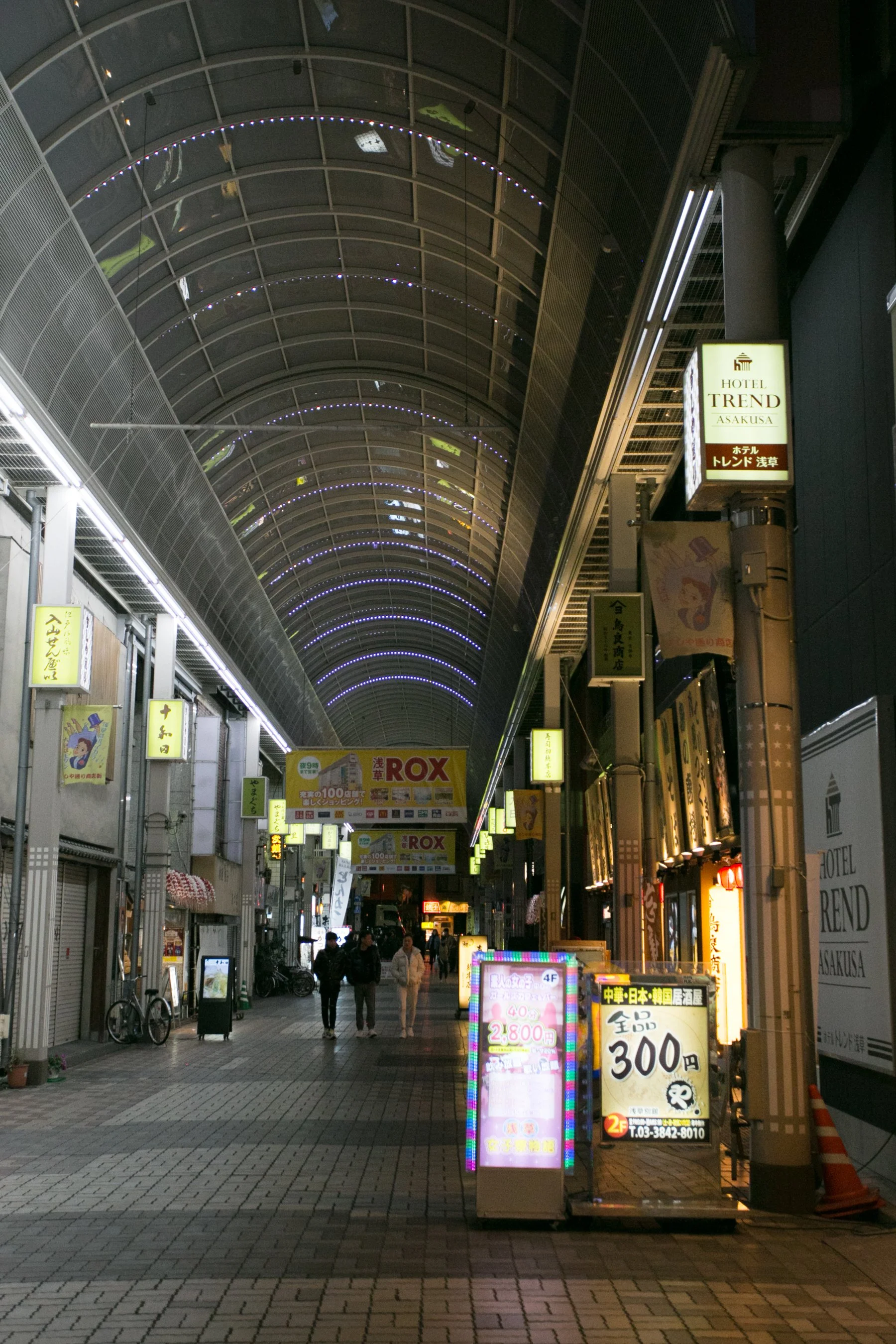
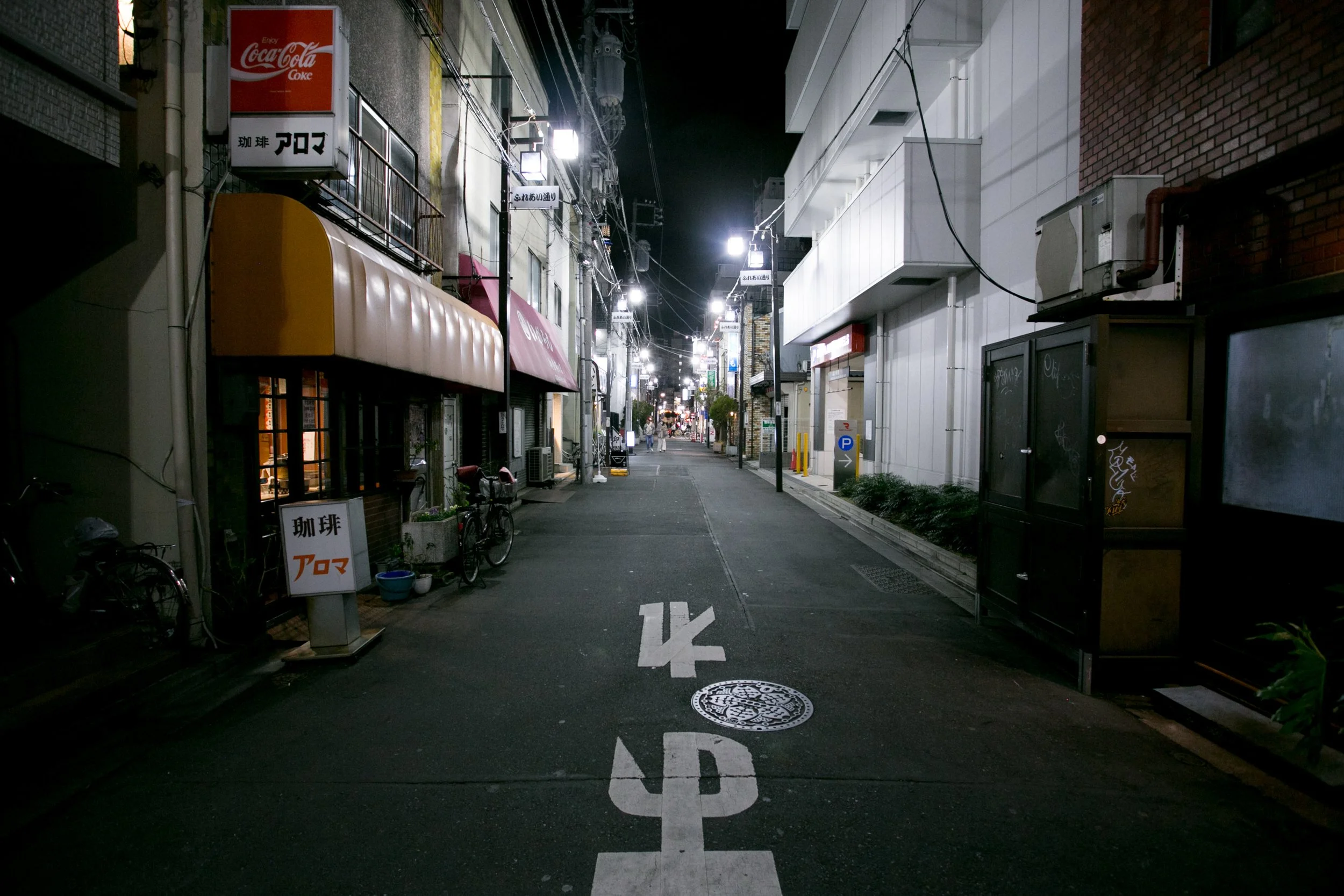
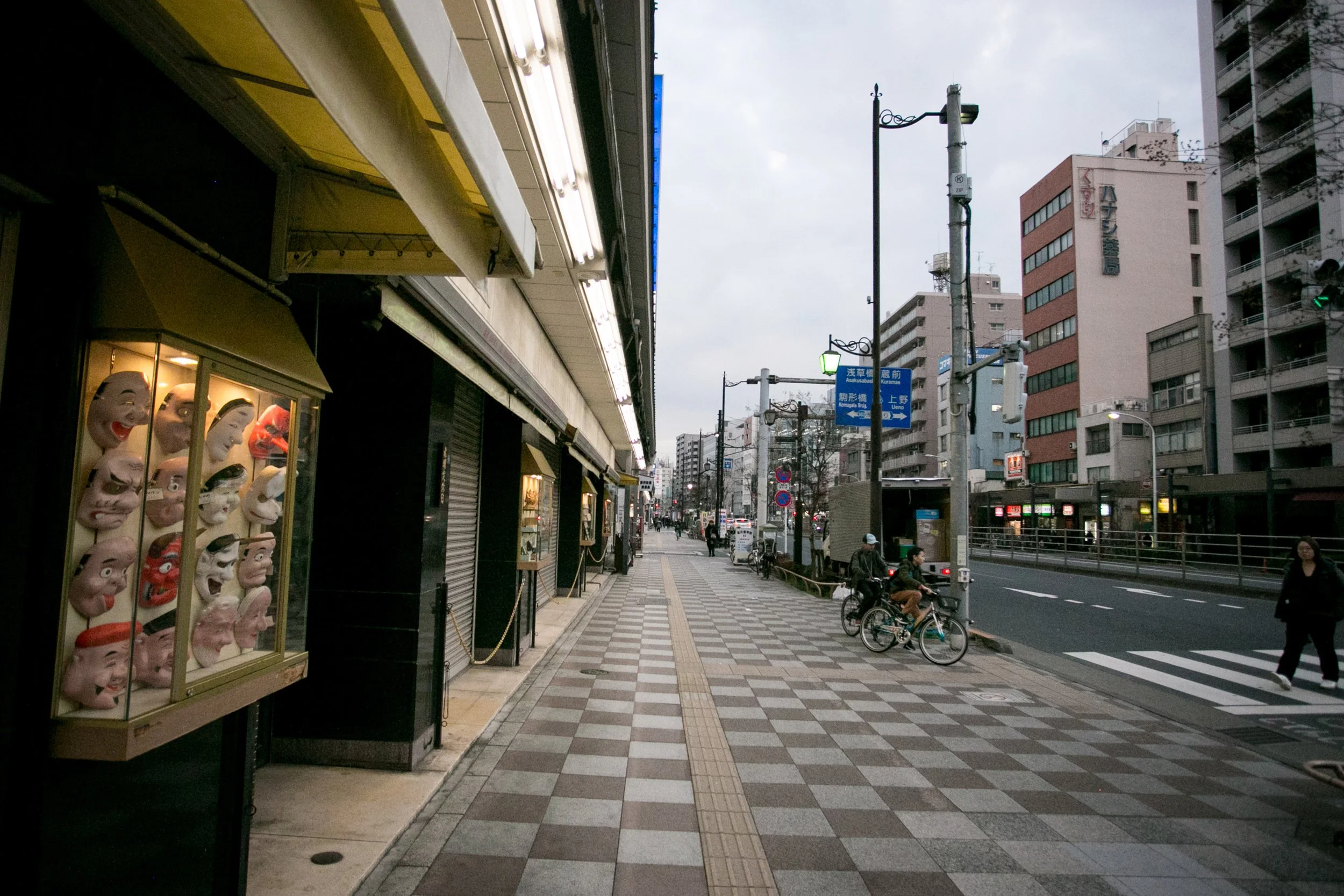
While the 17-40mm lens doesn’t quite have that professional and super sharp quality to the images that I’m used to with the 24-70mm lens (I think I’ve been spoiled!), it got the job done. And even going through the photos now for this blog post, I’m pleasantly surprised by how beautiful these images turned out. You can really only notice a difference when you zoom in on the images in Adobe Photoshop or Lightroom and compare the overall sharpness and the noise in the shadows and corners. It really was a great backup to my film cameras and worked in all lighting conditions, even dark city streets and low-light rooms. And because of it’s ability to capture super wide shots, I easily managed to photograph the stunning architecture of Japan. I always love a wide lens for traveling. I prefer to use the 17-40mm lens with my Canon 5D Mark IV or Canon 6D over my Canon EOS R because I find that the additional lens adapter that I have to use with the EOS R tends to add additional distortion to the edges of the photos when shooting wide. One of the main differences I noticed between the 17-40mm f/4 lens and the 24-70mm f/2.8 lens is the fact that the 24-70mm lens handles edge distortion much better. Portraits look more natural and the added aperture value of the 24-70mm makes for better images overall. However, when I’m traveling, I’m mostly capturing landmarks and buildings, so it worked out just fine! If you’re going more for portraits or detail photos, the 24-70mm would definitely be a better option.

Did I miss my Canon 24-70mm f/2.8 lens?

Yes. I always do, mostly just because the 24-70 is my heart and soul in a lens. But looking at my images now, I think the 17-40mm lens fulfilled my needs as a backup camera on my trip. I never really end up doing much with my digital images after my trips. I tend to lean towards my film images for sharing on social media and blog posts. Though, if for some reason, my film didn’t turn out from my trip, it’s nice to know that I’d have these images to remember our trip by.

Make sure to scroll to the bottom of the post to see more of my favorite images I took in Japan with the Canon EF 17-40mm f/4L USM Lens. I hope these help you to decide if this lens is for you! If you’re on a budget looking for an affordable but professional lens, the 17-40 mm lens would be a great option to start with. Plus, you can always upgrade later! You could also check out my blog post about the Canon EF 24-70mm f/2.8L II USM Lens for comparison. I also posted a video on my YouTube channel about all of the cameras I ended up taking with me on my trip to Japan. You can watch it here!

WHERE TO BUY THE CANON EF 17-40MM F/4 L USM ZOOM LENS

Shop Amazon

Shop B&H Photo Video

Shop KEH Camera (used)

Shop eBay (used)


WHERE TO BUY THE CANON EF 24-70MM F/2.8L II USM ZOOM LENS

Shop Amazon

Shop B&H Photo Video

Shop KEH Camera (used)

Shop eBay (used)

#ad #affiliate

If you found this post helpful or inspiring, I’d love it if you considered signing up for my Patreon! For as little as $1 a month, you’ll get early access to all of my YouTube videos, plus tons of photos that I don’t post anywhere else. Depending on which tier you choose, you could also receive seasonal prints and/or discounts! I always use all of the proceeds towards cameras, film & processing. Find out more here!

If you have any questions, I’m always happy to help! You can contact me here, or leave a comment below! Thanks so much for stopping by! You can also check out my B&H storefront or Amazon storefront for more camera/film recommendations. :) Have a magical day!

<3 Myles Katherine

(click to enlarge images)