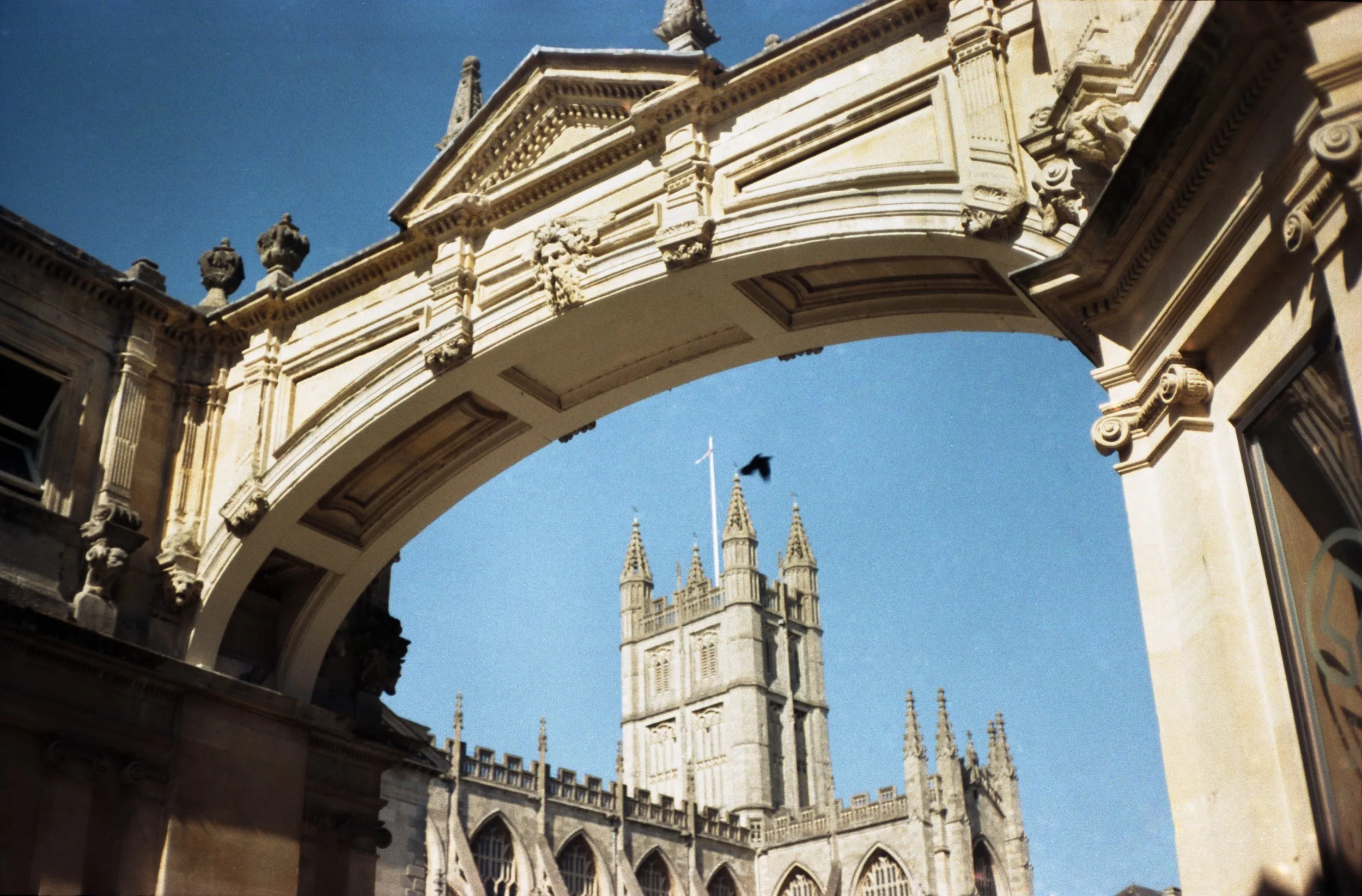
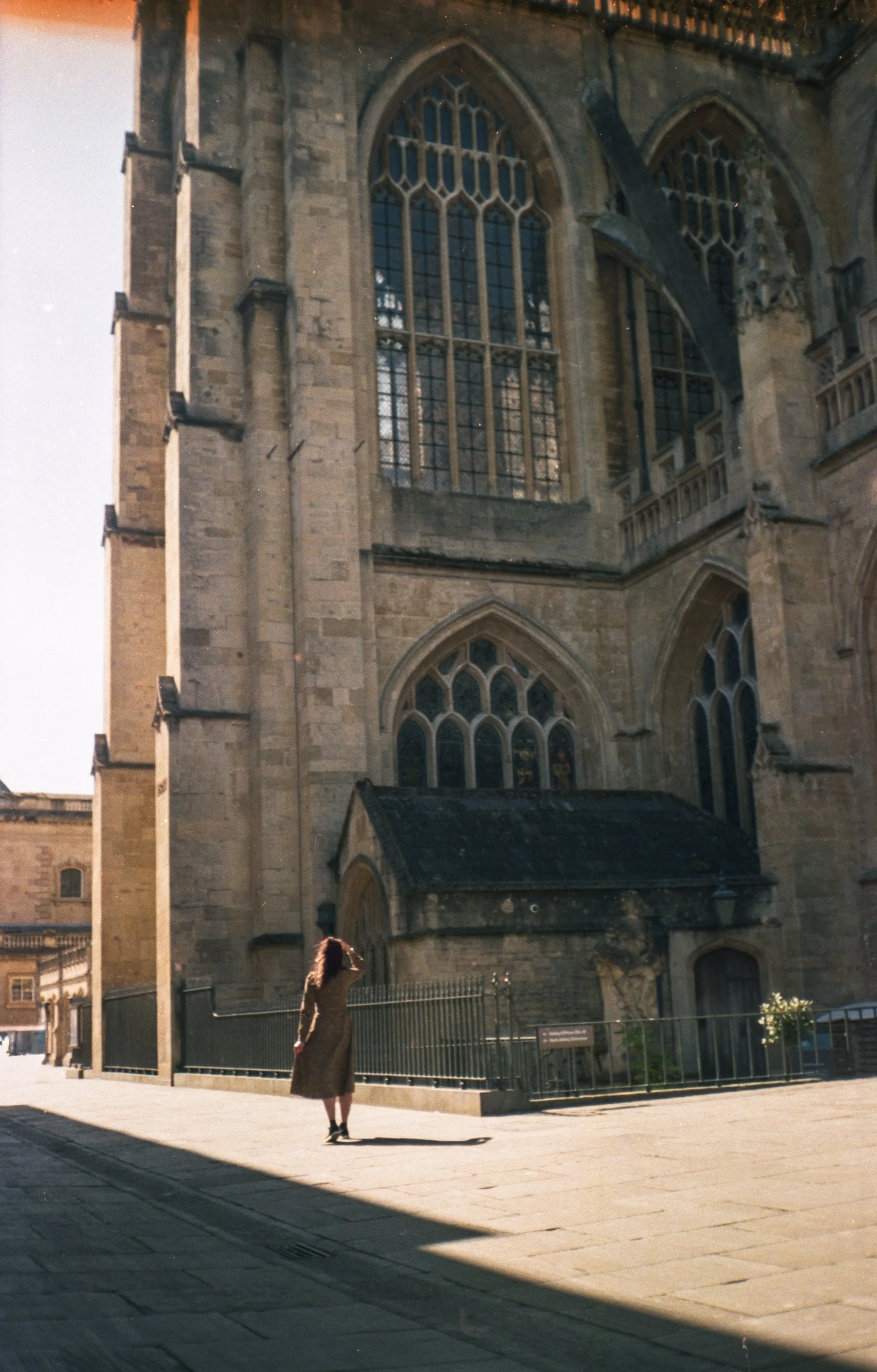
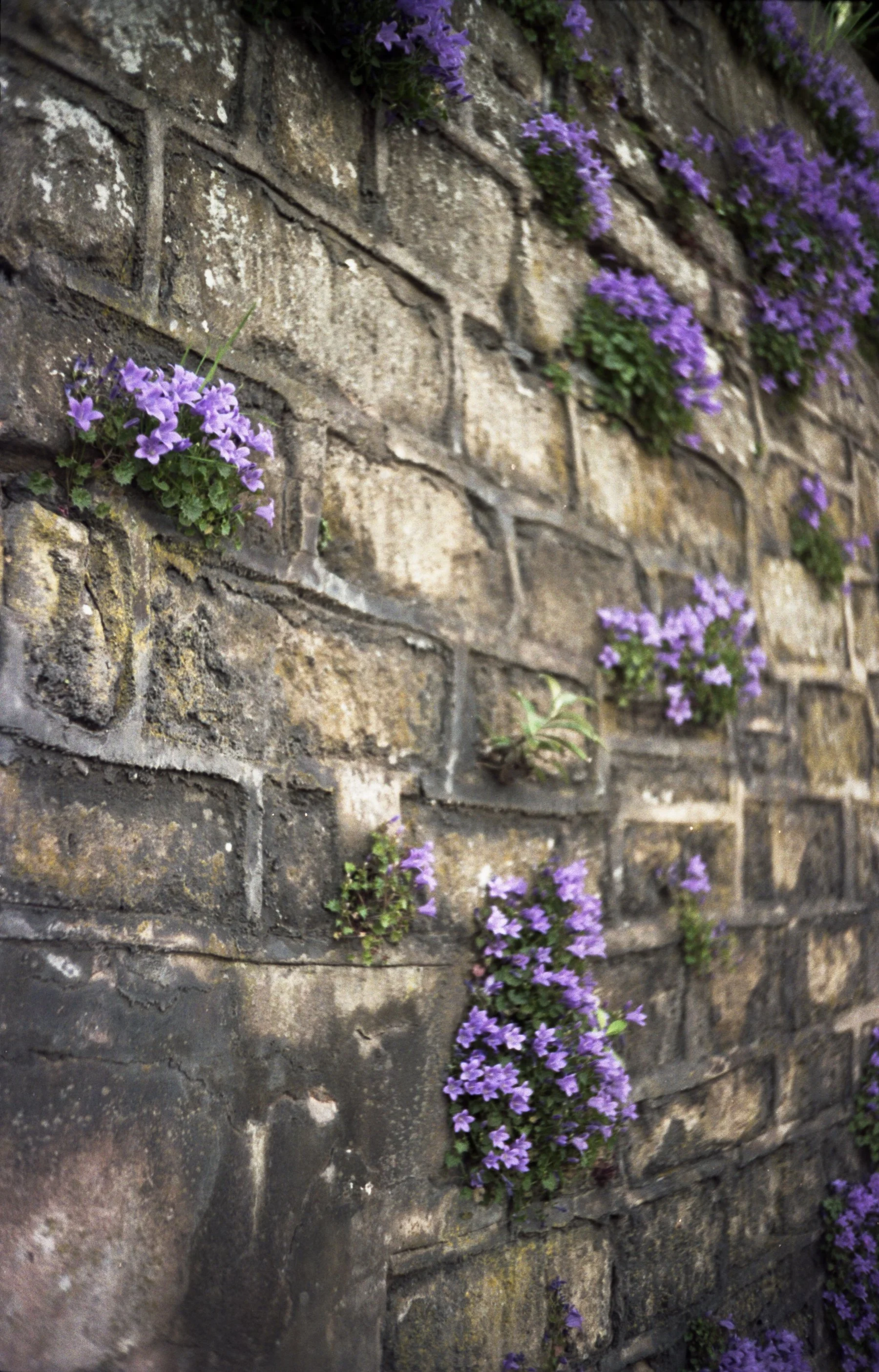
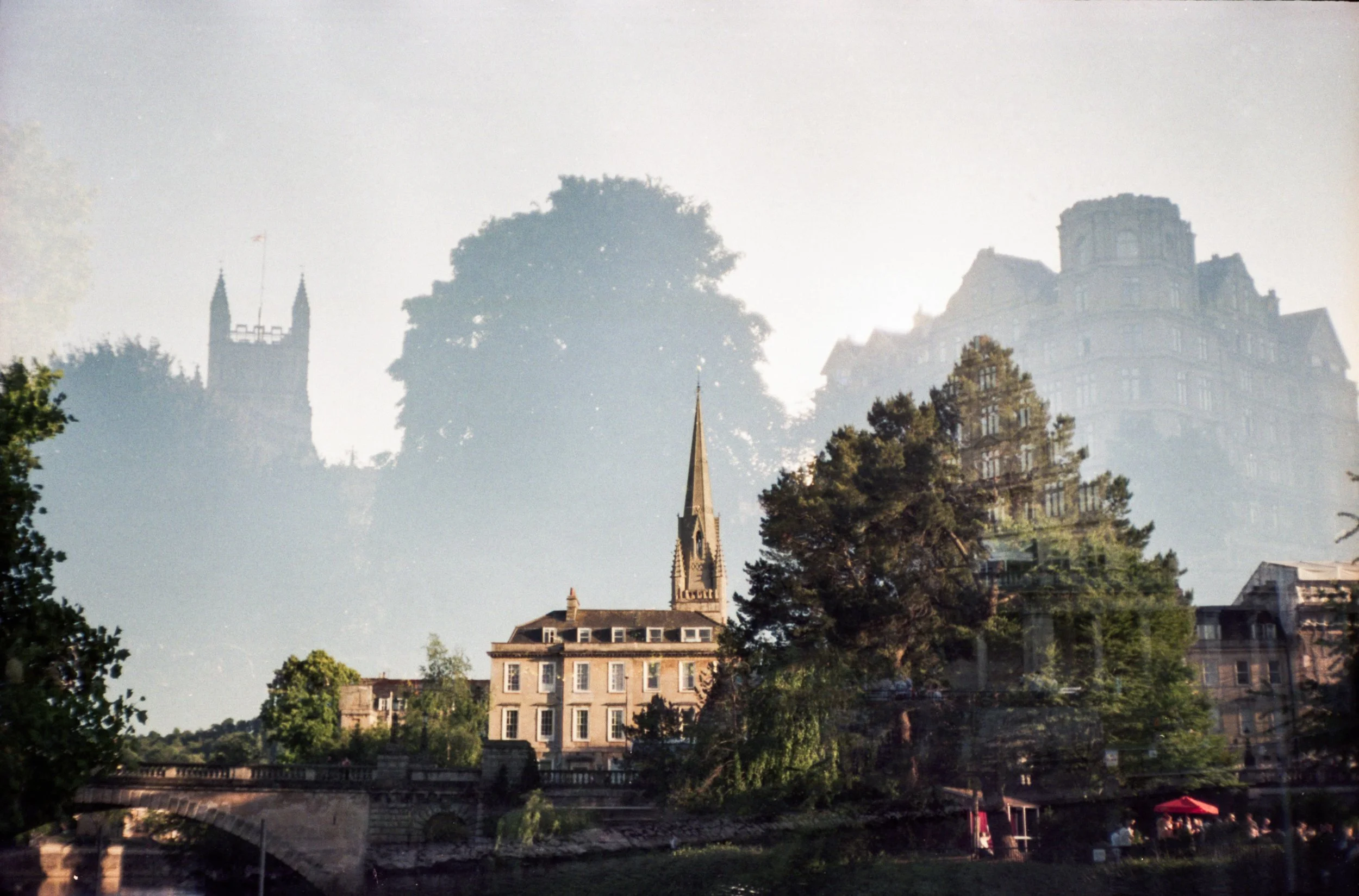
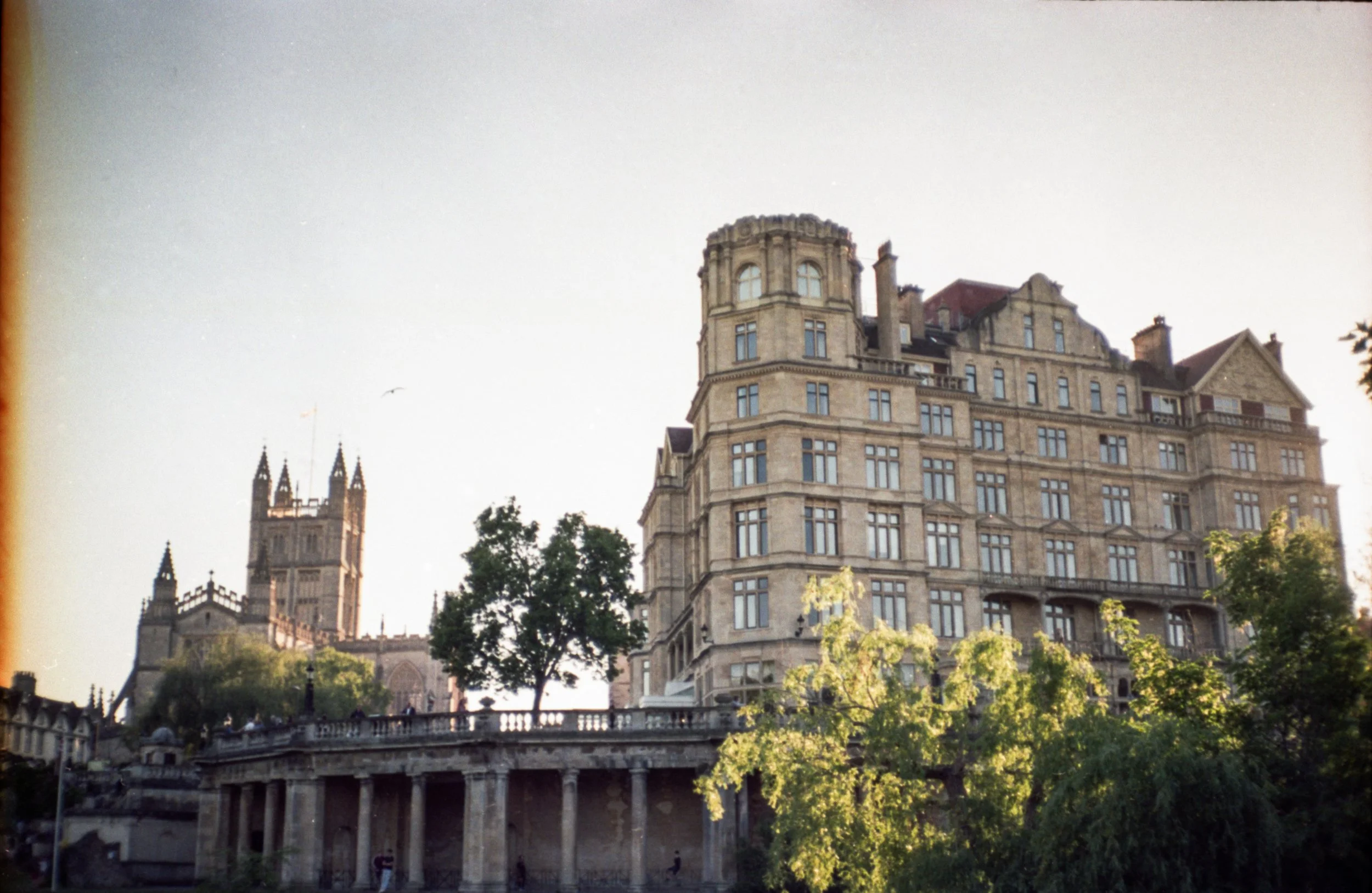
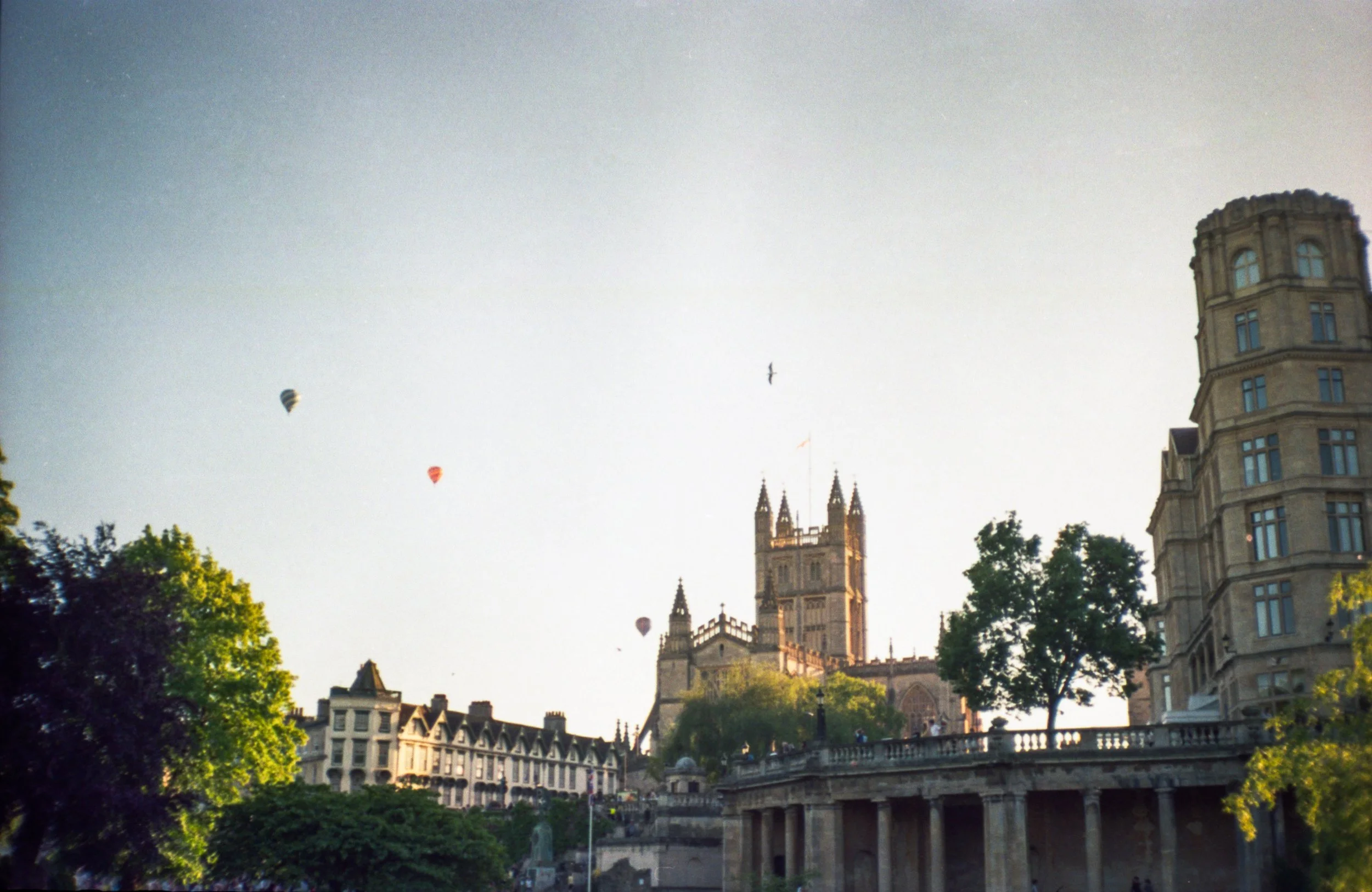
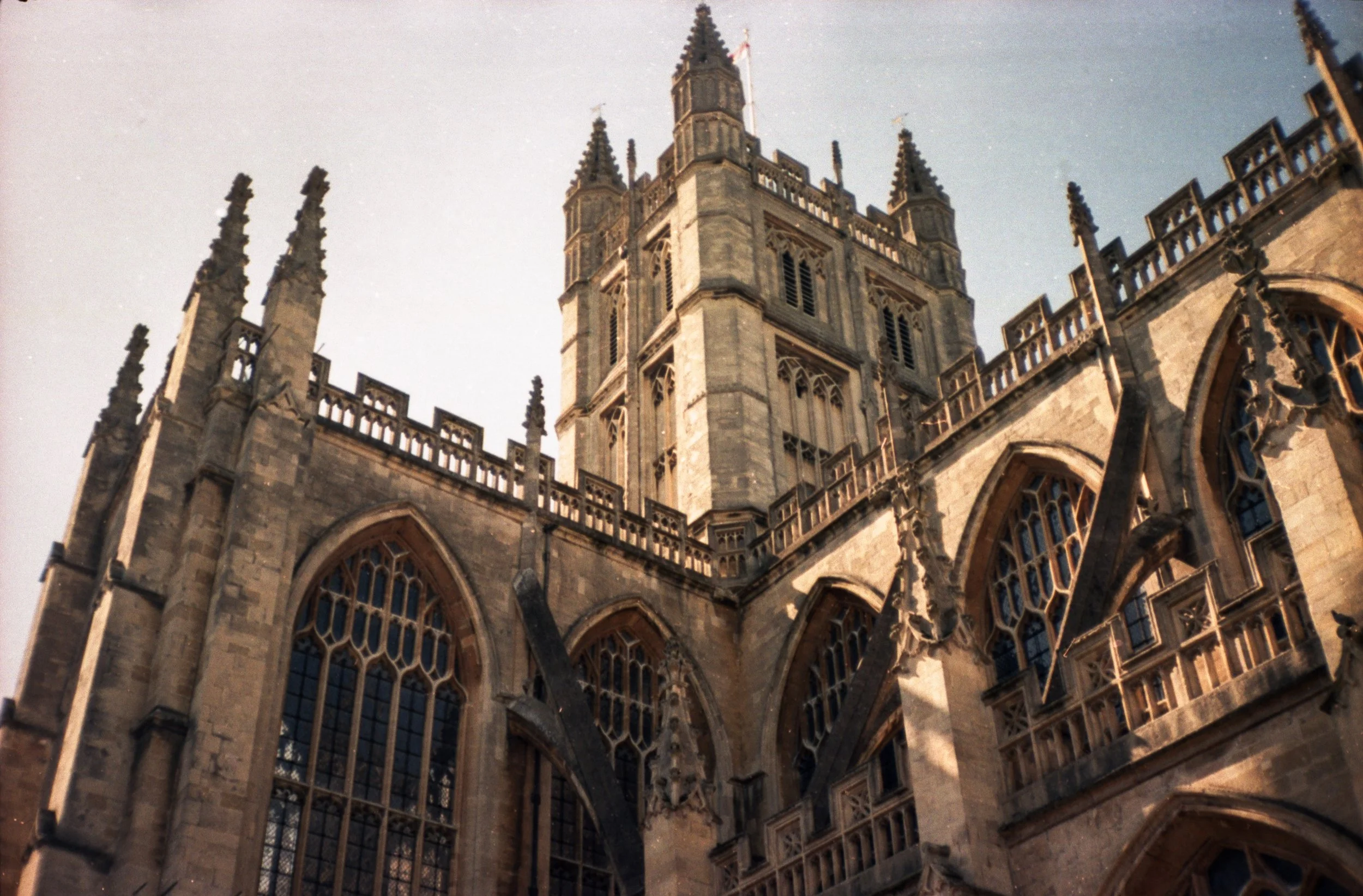
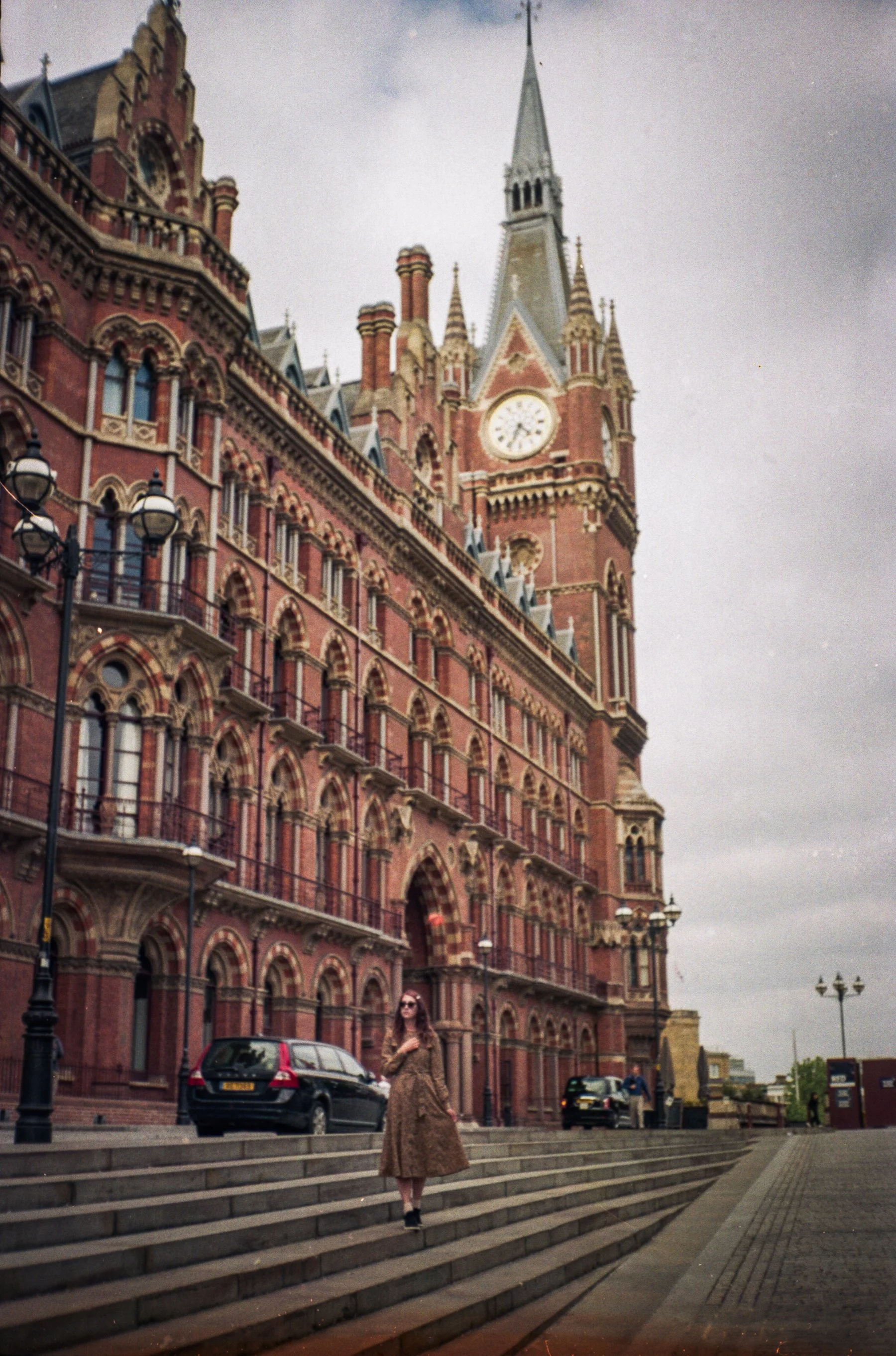
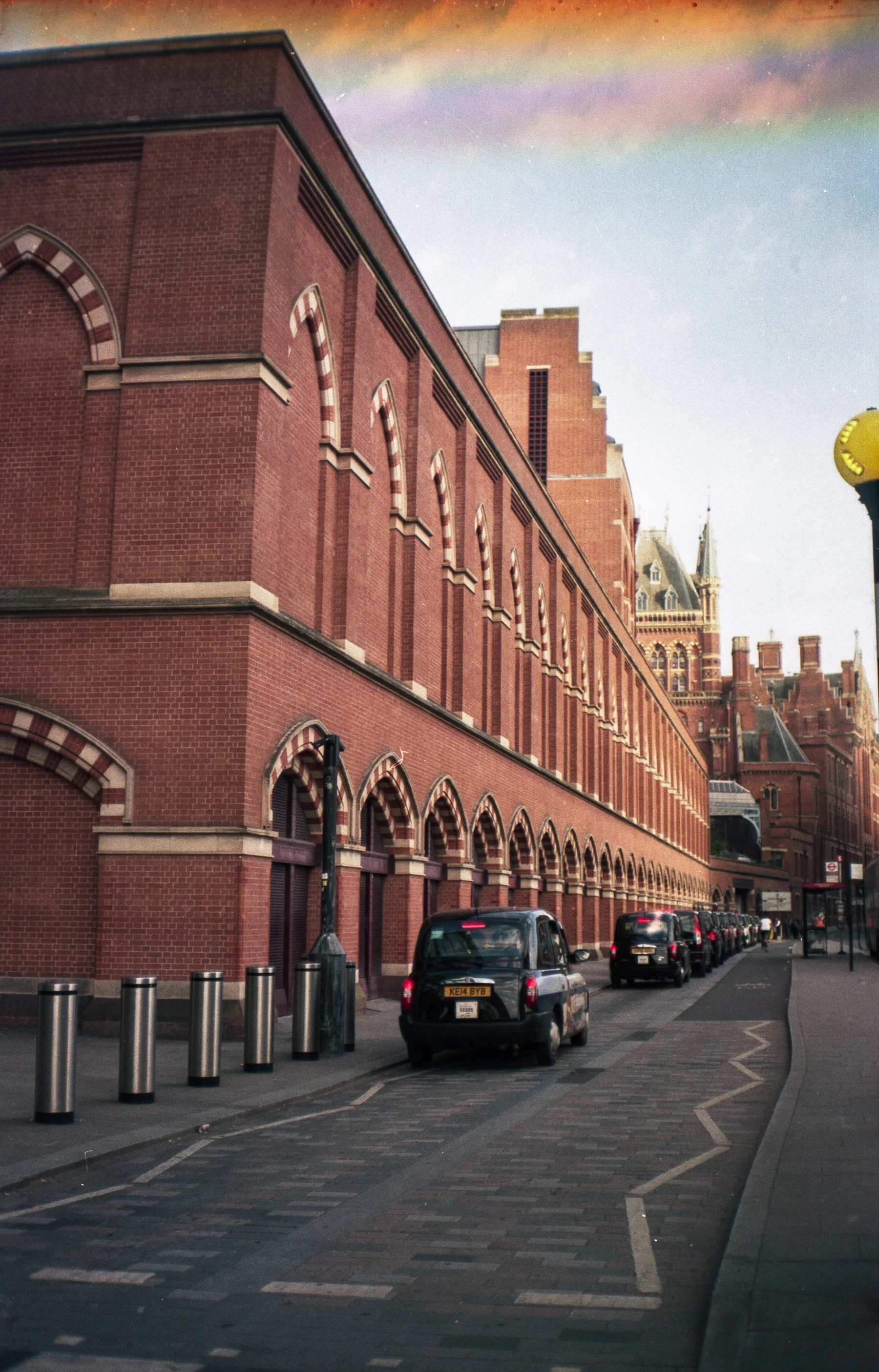
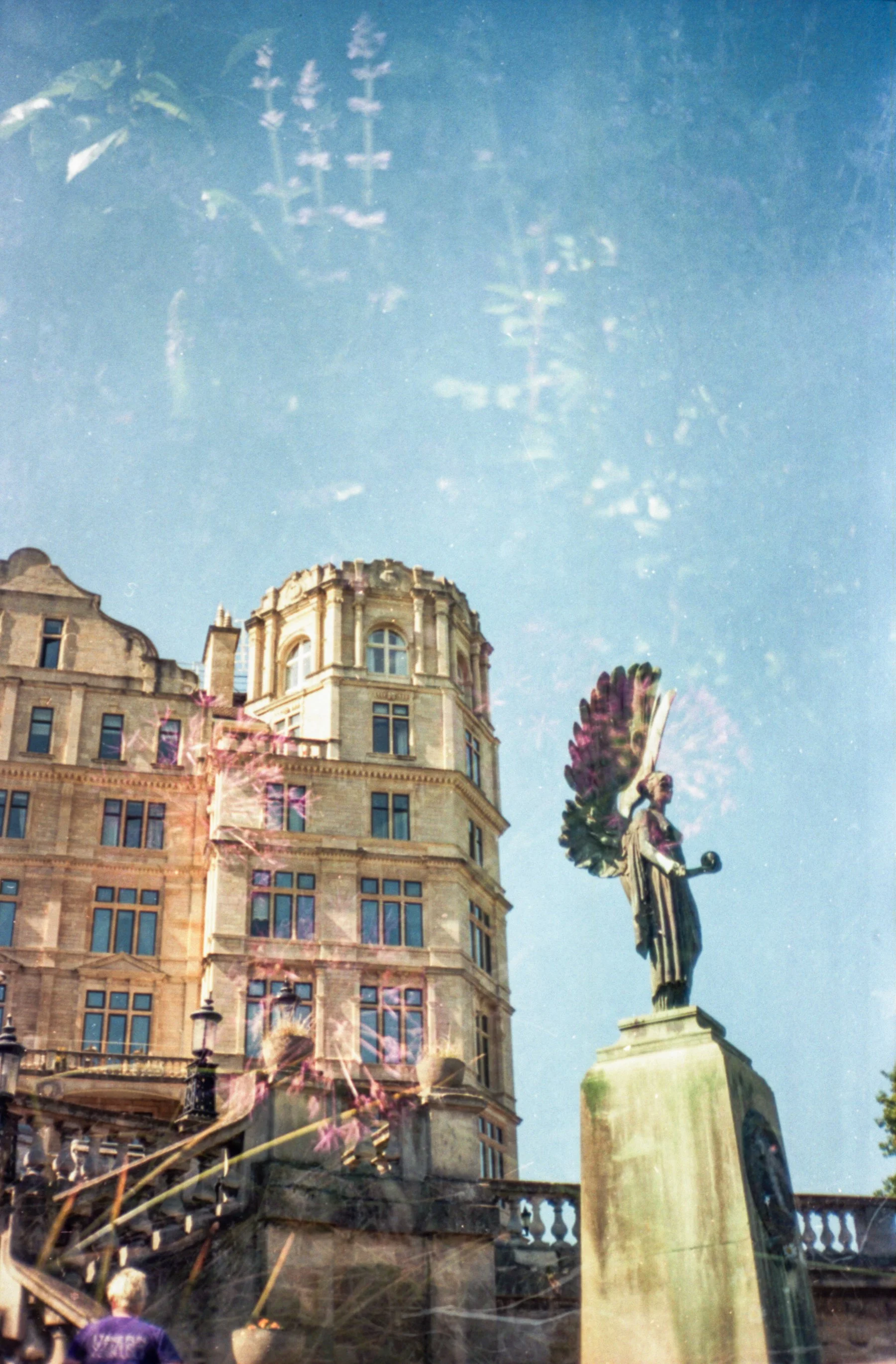
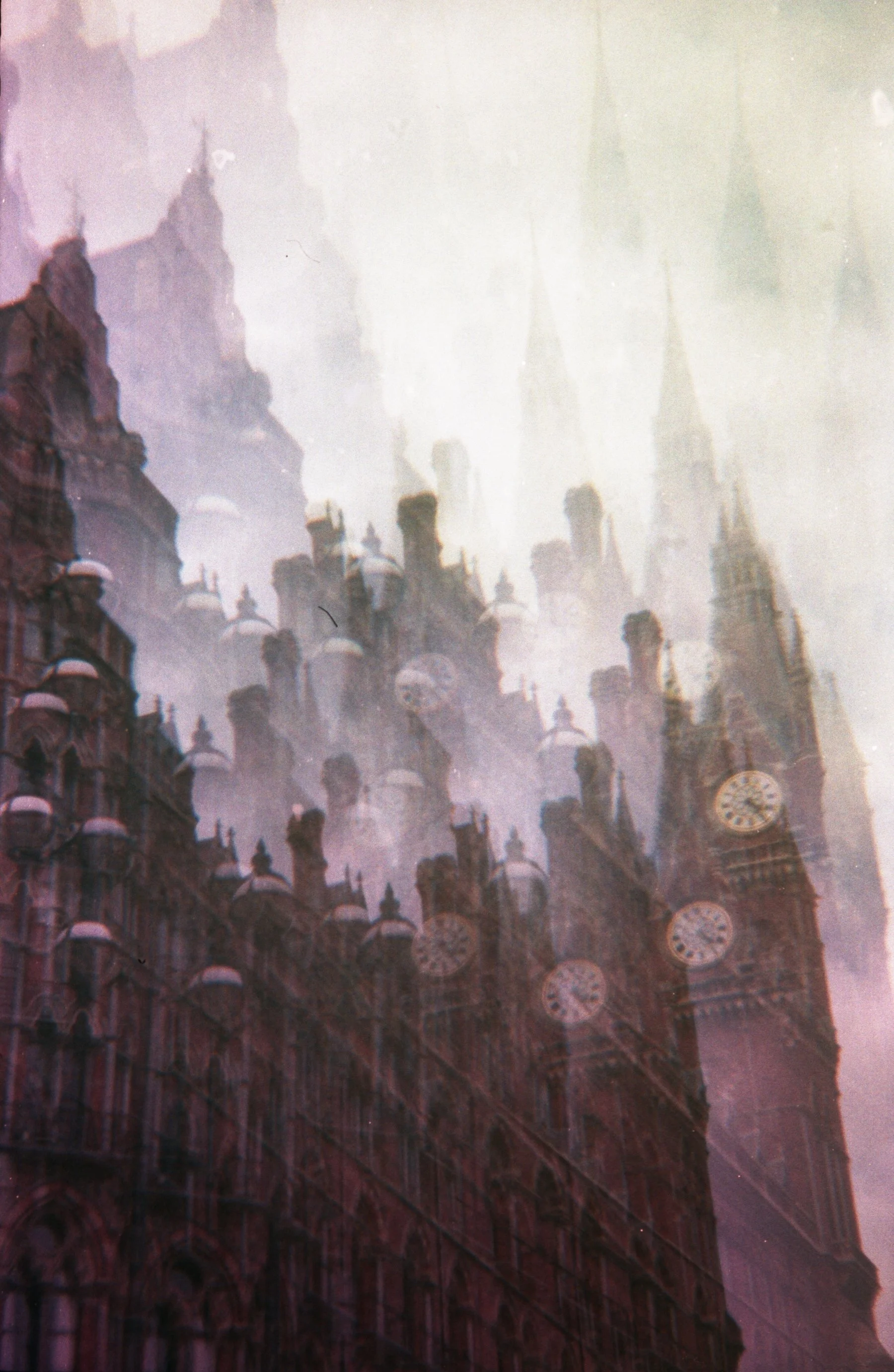
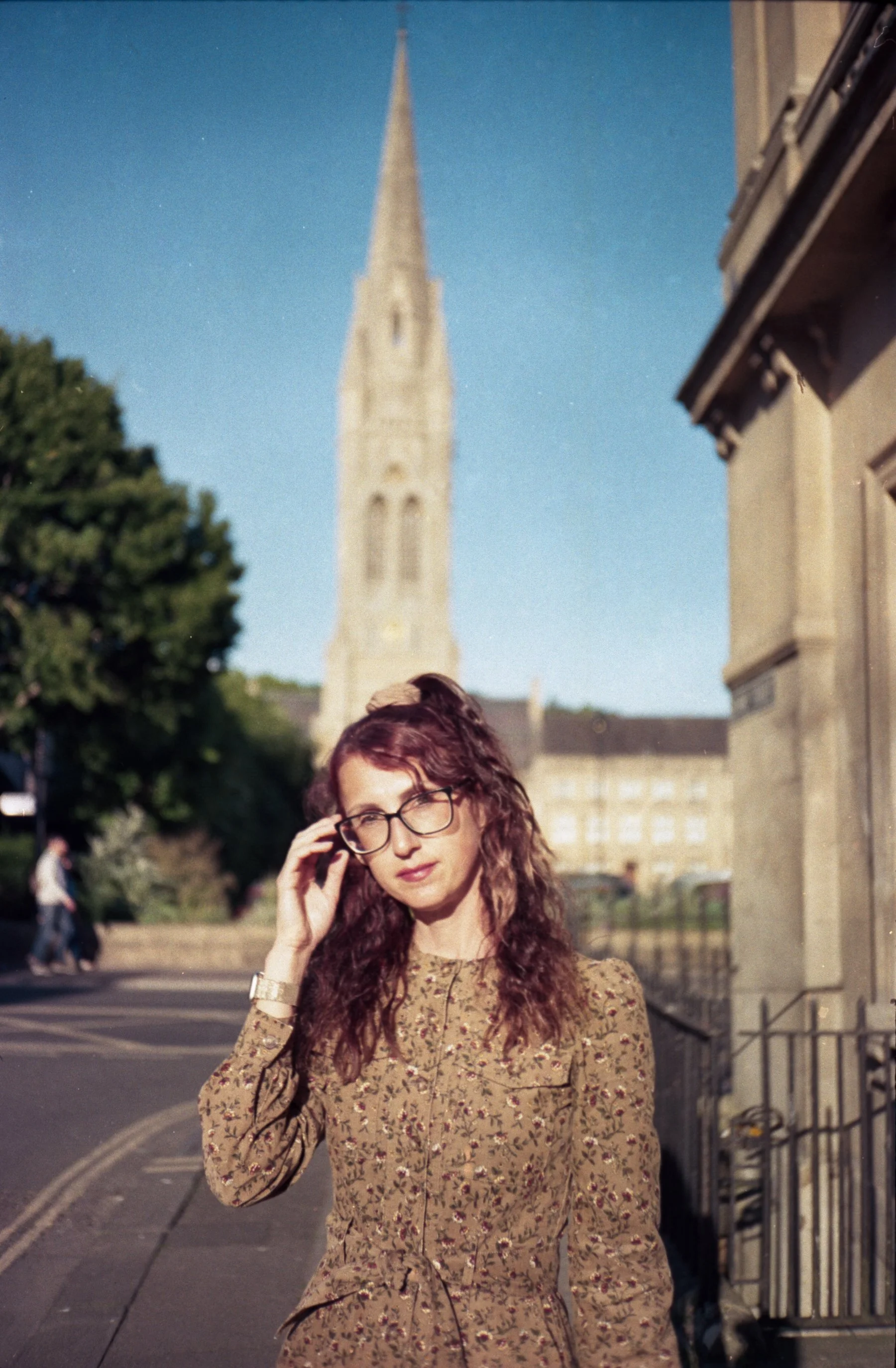
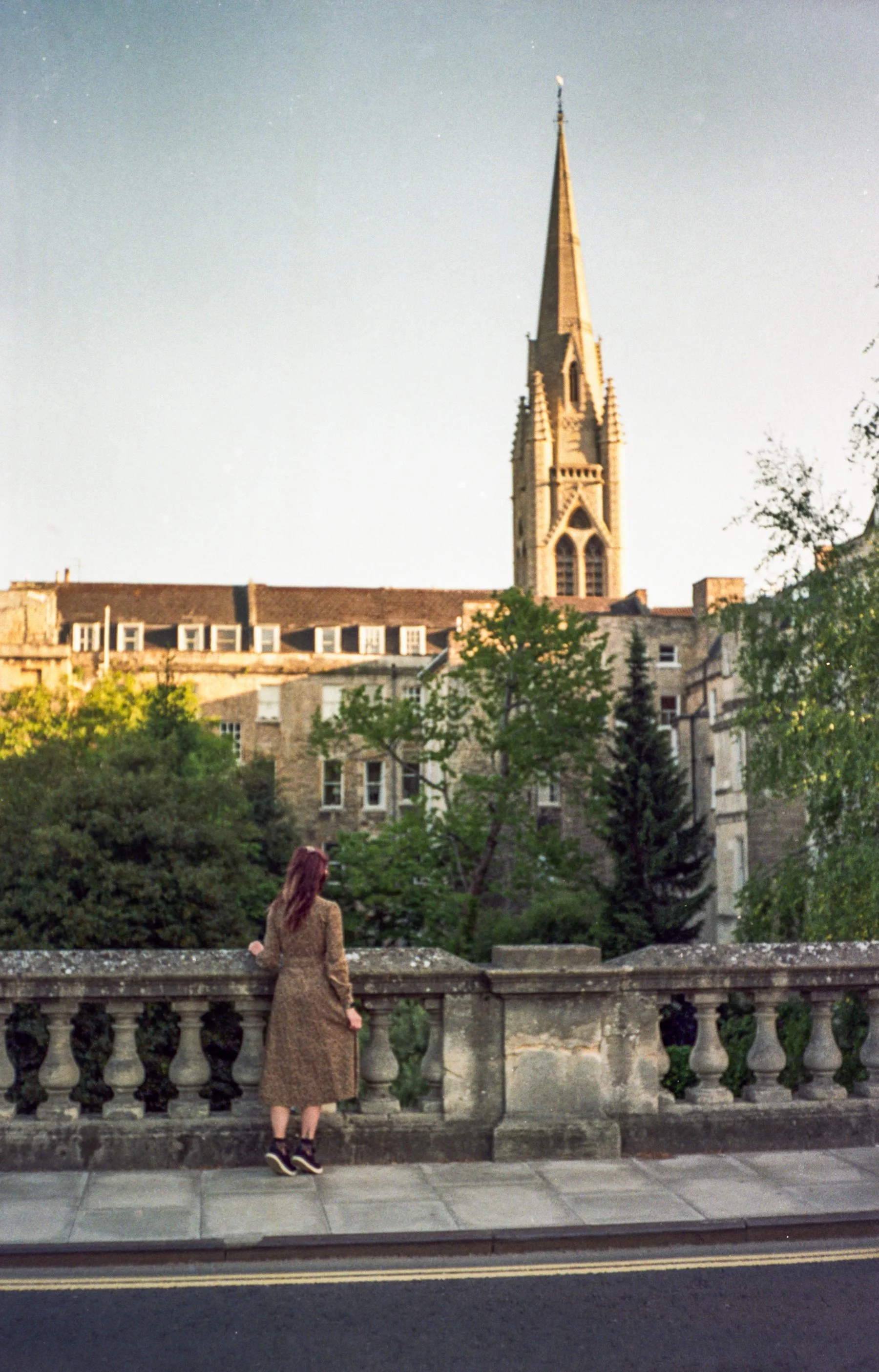
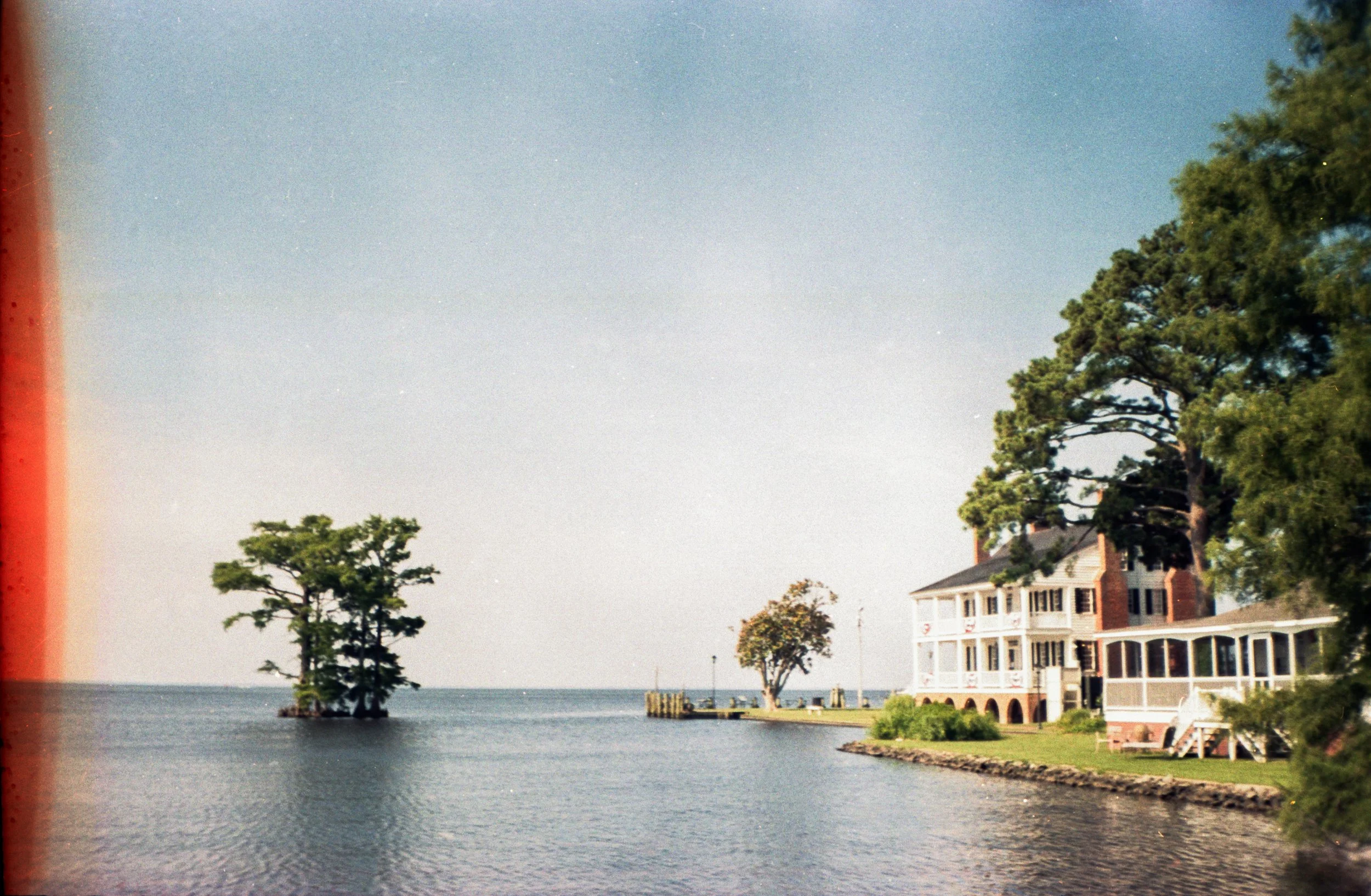
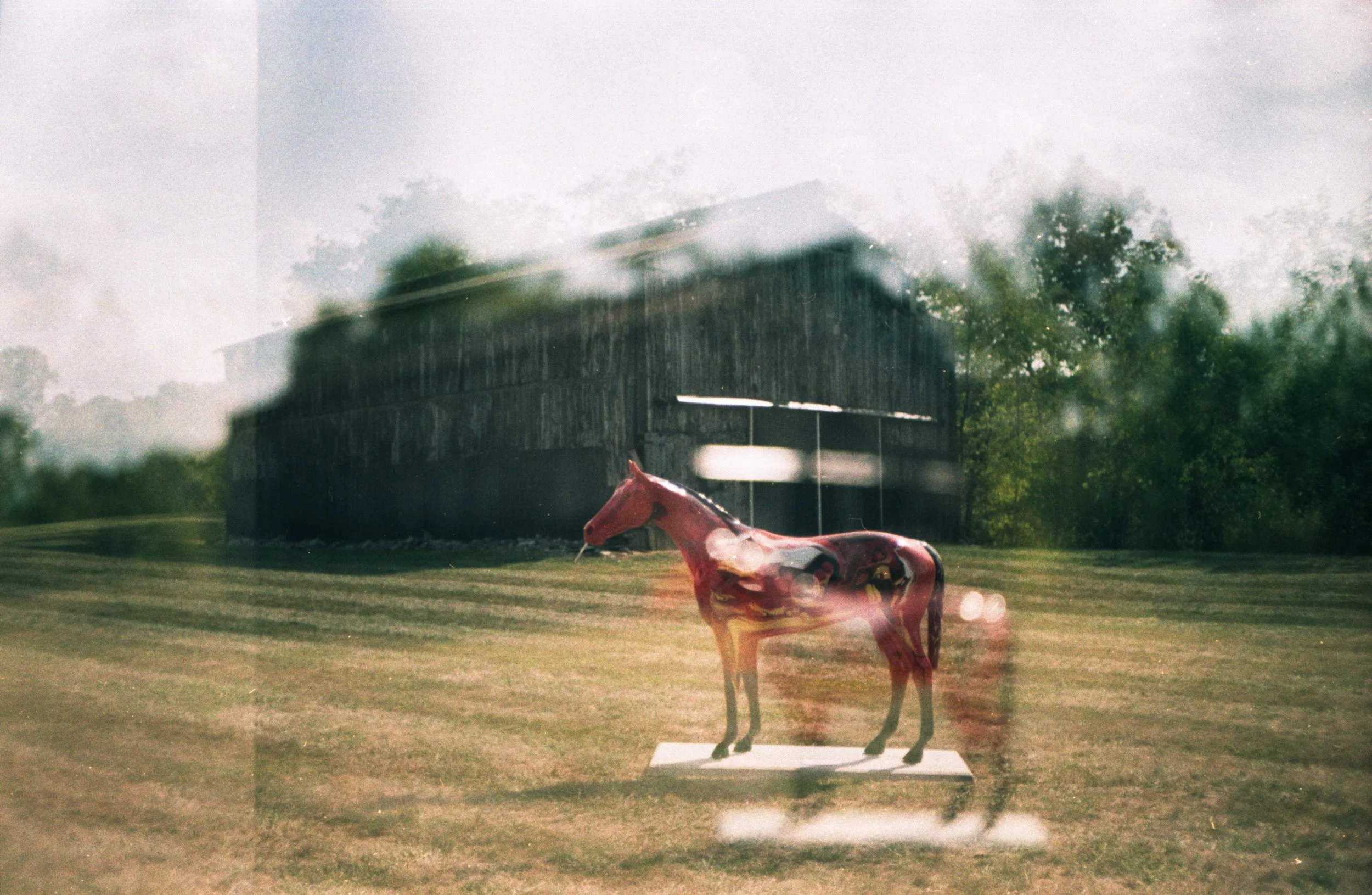
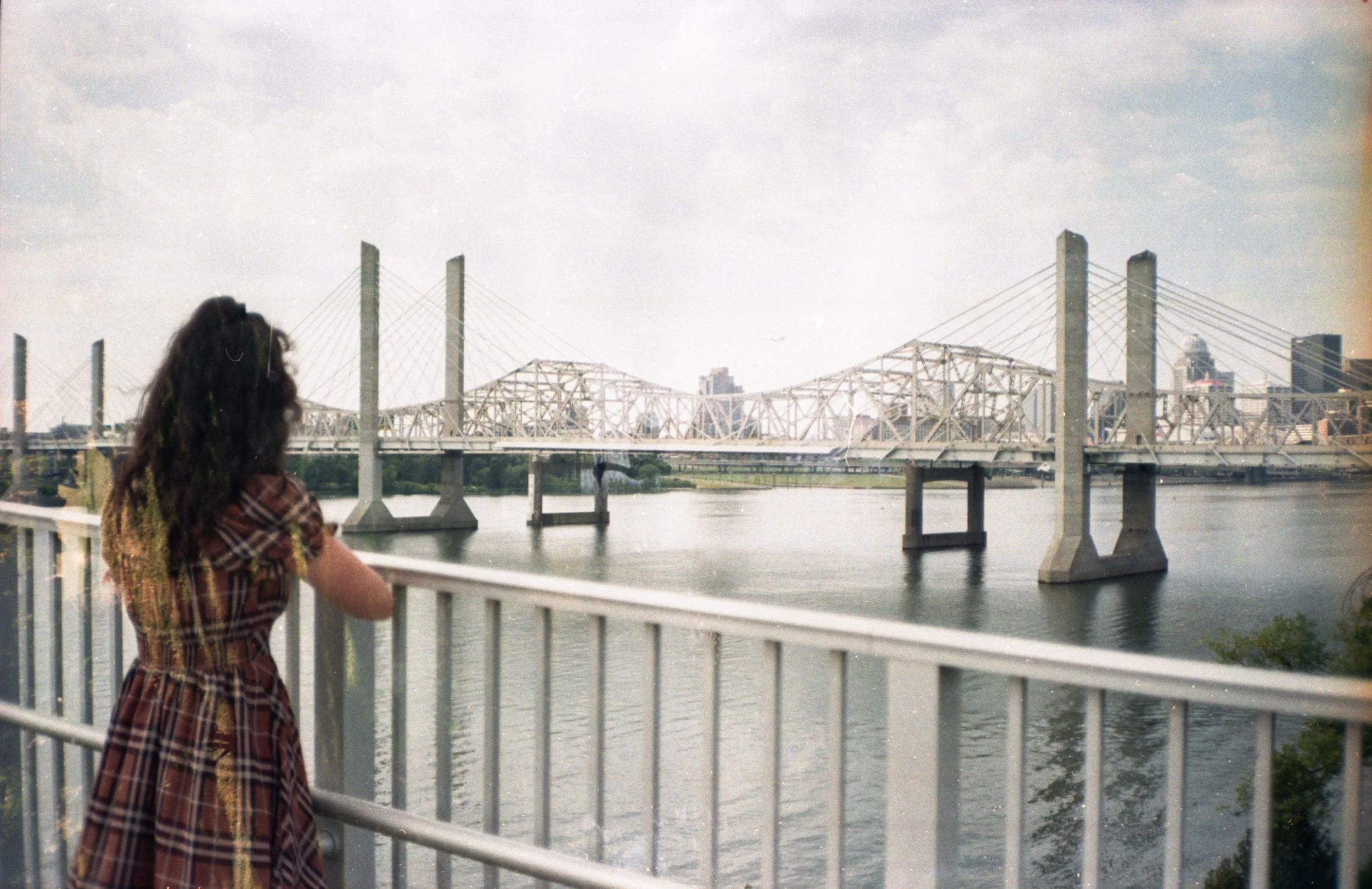
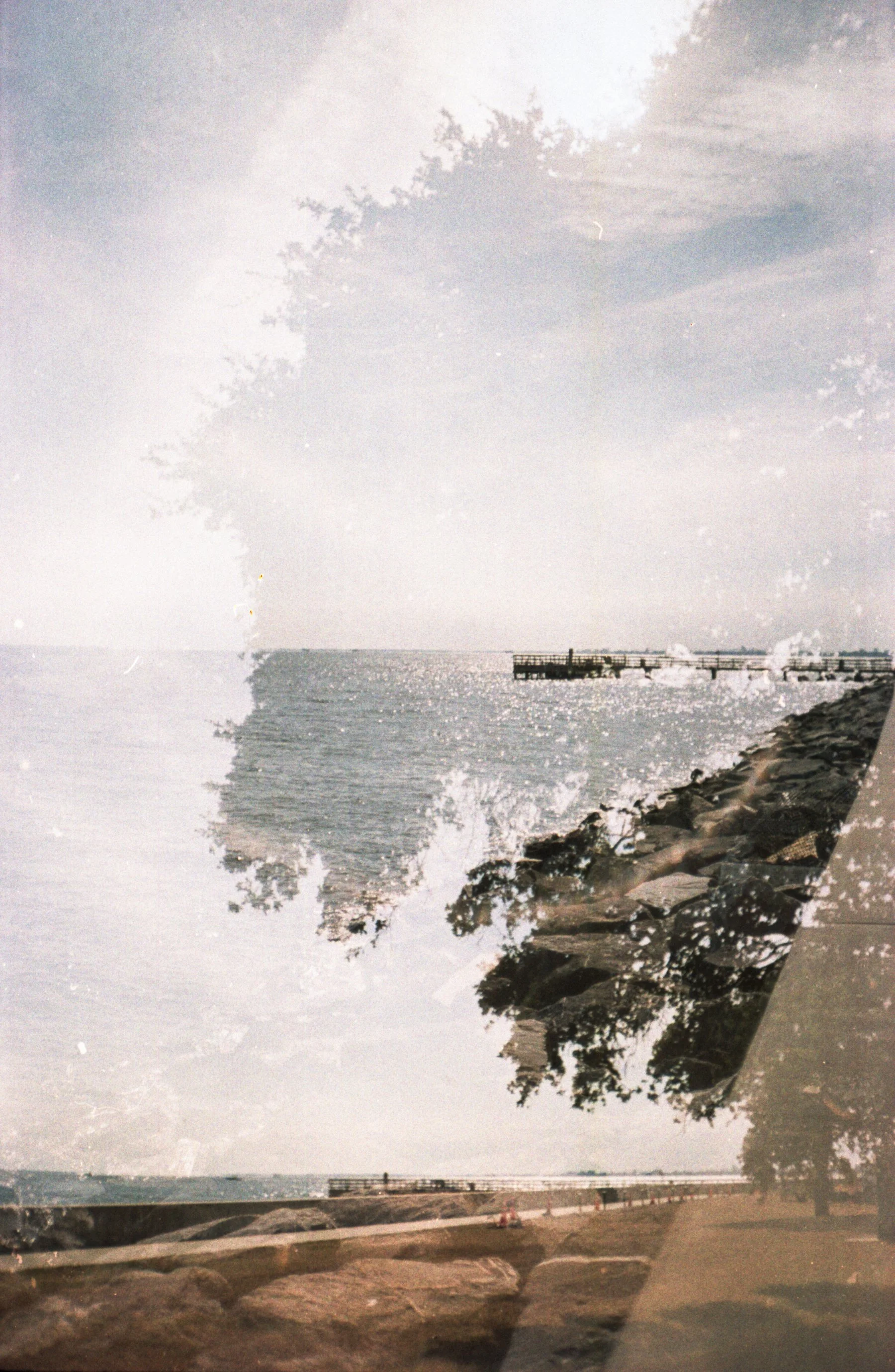
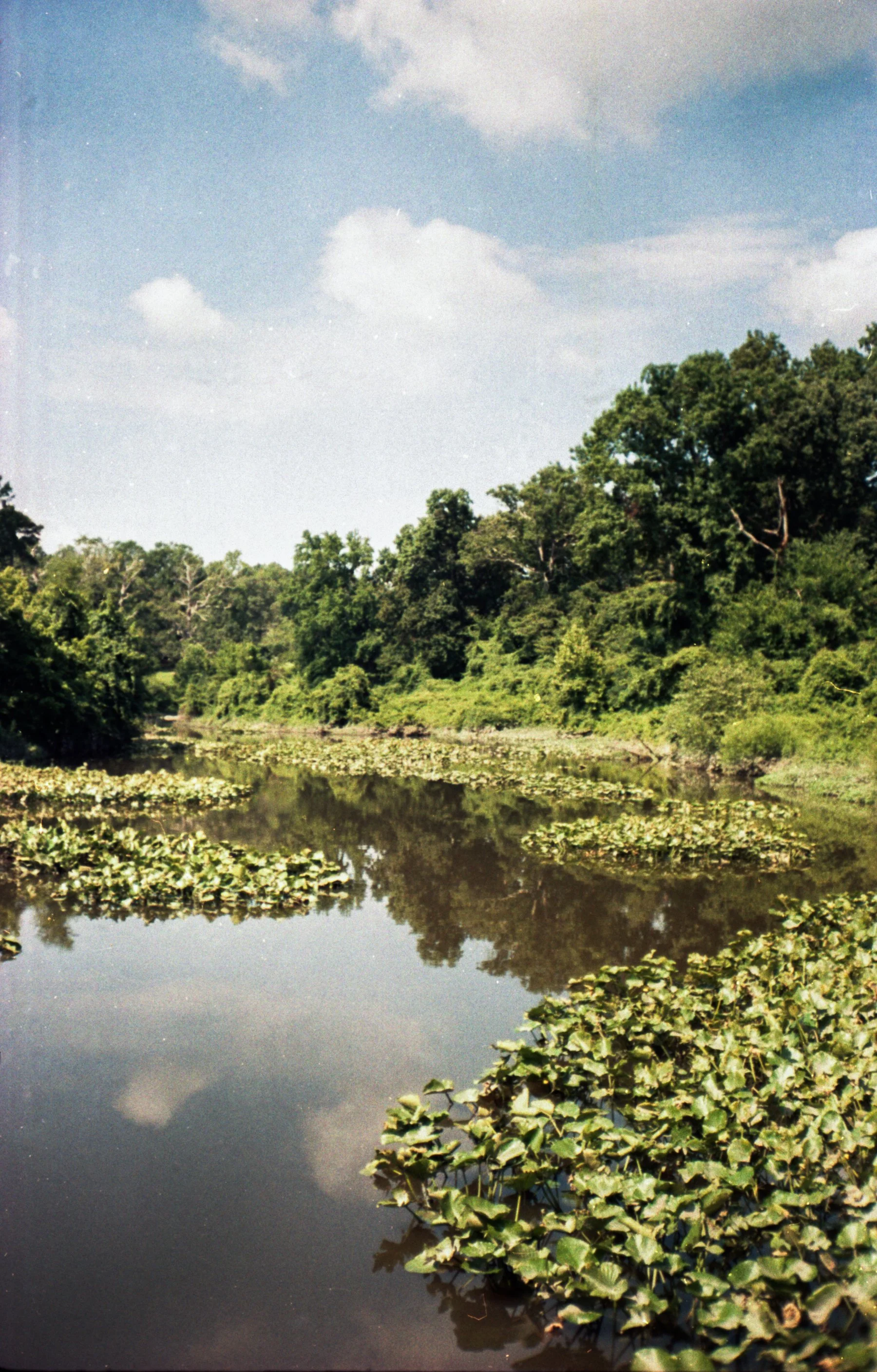
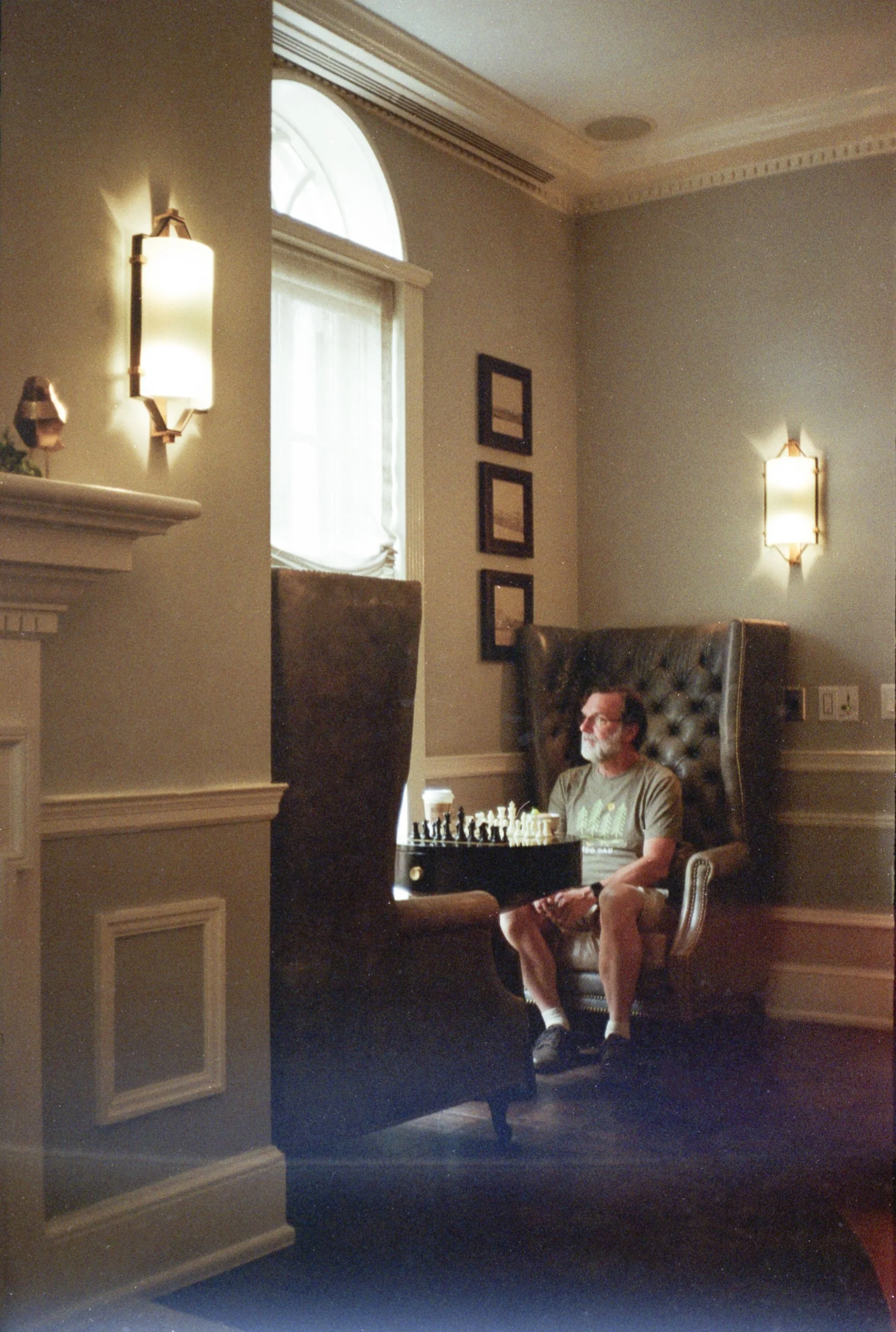
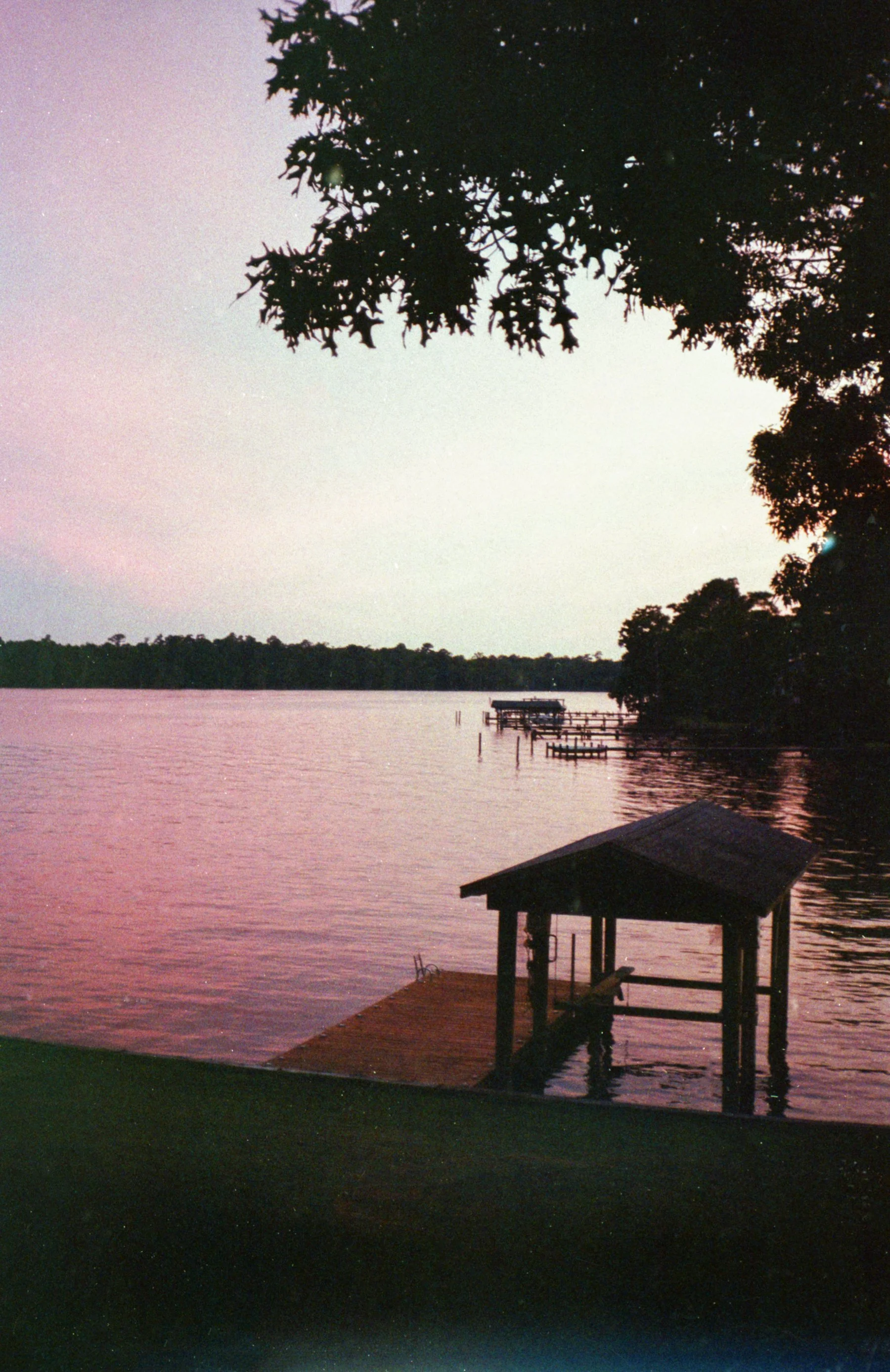
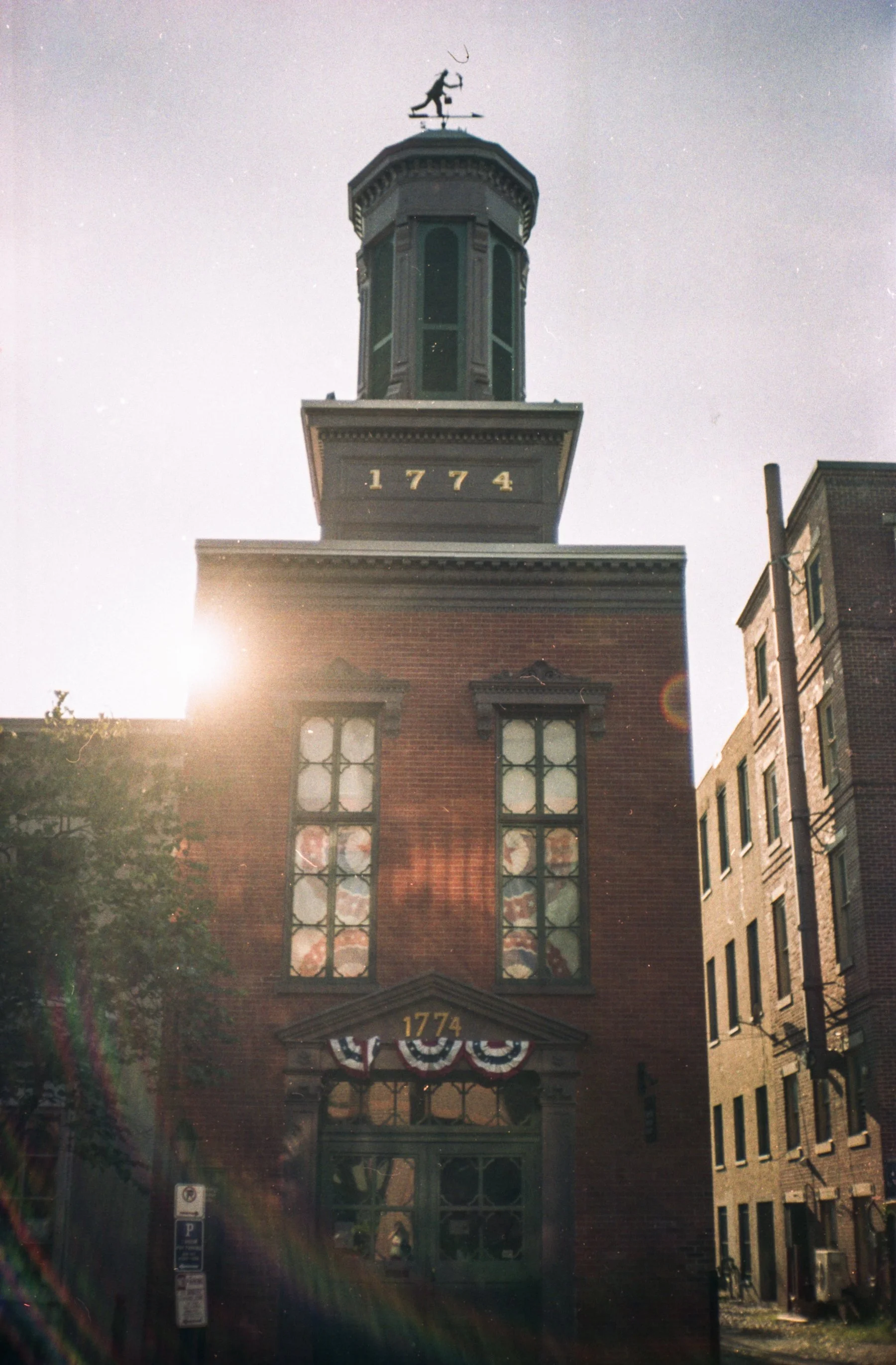
When I was planning my 16 day trip to England, where we’d be hiking 102 miles along the Cotswold Way National Trail, I knew I needed to choose my cameras very carefully. Not only would I be carrying them the entire time, but I was also potentially encountering various types of weather and lighting. I have a tendency to bring at least 6 cameras with my on my international trips, but I wanted this specific trip to challenge me to downsize. And let me tell you, it was difficult. Of course, I knew I was going to bring my Holga 120 GCFN as my medium format camera and my Canon G7X Mark II as my point and shoot digital camera, but I was having a hard time finding the ultimate 35 mm camera for this sort of adventure. That is, until I found the Ricoh 500GX.
THE STORY BEHIND MY SEARCH
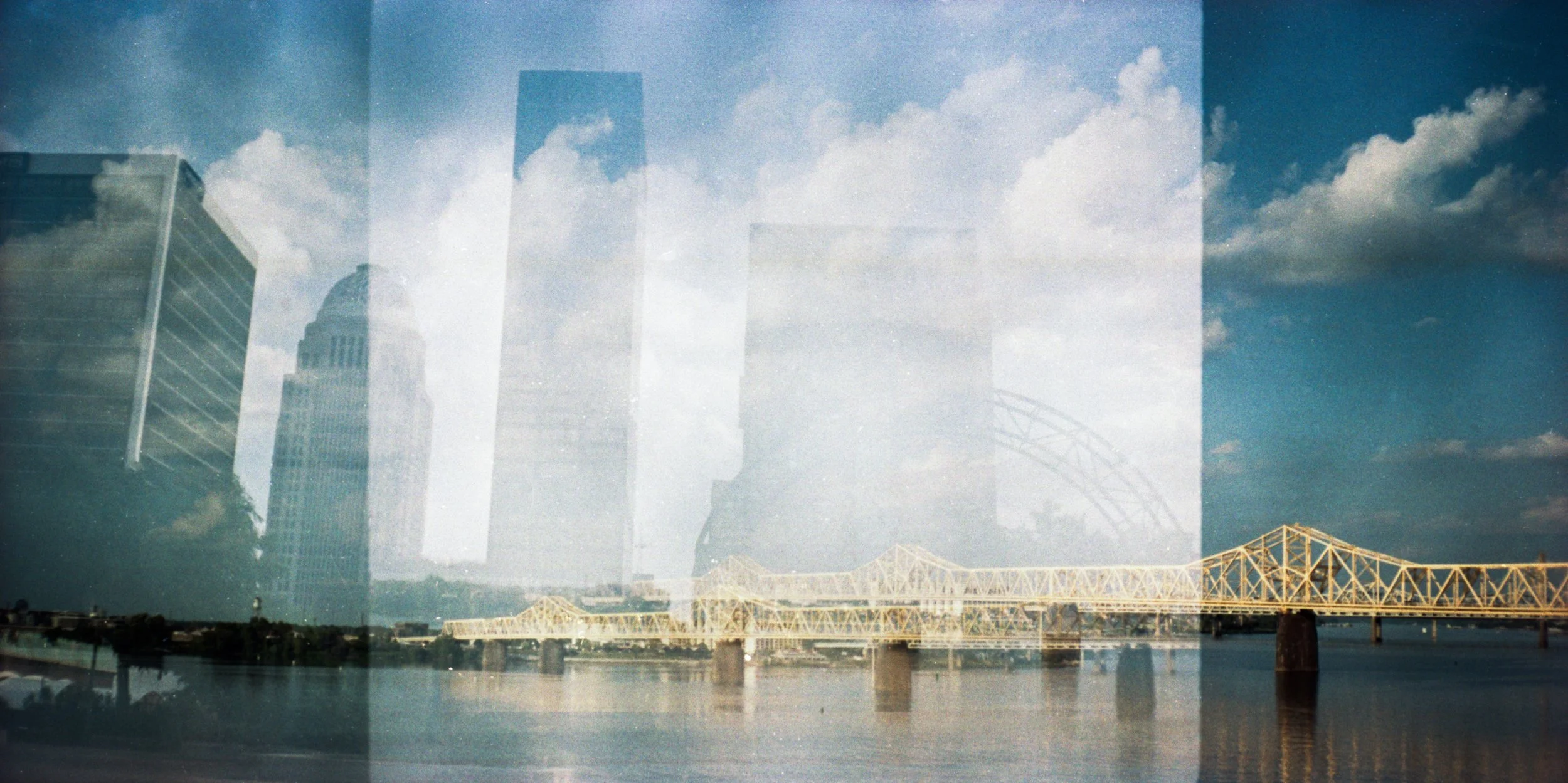
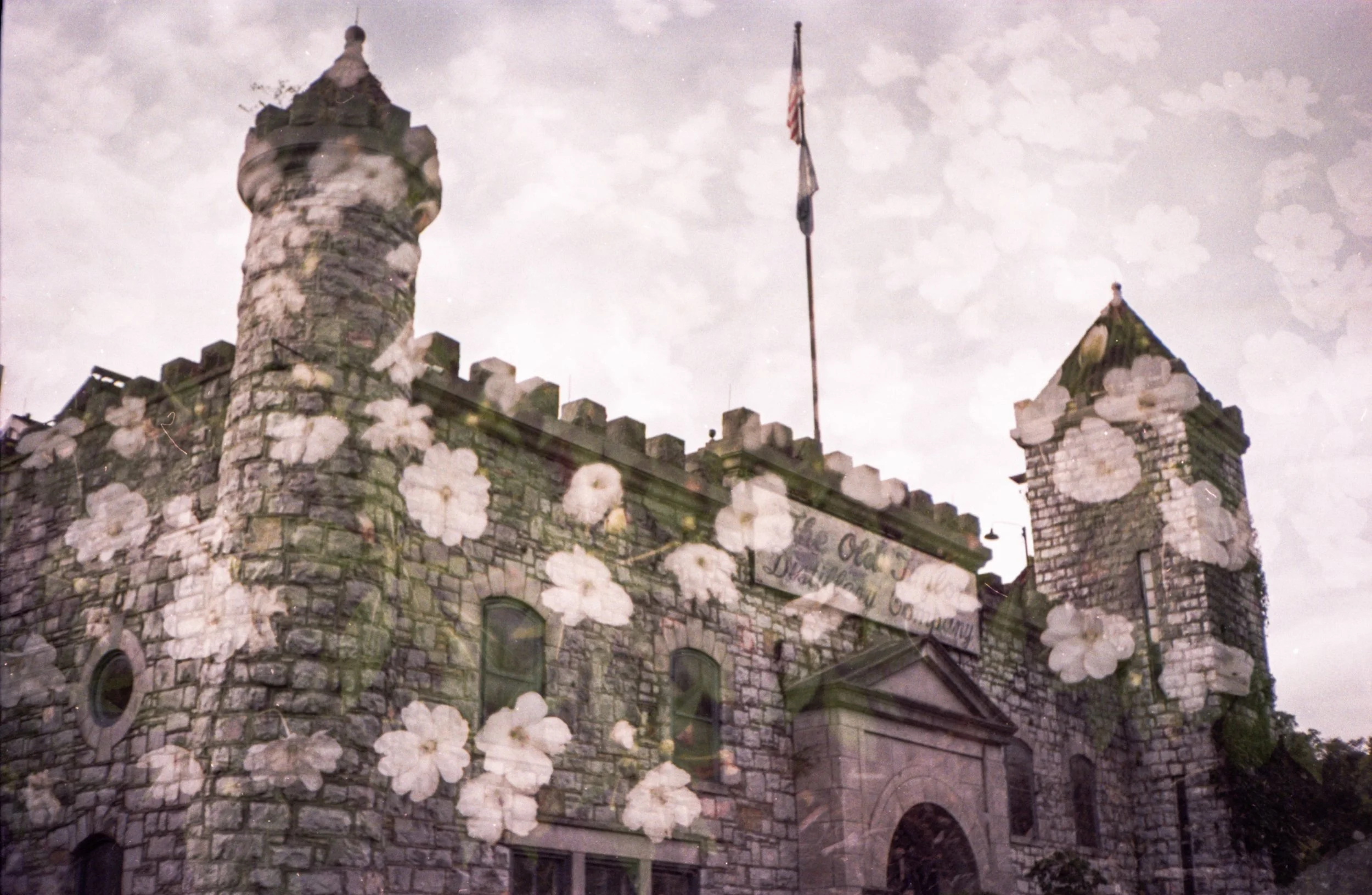
I spent days researching 35 mm cameras. I made spreadsheets. I used Chat GPT like it was my job. When I’m looking for a new camera, there are always a few features I absolutely cannot live without. If you’ve been following me for a while, you know that I’m obsessed with multiple exposures. Searching for 35 mm film cameras that easily can create multiple exposures isn’t an easy task. For most people, that feature isn’t a deal breaker. But for me, on a 102 mile hike, it was absolutely a deal breaker. The other feature that was necessary for this trip was a super lightweight and small body. I didn’t want to weigh myself down and make the hike any harder than it had to be. I considered taking my Nikon FE2, one of my favorite vintage 35 mm cameras (you can read more about it on my blog here), but it was a bit too bulky to fit in my tiny camera bag I had purchased for this trip. I had also already decided which point and shoot 35 mm camera I was going to take (don’t worry, I have a full blog post coming about that camera too!) but I wanted to bring along a second 35 mm camera that was higher quality with sharper images and a better lens.
I was also working with a very specific budget. I was hoping to stay within the $200-300 range. There were plenty of cameras out there closer to $500 or $1000 that I would have loved to buy, but I’d already spent way too much money on gear for the hike. (P.S. I have a full YouTube series and downloadable PDF all about our hike, if you’re interested!)
I almost pulled the trigger on the Rollei QZ 35T but when I realized that the camera body wasn’t super durable and would not fare well in a rainstorm, it became too risky to spend that much money on a camera for this particular trip.
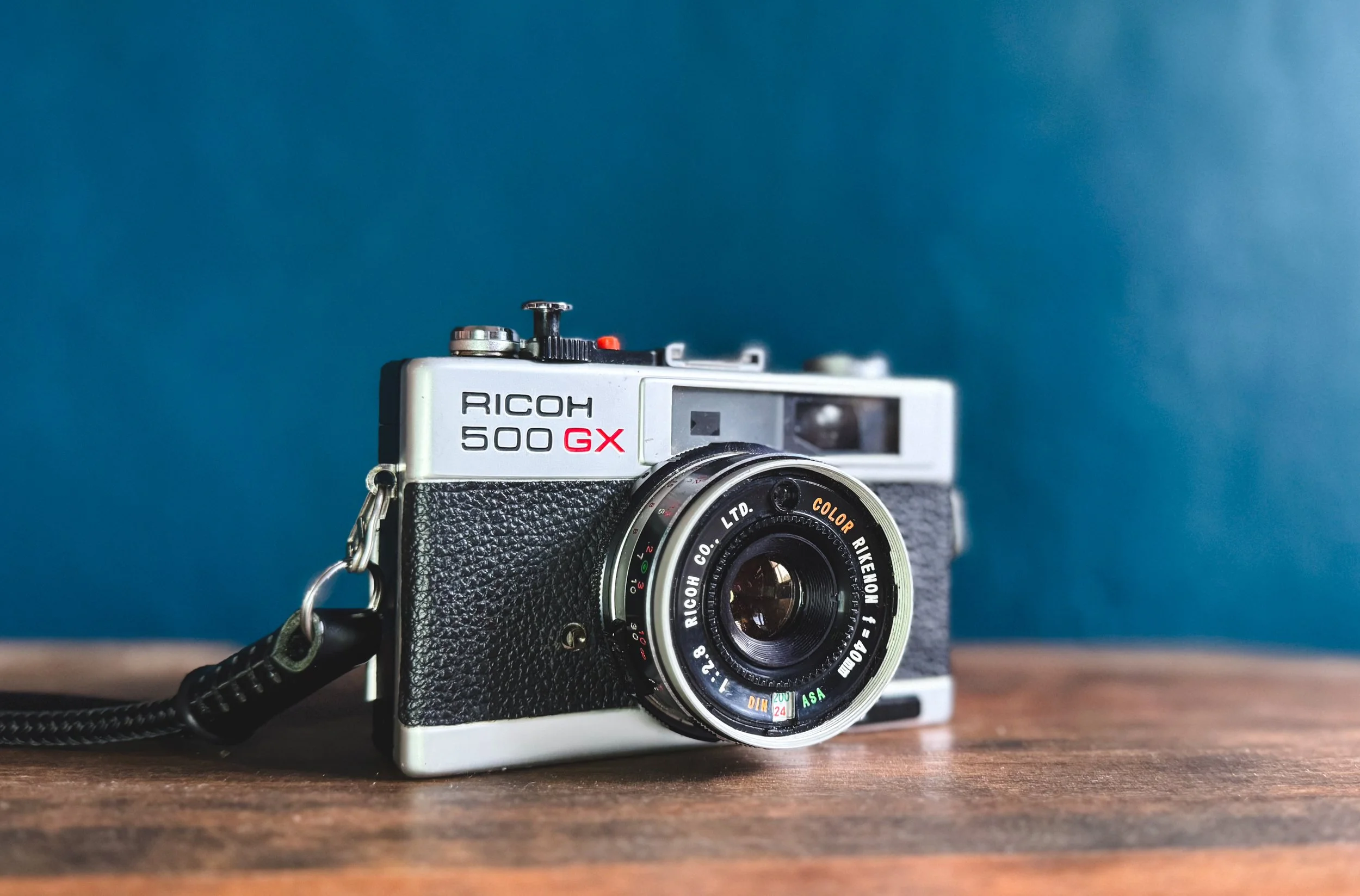
Typically, I prefer an aperture priority setting on my cameras. However, when I stumbled upon the Ricoh 500GX (you can usually find one on eBay), it seemed to cover all of the topics I mentioned above, but it had a shutter priority setting instead. Not ideal, but still a partially automatic setting that would allow me to take photos quickly and easily. We had a lot of miles to cover every day, so I couldn’t spend the entire time fiddling with manual settings for every photo. The Ricoh 500GX was also super tiny and was known for it’s durable metal body. The original version of this camera (which also tends to be easier to find) doesn’t have a multiple exposure feature, but the Ricoh 500GX has a designated multiple exposure lever on the front of the camera. It’s also known for it’s sharp Rikenon 40 mm f/2.8 lens. The lens is built-in and non-detachable, which also helps to keep the camera small and compact.
HISTORY
The Ricoh 500GX was released around 1977 in Japan (somehow I always end up choosing Japanese cameras!) and was sold throughout the 1980s. It’s considered a compact 35 mm rangefinder camera and was one of the last styles in the 500-series line that was produced. The Ricoh brand wasn’t quite as popular as some of the bigger brands, which allowed it’s price point to stay relatively low. But that’s precisely why it’s a great camera. You get high quality for a low price.
(By using the affiliate links and/or codes in this blog post it supports Myles Katherine Photography. We may get a small kick back by you doing so.)